
1. The Pepsi Challenge and the Aggressive Cola Wars
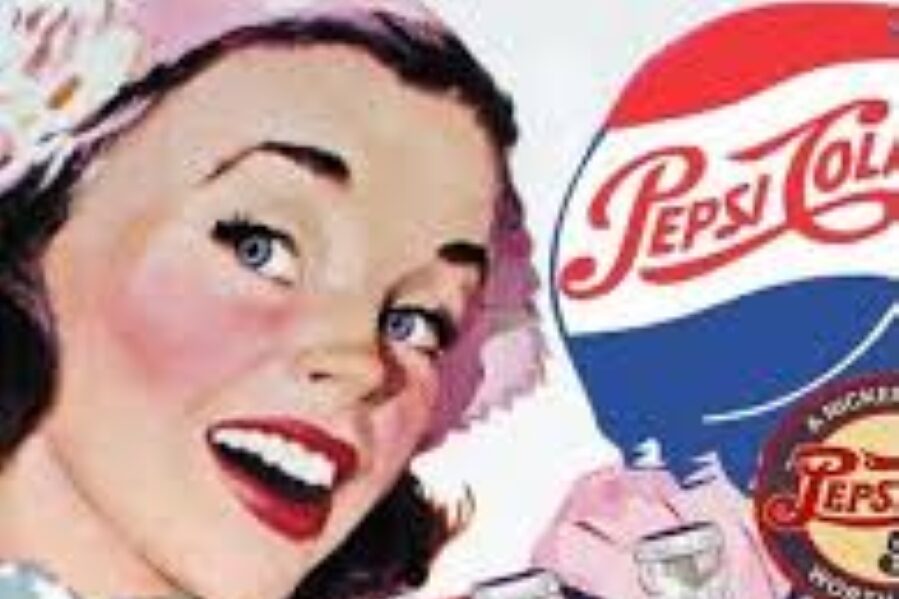
During the 1980s, the rivalry between Pepsi and Coca-Cola exploded into one of the most aggressive marketing battles in advertising history. The Pepsi Challenge commercials showed everyday people taking blind taste tests and choosing Pepsi over Coke, often with enthusiastic reactions. The ads were energetic and sometimes borderline provocative, essentially daring viewers to question their loyalty to Coca-Cola.
What made the campaign controversial even then was its direct competitive framing. One famous line repeated in variations of the ads was “More people prefer the taste of Pepsi.” The commercials encouraged consumers to see soda as a contest rather than just a beverage choice. While comparative advertising still exists, today’s regulatory and corporate environments tend to favor more careful messaging. In the 1980s, though, the taste test format created a public spectacle that turned a simple drink into a cultural showdown and helped cement the era’s reputation for bold advertising.
2. Joe Isotoner Gloves and the Celebrity Sales Pitch
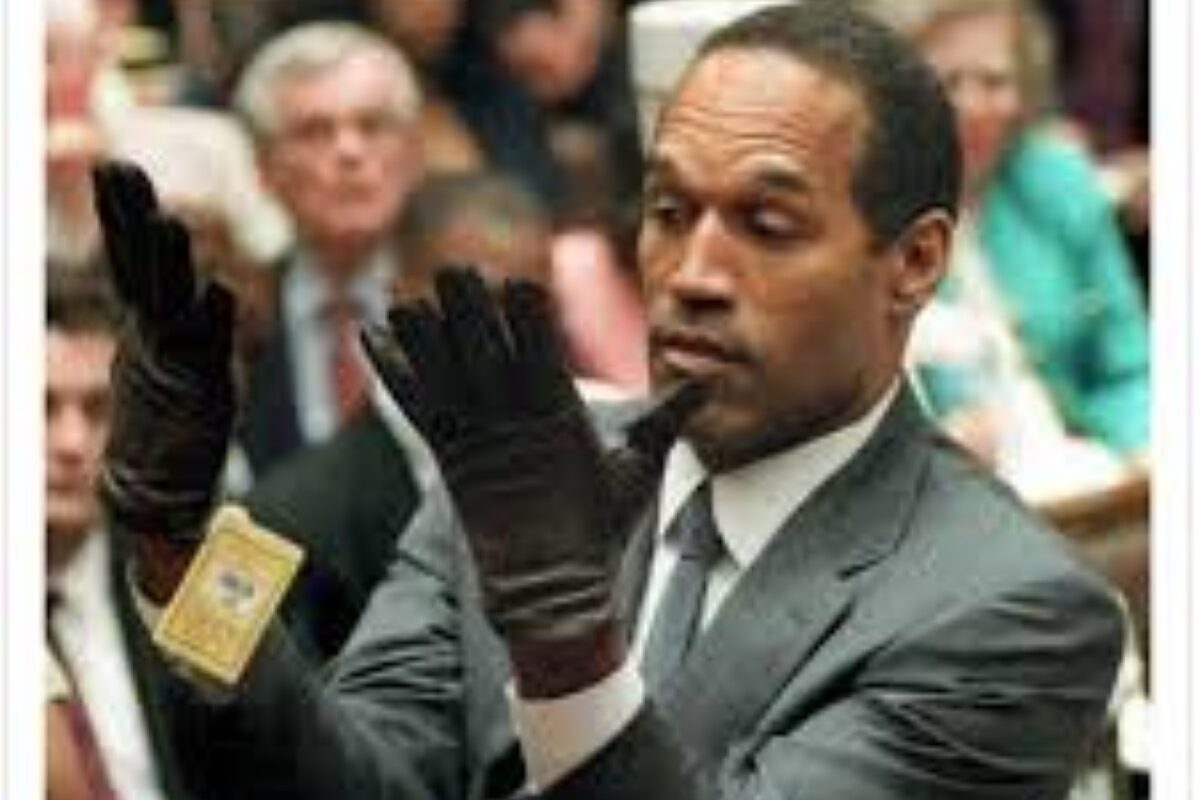
In the mid-1980s, actor and sports broadcaster O.J. Simpson became the very recognizable face of Isotoner gloves. The commercials showed him jogging through airports and gliding through daily life while praising the sleek leather gloves. At the time, the ads felt smooth and aspirational. Simpson’s friendly persona made the product seem like an essential accessory for the modern professional on the move.
The campaign leaned heavily on celebrity trust in a way that would likely be handled very differently today. Simpson famously said in the ads that the gloves were “the perfect fit,” a phrase that later took on unintended cultural weight after his highly publicized 1990s trial. Advertising historians often point out that the campaign reflects a time when brands tied themselves closely to individual personalities without the kind of reputational safeguards companies now rely on. Today’s marketing teams are far more cautious about celebrity endorsements, especially when a brand’s entire image is built around a single public figure.
3. McDLT and the Famous “Hot Stays Hot, Cool Stays Cool” Packaging

When McDonald’s introduced the McDLT in the 1980s, the advertising campaign focused on a unique packaging concept. The burger was served in a two-compartment Styrofoam container designed to keep the hot side hot and the cool side cool. The commercials featured a catchy jingle repeating the phrase “The hot stays hot and the cool stays cool,” while actors enthusiastically assembled the sandwich themselves.
At the time, the packaging was presented as innovative and fun. But from a modern perspective, the ad highlights something that would likely face serious criticism today: the heavy use of disposable foam containers. Environmental awareness around plastic and Styrofoam waste has changed dramatically since then. Environmental advocates later cited products like the McDLT packaging as examples of unnecessary single-use materials. The commercial itself remains memorable, but it also serves as a reminder of how much expectations around sustainability have evolved in advertising and product design.
4. Ronald McDonald and Direct Marketing to Kids
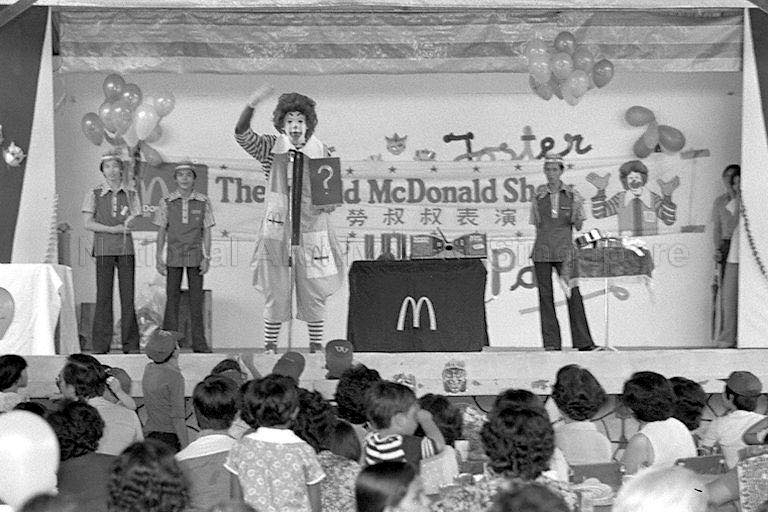
Saturday morning television in the 1980s often included cheerful McDonald’s commercials featuring Ronald McDonald inviting children to visit the restaurant. The ads blended fast food with playground imagery, cartoon characters, and colorful toys that came with Happy Meals. Kids were shown laughing, playing, and enjoying a magical world built around burgers and fries.
Today, direct marketing of fast food to young children is much more closely scrutinized. Public health advocates have argued for years that these types of ads contributed to unhealthy eating habits among kids. Ronald McDonald himself became a focal point in that debate. Critics often pointed to the way the ads targeted children who were too young to fully understand persuasive advertising. While McDonald’s still advertises to families, the tone and structure of those campaigns have evolved. The cheerful chaos of those early commercials now feels like a snapshot from a different era of television.
5. Toys That Practically Begged Kids to Buy Them

The 1980s saw a boom in toy commercials that aired during children’s programming, and many of them blurred the line between entertainment and advertising. Action figures, dolls, and playsets were often presented through dramatic mini-stories that looked almost like short cartoons. Kids watching at home were pulled into elaborate adventures that made the toys seem essential to recreating the excitement.
One common criticism of the era was how directly the commercials pushed kids to ask their parents for the product. Advertising scholars have described the approach as “pester power,” the idea that repeated exposure would lead children to pressure adults into buying toys. Today, many networks and advertisers follow stricter guidelines around how products are promoted to children. Looking back, those energetic commercials feel nostalgic, but they also reveal how much the relationship between children’s entertainment and marketing has changed over time.
6. Winston Cigarettes and the Everyday Cool Image
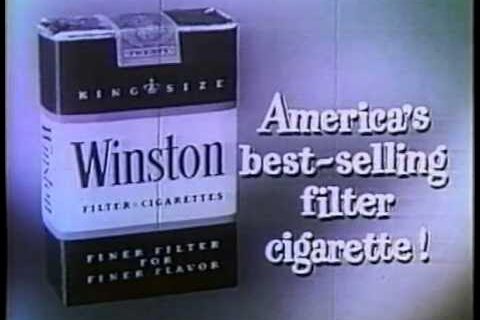
If you watched television in the early 1980s, cigarette commercials were still a regular part of the broadcast landscape. Winston cigarettes ran ads that portrayed smoking as an easy part of everyday life, often showing relaxed adults enjoying a cigarette after work or during social gatherings. The tone was casual and confident, suggesting that smoking fit naturally into the rhythm of modern American living. In one memorable campaign, the slogan “Winston tastes good like a cigarette should” echoed through living rooms across the country, reinforcing the idea that cigarettes were simply another consumer choice like coffee or soda.
Today, the idea of cigarette commercials on mainstream television feels almost unimaginable. In the United States, broadcast cigarette advertising was banned in 1971, but brand promotions and similar imagery still lingered in cultural memory throughout the early part of the decade. Public health conversations later changed how these ads were remembered. Surgeon General C. Everett Koop once remarked during anti-smoking campaigns that “smoking is the leading preventable cause of death in our society.” That shift in awareness reshaped how people look back at these once-common commercials, which now feel like relics from a time when the risks were less openly discussed in everyday advertising.
7. Miller Lite’s “Tastes Great, Less Filling” Barroom Banter
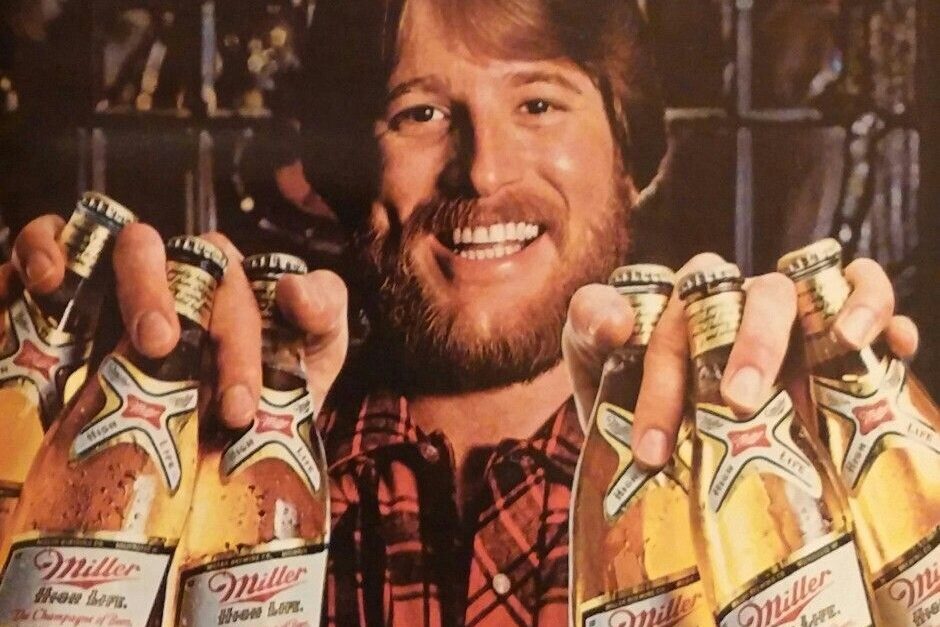
Beer commercials in the 1980s often leaned into rowdy humor, and Miller Lite’s famous “Tastes Great, Less Filling” campaign captured that spirit perfectly. The ads typically took place in lively bars where former athletes and celebrities debated the qualities of the beer. One side would loudly chant “Tastes great!” while the other responded “Less filling!” The playful shouting matches made the product memorable and turned a simple slogan into a national catchphrase repeated in sports bars and living rooms alike.
What stands out today is how these commercials leaned heavily on a loud, male-dominated atmosphere that was meant to feel relatable to a certain audience. The scenes often featured competitive banter and exaggerated personalities, creating a sense that beer drinking was tied to a particular version of masculinity. Advertising experts sometimes point to these ads as a classic example of how brands once built identity around social stereotypes. While humor still plays a role in beer marketing, the tone of modern campaigns tends to be broader and more inclusive. Looking back, the Miller Lite debates remain memorable pieces of pop culture, but they also show how advertising styles have gradually shifted with changing social expectations.
8. Diet Coke’s Early Claims of Effortless Slimming
When Diet Coke launched in the early 1980s, the commercials focused heavily on the promise of enjoying soda without worrying about weight gain. The ads featured active, upbeat adults sipping the drink while going about stylish daily routines. The messaging often hinted that switching to diet soda could help people maintain a slim figure without sacrificing taste. One promotional line captured the mood of the time by describing the drink as “just for the taste of it,” a phrase that helped make the product feel modern and carefree.
Health messaging around beverages has evolved quite a bit since then. In the 1980s, the conversation about nutrition and artificial sweeteners was far less complicated in advertising. Companies could lean on the idea that diet soda was a simple lifestyle upgrade. Over time, researchers and health advocates began to look more closely at the role of sugary drinks and artificial sweeteners in overall health. While Diet Coke remains a popular brand today, its marketing language has shifted toward lifestyle and flavor rather than promising easy solutions to weight concerns. Those early commercials still capture a moment when advertising spoke about diet trends in a much more direct and uncomplicated way.
9. Reebok’s “Freestyle” Ads and the Gender Stereotype Era
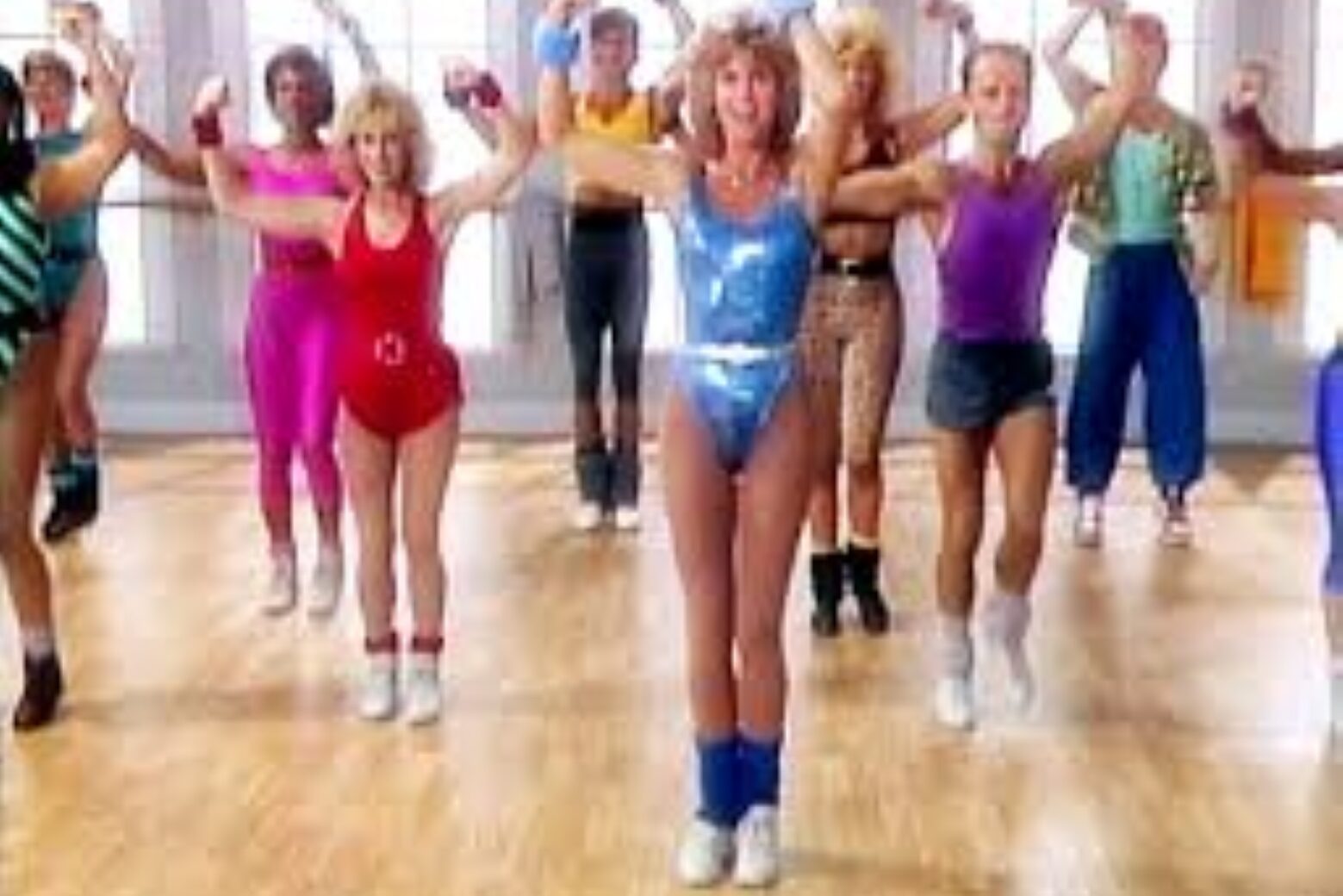
The introduction of Reebok’s Freestyle sneaker in the 1980s was closely tied to the aerobics craze sweeping the United States. Commercials showed energetic workout classes filled with dancers and fitness enthusiasts moving to upbeat music. The shoes were designed specifically for women, and the ads leaned strongly into that identity, often presenting aerobics studios as bright, fashionable spaces where style and exercise blended together.
While the campaign helped make the Freestyle one of the most recognizable athletic shoes of the decade, it also reflected the way marketing sometimes boxed activities into narrow gender categories. Fitness was presented in a distinctly stylized way that suggested certain workouts were primarily meant for women, while other sports advertising still focused mainly on male athletes. Modern fitness marketing tends to highlight broader participation and diverse forms of exercise rather than strict categories. The old commercials remain fascinating to watch because they capture the energy of the aerobics boom, but they also show how advertising once framed fitness trends through a more limited lens.
10. California Raisins and the Surprising Food Mascot Craze
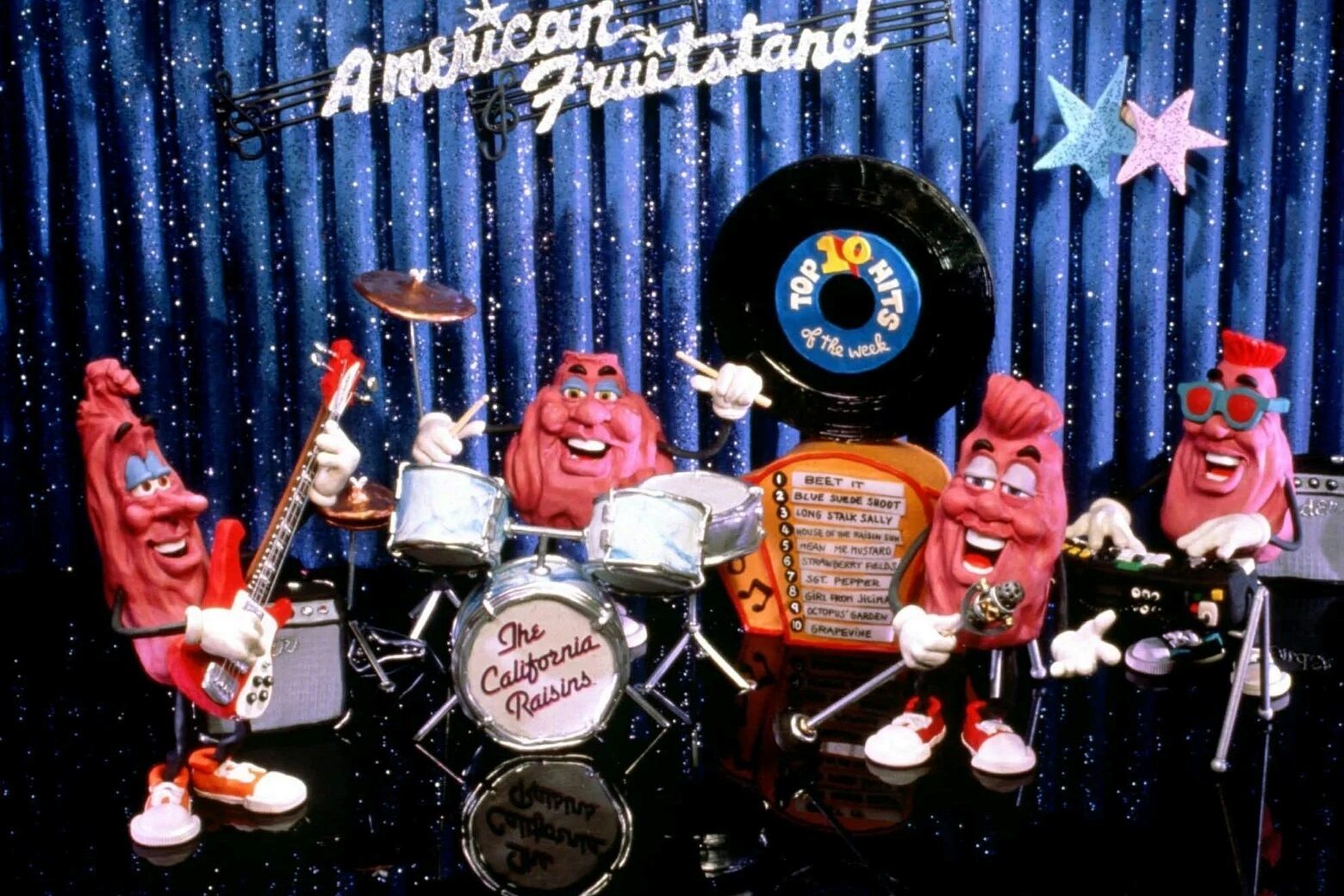
One of the most unusual commercial campaigns of the 1980s featured a group of animated clay raisins singing and dancing to rhythm and blues classics. Known as the California Raisins, the characters appeared in a series of ads promoting the California Raisin Advisory Board. The tiny performers wore sunglasses, moved to catchy music, and delivered performances that felt closer to a music video than a traditional food advertisement. Their rendition of “I Heard It Through the Grapevine” became so popular that it even led to merchandise and television specials.
What made the campaign remarkable was how far the marketing extended beyond the product itself. The raisins became cultural characters rather than simple mascots, and the ads blurred the line between entertainment and advertising in a way that might feel unusual today. Marketing professor Stephen Fox once noted that the campaign “turned a basic agricultural product into pop culture.” While mascot advertising still exists, modern campaigns are usually more cautious about building entire entertainment franchises around food products. Still, the California Raisins remain one of the most memorable reminders of how playful and experimental 1980s commercials could be.
11. Atari Game Ads That Promised Arcade Glory at Home
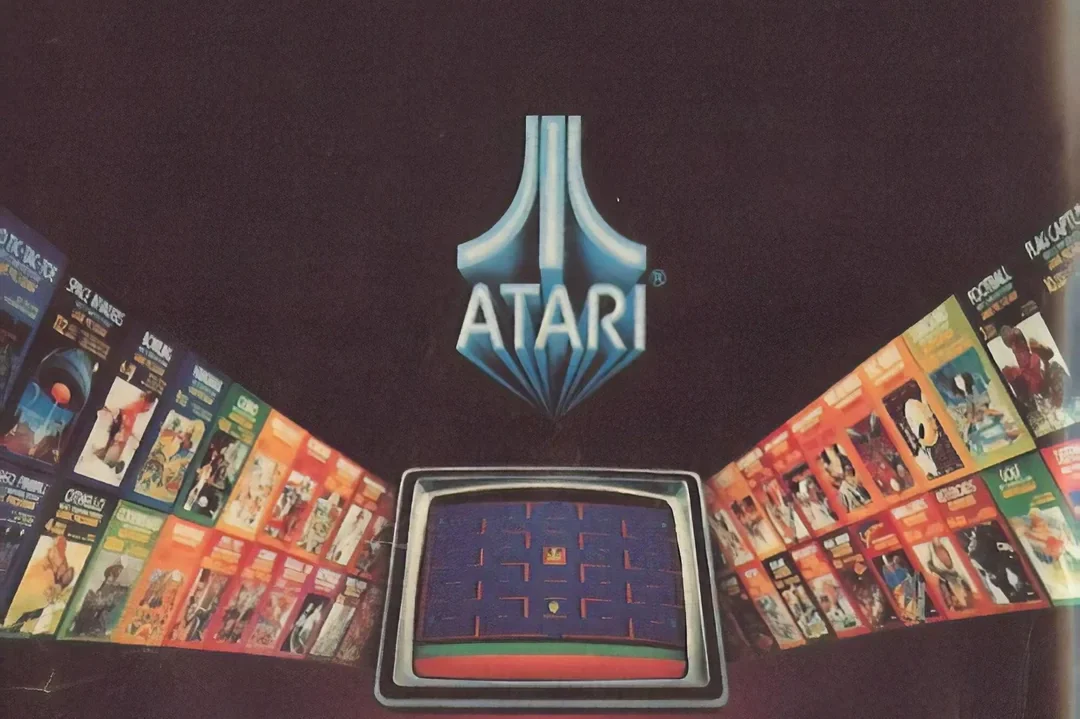
If you were a kid watching television in the early 1980s, Atari commercials felt like a doorway to another universe. The ads showed families gathered around the television as bright arcade-style graphics flashed across the screen, promising that the thrill of the arcade could now live right in your living room. The message was simple and exciting. Buy the console, slide in the cartridge, and suddenly your home could feel like the most exciting place on the block. In many of those ads, children jumped with excitement while parents looked equally impressed, creating the sense that the whole household would benefit from the purchase.
Looking back, what stands out is how confidently the commercials promised a near-perfect arcade experience. In reality, early home consoles were far more limited than the machines found in arcades. Some players later joked that the ads were more exciting than the games themselves. Advertising writer Jerry Della Femina once observed that “advertising is the most fun you can have with a product before you actually use it.” That sentiment fits the era perfectly. Modern game marketing tends to include disclaimers or gameplay footage that closely reflects the final product, but the enthusiastic Atari commercials of the ’80s relied more on imagination than technical accuracy.
12. Shake ’n Bake and the Family Kitchen Stereotype

Food commercials in the 1980s often leaned into familiar family scenes, and Shake ’n Bake ads were among the most recognizable. The commercials usually showed a cheerful mother and child preparing dinner together in a bright kitchen. The child would excitedly help coat the chicken before proudly announcing the famous line, “And I helped!” It was a simple, heartwarming moment meant to show that cooking dinner could be easy, fun, and a shared family experience.
Today, viewers often notice how strongly those commercials reflected traditional household roles. The kitchen was almost always portrayed as the mother’s domain, while the father appeared later to enjoy the finished meal. Cultural expectations around family life and gender roles have shifted quite a bit since then. Modern advertising tends to show a wider range of family dynamics and shared responsibilities. Still, the Shake ’n Bake ads remain memorable because they captured a very specific vision of home life that many Americans recognized at the time. Watching them today feels like opening a small window into the everyday routines and assumptions that shaped advertising in the early television era.
13. L’Oréal Beauty Ads and the Perfect Image Ideal
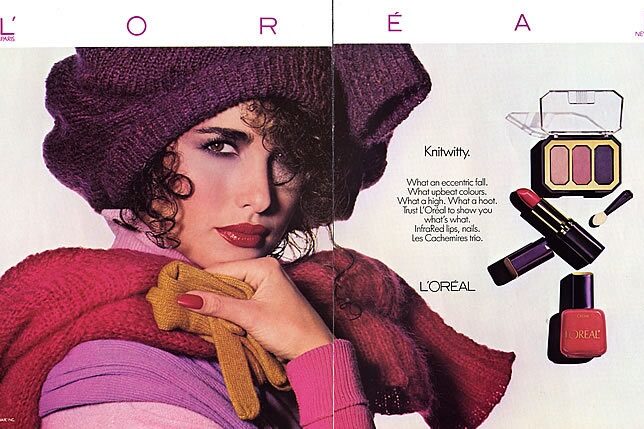
Beauty commercials in the 1980s often leaned heavily into polished, almost unattainable glamour. Xproduct campaigns were especially memorable, featuring confident models tossing shiny hair while speaking directly to the camera. The famous line “Because you’re worth it” became a defining phrase in beauty advertising, suggesting that luxury hair care was a form of personal empowerment. The ads framed beauty as something both aspirational and within reach if you simply chose the right product.
While the slogan itself remains widely recognized today, the tone of beauty advertising has evolved considerably. In the 1980s, the focus was often on a narrow standard of beauty presented through carefully styled images and studio lighting. Media critics later began questioning whether these kinds of commercials created unrealistic expectations for everyday viewers. As advertising scholar Jean Kilbourne once explained during discussions about beauty marketing, “Advertising doesn’t just sell products, it sells values and ideas about who we are.” Modern campaigns often emphasize diversity, authenticity, and different expressions of beauty. The original L’Oréal commercials, though, still stand as powerful reminders of how the beauty industry once defined confidence and self-worth through a very specific lens.
14. Kool-Aid’s Kool-Aid Man and the Sugary Celebration
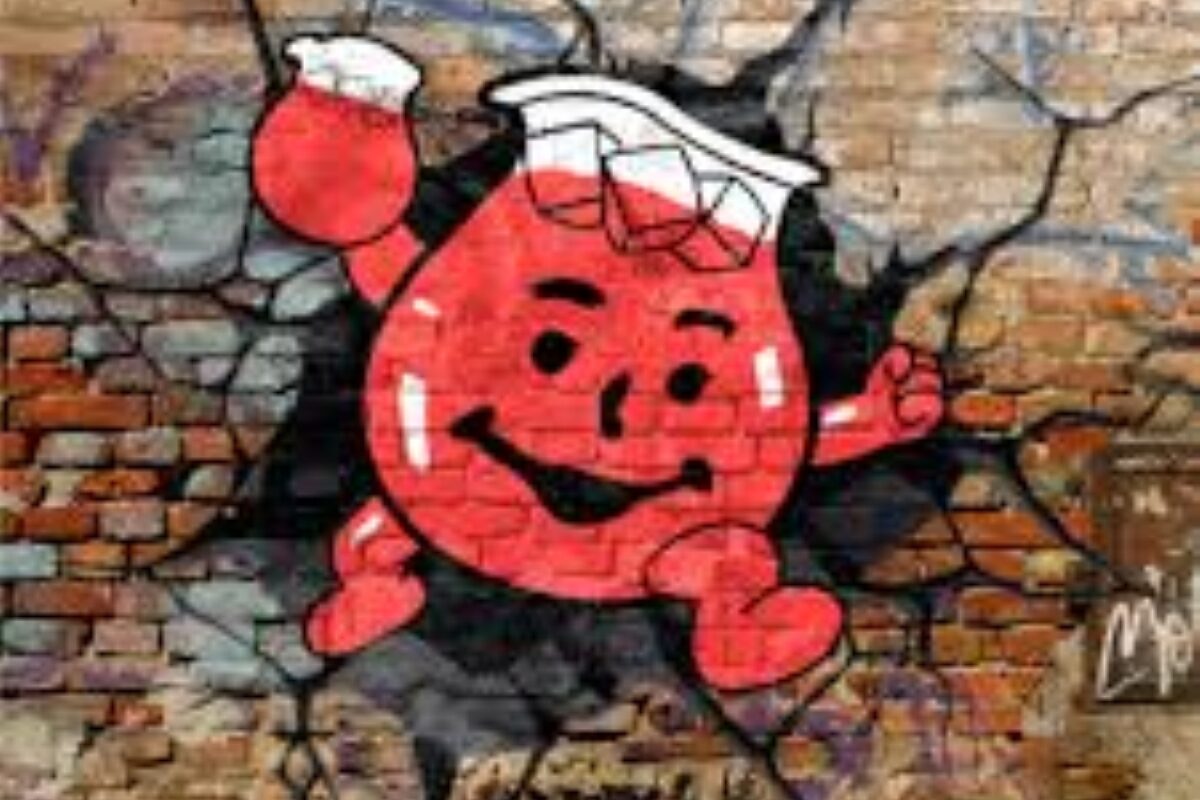
Few characters burst onto television screens with as much enthusiasm as the Kool-Aid Man. In the 1980s commercials, the giant smiling pitcher would crash through a wall with the unforgettable shout of “Oh yeah!” whenever kids needed refreshment. The scenes usually involved children playing outside or gathering for a party before the Kool-Aid Man arrived to save the moment with a pitcher of bright red drink. The message was cheerful and simple. Kool-Aid meant fun, energy, and endless summertime excitement.
The ads also reflected a different era in how sugary drinks were marketed to children. The commercials rarely mentioned nutrition and instead focused entirely on excitement, color, and playful chaos. Over time, concerns about sugar consumption and childhood health began shaping how beverage companies promoted their products. Many modern campaigns include more balanced messaging or target a broader family audience rather than focusing solely on children. Yet the Kool-Aid Man remains one of the most recognizable mascots in American advertising history. The loud entrance, the joyful tone, and the memorable catchphrase perfectly captured the bold and energetic spirit that defined so many television commercials of the decade.
15. Burger King’s “Have It Your Way” Confidence
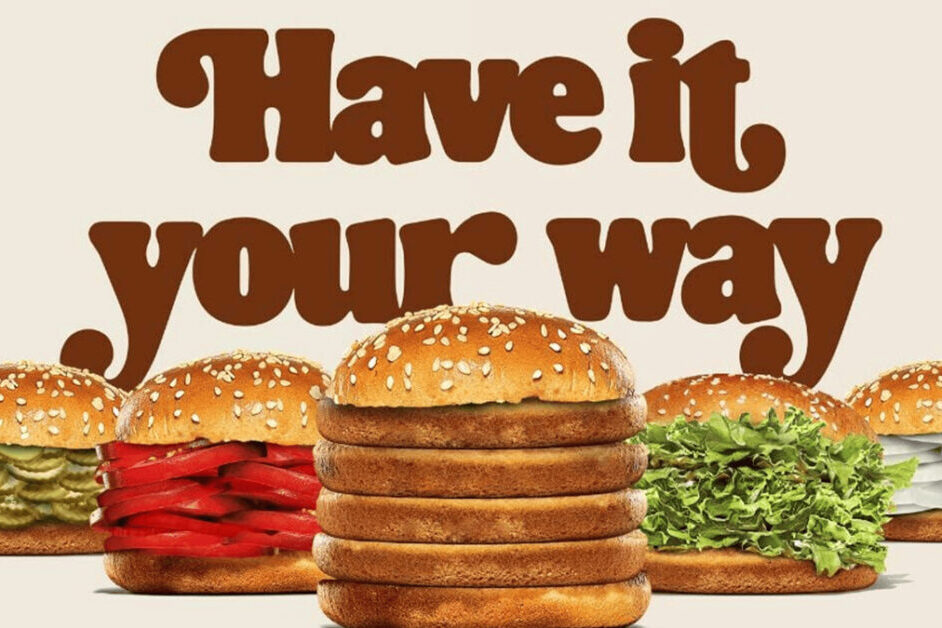
Burger King commercials in the 1980s carried a confident message that stood out in the crowded fast-food landscape. The slogan “Have It Your Way” encouraged customers to customize their burgers exactly as they liked them. Ads often showed cheerful employees happily adjusting orders while upbeat music played in the background. The idea felt empowering for customers. Instead of simply accepting a standard menu item, the commercial suggested that your personal preference mattered.
What makes these ads interesting today is how boldly they framed customization as something revolutionary. Fast food chains now routinely offer countless variations, but at the time the concept of tailoring a burger felt fresh and distinctive. Advertising historian Mark Tungate once wrote that successful campaigns often succeed because they “tap into a simple human desire.” In this case, that desire was control over what you were eating. The commercial may seem ordinary now, but it helped shape how people thought about fast food service. Watching it today reminds us that many everyday conveniences started as bold advertising promises that gradually became part of normal life.
16. SlimFast and the Quick-Fix Weight Promise
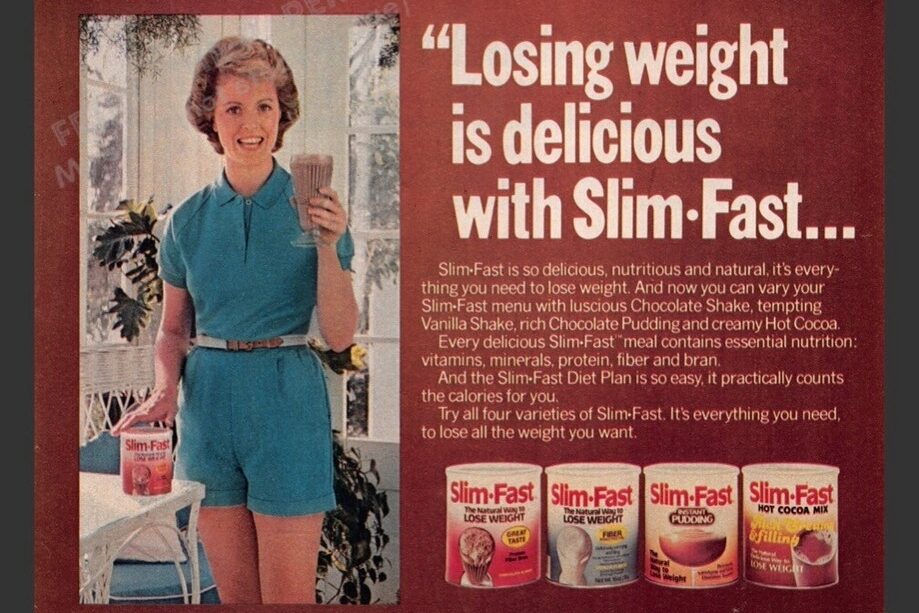
If you turned on daytime television in the late 1980s, chances were good you’d see a SlimFast commercial promising an easier path to weight loss. The ads typically showed cheerful adults replacing meals with the creamy shake while explaining how simple the routine was. One familiar line repeated in different versions of the campaign went, “A shake for breakfast, a shake for lunch, and a sensible dinner.” The message felt reassuring and straightforward. You didn’t need complicated diet plans or intense workouts, just a simple routine that fit neatly into everyday life.
Looking back, the promise of a quick solution to weight management would likely face more scrutiny today. Health experts now emphasize balanced nutrition, long-term lifestyle changes, and careful messaging around body image. In the 1980s, however, advertising often presented diet products as simple lifestyle shortcuts. Nutritionist Marion Nestle once remarked during discussions about food marketing that “people like easy answers, and companies know that.” That observation helps explain why these commercials resonated with so many viewers at the time. Today, weight-related advertising tends to be more cautious and detailed, but those old SlimFast ads remain a reminder of how confidently brands once sold the idea of effortless change.
17. Energizer Bunny and the Endless Battery Claim
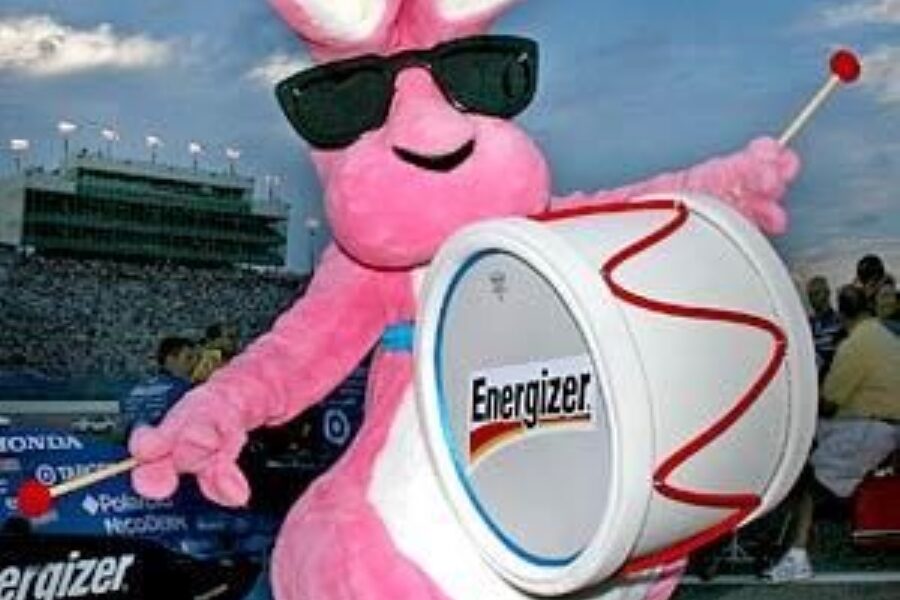
One of the most memorable characters in advertising history hopped onto television screens in 1989 when Energizer introduced the Energizer Bunny. Wearing sunglasses and beating a drum, the pink mascot marched through scenes that parody other commercials while continuing to go and go. The message was simple and easy to remember. Energizer batteries lasted longer, and the tireless bunny was the living proof.
The humor of the ads helped them stand out, but the campaign also reflected how boldly companies once presented product performance. Commercials made dramatic visual claims about endurance, sometimes showing competing batteries fading quickly while the bunny kept moving forward. While comparative advertising still exists, modern campaigns often rely on more precise technical explanations or disclaimers. Advertising veteran David Ogilvy once wrote that “the best ideas come as jokes,” and the Energizer Bunny certainly proved that point. The character turned a simple battery into a cultural icon. Even today, people still use the phrase “it keeps going and going,” showing how a playful 1980s commercial managed to stick in public memory long after the original ads aired.
18. Spuds MacKenzie and the Party Animal Mascot
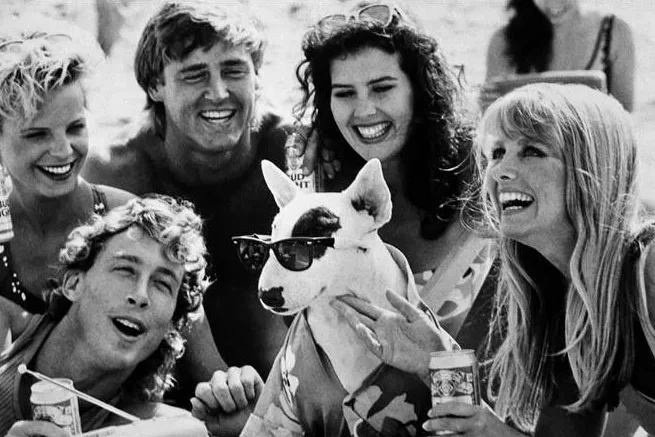
By the late 1980s, Bud Light introduced a mascot that quickly became a pop culture sensation. Spuds MacKenzie, a bull terrier portrayed as the ultimate party companion, appeared in commercials lounging on beaches, hanging out at lively gatherings, and generally living a carefree lifestyle. The ads suggested that Bud Light belonged at the center of every social event, with Spuds serving as the charming host. At the time, the character felt humorous and lighthearted, and the commercials became widely recognizable across the country.
In the years that followed, critics began questioning whether the campaign blurred the line between responsible advertising and party culture. Some observers worried that the playful dog mascot made beer advertising appealing to audiences beyond its intended adult market. Advertising historian Bruce Newman once noted that “mascots have a way of softening the message, which can make advertising feel more universal than intended.” That reflection captures why the Spuds MacKenzie ads might be harder to launch today. Still, they remain a vivid reminder of the creative freedom advertisers once had. Looking back at these commercials as a whole, it becomes clear that the 1980s were a different kind of marketing playground, one that shaped many of the rules brands follow now.


