
1. Kennesaw, Georgia (near Atlanta)
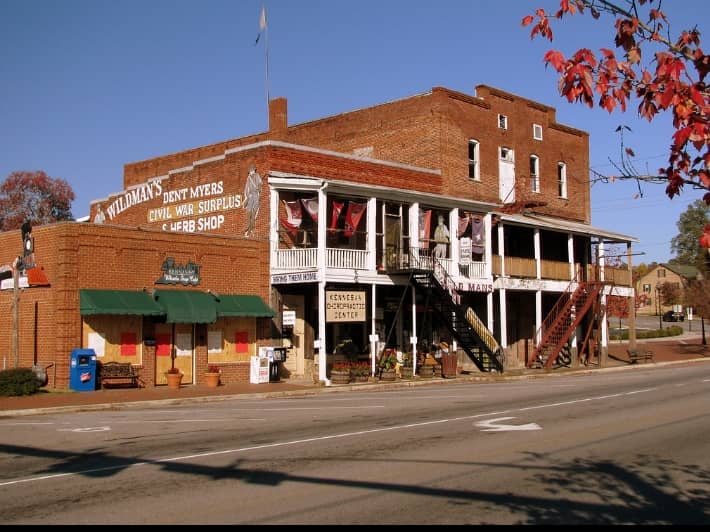
Striking out beyond big, crowded metros often leads you to nearby small cities: quieter, easier on the wallet, and sometimes full of hidden charm. Kennesaw sits just northwest of Atlanta, Georgia, giving you easy access to the big-city bustle while offering the calm and slower pace of a smaller city. With a 2020 population around 33,000, it strikes a balance: big enough to have local amenities, small enough to retain a cozy feel. The city is historically interesting, it was involved in the railroad era and played a role during the Civil War, and today locals enjoy a quieter lifestyle with shorter commutes than central Atlanta.
2. Lilburn, Georgia (near Atlanta)
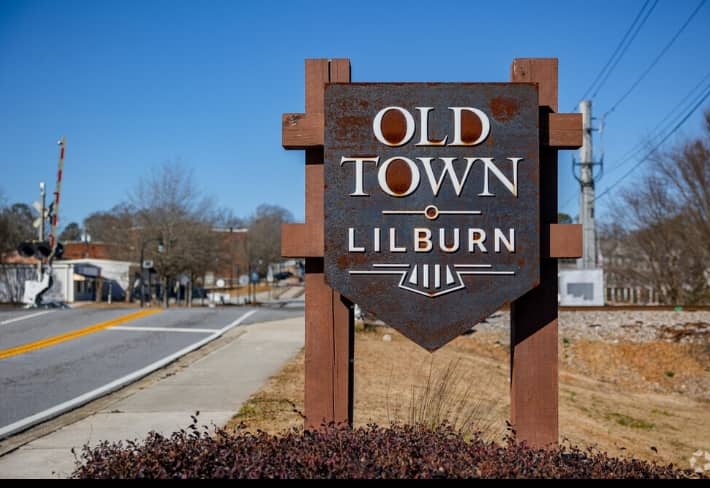
Not far from Atlanta, Lilburn, Georgia offers a genuine small-town feel with a population of about 14,500 (as of 2020), tucked within the orbit of the larger metro. Lilburn’s “Old Town” district has seen a bit of a renaissance, quaint historic buildings, small shops and a walkable downtown bring a sense of tight-knit community. This makes it ideal for someone who wants access to big-city amenities (drive or train into Atlanta), but comes home to something more peaceful.
3. Marysville, Washington (near Seattle)
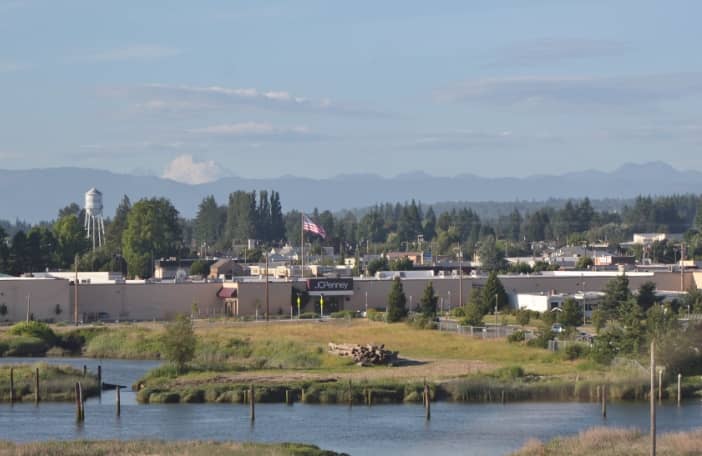
Marysville, Washington lies roughly 35 miles north of Seattle, Washington, close enough for a day-trip downtown, but far enough to escape big-city crowds. With a population around 70,700 in 2020 and steady growth since, Marysville offers a suburban-meets-small-city vibe. It mixes residential calm with access to nature: the city is near the Snohomish River delta and the more rural zones north of the metro, giving residents and visitors a breather from concrete and congestion without cutting off convenience.
4. Waukegan, Illinois (near Chicago)
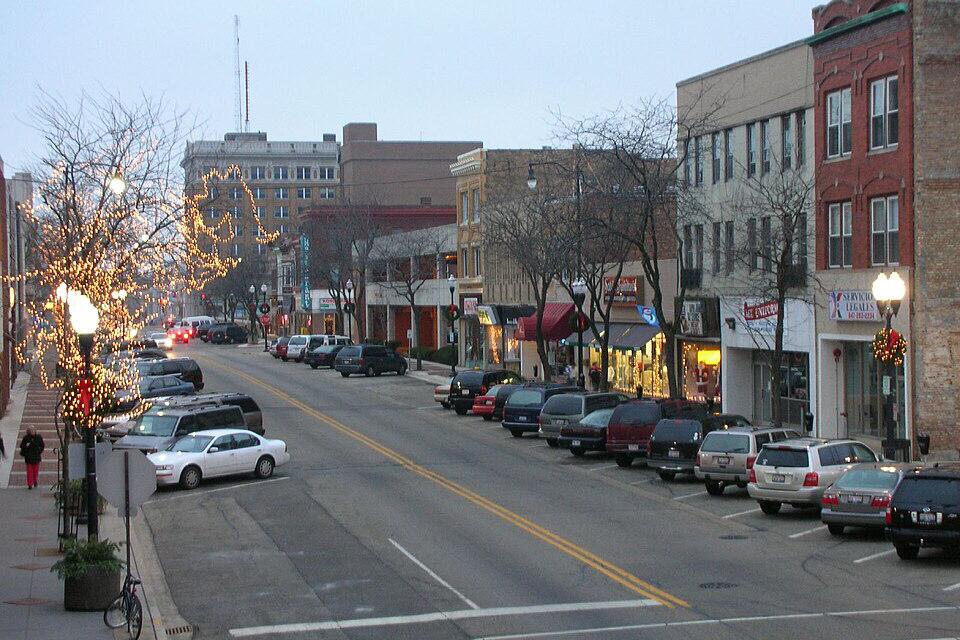
Just about 36 miles north of Chicago, Illinois lies Waukegan, Illinois, a city that doesn’t always get the spotlight, but offers a solid middle ground between big-city access and small-city life. With a 2020 population of roughly 89,000, Waukegan is the most populous city in Lake County but remains overshadowed by richer, more famous Chicago suburbs, which works to its advantage if you prefer lesser crowds and fewer crowds of tourists. Waukegan has been focusing on revitalization: lakefront redevelopment, pedestrian-friendly spaces, revamped theaters and growing local arts/culture scenes, so visitors and new residents find a mix of natural charm, local character, and big-city proximity.
5. Springfield, Missouri (near larger metro / mid-US hubs)
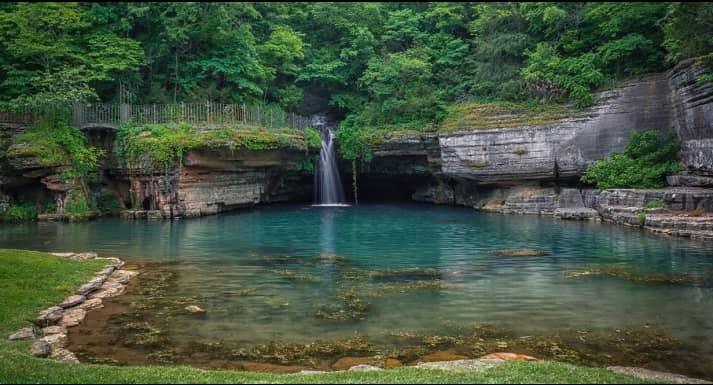
Springfield, Missouri is often overlooked compared to bigger cities, and that’s part of its charm. It’s praised for its affordability, access to nature, and growing cultural life, making it an appealing small-to-mid-sized city that’s easy to get to from larger Midwestern hubs. With cost of living below national average, a connection to natural surroundings (including the Ozark region), and local revival in art, music, and community events, Springfield offers a “get more for less” lifestyle. It’s a city that gives you breathing room, lower living costs, and a slower pace, all features that stand out in contrast to big-city overload. For families, young professionals, or travelers tired of big-city noise, it can feel like the kind of place where you could easily settle or linger a little longer.
6. Denton, Texas (near Dallas–Fort Worth)

Denton sits at the northern edge of the Dallas–Fort Worth metroplex, but it feels like a completely different world thanks to its creative, laid-back atmosphere. With two major universities, University of North Texas and Texas Woman’s University, the city blends small-town charm with a vibrant arts and music scene that often surprises first-time visitors. Locals love the historic Courthouse-on-the-Square, live music venues, and indie shops that give the downtown area an inviting character without the congestion you’d find closer to Dallas. Despite being within commuting distance of DFW, Denton keeps a slower rhythm, making it appealing to travelers who want culture without the urban overwhelm. It’s also a gateway to nature, with lakes, trails, and open spaces nearby, adding even more reasons to spend a weekend exploring it.
7. Golden, Colorado (near Denver)
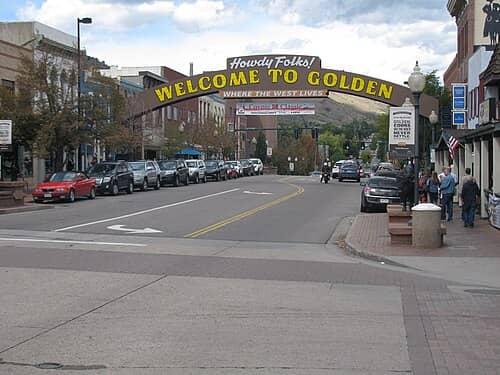
Golden lies just 15 miles west of Denver, yet it feels like a mountain town tucked much farther away. Once a gold-rush settlement, it still carries that Western character through its preserved buildings and scenic mountain backdrop. Visitors often come for Clear Creek, which runs through town and offers tubing, kayaking, and peaceful riverside walks. Golden also houses the Colorado School of Mines and the famous Coors Brewery, which add both history and innovation to the local identity. While Denver’s big-city energy is a short drive away, Golden offers a quiet, outdoors-focused lifestyle with easy access to hiking trails, lookout points, and iconic attractions like Lookout Mountain. It’s an ideal stop for anyone who wants a scenic, small-city escape without losing access to urban convenience.
8. Pasadena, Maryland (near Baltimore and Washington, D.C.)
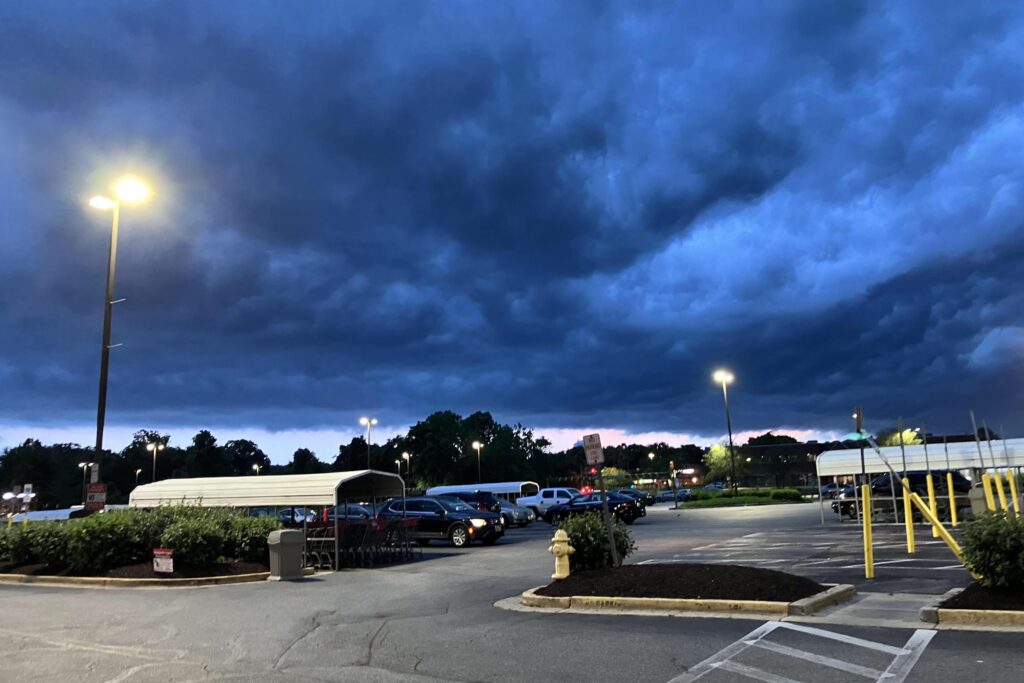
Tucked between Baltimore and Annapolis, and within reach of Washington, D.C., Pasadena offers a quieter Chesapeake Bay lifestyle that many travelers overlook. Known for its waterfront communities, marinas, and calm shoreline views, the city offers the kind of relaxed coastal pace that contrasts sharply with the energy of nearby metros. Pasadena is surrounded by parks and protected natural areas, including Downs Park, which features trails, beaches, and scenic overlooks of the Bay. While the community has grown, it still feels local and approachable, with small restaurants, family-run shops, and low-key neighborhoods defining most of its charm. Its location makes it a perfect jump-off point: close enough for day trips into Baltimore or D.C., but peaceful enough for travelers who prefer nature, slower mornings, and a coastal backdrop.
9. Redmond, Oregon (near Bend)
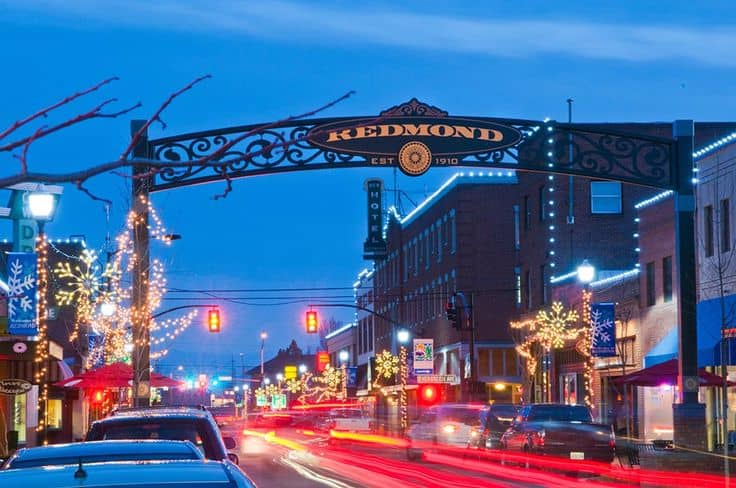
Though overshadowed by Bend just 20 minutes away, Redmond has emerged as a relaxed and more affordable alternative with its own rising appeal. The city sits in Oregon’s High Desert, offering wide-open landscapes, clear skies, and quick access to outdoor adventures like hiking, rock climbing, and cycling. Smith Rock State Park, one of the region’s biggest natural attractions, is only minutes away, drawing visitors from around the world. Redmond’s downtown has also seen revitalization, with local breweries, cafés, and restored historic buildings creating a welcoming community feel. It maintains a slower, small-city pace compared to bustling Bend, yet benefits from regional amenities thanks to the nearby airport and strong tourism. For travelers seeking Oregon’s outdoor beauty without the crowds, Redmond is a rewarding stop.
10. Salem, New Hampshire (near Boston)
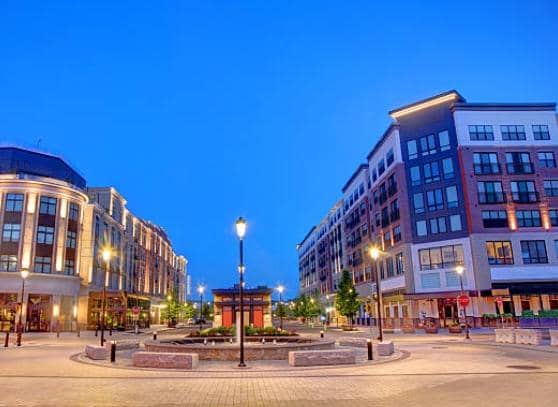
Located just across the Massachusetts border, Salem sits about 35 miles from Boston and offers a quieter small-city lifestyle while still linking easily to the greater metro area. Known for its retail hubs, Canobie Lake Park, and growing business climate, Salem has become a popular option for people who want Boston access without Boston congestion. The community blends suburban comfort with New England character: tree-lined neighborhoods, local dining spots, and seasonal events give the city a welcoming feel. Visitors can enjoy family-friendly attractions, lakefront recreation, and easy day trips into downtown Boston or the scenic Merrimack Valley. With ongoing development and a strong local identity, Salem stands out as an underrated small city that offers both convenience and charm.
11. Galena, Illinois (near Dubuque and the Chicago region)
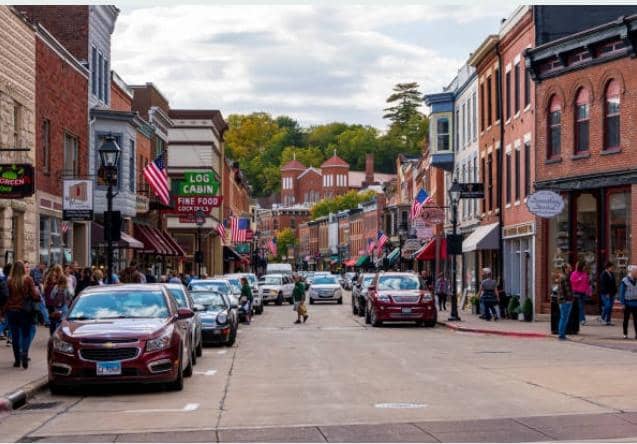
Galena is a small historic city tucked in the far northwest corner of Illinois, close to Dubuque, Iowa, and within reach of the wider Chicago region. Known for its 19th-century architecture and beautifully preserved Main Street, Galena feels like stepping into a postcard of early American life. The entire downtown is a protected historic district, filled with shops, inns, and restaurants housed in original brick buildings. Visitors also explore the home of President Ulysses S. Grant and enjoy outdoor activities like hiking, skiing, and river cruises along the charming hilly landscape. While Chicago offers a major-metro experience hours away, Galena provides a slower, storybook atmosphere. Its blend of heritage tourism and scenic countryside makes it a small city that quietly shines beside bigger neighbors.
12. Frederick, Maryland (near Washington, D.C. and Baltimore)
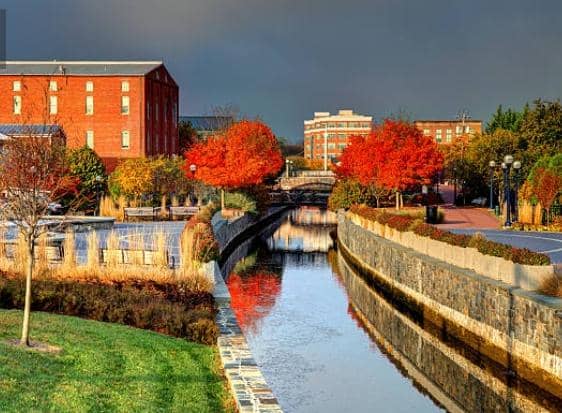
Frederick sits between Washington, D.C., and Baltimore, offering a charming counterpoint to both major metros. Its historic downtown is one of the largest in the region, with beautifully maintained 18th- and 19th-century buildings, boutique shops, and the iconic Carroll Creek Park, a waterside promenade lined with public art, bridges, and gardens. Frederick has earned a reputation for its strong food scene, craft breweries, and cultural festivals that give it an energetic yet approachable personality. Surrounded by Civil War history, mountain views, and local wineries, the city offers something far calmer than the bustle of D.C. or Baltimore while still allowing easy access to each. It’s a perfect example of a small city thriving quietly beside major urban centers.
13. Grapevine, Texas (near Dallas–Fort Worth)
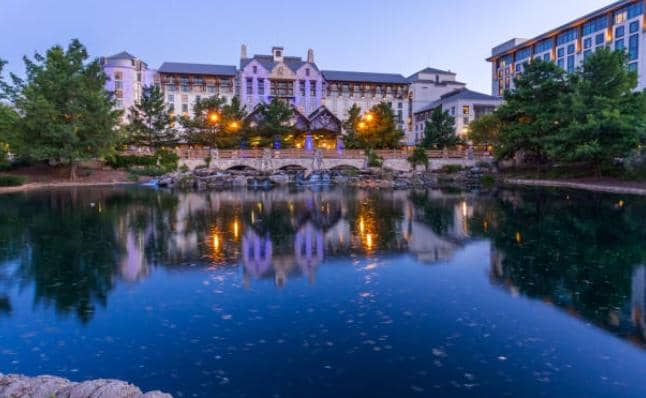
Grapevine sits between Dallas and Fort Worth and is best known for its historic Main Street, wineries, and year-round festivals that bring a lively small-town charm to the heart of North Texas. The city embraces its heritage through restored 19th-century buildings, railroad attractions, and one of the region’s most festive holiday celebrations. With the Dallas–Fort Worth International Airport right next door, visitors can land and step almost immediately into a walkable downtown filled with shops, tasting rooms, galleries, and eateries. Despite its location in one of the largest metro areas in the U.S., Grapevine maintains a cozy identity rooted in hospitality, history, and community events. For travelers who want convenience and character in one place, it’s an easy standout.
14. Decatur, Georgia (near Atlanta)

Decatur lies just east of Atlanta but feels noticeably different from the city’s fast-paced core. Known for its walkable downtown and lively restaurant scene, Decatur blends small-city warmth with cultural energy thanks to independent bookstores, cafés, music spots, and local festivals. The community has a friendly, close-knit atmosphere that appeals to families, students, and professionals who want more walkability than many Atlanta suburbs offer. With tree-lined streets, historic homes, and accessible MARTA transit into downtown Atlanta, Decatur strikes a rare balance between convenience and charm. Visitors appreciate its laid-back personality, vibrant public spaces, and community focus, all of which help it stand quietly but confidently beside one of the largest metros in the Southeast.
15. Loveland, Colorado (near Fort Collins and Denver)

Loveland sits just south of Fort Collins and within easy reach of Denver, offering a calm, arts-focused small-city experience with a strong connection to nature. It’s known nationally for its public art, including numerous outdoor sculptures and the expansive Benson Sculpture Garden, which draws visitors year-round. The city also borders the foothills of the Rockies, giving travelers quick access to hiking, lakes, and mountain scenery without the heavier traffic and crowds found closer to Denver. Its friendly neighborhoods, local breweries, and seasonal festivals add to the relaxed community feel. While bigger cities nearby offer large-scale attractions, Loveland stands out for its artistic identity, slower pace, and easy access to Colorado’s natural beauty.
16. New Rochelle, New York (near New York City)
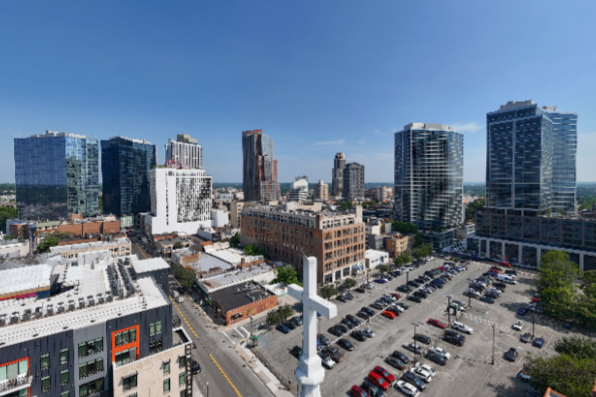
New Rochelle sits just north of New York City, offering a quieter coastal lifestyle while keeping Manhattan only a short train ride away. With a history dating back to the late 1600s, the city blends historic homes, walkable residential areas, and a fast-growing downtown filled with modern high-rises and local restaurants. Its Long Island Sound shoreline provides beaches, marinas, and waterfront parks that feel far removed from the intensity of NYC. Visitors appreciate the city’s blend of culture, green spaces like Glen Island Park, and convenient transit that makes day trips into the city effortless. While New York steals most of the spotlight, New Rochelle offers a calmer, more spacious alternative that still keeps travelers close to major attractions.
17. Walnut Creek, California (near San Francisco and Oakland)
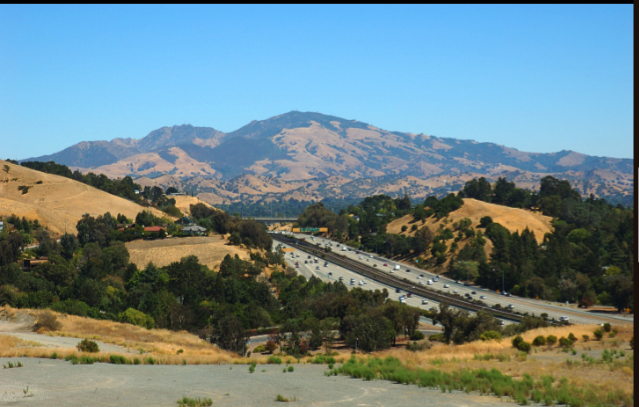
Walnut Creek lies on the east side of the San Francisco Bay Area and is often overshadowed by major cities like Oakland, Berkeley, and San Francisco. Yet it offers a polished small-city feel with a lively downtown known for its restaurants, shopping, and pedestrian-friendly streets. Framed by the foothills of Mount Diablo, the city gives visitors easy access to hiking, panoramic viewpoints, and open-space preserves that contrast beautifully with the Bay Area’s urban density. Walnut Creek’s blend of suburban calm, cultural venues, and reliable BART transit makes it a relaxing base for exploring the wider region without being caught in the rush. It’s a standout example of how a small city can offer both breathing room and big-metro convenience.
Hidden just beyond the glow of major metropolitan Exploring them is a reminder that sometimes the best discoveries are the ones quietly waiting just off the main map.
If you enjoyed this list, feel free to share your thoughts or experiences in the comments, thank you for reading!
The story 17 Underrated Small Cities Hiding Beside Major Metros You Should Explore was first published on Daily FETCH


