
1. Memorizing Phone Numbers
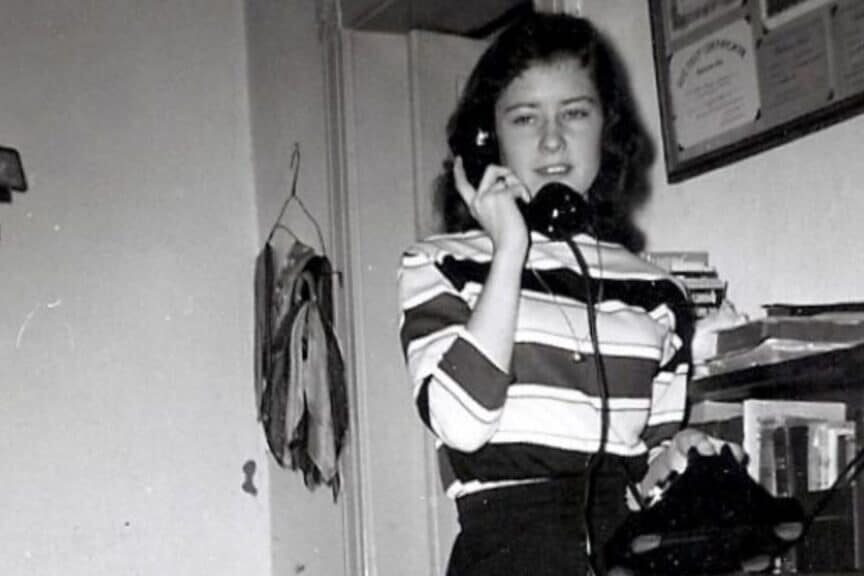
If you really think about it, life used to run on small things we never questioned, like simply knowing how to reach the people we cared about without checking anything. You carried numbers in your head the way you carry memories now, without effort, without writing them down somewhere. Your best friend’s number, your mum’s, maybe even your neighbor’s, all sitting quietly in your memory. It wasn’t something you tried to do, it just happened because it had to. And in a strange way, it made those connections feel a little closer, like they were always within reach, no matter what.
Losing your phone back then didn’t feel like losing your entire contact list, because you still knew who mattered and how to reach them. Today, many of us scroll through saved names without remembering a single digit behind them. Back then, remembering a number felt normal, but now it feels almost impressive. It showed how much we relied on our minds instead of devices. And maybe without realizing it, it made relationships feel more direct, more certain, and just a little bit stronger in the simplest way.
2. Using Paper Maps
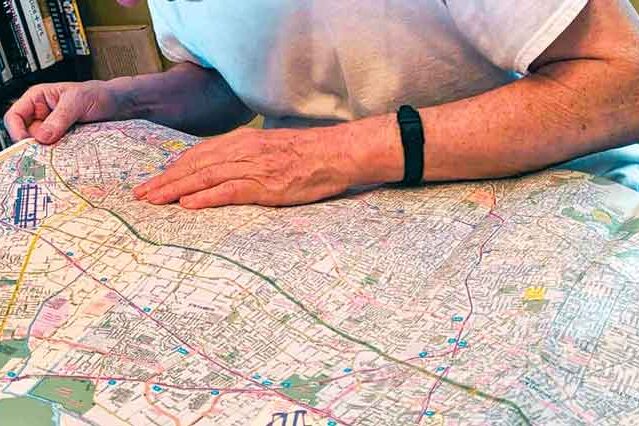
There was always something slightly confusing but also exciting about opening a paper map and trying to figure it out. You would spread it out, turn it around, and try to match the lines and names with what you were seeing around you. Sometimes it made sense right away, and sometimes it didn’t, but that was part of the experience. You paid attention to where you were, not just where you were going. Even getting it wrong had its own kind of story.
And when the map didn’t help, you asked someone. That small moment of asking for directions often led to brief, human interactions that felt natural and unforced. You noticed buildings, street signs, and turns because you had to remember them. It made movement feel more involved, like you were actually part of the journey instead of just following instructions. It was slower, yes, but it also made every trip feel a little more real and a little more yours.
3. Waiting Patiently

Waiting used to be something you didn’t think twice about. You could be standing at a bus stop, sitting on a bench, or just waiting for someone to show up, and you simply stayed there. There was nothing to reach for, nothing to distract you, so you just let the moment be what it was. You might look around, notice people passing by, or let your thoughts wander without direction. It didn’t feel uncomfortable, it just felt normal.
Now, even a short wait can feel like something that needs to be filled immediately. Back then, waiting wasn’t seen as wasted time. It was just part of the rhythm of the day. Those quiet pauses gave you space to think, to observe, or to simply exist without pressure. And without realizing it, it helped build patience in a very natural way. It made time feel slower, but also a little more balanced.
4. Writing Letters

Writing a letter was something you eased into, not rushed through. You sat down, maybe at a quiet corner, and let your thoughts settle before you began. It wasn’t just about passing information, it was about sharing a piece of yourself. You chose your words carefully, sometimes pausing mid sentence to think or even starting over when it didn’t feel ri0ght. The paper held your mood in that moment, whether calm, excited, or reflective. It felt personal in a way that didn’t need explaining, and that alone made it meaningful.
Then came the waiting, which somehow made everything feel more real. You sent it off and went back to your day, knowing it would take time to reach the other person. When a reply finally came, it felt special, like something you had been quietly expecting. You read it slowly, taking in every word, sometimes more than once. The handwriting made it feel close, almost like hearing their voice in your head. It wasn’t instant, but it felt thoughtful, and that made it something you could truly hold on to.
5. Calling Landlines

Calling someone used to feel a little more formal, even if it was just a quick chat. You picked up the phone, dialed carefully, and waited to hear it ring. There was always that small moment of uncertainty because you never knew who would answer. It could be a parent, a sibling, or anyone else in the house. So you introduced yourself properly, asked politely, and waited to be passed along. It wasn’t stressful, just part of how things worked, and it made conversations start with a bit more awareness.
Once you were connected, the conversation felt steady and intentional. You didn’t call without a reason, and you didn’t hang up abruptly either. There was a natural flow, like you were both present in the moment. If you missed a call, there was no notification waiting for you, so you might never know who tried to reach you. It made each call matter a little more. Talking wasn’t just about filling silence, it was about making the effort to connect, and that effort gave it quiet value.
6. Reading Newspapers
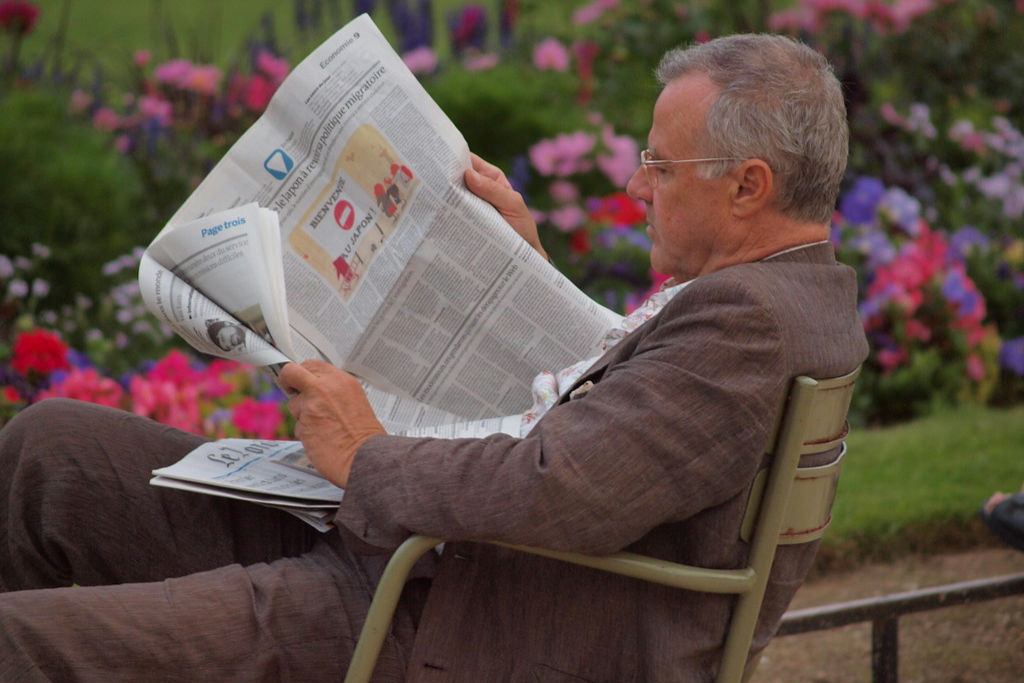
There was something steady about sitting down with a newspaper and taking your time with it. You didn’t rush through headlines or jump from one thing to another. You opened it, maybe folded it neatly, and read at your own pace. Some stories pulled you in, others you skimmed, but you stayed present with whatever was in front of you. It felt calm, almost like a routine that gave your morning or afternoon a gentle structure without demanding too much.
The news didn’t follow you around all day. It came once, and you met it in that moment. You had time to think about what you read, to form your own thoughts without constant updates interrupting you. It felt less overwhelming, more contained. When you were done, you folded the paper and moved on, carrying only what stayed with you. It wasn’t about knowing everything instantly, it was about understanding a little at a time, in a way that felt manageable.
7. Taking Photos Sparingly

Taking a photo used to come with a small pause, like you were asking yourself if the moment was worth keeping. You didn’t just snap endlessly because you couldn’t. Film had limits, and every shot counted. You looked, adjusted, and hoped you got it right. Sometimes people stood still a little longer, smiling patiently while the picture was taken. It wasn’t about perfection, just about capturing something that felt important enough to remember later.
After that, you waited, which made it all feel a bit more exciting. You didn’t get instant results, so there was always a sense of curiosity about how it turned out. When the photos were finally ready, you went through them slowly, one by one. Some came out beautifully, others didn’t, but they all felt honest. There was no editing, no fixing, just moments as they were. And maybe that made them more meaningful, because they weren’t about getting it right, they were about remembering it as it happened.
8. Watching Tv On Schedule
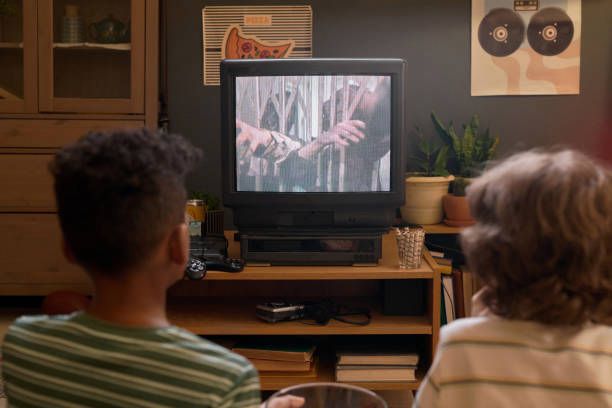
There was a certain rhythm to watching television that made it feel like part of your day, not just something you squeezed in anytime. You knew exactly when your favorite show would come on, and you planned around it without even thinking too hard. Sometimes you hurried through chores or wrapped things up quickly just so you would not miss the beginning. Sitting down at that exact time felt almost like showing up for something important, even if it was just a simple show you enjoyed.
If you missed it, that was it, you waited. There was no replay waiting for you, no catching up later that night. And somehow, that made it feel more special when you actually watched it. People talked about episodes the next day because they had all seen it at the same time. It created small shared moments that felt natural. Watching television was not just about the show itself, it was about being present for it when it happened.
9. Hanging Out Without Phones

Spending time with people used to feel a lot more focused, even if nothing special was happening. You could sit together, talk, laugh, or even stay quiet, and it all felt complete. There was nothing pulling your attention away every few minutes, no messages lighting up your screen, no urge to check anything else. You listened fully, reacted naturally, and stayed in the moment without thinking about it.
Even boredom felt different. If things got quiet, you found something to do together instead of turning to a screen. Conversations stretched longer, and small moments felt fuller. You noticed little details, the way someone laughed, the way a story unfolded. It made connections feel stronger without needing extra effort. Being together meant exactly that, and that simplicity made it feel more real in a way that is easy to miss now.
10. Looking Up Information In Books
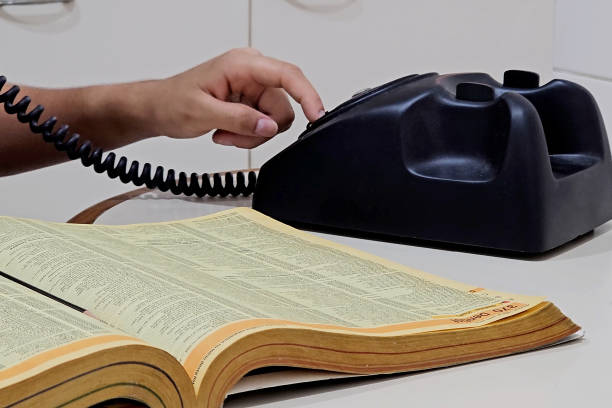
When you needed to find something out, you did not reach for a quick answer, you went looking for it properly. You opened a book, flipped through pages, and followed the trail until something made sense. It took time, sometimes longer than you expected, but it never felt rushed. You were involved in the process, not just receiving information. Sitting there, scanning lines and figuring things out, felt like part of learning itself, not something separate from it. Even the quiet around you helped you focus in a way that felt natural.
What made it even more interesting was how often you found things you were not even looking for. One page led to another, and suddenly you had learned more than you planned to. It made knowledge feel connected instead of scattered. Because you spent time finding it, it stayed with you longer. You remembered where you saw it, how you found it, and why it mattered. It was not just about getting answers quickly, it was about understanding them in a way that actually lasted beyond that moment.
11. Keeping Diaries

Writing in a diary felt like having a quiet space that belonged only to you. You did not need to explain yourself or make things sound perfect, you just wrote what you felt as it came. Some days you filled pages without stopping, other days it was just a few lines, but it always felt honest. There was no pressure to impress anyone or organize your thoughts neatly. It was simply you being present with yourself in a way that did not require approval from anyone else.
Over time, those pages became something more than just writing. They held pieces of your life in a way that felt real and unedited. Looking back at them felt like stepping into a moment you had almost forgotten. You could see how you thought, how you reacted, and how things slowly changed over time. It was simple, but it carried a kind of truth that did not need validation. It stayed with you because it was yours, untouched and completely sincere.
12. Using Alarm Clocks
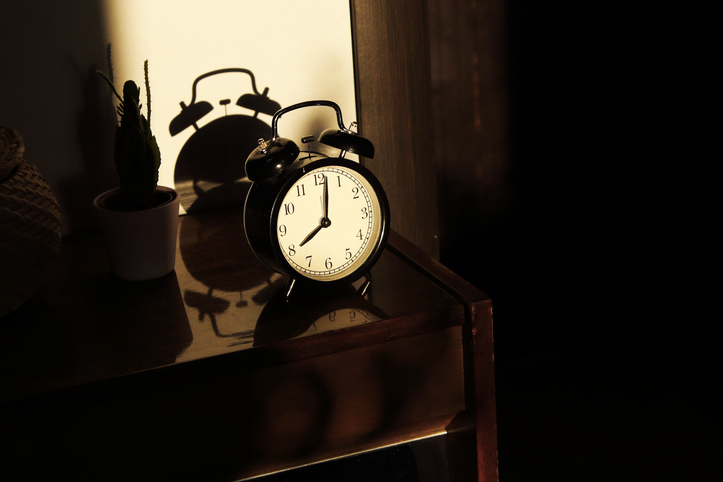
Waking up used to be a simple, direct moment that did not come with distractions or delay. The alarm clock rang, sometimes softly, sometimes loudly, and that was your signal to begin. You reached out, turned it off, and got out of bed without much hesitation. There was no checking messages or scrolling through anything before your feet touched the floor. The day started with movement, not with lingering. That small routine created a clear beginning that felt steady and easy to follow each morning.
That difference made mornings feel more focused without needing extra effort. You moved straight into getting ready, thinking about your day instead of reacting to what was happening elsewhere. It gave your mind a chance to wake up naturally, without being pulled in different directions. Now, it is easy for mornings to disappear into screens before anything else begins. Back then, waking up felt like stepping into your own day first, before anything else had the chance to interrupt it.
13. Passing Time With Simple Games
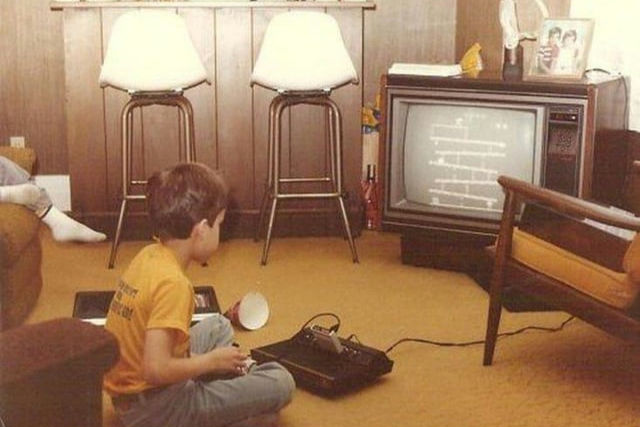
Passing time did not need to be planned or filled with endless options to feel enjoyable. A simple card game, a board game, or even something made up on the spot was enough to bring people together. It was not about having the best or newest thing, it was about using what was available and making it work. Laughter came easily, and moments stretched without feeling forced. You stayed engaged because you were part of it, not because something was constantly entertaining you.
Those small moments created connections that felt natural and easy to hold onto. You did not need constant stimulation to stay interested or involved. Just being present, reacting, and sharing the experience was enough. Time felt fuller because it was shared, not just spent. It reminded you that enjoyment does not always have to be loud or complicated to feel real. Sometimes the simplest things, done together, carried the most lasting kind of meaning without needing anything extra.
14. Planning Ahead

Making plans used to come with a quiet sense of commitment that people did not question too much. You agreed on a time, a place, and that was what everyone worked with. There was no easy way to adjust things at the last minute, so you thought things through before agreeing. It made even simple plans feel more solid. You showed up because you said you would, and others did the same. It was not strict, just understood, like an unspoken agreement that time together mattered enough to keep.
That consistency built a kind of trust that felt natural and steady. You did not need constant reminders or updates to confirm what was already decided. It made time feel more intentional, like something you chose and respected. Even small outings carried a bit more meaning because effort went into making them happen. While it may seem less flexible now, it also created a rhythm people could rely on. And in that rhythm, there was a quiet sense of dependability that made relationships feel grounded.
15. Browsing Without Distractions
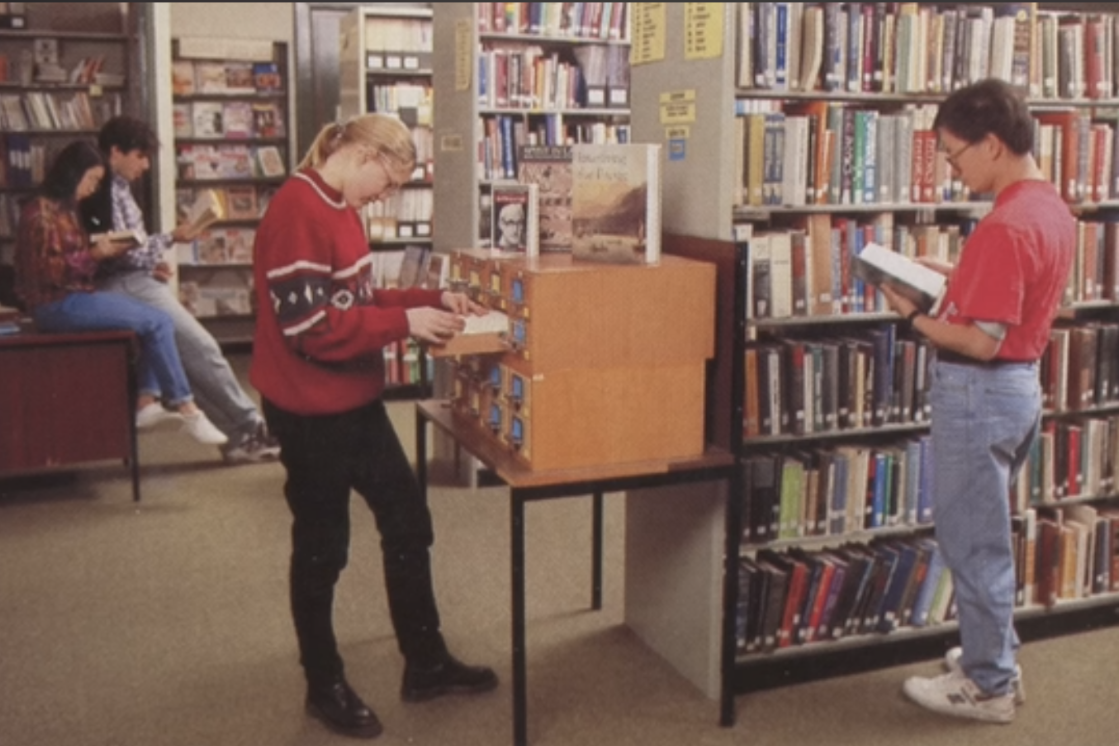
Walking into a store or a library used to feel like stepping into a space where your attention stayed fully in one place. You moved slowly, looked at things carefully, and allowed yourself to explore without feeling rushed. There was no interruption pulling you away, no sudden need to check something else. It was just you and what was in front of you, and that made even simple browsing feel more complete.
You noticed small details, the feel of things, the arrangement of shelves, and the quiet around you. You spent time with what interested you because nothing was competing for your attention. It made the experience feel fuller, even if you were just passing through. There was a kind of calm in being present like that, where nothing else needed your focus at the same time. It turned ordinary moments into something that felt a bit more whole and satisfying.
16. Remembering Directions
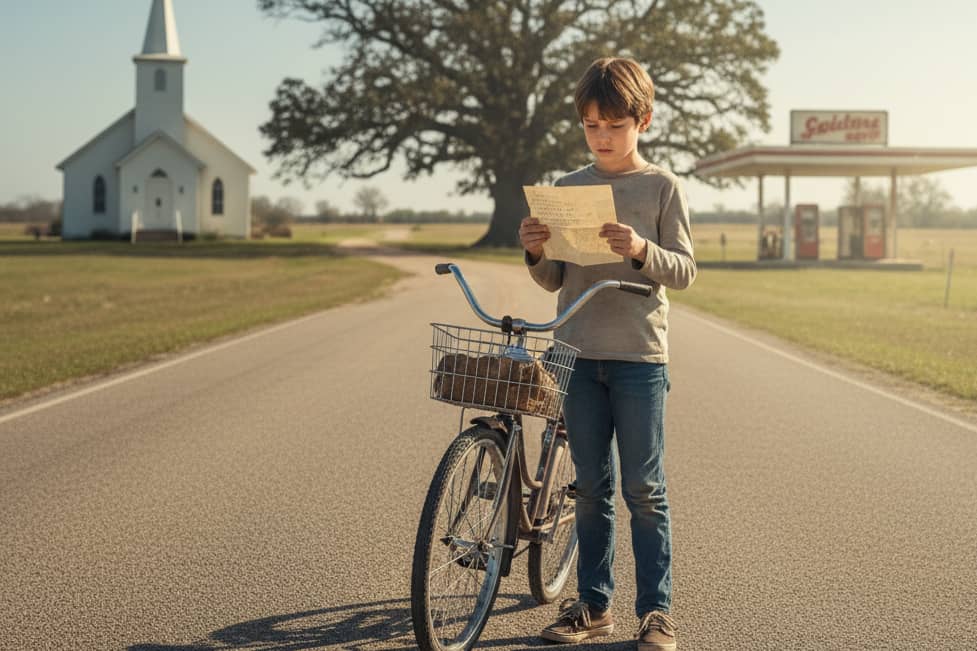
Getting around meant paying attention in a way that slowly became part of how you moved through the world. You noticed turns, landmarks, street signs, and even small details like a shop on the corner or a tree by the road. It was not something you forced, it just happened because you needed it. Over time, those details stayed with you, forming a mental map that helped you find your way again without starting from scratch. It was not always perfect, but it worked often enough to feel reliable.
That process built a quiet confidence that stayed with you. You trusted what you remembered and adjusted when needed. It made every journey feel a bit more personal because you were part of it, not just following instructions. You understood where you were going and how you got there. And in that understanding, places began to feel familiar, even comforting. You were not just moving through spaces, you were actually learning them in a way that stayed with you long after.
17. Enjoying Quiet Moments

There were moments when nothing much was happening, and no one felt the need to fix that. You could sit, rest, or just look around without reaching for anything to fill the silence. It did not feel empty or boring, it simply felt normal. Those pauses were part of the day, not something to escape from. You let time pass without measuring it, without trying to make it productive, and somehow that made it feel more complete.
In those quiet spaces, there was room to think, reflect, or even do nothing at all without guilt. It gave your mind a chance to settle in a way that did not feel forced. Looking back, those simple moments carried more value than we noticed at the time. Not everything needed to be filled or shared. Sometimes just being present in that stillness was enough, and maybe that is something worth holding onto a little more now.


