
Jan-Michael Vincent
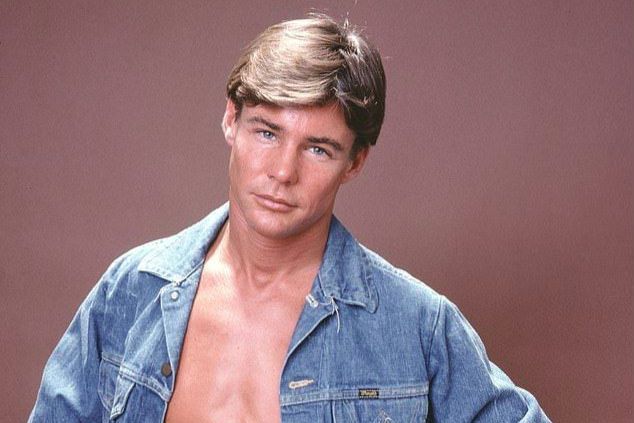
In the mid-1970s, Jan-Michael Vincent was the golden boy of Hollywood, possessing a blend of athletic ruggedness and quiet sensitivity that scouts adored. Born on July 15, 1944, his career skyrocketed following his 1971 Golden Globe nomination for Going Home. By the time he starred in the 1978 surfing cult classic Big Wednesday, he was a bonafide A-lister. Audiences were captivated by his blue-eyed stare and effortless charm, leading many to believe he would become the next Paul Newman. During this peak era, he was the face of high-stakes action and heartfelt drama alike.
His fame reached a financial fever pitch in the mid-1980s when he took on the role of Stringfellow Hawke in the hit series Airwolf. By 1984, he was reportedly earning $200,000 per episode, making him the highest-paid actor on television at the time. Unfortunately, a public battle with substance abuse and a series of tragic accidents began to overshadow his professional achievements. After years of living away from the cameras in relative seclusion, Vincent passed away on February 10, 2019. Today, he is remembered by fans as a definitive masculine icon of 1970s cinema.
Charo
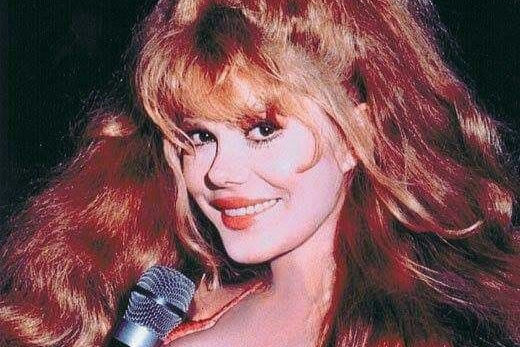
Born María del Rosario Mercedes Pilar Martínez Molina Baeza, the performer known as Charo was a whirlwind of energy that defined 1970s variety television. While many viewers recognized her for her flamboyant outfits and her trademark “cuchi-cuchi” catchphrase, she was a woman of immense technical skill. Trained by the legendary Andrés Segovia, she was an elite classical and flamenco guitarist. Throughout the 1970s, she was a constant guest on The Tonight Show Starring Johnny Carson and appeared in over ten episodes of The Love Boat, becoming a symbol of high-energy, joyful entertainment.
Beyond the comedic persona, Charo’s musical influence was significant; in 1977, her disco hit “Dance a Little Bit Closer” became a club staple, proving she could adapt to the changing sounds of the decade. As the 1980s arrived and variety shows began to lose their grip on network schedules, her mainstream visibility shifted toward touring and Las Vegas residencies. Even though she is mentioned less frequently in modern pop music discussions, her legacy as a trailblazing Latina entertainer remains intact. She continues to perform today, maintaining the same vibrant spirit that first made her a household name 50 years ago.
Leif Garrett
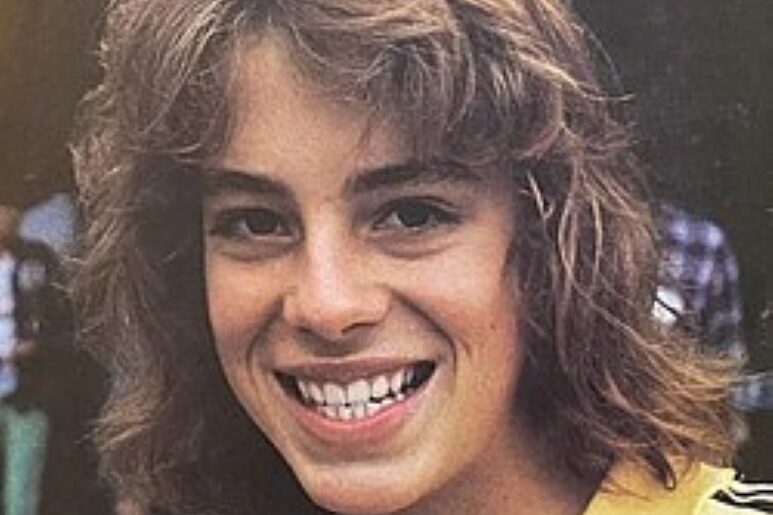
Leif Garrett was the ultimate “poster boy” of the late 1970s, a teen idol whose face adorned millions of bedroom walls across the globe. Born on November 16, 1961, Garrett was a child actor who successfully transitioned into a music sensation by the time he was 15. His 1978 smash hit “I Was Made for Dancin'” reached the top ten in multiple countries, including the US and the UK. During this window of time, he couldn’t walk down a street without being swarmed by screaming fans, embodying the peak of “teenybopper” culture that dominated the era.
However, the transition from child star to adult actor proved difficult as the 1970s closed. On November 3, 1979, just days before his 18th birthday, Garrett was involved in a tragic car accident that left his best friend paralyzed, an event that haunted his personal life and career for decades. Though he released several albums and appeared in the 1983 film The Outsiders, he never quite recaptured the lightning-in-a-bottle fame of his youth. Today, Garrett serves as a cautionary yet poignant reminder of the intense pressures placed on young stars during the height of the 1970s media machine.
Ali MacGraw
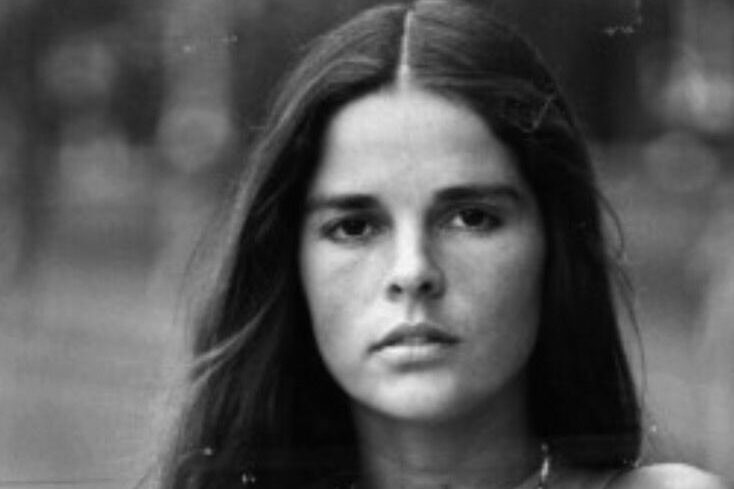
Ali MacGraw’s rise to the top of the Hollywood hierarchy was nothing short of meteoric. After working as a photographic assistant for Diana Vreeland at Harper’s Bazaar, she pivoted to acting and struck gold with the 1970 tear-jerker Love Story. The film was a cultural phenomenon, earning over $100 million at the box office and landing MacGraw on the cover of Time magazine. Her “All-American” look, characterized by middle-parted hair and natural makeup, influenced fashion trends for the better part of the decade, making her a style icon for an entire generation.
In 1972, she starred in the gritty thriller The Getaway, where she met her future husband, Steve McQueen. Their high-profile marriage led MacGraw to take a multi-year hiatus from acting at the very height of her demand, a move that many historians believe cooled her professional momentum. By the time she returned to the screen in the late 70s and early 80s, the industry had moved on to new faces. While she later appeared in the 1983 miniseries The Winds of War, she eventually left Hollywood behind for a quieter life in New Mexico, focusing on yoga and animal activism.
Cheryl Ladd
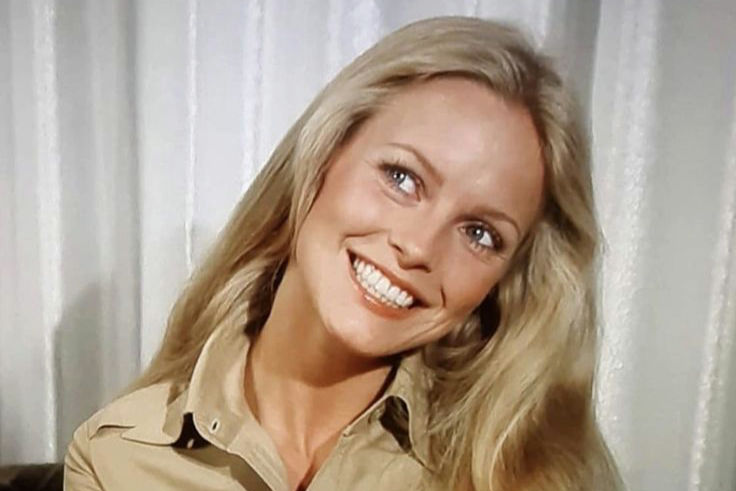
Following the departure of Farrah Fawcett from Charlie’s Angels in 1977, many critics predicted the show’s downfall. Instead, Cheryl Ladd stepped in as Kris Munroe and kept the series at the top of the ratings for four more seasons. Born Cheryl Jean Stoppelmoor on July 12, 1951, she brought a relatable, “girl next door” energy that resonated deeply with the American public. During her tenure on the show, she became a massive commercial force, endorsing products and appearing on dozens of magazine covers, effectively sustaining the “Angels” phenomenon through the end of the decade.
Ladd was also a talented singer, releasing a self-titled album in 1978 that featured the top-40 single “Think It Over.” After the legendary series wrapped in 1981, she remained a staple of made-for-TV movies and appeared in over 30 television films throughout the 80s and 90s. While modern audiences might focus on the original 1976 trio, Ladd’s contribution was vital to the show’s longevity and cultural footprint. Today, she is recognized as a savvy professional who navigated the transition from 70s sex symbol to a respected, long-term actress in the television industry.
Bobby Sherman
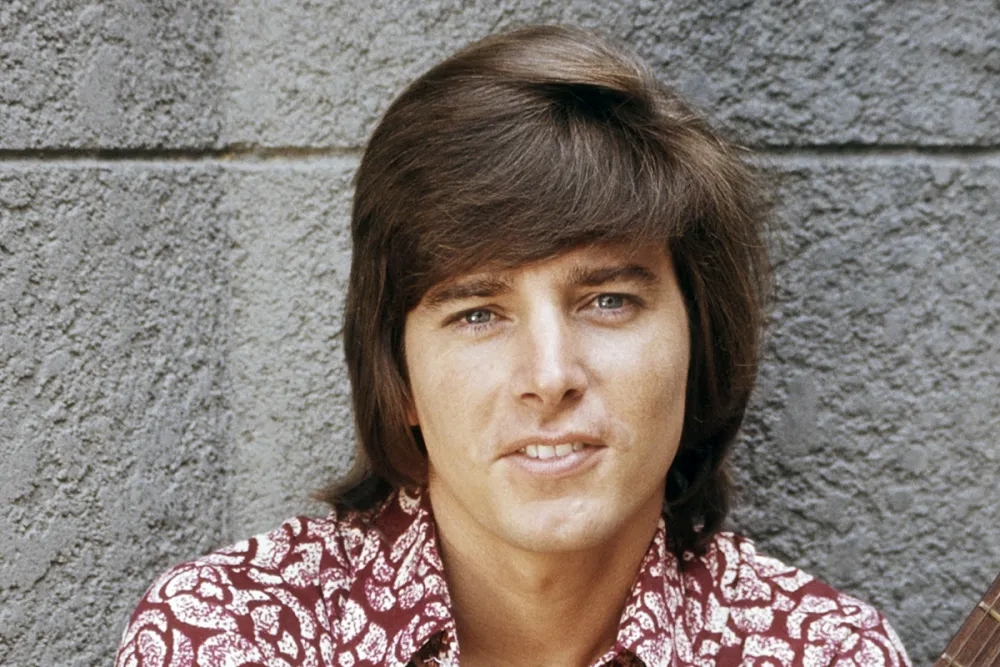
Bobby Sherman was the definitive heartthrob of the early 1970s, possessing a clean-cut image that parents loved and teenagers adored. Between 1969 and 1971, Sherman racked up seven gold singles, including favorites like “Little Woman” and “Julie, Do Ya Love Me.” His popularity was so immense that he was a permanent fixture in 16 Magazine and Tiger Beat. Beyond his music, he starred in the television series Here Come the Brides from 1968 to 1970, which solidified his status as a multi-talented entertainer capable of leading a major production.
What makes Sherman truly unique is his voluntary exit from the limelight. By the mid-1970s, he grew tired of the Hollywood grind and decided to pursue a life of service. He became a certified emergency medical technician (EMT) and eventually served as a technical reserve officer with the Los Angeles Police Department. He spent decades teaching first aid and CPR to thousands of people, trading the stage for a life-saving career in public safety. While he rarely appears in the news today, his legacy remains one of the most wholesome and admirable chapters in 1970s pop history.
Karen Black
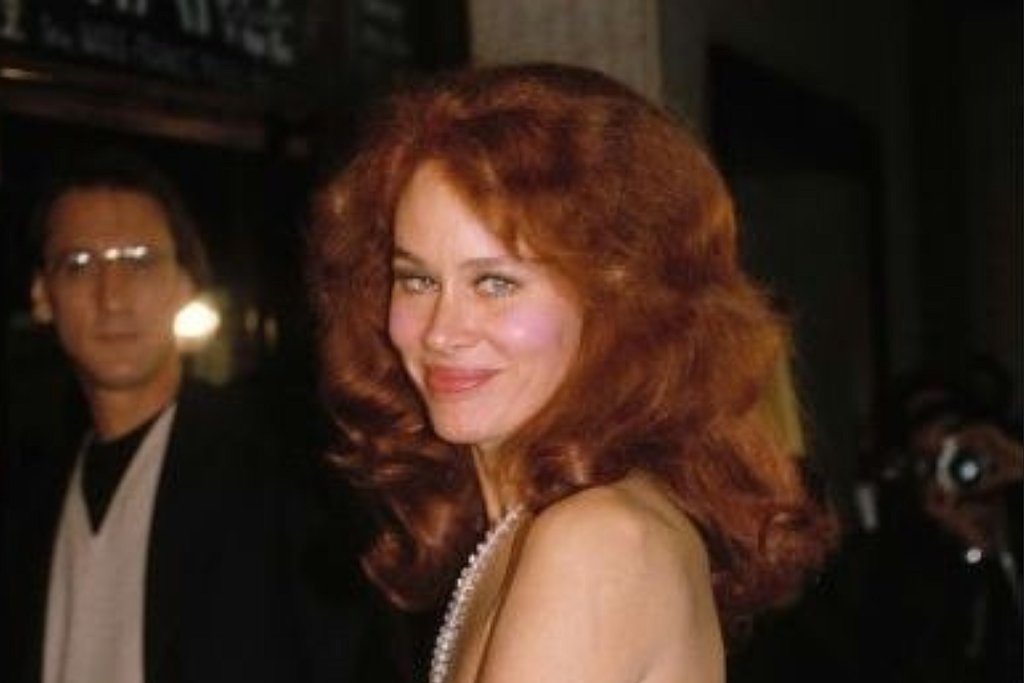
Karen Black was the quintessential actress of the “New Hollywood” era, known for her edgy, unconventional roles that challenged traditional beauty standards. She gained national fame in 1970 with her role in Five Easy Pieces, for which she won a Golden Globe and received an Oscar nomination. Throughout the decade, she was the go-to performer for complex, slightly offbeat characters, starring in major hits like The Great Gatsby (1974) and the disaster epic Airport 1975. Her ability to project vulnerability and intensity made her a favorite of legendary directors like Alfred Hitchcock.
By the late 1970s, Black had appeared in some of the most influential films of the decade, including Robert Altman’s Nashville. However, as the 1980s ushered in a preference for glossy blockbusters, her brand of gritty realism fell out of mainstream favor. She continued to work prolifically in independent and horror films, earning a cult following that lasted until her passing on August 8, 2013. Though she isn’t mentioned as often as her contemporary Diane Keaton, Black’s contribution to the artistic depth of 1970s cinema was foundational and remains highly respected by film historians.
Loni Anderson
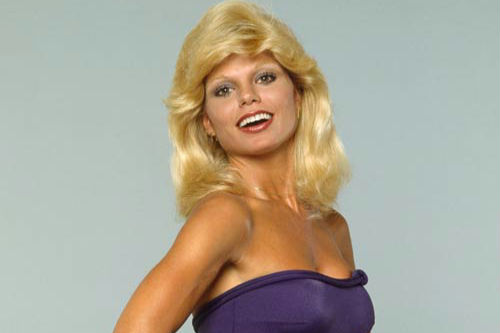
Loni Anderson became one of television’s most recognisable faces in the late 1970s thanks to her role on the hit sitcom WKRP in Cincinnati. Born in Saint Paul, Minnesota in 1945, Anderson had been pursuing acting for several years before her career truly gained momentum. She made guest appearances on various television programmes during the early 1970s, gradually building experience and visibility in the industry. Her breakthrough arrived in 1978 when she was cast as Jennifer Marlowe, the poised and confident receptionist at a struggling radio station in WKRP in Cincinnati. The show quickly attracted a loyal audience and Anderson’s performance stood out for its mixture of warmth, intelligence, and subtle humour.
Jennifer Marlowe became one of the most memorable characters on American television at the time. Anderson’s glamorous look made her an instant pop-culture figure, yet the character was also written with surprising depth, which helped avoid the stereotypes often given to television roles of that era. The success of the series earned Anderson several Golden Globe and Emmy nominations and secured her place among the most recognisable TV personalities of the late 1970s and early 1980s. Although she continued acting in television films and series for many years afterwards, the rapid evolution of entertainment means her once-ubiquitous presence is rarely discussed today outside nostalgic conversations about classic television.
Adrienne Barbeau
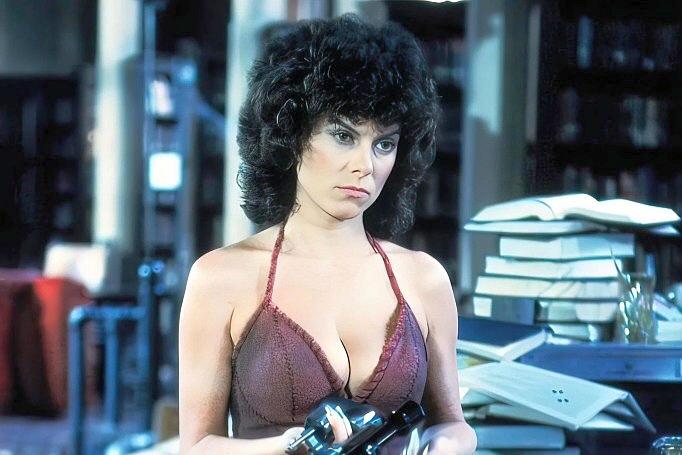
Adrienne Barbeau’s journey through the 1970s took her from the Broadway stage to the heights of sitcom stardom. She originated the role of Rizzo in the 1972 musical Grease, earning a Tony nomination before being cast as Carol Traynor in the hit sitcom Maude. From 1972 to 1978, she was a weekly guest in millions of homes, playing the outspoken daughter of Bea Arthur’s titular character. Her presence on the show allowed her to tackle social issues of the time, making her a recognizable figure in the feminist movements of the decade.
As the 70s wound down, Barbeau transitioned into a new role: the “Scream Queen.” Her marriage to director John Carpenter led to starring roles in 1980’s The Fog and 1981’s Escape from New York. These roles ensured her a permanent place in film history, even as her television fame began to mellow. While she has remained active as a voice actress and author, her status as a household name peaked during that specific window of 1970s television. To those who grew up in the era, she remains an icon of both smart comedy and atmospheric horror.
Pam Grier
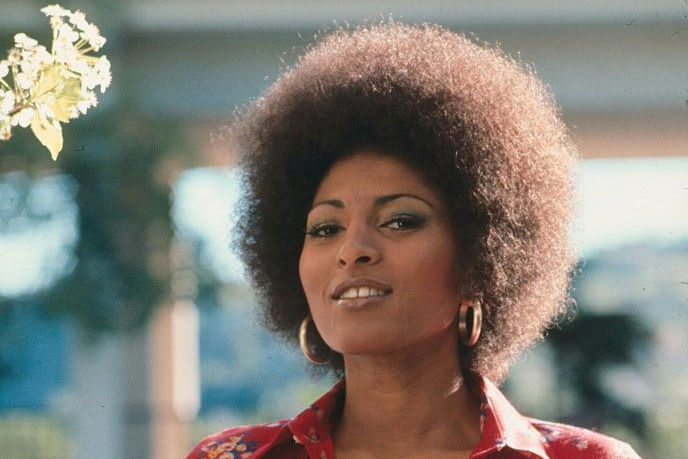
Pam Grier was a revolutionary force who redefined the female action hero long before it was mainstream. Breaking out in the early 1970s, she starred in “Blaxploitation” classics like Coffy (1973) and Foxy Brown (1974). Grier was the first woman to headline her own series of action films, playing characters who were fiercely independent and capable of taking down villains without help. In an era when female roles were often secondary, Grier was a powerhouse, commanding the screen with a mixture of beauty, toughness, and undeniable authority.
Her impact on the 1970s was so profound that director Quentin Tarantino later dedicated an entire film, Jackie Brown (1997), to her legacy. While the mid-70s saw her as one of the most famous women in the world, the decline of the Blaxploitation genre in the late 70s led to a period of quieter roles. Grier’s career is a testament to resilience; she paved the way for every female action lead that followed. Though she is less of a daily headline today, her status as a cinematic pioneer of the 1970s is etched firmly in the history of American film.
Ryan O’Neal
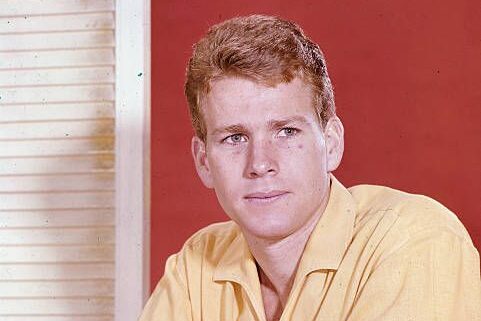
Ryan O’Neal was the definitive Hollywood leading man of the early 1970s, possessing a mixture of boyish charm and athletic intensity. After finding fame on the television soap opera Peyton Place in the 1960s, he transitioned to the big screen with the 1970 blockbuster Love Story. The film was a cultural phenomenon, earning him an Academy Award nomination for Best Actor and making him one of the highest-paid stars in the world. Throughout the first half of the decade, he was a massive box-office draw, known for his versatility in both romantic dramas and screwball comedies.
His success continued with hits like the 1972 comedy What’s Up, Doc? and the 1973 critically acclaimed Paper Moon, where he starred alongside his daughter, Tatum. In 1975, he took on the title role in Stanley Kubrick’s visual masterpiece Barry Lyndon, further cementing his status as a serious actor. However, as the 1980s approached, his career began to cool, and his personal life often overshadowed his professional work in the media. O’Neal passed away on December 8, 2023, leaving behind a legacy as a primary face of 1970s cinema whose name was once synonymous with Hollywood royalty.
Paul Williams
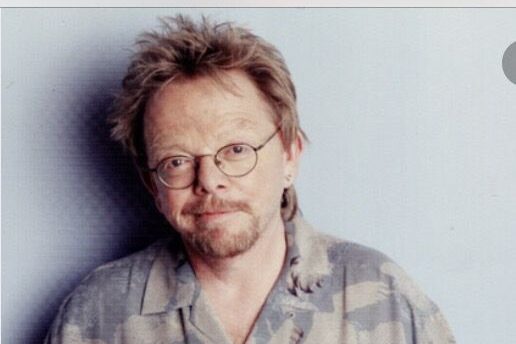
During the 1970s, it was almost impossible to turn on a radio or a television without seeing or hearing Paul Williams. As a songwriter, he was responsible for some of the decade’s most iconic hits, including “We’ve Only Just Begun” and “Rainy Days and Mondays,” both made famous by The Carpenters. His ability to craft deeply emotional and melodic pop music earned him a permanent place on the charts. Beyond his writing, he was a frequent guest on variety programs and talk shows, where his wit and self-deprecating humor made him a beloved public personality.
Williams also found significant success in film, both as an actor and a composer. He starred in the 1974 cult classic Phantom of the Paradise and won an Academy Award in 1977 for co-writing “Evergreen,” the love theme from A Star Is Born. He even reached younger audiences by writing “Rainbow Connection” for The Muppet Movie in 1979. While he remains highly respected in the music industry today, his era of being a ubiquitous household name was firmly rooted in the 1970s. He continues to serve as the President of ASCAP, protecting the rights of the next generation of songwriters.
Judy Strangis
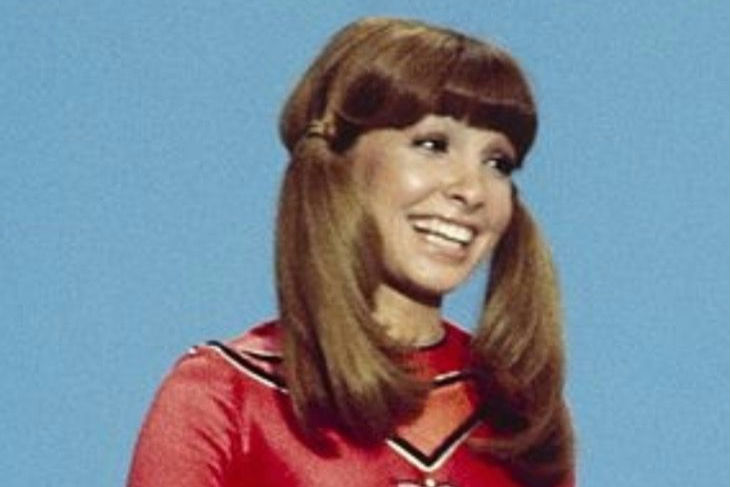
Judy Strangis was a comforting and familiar presence for many who grew up watching television in the 1970s. She first gained significant attention as a regular on the high school drama Room 222, which aired from 1969 to 1974. However, her most iconic role for many fans came in 1976 when she was cast as “Dyna Girl” in the live-action superhero series Electra Woman and Dyna Girl. Part of The Krofft Supershow, the program was a staple of Saturday morning television, featuring bright costumes and campy adventures that perfectly captured the aesthetic of the mid-70s.
Strangis represented the wholesome, energetic side of 1970s entertainment, often appearing in guest roles on popular shows like Love, American Style and The Love Boat. Her career was characterized by a steady presence in the living rooms of America, making her a recognizable face to millions of children and teenagers. As the decade ended and television trends shifted away from variety and campy superhero formats, she moved toward voice-over work and commercial acting. Today, she is remembered as a nostalgic icon for an entire generation of viewers who spent their Saturday mornings following her adventures on screen.
Robby Benson
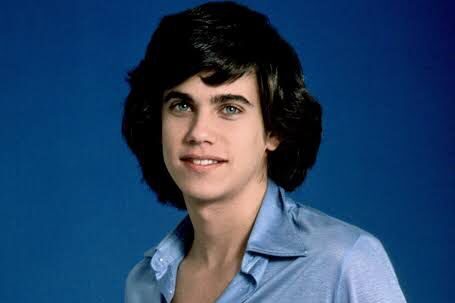
Robby Benson was the quintessential sensitive heartthrob of the late 1970s, known for his bright blue eyes and earnest acting style. He became a major star in 1977 with the release of the basketball drama One on One, a film he also co-wrote. The movie was a hit, resonating with young audiences who saw him as a relatable figure navigating the challenges of adulthood. He followed this with the 1978 romantic tear-jerker Ice Castles, playing a devoted boyfriend to a blind figure skater, a role that solidified his status as a top-tier “teen idol” of the era.
By the end of the decade, Benson was a constant fixture in fan magazines and a respected young dramatic lead. However, as he matured, he consciously moved away from the “pretty boy” roles, focusing more on directing, writing, and teaching. While his name might not be the first mentioned in modern celebrity news, he achieved a new level of legendary status in 1991 when he provided the powerful voice for the Beast in Disney’s Beauty and the Beast. Despite this later success, his period of peak “Benson-mania” remains a distinct and cherished memory of the late 1970s film landscape.
Bay City Rollers
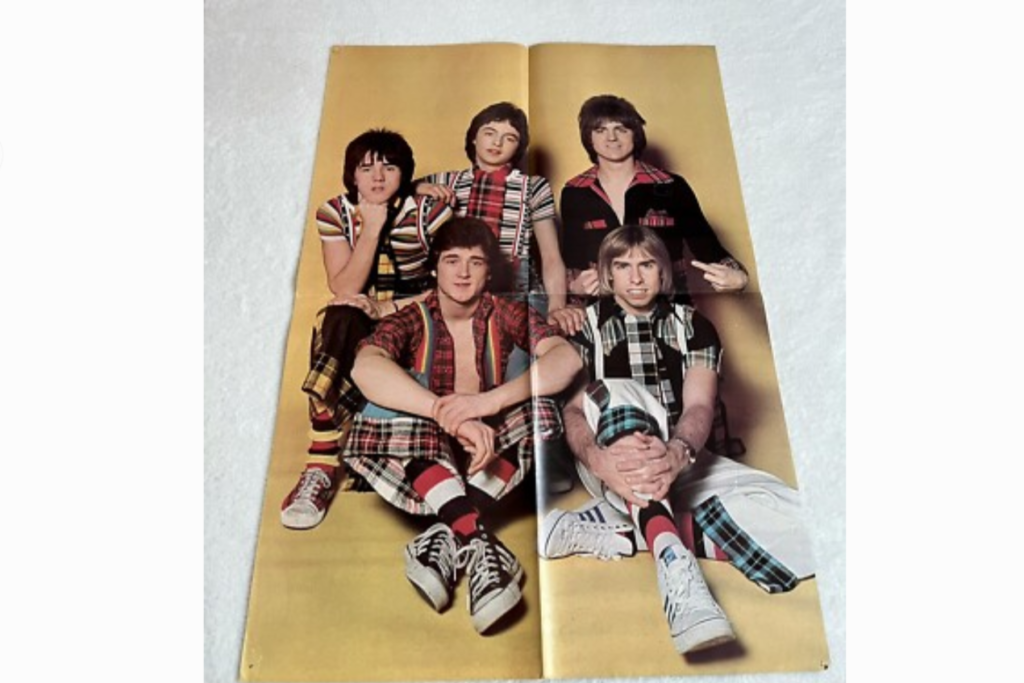
The Bay City Rollers were a global pop phenomenon that brought “Rollermania” to the mid-1970s. Hailing from Scotland, the group became a sensation with their tartan-clad outfits and infectious hits like “Saturday Night,” which hit number one on the US Billboard Hot 100 in 1976. For a few years, they were arguably the biggest boy band in the world, with fans dressing in their signature plaid patterns and screaming at every public appearance. They were the face of pure, energetic pop at a time when the music industry was diversifying into disco and punk.
Their dominance was brief but incredibly intense, filled with successful television specials and sold-out tours across the globe. By 1978, however, internal conflicts and changing musical tastes began to fracture the group, and their chart success started to wane. Although they are often categorized as a “bubblegum” act, their influence on the structure of modern boy bands is undeniable. To anyone who was a teenager in 1975, the Bay City Rollers represent a specific, joyful explosion of youth culture that defined the middle of the decade before the disco era took full control.
Tatum O’Neal
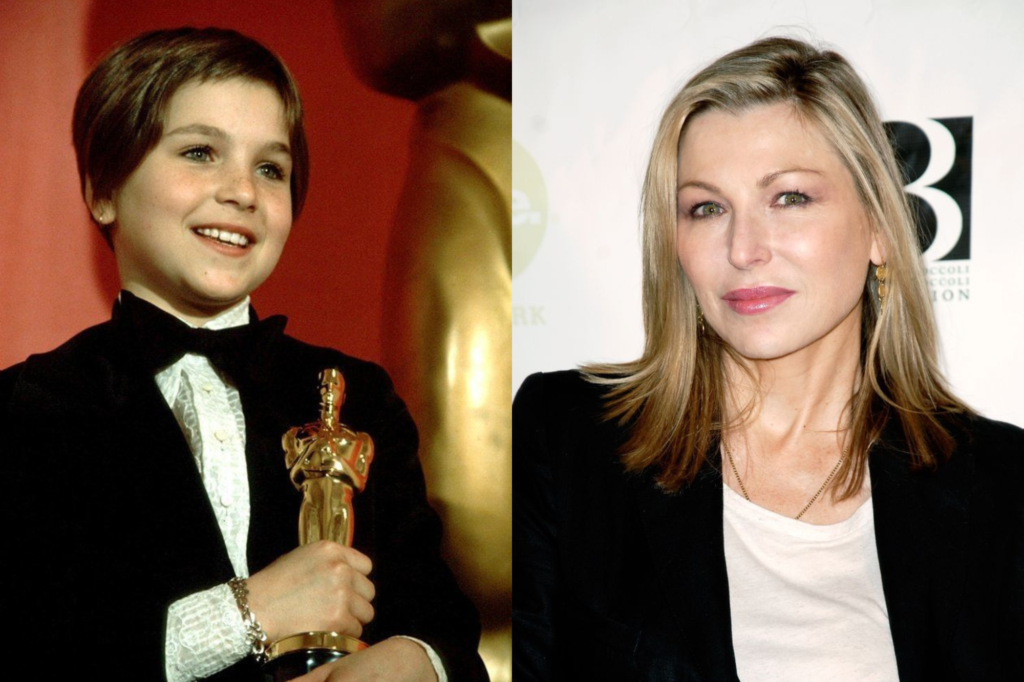
Tatum O’Neal made history in 1974 when, at just ten years old, she became the youngest person ever to win a competitive Academy Award. Her performance as Addie Loggins in Paper Moon (1973) was a masterclass in acting, as she played a street-wise orphan working alongside her real-life father, Ryan O’Neal. Throughout the mid-1970s, she was one of the most famous children in the world, appearing on the cover of magazines and starring in several other hits. Her follow-up role in the 1976 comedy The Bad News Bears proved that her debut was no fluke.
As the decade progressed, she starred in International Velvet (1978), continuing her run as a successful child and teen star. However, growing up in the intense glare of the Hollywood spotlight brought significant personal challenges that would follow her into adulthood. While she remained a public figure and continued to act in various projects over the following decades, her 1970s era remains her most culturally significant period. She remains a symbol of extraordinary young talent, holding a record that has stood for over fifty years in the history of the Oscars.
Leo Buscaglia
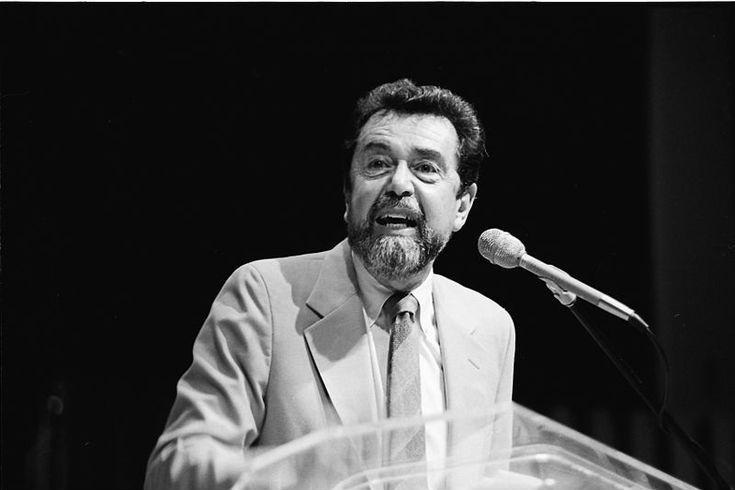
Leo Buscaglia, often known as “Dr. Love,” was a unique 1970s celebrity who gained fame not through acting or singing, but through the power of human connection. A professor at the University of Southern California, he became a household name after his lectures on love and empathy were broadcast on public television. His 1972 book, Love, became a massive bestseller, staying on the charts for years. During a decade marked by social change and a search for meaning, Buscaglia’s message of the importance of hugging and showing affection struck a deep chord with the American public.
He was a frequent guest on The Tonight Show and other major programs, where his enthusiastic and warm personality made him a favorite among viewers. By the late 1970s, he had authored several more books and was one of the most sought-after motivational speakers in the country. While the “self-help” genre has evolved significantly since then, Buscaglia was a pioneer who helped normalize the conversation around emotional intelligence and mental well-being. Although his name is less common in today’s fast-paced digital world, his influence on the motivational industry of the 1970s was truly monumental.


