
1. Christopher Columbus — Discovery and Debate
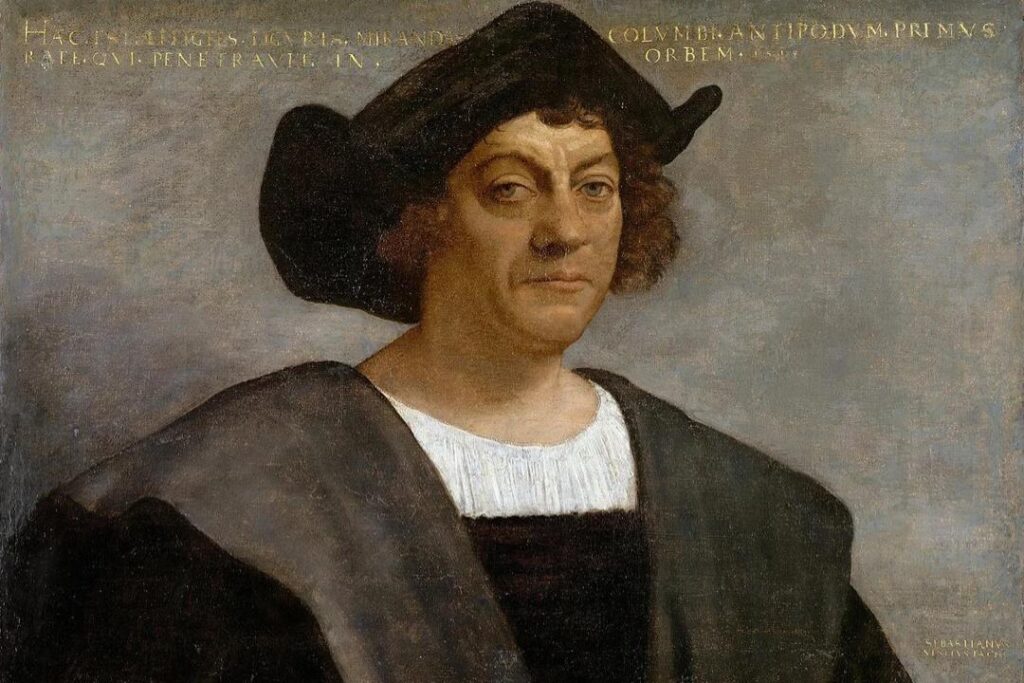
Most Americans grow up learning that Christopher Columbus “discovered” America, celebrated with parades, stories, and a national holiday. For generations, he symbolized courage, exploration, and adventure, a figure who opened a whole continent to the West. Schools painted him as a hero sailing into the unknown, and for centuries, textbooks repeated that narrative.
Today, that story feels more complicated. Columbus’s arrival brought immense suffering for Indigenous peoples, including forced labor, displacement, and disease. Many Americans now recognize the need to balance the tale of exploration with the voices of those affected. Some states and cities celebrate Indigenous Peoples’ Day instead, a shift that reflects a deeper understanding of history. This change shows how public admiration can evolve as perspectives broaden and highlights the importance of listening to previously overlooked voices.
2. Susan B. Anthony — Rights Advocate, Contested Life
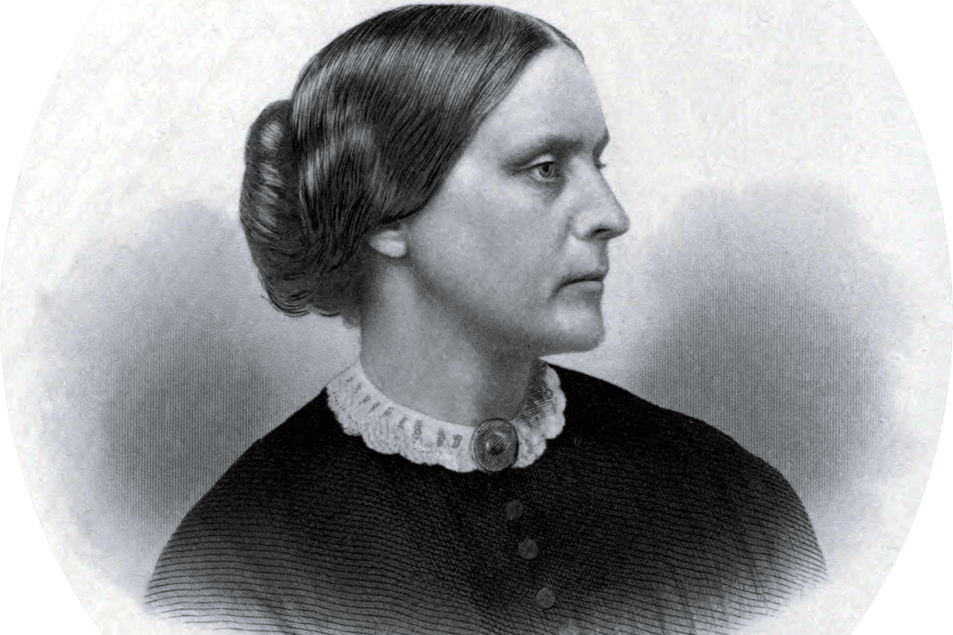
Susan B. Anthony is celebrated as a pioneer of women’s suffrage, whose tireless advocacy helped pave the way for the 19th Amendment, giving women the right to vote. Americans admire her courage, persistence, and strategic organizing, which challenged the political system and expanded civil rights. Her name appears on the U.S. dollar coin and in classrooms, reflecting her lasting impact on the nation. Anthony is remembered as a symbol of equality and reform, representing the effort to bring social justice to the forefront of American life.
Yet Anthony’s life also contains complexities. Some historians note that she prioritized certain issues over others, often focusing on white women’s suffrage while neglecting the intersectional struggles of women of color. While her achievements are undeniable, acknowledging these limitations provides a more nuanced understanding of her work. Anthony’s story teaches Americans that even celebrated figures are shaped by their context and that progress is often a journey of both triumphs and challenges. Reflecting on her legacy encourages deeper thinking about justice and inclusion.
3. George Washington — First President, Human Flaws
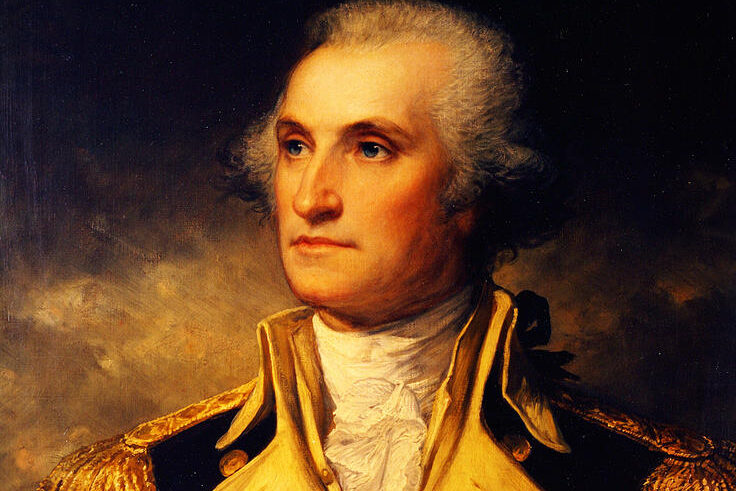
George Washington is often called the “Father of the Nation” for leading the American Revolution and shaping the presidency. Americans have long celebrated his courage at Valley Forge, his leadership in the Continental Army, and his commitment to establishing democratic norms. Statues, portraits, and monuments reinforce his iconic status, making him a symbol of unity and perseverance.
Yet Washington also owned enslaved people, a fact that complicates the hero narrative. While he eventually freed some in his will, slavery was central to his wealth and lifestyle. Understanding Washington fully means acknowledging both his role in securing independence and his participation in an unjust system. His life teaches that even revered leaders can embody both admirable and troubling traits, and that historical admiration benefits from nuance.
4. Abraham Lincoln — Emancipator With Complexity
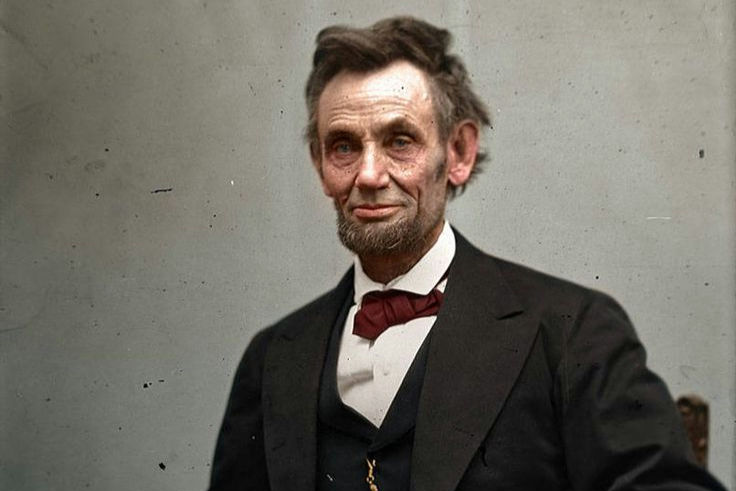
Abraham Lincoln is one of the most celebrated American presidents, remembered for preserving the Union and issuing the Emancipation Proclamation. Schools, movies, and speeches have cemented his image as a moral leader who stood for freedom and equality during the Civil War. His life story inspires Americans as a tale of perseverance, leadership, and dedication to principle.
Still, Lincoln’s approach to slavery and equality was not without limits. Early in his career, he prioritized preserving the Union over immediate emancipation, and some of his policies reflected cautious pragmatism rather than pure idealism. Recognizing these nuances does not diminish his achievements but provides a more accurate portrait of the man and his times. Lincoln’s legacy shows how historical heroes can embody both vision and compromise.
5. Benjamin Franklin — Inventor and Controversy
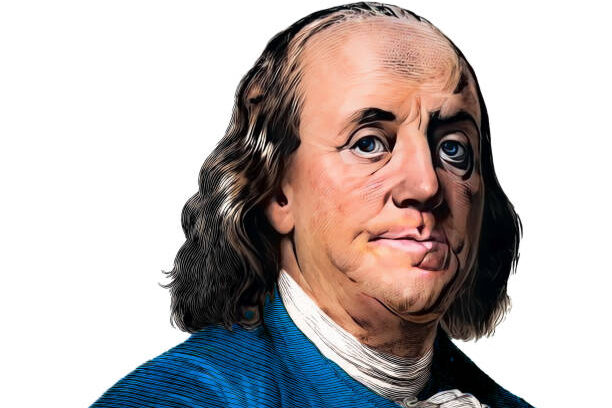
Benjamin Franklin has long been admired as a polymath: inventor, statesman, writer, and diplomat. Americans celebrate him as a founding father who helped shape the Constitution, negotiated critical treaties, and contributed ideas that defined the nation. His witty writings and curious mind made him a household name in early U.S. history, a symbol of ingenuity and civic engagement.
Yet Franklin, too, held contradictions. He owned slaves early in life and published writings that reflected the social and economic norms of his era. While he later became an advocate for abolition, his earlier complicity reminds us that historical figures often reflect the complexities of their time. Franklin’s story highlights the balance between celebration and critical reflection, showing Americans that even admired leaders had human flaws.
6. Andrew Jackson — Hero of the People, Troubling Policies
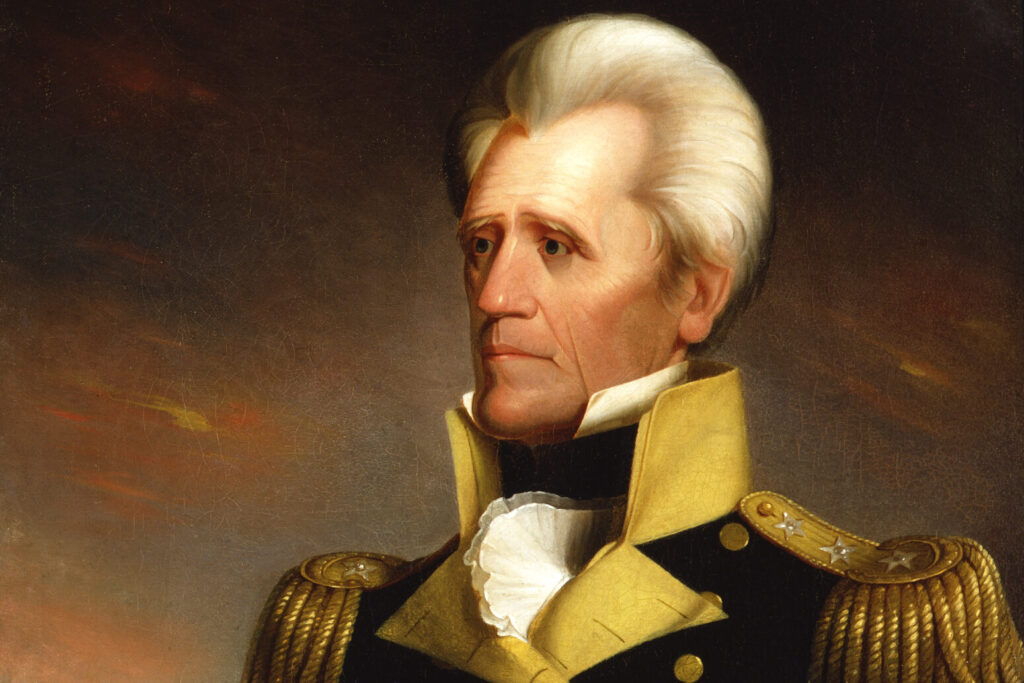
Andrew Jackson is often remembered as a populist hero who fought for the “common man” and strengthened the presidency in the early 19th century. Americans admired him for his military victories, especially at the Battle of New Orleans, and his efforts to expand democracy by broadening voter participation among white men. His image on the $20 bill reinforced his iconic status and influence in shaping the nation’s early political identity.
Yet Jackson’s legacy carries deep contradictions. He implemented the Indian Removal Act, forcibly relocating thousands of Native Americans along the Trail of Tears, causing immense suffering and death. While celebrated for defending the frontier and championing democratic reforms for some, he perpetuated policies that inflicted systemic injustice. Understanding Jackson today requires grappling with both his contributions to American democracy and the human cost of his policies, showing how public admiration can coexist with profound historical harm.
7. Robert E. Lee — Confederate Leader, Complex Memory
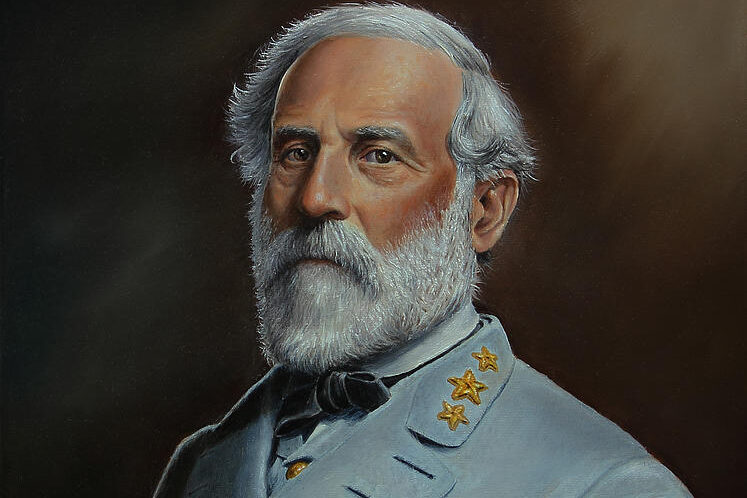
Robert E. Lee is a figure deeply woven into Southern identity and American Civil War history. For decades after the war, many Americans celebrated him as a symbol of honor, duty, and military skill, emphasizing his personal integrity and strategic brilliance on the battlefield. Memorials, schools, and literature reinforced the heroic narrative, particularly in the South, portraying Lee as a man of principle devoted to his home state.
However, Lee also fought to preserve the Confederacy, an entity dedicated to maintaining slavery. His legacy has been reassessed as Americans confront the centrality of slavery to the Civil War and the impact of Confederate symbolism. Statues and honors once taken for granted are now being debated or removed, highlighting how memory and admiration evolve. Lee’s story reminds us that even admired leaders can have deeply problematic associations, and that reckoning with history often requires nuance and context.
8. J.P. Morgan — Financial Genius, Controversial Power
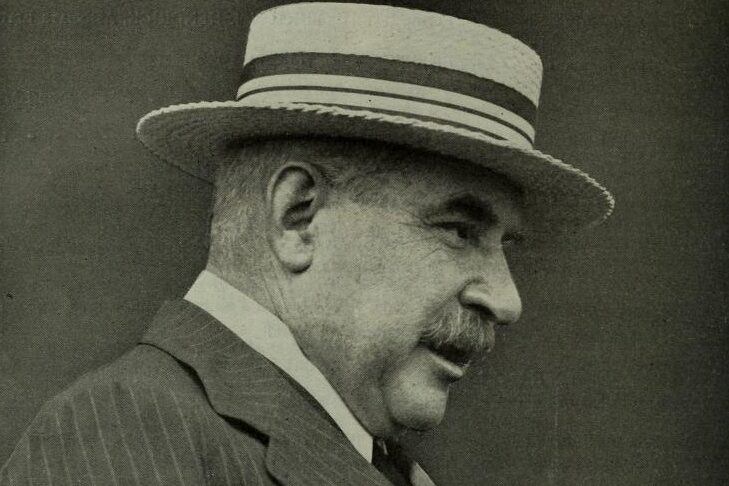
J.P. Morgan was celebrated in the U.S. as a financial genius and a stabilizing force during economic crises in the late 19th and early 20th centuries. He helped rescue the U.S. Treasury during panics, consolidated industries, and funded major infrastructure projects, earning admiration as a symbol of American capitalism and ingenuity. His name became synonymous with wealth, influence, and the rise of modern banking.
Yet Morgan’s immense power also sparked controversy. His monopolistic practices, control over railroads, and influence over government policy raised concerns about fairness, ethics, and economic inequality. Public perception has shifted over time, from admiration for his financial acumen to critique of the concentration of wealth and power in private hands. Morgan’s legacy highlights how achievement and influence can be celebrated while also inviting scrutiny about responsibility and societal impact.
9. Al Capone — Celebrity Criminal
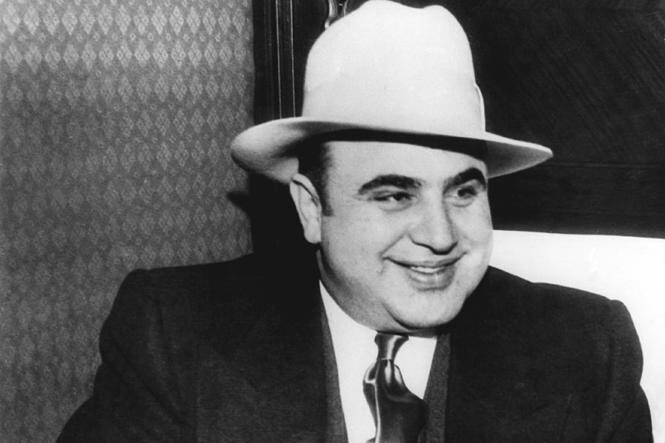
Al Capone is one of the most famous figures from the Prohibition era, remembered in pop culture as a glamorous gangster. Americans in the 1920s were fascinated by his style, power, and influence, and newspapers often sensationalized his exploits. Some admired his audacity, charisma, and ability to navigate a world of prohibition and crime, creating a larger-than-life image that persists in movies, books, and TV shows.
But the admiration masks the reality of his criminal empire. Capone’s operations involved illegal alcohol, gambling, bribery, and violent enforcement, including murders. While he is sometimes romanticized, his life reminds Americans that fame and notoriety can coexist with serious harm. Capone’s story encourages reflection on the line between celebrity and morality and shows how popular fascination can distort the full consequences of someone’s actions.
10. Theodore Roosevelt — Rough Rider and Reform
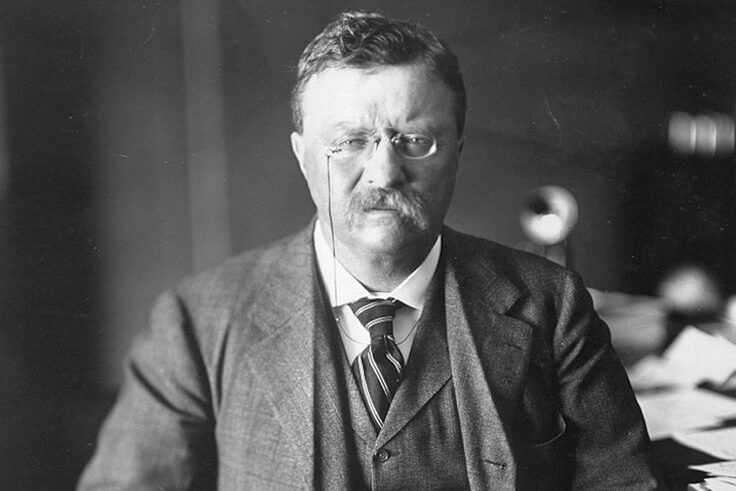
Theodore Roosevelt is often celebrated as a larger-than-life president, a Rough Rider who embodied energy, courage, and American optimism. Americans admired his progressive reforms, trust-busting policies, and conservation efforts, which created national parks and protected vast natural landscapes. His adventurous image, from hunting expeditions to horseback charges, helped him become a symbol of vigor and patriotic service.
Yet Roosevelt’s legacy also includes contradictions. He held imperialist views and policies toward Native Americans and other nations that reflected his belief in American superiority. His celebrated vision of progress often excluded marginalized groups, highlighting limits in his social policies. Recognizing both his achievements and shortcomings provides a more balanced understanding of Roosevelt’s role in shaping the U.S. and encourages reflection on how admiration can coexist with complexity in historical figures.
11. Andrew Carnegie — Philanthropy and Power
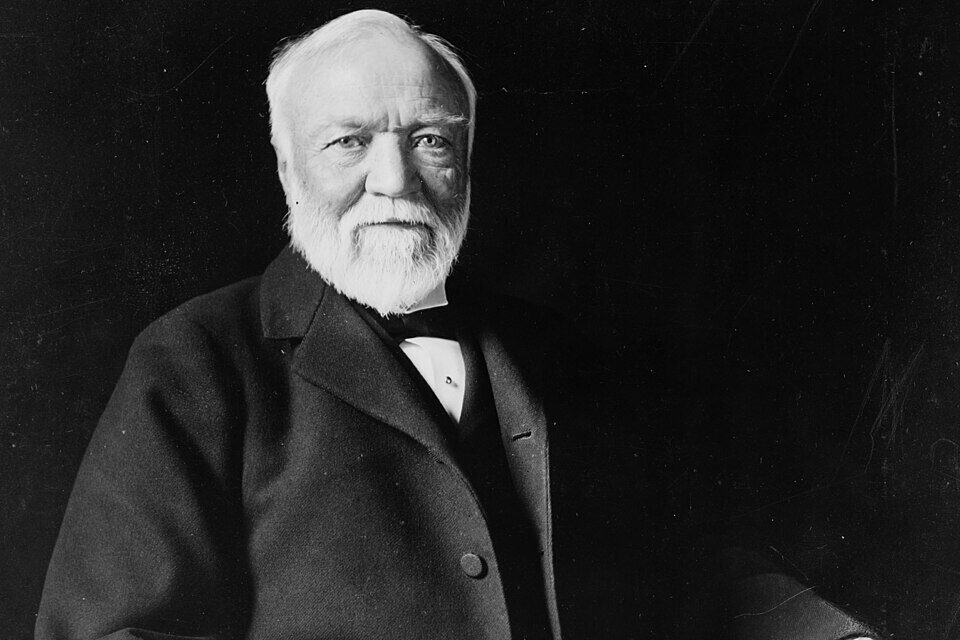
Andrew Carnegie is celebrated as one of the great American industrialists who helped shape the nation’s steel industry. He became a symbol of hard work, vision, and the promise of the American Dream, transforming himself from a poor immigrant boy into a business magnate. Beyond his business success, Carnegie is widely remembered for his philanthropy, funding libraries, schools, and cultural institutions that benefited millions of Americans. His story reflects innovation, ambition, and giving back to society in ways that inspired admiration for generations.
However, Carnegie’s success came with difficult truths. His labor practices were often harsh, including low wages and dangerous working conditions, culminating in strikes that turned violent. While he donated enormous sums later in life, his industrial practices caused hardship for many workers. Carnegie’s legacy shows how influence and wealth can create both progress and harm, reminding Americans that celebrated figures often have complicated stories. Understanding both sides gives a fuller picture of how power and responsibility intersect.
12. Woodrow Wilson — Progressive Vision and Racial Policies
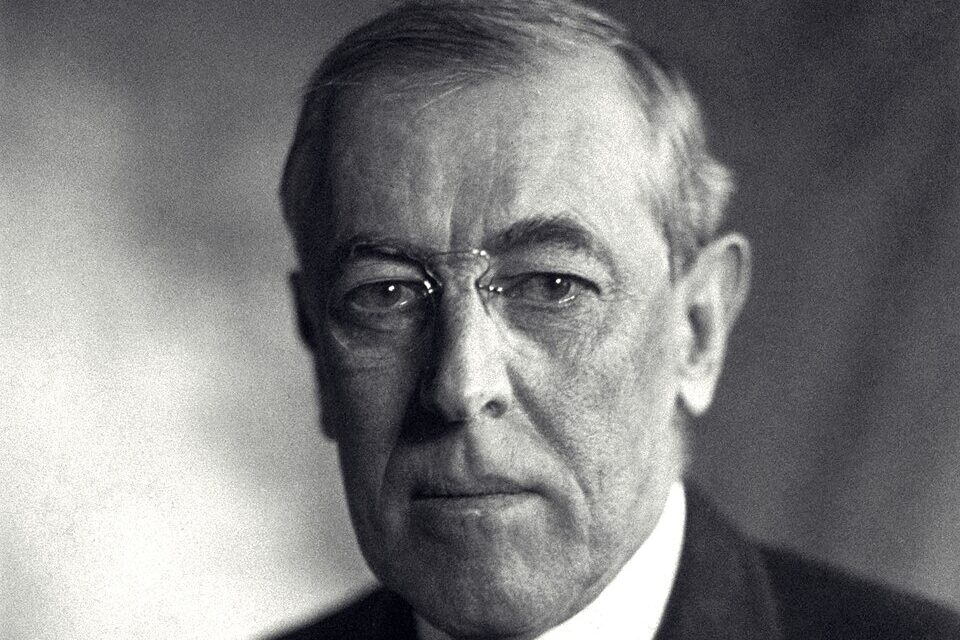
Woodrow Wilson is remembered as a president who guided the United States through World War I and championed progressive reforms such as creating the Federal Reserve and the League of Nations. For decades, Americans admired him for his intellect, dedication, and vision for the country, seeing him as a leader who could modernize government and engage the world diplomatically. His presidency is often associated with the ideals of progressivism and international cooperation, reflecting hope for reform and leadership on a global scale.
However, Wilson’s record on race complicates this admiration. He oversaw the re-segregation of federal offices and appointed officials who promoted discriminatory policies. His administration marginalized African Americans and resisted social reforms that would have advanced racial equality. While he contributed important progressive policies, these actions highlight the limits of his vision and the contradictions in his leadership. Understanding Wilson requires recognizing both his achievements and his failures, reminding Americans that historical figures are often more complex than the simple narratives of heroism taught in school. This perspective encourages critical reflection on what leadership truly means.
13. J. Edgar Hoover — FBI Founder and Controversy
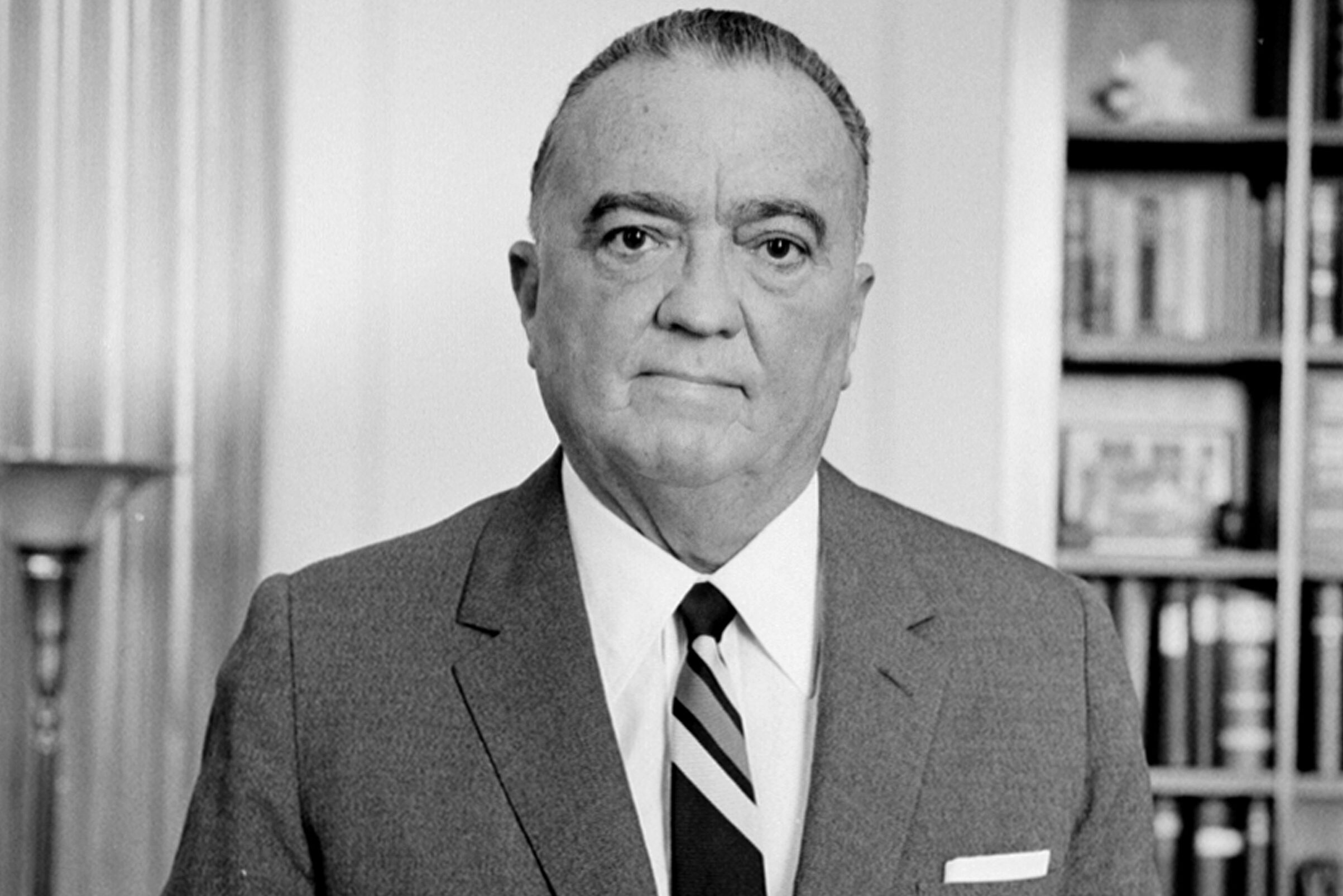
J. Edgar Hoover is widely recognized as the first director of the Federal Bureau of Investigation and one of the most influential figures in U.S. law enforcement history. He built the FBI into a highly organized, professional institution and was admired for capturing criminals, investigating organized crime, and modernizing investigative techniques. For decades, he was celebrated as a symbol of safety and authority, a man who stood for law and order during periods of social and political upheaval. Many Americans saw him as a guardian of national security who helped maintain stability in a rapidly changing country.
Yet Hoover’s record is controversial, and his methods often exceeded legal boundaries. He maintained secret files on civil rights leaders, activists, and political opponents, and engaged in surveillance programs that violated constitutional rights. Programs like COINTELPRO targeted dissenters and undermined trust in the government. Hoover’s story illustrates how admiration can coexist with serious ethical concerns. Evaluating his legacy encourages Americans to consider the balance between public service and accountability and shows that even highly respected figures can leave complicated and sometimes troubling impacts on society.
14. Henry Ford — Industrial Visionary and Critic
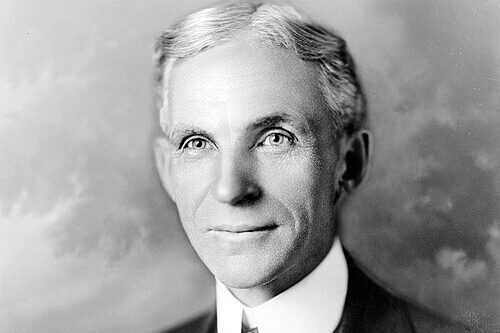
Henry Ford is celebrated as a pioneer of American industry and innovation, best known for developing the assembly line and making automobiles affordable for ordinary Americans. His innovations transformed transportation, boosted the economy, and helped define the 20th century as an era of technological progress. For decades, Americans admired him as a self-made entrepreneur who combined business acumen with creative problem-solving, and his name became synonymous with efficiency, innovation, and modern American ingenuity.
However, Ford’s legacy also includes troubling aspects. He was a vocal promoter of antisemitic ideas, using his newspaper to spread prejudiced views that influenced society in negative ways. His business practices also drew criticism for harsh working conditions and controlling labor relations. While his industrial achievements shaped modern America, these personal and professional controversies demonstrate the complexity of his legacy. Reflecting on Ford shows Americans that influential figures can have groundbreaking achievements while also contributing to harm, encouraging a more nuanced understanding of historical impact.
15. Andrew Johnson — A Presidency Under Pressure
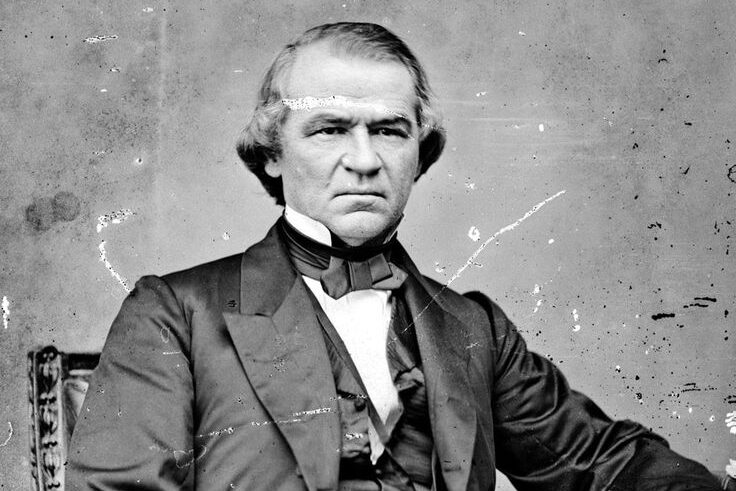
Andrew Johnson stepped into the presidency at one of the most fragile moments in American history, right after Abraham Lincoln’s assassination. At first, many Americans saw him as a steady hand who would carry forward the work of rebuilding the nation. As a Southern Unionist, he seemed uniquely positioned to bridge the divide between North and South. There was hope that he would guide Reconstruction with fairness and help reunite a deeply fractured country.
But over time, that early confidence began to fade. Johnson’s approach to Reconstruction often clashed with Congress, and his policies were seen as too lenient toward former Confederate states while failing to protect the rights of newly freed Black Americans. His presidency became increasingly controversial, eventually leading to his impeachment. Looking back, Johnson’s story feels like a lesson in missed opportunities, where early promise gave way to decisions that deepened division. It reminds us how leadership during critical moments can shape the direction of a nation in lasting ways.
16. Sacagawea — Guide, Symbol, and Misunderstood Story

Sacagawea is often remembered as the young Native American woman who guided Lewis and Clark on their expedition across the American West. For many Americans, she represents courage, resilience, and the spirit of exploration. Her presence on the journey helped build trust with Native tribes and provided crucial knowledge of the land, making her an essential part of a story that is widely taught in schools and celebrated in history.
At the same time, her story has often been simplified or romanticized. Sacagawea’s role is sometimes framed in ways that overlook the realities of her life, including the hardships she faced and the limited control she had over her circumstances. She has been turned into a symbol, but symbols can sometimes flatten the truth. Taking a closer look at her life invites a deeper appreciation of her strength while also recognizing the broader context of Native American experiences during westward expansion. Her story gently reminds us that behind every familiar name is a fuller, more human story waiting to be understood.
17. Martin Luther King Jr. — Dream and Human Complexity
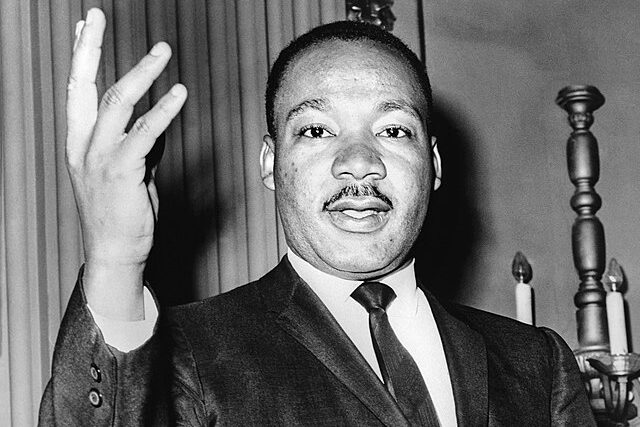
Martin Luther King Jr. is one of the most celebrated figures in American history, known for his leadership in the civil rights movement and his advocacy for equality and justice. Americans admire his eloquence, courage, and commitment to nonviolent protest, and his speeches continue to inspire movements for social change across the country. King became a symbol of hope and moral authority, representing the possibility of achieving civil rights through perseverance, unity, and vision.
Yet like all humans, King was not without flaws. Some historians note that he struggled with personal and professional challenges, including tension within the movement and scrutiny from the government. Understanding King fully means celebrating his achievements while acknowledging the human complexities behind his public image. His life encourages Americans to see leaders as real people whose influence is shaped by both extraordinary courage and personal struggle. King’s story illustrates that heroism can coexist with human imperfection, inviting reflection on how individuals shape society and inspire future generations.


