
1. Lobster: From Prison Food to Fine Dining

It may be hard to imagine now, but lobster was once so common along the northeastern shores of the United States that it was considered little more than sea debris. In colonial New England, lobsters washed up in piles, and they were fed to prisoners, indentured servants, and even farm animals. According to the History Channel, lobster was once referred to as the “poor man’s protein,” and there were even laws in places like Massachusetts Bay Colony limiting how often servants could be served it because it was seen as cruel to feed them too much. It was cheap, plentiful, and hardly glamorous.
Everything changed in the nineteenth century when railroads made it easier to transport fresh lobster inland. Suddenly, it became a novelty for those who had never tasted it before. Canning also helped shift its image. By the time restaurants began serving it with butter and lemon, lobster had shed its survival roots. Today, it is a symbol of celebration and indulgence. It is a reminder that taste, like status, can change with time.
2. Pizza: A Poor Man’s Pie

Long before it became a global favorite, pizza was a practical street food in Naples. In the eighteenth and nineteenth centuries, working-class families needed something inexpensive and filling. Flatbread topped with tomatoes, garlic, oil, and sometimes a bit of cheese did the job. Food historians often point to the moment when Raffaele Esposito reportedly created a version for Queen Margherita of Savoy, using tomatoes, mozzarella, and basil to mirror the Italian flag. It helped give pizza a royal nod, but its roots were still firmly planted in poverty.
For the laborers of Naples, pizza was affordable, portable, and satisfying. It did not require utensils or ceremony. When Italian immigrants brought it to cities like New York City, it followed the same pattern, feeding factory workers and families who needed value for their money. Over time, tastes expanded and toppings multiplied, but the heart of pizza remains simple. It began as a solution for hunger and grew into a universal comfort.
3. Ramen: Rebuilding After War
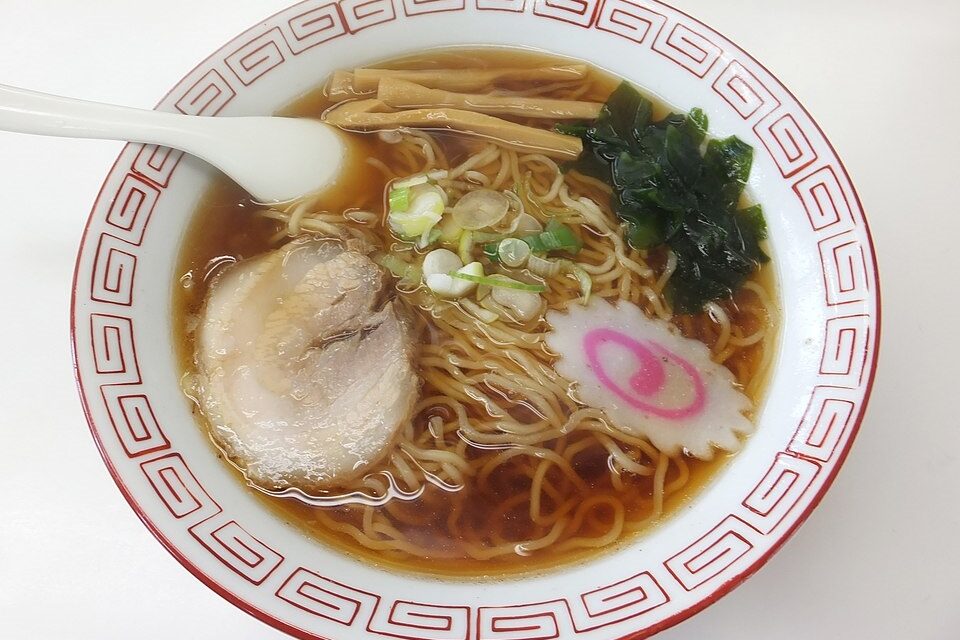
Today, ramen shops draw long lines, and instant noodles fill pantry shelves across continents. Yet ramen’s rise is closely tied to hardship, especially in postwar Japan. After World War II, food shortages were severe, and wheat supplied by the United States became a key ingredient. Simple noodle soups helped stretch limited resources. In 1958, Momofuku Ando introduced instant ramen, making it possible for families to prepare a hot meal quickly and cheaply at home.
Ramen was never meant to be trendy. It was meant to be dependable. A bowl of noodles in broth could feed a family without straining the budget. Over time, regional varieties developed, and chefs elevated the dish with slow-cooked broths and carefully prepared toppings. Still, whether it comes in a paper cup or a ceramic bowl, ramen carries its history quietly. It reminds us that even the simplest meals can offer warmth when people need it most.
4. Grits: Sustenance from the Land

Grits have long been a staple in the American South, but their origins stretch back to Indigenous communities who ground corn into a coarse meal. Early settlers in the southeastern United States adopted the practice because corn was hardy and grew well in the region. For families with limited means, grits were reliable and filling. They could be cooked with water, milk, or broth, depending on what was available.
During difficult economic periods, especially in rural areas, grits were often breakfast, lunch, or dinner. They were inexpensive and easy to prepare in large batches. Over time, chefs began pairing them with shrimp, cheese, and butter, turning a basic porridge into a beloved comfort dish. Yet at its core, grits remain simple. They reflect a time when survival meant working with what the land provided and making it last.
5. French Onion Soup: Stretching Scarcity
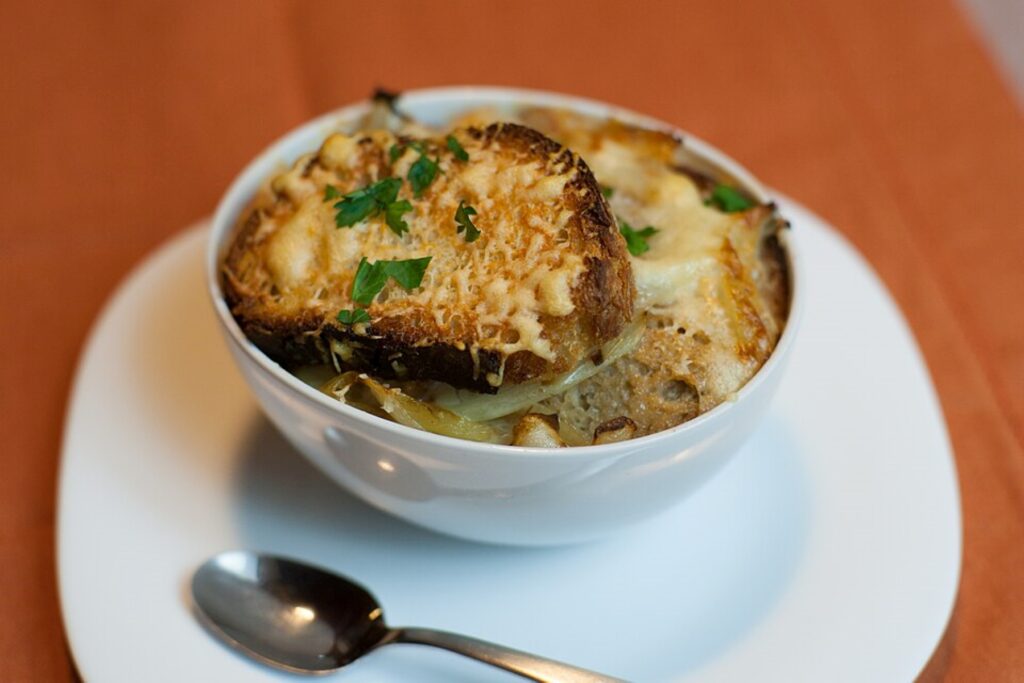
French onion soup feels refined today, especially when topped with toasted bread and melted cheese. But its beginnings were humble. Onions were inexpensive and easy to grow in France, making them accessible to people across social classes. In earlier centuries, a simple onion broth was often the only warm meal many laborers could count on.
The modern version gained attention in Parisian markets, where workers needed something hot and affordable. Over time, the addition of bread and cheese transformed it into a richer dish, but the base remained the same. What started as a way to make a few onions go further became a symbol of comfort in cafés around the world. Its sweetness and warmth still hint at its practical past.
6. Tacos: A Working Meal Wrapped in Warmth
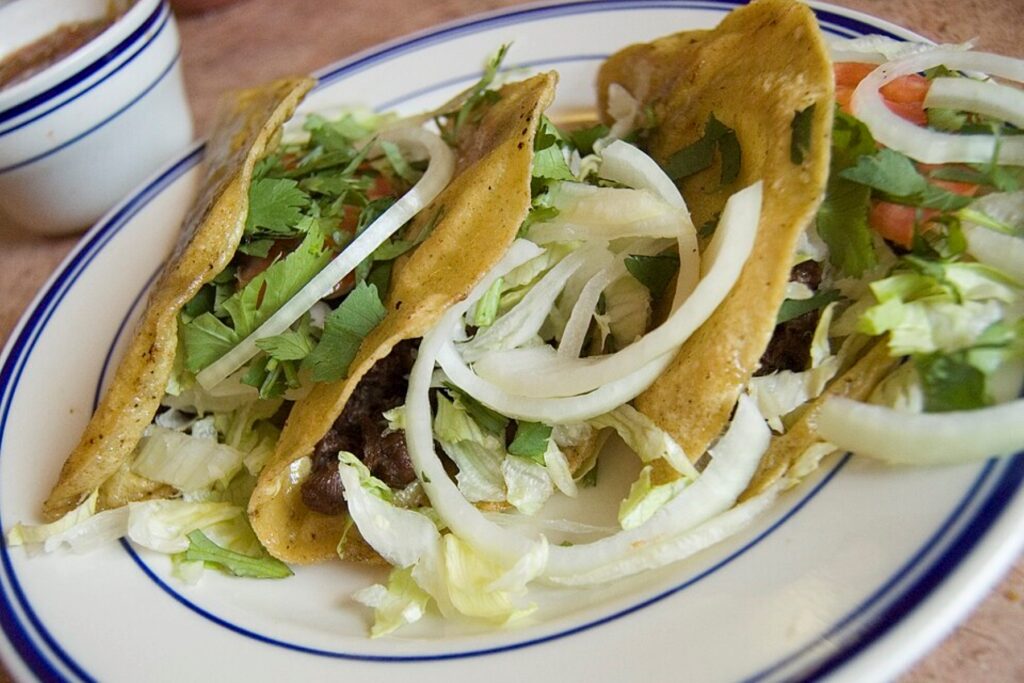
If you picture tacos today, you might think of colorful food trucks or busy family dinners, but their story begins in the mines and fields of Mexico. In places like Guanajuato, laborers needed something they could carry in one hand and eat quickly between long hours of work. A simple corn tortilla folded around beans, chili, or small pieces of meat was practical and filling. Food historians often connect early tacos to miners, noting that the word taco once referred to small charges used in excavation, a quiet nod to its working roots. It was not fancy food, it was functional food, designed to keep people going when the day felt long.
Over time, tacos traveled from rural kitchens to city streets, evolving with each region. Different meats, salsas, and cooking styles shaped new versions, yet the structure stayed the same: warm tortilla, simple filling, shared table. When tacos crossed borders, they adapted again, becoming part of everyday meals in homes and restaurants worldwide. Even now, when topped with fresh herbs or served on handmade tortillas, tacos still carry their original purpose. They were created to satisfy hunger quickly and affordably, and that humble beginning is part of what makes them feel so honest and welcoming today.
7. Shepherd’s Pie: Turning Leftovers into Comfort

There is something familiar about a dish that makes use of what is already in the kitchen. Shepherd’s pie grew out of that kind of thinking in Ireland and the United Kingdom. Families who could not afford to waste food found a clever way to repurpose leftover roasted meat by chopping it finely, mixing it with vegetables, and covering it with mashed potatoes. Potatoes were inexpensive and widely available, especially in rural communities, so they became the natural topping. The result was hearty and practical, perfect for cold evenings when a warm meal mattered most.
It was never meant to impress guests. It was meant to stretch ingredients and fill stomachs. Over generations, though, shepherd’s pie moved from necessity to nostalgia. Today it appears in cookbooks and pub menus, often prepared with care and attention to flavor. Yet its spirit remains grounded in thrift and resourcefulness. It reminds us that some of the most comforting meals are born from careful planning and a desire to make sure nothing goes to waste. What began as a way to survive lean times slowly became a dish people return to for warmth and memory.
8. Polenta: A Simple Bowl That Sustained Generations
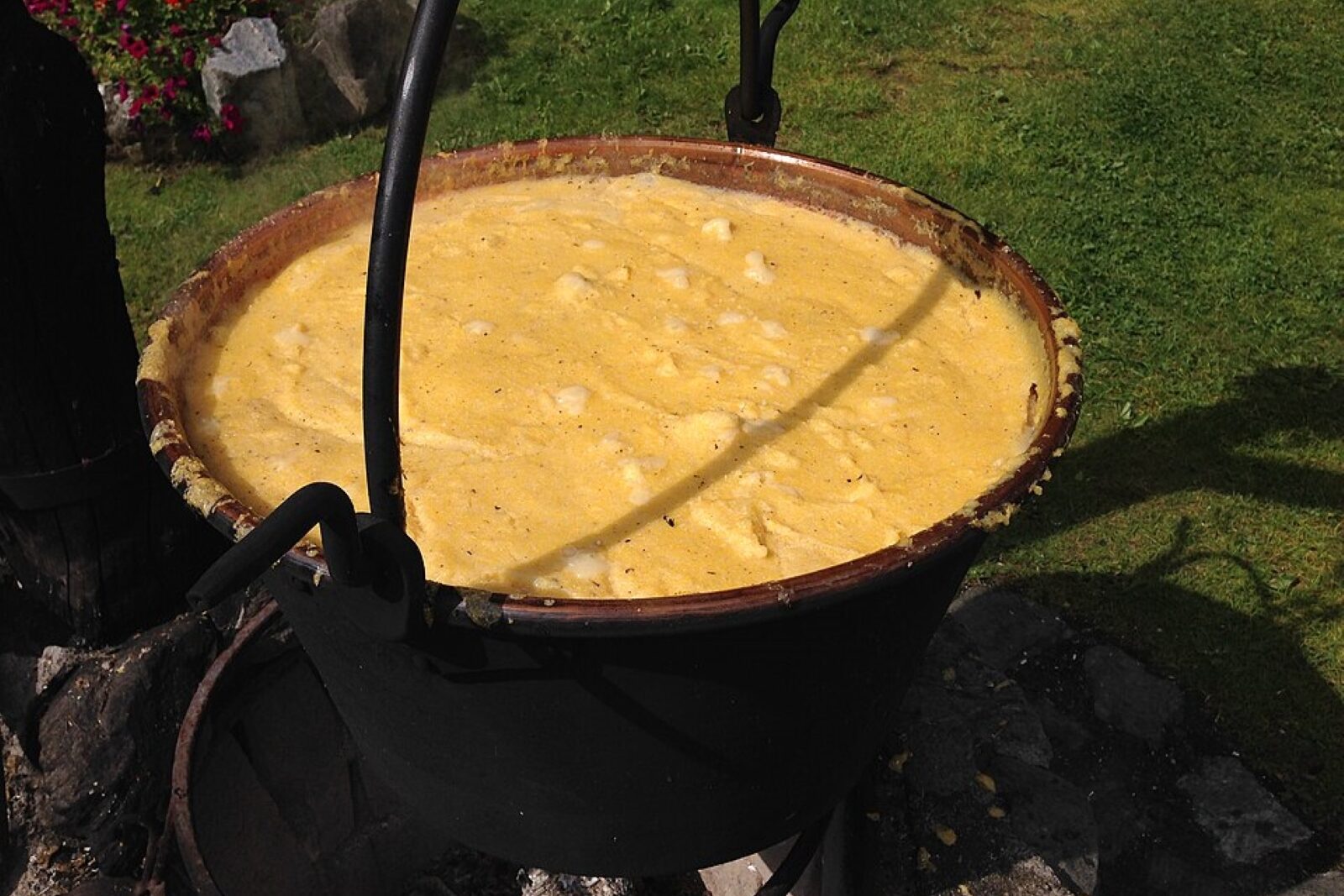
In northern Italy, polenta was once the everyday meal of farmers and rural families. Cornmeal boiled slowly in water or broth created a thick porridge that could be sliced, grilled, or eaten soft from a bowl. For those who had little access to meat or expensive ingredients, polenta provided steady nourishment. It was affordable, filling, and dependable. In many homes, it appeared on the table more than once a day, a quiet companion to whatever vegetables or scraps were available.
For a long time, polenta carried a reputation as poor man’s food. Yet as tastes evolved, chefs began to highlight its creamy texture and subtle sweetness. It found its way into restaurants, paired with rich sauces, mushrooms, or cheeses. Despite the shift in status, the foundation never changed. It is still just corn and patience, stirred carefully until it thickens. Polenta’s journey from peasant staple to modern favorite shows how time can reshape perception. What once symbolized scarcity now represents comfort, craftsmanship, and a respect for simple ingredients handled well.
9. Chowder: Born on the Cold Atlantic

Chowder feels like something you order on a chilly day, but its roots are tied to survival along the rugged coast of New England. Fishermen working long hours at sea needed a meal that was warm, hearty, and made from what they could not sell. Smaller fish, clams, or bits of seafood were simmered with potatoes and salt pork to create a thick stew. It was cooked in large pots and shared among crews, offering comfort after cold, demanding days on the water.
Nothing about early chowder was elaborate. It was built from necessity and practicality. As coastal towns grew, the stew moved from boats to local inns and homes. Over time, cream was added, recipes were refined, and regional variations took shape. Today, chowder appears on restaurant menus and is often associated with tradition and pride. Yet beneath its creamy surface lies a history of making the most of every catch. It began as a way to ensure that nothing was wasted and that hard-working people had something warm to come back to at the end of the day.
10. Paella: A Pan Meant to Feed Many
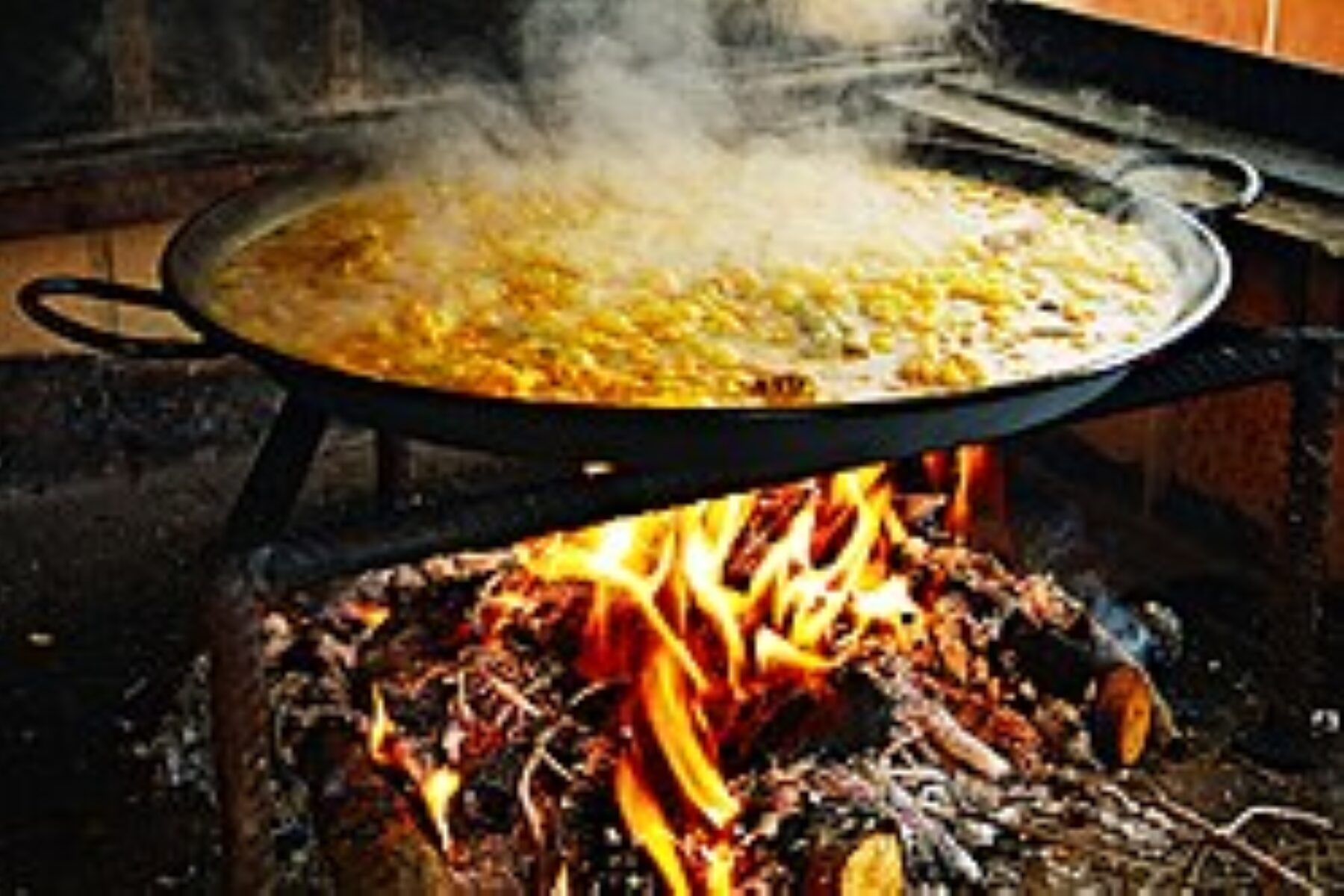
Paella is often seen as a festive dish, but its beginnings were far more practical. In the fields around Valencia, farm workers prepared rice over open flames using whatever ingredients they had on hand. Beans, snails, bits of rabbit, and seasonal vegetables were added to the pan. Rice was the key because it could stretch small portions of protein and absorb every bit of flavor. Cooked outdoors and shared directly from the wide pan, it was a meal built for community and long working days.
It was never designed for ceremony. It was meant to nourish many people at once without requiring expensive ingredients. As trade expanded and seafood became more available, new versions of paella appeared. The dish gradually moved from rural fields to family gatherings and restaurants. Still, its wide pan and shared serving style echo its origins. Paella began as a practical solution for feeding workers with limited resources, and even today, when it is carefully arranged and beautifully presented, it carries that same generous spirit of feeding everyone from one humble pan.
11. Borscht: A Winter Pot That Kept Families Going
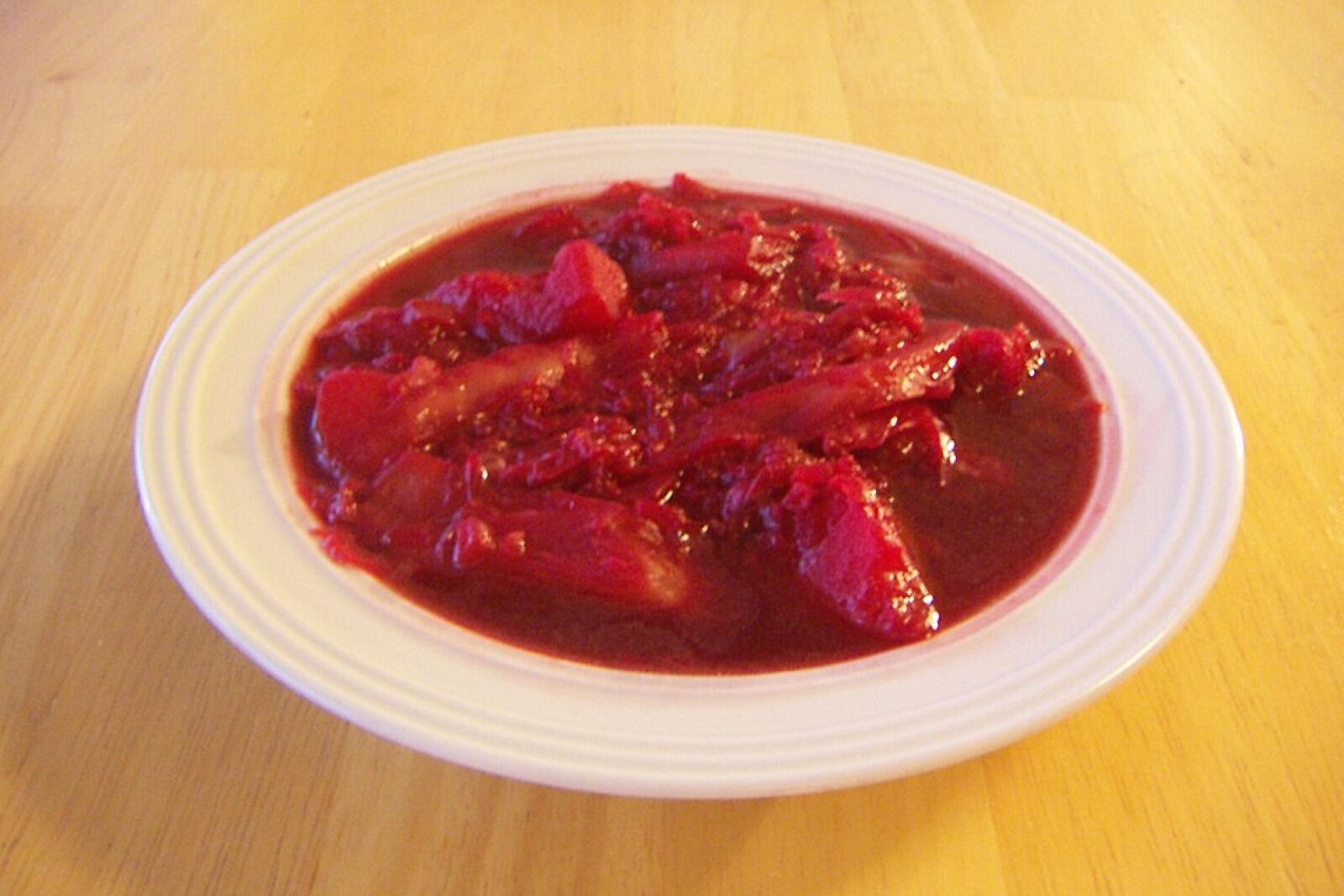
In parts of Ukraine and across Eastern Europe, winters were long and unforgiving, and fresh food was scarce for months at a time. Families relied on hardy vegetables that could survive the cold or be stored in cellars. Beets, cabbage, carrots, and potatoes became the backbone of borscht, a soup that could simmer gently on the stove and feed many people at once. It was not created for elegance. It was created because it worked. A handful of root vegetables and some broth could stretch into a nourishing meal that warmed both hands and home.
Over time, borscht became more than survival food. Each household developed its own version, sometimes adding meat, sometimes keeping it simple. It began to carry stories of family and tradition. Today, it is served with pride in restaurants and homes alike, often topped with a spoonful of sour cream. Yet beneath its bright color and comforting aroma lies its original purpose. Borscht was about endurance. It was about making sure that when the snow piled high outside, there was always something steady and sustaining waiting inside the kitchen.
12. Corned Beef and Cabbage: An Immigrant’s Practical Plate
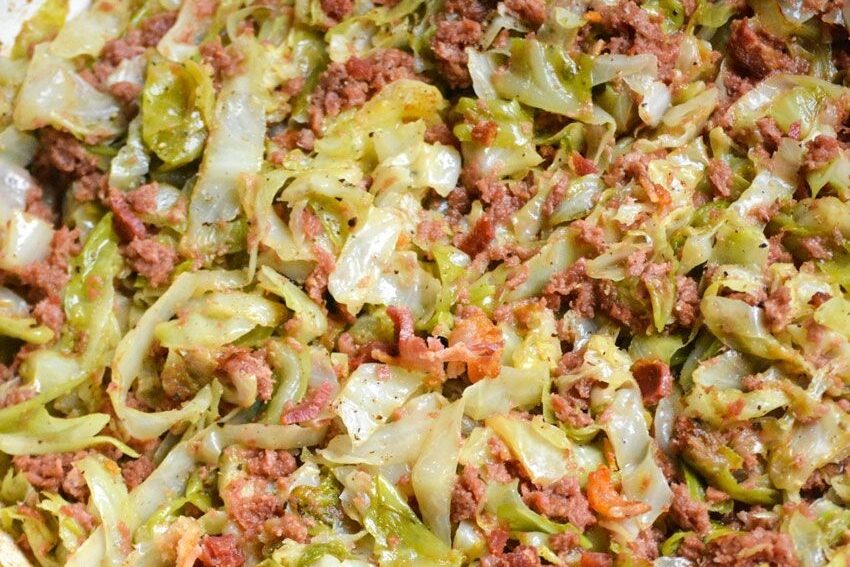
Corned beef and cabbage is often linked to Ireland, but its rise is closely tied to Irish immigrants who settled in New York City during the nineteenth century. Back home, pork was more common, but in America, beef was often more affordable and accessible in immigrant neighborhoods. Families adapted quickly. They paired salted beef with cabbage, a vegetable that was inexpensive and easy to cook in large quantities. The result was filling, simple, and suited to tight budgets.
It was not a holiday meal at first. It was a practical answer to a new economic reality. Over time, as communities grew and traditions formed, corned beef and cabbage became associated with celebration, especially around cultural events. Yet its foundation remains grounded in adaptation and resilience. It tells the story of people learning to survive in unfamiliar surroundings, making thoughtful choices based on what was available. What began as a necessary adjustment slowly turned into a symbol of identity, proving that survival meals often carry more history than we realize.
13. Risotto: Patience in a Pot

In northern Italy, rice thrived in the fertile plains, and working families learned to make the most of it. Risotto was not originally a restaurant centerpiece. It was a practical way to turn rice and broth into something substantial. By stirring slowly and adding liquid little by little, cooks could create a creamy texture without relying on costly ingredients. Small amounts of vegetables, cheese, or bits of meat were enough to flavor the entire pot.
The beauty of risotto lies in its simplicity. It demands attention but not extravagance. Over generations, it moved from farmhouse kitchens to fine dining rooms, where chefs refined techniques and added seasonal touches. Yet the heart of risotto has not changed. It was created to stretch ingredients and provide comfort at the end of a long day. Even now, when served elegantly on a plate, it reflects its humble beginnings. It reminds us that patience and care can transform everyday staples into something memorable, without losing the quiet practicality that shaped them.
14. Congee: Comfort in Its Simplest Form
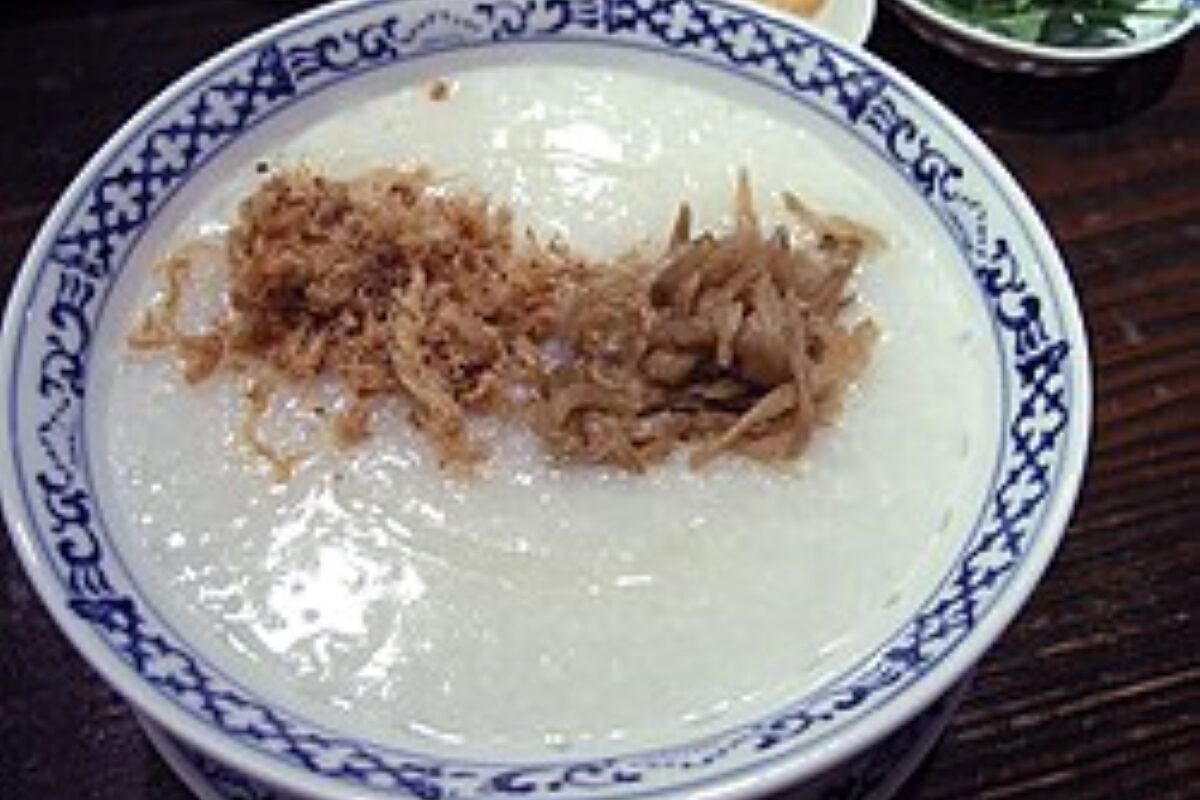
Across China and much of Asia, congee has long been a dependable staple. At its most basic, it is rice cooked with extra water until it softens into a gentle porridge. This method allowed families to stretch a small amount of grain to feed many mouths. When resources were limited, congee provided nourishment without requiring much else. It was easy to digest, affordable, and adaptable to whatever ingredients were available.
Some days it might include bits of fish or vegetables. Other times, it was served plain with a touch of salt. Congee became associated with care, often offered to children, elders, or anyone feeling unwell. Over time, regional variations developed, and it found its place in bustling breakfast shops and modern restaurants. Yet its purpose remains steady. Congee was born from the need to make rice last and to ensure no one went hungry. It stands as a quiet example of how simplicity can carry comfort, especially when life feels uncertain.
15. Panzanella: Making Stale Bread Shine Again
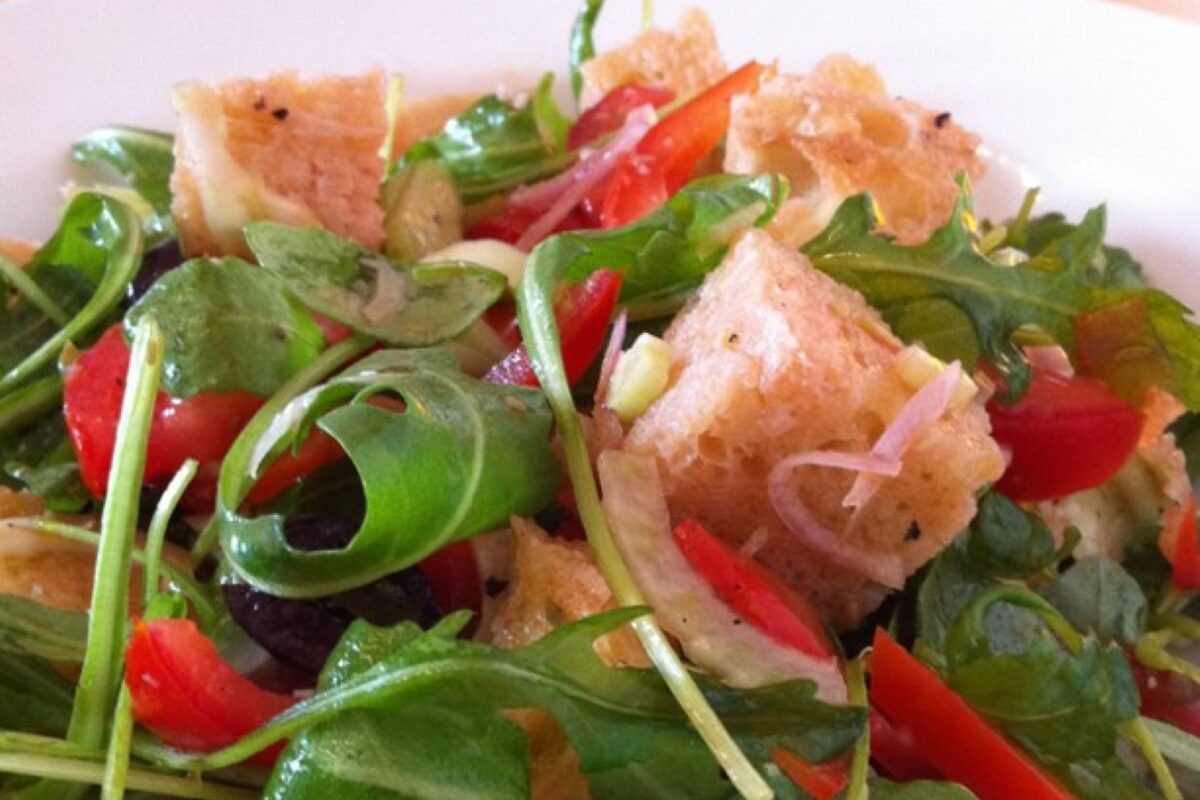
In central Italy, bread was too valuable to throw away. When loaves grew stale, families found ways to bring them back to life. Panzanella emerged as a clever solution. Pieces of hardened bread were soaked to soften them, then tossed with tomatoes, onions, olive oil, and sometimes cucumbers. It was a summer dish built around what was already in the kitchen and garden. Nothing fancy, just thoughtful use of what remained.
The salad carried the rhythm of rural life, shaped by seasons and necessity. Fresh produce brightened the plate, while the revived bread made it filling enough to count as a meal. Over time, panzanella gained attention beyond farmhouse tables, appearing in cookbooks and restaurants as a celebration of rustic cooking. Still, its spirit is rooted in thrift. It began as a way to avoid waste and respect the effort it took to bake each loaf. Even now, every bite carries that sense of care and resourcefulness.
16. Baked Beans: Slow Cooking for Steady Strength

In early American settlements, particularly in places like Boston, baked beans became a dependable staple. Beans were inexpensive, stored well, and provided lasting energy. When combined with molasses and cooked slowly for hours, they turned into a hearty meal that could feed large families. The long cooking time was practical, allowing beans to simmer gently while other work was done. It was food designed to sustain people through demanding days.
Over time, baked beans became woven into local traditions and gatherings. What started as a survival dish gained cultural meaning, often associated with community and comfort. Yet its foundation remains practical. Beans were affordable protein, and slow baking made them tender and flavorful without complicated steps. Even today, whether served at a family table or a neighborhood event, baked beans echo their early purpose. They were about nourishment first, celebration later, and that steady reliability is part of why they endure.
17. Fried Rice: A Lesson in Not Wasting a Grain

Fried rice likely began as a practical answer to leftover rice in China. Instead of discarding cold rice from the day before, cooks tossed it into a hot pan with scraps of vegetables, bits of egg, or small pieces of meat. The high heat revived the grains, giving them new life and flavor. It was quick, economical, and satisfying. Most importantly, it ensured that nothing went to waste.
As trade and migration spread culinary traditions, fried rice traveled and transformed. Different regions added their own ingredients, creating countless variations. Today, it appears in homes and restaurants across the world, often customized to personal taste. Yet at its heart, fried rice carries a simple message: use what you have and make it count. It quietly ties together the story of so many beloved dishes. What began as careful reuse of leftovers became a global comfort food, reminding us that creativity often grows out of necessity and that even yesterday’s rice can become today’s favorite meal.


