
1. The Cabbage Patch Kid Craze
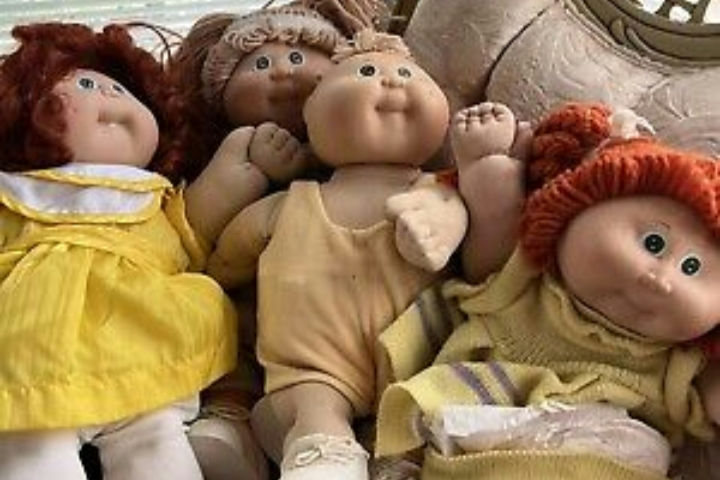
The holiday season of 1983 remains etched in retail history as the year of the “Cabbage Patch Riots.” Originally known as “Little People,” these soft-sculptured dolls were the brainchild of 21-year-old Xavier Roberts, who refined a German fabric-folding technique to create their unique look. After signing a licensing deal with Coleco in 1982, the brand exploded. By the end of 1984, sales had surpassed $2 billion, with over 65 million “adoptions” finalized worldwide. The genius was in the marketing; by including individual birth certificates and adoption papers, the company transformed a simple purchase into an emotional milestone for children.
However, the road to riches was paved with legal battles. Artist Martha Nelson Thomas sued Roberts, claiming he had appropriated her “Doll Babies” design which she had been selling at craft fairs years earlier. The dispute was eventually settled out of court in 1986 for an undisclosed sum. Despite the drama and the eventual bankruptcy of Coleco in 1988, the brand survived through acquisitions by Hasbro and Mattel. Today, Cabbage Patch Kids are still in production, proving that the psychological hook of “belonging” is a timeless sales tool. Collectors still hunt for “pre-Cabbage” originals, which can sell for thousands of dollars at specialized auctions.
2. Transformers
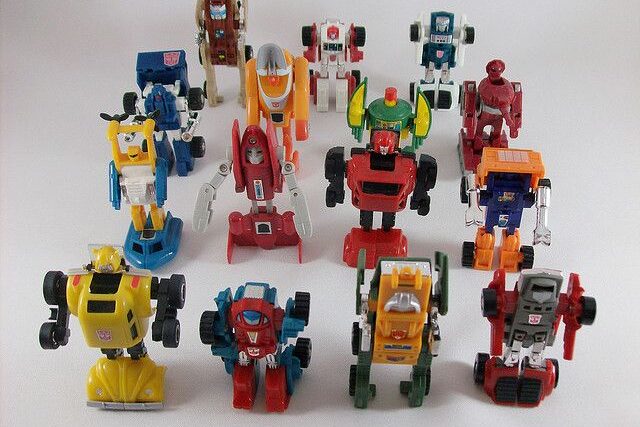
In 1984, Hasbro took a massive gamble by importing two separate Japanese toy lines, Diaclone and Microman, and rebranding them as the Transformers. By partnering with Marvel Comics to create backstories and launching a dedicated Saturday morning cartoon, they didn’t just sell toys, they sold an epic interstellar war. The strategy worked brilliantly; by 1989, the franchise had already generated over $1 billion in global revenue. It wasn’t just about the clever engineering that turned a truck into a robot; it was about the personality given to characters like Optimus Prime and Megatron that captured the imaginations of millions.
The franchise’s longevity is a masterclass in brand evolution. While sales dipped in the mid-90s, the 2007 live-action film directed by Michael Bay catapulted the brand back into the stratosphere, turning it into a multi-billion dollar cinematic universe. Today, the “Generation 1” toys from the 80s are blue-chip investments for collectors. For instance, a mint-condition, high-grade 1984 Optimus Prime can command prices upwards of $20,000. Hasbro’s ability to pivot from plastic figures to digital media and high-end collectibles has ensured that the “Robots in Disguise” remain a cornerstone of the global toy industry, proving that a strong narrative can sustain a brand for over four decades.
3. The Global Logic of Rubik’s Cube
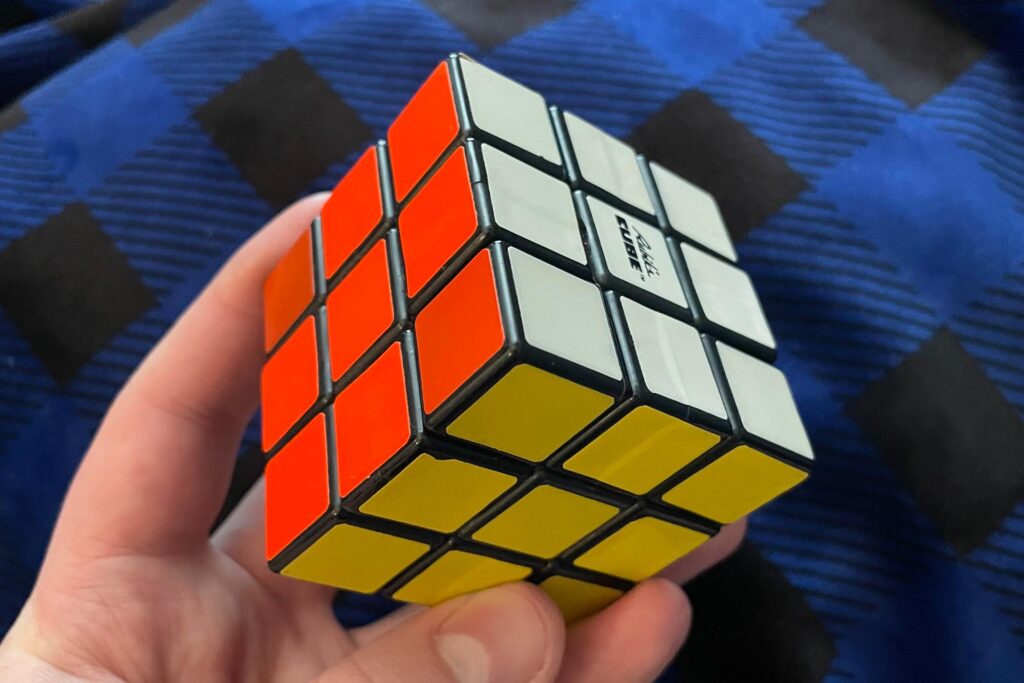
Few objects are as universally recognized as the Rubik’s Cube, which took the world by storm in 1980. Invented in 1974 by Erno Rubik, a Hungarian professor of architecture, the “Magic Cube” was originally intended as a teaching tool to help students understand 3D geometry. After being licensed to Ideal Toy Corp, it became an overnight sensation, selling over 100 million units by 1982. The puzzle’s appeal crossed all demographic lines, sparking international competitions and making Rubik the first self-made millionaire from the communist bloc. It was a rare example of a “brainy” toy achieving rockstar status in popular culture.
The craze eventually cooled, but the Cube never truly went away. It experienced a massive cultural resurgence around 2017, driven by “speedcubing” videos on YouTube and TikTok, where elite players solve the puzzle in under four seconds. To date, over 450 million official units have been sold, not counting the countless millions of “knock-offs” produced globally. While Erno Rubik largely stepped away from the limelight to focus on his architectural interests, his invention remains the best-selling puzzle in history. In 2020, the brand was acquired by Spin Master for $50 million, cementing its status as a permanent fixture of the entertainment landscape and a testament to the power of a simple, elegant challenge.
4. He-Man – The Power of Grayskull
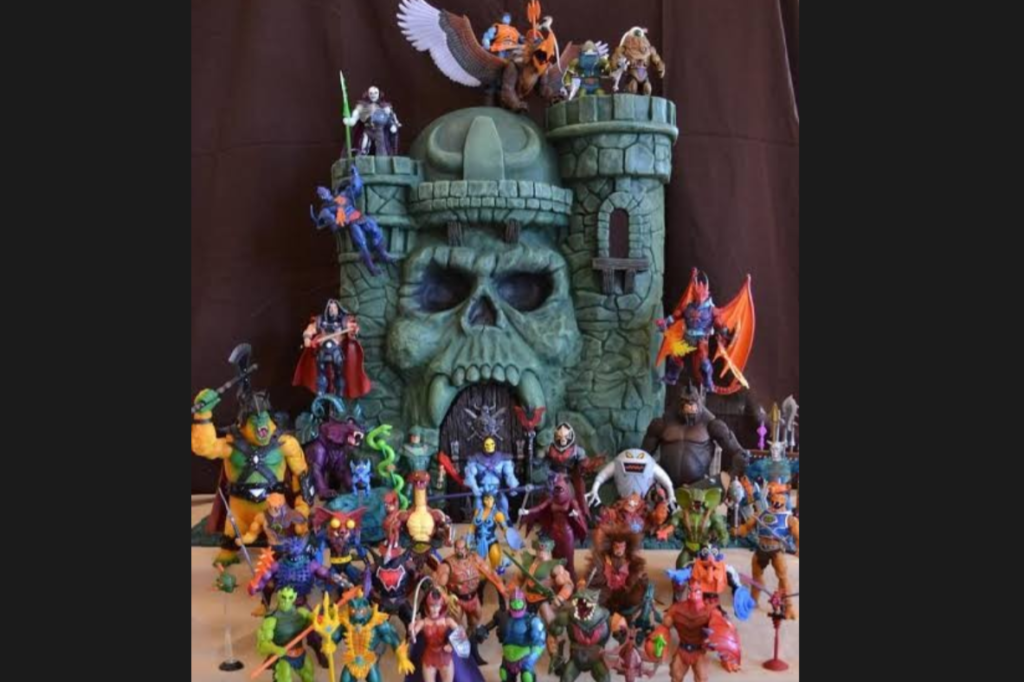
Masters of the Universe, launched by Mattel in 1982, was a pioneer in the “toy-first” marketing strategy. Rather than waiting for a movie or show to inspire a toy line, Mattel created the world of Eternia specifically to sell action figures. The gamble paid off spectacularly; by 1984, sales were roughly $250 million, and by 1986, that figure had climbed to a staggering $400 million. He-Man became a cultural icon of strength and virtue, supported by a cartoon that aired 130 episodes in just two years. It was a golden era where Mattel’s designers had a virtual license to print money.
However, the “He-Man” empire nearly collapsed as quickly as it rose. By 1987, the market was oversaturated, and the live-action film starring Dolph Lundgren failed to resonate with audiences, leading to a massive decline in sales. Mattel was forced to liquidate stock, and the line was largely discontinued by 1988. Yet, the power of nostalgia is a potent force. Today, original 1980s figures in their original packaging are worth a small fortune. A rare “Wonder Bread” He-Man or a mint Castle Grayskull can easily fetch thousands on the secondary market. The brand has seen multiple successful reboots on Netflix, proving that the battle for Eternia is far from over for the fans who grew up with it.
5. Strawberry Shortcake’s Sweet Fortune
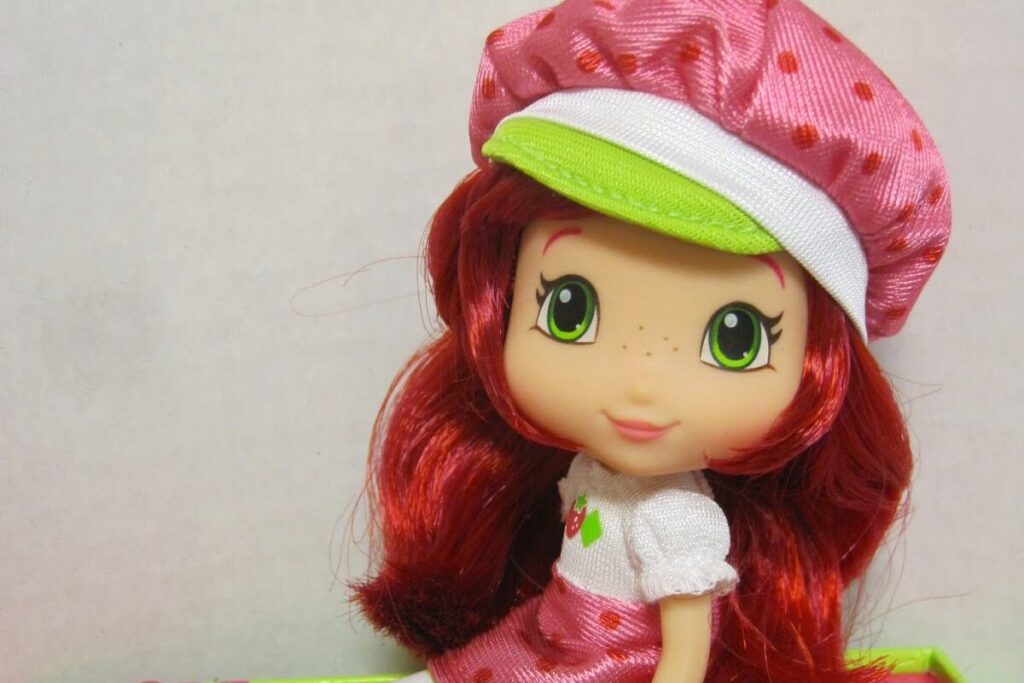
The 1980s wasn’t just about robots and warriors; it was also a decade of “scent-sational” success. Strawberry Shortcake began her life in 1977 as a greeting card character for American Greetings, but her 1980 toy debut turned her into a retail juggernaut. Designed by Muriel Fahrion, the dolls were unique because they were actually scented to smell like their namesake fruits. This sensory innovation, combined with a wholesome aesthetic, resonated deeply with parents and children. By 1982, the franchise was generating $500 million annually in retail sales, expanding into everything from pajamas to breakfast cereals.
Ownership of the “Berry” brand has been a high-stakes game of corporate musical chairs. Over the years, the rights have moved from American Greetings to DHX Media (now WildBrain) and have seen various licensing deals with Kenner, Bandai, and Hasbro. Despite the changing aesthetics of the character through several reboots, most notably in 2003 and 2021, the core appeal of friendship and kindness remains. Today, vintage 1980s dolls, especially rare characters like “Banana Twirl” or the “Berry Happy Home” playset, are highly sought after by collectors who want to recapture the specific scent of their childhood. The brand stands as a premier example of how character licensing can build a billion-dollar empire from a simple illustration.
6. Nintendo – The 8-Bit Revolution
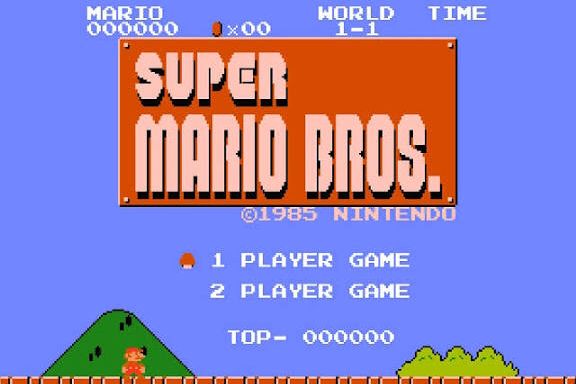
The North American video game market was in a state of total collapse in 1983, with many retailers refusing to stock consoles. Enter the Nintendo Entertainment System (NES) in 1985. By positioning the console as a “toy” rather than a computer and bundling it with a robotic companion named R.O.B., Nintendo successfully bypassed the industry’s stigma. Within three years, the NES had captured 80% of the U.S. market, largely thanks to the cultural phenomenon of Super Mario Bros. By 1990, one in every three American households owned a Nintendo console, fundamentally changing the way children spent their leisure time and making Nintendo a household name.
The financial impact of the NES was unprecedented, laying the foundation for a global gaming industry that now exceeds $200 billion. For the creators like Shigeru Miyamoto, the success turned them into industry legends. The secondary market for these 8-bit treasures is equally lucrative; in 2021, a sealed copy of Super Mario Bros. for the NES sold for a record-breaking $2 million at auction. While the hardware has evolved into the Nintendo Switch, the characters and gameplay philosophies established in the mid-80s remain the company’s most valuable assets. The NES didn’t just save the video game industry; it redefined the limits of home entertainment and created a legacy that shows no signs of fading.
7. Pound Puppies
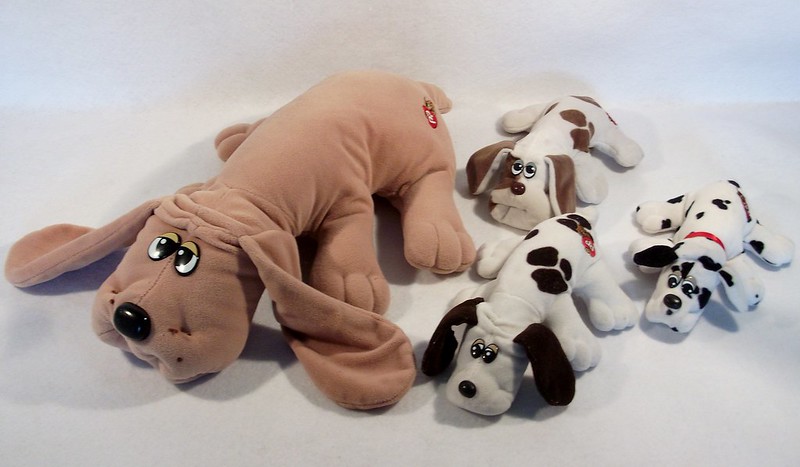
The story of Pound Puppies is a classic tale of entrepreneurial persistence. Inventor Mike Bowling pitched his idea of a plush dog that came with a personalized “adoption” certificate to fourteen different companies, all of whom turned him down. It wasn’t until 1984 that Tonka took a chance on the floppy-eared hounds. The emotional appeal was immediate; children loved the idea of “rescuing” a pet. By 1985, Pound Puppies were the hottest toys on the market, generating $300 million in sales. At the height of the craze, it was estimated that there were more Pound Puppies in American homes than actual living dogs.
The success of the brand led to an animated series and a feature film in 1988, though the initial fad eventually cooled as the 90s approached. Mike Bowling’s royalties from the line made him a very wealthy man, proving that a simple, heart-tugging concept can sometimes outshine the most complex electronics. The brand has been revived several times, most notably by Hasbro and MGA Entertainment, and continues to be a staple in the plush toy aisle. For many who grew up in the 80s, the heart-shaped logo on the puppy’s ear remains a symbol of childhood comfort, and vintage versions in their original “kennel” boxes are now prized items for nostalgic collectors.
8. Teddy Ruxpin
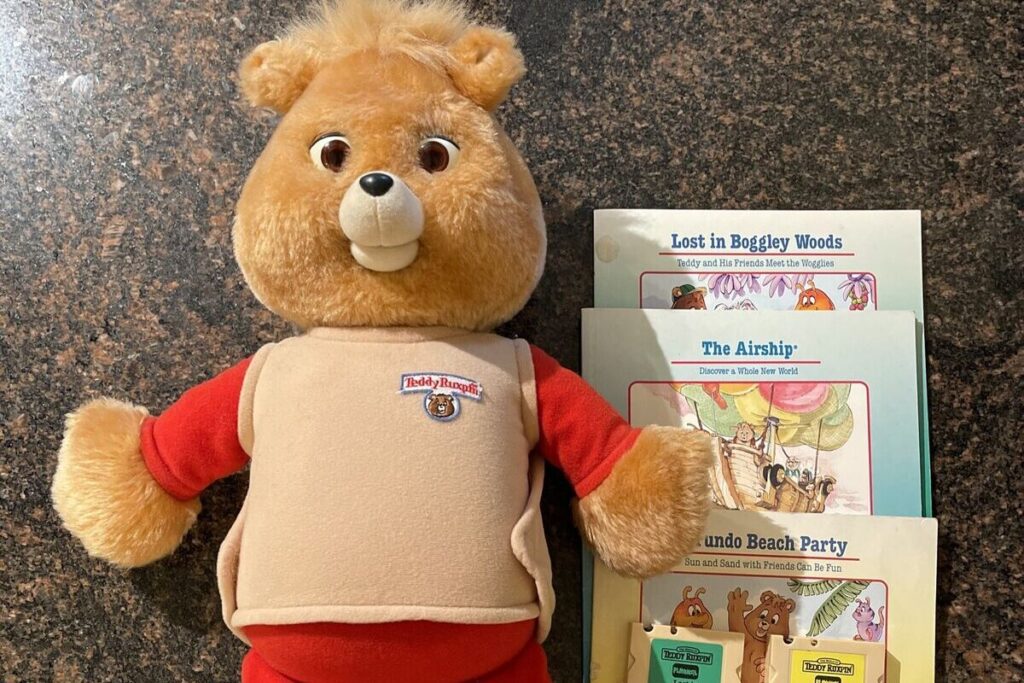
In 1985, a bear named Teddy Ruxpin became the world’s first “animatronic” toy, and the industry was never the same. Created by Ken Forsse, a former Disney Imagineer, Teddy used a standard cassette tape to play stories while his eyes and mouth moved in perfect synchronization. Produced by the startup Worlds of Wonder, the toy was an instant hit, becoming the best-selling toy of 1985 and 1986. Families were mesmerized by the storytelling bear, and the company’s revenue skyrocketed to over $300 million in a remarkably short period. It felt like the future of play had finally arrived in the living room.
However, the story of the company behind Teddy is a cautionary tale of rapid expansion. Worlds of Wonder invested heavily in other high-tech toys like Lazer Tag, but when the 1987 stock market crash hit, the company’s financial stability crumbled, leading to bankruptcy in 1988. Teddy Ruxpin vanished from shelves for years, though the rights were eventually licensed to various companies including Playskool and Wicked Cool Toys. Modern versions now feature digital eyes and internal memory, but they lack the mechanical charm of the original 80s model. Today, a working first-generation Teddy Ruxpin is a centerpiece for many vintage toy collections, representing the ambitious, high-tech spirit of 1980s innovation.
9. Care Bears
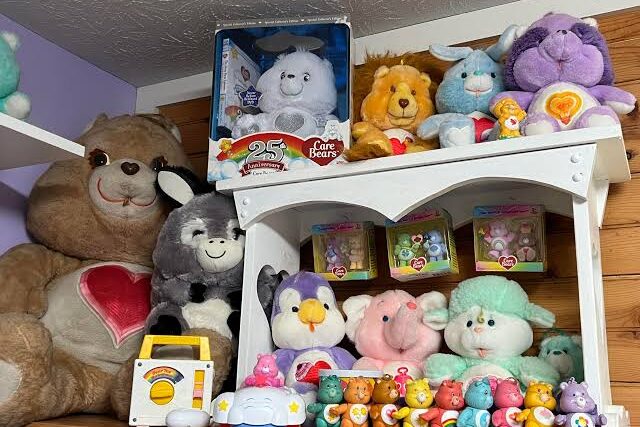
The Care Bears are perhaps the most successful example of “message-based” marketing in toy history. Like Strawberry Shortcake, they originated at American Greetings in 1981 before being turned into plush toys by Kenner in 1983. Each bear featured a unique “belly badge” that represented a specific emotion or personality trait, such as “Tenderheart Bear” or “Grumpy Bear.” This allowed children to collect characters that mirrored their own feelings. The strategy was a goldmine; by 1987, the franchise had sold over 40 million bears and inspired three feature films that were surprisingly successful at the box office.
The brand’s ability to stay relevant over four decades is nothing short of remarkable. After a brief hiatus in the 1990s, the Care Bears were successfully relaunched in 2002, 2012, and again in 2020 with the Unlock the Magic series. Each iteration updated the look of the bears to appeal to modern tastes while keeping the core message of “caring and sharing” intact. For the original designers and the parent company, the franchise has provided a steady stream of licensing revenue for over 40 years. Today, the 80s originals, especially the rare “Environmental” bears or the “Care Bear Cousins”, are highly collectible, symbolizing a decade that valued both neon colors and emotional intelligence.
10. My Little Pony

When Hasbro designer Bonnie Zacherle first envisioned a line of colorful, groomable horses in 1981, few could have predicted the cultural impact they would have. Launched in 1982, My Little Pony became a staple of the 80s toy aisle, selling over 150 million ponies by the end of the decade. The brand’s success was fueled by “Cutie Marks”, unique symbols on each pony’s flank, and a plethora of accessories like the “Show Stable.” By the mid-80s, the ponies were a dominant force in the girls’ toy market, supported by a popular animated series and a 1986 feature film starring Danny DeVito.
While the brand saw a decline in the late 90s, it staged one of the most incredible comebacks in toy history in 2010 with the launch of My Little Pony: Friendship is Magic. This reboot didn’t just attract children; it created a massive adult fanbase known as “Bronies,” leading to conventions and a huge online presence. For Hasbro, the franchise remains a billion-dollar property that spans toys, clothing, and digital media. Original “Generation 1” ponies from the 80s, particularly rare mail-order exclusives or Greek and Brazilian variants, can now sell for hundreds or even thousands of dollars. The brand’s enduring success proves that the combination of collectible characters and creative play is a winning formula.
11. Star Wars – The Kenner Revolution
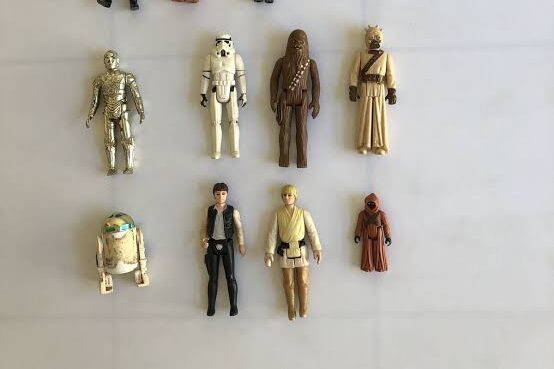
In 1977, a small toy company named Kenner struck the most lucrative deal in Hollywood history by securing the rights to a space movie no one thought would succeed. By 1978, the 3.75-inch Star Wars action figures were flying off shelves. Throughout the 1980s, the line became a global powerhouse, selling over 300 million figures by 1985. The brilliance of the “Kenner era” was in its scale; the figures were small enough to fit in a pocket but affordable enough for children to collect dozens. This created a generation of “completionists” who felt they had to own every character from Boba Fett to Luke Skywalker.
The financial legacy of these toys is staggering, as they transformed Lucasfilm into a multi-billion dollar merchandising empire. After Kenner was absorbed by Hasbro in 1991, the collecting market exploded. Today, these vintage pieces are considered high-end assets. For example, a rare, carded “Boba Fett” with a rocket-firing mechanism, which was pulled from production for safety reasons, can sell for over $200,000 at elite auctions. The Star Wars toy line didn’t just make its creators rich; it permanently changed the film industry by proving that a movie’s merchandise could be more profitable than its box office receipts, a lesson studios still follow today.
12. Teenage Mutant Ninja Turtles
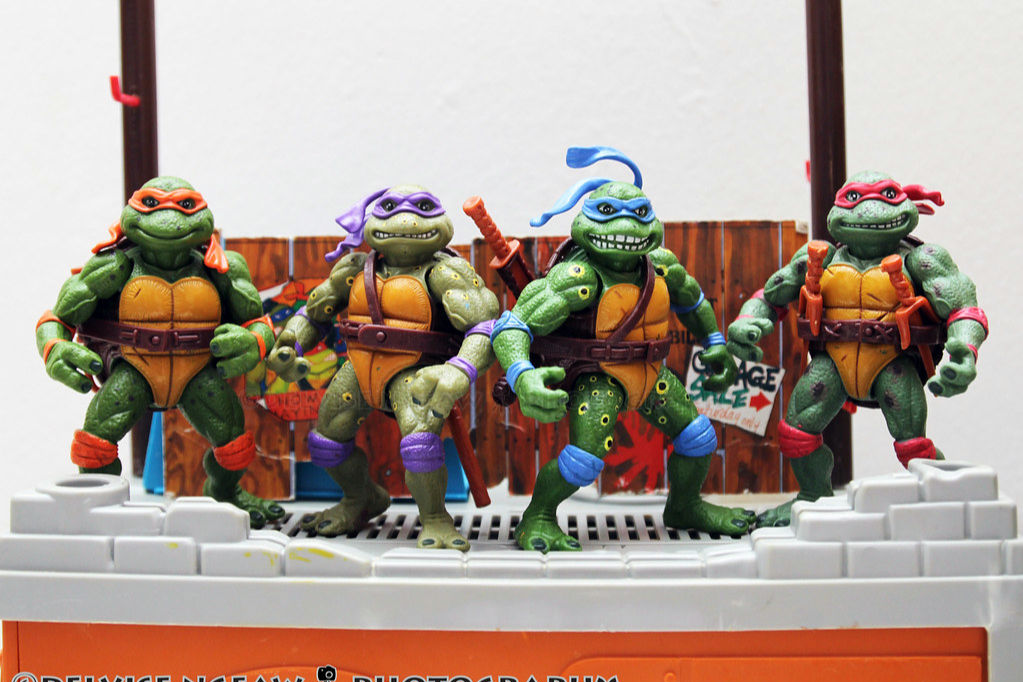
The Teenage Mutant Ninja Turtles began as a gritty, black-and-white indie comic book in 1984, created by Kevin Eastman and Peter Laird. However, when Playmates Toys launched the action figure line in 1988, the brand morphed into a bright, kid-friendly phenomenon. By 1990, “Turtlemania” was in full swing, with the toy line generating over $1.1 billion in sales in just a few short years. The success was driven by a hit animated series and a massive range of eccentric side characters and vehicles, like the iconic Turtle Van and the Technodrome playset, which every child of the era coveted.
The wealth generated by the “Heroes in a Half Shell” allowed its creators to build their own empires, with the brand eventually being sold to Viacom (now Paramount) for $60 million in 2009. The franchise has since seen numerous cinematic reboots and new animated series, maintaining its status as a top-tier global property. Collectors today hunt for “First Release” figures with soft heads, which are highly prized for their rarity. The TMNT story is a testament to how a quirky, independent idea can be scaled into a global commercial giant through the right combination of creative storytelling and aggressive toy marketing that appeals to multiple generations.
13. G.I. Joe
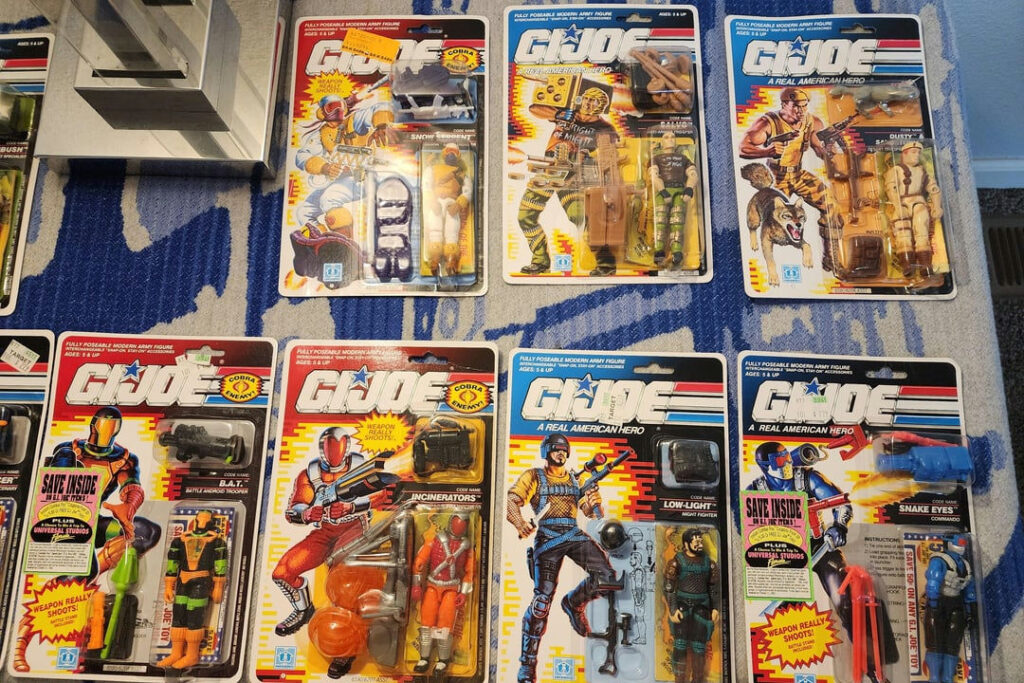
In 1982, Hasbro reinvented its classic 12-inch soldier into the 3.75-inch “A Real American Hero” line. This shift allowed for the inclusion of massive vehicles and playsets that defined a decade of play. Supported by a Marvel comic series and a daily cartoon, the line became a sales leader, with revenues peaking in the mid-80s. The introduction of distinct characters like Snake Eyes and Storm Shadow gave the brand a narrative depth that other military toys lacked. By 1986, G.I. Joe was a dominant force in the boys’ toy category, competing directly with Star Wars for the top spot on retail shelves.
As the 1990s approached, sales began to dip, leading Hasbro to experiment with various sub-lines before eventually moving toward collector-focused releases. Today, the “Joe” brand remains a cornerstone of the vintage toy market. High-quality examples of the 1985 “USS Flagg” aircraft carrier, the largest playset ever made at over seven feet long, can sell for more than $3,000 if they are complete and in good condition. The franchise’s success proved that detailed backstories and a wide array of collectible characters could keep a brand relevant for decades, even as the political and cultural landscape surrounding military-themed toys shifted and evolved.
14. Rainbow Brite
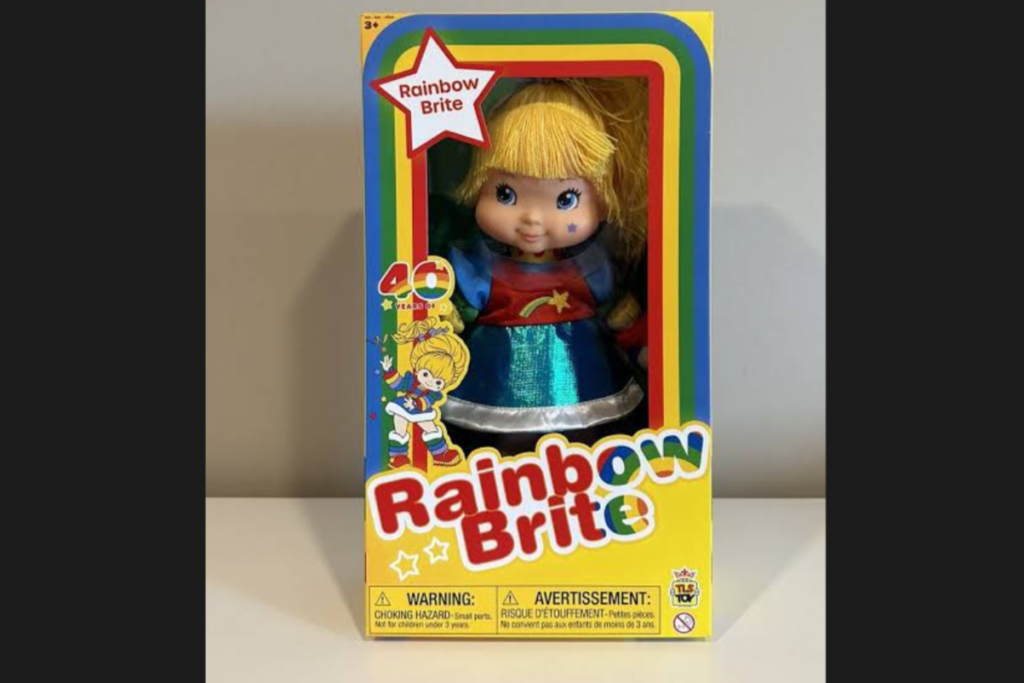
Rainbow Brite was the result of a powerhouse collaboration between Hallmark Cards and Mattel, launching in 1984. Backed by a massive $35 million promotional budget in 1985, the character quickly became a household name. The dolls were famous for their vibrant, multi-colored outfits and their “Sprite” companions. The franchise expanded rapidly into an animated feature film and various television specials, making it one of Mattel’s most profitable lines for young girls during the mid-80s. It was a masterclass in how to launch a brand with maximum “visual noise” to capture immediate consumer attention in a crowded market.
While the initial craze was relatively short-lived compared to icons like Barbie, the brand left a lasting mark on 80s pop culture. Ownership has remained largely with Hallmark, which has licensed the character for various revivals in the 2010s and 2020s. Today, original 1980s dolls in their boxes are highly sought after by “nostalgia collectors” who grew up with the show. Rare characters like the “Moonglow” doll are particularly valuable, often reaching several hundred dollars on the secondary market. Rainbow Brite serves as a perfect example of the 1980s “synergy” model, where greeting cards, toys, and cartoons worked together to create an instant, though fleeting, billion-dollar retail empire.
15. Polly Pocket
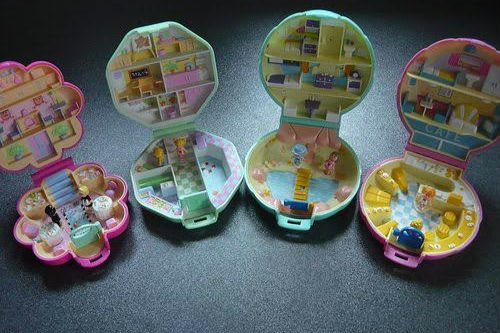
The story of Polly Pocket began at a kitchen table in 1983 when Chris Wiggs used a powder compact to build a tiny dollhouse for his daughter. This simple, personal invention was licensed to Bluebird Toys in 1989 and later acquired by Mattel. The genius of the original Polly Pocket was its portability; children could carry an entire play world in their pockets. By the early 90s, the line was a global sensation, selling millions of units and making Wiggs a very wealthy man through royalties. It redefined the “miniature” category of toys and set a new standard for detail in small-scale design.
Over the years, the brand has undergone several transformations. In the late 90s, Mattel increased the size of the dolls for safety and fashion-play reasons, a move that was controversial among purists but helped keep the brand on shelves. A successful 2018 reboot returned the character to her “tiny” roots, proving the original concept’s enduring appeal. Vintage “Bluebird-era” compacts from 1989 to 1996 are now major collector items, with rare sets like the “Light-Up Magical Mansion” fetching high prices. Polly Pocket’s journey from a handmade prototype to a multi-million dollar global brand is an inspiring example of how a great idea can come from anywhere.
16. Micro Machines
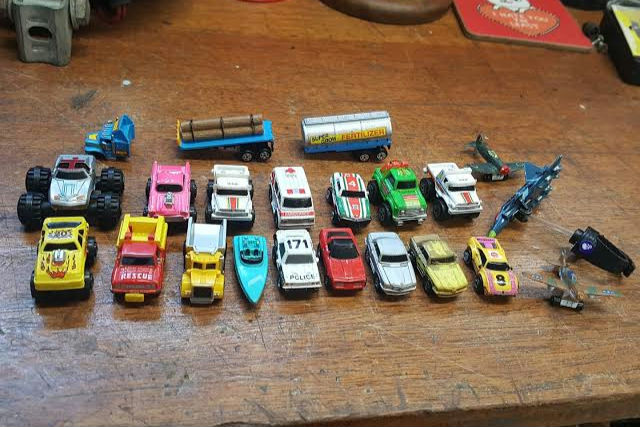
Micro Machines roared onto the scene in 1987, courtesy of Galoob. These tiny, highly detailed vehicles were a massive departure from the larger die-cast cars of the era. The brand’s success was propelled by a series of iconic “fast-talking” commercials featuring John Moschitta Jr., which helped the toys become one of the top-selling lines of the late 80s. By 1990, Micro Machines had expanded into massive playsets that unfolded from larger vehicles, creating a “micro-world” that encouraged imaginative play. The brand was so successful that it made Galoob an attractive target for acquisition, eventually being bought by Hasbro in 1998.
The brand’s value was bolstered by lucrative partnerships with major film franchises, including Star Wars and Indiana Jones. These licensed sets are now among the most coveted by collectors, often selling for significant premiums. Although the brand has been retired and revived several times over the last two decades, its influence on the toy industry remains clear. It proved that “novelty scale” could be a major selling point and that smaller, more affordable toys could dominate the market if they offered enough detail and collectability. For many who grew up in the late 80s, the tiny cars are a definitive symbol of that era’s creative toy design.
17. Simon
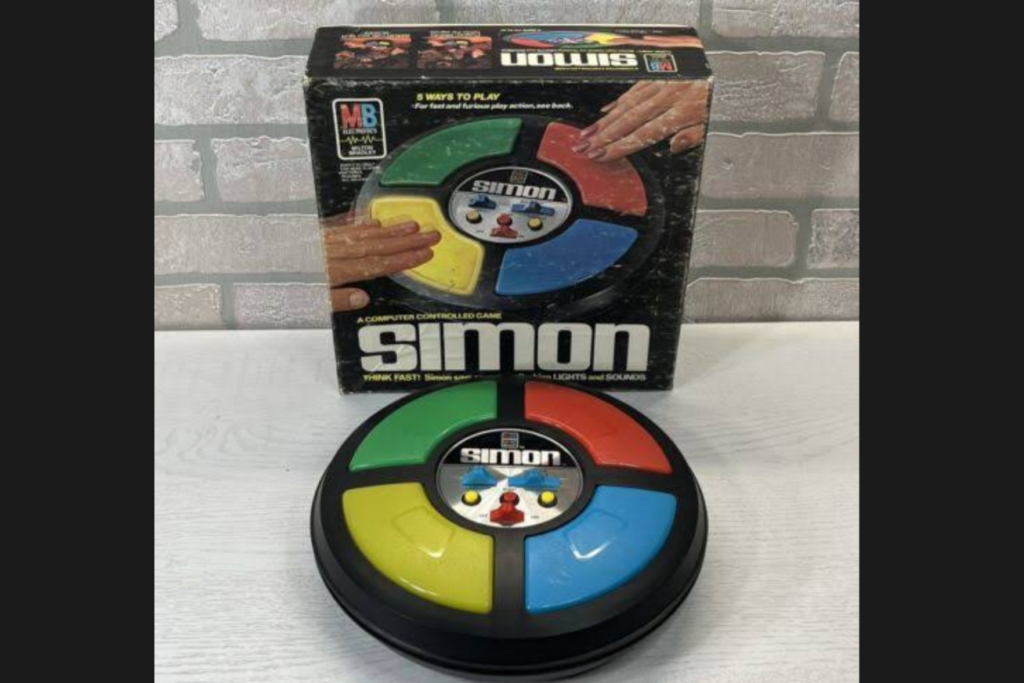
While it technically debuted in 1978, Simon became the ultimate “must-have” electronic game of the early 1980s. Invented by Ralph H. Baer, the father of video games, and Howard J. Morrison, the circular device challenged players to repeat sequences of lights and sounds. It was a social game that appealed to everyone from toddlers to grandparents. By the mid-80s, Simon was a fixture in living rooms across the globe, generating tens of millions in revenue for Milton Bradley. It was one of the first toys to successfully bridge the gap between traditional board games and the emerging world of home electronics.
The game’s simple but addictive mechanics have allowed it to stay in continuous production for over 45 years. Various versions, including “Simon Flash” and “Simon Air,” have been released to keep up with modern technology, but the original 1978/1980 design remains the most iconic. For Ralph Baer, Simon was another feather in the cap of a legendary career in engineering. Today, vintage Simon units are still functional and widely available, though mint-condition original boxes are prized by collectors of electronic history. It remains a testament to the idea that a great game doesn’t need complex graphics to be a worldwide commercial success and a lasting cultural icon.
These products proved that with the right marketing and a bit of imagination, a simple idea could turn into a global empire that lasts for generations.


