
1. Personal Computers at Home
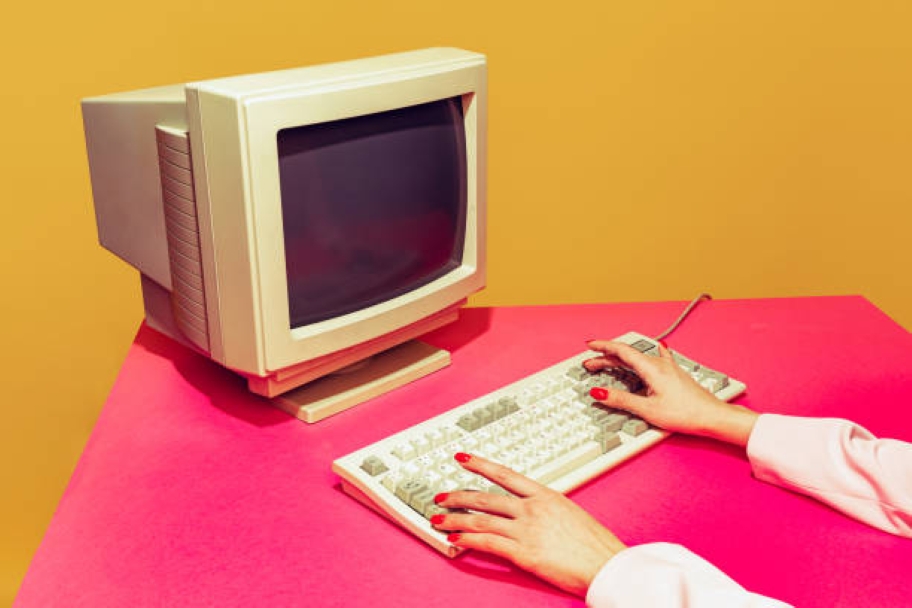
Remember a time when computers were the size of a small room, mostly found in labs or offices? The idea of having a personal computer at your desk would have felt like science fiction. In the late 1970s and early 1980s, machines like the IBM PC and Apple II started appearing in homes, slowly changing the way people worked, learned, and played. Suddenly, a whole generation could write letters, calculate budgets, and even play games without leaving the house.
The personal computer didn’t just introduce convenience it sparked creativity and curiosity. Kids learned to type, adults explored spreadsheets, and hobbyists experimented with programming, all from home. Even though early models were slow and clunky by today’s standards, they laid the foundation for the digital world we now consider normal. Without them, email, online shopping, and even streaming video wouldn’t exist, showing just how much the 1980s opened the door to a tech-driven lifestyle that feels like second nature today.
2. Camcorders and Home Video
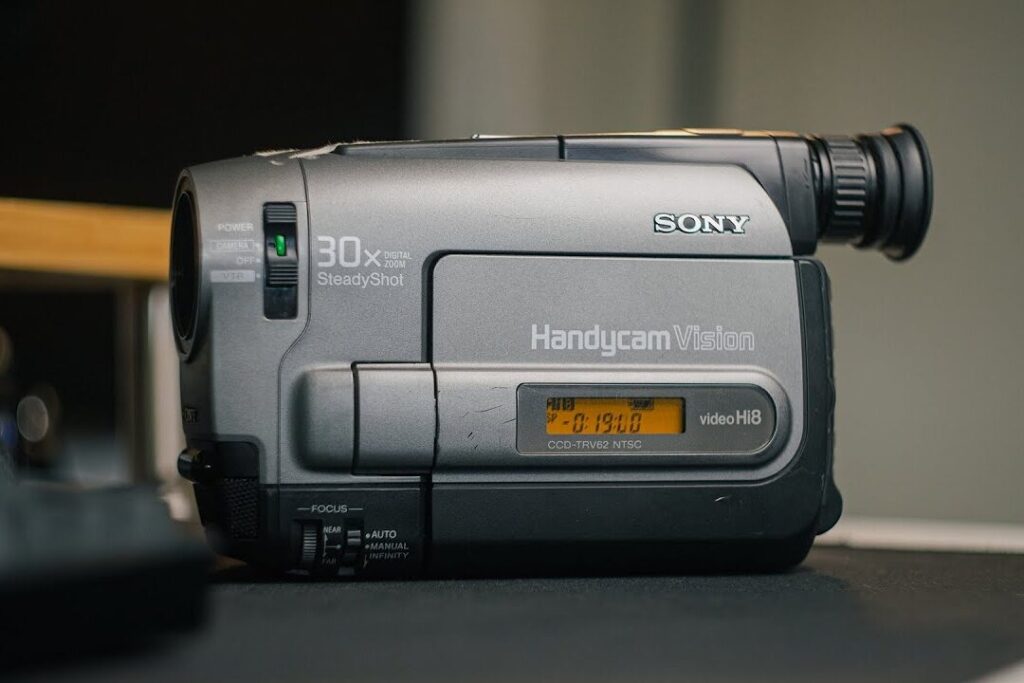
Before the 1980s, capturing family moments meant using a bulky film camera and waiting weeks for development. The introduction of portable camcorders changed everything. Suddenly, birthdays, vacations, and little league games could be recorded instantly and replayed on a home TV, making memories far more immediate and personal. Families started chronicling their lives in ways that were impossible before, with small handheld devices that were easy to carry around and operate.
This shift wasn’t just about nostalgia; it transformed how people shared experiences. Home videos became a tool for storytelling, a way to see yourself and others in motion, rather than just in still photographs. It also created a culture of sharing and documenting that would eventually evolve into today’s video content online. Camcorders made ordinary moments feel important, and looking back at those early tapes today, it’s remarkable how quickly the 1980s made this technology feel like an everyday part of life.
3. Walkmans and Portable Music
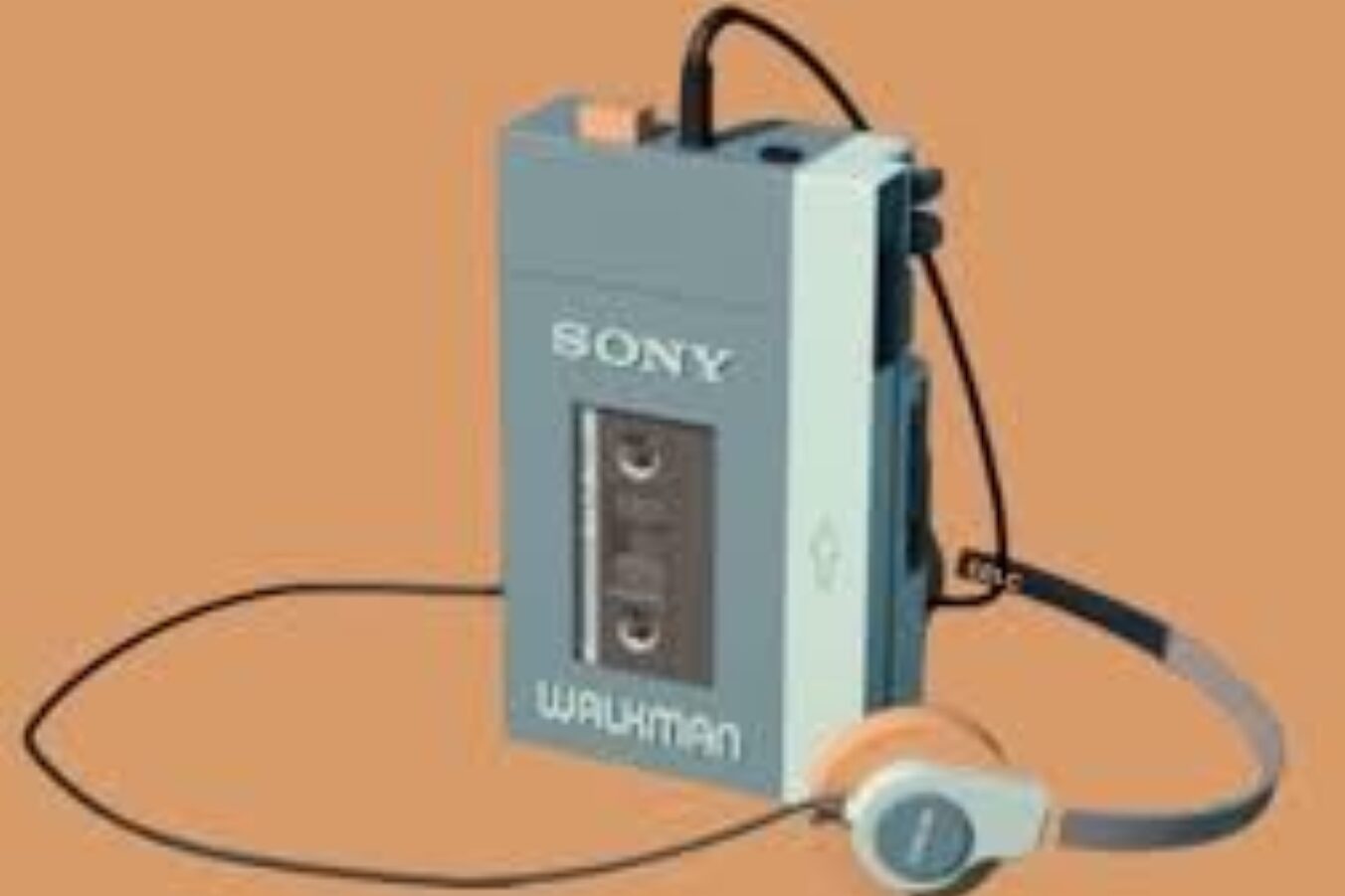
Before the 1980s, music was largely tied to speakers at home or car radios. Enter the Sony Walkman in 1979, which exploded in popularity in the early 1980s and completely transformed the way people experienced music. Suddenly, you could carry your favorite songs anywhere on the bus, in the park, or on a long walk through small headphones that made music personal and portable. It turned everyday moments into private concerts, changing commuting, exercising, and chilling out forever.
The Walkman also influenced culture in ways that might feel familiar today. People curated personal playlists, explored new genres, and connected with music on a more intimate level than ever before. It also sparked a boom in portable music gadgets, eventually leading to discmans, MP3 players, and smartphones. Without this small device, the idea of carrying a soundtrack to your life in your pocket would have seemed impossible. The 1980s gave us the first taste of personal music freedom, and its influence is still in our earbuds today.
4. Microwave Meals and Frozen Convenience Foods

Microwaves were around before the 1980s, but it wasn’t until the decade that microwave-ready meals became a staple in kitchens across America. Busy families suddenly had the option of heating a dinner in minutes, instead of spending hours cooking from scratch. From classic TV dinners to frozen pizzas, convenience foods changed how people ate, making it easier to manage time, work schedules, and family life without giving up a home-cooked feeling entirely.
This wasn’t just about speed; it represented a cultural shift in eating habits. Refrigerators and freezers now held more than just leftovers they became storage for pre-prepared, easy meals that could be shared with minimal effort. While some worried it meant sacrificing nutrition, for many, these meals offered freedom and flexibility. The 1980s quietly reshaped the modern kitchen, turning the microwave into an indispensable household tool, and laying the groundwork for today’s quick meals, frozen snacks, and ready-to-heat dinners that feel just as ordinary as making toast.
5. Mobile Phones That Fit in Your Hand
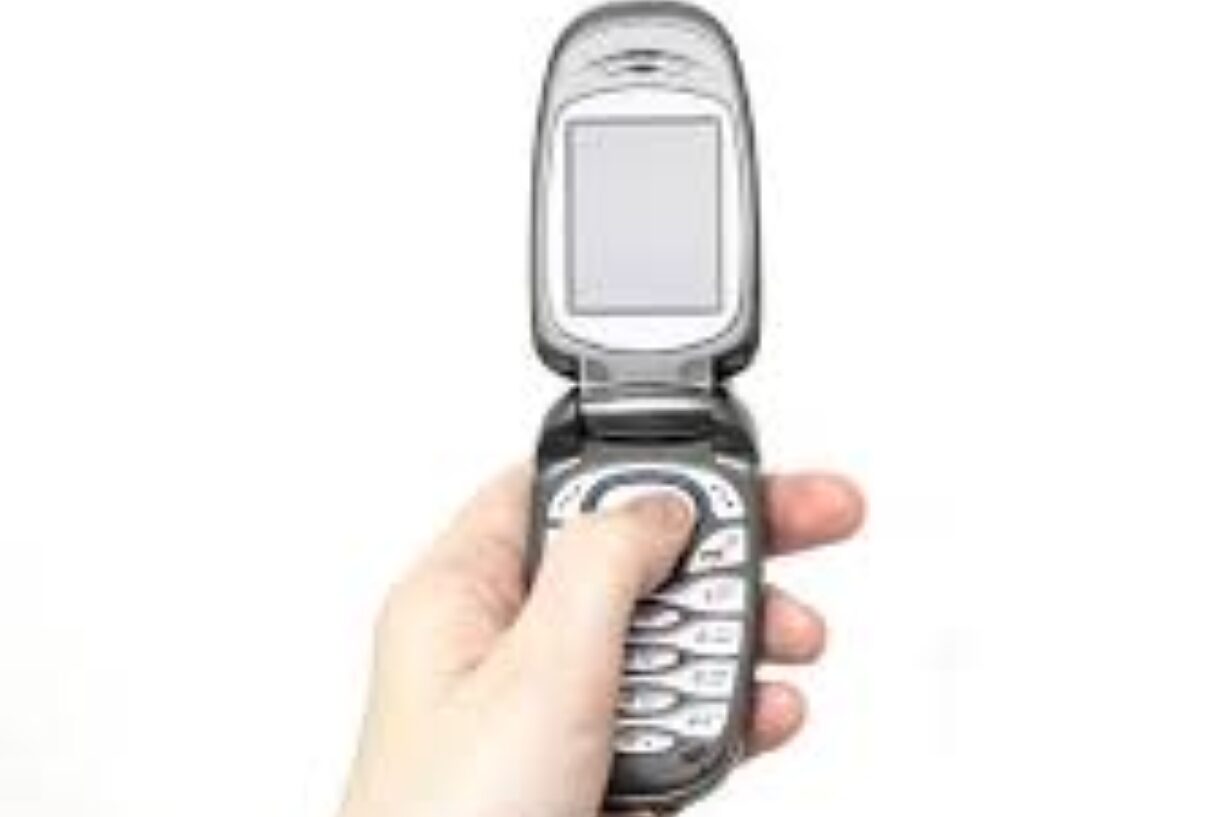
Before the 1980s, phones were tethered to walls or desks, and long-distance calls were a big deal. The arrival of the first handheld mobile phones started to change that, though early models were large and expensive. Carrying a phone in your hand, rather than relying on payphones or home lines, was a novelty that seemed futuristic. Businesspeople and early adopters began exploring the possibilities of instant communication on the go, laying the foundation for the smartphones we can’t live without today.
Early mobile phones weren’t as sleek as modern devices, but they represented freedom and connectivity in a new way. People could make urgent calls from cars or remote locations, changing business and personal life forever. While they were a status symbol for some, the concept of a phone in your pocket quickly became essential, setting expectations for communication that continue to shape how we interact and multitask. The 1980s gave us the first glimpse of a world where staying connected anywhere was possible, planting seeds for the mobile culture that defines our daily lives.
6. Cable TV and Specialized Channels

Before the 1980s, television options were limited, with a few channels dictating what families watched in the evenings. The expansion of cable TV brought a flood of specialized channels, from MTV launching music videos to CNN offering 24-hour news. Suddenly, people had control over what they wanted to watch and when, rather than waiting for primetime schedules. Shows, music, and sports became more accessible, and TV viewing started to feel personal rather than communal.
Cable also shifted culture by creating niche communities and shared experiences outside the traditional broadcast model. Viewers could discover music videos, documentaries, or sports highlights that weren’t on network TV, shaping trends and conversations in ways previously impossible. It also changed advertising, consumer habits, and the pace of pop culture, making media more immediate and diverse. The 1980s quietly rewrote the way we consumed entertainment, proving that television could be as varied and personalized as the people watching it. Cable turned living rooms into portals to endless possibilities and still influences how streaming and on-demand content thrive today.
7. Compact Discs and Digital Music
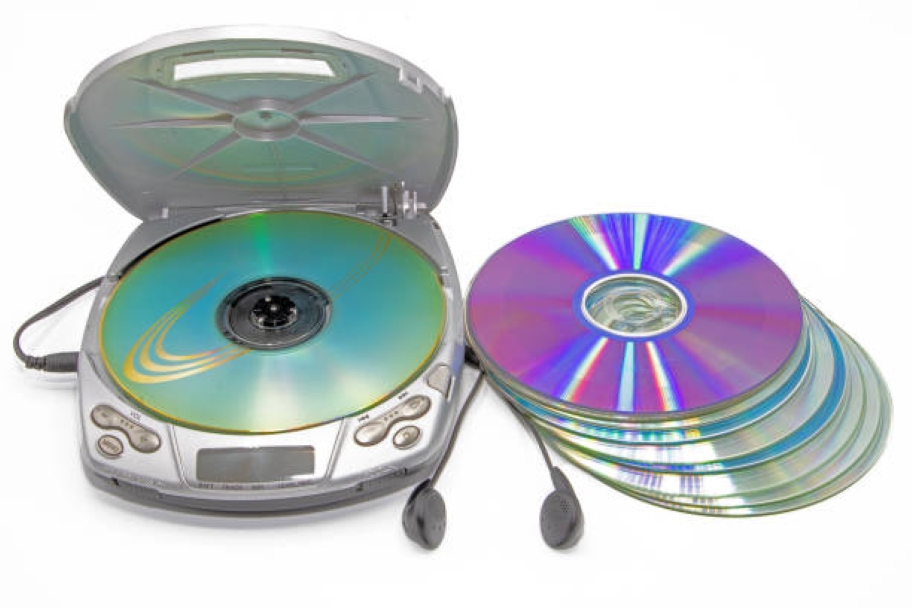
Vinyl records and cassette tapes had ruled for decades, but the early 1980s introduced compact discs, a technology that promised clearer sound, durability, and instant track access. CDs allowed listeners to enjoy albums without flipping sides or worrying about tape jams, bringing a new level of convenience and quality to music lovers. It was a small disc, but it carried big changes in how people collected, stored, and enjoyed music.
Beyond sound quality, CDs symbolized a shift toward digital technology in everyday life. Music stores, home stereos, and personal collections adapted to this new format, influencing how artists released albums and how fans experienced music. Collecting CDs became a hobby, and the idea of carrying multiple albums in a compact case felt like magic compared to vinyl crates. The 1980s bridged analog and digital, setting the stage for MP3s and streaming decades later. It reminded us that even familiar pleasures, like listening to music, could be transformed by technology, quietly shaping habits we now take for granted.
8. Video Game Consoles at Home
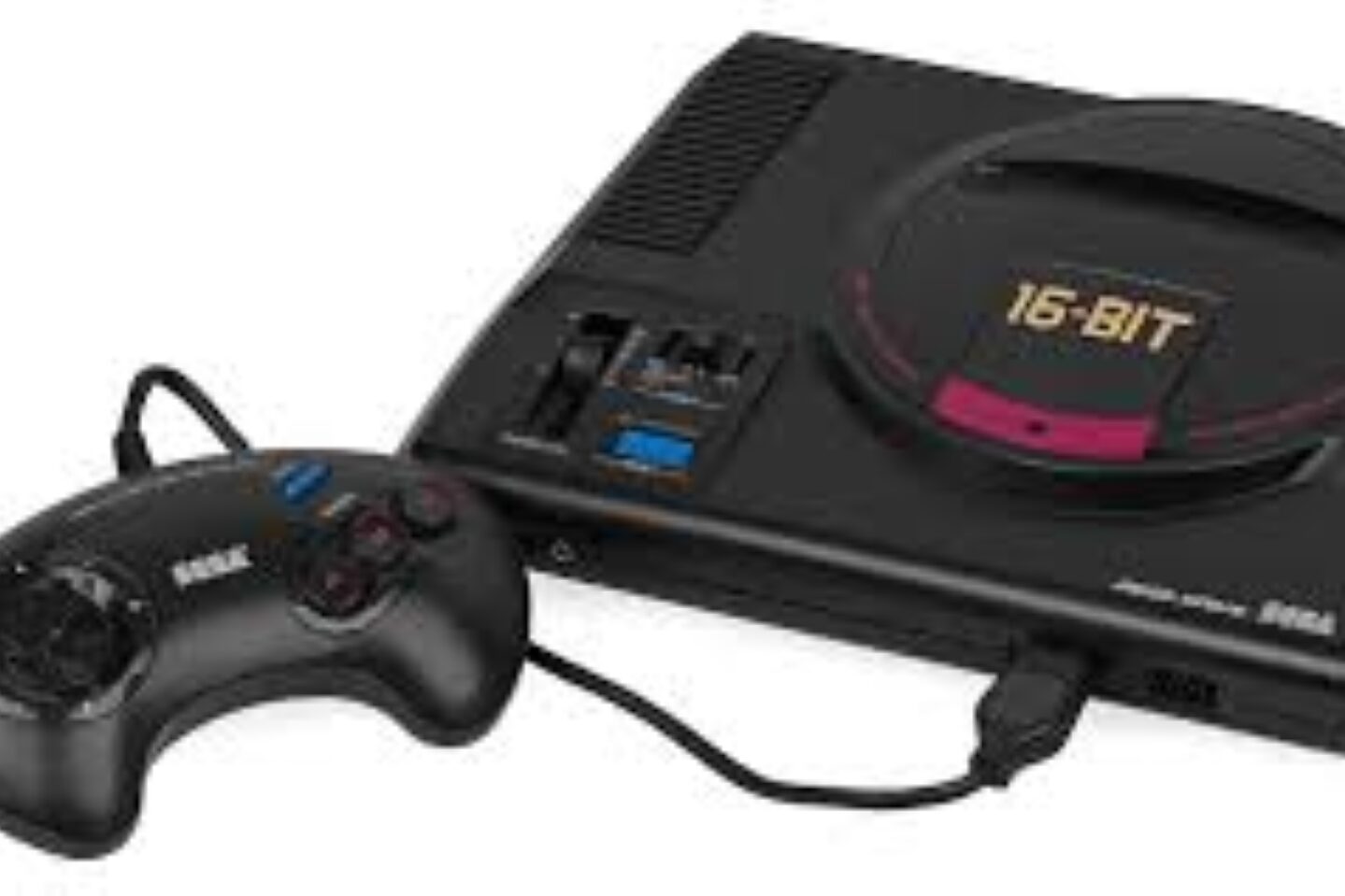
Before the 1980s, video games were mostly arcade experiences, meaning you had to leave your home and insert coins to play. The home console revolution changed that entirely. With systems like the Atari 2600 and later the Nintendo Entertainment System, families could play games in their living rooms, often sitting together for hours of fun. Suddenly, games became part of daily life rather than a weekend outing, sparking creativity, friendly competition, and hours of memorable entertainment.
This shift wasn’t just about fun; it introduced a new form of interactive media. Video games encouraged problem-solving, hand-eye coordination, and even social connections as friends and siblings competed or collaborated on levels. The 1980s made gaming a household activity, embedding digital play into everyday routines and influencing the rise of modern consoles, mobile games, and online multiplayer worlds. The era proved that technology could entertain, connect, and inspire, laying the foundation for gaming as a cultural and economic powerhouse.
9. Disposable Contact Lenses

Glasses had been the norm for vision correction for decades, but the 1980s saw disposable contact lenses become widely available. Unlike earlier lenses that required careful cleaning and months of use, disposables were designed for comfort and convenience, often worn for a day or a week and then discarded. This small innovation made vision correction simpler and more practical, especially for active lifestyles or those who disliked traditional glasses.
Disposable lenses also changed how people viewed eye care. The ease of use reduced maintenance concerns, encouraged regular eye checkups, and expanded the choices people had for correcting vision without altering appearance. Sports, travel, and everyday activities became easier for lens wearers, while innovations in materials improved comfort and safety. The 1980s quietly revolutionized vision care by prioritizing convenience without sacrificing effectiveness, setting a precedent for the disposable, single-use approach we see in many areas of modern life today.
10. Digital Watches
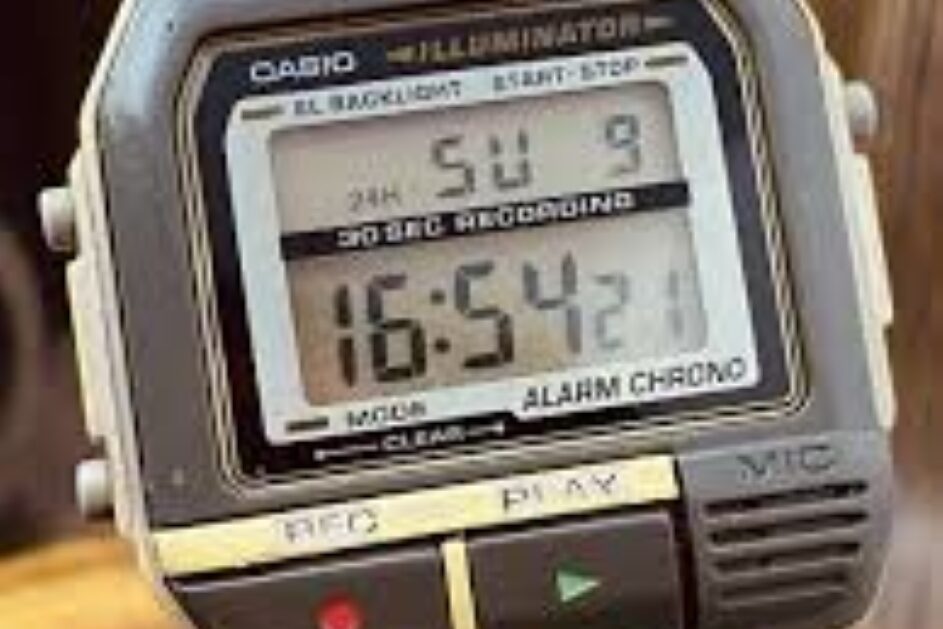
Before the 1980s, watches were mostly analog, with ticking hands and mechanical gears. The arrival of digital watches changed not just how we read time but how we interacted with it. Numbers on a screen replaced hands, often accompanied by extra features like alarms, stopwatches, and backlights. For many, this was a small futuristic thrill a gadget that felt like it belonged in a sci-fi movie rather than on a wrist.
Digital watches also reflected the growing trend toward technology in everyday accessories. People could track seconds, manage schedules, and even show off their new “tech-savvy” style. It wasn’t just about telling time it was about convenience, innovation, and a touch of personal expression. The 1980s made it normal to expect more from everyday tools, hinting at the smartwatches and wearable tech that would later become an essential part of life. These early digital watches quietly taught a generation that small gadgets could make daily routines simpler and more fun.
11. Instant Cameras
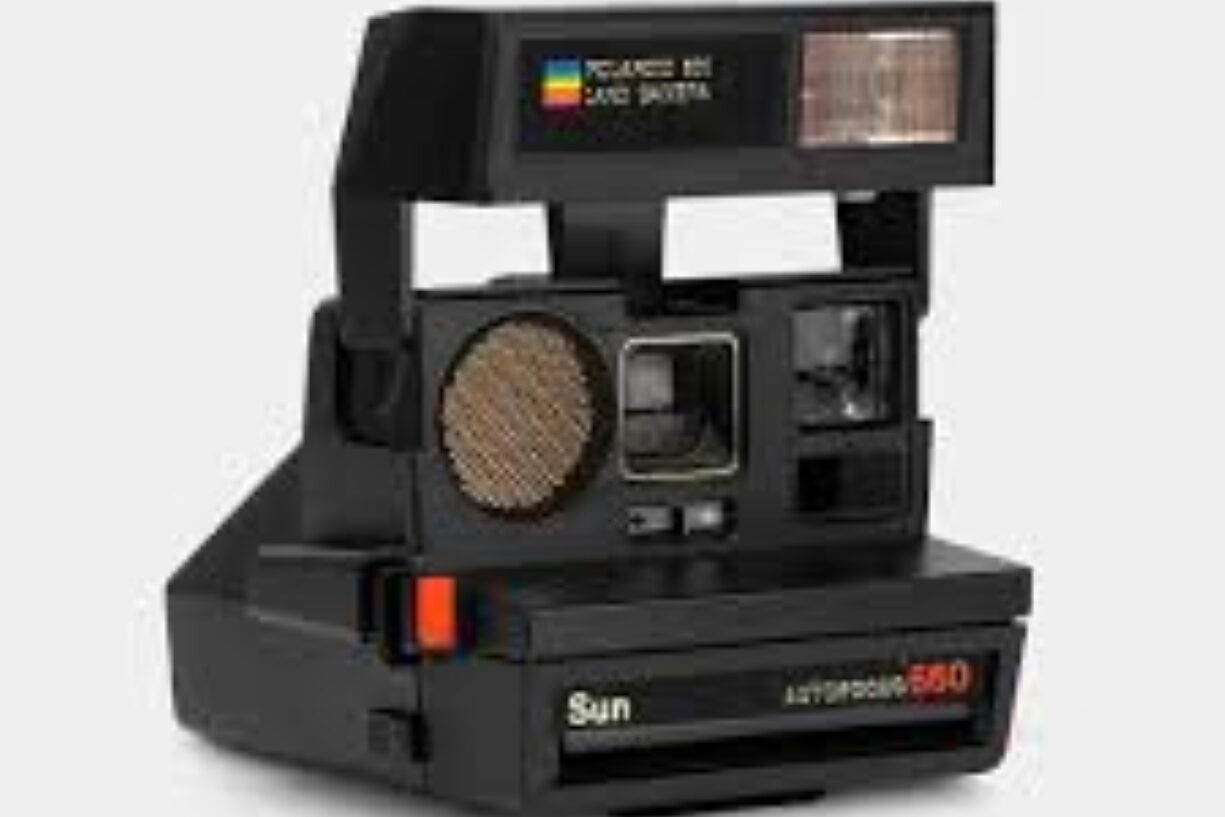
Photographs used to require time, patience, and trips to a photo lab, but the 1980s brought instant cameras into many homes, thanks to companies like Polaroid. Suddenly, you could take a picture and hold the printed photo in your hands within minutes. It was magical turning memories into tangible keepsakes almost immediately, making birthdays, holidays, and everyday moments feel instantly more memorable.
Instant cameras also changed how people approached photography. They encouraged spontaneity, creativity, and sharing with friends and family right away. Unlike waiting for film to develop, these cameras made snapshots part of the moment, reinforcing social bonds and giving people control over their memories. The 1980s introduced a way to capture life that was immediate and personal, an approach that influenced today’s digital photography, where instant sharing and snapshots feel second nature. It reminded people that technology could preserve joy and connection in simple, delightful ways.
12. Electronic Calculators
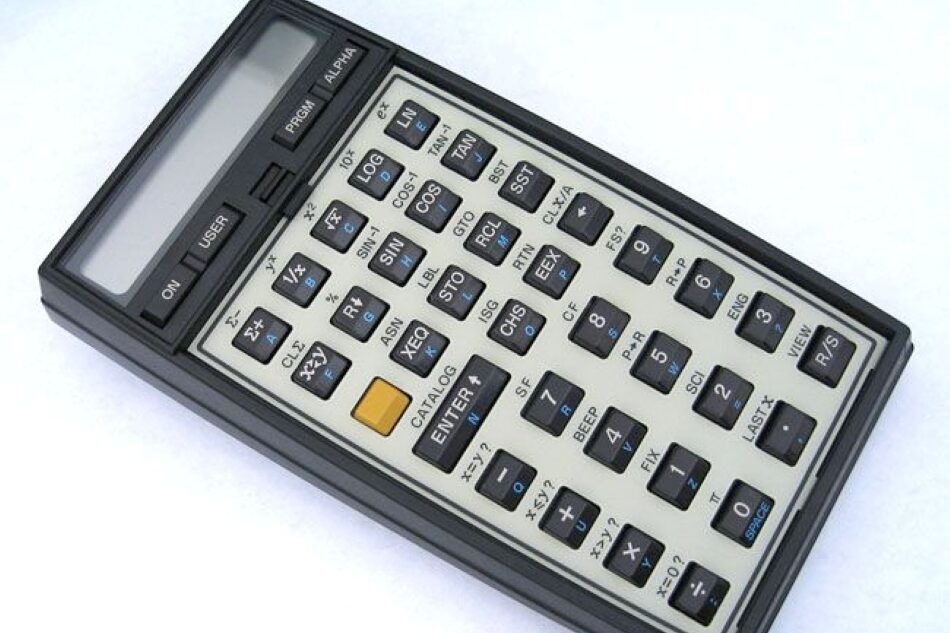
Before electronic calculators became widespread in the early 1980s, math at home or in school meant pencil, paper, and sometimes bulky adding machines. Pocket-sized electronic calculators revolutionized everyday math, making it faster and more accessible for everyone. Students could check homework quickly, adults could manage budgets and finances, and businesses could handle calculations without relying on mental math or complex tools.
The calculator wasn’t just a tool; it represented a shift in thinking about efficiency and accuracy. People started expecting instant results from technology, embracing devices that simplified daily tasks. Its presence in classrooms, offices, and homes marked the beginning of a more digitally-assisted approach to problem-solving. The 1980s quietly turned arithmetic into something manageable and immediate, paving the way for the advanced calculators, apps, and software we rely on today. It showed that even simple math could be transformed by thoughtful design and innovation.
13. Disposable Cameras for Travel
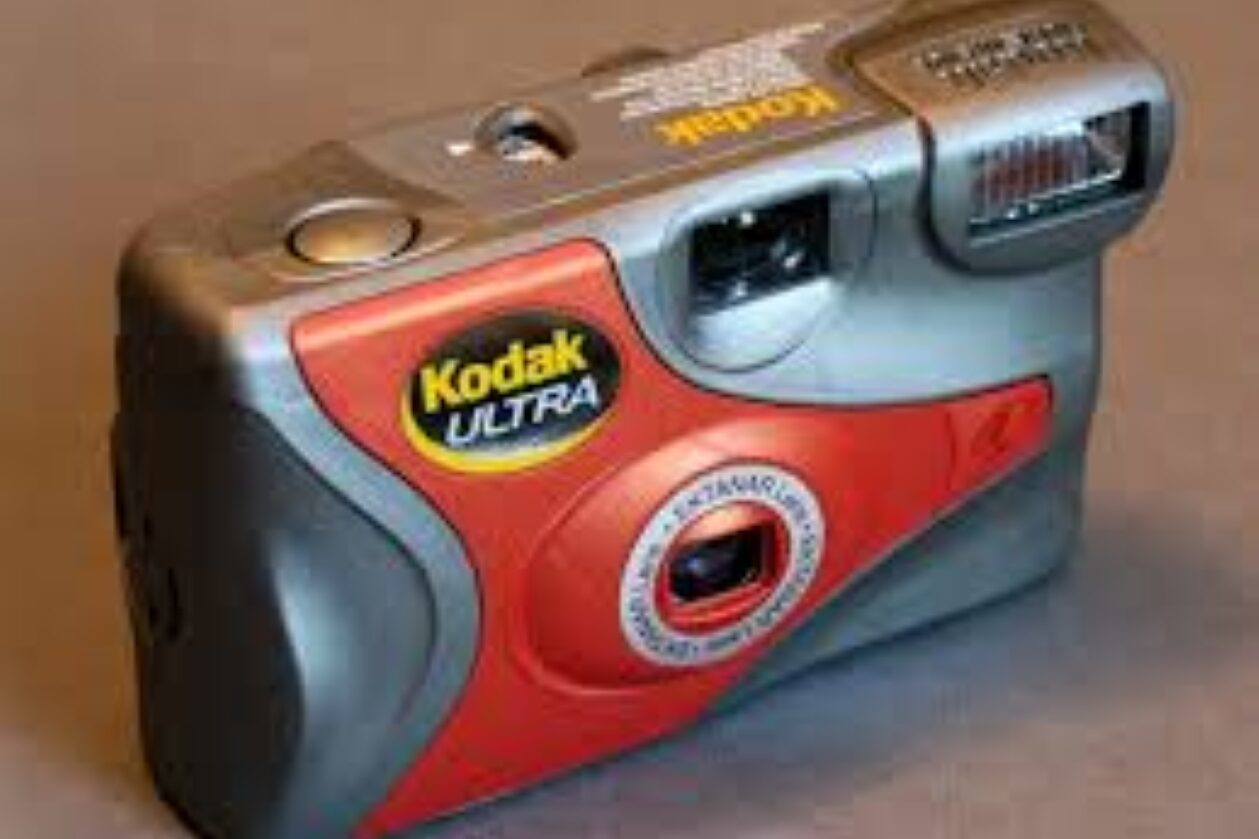
While instant cameras were popular at home, disposable cameras emerged as a way to document adventures without worrying about losing expensive equipment. Introduced widely in the 1980s, they allowed travelers, families, and teens to capture experiences on vacations, hikes, or parties and simply send the whole camera to be developed when done. This convenience opened photography to people who might have felt intimidated by traditional cameras.
Disposable cameras also made photography more democratic. People could take risks, experiment with angles, and share memories without worrying about film costs or equipment damage. It encouraged candid moments, spontaneous shots, and a more playful approach to capturing life. The 1980s gave everyday people the freedom to create memories easily, a trend that foreshadowed today’s smartphone cameras and instant sharing culture. This small innovation subtly transformed travel and leisure photography into a more personal and carefree experience.
14. VCRs and Home Movie Nights

Before the 1980s, watching a movie at home meant waiting for TV schedules or renting projectors for special events. The introduction of VHS and VCRs changed that completely. Suddenly, people could rent movies, record shows, and watch them whenever they liked. Home movie nights became a cultural staple, giving families and friends control over entertainment in a way that felt liberating and fun.
VCRs also changed media habits and storytelling. People could pause, rewind, and rewatch their favorite moments, creating shared experiences around specific films or shows. It encouraged collecting movies, experimenting with recording, and exploring content that wouldn’t air on broadcast TV. The 1980s turned television into a more flexible and interactive medium, laying the groundwork for the streaming services we rely on today. It quietly shifted expectations, showing that entertainment could be chosen and enjoyed on your own schedule, making the living room feel like a personal theater.
15. Cordless Phones
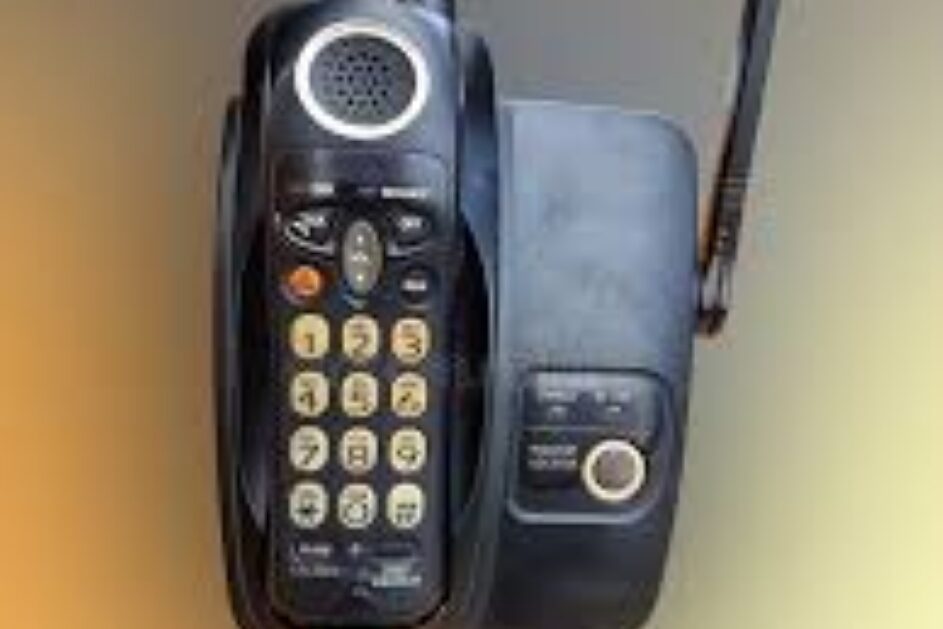
Before the 1980s, phone conversations meant staying close to the wall-mounted receiver. The arrival of cordless phones changed that, giving people the freedom to move around their homes while talking. Suddenly, you could chat in the kitchen, garden, or living room without being tethered to a phone jack, which felt surprisingly liberating. It was a small innovation, but it subtly changed daily routines and family interactions.
Cordless phones also reflected the desire for convenience in a busy world. Calls could happen while cooking, multitasking, or even pacing through your home to think, blending practicality with a touch of luxury. While far from the mobile phones that would dominate a few years later, cordless phones introduced the idea that technology could free us from physical constraints. The 1980s quietly reshaped communication at home, giving people both flexibility and independence in ways that felt almost magical at the time.
16. Early Personal Digital Assistants (PDAs)
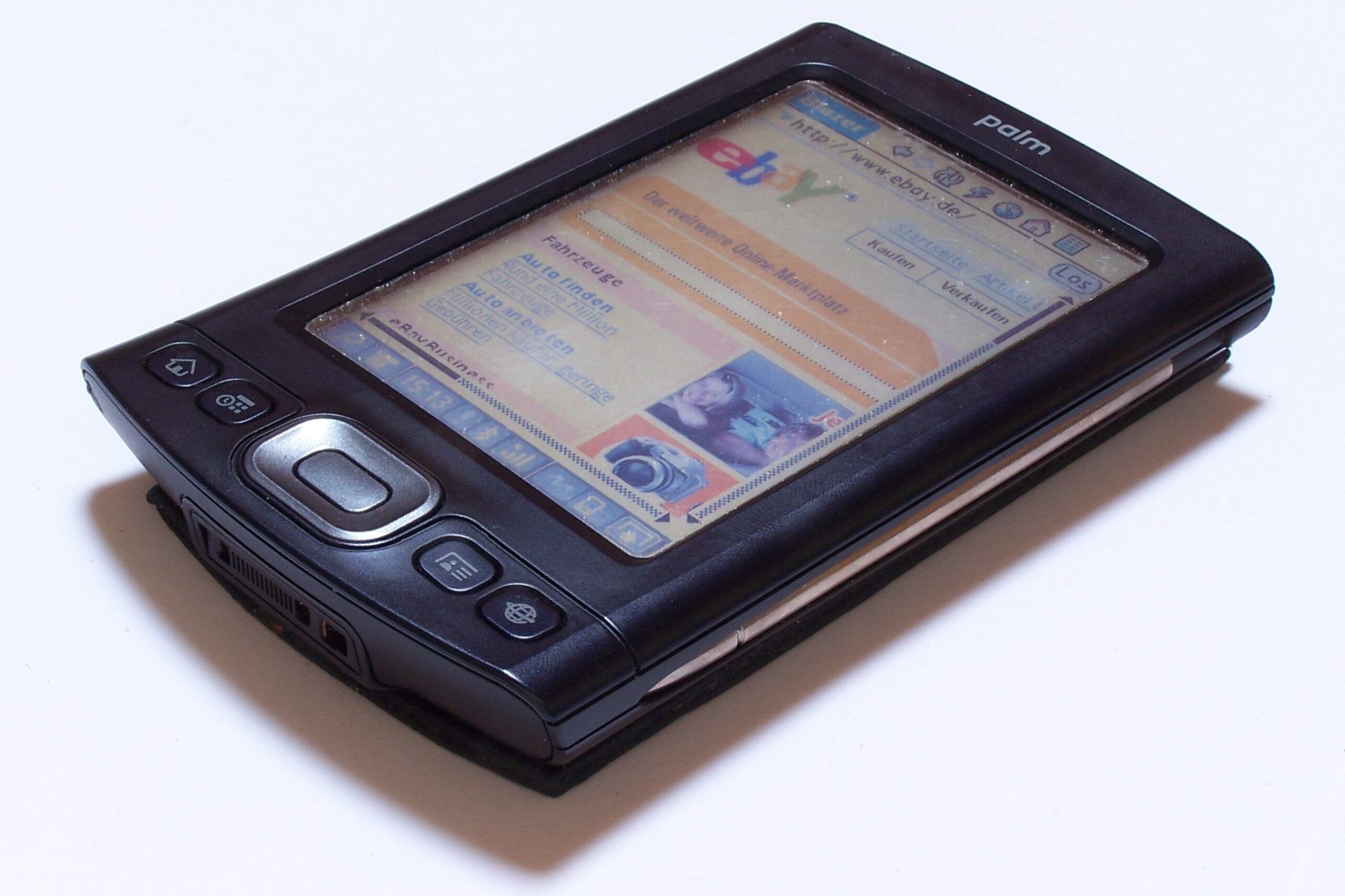
While smartphones were decades away, the 1980s introduced the concept of personal digital assistants small electronic organizers that helped people track appointments, contacts, and notes. Devices like the Psion Organizer or early Palm prototypes gave a glimpse into managing life digitally rather than on paper. For busy professionals or tech enthusiasts, these gadgets were revolutionary, offering a level of organization that felt futuristic and surprisingly practical.
PDAs didn’t just store information they influenced how people thought about productivity and planning. Carrying a device dedicated to managing daily life shifted habits from notebooks and calendars to digital tools, foreshadowing the smartphones and apps we now rely on constantly. The 1980s planted the seeds of personal tech management, teaching people that life could be organized, accessible, and portable. Looking back, these early digital assistants were a quiet but significant step toward the always-connected, always-organized world we now take for granted.
17. Early Video Rental Stores
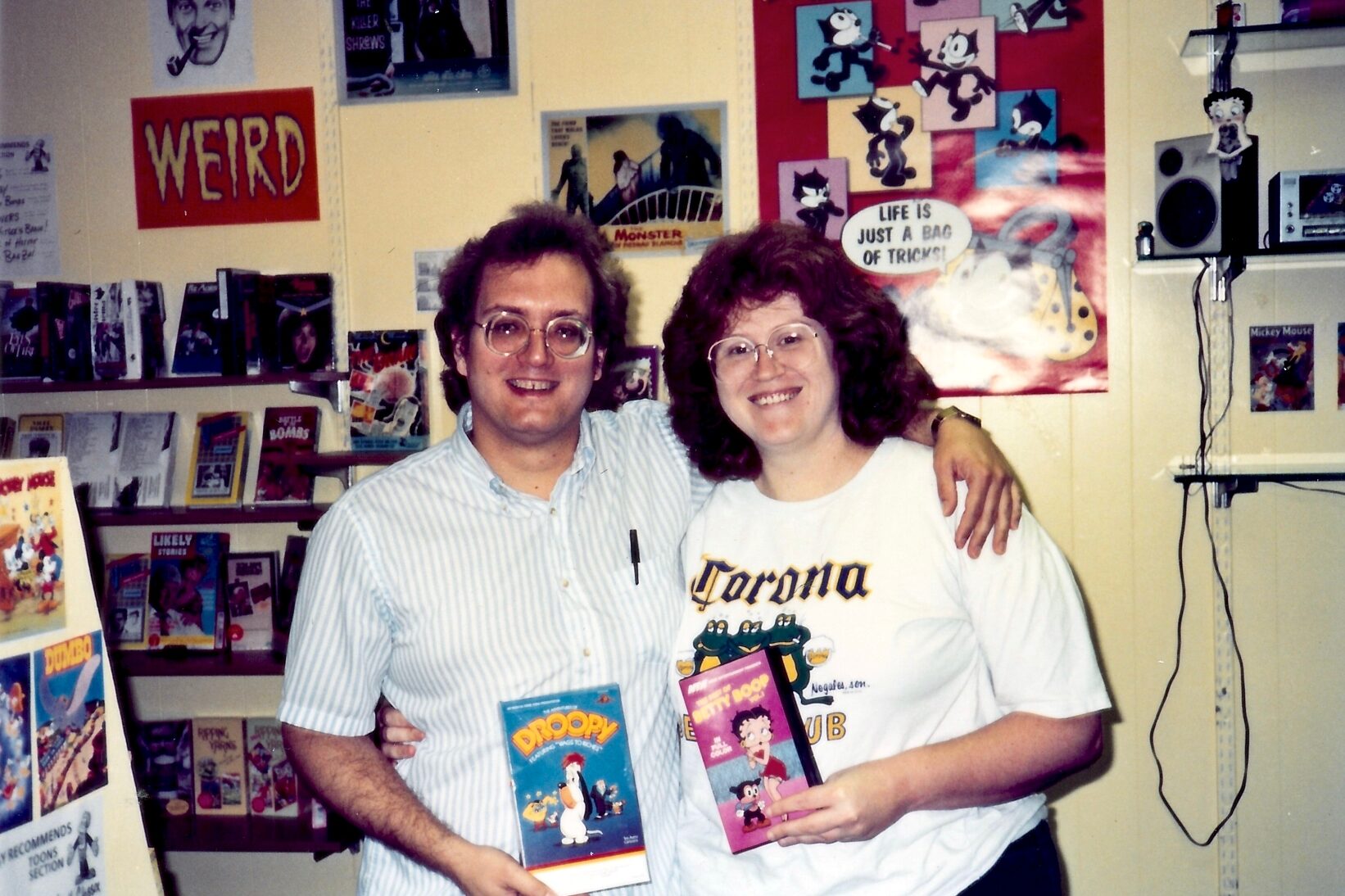
Before the 1980s, watching movies at home was limited to broadcast TV schedules. The rise of video rental stores changed that completely. Suddenly, families could browse aisles of VHS tapes, pick something new or nostalgic, and enjoy a movie on their own schedule. This small shift turned weekends into personal movie nights, creating a culture around home entertainment that didn’t exist before.
Video rental stores also sparked social habits around films. Recommendations, reviews, and conversations about new releases became part of daily life. Kids, teens, and adults could explore genres they might never have seen on network TV. The 1980s gave people control over their entertainment, encouraging shared experiences, experimentation, and even collecting favorite movies. It quietly reshaped how we thought about leisure, laying the groundwork for modern streaming culture.


