
1. The Humble Paperclip
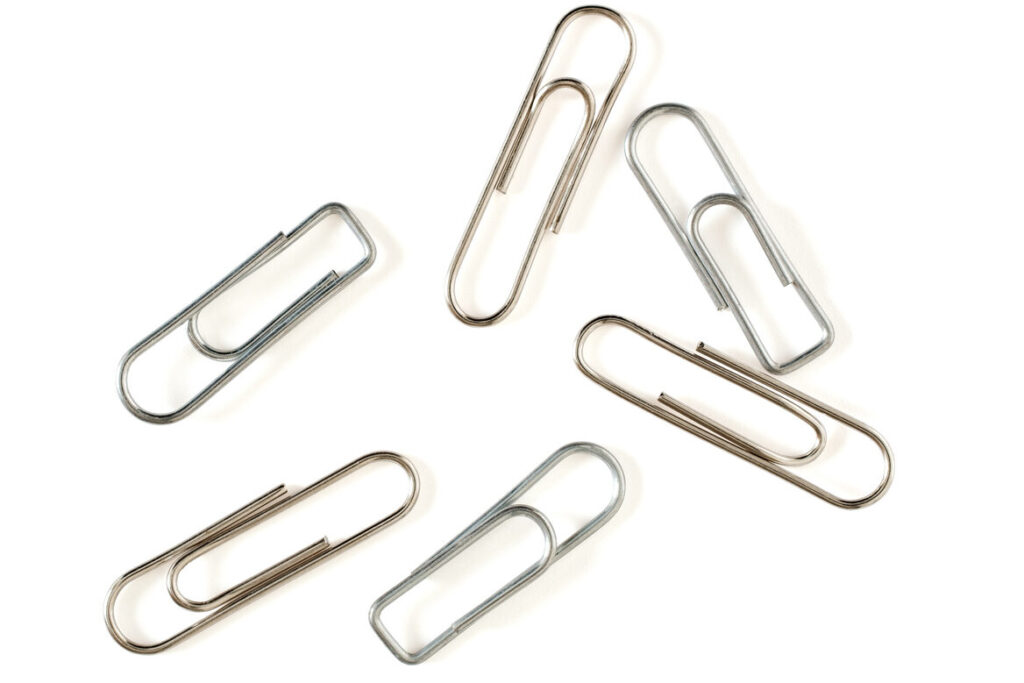
Everyday life is full of objects we barely notice, yet many of them have quietly stayed the same for more than a century. Think about the tools sitting on your desk or tucked inside a drawer. Some designs were simply so practical that nobody ever found a reason to change them. The paperclip is a perfect place to start because almost everyone has used one without thinking much about it. That little twist of metal feels ordinary, but it represents a clever idea that has lasted through generations of offices, classrooms, and homes. The familiar looped shape slips onto papers smoothly and holds them together without damaging the pages. It does one job and does it very well. That reliability explains why the design hardly changed after it became common in the late nineteenth century.
Even in an age of digital documents and cloud storage, paperclips still appear on desks everywhere. Students use them to organize assignments, workers clip together reports, and families keep recipes neatly grouped. The small object continues quietly doing what it always did. Sometimes the most lasting inventions are not the loudest or most complicated ones, but the ones that simply work. A paperclip rarely draws attention to itself, yet its usefulness has kept it around for generations. That quiet reliability explains why the same small design still sits in desk drawers today, ready for the next stack of papers that needs to stay together without fuss.
2. The Safety Pin

Everyone has experienced that small moment of relief when a safety pin saves the day. A loose strap, a broken zipper, or a button that suddenly disappears can turn into a minor crisis, and then someone remembers the little pin tucked inside a drawer or sewing kit. The design is wonderfully simple. A thin piece of metal bends into a spring that holds the sharp point safely inside a small clasp. Because the tip stays covered, the pin can fasten fabric without pricking fingers. This clever structure appeared in the nineteenth century and has remained nearly identical ever since. That kind of durability speaks to how well the idea worked from the start.
Families keep safety pins around for clothing fixes, craft projects, and sometimes even quick solutions during travel. Parents have relied on them for baby clothes and emergency repairs for generations. The safety pin may look humble, but its practicality earned it a permanent place in everyday life. It proves that even a small piece of bent metal can become a dependable companion that quietly helps people solve everyday problems. Long after many inventions have been redesigned or replaced, the safety pin continues to serve the same purpose with the same simple structure people have trusted for more than a century.
3. The Cast Iron Skillet
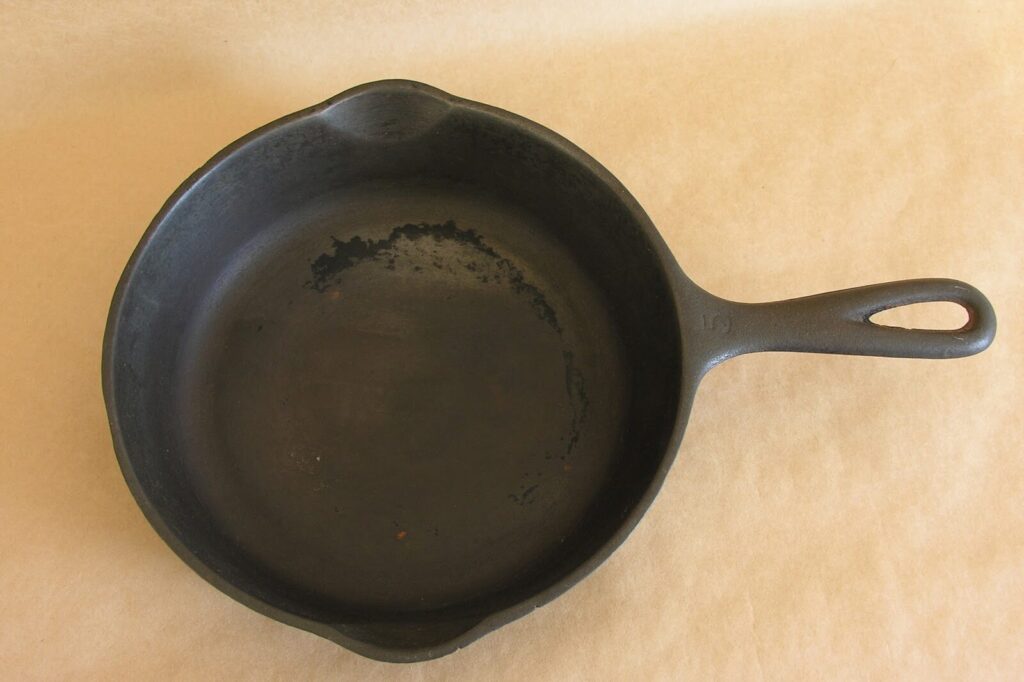
Walk into many kitchens and you might find a heavy cast iron skillet resting on the stove or hanging from a hook. At first glance it looks old fashioned, yet that appearance is exactly why people still love it. Cast iron pans became popular in homes during the nineteenth century because they hold heat evenly and cook food thoroughly. The design is straightforward. A thick round pan with a sturdy handle moves easily from stove to oven and handles everything from frying eggs to baking cornbread. Over time cooks discovered something interesting about these pans.
The more the skillet is used, the better it performs because layers of seasoning build up on the surface. That natural coating helps prevent food from sticking and adds flavor to meals. Modern cookware companies introduce new materials every few years, but cast iron quietly continues doing its job the same way it always has. Many families even pass skillets down through generations, turning them into practical heirlooms. Few kitchen tools carry that kind of history while still being used every day. A cast iron skillet does not try to impress with technology. It simply cooks good food, which is exactly what people have always wanted it to do.
4. The Claw Hammer
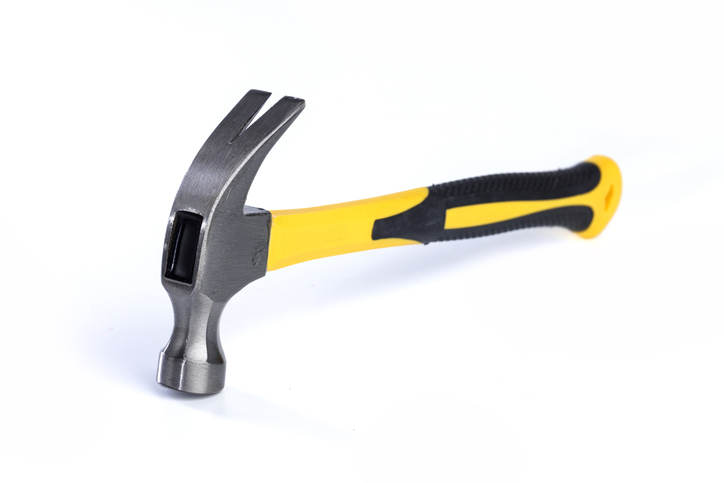
Few tools are as instantly recognizable as the claw hammer. Pick one up and its purpose becomes clear without needing explanation. The flat metal head drives nails into wood while the curved fork on the back pulls them out again. That simple combination turned the hammer into a trusted companion for builders and homeowners alike. By the late nineteenth century this shape had already become the standard design used in workshops and construction sites. Carpenters appreciated how the hammer balanced strength and practicality in a single tool that handled two tasks at once.
While materials have improved over time, the overall form has remained remarkably consistent. Some handles are made of fiberglass or steel instead of wood, yet the balance and shape stay familiar. The reason is simple. The design works. The weight of the metal head provides the force needed to drive nails while the curved claw offers the leverage to remove them. Anyone who has done a small repair at home understands how satisfying it feels to use a well balanced hammer. It reminds us that good design often comes from solving problems clearly and simply rather than making things complicated.
5. The Mason Jar
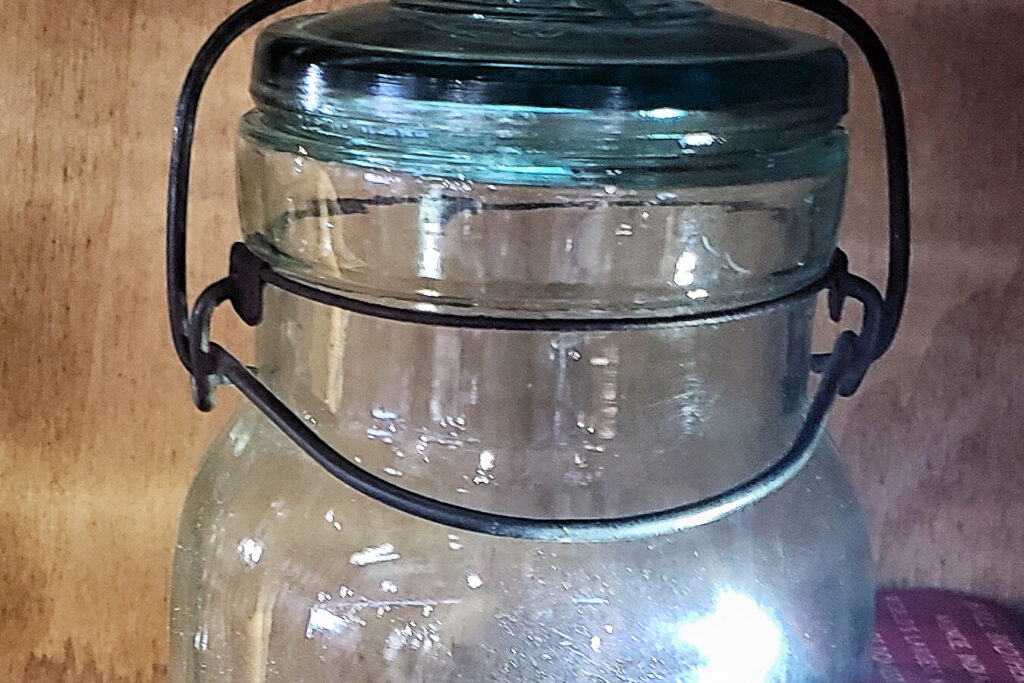
A Mason jar sitting on a kitchen shelf carries a sense of quiet tradition. The clear glass body, threaded neck, and metal lid were created to solve a practical problem in the nineteenth century. Families needed a reliable way to preserve fruits and vegetables so they could enjoy them long after harvest season ended. The jar allowed people to seal food tightly, keeping air out and freshness locked inside. Once the idea caught on, it spread quickly across households because it worked so well and made home food storage much easier.
What makes Mason jars remarkable is how little they have changed since that time. Today they still store homemade jam, pickled vegetables, and pantry staples. Many people also use them as drinking glasses, flower vases, or containers for leftovers. Their simple shape fits naturally into both old and modern kitchens. The jar became more than just a storage tool. It turned into a small symbol of resourcefulness and home cooking. Sometimes an invention continues not because it is nostalgic, but because it remains genuinely useful in everyday life and still performs its original purpose beautifully.
6. The Broom
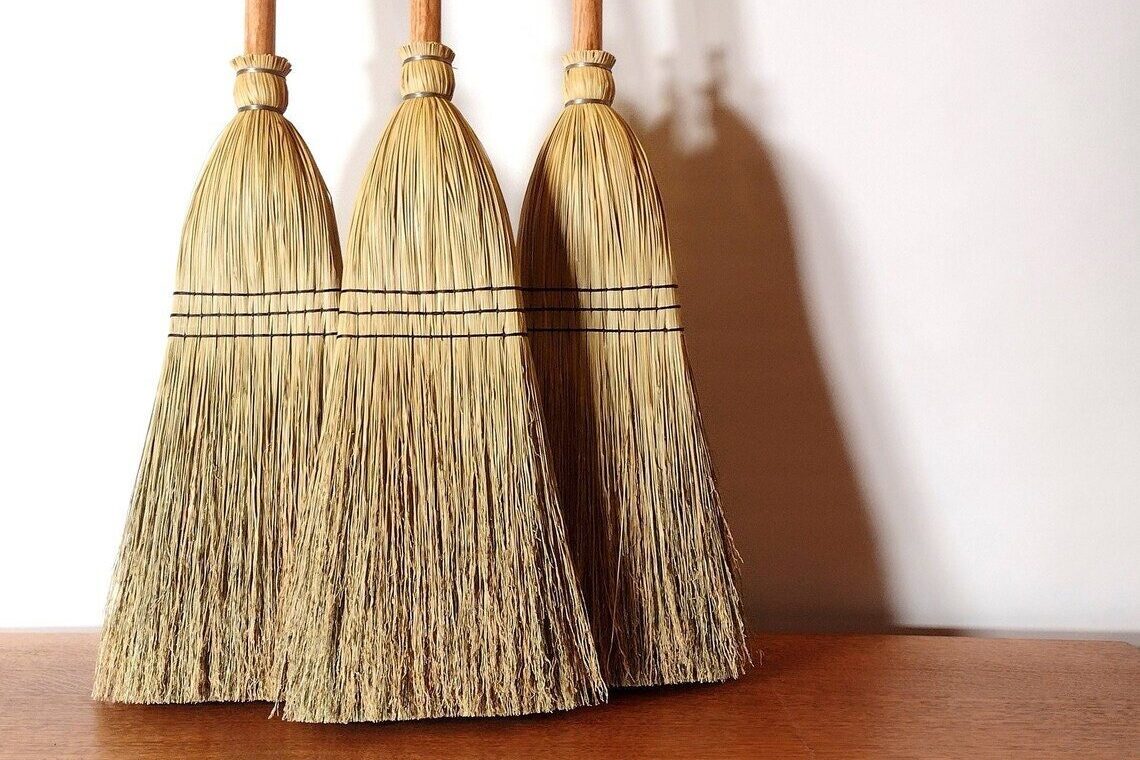
Before modern appliances took over cleaning duties, the broom was the quiet hero of the household. For generations people relied on it to sweep dust and dirt from floors, porches, and walkways. Early brooms were made from bundles of twigs or straw tied to wooden handles. Over time the materials improved, yet the overall shape remained the same. A long handle with sturdy bristles still proves to be one of the simplest and most effective ways to gather dirt into a neat pile without complicated equipment.
The motion of sweeping feels almost instinctive, as if the body already understands the rhythm. Even today many homes keep a broom within easy reach despite owning vacuum cleaners or robotic cleaning devices. That is because certain tasks still feel easier with this straightforward tool. A few quick strokes across the floor can tidy a room in seconds. The broom reminds us that not every problem needs a complicated solution. Sometimes the best tool is the one that quietly performs its job the same dependable way it always has for generations of households.
7. The Ladder
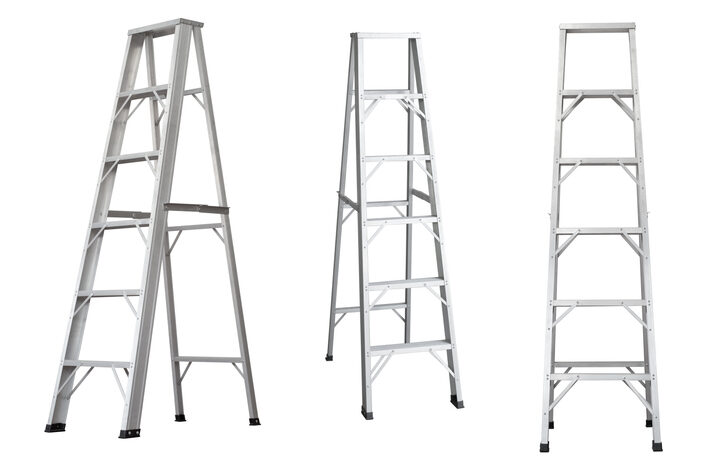
Reaching high places has always required a dependable solution, and the ladder provided one long ago. The design seems almost obvious today. Two vertical rails connected by evenly spaced rungs create a sturdy structure that allows people to climb safely upward. Despite centuries of use, the ladder still follows that exact formula. Early versions were made entirely of wood, while modern ones may use aluminum or fiberglass for extra strength and lighter weight that makes carrying them easier.
Even with those changes, the essential structure remains the same. That consistency exists because the design balances stability and simplicity. Each rung provides a predictable step while the side rails support the climber’s weight securely. From painters working on tall walls to homeowners changing light bulbs, ladders quietly assist with countless everyday tasks. Their familiar form proves that sometimes the earliest solutions were already the most practical ones. When a design solves a problem clearly and reliably, it rarely needs much improvement over time because people quickly recognize how well it works.
8. The Scissors
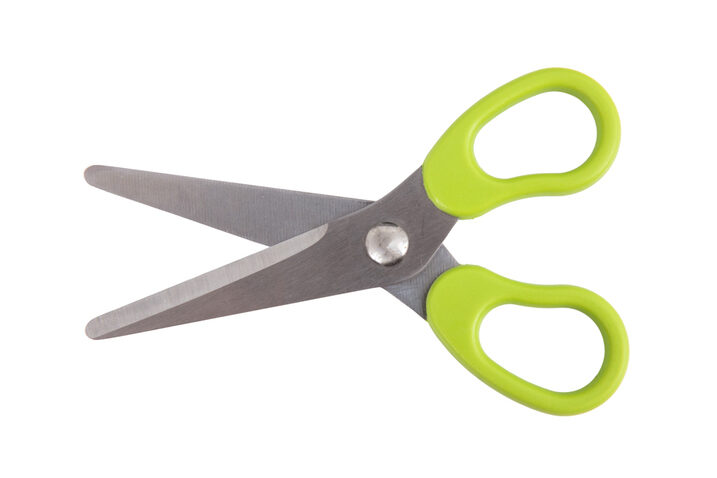
Scissors belong to that group of everyday tools that feel almost second nature to use. Slip your fingers into the handles and your hand instantly understands the motion. Two blades cross at a pivot point, turning a simple squeeze of the hand into a clean cutting action. This mechanism has existed for centuries and remains largely unchanged today. While modern scissors may feature softer grips or sharper stainless steel blades, the basic structure continues to follow the same principle that has served people well for generations.
They appear in classrooms, kitchens, offices, and craft rooms because cutting materials is a universal task. Children use them for art projects while adults rely on them for wrapping gifts, trimming fabric, or opening packages. The design feels so natural that people rarely stop to think about it. Yet that quiet efficiency is exactly why scissors endured for so long. When a tool becomes this intuitive, it blends seamlessly into everyday life and continues serving generation after generation without needing dramatic improvements or redesigns.
9. The Teapot
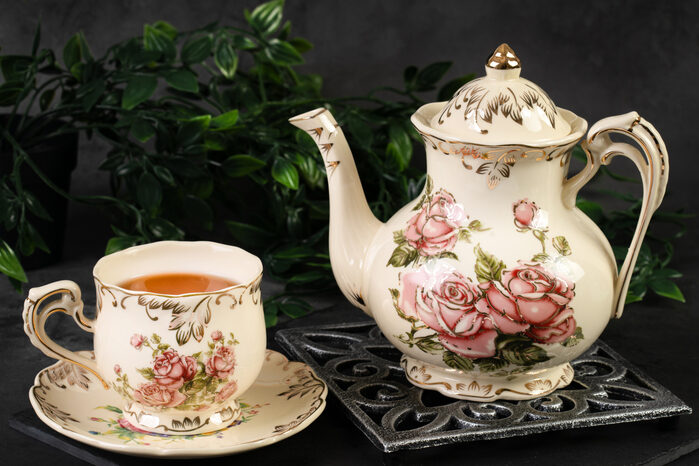
The teapot carries a gentle familiarity that many people associate with calm moments at home. Its rounded body holds the brewed tea while a curved spout pours the liquid smoothly into a cup. The handle keeps the user’s hand safely away from heat, and the small lid allows tea leaves to steep inside. These thoughtful features were refined long ago and have remained remarkably consistent ever since in teapots found across many cultures.
Whether made from porcelain, ceramic, or metal, most teapots follow the same graceful silhouette. The reason is simple. The shape works beautifully for brewing and pouring tea. Over time the teapot became part of daily rituals in many households. The act of filling the kettle, placing leaves inside the pot, and sharing a warm drink turned into a small moment of comfort. Even modern kitchens filled with advanced appliances often keep a teapot close by because its familiar design continues to serve the simple pleasure of making tea.
10. The Wooden Clothespin
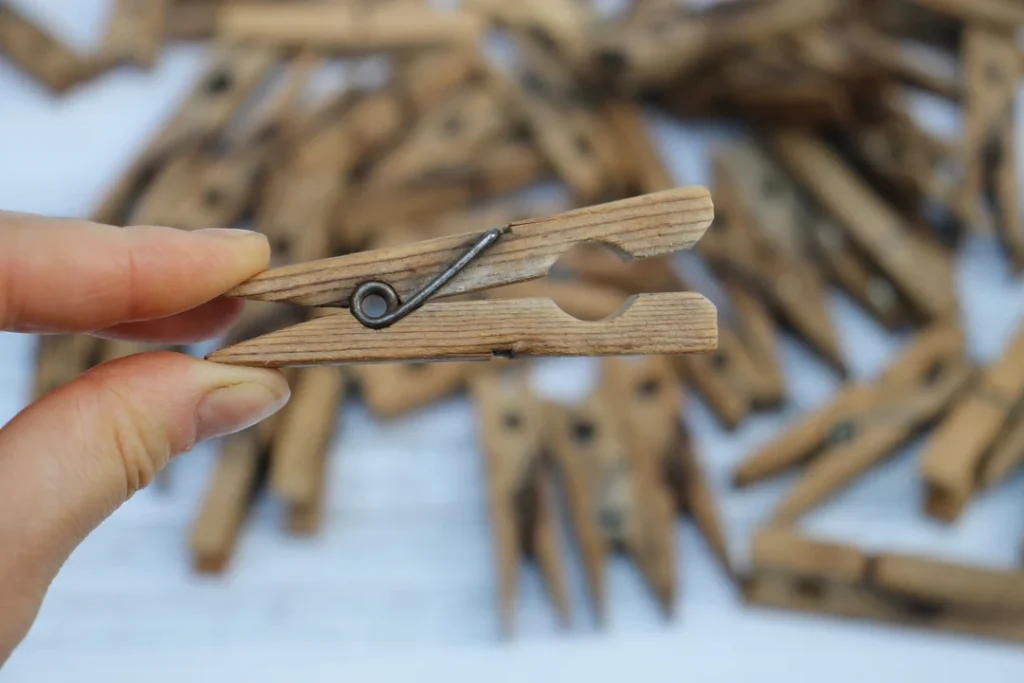
Before electric dryers became common, clotheslines stretched across yards and balconies in many neighborhoods. Freshly washed shirts, sheets, and towels hung in the open air while sunlight and wind dried them naturally. Holding those clothes in place were small wooden clothespins. The familiar version with two wooden arms joined by a tiny metal spring appeared in the nineteenth century and quickly became the standard in many homes.
Its design is simple yet reliable. Press the ends together and the jaws open. Release them and the spring closes firmly around the fabric. Even today clothespins continue to serve useful roles. Some households still dry laundry outdoors while others use the pins for crafts, organizing bags, or hanging notes. Their wooden texture and straightforward design make them feel timeless. A small object that once filled backyard clotheslines now quietly lives on in drawers and laundry rooms, continuing its helpful role in everyday household routines.
11. The Spiral Notebook
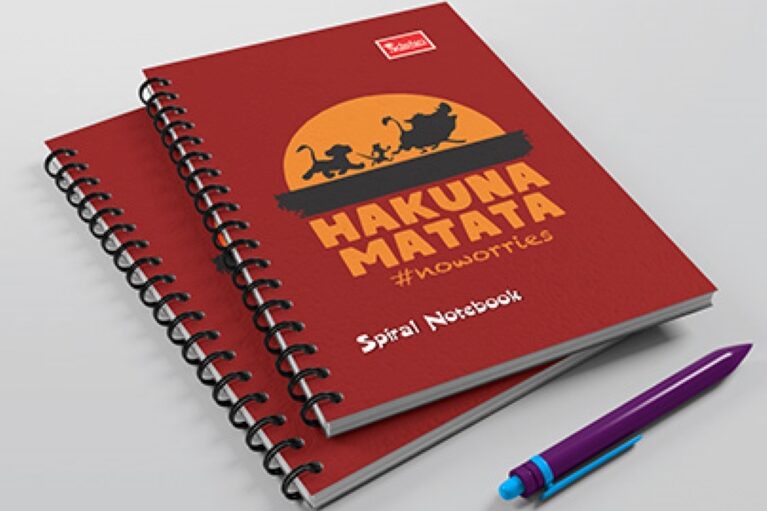
Many people remember the first time they opened a spiral notebook at school. The thin metal coil running along the edge allows the pages to turn easily and fold completely flat. This small detail changed how notebooks were used when spiral binding became widely popular in the early twentieth century. Traditional notebooks were stiff and difficult to keep open, but the spiral design made writing more comfortable for students and professionals alike.
Students could flip pages quickly, tear out sheets neatly, and fold the notebook back on itself while taking notes. Even now, when digital devices dominate classrooms and offices, spiral notebooks remain common. Writers use them for journaling, students rely on them for lectures, and professionals keep them for quick reminders during meetings. There is something satisfying about seeing ink appear across a page. The familiar notebook shows that simple improvements can shape daily habits for decades while quietly supporting creativity and learning.
12. The Measuring Cup
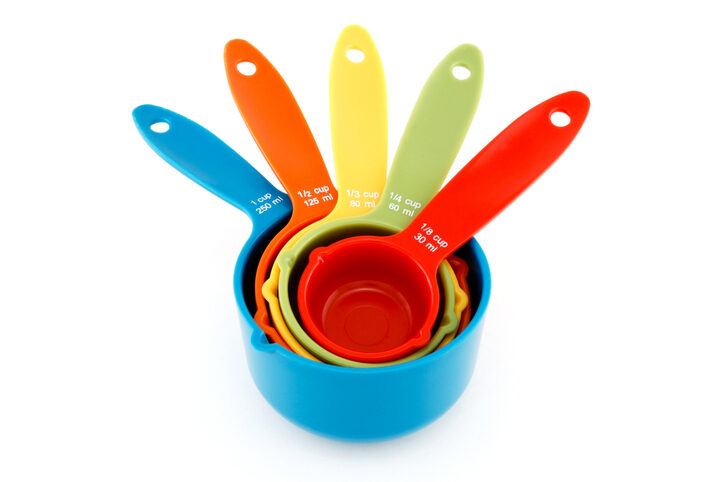
Cooking often begins with careful measurement, and the measuring cup has helped home cooks achieve consistent results for more than a century. Glass measuring cups with clear markings became especially popular during the early twentieth century when standardized recipes started appearing in cookbooks. The design makes practical sense. The transparent glass allows the cook to see the level of liquid clearly while the handle keeps hands safely away from hot ingredients.
A small spout on the rim makes pouring smooth and controlled. Even as kitchen technology evolves, the measuring cup remains one of the most trusted tools on the counter. Bakers rely on it for milk and oil while everyday cooks use it for broth, water, or pancake batter. The tool supports the quiet rhythm of preparing meals at home. By helping people follow recipes accurately, the measuring cup became a steady companion in kitchens across generations.
13. The Toothbrush

The toothbrush plays a small but important role in daily life. Most people reach for one first thing in the morning and again before going to bed, rarely pausing to consider how long the design has existed. Early toothbrushes used natural bristles attached to bone or wooden handles. Over time manufacturers introduced plastic handles and nylon bristles that improved durability and hygiene while keeping the overall structure familiar.
Despite those updates, the overall shape remained almost identical. A slim handle leads to a compact head that can reach every corner of the mouth comfortably. This layout proved so practical that it became the standard across the world. Today electric versions add vibration or rotation, yet the familiar manual toothbrush still fills store shelves. Its simplicity continues to support healthy habits in homes everywhere and reminds us that thoughtful design often stands the test of time.
14. The Envelope

Long before instant messaging and email, people communicated through handwritten letters that traveled across towns and countries. Protecting those messages required something simple yet effective, which led to the widespread use of envelopes during the nineteenth century. The design is straightforward. A rectangular sheet of paper folds around the letter and seals with a flap to keep the contents private during delivery.
That structure worked so well that it hardly changed over time. Even today envelopes remain part of everyday life. Offices use them for documents, families send greeting cards inside them, and official letters often arrive neatly tucked within their familiar shape. Opening an envelope still carries a small sense of anticipation. The act of breaking the seal and unfolding the paper inside connects people to a long tradition of communication that continues quietly alongside modern technology.
15. The Rocking Chair

The rocking chair brings to mind quiet evenings on a porch or gentle moments beside a window. Its defining feature is simple yet effective. Curved runners attached to the legs allow the chair to move smoothly back and forth with a gentle push from the sitter. This design became popular in North America during the eighteenth century and has remained largely unchanged ever since.
The motion creates a calming rhythm that encourages relaxation and conversation. Many families keep rocking chairs as part of their living spaces, sometimes passing them down from one generation to the next. Unlike many furniture trends that change with fashion, the rocking chair continues to feel familiar and comforting. Sit in one long enough and you begin to understand why people kept making them in the same shape for centuries because the quiet motion still feels just right.
16. The Simple Spoon
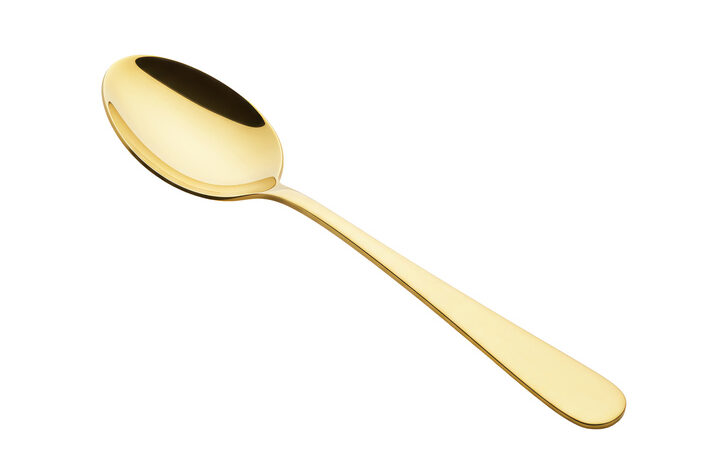
Among the many utensils used in kitchens around the world, the spoon stands out for its timeless simplicity. A shallow bowl attached to a handle forms a shape that works naturally for scooping liquids and soft foods. This design appeared in ancient times and remained almost unchanged through centuries of use because it solved its purpose so clearly.
Early spoons were carved from wood, bone, or shells, while later versions used metals such as silver and stainless steel. Despite those material changes, the basic form stayed the same because it simply works well. The curved bowl holds soup, cereal, or dessert comfortably while the handle allows easy control. People use spoons countless times every day without thinking about them, which shows how completely this simple tool fits into daily routines.
17. The Pencil
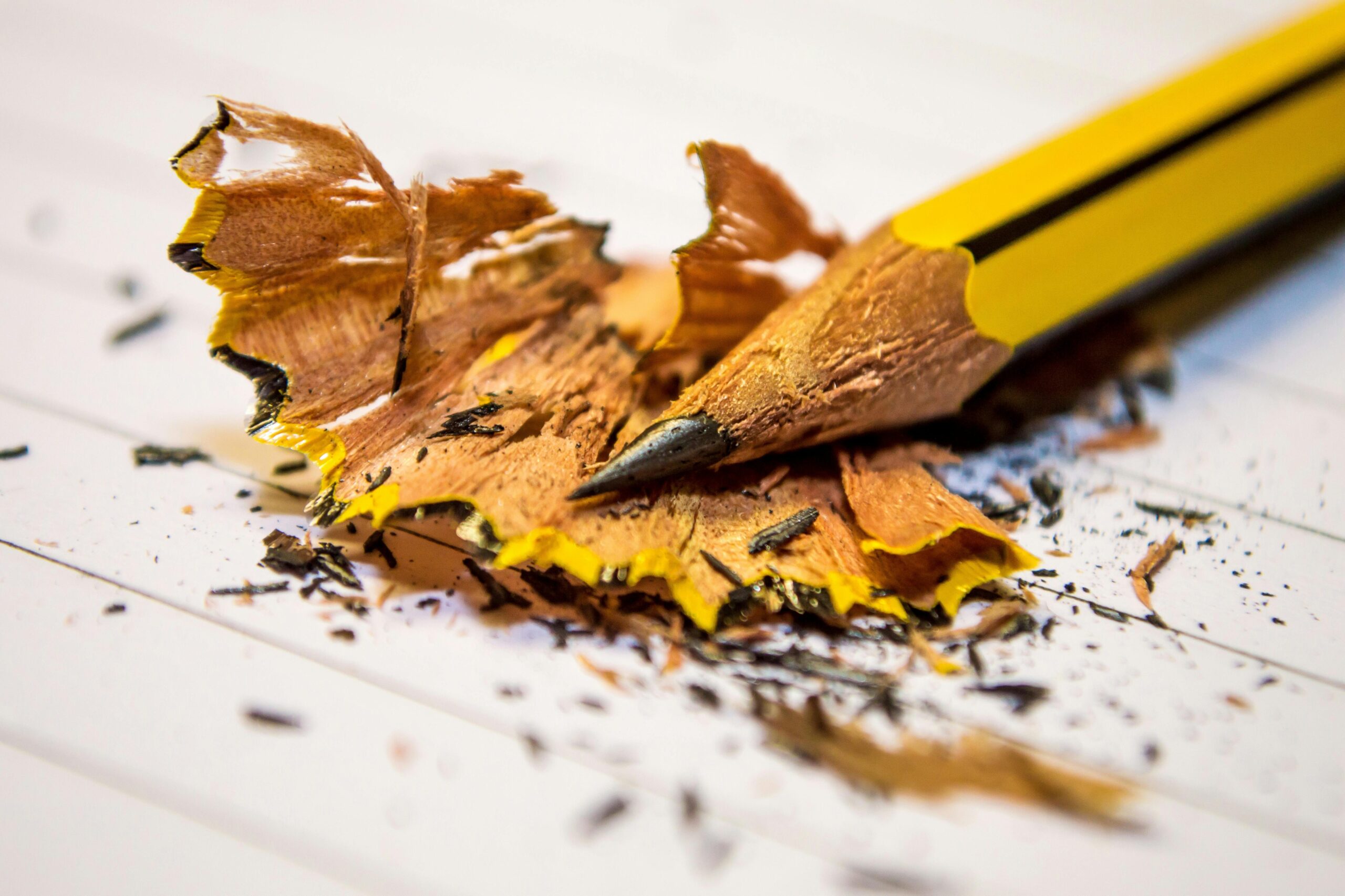
The simple pencil closes our list with a reminder of how enduring thoughtful design can be. A slender wooden barrel holds a core of graphite that glides smoothly across paper. Sharpen the tip and the pencil writes again, ready for notes, sketches, or quick reminders. This design took shape during the nineteenth century and remains familiar in classrooms and offices today.
Many pencils even include the small eraser attached at the end, allowing mistakes to disappear with a few gentle strokes. Students use them in classrooms, artists rely on them for sketches, and workers keep them nearby for jotting quick ideas. Despite the rise of keyboards and touch screens, the pencil continues to feel dependable and comfortable in the hand. Some objects simply arrive at the right design early and continue serving people faithfully for generations.


