
1. Bodie, California
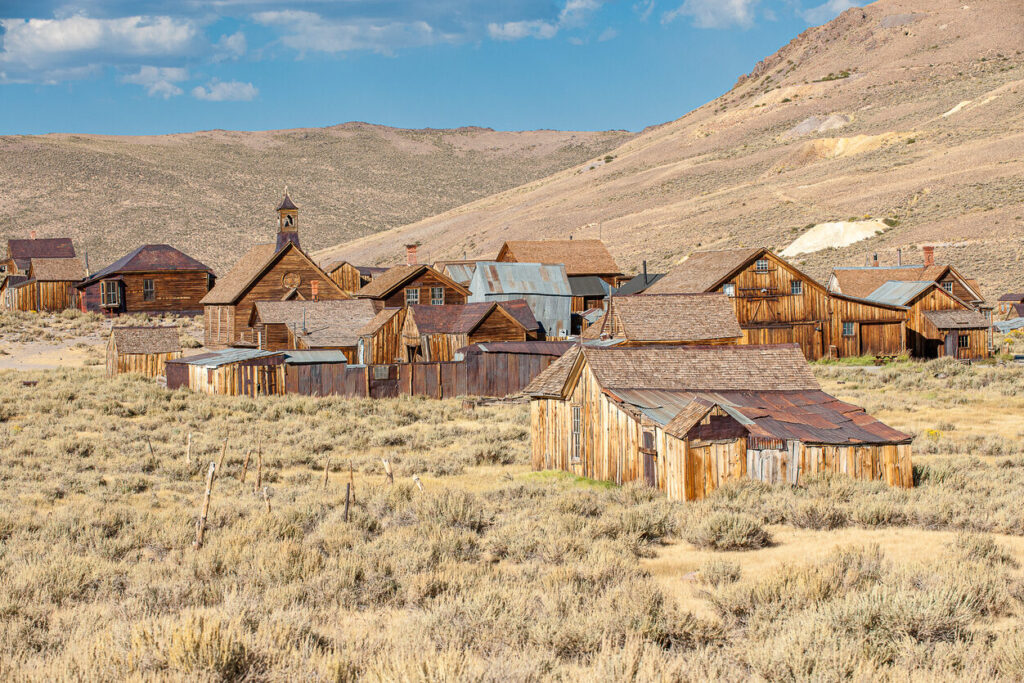
Some towns begin with excitement, noise, and the promise of opportunity. Bodie in California was exactly that kind of place. In the late 1800s the discovery of gold turned a quiet patch of land into a lively boomtown almost overnight. Miners, merchants, families, and fortune seekers all rushed in hoping to build a future. Saloons, boarding houses, shops, and even a newspaper appeared quickly. At its peak nearly ten thousand people lived there. Life was rough but busy. People worked long hours, spent evenings in crowded bars, and believed the town would keep growing for years. The streets were dusty and loud, but they carried the rhythm of daily life that many western towns shared during the gold rush years.
But gold towns rarely stay busy forever. As the mines produced less gold, workers slowly began leaving to try their luck somewhere else. Businesses closed one by one. Families packed their belongings and moved on to newer towns that promised fresh opportunities. Bodie gradually emptied until only its buildings remained. Today the town is preserved as a historic site, and walking through it feels strangely personal. Old homes still contain furniture, bottles sit on shelves, and classrooms look as if students stepped out only yesterday. The people are gone, but their everyday lives still feel close.
2. Centralia, Pennsylvania
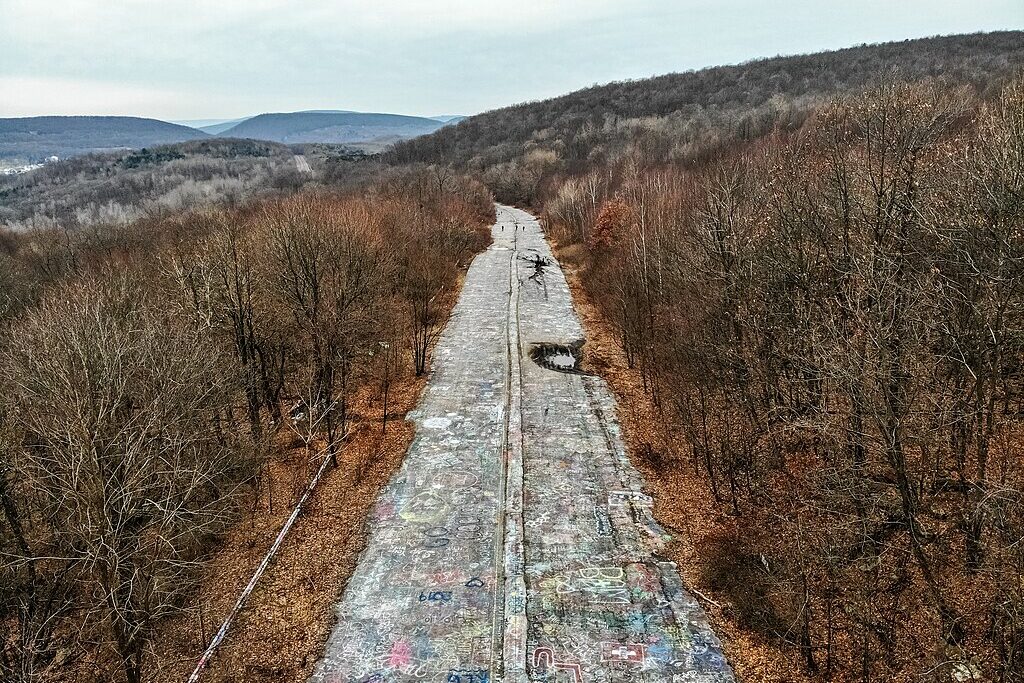
Centralia once looked like a typical small coal town in Pennsylvania. Families built homes near the mines, children walked to local schools, and neighbors gathered in churches and small diners. Coal mining supported the local economy for generations, and most residents expected the town to remain a stable place to live. Life moved at a familiar pace. People knew each other well and many families had lived there for decades. The town square hosted small events, and weekends often meant community gatherings where everyone seemed connected in some way.
In 1962 a fire started in an abandoned coal mine beneath the town. At first it seemed manageable, but the fire spread through underground coal tunnels and kept burning. Over time dangerous gases began seeping into the town and the ground became unstable in some places. Officials eventually realized the fire could burn for decades. The government offered relocation assistance, and families slowly moved away. Homes were demolished and streets removed. Today Centralia is mostly empty. A few roads remain, but the quiet landscape reflects how one unexpected event slowly changed the future of an entire community.
3. Pripyat, Ukraine
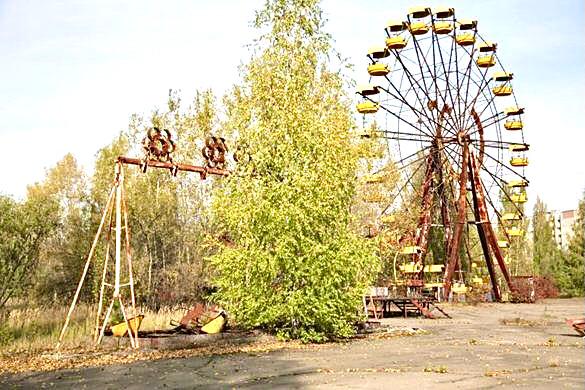
Pripyat was built in the 1970s to support workers at the nearby Chernobyl nuclear power plant. It was a modern city with wide streets, apartment blocks, schools, parks, and a lively town square. Families moved there with optimism, believing they had found a comfortable place to live and raise children. Shops stayed busy, playgrounds were full, and community centers hosted events that brought residents together. The city even had a new amusement park that was about to open in 1986, symbolizing the sense that the community had a bright future ahead.
Then the Chernobyl reactor explosion on April 26, 1986 changed everything. Radiation spread through the surrounding area and authorities evacuated the city quickly. Residents were told the move would be temporary, so many left personal belongings behind. They never returned. Today the buildings still stand but the city remains empty. Trees grow through sidewalks and animals roam freely in areas where children once played. Walking through Pripyat now feels quiet and reflective. The empty apartments and schools remind visitors of the ordinary lives that were suddenly interrupted by one of the most serious nuclear accidents in history.
4. Hashima Island, Japan
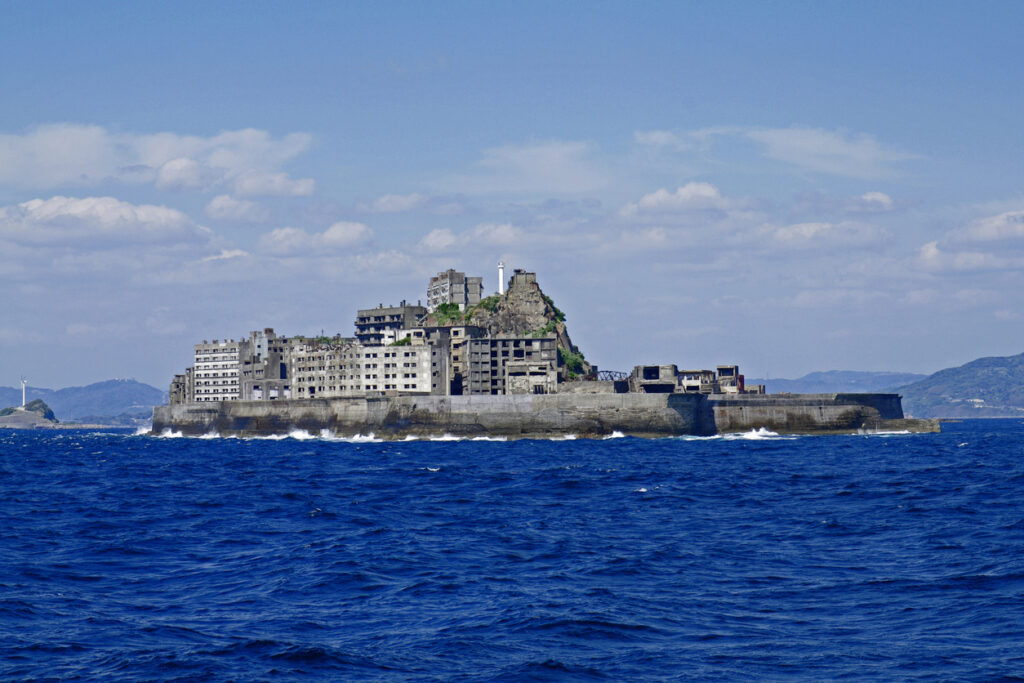
Hashima Island sits off the coast of Nagasaki and gained the nickname Battleship Island because its concrete buildings resemble a warship rising from the sea. During the early twentieth century it became one of Japan’s busiest coal mining communities. Workers and their families lived in compact apartment blocks surrounded by strong seawalls. The island supported schools, small shops, and recreational spaces where residents spent their evenings together. Despite its small size, the town held thousands of people who shared a tightly connected daily life centered around the coal industry.
For decades the mines provided steady work, but Japan gradually moved away from coal as energy needs changed. By the early 1970s the mine on Hashima was no longer profitable. The company closed operations and residents relocated to mainland cities where other jobs were available. By 1974 the island stood empty. Today the tall buildings remain facing the sea, weathered by wind and salt. Visitors arriving by boat often notice the quiet contrast between the crowded past and the silent present that now defines the island.
5. Kolmanskop, Namibia
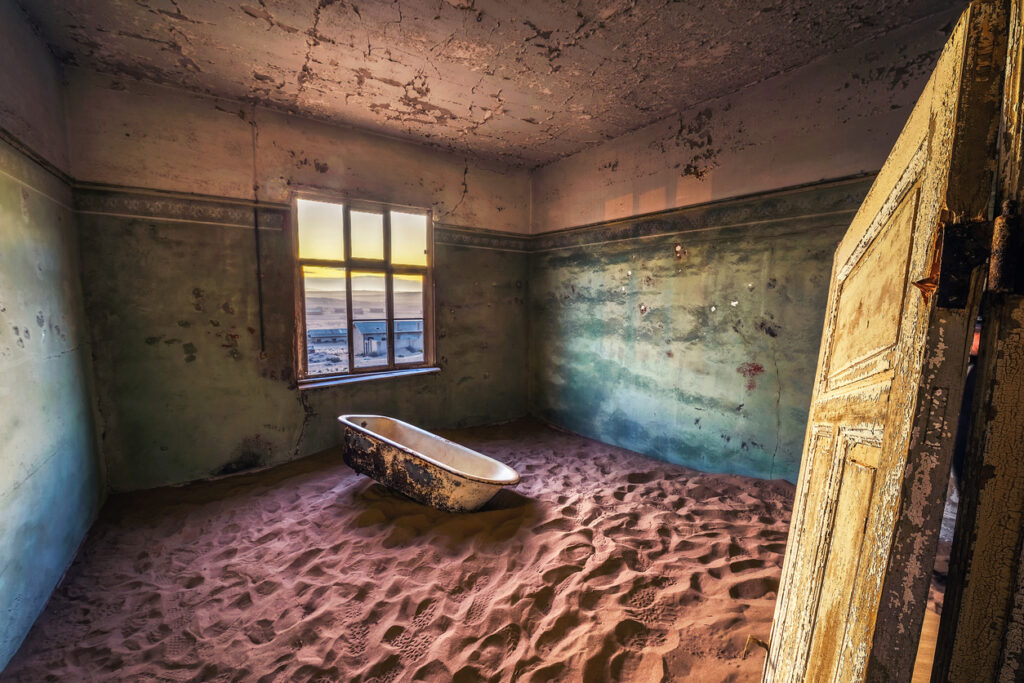
Kolmanskop grew quickly after diamonds were discovered in the Namib Desert in 1908. Miners and merchants rushed to the area hoping to benefit from the valuable stones hidden in the sand. The settlement developed into a comfortable town with houses, a hospital, a ballroom, and social clubs where residents gathered for evening events. For a desert town it offered a surprisingly active lifestyle. Families built routines around mining work while enjoying a community that felt prosperous and optimistic about its future.
When richer diamond deposits were discovered farther south, mining companies shifted operations to the new location. Workers followed the jobs and families gradually relocated. As people left the town slowly emptied. Without maintenance the surrounding desert began reclaiming the area. Sand drifted through open windows and doorways and gradually filled entire rooms. Today visitors can walk through houses where dunes have formed inside living spaces. Kolmanskop quietly illustrates how quickly prosperity can appear and how naturally the desert can reclaim the places people once built.
6. Gary, Indiana
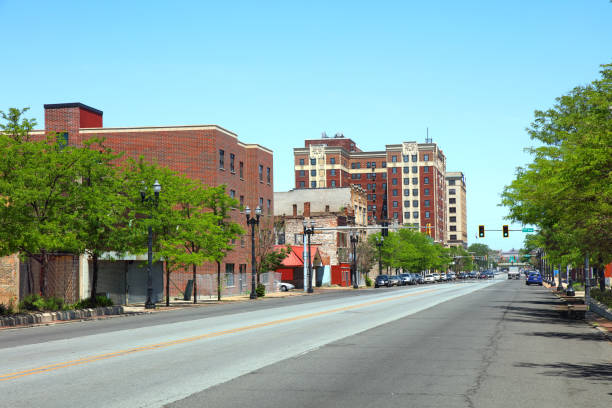
Gary, Indiana was founded in 1906 by the United States Steel Corporation and quickly became a major center for steel production. Workers from across the country moved there seeking stable employment in the growing industrial economy. Neighborhoods filled with families, schools opened, and businesses flourished as the city developed around the steel mills. For decades the industry provided reliable jobs and created a strong working class identity among residents who felt proud of the city they helped build.
Economic changes eventually affected the steel industry and many factories reduced operations or closed. As jobs disappeared families began moving elsewhere in search of work. Over time the population declined and some neighborhoods grew quieter. Although the city still has active areas, parts of Gary reflect the challenges that came with industrial decline. Many longtime residents continue to speak about the city with pride, remembering the years when the mills operated at full capacity and the community felt vibrant.
7. Kangbashi District, China
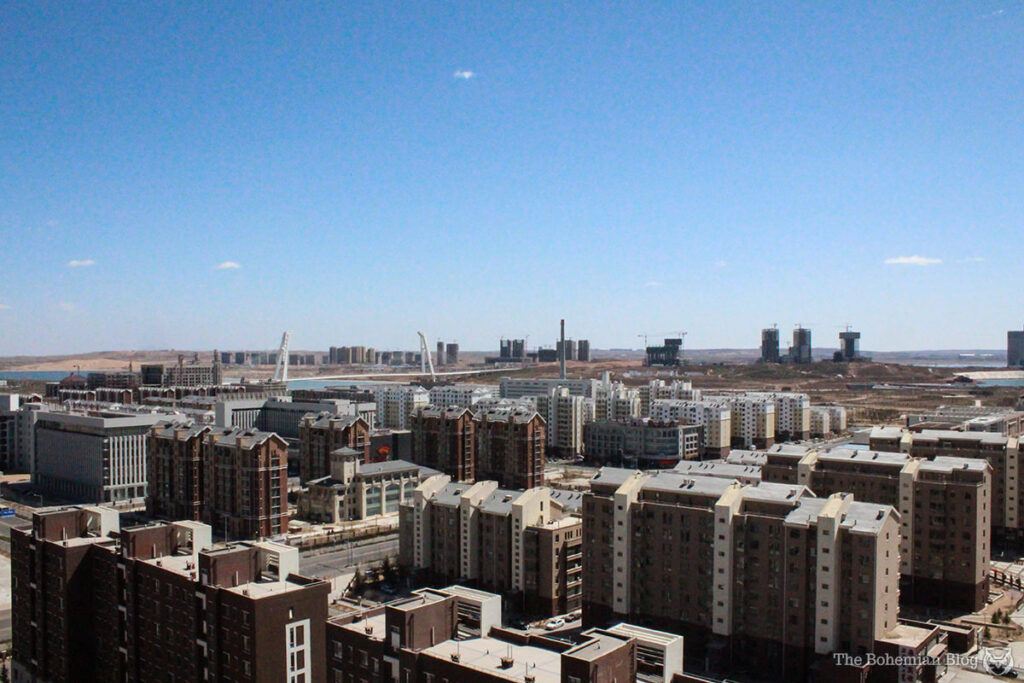
Kangbashi District in Inner Mongolia was built as a modern city designed to hold hundreds of thousands of residents. Wide roads, apartment complexes, museums, and government buildings appeared quickly as planners worked to create a new urban center. The development looked impressive and reflected confidence in the region’s economic growth. Large plazas and modern architecture suggested the city would soon fill with people and businesses.
However when construction finished many apartments remained empty because population growth did not arrive as quickly as expected. Images of the quiet streets spread online and people began referring to Kangbashi as a ghost city. Over time more residents gradually moved in as schools opened and services improved. Some neighborhoods are now lively while others still feel unusually calm. Kangbashi demonstrates how city planning sometimes moves faster than population growth.
8. Craco, Italy
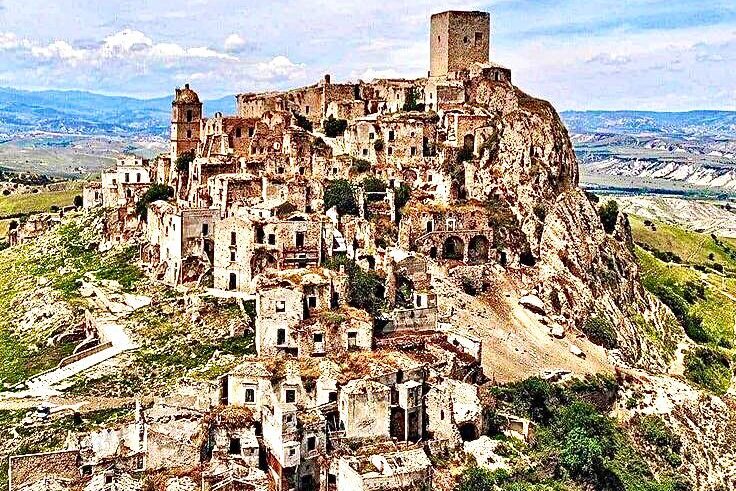
Craco sits on a hill in southern Italy where stone houses and narrow streets once formed a small farming community. Residents cultivated crops, attended local churches, and built close relationships with neighbors. The elevated location offered beautiful views but also made the village vulnerable to landslides and soil instability. Over time these natural risks began threatening the safety of the settlement.
During the twentieth century several landslides and earthquakes made conditions increasingly dangerous. Authorities eventually decided the village was no longer safe for permanent residence. Families were relocated to nearby communities during the 1960s. Today the empty buildings remain standing on the hillside overlooking the countryside. Visitors walking through the quiet streets often imagine the conversations and everyday routines that once shaped life there.
9. Varosha, Cyprus
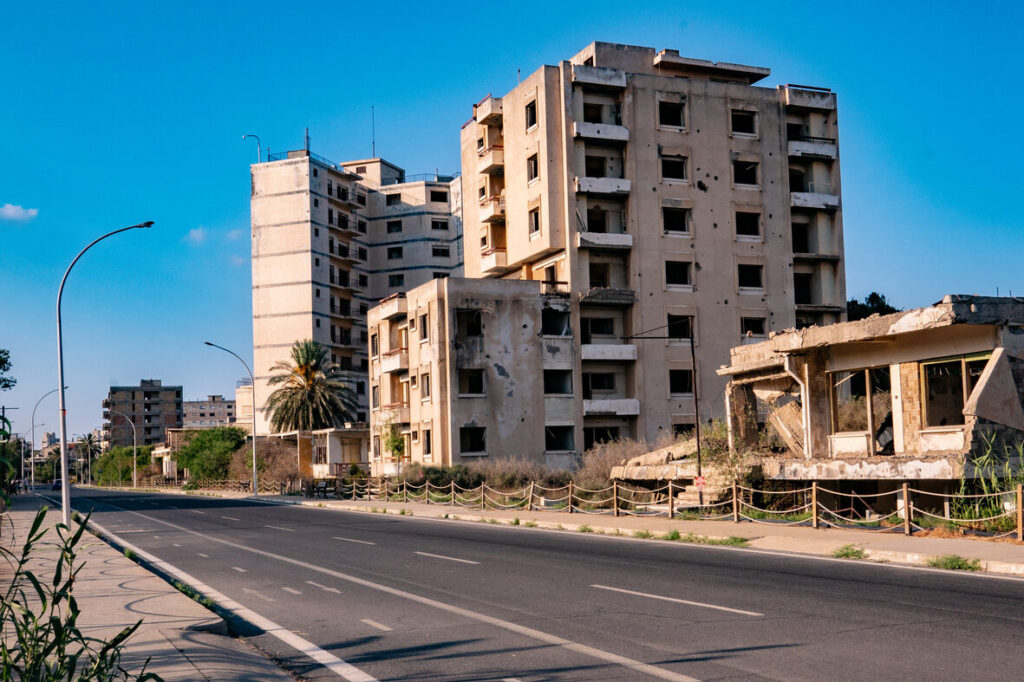
Varosha was once the most famous tourist district of the Cypriot city of Famagusta. During the 1960s and early 1970s visitors from across Europe traveled there for its beaches, hotels, and lively seaside atmosphere. Restaurants, cafes, and shops filled the streets while tourists enjoyed warm weather and ocean views. The district quickly developed a reputation as one of the most fashionable vacation spots in the Mediterranean. Local businesses thrived as tourism brought steady income and energy to the community. Residents worked in hotels, markets, and service jobs that supported the constant flow of visitors arriving for holidays along the coast.
In 1974 conflict between Greek and Turkish forces changed the situation dramatically. Residents fled the district quickly as fighting spread across the island. Many expected to return once the conflict ended, but the area was sealed off and remained empty for decades. Buildings were left standing exactly where they were while nature slowly began reclaiming the streets. Plants appeared along sidewalks and balconies. Today parts of Varosha have reopened to visitors, yet much of the district still feels paused in time, reflecting the moment when a busy resort community suddenly fell silent.
10. Pyramiden, Norway
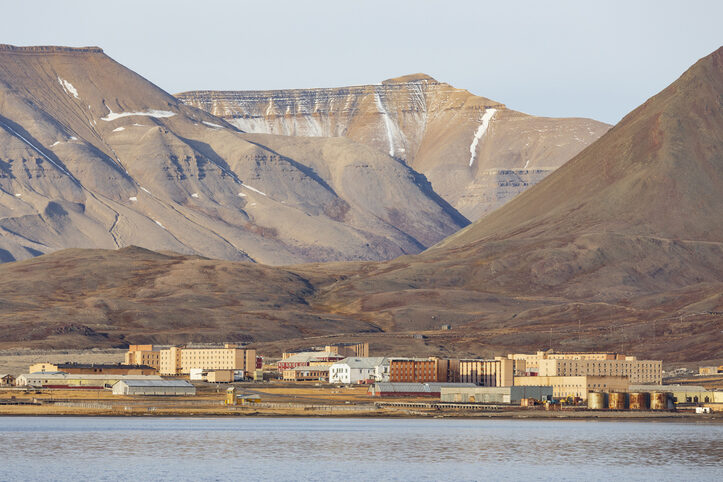
Pyramiden sits deep within the Arctic region on the Norwegian archipelago of Svalbard. The settlement was established during the twentieth century to support Soviet coal mining operations in the area. Despite the cold climate and remote location, the town developed into a surprisingly complete community. Workers lived in apartment buildings and shared facilities that included a school, cultural center, sports hall, and even a swimming pool. Families built routines around work at the mines while enjoying social activities that brought residents together during long winter months.
The settlement functioned smoothly for many years, but political and economic changes affected its future. After the Soviet Union collapsed, maintaining the mine and town became increasingly difficult. Operations eventually stopped and residents left the settlement in 1998. Many buildings were left furnished with everyday objects still inside. The Arctic climate helped preserve much of the town. Visitors who arrive today often notice how complete the settlement still appears. Walking through the quiet streets gives the impression that the community simply stepped away, leaving the buildings behind as reminders of a once active life in a very remote corner of the world.
11. Moynaq, Uzbekistan
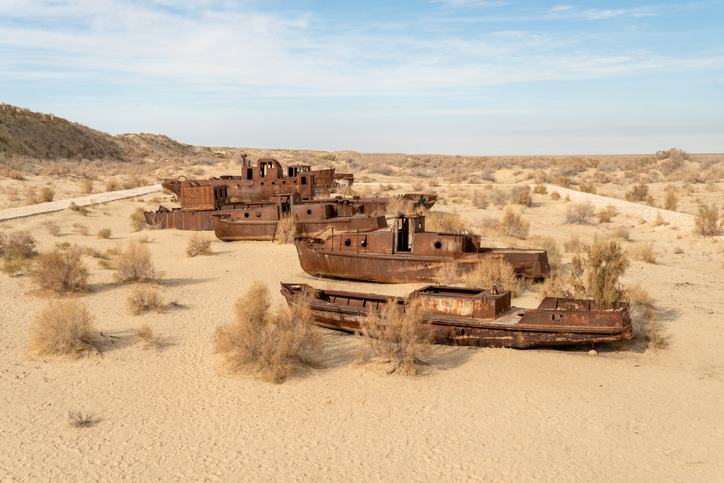
Moynaq was once a lively fishing town located on the shores of the Aral Sea. For decades the sea supported the local economy and shaped daily life for residents who depended on fishing for work. Boats filled the harbor while processing plants prepared fish for sale across the region. Families built their livelihoods around the water, and the town grew into an important center for the fishing industry. The shoreline was once close enough that fishermen could launch their boats directly from the harbor and return with their daily catch.
Large irrigation projects later diverted the rivers that fed the Aral Sea in order to support agricultural development. Over time the sea began shrinking dramatically as less water reached it. The shoreline slowly moved farther away from Moynaq until the harbor eventually dried out completely. Fishing operations stopped and many residents moved elsewhere to find employment. Today the town sits miles from the water that once defined it. Rusted boats rest on dry ground where waves once reached the docks. The landscape around Moynaq now serves as a powerful example of how environmental changes can reshape communities.
12. Fordlandia, Brazil
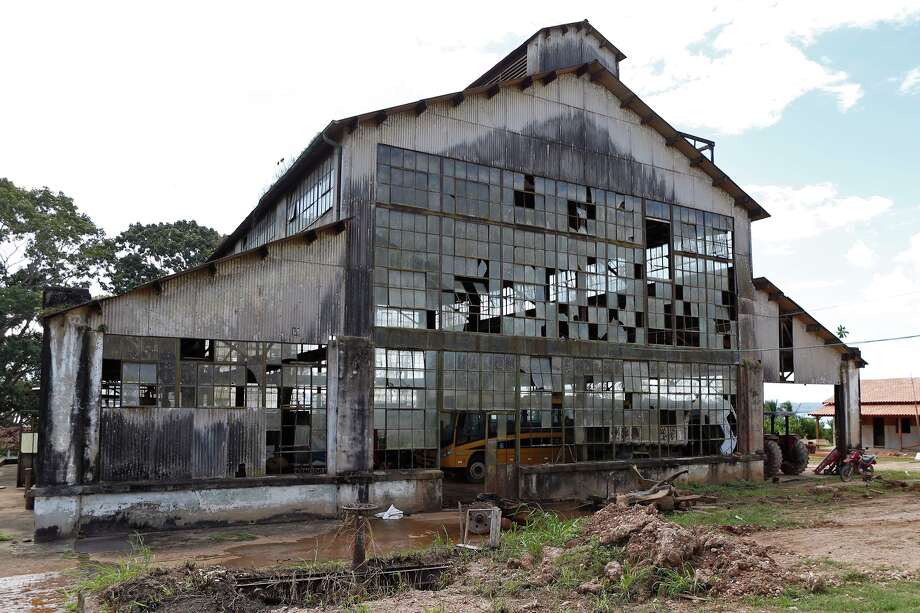
Fordlandia was created in 1928 when industrialist Henry Ford attempted to establish a rubber producing town deep within the Amazon rainforest. The settlement was designed to supply rubber for automobile production in the United States. Planners built houses, schools, medical facilities, and infrastructure meant to resemble a small American town. Workers moved there hoping the project would provide steady employment and improved living conditions. The idea appeared ambitious and reflected confidence that modern planning could transform a remote landscape into a productive industrial center.
However the tropical environment proved difficult to manage. Rubber trees planted too close together became vulnerable to disease and insect damage. Workers also struggled with strict rules and unfamiliar working conditions. These problems gradually weakened the project. Eventually the company abandoned the settlement and many residents left. Today parts of Fordlandia remain standing near the rainforest. Some buildings still show signs of the original plan to build a thriving community there. The quiet settlement now reflects an unusual moment in history when global industrial ambition attempted to reshape the Amazon.
13. Rhyolite, Nevada
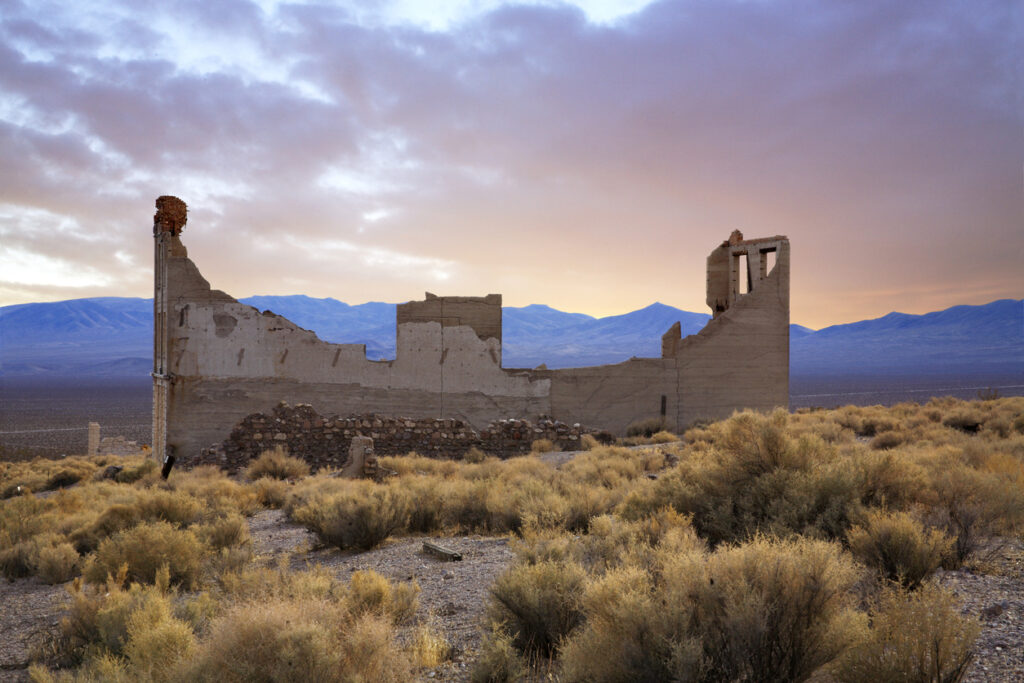
Rhyolite was founded during the gold rush of the early twentieth century and quickly grew into a lively mining town. Prospectors arrived in large numbers hoping to find valuable deposits in the nearby hills. Investors believed the area held great potential, so banks, hotels, and businesses appeared rapidly. Within a short time the town gained electric lights, a train station, and an opera house. The streets filled with workers and merchants who believed the settlement might develop into a lasting city in the desert.
Mining towns often depend entirely on the success of nearby mineral deposits. When the gold mines began producing less profit than expected, the local economy weakened. Financial difficulties also discouraged investors from continuing their support. Businesses closed and workers moved on to other mining areas where new discoveries offered better prospects. Within a few years much of the town emptied. Today visitors exploring the area can still see the remains of stone buildings that once formed the center of the community. Rhyolite now stands as a reminder of how quickly boomtown optimism can fade.
14. Kayakoy, Turkey
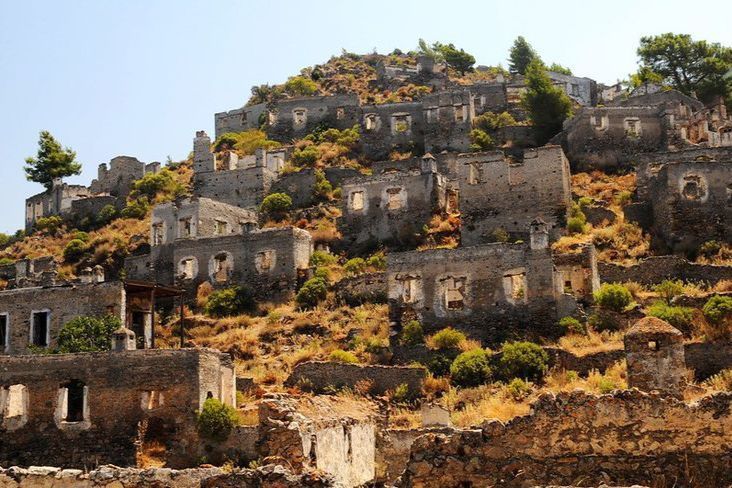
Kayakoy is a hillside village in southwestern Turkey where rows of stone houses once held a thriving Greek Orthodox community. Residents built homes along the slopes and developed a close network of neighbors who shared farming work, religious celebrations, and everyday routines. Narrow pathways connected houses, churches, and gathering spaces where people met regularly. Life moved at a steady pace shaped by agriculture and long standing traditions that had defined the community for generations.
After the Greco Turkish War ended in 1923 a population exchange agreement forced Greek residents of Turkey to relocate to Greece. The policy affected entire villages, including Kayakoy. Families who had lived there for generations suddenly had to leave their homes behind. The houses remained standing but the community disappeared almost overnight. Over time the empty buildings began to weather under sun and rain while plants appeared among the stones. Today the village still stands largely unoccupied. Visitors walking through the quiet rows of houses can see the structure of a community that once thrived there.
15. Wittenoom, Australia
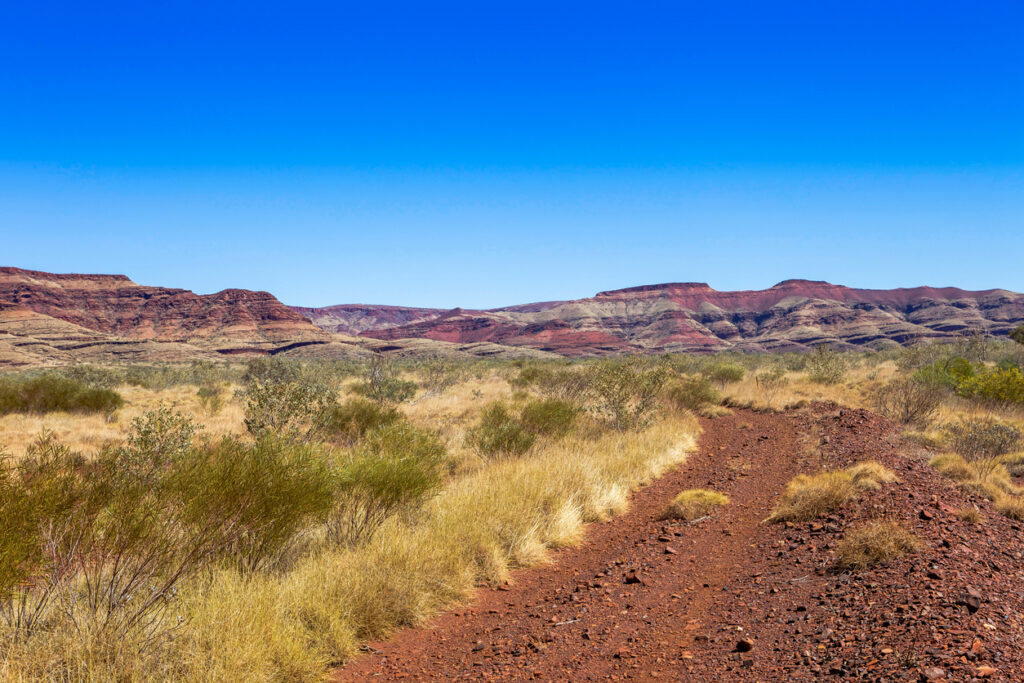
Wittenoom developed around one of the largest blue asbestos mines in Western Australia. During the mid twentieth century the mine attracted workers who moved there with their families. Houses, schools, and small businesses appeared as the town grew into a functioning community built around the mining industry. Many residents believed the jobs offered stable opportunities and a chance to build long term lives in the region. Daily routines revolved around the mine and the services that supported it.
Over time scientific research revealed that asbestos exposure could cause severe health problems. Workers and residents began developing illnesses linked to inhaling asbestos fibers. As awareness of the dangers increased authorities decided to close the mine and discourage people from living there. The government gradually relocated remaining residents and removed the town from official maps. Many buildings were demolished while access to the area became restricted. Today Wittenoom is largely abandoned. Its story reflects how industries that once supported communities can later reveal serious risks that permanently change the future of those places.
16. Plymouth, Montserrat
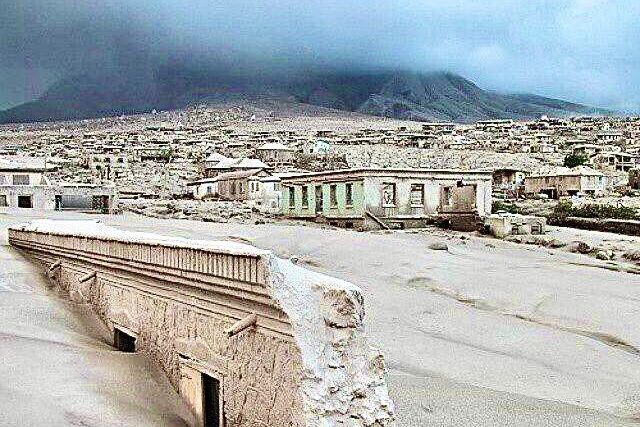
Plymouth once served as the capital of the Caribbean island of Montserrat. Government offices, businesses, and residential neighborhoods filled the coastal city. Residents worked in shops, markets, and administrative offices that supported daily life across the island. The harbor connected the city to trade and travel while schools and churches anchored the community. For many years Plymouth functioned as the center of social and economic life on the island.
In 1995 the Soufriere Hills volcano began erupting after centuries of quiet activity. Ash clouds, mudflows, and volcanic debris gradually covered large sections of the city. Authorities eventually determined that the area was too dangerous for people to remain. Residents evacuated to safer parts of the island and the capital was relocated. Over time layers of ash and hardened material buried streets and buildings. Today Plymouth remains uninhabited. Some rooftops and structures still rise through the ash, marking the location where the island’s capital once stood before the eruption reshaped the landscape.
17. Thurmond, West Virginia
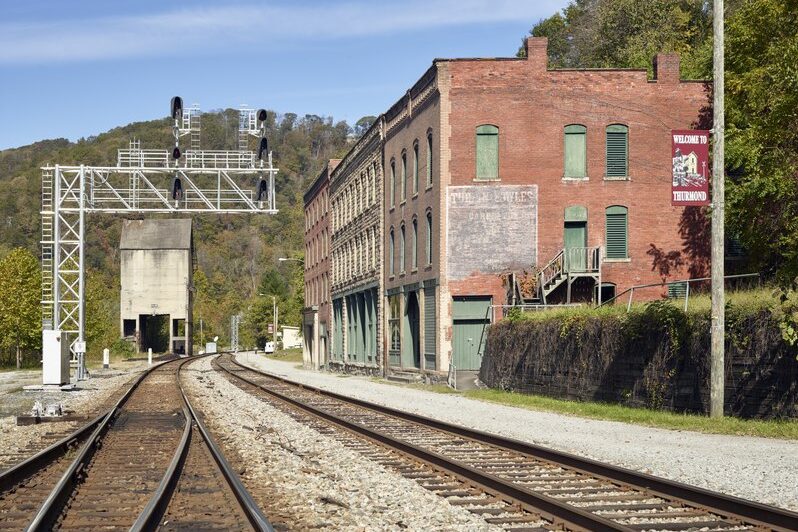
Thurmond is a small town located along the New River in West Virginia. During the early twentieth century it served as an important stop along the railroad network that transported coal through the Appalachian region. Trains passed through regularly carrying workers, passengers, and freight. The town developed hotels, restaurants, and banks that supported travelers and railroad employees. Its location made it a busy gathering point where people connected with trains traveling across the region.
As transportation systems changed and highways replaced many rail routes, the importance of the town gradually declined. Coal shipping patterns also shifted, reducing the number of trains passing through the area. Businesses that once served travelers closed and residents began moving to nearby towns where employment opportunities were stronger. Today only a small number of people still live in Thurmond. The historic buildings remain beside the river, including the old train depot that once welcomed thousands of passengers. The quiet streets now reflect how communities sometimes rise with industry and slowly settle into stillness when that industry moves on.


