
1. Ron Howard and the Boy Who Grew Into Hollywood Royalty
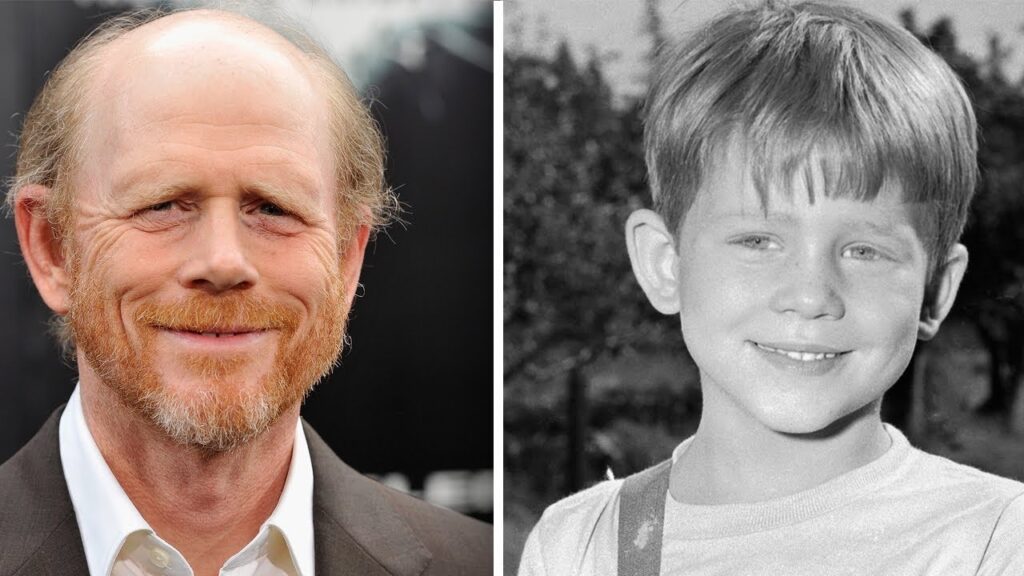
Anyone who watched Happy Days remembers the earnest charm of Richie Cunningham, played by Ron Howard. By the time the show aired in the 1970s, Howard was already known from The Andy Griffith Show, where he played Opie Taylor as a child. For many viewers, it felt like watching a kid grow up right there on television. Richie was thoughtful, polite, and occasionally awkward, which made him feel real.
Howard didn’t drift away from Hollywood after those early years. Instead, he slowly stepped behind the camera. Over time he became one of the most respected directors in the industry. Films like Apollo 13 and A Beautiful Mind showed just how far he had come from sitcom sets. He once told an interviewer that directing felt like “a natural evolution of the curiosity I had as a kid on set.” Today, he’s widely seen as a rare example of a child star who transitioned smoothly into a long and steady creative career.
2. Melissa Gilbert and the Prairie Girl Who Stayed in the Public Eye
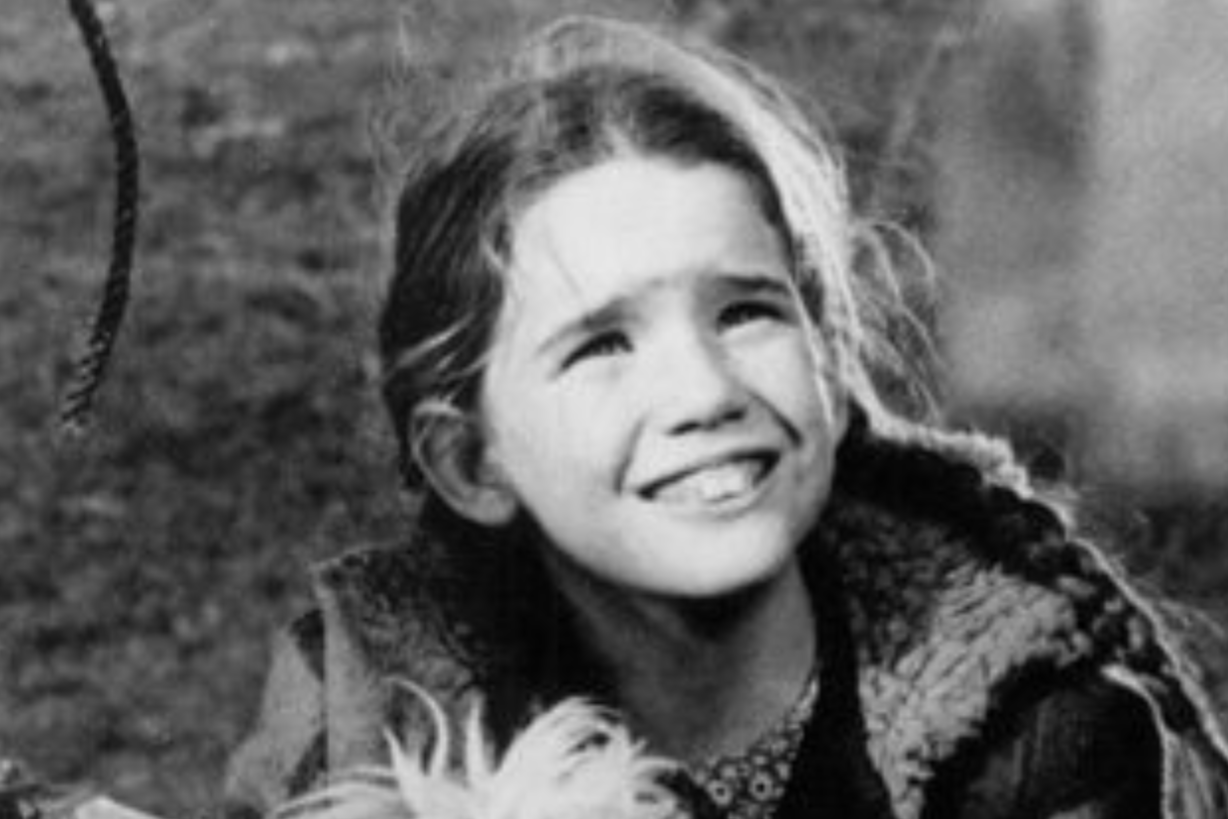
For many families, Sundays meant settling in to watch Little House on the Prairie. At the heart of it was Laura Ingalls, played by Melissa Gilbert. She brought a spark to the role, balancing stubborn determination with warmth. Audiences watched her grow from a spirited girl into a young woman during the show’s long run in the 1970s.
After the series ended, Gilbert stayed connected to acting and later became deeply involved in the professional community behind it. She served as president of the Screen Actors Guild, helping represent performers across the industry. Over the years she also wrote about the ups and downs of growing up famous, once noting in an interview that “childhood in Hollywood can be magical, but it’s also complicated.” Today she remains a familiar voice from television history, someone who grew up in front of America and learned to shape a life beyond it.
3. Todd Bridges and the Long Road After Fame
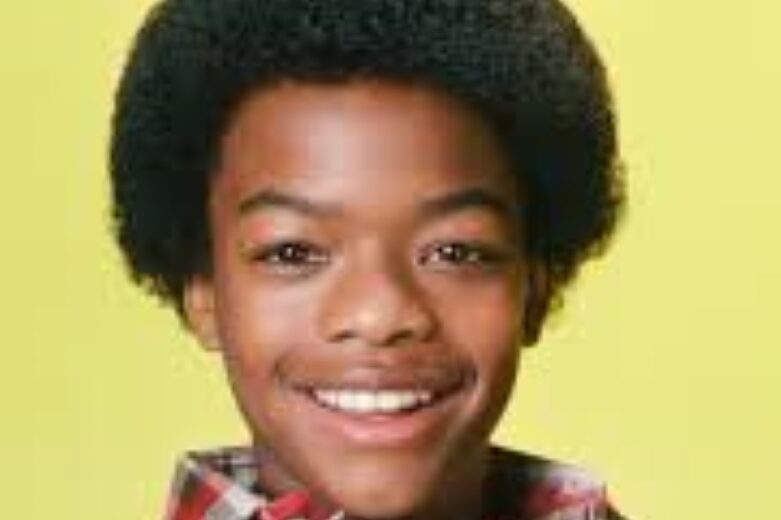
The late 1970s sitcom Diff’rent Strokes introduced audiences to Willis Jackson, played by Todd Bridges. As the older brother to Gary Coleman’s Arnold, Bridges helped ground the show’s humor with a slightly more mature presence. Their on-screen chemistry made the series a huge success.
Life after the show was not always easy. Bridges has spoken openly about the pressures that came with early fame. In later interviews he reflected honestly on those struggles, saying he wanted others to understand “how hard it can be for kids who grow up in the spotlight.” Over time he rebuilt his career through guest roles, reality television appearances, and public speaking. Today he often shares his story as a cautionary but hopeful reminder that life after child stardom can still move forward.
4. Kristy McNichol and the Quiet Choice to Step Away

When Family aired in the late 1970s, audiences quickly connected with Buddy Lawrence, played by Kristy McNichol. She brought an emotional depth that felt older than her years, which earned her two Emmy Awards while still very young. Viewers saw a thoughtful teenager navigating real issues, something that stood out on television at the time.
McNichol continued acting into the 1980s before eventually choosing a quieter path. She stepped away from Hollywood to focus on personal well-being and later devoted time to teaching acting. In one interview she explained that leaving the spotlight was simply about balance, saying she wanted “a life that felt normal and peaceful.” For many fans who grew up watching her, that decision felt understandable. Sometimes the healthiest ending to a childhood career is simply a new beginning somewhere else.
5. Adam Rich and the Little Brother Everyone Loved
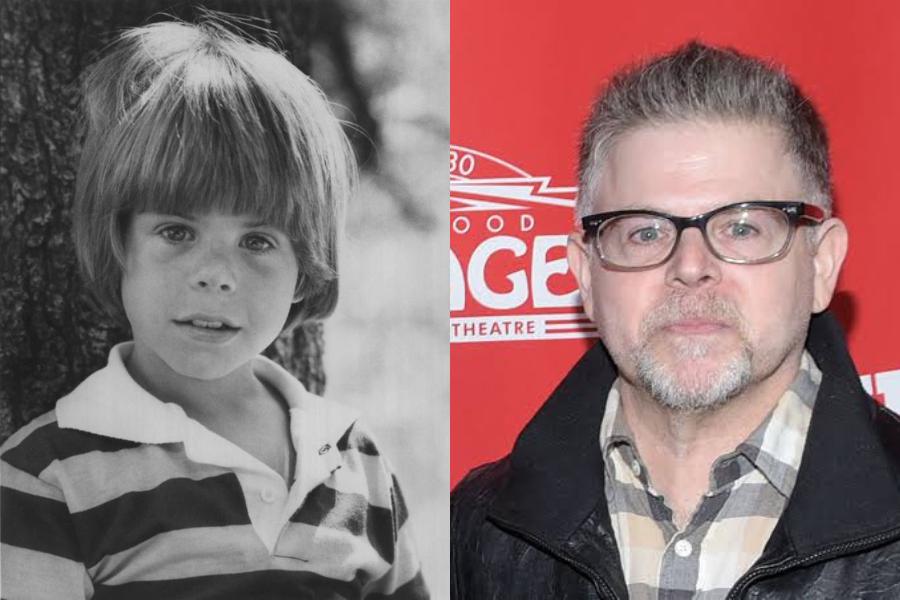
On Eight Is Enough, Adam Rich played Nicholas Bradford, the youngest child of the bustling Bradford family. With his bowl haircut, mischievous smile, and curious eyes, he captured the hearts of viewers across America. Nicholas was the kind of character who could make you laugh or tug at your heartstrings with just a glance, and Rich’s natural charm made him feel like one of your own neighbors’ kids. Families tuned in every week to see what little Nicholas would do next, and he became an emblem of late-70s family television.
After the show, Rich tried to navigate the tricky shift from child stardom to adulthood. He appeared in several television projects but struggled with the same challenges many child actors face, including the intense expectations and public attention. Rich was candid about his experiences, noting that growing up famous made ordinary teenage experiences feel complicated. Still, he continued to connect with fans through appearances and interviews, often reflecting on the strange mix of nostalgia and reality that comes with being remembered as someone else’s “kid.” His story reminds us that fame at a young age is a bittersweet gift that leaves a lasting impression on both the star and the audience.
6. Mackenzie Phillips and the Teen Rebel Who Grew Up Publicly
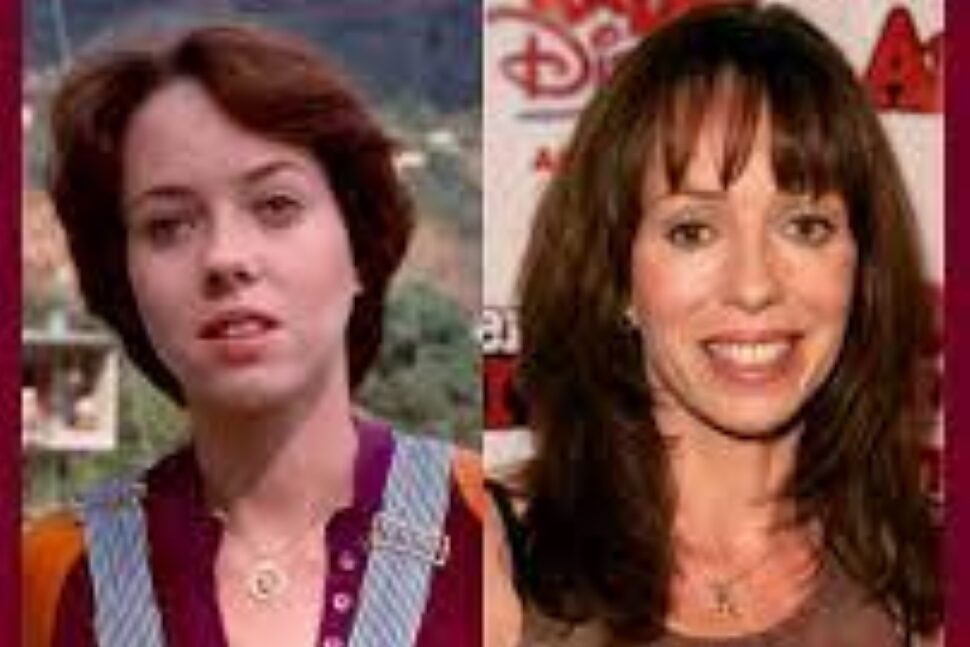
One Day at a Time introduced Mackenzie Phillips as Julie Cooper, a rebellious yet thoughtful teenager navigating family dynamics and social challenges. In a time when sitcoms often shied away from real teen problems, Phillips’ character spoke to viewers who recognized their own struggles in her humor, stubbornness, and vulnerability. Audiences connected deeply with Julie’s honesty, and Mackenzie quickly became a standout young talent of the late 1970s.
Life after the show was both complex and revealing for Phillips. She faced personal challenges that were widely reported, and she later opened up about them in interviews and her memoirs. She eventually returned to acting and advocacy work, focusing on recovery and sharing her experiences to help others. Phillips once explained that “your past doesn’t have to define the rest of your life,” a sentiment that resonates for anyone who remembers her as the spirited teen of the small screen. Her journey from child star to adult advocate shows that resilience and honesty can redefine a life beyond fame, reminding audiences that growth often comes from unexpected directions.
7. Willie Aames and the Reinvention Beyond TV
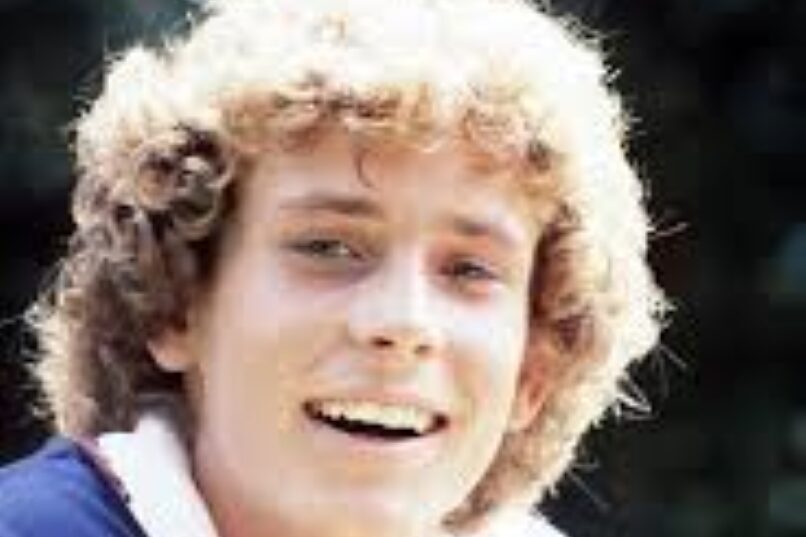
Willie Aames charmed viewers as Tommy Bradford on Eight Is Enough, where his fun-loving and mischievous character added youthful energy to the ensemble cast. Tommy’s playful antics and relatable teenage moments made him a favorite for families tuning in, creating a strong connection between young viewers and the show’s storylines. Aames’ natural charm and humor helped define the series, which became a hallmark of late-70s television.
After leaving acting for a time, Aames discovered a new path in life through ministry and faith-based work. He has spoken in interviews about how stepping away from Hollywood allowed him to explore personal growth and purpose in ways acting couldn’t. He noted that “life sometimes has a way of guiding you where you need to go, even if it isn’t where you thought you’d be.” Today, Aames represents a story of reinvention, one that highlights how child stars can find fulfillment in places far removed from the entertainment world. His journey is a reminder that success isn’t always measured by fame, but by personal growth and impact.
8. Gary Coleman and the Small Star With a Big Presence
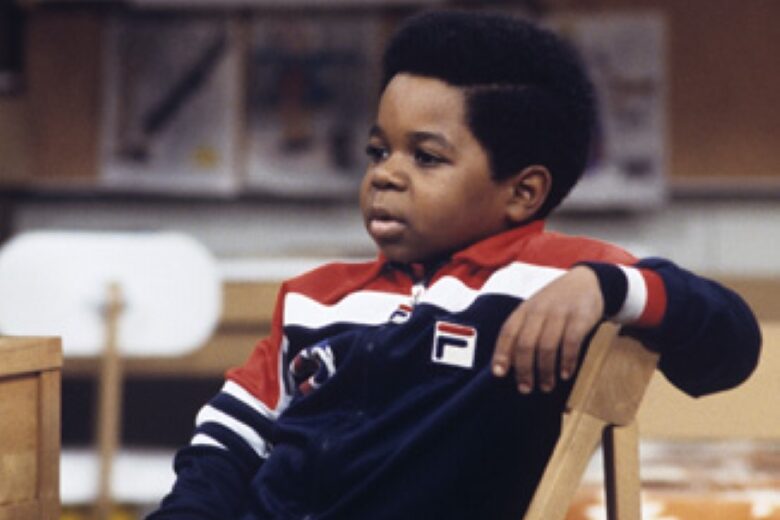
Gary Coleman will always be remembered as Arnold Jackson on Diff’rent Strokes, the small but mighty character whose catchphrase “What’chu talkin’ ’bout, Willis?” became part of pop culture. Even as a child, Coleman brought a natural comedic timing and charm that endeared him to viewers. He was instantly recognizable, and his on-screen innocence combined with wit made him a beloved figure of late-70s television families.
Behind the fame, Coleman faced challenges, including serious health issues and financial struggles, which he discussed openly later in life. Despite these hardships, he continued to appear in television and public events, keeping his place in entertainment history alive. His experience reflects the complexities of childhood stardom, where adoration from millions meets real-world obstacles. Fans still recall the joy he brought to screens, proving that his influence remains strong. Coleman’s story reminds us that even the smallest star can leave an outsized mark on culture, and his legacy continues to resonate decades after his early success.
9. Dana Plato and the Struggle Beyond Kimberly Drummond
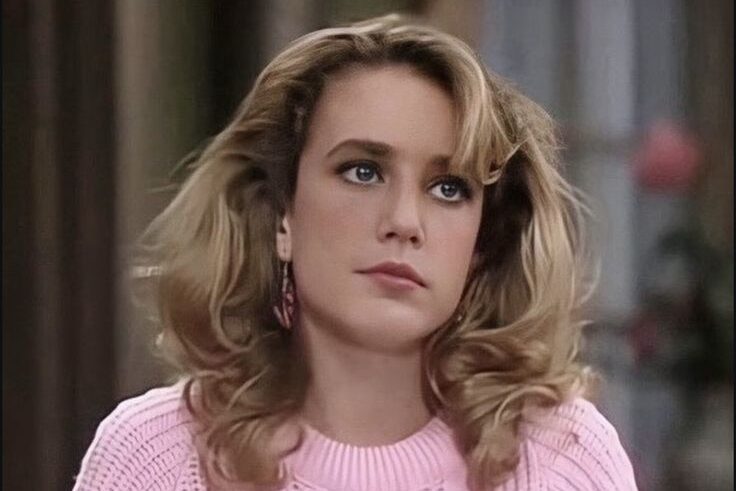
Dana Plato captured audiences as Kimberly Drummond on Diff’rent Strokes, the thoughtful and relatable daughter navigating a unique blended family. Her charm and vulnerability made Kimberly a favorite, and many viewers grew up with her, feeling her joys and challenges as if they were their own. Plato’s performance helped the show tackle family issues in a way that felt grounded and authentic for its time.
Transitioning to adulthood, Plato faced difficulties navigating life beyond child stardom. She spoke openly about the challenges of being remembered as a character while trying to grow as a person. In interviews, she reflected that “people still see you as the character you played when you were a kid,” highlighting a common struggle for former child actors. Plato’s story is a poignant reminder of the complexities behind the scenes, where fame can be both a gift and a burden. Her journey encourages audiences to consider the human being beyond the role and appreciate the resilience it takes to face life beyond early fame.
10. Danny Bonaduce and the Red-Haired Mischief-Maker
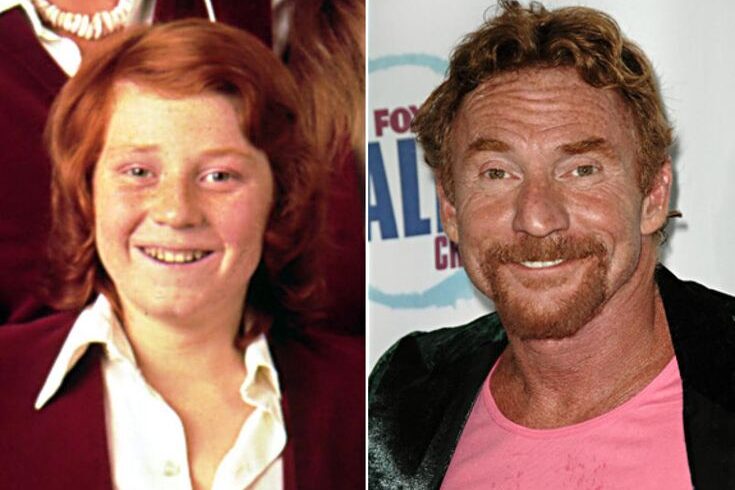
Danny Bonaduce was the clever, witty middle child on The Partridge Family, always ready with a sharp remark and a playful grin. His energy added life to the show’s musical comedy dynamic, and viewers quickly fell for his antics. The combination of humor and relatability made him one of the most memorable young actors of the 1970s, a face many people could instantly recognize.
After the show, Bonaduce explored radio broadcasting and television hosting, reinventing his career several times. His willingness to embrace change reflected both resilience and humor, showing that life after child stardom could be navigated creatively. Bonaduce has often spoken candidly about his upbringing in the spotlight, acknowledging the unusual challenges it brought. His story highlights that growing up famous involves both opportunity and responsibility, and his ability to adapt over time illustrates how child actors can carve out new chapters while remaining connected to the audience that first adored them.
11. Mike Lookinland and the Quiet Brady Brother
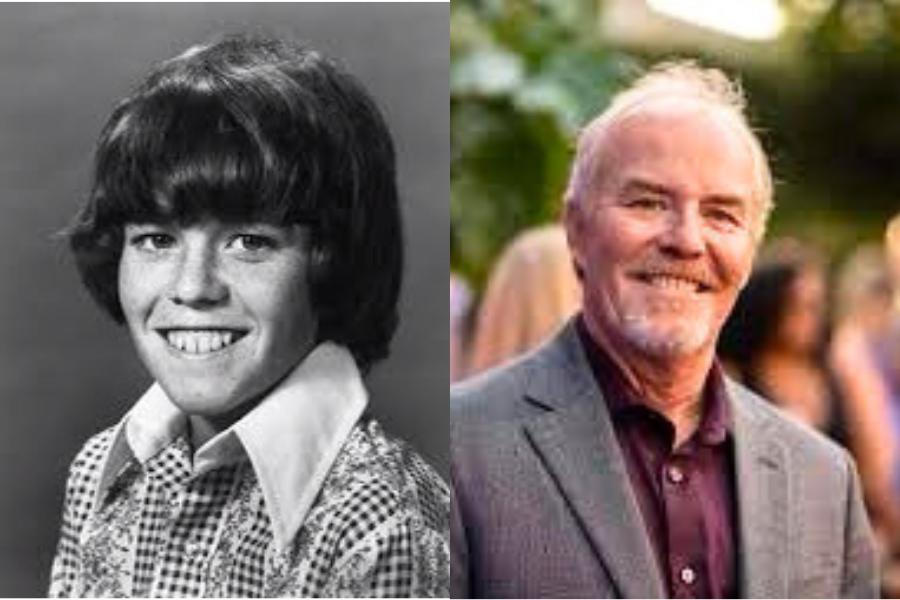
Mike Lookinland played Bobby Brady on The Brady Bunch, a playful and curious youngest sibling whose mischievous charm made him a staple of the beloved family series. Bobby’s innocence and humor made him relatable to children watching, and his growing presence on the show mirrored the evolving dynamic of the Brady household. Lookinland’s role cemented him as a recognizable figure in late-70s television culture.
After the show ended, Lookinland transitioned behind the camera, working as a camera operator and crew member on film projects. Stepping off-screen allowed him to continue contributing to the entertainment industry while enjoying a more private life. In interviews, he shared that this career shift gave him stability and perspective, helping him navigate life after childhood fame. For viewers, knowing that Bobby Brady grew into a capable and grounded adult behind the scenes is comforting, showing that sometimes the best stories of child stars are the ones we don’t see on camera.
12. Susan Olsen and the Youngest Brady Sister

Susan Olsen charmed viewers as Cindy Brady on The Brady Bunch, the youngest member of the famously large family. With her pigtails, angelic voice, and perfectly timed expressions, Cindy brought sweetness and humor to the show. Audiences loved watching her innocent mischief and heartfelt moments, and for many, she embodied the magic of growing up in a large, loving family on screen.
As she grew older, Olsen explored creative endeavors beyond acting, including radio hosting and graphic design. She occasionally returned for Brady reunions, connecting with fans who had grown up alongside her. Olsen has shared in interviews that being part of the Brady family “gave me a unique connection with audiences,” highlighting how early stardom can form lifelong bonds. While she stepped back from mainstream acting, Cindy Brady remains iconic, and Olsen’s life reminds us that child stars can find fulfillment and purpose in ways that extend beyond the camera, maintaining a quiet presence in the memories of fans.
13. Lance Kerwin and the Teen Drama That Felt Real
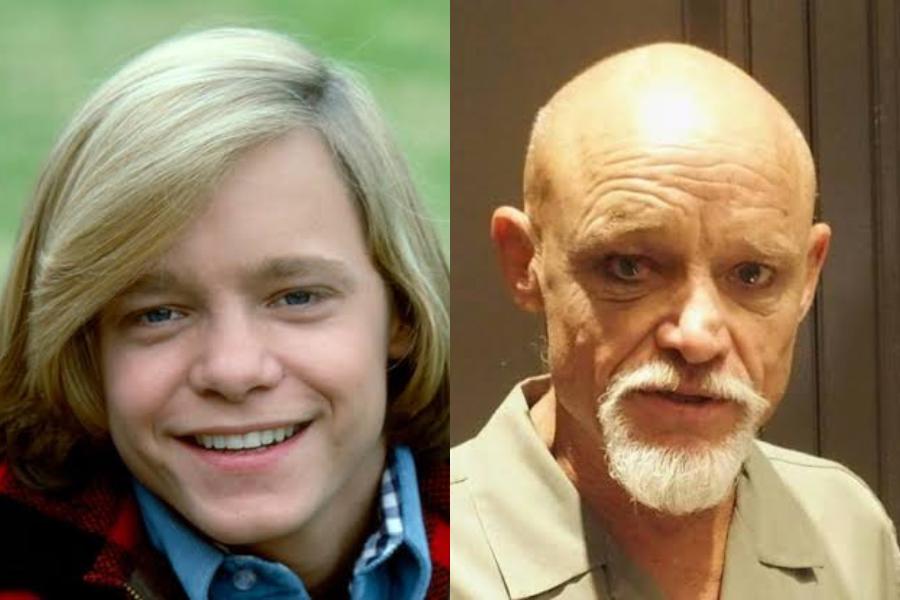
Lance Kerwin became a household name with James at 15, later James at 16, where he portrayed a teenager navigating school, friendships, and family tensions. His performance resonated because it felt authentic; viewers recognized their own awkward, confusing teenage years in his character’s struggles and triumphs. Kerwin’s subtle emotional depth made him stand out among 1970s teen actors, earning him a loyal fanbase who watched him grow from adolescence into young adulthood.
After the show ended, Kerwin stepped away from Hollywood to pursue a quieter life. He later worked in ministry and community-focused projects, seeking meaning outside of acting. He reflected in interviews that early fame can be “a double-edged sword,” offering incredible experiences but also unique pressures. For fans who remember James’ honest portrayal of teenage life, Kerwin’s journey illustrates that growing up on TV can lead to real-world wisdom and personal fulfillment, even when the cameras stop rolling.
14. Erin Murphy and the Child Witch Everyone Remembered
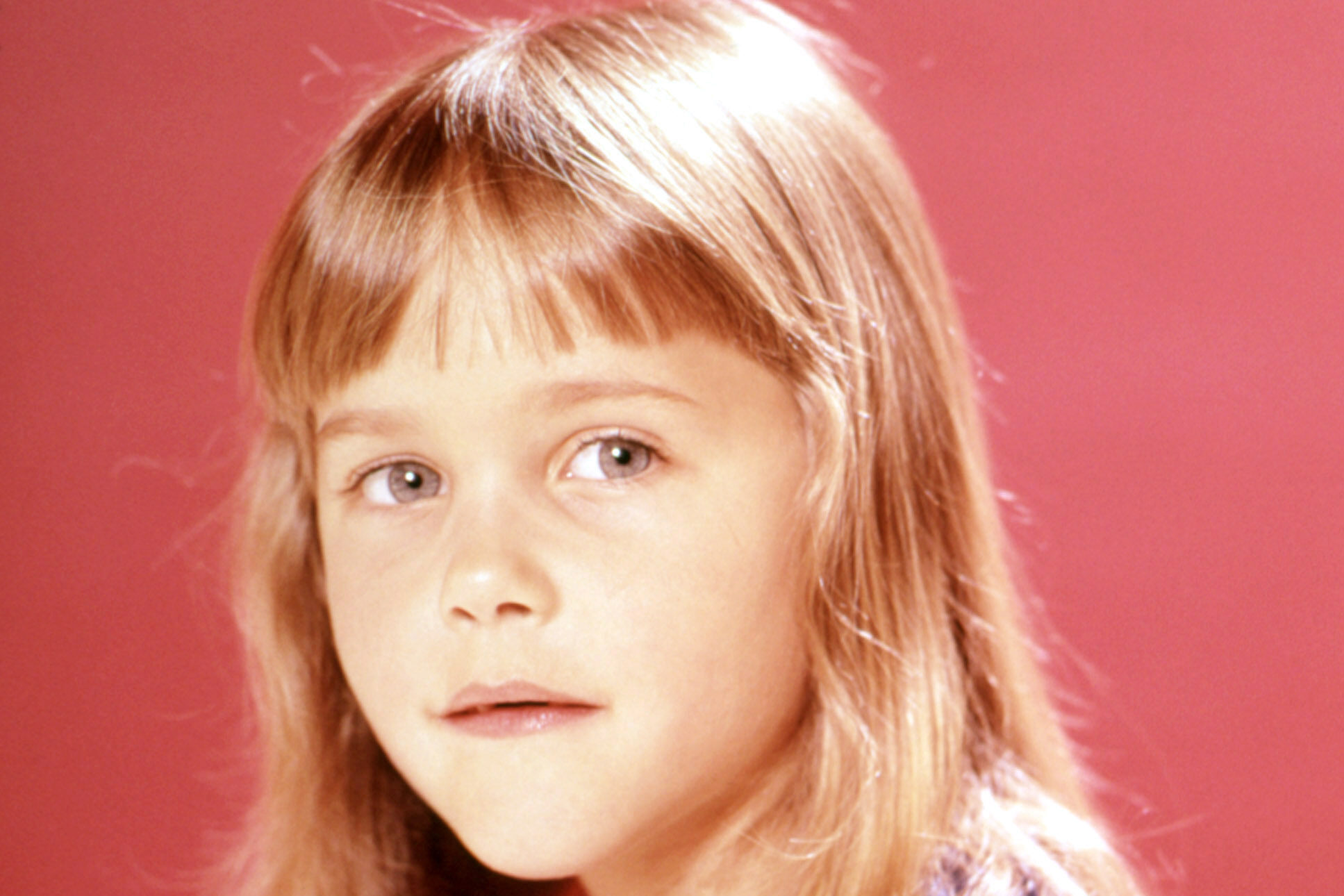
Erin Murphy played Tabitha Stephens on Bewitched, a magical child whose charm captured audiences’ hearts. Even as reruns carried the show into the 1970s, Tabitha’s innocent mischief and playful magic made her unforgettable. Murphy’s presence added depth to the iconic series, helping connect the fantastical elements with the warmth of a growing family.
As she matured, Murphy stepped away from acting for a while but explored other creative endeavors, including business ventures and television hosting. She has often spoken fondly about her time on the series, sharing that the cast “treated me like a real family,” which made childhood fame a supportive experience rather than just a spotlight. For many viewers, Tabitha remains a symbol of a gentle, magical childhood, and Murphy’s life beyond the show demonstrates that early fame can be cherished without defining the entirety of one’s path.
15. Scott Baio and the Teen Heartthrob of Happy Days
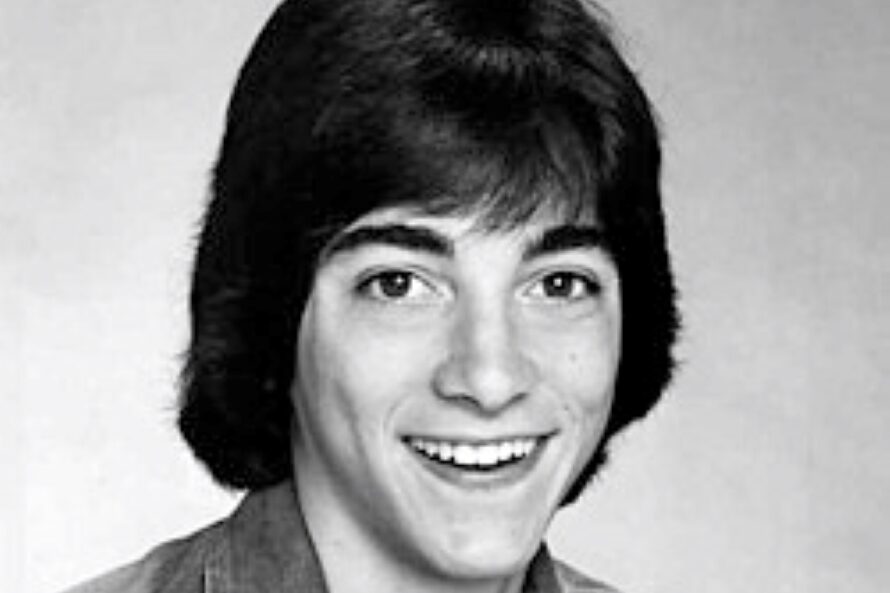
Scott Baio became a recognizable teen heartthrob in the late 1970s as Chachi Arcola on Happy Days. Younger audiences connected with his youthful energy, while his on-screen charm drew attention from older viewers. Chachi’s mischievous yet earnest character added fun and romance to the later seasons of the show, helping refresh the beloved sitcom and leaving a lasting impression on fans who grew up watching him.
After Happy Days, Baio starred in other series like Charles in Charge, maintaining a career in television throughout the 1980s. He later embraced reality TV and public appearances, staying connected with audiences who had known him as a child and teen. Baio has reflected on his career as a mix of fun and challenge, noting that fans “remember the character more than the actor,” but he takes joy in that connection. His journey shows that early fame can be a stepping stone, leading to a long-lasting bond with viewers while exploring new opportunities over time.
16. Robbie Rist and the Boy Who Became Cousin Oliver
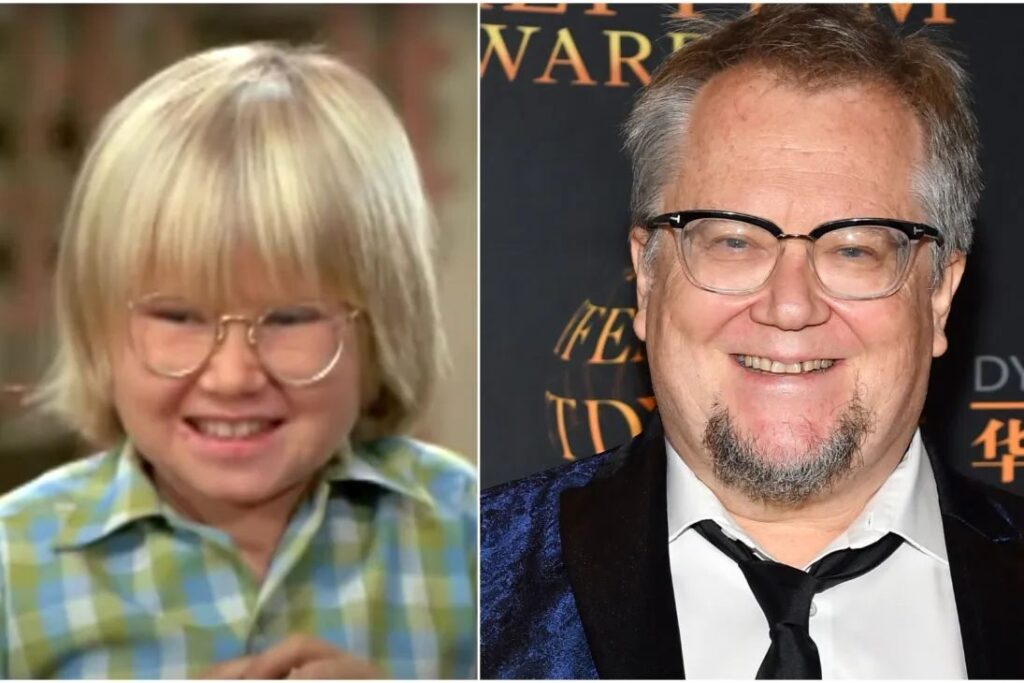
Robbie Rist joined The Brady Bunch in its final season as Cousin Oliver, a younger cousin added to bring new energy to the household. Although he appeared later in the series, Rist’s character became instantly memorable, adding mischief, sweetness, and that classic “new kid in the family” charm. Viewers quickly recognized his small but lively presence, making him part of one of television’s most beloved families.
Rist later carved out a career in voice acting, most famously as Michelangelo in the animated Teenage Mutant Ninja Turtles series, and he also explored music and production. He often speaks with humor about being remembered primarily as Cousin Oliver, embracing the role with affection. Rist’s journey highlights how child actors can transition into new fields while keeping a connection to the characters that made them famous, demonstrating resilience and adaptability while maintaining a place in fans’ nostalgic memories.
17. Kim Richards and the Child Actress Who Kept Working
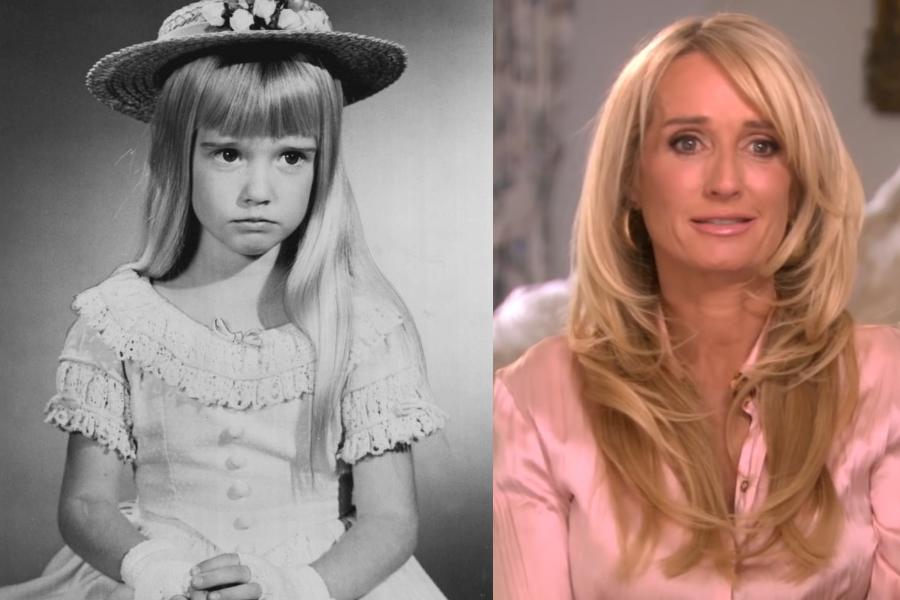
Kim Richards appeared in several television shows and films in the 1970s, including Nanny and the Professor, quickly becoming a familiar face to audiences across the country. Her sweet, approachable presence on screen made her a favorite, and she carried the natural charm that made viewers feel like she was one of their own. Richards was part of the generation of child actors who embodied the warmth and humor of 1970s family television.
Richards continued acting into adulthood and later appeared on reality television, introducing her to new audiences while reconnecting with long-time fans. Reflecting on her early career, she shared that growing up in Hollywood offered unique lessons about life, responsibility, and navigating public attention. Richards’ story, along with the journeys of other child stars of the era, reminds us that early fame can shape, but not define, a life. She remains a part of the nostalgic tapestry of 1970s TV, leaving viewers with memories of a time when family-centered shows brought laughter, lessons, and familiarity into living rooms nationwide.


