
1. Passwords Will Start Disappearing for Good
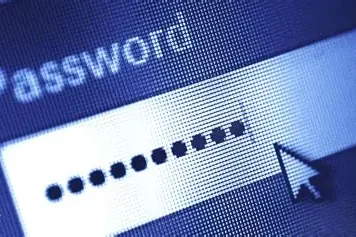
The future rarely arrives all at once. Instead, it slips into daily routines through small but meaningful changes. By 2026, traditional passwords are expected to fade further into the background as passkeys and biometric sign-ins become standard across major platforms. Companies like Google, Apple, and Microsoft have already rolled out passwordless systems, and adoption is projected to accelerate as cybercrime grows. Instead of memorizing strings of characters, users will increasingly log in using fingerprints, facial recognition, or device-based credentials tied to encrypted hardware. For everyday users, the biggest impact will be fewer reset emails, faster logins, and less frustration, especially on mobile devices where typing complex passwords has always been inconvenient.
2. Electric Cars Will Be Cheaper Than Gas Cars in More Markets
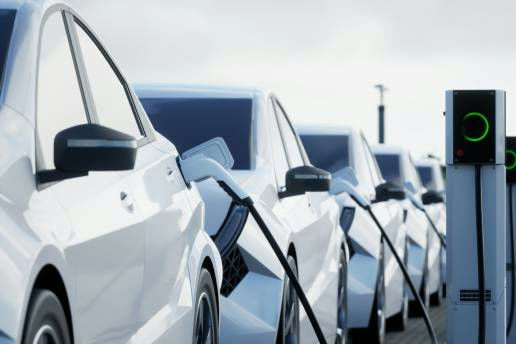
Industry forecasts suggest that by 2026, many electric vehicles will reach upfront price parity with gasoline cars in several regions. Falling battery costs, expanded manufacturing, and government incentives are all driving this shift. While EVs already offer lower long-term costs due to cheaper charging and reduced maintenance, the purchase price has remained a major barrier. That gap is expected to shrink dramatically. As a result, buyers who once ruled out electric vehicles may reconsider, especially as charging infrastructure improves. For everyday drivers, this could mean quieter streets, fewer fuel stops, and more households choosing electric cars simply because they make financial sense, not just environmental ones.
3. AI Assistants Will Handle More Real Tasks, Not Just Questions

By 2026, artificial intelligence assistants are expected to move beyond answering questions into actively managing tasks. New systems are being designed to book appointments, draft and send emails, organize schedules, compare prices, and even negotiate basic services on a user’s behalf. Unlike earlier assistants that required specific commands, newer models work across apps and learn personal preferences over time. This could change how people manage daily responsibilities, particularly for busy professionals and families. The impact may feel subtle at first, but over time, offloading small administrative tasks could significantly reduce mental load and free up hours each week that were once spent managing digital clutter.
4. Digital Driver’s Licenses Will Be Accepted in More Places
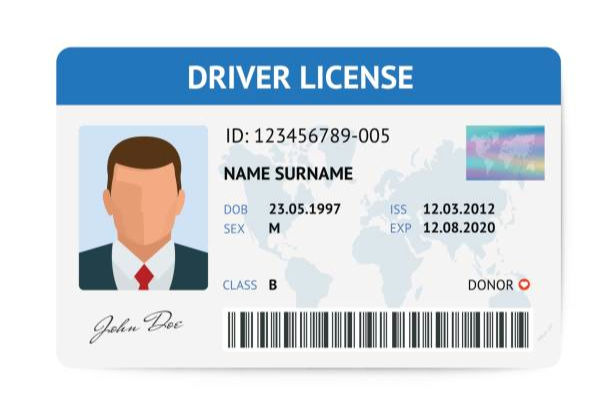
Several governments are expanding digital identification programs, and by 2026, digital driver’s licenses are expected to be accepted in more airports, traffic stops, and age-verification settings. Stored securely in smartphone wallets, these IDs use encryption and biometric verification to prevent misuse. While physical cards won’t disappear entirely, many people may stop carrying them daily. This shift could make identity checks faster and reduce fraud linked to lost or stolen IDs. For everyday life, it means fewer bulky wallets, quicker verification, and a growing reliance on smartphones as primary identity tools, especially for travel and routine errands.
5. Workweeks Will Quietly Become More Flexible

By 2026, flexible work arrangements are expected to feel less experimental and more permanent. Many companies are moving toward hybrid schedules, compressed workweeks, or results-based performance models instead of fixed hours. While not universal, these changes are becoming standard in technology, media, and professional services. Employees may notice fewer rigid schedules and more autonomy over when and where work happens. This shift affects daily life beyond the office, influencing commuting patterns, childcare routines, and even local businesses. Over time, flexibility may reshape how people plan their days, blending work and personal life in more practical, less stressful ways.
6. Smart Home Devices Will Start Working Together Better
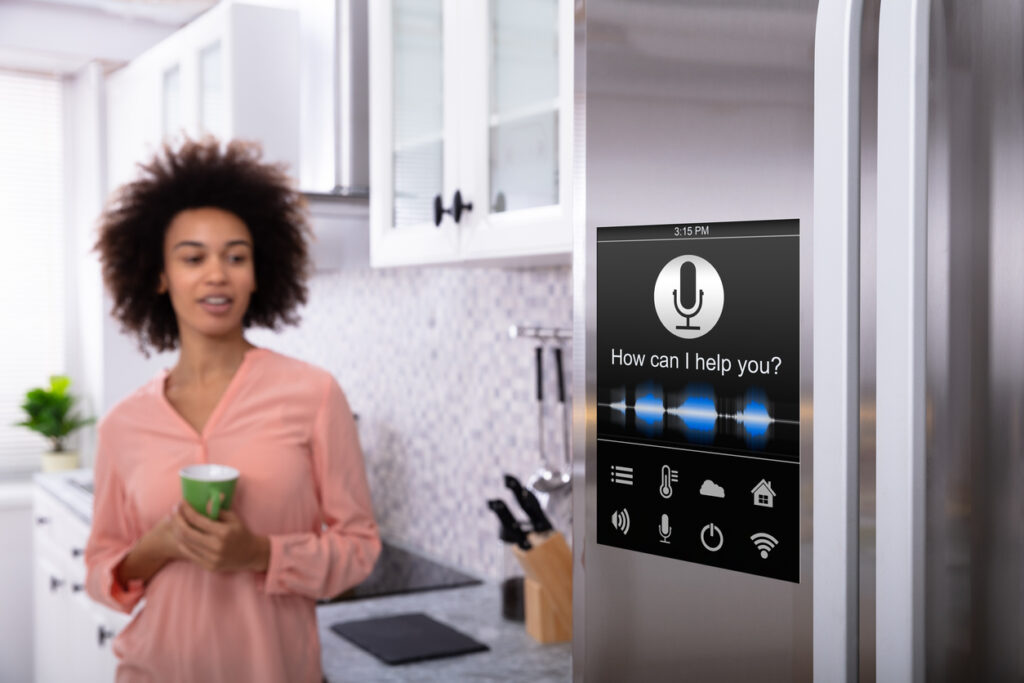
Interoperability has long been a frustration for smart-home users, but by 2026, standards like Matter are expected to make devices from different brands work together more smoothly. Lights, thermostats, locks, and appliances will increasingly communicate through shared protocols instead of isolated apps. This means fewer compatibility issues and simpler setup for households adopting smart technology. For everyday users, the benefit is less technical hassle and more reliable automation. Instead of managing multiple apps, people may control entire homes from a single interface, making smart living feel practical rather than complicated.
7. Online Privacy Rules Will Tighten in Subtle Ways

By 2026, stricter privacy regulations in various regions are expected to reshape how websites collect and use personal data. While dramatic announcements may be rare, users will notice quieter changes such as fewer targeted ads, more consent options, and clearer data controls. Companies are adapting to evolving laws by limiting tracking and increasing transparency. For everyday browsing, this could mean less personalization but more control over personal information. The trade-off may feel subtle, but over time, people could gain a stronger sense of ownership over their digital footprints, especially on social media and e-commerce platforms.
8. Cash Will Be Accepted in Fewer Everyday Situations
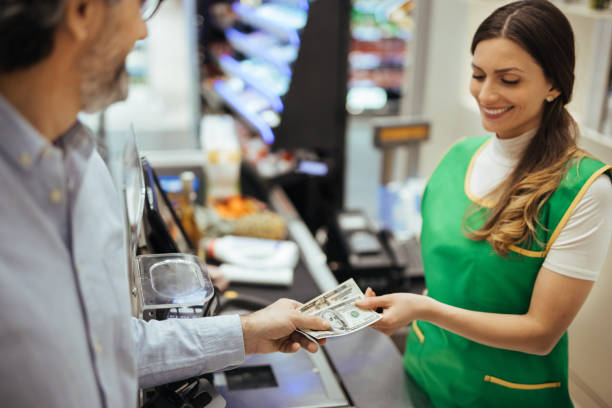
While cash won’t disappear, its role is expected to shrink further by 2026 as contactless and mobile payments dominate. Many businesses are already cash-optional, and that trend continues as digital transactions become faster and easier to track. Younger consumers, in particular, are driving this shift by favoring phones and cards over physical money. For everyday life, this may mean fewer ATMs, faster checkout lines, and increased reliance on digital wallets. At the same time, the change raises conversations about accessibility and inclusion, especially for those who still depend on cash for budgeting or privacy.
9. Subscription Fatigue Will Push Companies to Change Pricing

By 2026, growing subscription fatigue is expected to influence how companies price and bundle services. Consumers are increasingly selective about recurring payments, leading businesses to experiment with flexible plans, ad-supported tiers, or one-time purchase options. Streaming platforms, software services, and even fitness apps are responding to higher cancellation rates. For everyday users, this could mean fewer automatic renewals and more customizable pricing. The shift may also encourage people to regularly reassess which services they truly use, helping households regain control over monthly expenses that quietly grew over the past decade.
10. Everyday Devices Will Last Longer by Design

Right-to-repair laws and consumer pressure are expected to push manufacturers toward longer-lasting, more repairable devices by 2026. Smartphones, laptops, and household electronics may feature replaceable batteries and standardized parts more often than before. While progress varies by region, the overall direction is toward durability over constant replacement. For everyday users, this could reduce repair costs and extend the life of expensive devices. Over time, the shift may also change buying habits, with people valuing longevity and repairability as much as sleek design or new features.
11. Solar + Batteries Go Mainstream
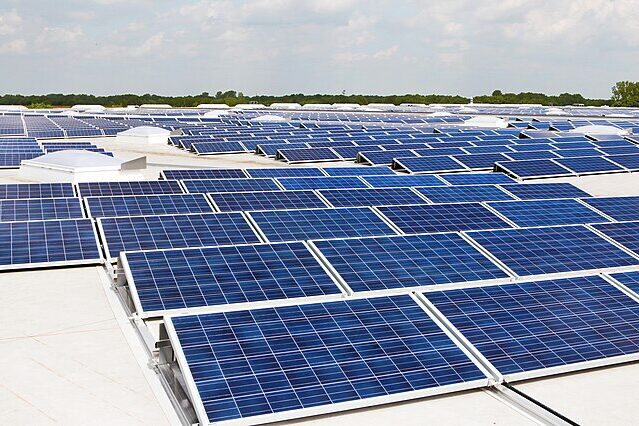
As rooftop solar costs fall and battery prices keep sliding, many households will treat home solar-plus-storage as a straightforward way to lower bills and ride through brief outages in 2026. Policymakers and utilities are also rolling out incentives and streamlined interconnection rules that make installations quicker and cheaper, while installers offer financing and subscription-style models for people who don’t want a large upfront payment. The practical result for everyday life: more homes generating and storing their own electricity, reduced peak-hour grid strain, and a growing number of families using stored solar to run fridges, charge cars, or smooth evening bills, especially where grid upgrades lag behind demand.
12. Satellite Internet Reaches More Remote Homes
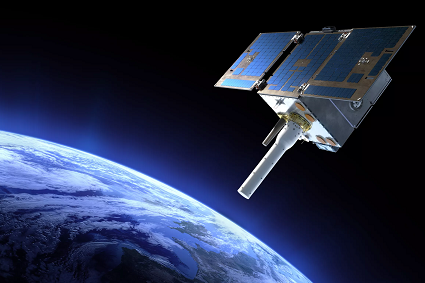
Low-earth-orbit satellite services are expanding coverage and lowering latency enough that households in remote regions will find broadband a realistic option in 2026. Governments and local carriers are signing deals with satellite operators to bring service to schools, clinics, and small towns, particularly where laying fiber is slow or costly. For daily life, that means students in distant communities can finally stream lessons, small businesses can sell online without long upload waits, and medical centers gain more dependable telehealth links. Greater satellite availability also pressures terrestrial ISPs to improve their offerings, creating more choices where connectivity was historically poor.
13. New AI Rules Start Changing Online Services

Regulatory frameworks that began arriving in 2024–2025, notably in the EU, move toward full application in 2026, forcing software and platform providers to change how they develop, label, and deploy AI systems. That means some features will be disabled or reworked, riskier models will carry stronger oversight, and businesses that rely on third-party AI will need clearer contracts and audits. Everyday users may notice more detailed disclosures about how their data is used, new opt-outs, or slightly different product behaviors (for example, changes to recommendation feeds or automated decision tools) as companies adapt to transparency and safety rules designed to reduce harms from high-risk AI applications.
14. More Cities Will Charge to Drive Into the Center
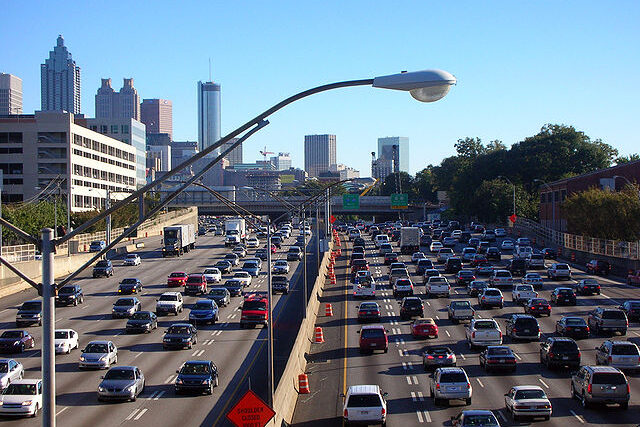
Congestion and low-emission zones are spreading and being tightened in many cities, with some places raising fees or extending hours in 2026 to curb pollution and traffic. These policies nudge travelers toward public transit, carpooling, or cleaner vehicles, and they change everyday decisions like what time to run errands or which neighborhood to park in. For commuters, the financial calculus of owning an older, polluting car looks worse; for businesses, deliveries and logistics planning become more sensitive to zone boundaries. The immediate effect is small daily behavior changes, different routes, adjusted schedules, and a stronger incentive to switch to low- or zero-emission vehicles.
15. Batteries and Grid Storage Make Outages Less Painful

Massive growth in utility-scale energy storage is smoothing renewable output and helping grids balance demand spikes, and by 2026 this increased storage capacity will reduce the frequency and length of localized outages in many regions. Storage systems allow utilities to hold solar and wind energy for evening peaks, give operators short-term reserves to avoid brownouts, and provide backup power for critical facilities. For ordinary households, the knock-on effects are fewer surprise blackouts, more stable electricity prices during peak events, and better integration of rooftop solar into neighborhood energy flows, especially in places where grids previously struggled with variable renewables.
16. Platforms Tighten Rules for Kids and Families Online
In response to public pressure and new legislation in several countries, platforms are increasingly rolling out stronger age-verification tools, default parental controls, and clearer privacy settings by 2026. This means children may see more limited feeds, stricter ad targeting rules, and products designed with safety-by-default in mind. Parents will find more built-in controls for screen time and content filters, and schools may get clearer guidance for classroom device use. The everyday result: families will have new tools to manage digital exposure, but they’ll also need to learn how to use settings and balance safety with kids’ legitimate needs for social and educational online activity.
17. Reusable Packaging and Single-Use Bans Grow

Packaging rules and corporate pledges are pushing more stores and food chains to offer reusable options, refill stations, and bans or fees for single-use plastics by 2026. Consumers can expect more cafes and grocers to participate in cup-return schemes or to sell products in durable, returnable containers, and online retailers will expand programs that make packaging easier to return or reuse. For everyday life, this shifts small habits, bringing your own cup or container becomes more convenient and socially normal, and households may notice less waste and slightly different checkout workflows as firms integrate deposit-and-return models into routine shopping.
18. Grocery Prices Will Stabilize

By 2026, grocery prices are expected to stabilize after several years of sharp increases, but they will not return to old levels. Stores will rely more on promotions, loyalty discounts, and smaller packages to manage costs without losing shoppers. Families respond by planning meals, comparing brands, and wasting less food. The change feels quiet. Instead of big jumps at the checkout, increases slow and households adjust. Shoppers still feel cautious, yet budgeting becomes easier as weekly totals stop rising so fast and people regain a little predictability when feeding their families each month through careful choices at home today consistently.
19. Telehealth Will Remain a Normal Option
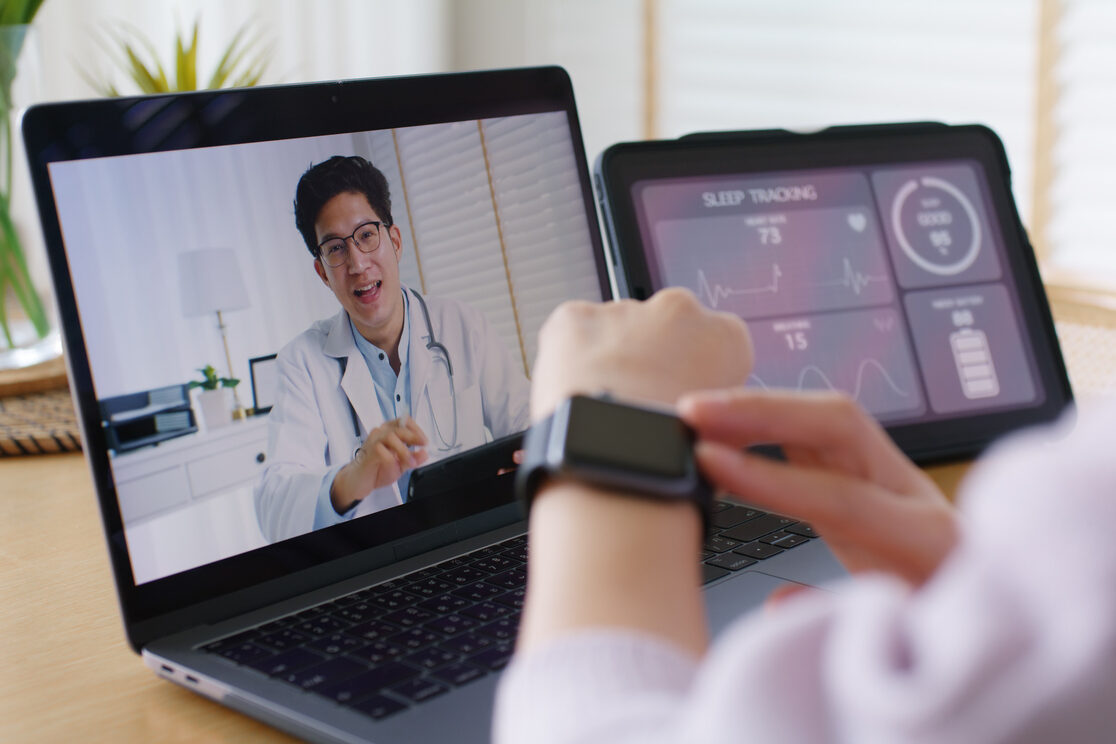
By 2026, telehealth becomes a steady part of everyday medical care instead of something used only in emergencies. Video visits help with follow ups, prescription refills, and basic consultations when travel is inconvenient. Clinics still rely on in person exams for tests and procedures, so the doctor’s office does not disappear. Patients save time, reduce transportation costs, and receive quicker answers for simple concerns. The shift is practical rather than dramatic. Health care blends online and in person visits, giving people more flexibility while doctors decide when virtual care works and when face to face appointments remain necessary for safety.
20. More Appliances Will Include Eco Modes
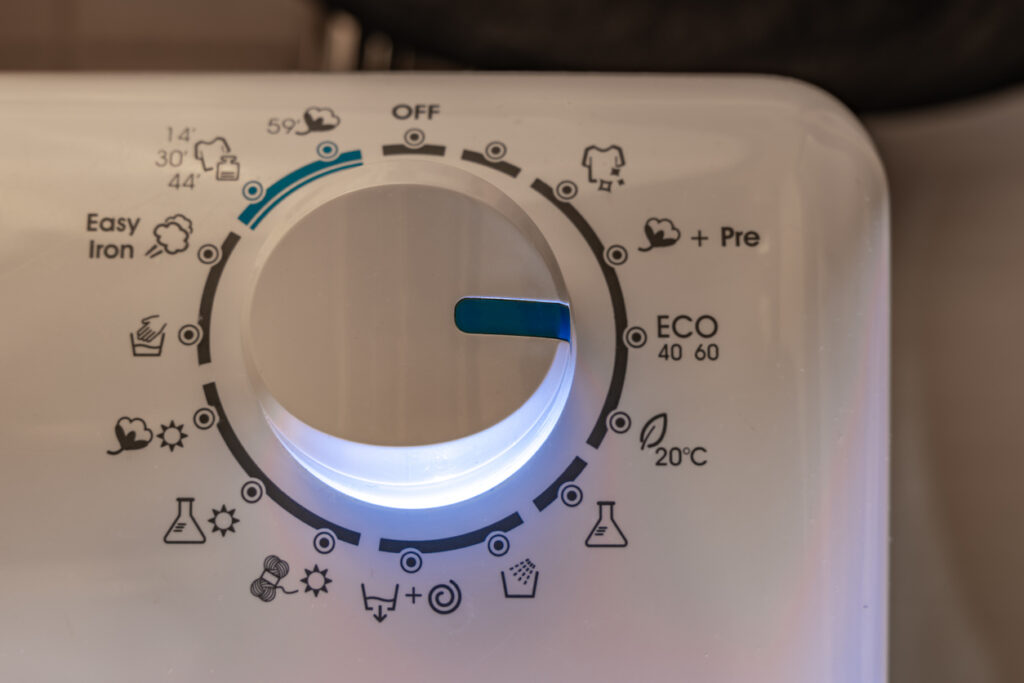
By 2026, more household appliances arrive with built in energy saving modes that quietly lower electricity and water use. Dishwashers, washing machines, and air conditioners run slightly longer cycles that cost less over time. Homes still operate normally, but monthly bills drop a little and wear on machines reduces. Manufacturers advertise efficiency as a main feature rather than an afterthought. Families learn which settings to choose and begin using power more thoughtfully. The result is gradual savings and small environmental benefits that add up across neighborhoods without requiring major lifestyle changes or expensive upgrades that many households cannot afford easily.
21. Package Lockers Will Become More Common
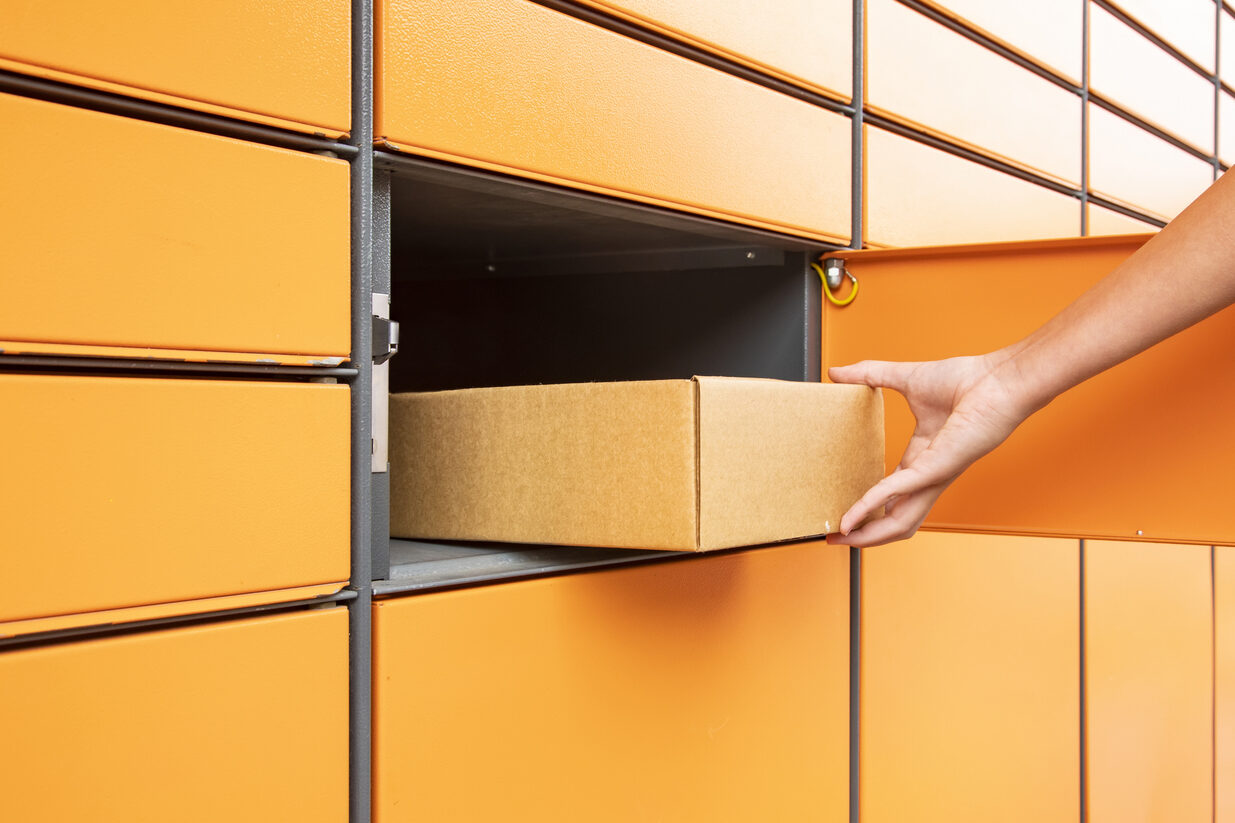
By 2026, more apartments, neighborhoods, and grocery stores use secure package lockers to reduce missed deliveries and porch theft. Instead of waiting at home, customers receive a code, pick up parcels on their schedule, and avoid damaged boxes. Delivery drivers finish routes faster and companies save money replacing fewer stolen items. The change is convenient and simple. Online shopping grows, and lockers help communities manage the traffic of constant deliveries. People adjust quickly because the system is easy, reliable, and safer than leaving packages outdoors where weather, pets, and strangers can create problems that frustrate shoppers and carriers alike.
22. Streaming Services Will Start Bundling Again
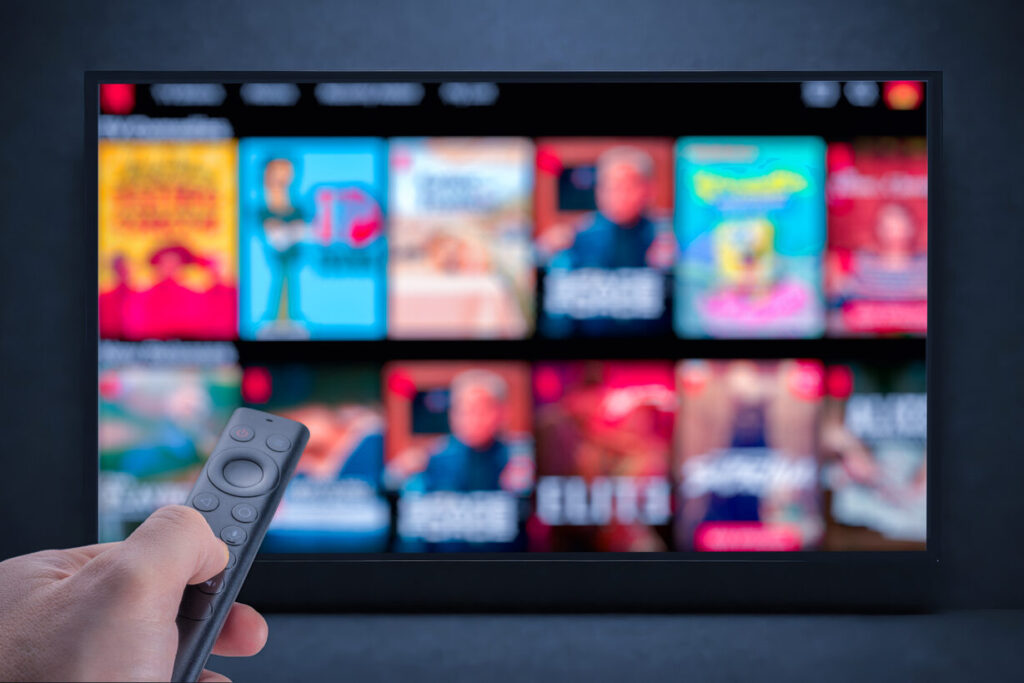
By 2026, streaming services begin to resemble traditional television packages. Prices have climbed, cancellations have increased, and viewers feel overwhelmed by too many apps. Companies respond by offering bundles that combine shows, sports, and movies in one subscription. People choose fewer platforms and switch less often. Content libraries rotate, but costs become more predictable. Instead of chasing every new service, families settle into simpler mixes that work. The change feels familiar, almost like television used to be, only delivered over the internet. Convenience grows while households regain some control over entertainment spending and reduce subscription clutter on screens.
23. Driver Monitoring Features Will Grow
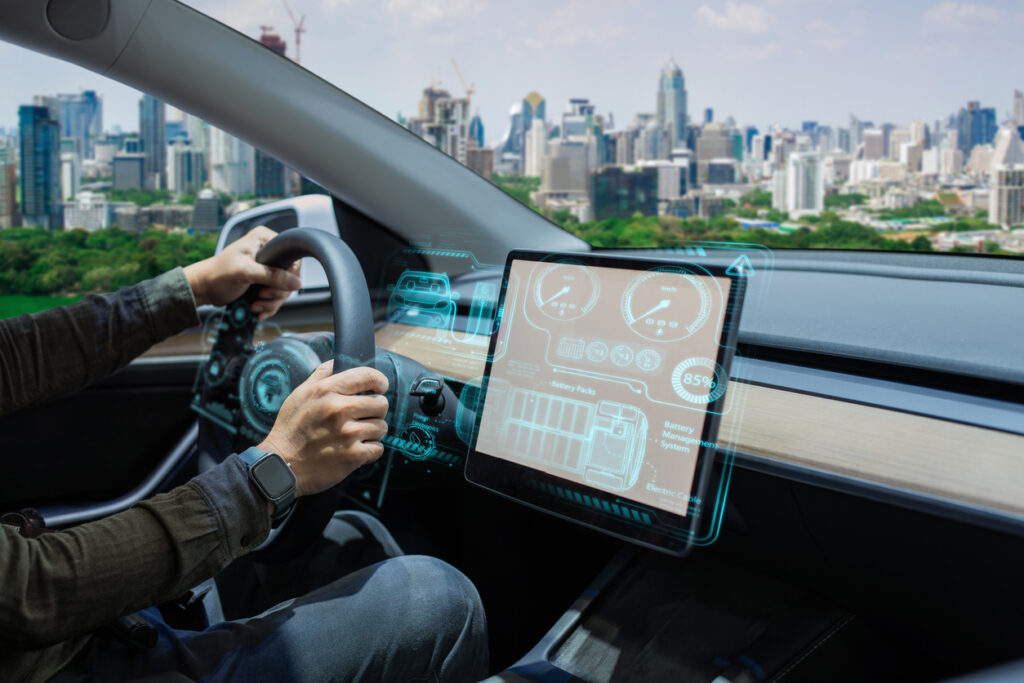
By 2026, more vehicles come with safety systems that watch driver attention and help prevent accidents. Cameras and sensors check whether eyes are on the road and can alert drivers if they appear distracted or tired. Automatic braking and lane assistance also become more common. These tools raise questions about privacy, but they save lives by reducing crashes caused by simple mistakes. Drivers still remain responsible behind the wheel. Technology simply acts as a second pair of eyes. Insurance companies begin noticing fewer claims, and families appreciate added protection for teens, seniors, and commuters on busy roads every day.
24. AI Will Quietly Support Classrooms
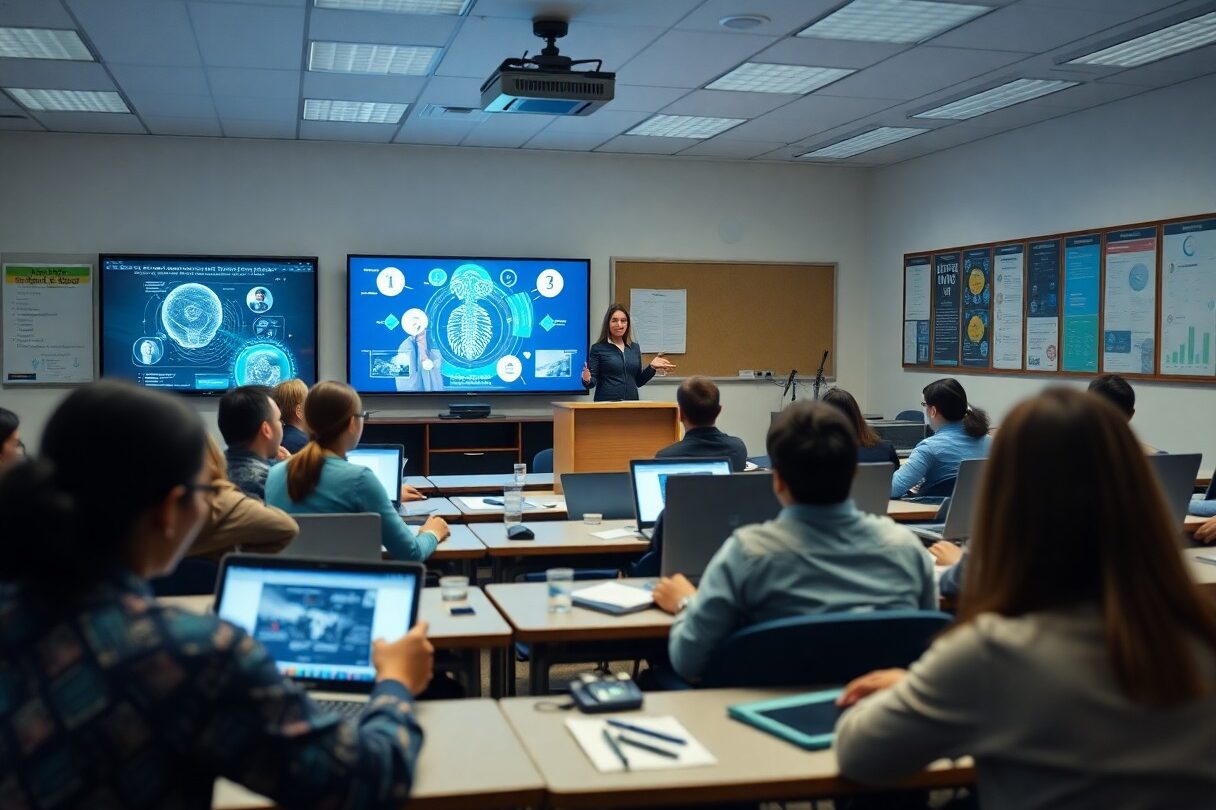
By 2026, more schools carefully integrate AI tools to support teachers rather than replace them. Software helps draft lesson ideas, personalize practice, and identify students who need extra help. Teachers remain in charge, reviewing suggestions and shaping instruction. Parents receive clearer explanations about how data is used and where limits exist. Homework support tools improve, but classes still rely on discussion, reading, writing, and projects. The result is calmer than the headlines suggest. AI becomes another classroom resource, used thoughtfully, improving organization and feedback while human relationships and guidance stay at the center of everyday learning across communities worldwide today.
25. QR Codes Will Stay Useful
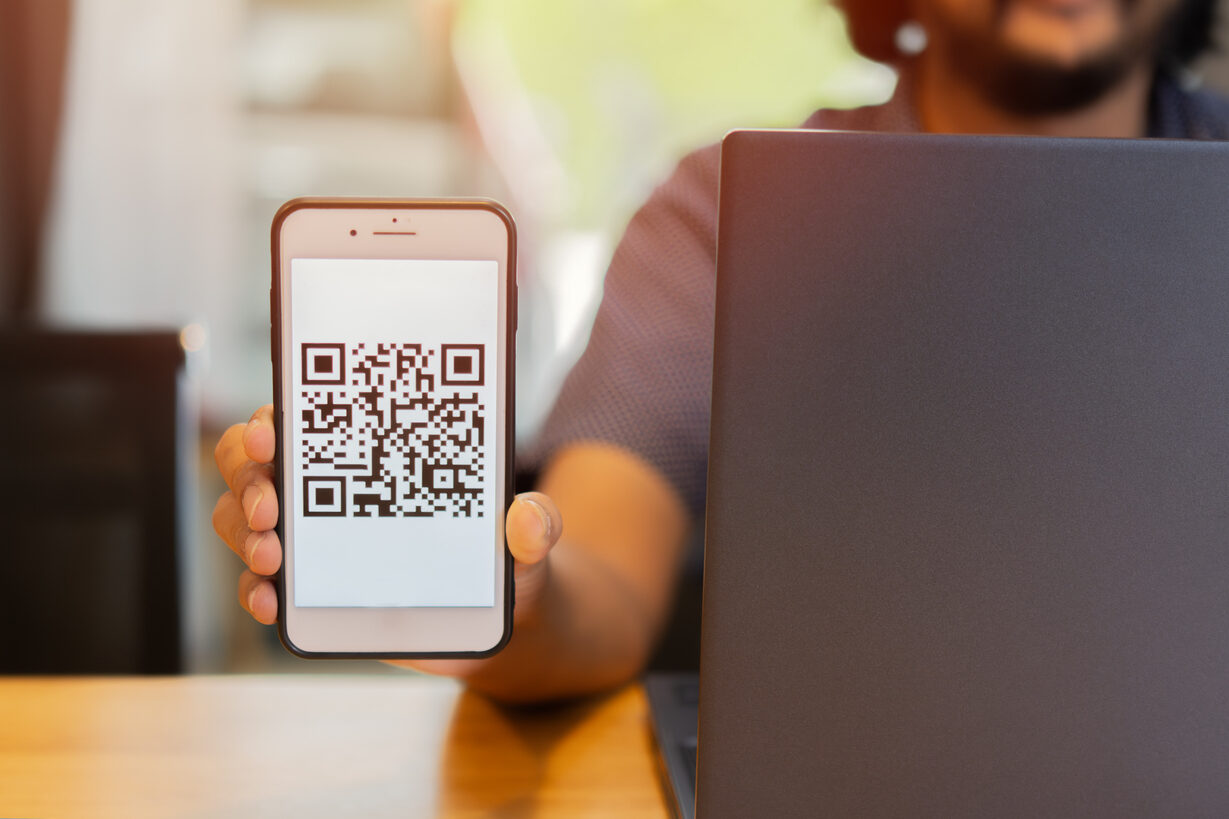
By 2026, QR codes remain common because they are cheap for businesses and simple for customers. Restaurants use them for menus, while events, clinics, and stores rely on them for check ins, tickets, and basic payments. Paper options still exist, especially for people who prefer traditional service. The real benefit is flexibility. Businesses update information instantly without reprinting, and visitors spend less time waiting. Over time, QR codes settle into everyday life as one tool among many, practical when needed and easy to ignore when not, making routine errands slightly faster without forcing anyone to change long standing habits completely.
26. Airline Pricing Will Become Clearer
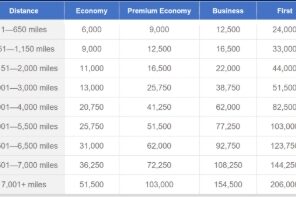
By 2026, airline rules increasingly require clearer pricing and refund information so travelers understand what they are buying before checkout. Fees for seats, bags, and changes appear earlier in the process. Cancellations and delays include more straightforward instructions about credits and cash refunds. Flying does not become cheaper, but it becomes easier to navigate. Passengers feel less tricked and more prepared when plans shift. The goal is simple clarity. Families compare options fairly, choose what they actually need, and avoid surprises at the gate, turning stressful situations into manageable travel decisions that respect time, money, and basic expectations for honesty.
27. Local News Will Move Online

By 2026, more local news outlets operate primarily online as print costs rise and advertising shifts. Communities do not lose information. Instead, reporting moves to websites, newsletters, podcasts, and social pages. Nonprofit groups and small startups fill gaps where large companies once dominated. Readers follow city issues, schools, weather, and events from phones instead of paper. The change feels different but still familiar. Neighborhood stories remain essential for accountability and connection. People support trusted sources through subscriptions and donations, helping local journalism survive in new formats while keeping communities informed about decisions that shape daily life every week for everyone.
28. Grocery Delivery Will Become Routine

By 2026, grocery delivery and curbside pickup settle into everyday routines instead of feeling like temporary conveniences. Families use them when schedules are tight, during bad weather, or when caring for relatives. Stores refine systems, improving substitutions and keeping fees clearer. Shoppers still visit aisles for fresh foods, conversation, and comparison, so traditional trips continue. The result is choice. People decide when to shop in person and when to let someone else gather items. Time savings matter most for parents, seniors, and busy workers, turning once occasional services into reliable helpers that support different lifestyles and changing needs over time.
29. Digital Security Badges Will Spread at Work

By 2026, more workplaces replace traditional plastic badges with digital or biometric entry systems that unlock doors using phones or secure readers. Employees move through buildings faster, and lost cards create fewer problems. Managers track access logs to protect equipment and sensitive spaces, which raises privacy questions that companies must address clearly. For workers, the experience feels mostly convenient. It becomes easier to visit different offices, attend meetings, and clock in without juggling multiple cards. Security improves quietly in the background while organizations balance safety, transparency, and respect for personal information across offices, warehouses, hospitals, and campuses every day nationwide.
30. Personal Finance Apps Will Get Smarter
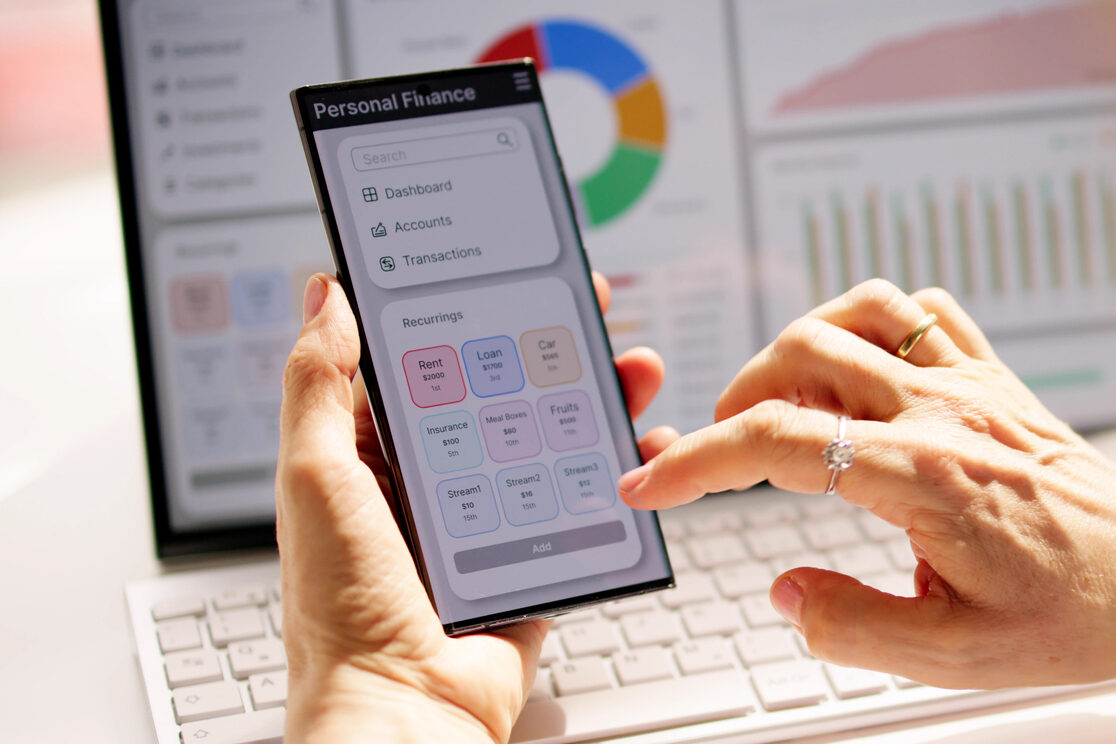
By 2026, personal finance apps become smarter at organizing bills, subscriptions, savings goals, and spending trends in one place. They alert users when prices rise, when renewals approach, or when budgets slip. People still make decisions themselves, but the information becomes clearer and easier to review. The goal is awareness, not pressure. Over time, households avoid more surprise charges and find extra money to redirect toward priorities. Simpler dashboards help reduce stress, especially for families juggling multiple accounts. Managing money shifts from guesswork to routine maintenance, giving people confidence and control during everyday financial choices that shape future plans ahead.
31. Insurance Will Use More Real Data
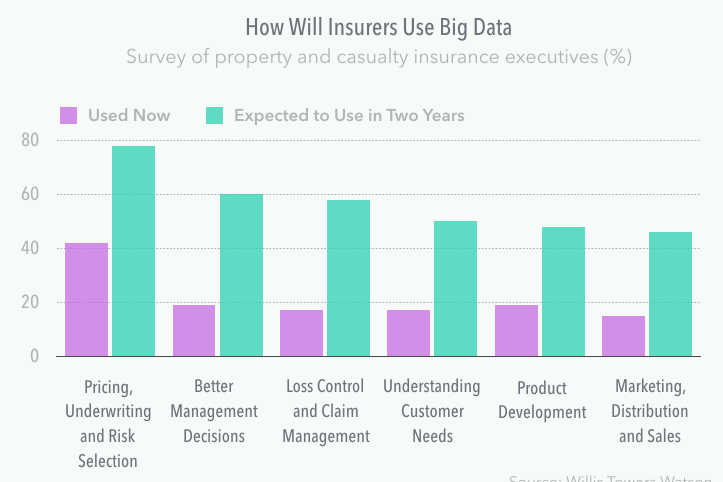
By 2026, more insurance companies use real world data to set prices, offering discounts for safer habits and better protection. Car policies may consider mileage trackers, while home plans reward leak sensors or stronger roofs. Participation is usually optional, and privacy concerns must be explained clearly. The promise is fairness. People who reduce risk can save money, while insurers face fewer expensive claims. The shift happens gradually as customers decide whether the tradeoff feels right. Over time, data helps predict problems earlier, preventing losses and making coverage feel more connected to everyday behavior rather than only past accidents people experience.
32. Home Security Cameras Will Become Normal
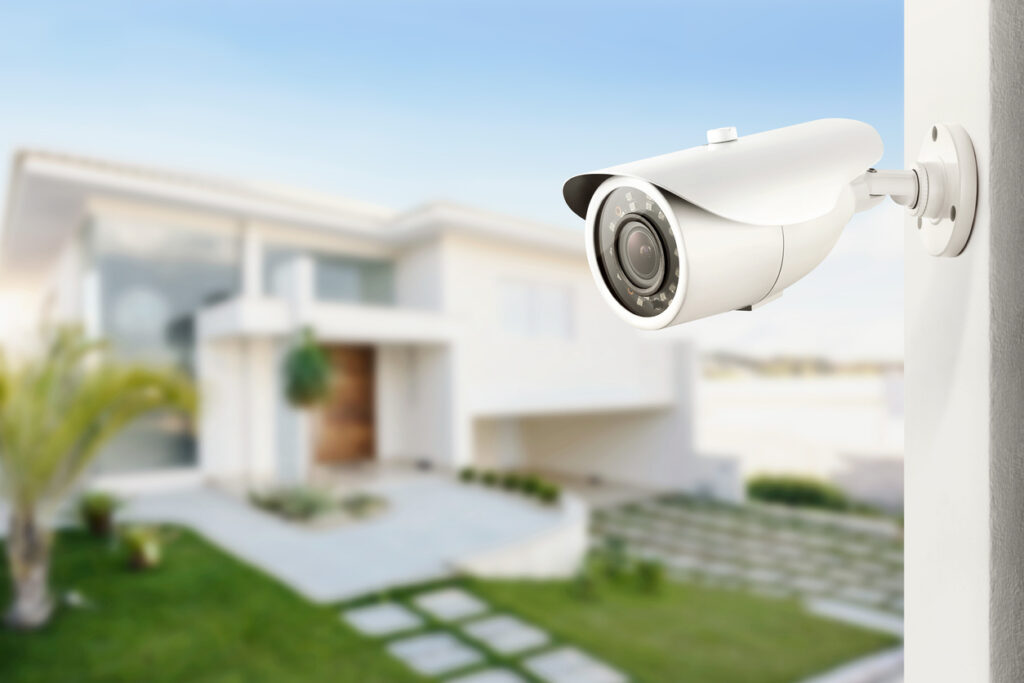
By 2026, more households install video doorbells and home security cameras to deter theft and monitor deliveries. These tools provide peace of mind and useful footage when incidents occur. At the same time, communities discuss how recordings are stored, who can access them, and when police should request video. The technology is helpful, but it requires thoughtful rules. Neighbors want safety while also respecting privacy. Over time, better guidelines emerge, and families feel more comfortable using cameras responsibly as part of broader neighborhood awareness instead of relying only on locks and alarms to protect property and daily routines for everyone.
33. Libraries Will Offer More Services

By 2026, public libraries continue evolving into community hubs that offer far more than book lending. Visitors find computer access, job search help, language classes, maker spaces, and quiet study rooms. Many branches loan tools, hotspots, and streaming devices. Librarians guide people through digital forms and research while still recommending great reading. The services remain free, welcoming, and local. Families gather for story times, teens learn skills, and seniors receive patient assistance. Libraries become anchors for neighborhoods, supporting learning at every age and providing safe spaces where people connect, explore ideas, and receive help without pressure to spend money today.
34. Phones Will Receive Longer Support
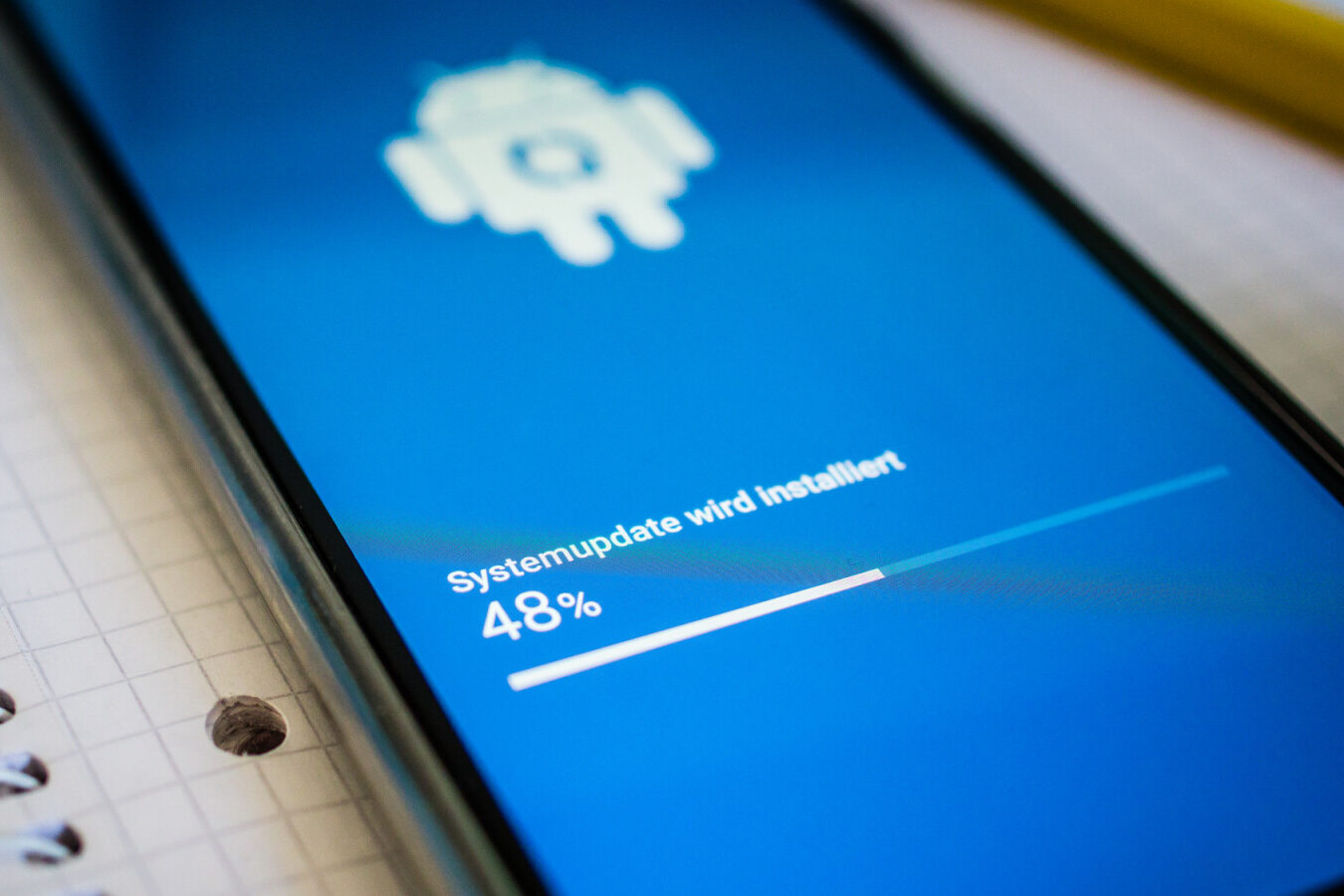
By 2026, phone makers extend software support for more years, giving older devices longer lives. Security updates keep working phones safe, and repair programs replace worn batteries instead of forcing upgrades. Customers delay new purchases, saving money and reducing waste. Resale values improve because devices remain useful longer. Manufacturers compete on reliability and long term service rather than just yearly features. The change benefits families, students, and small businesses that rely on stable technology. Over time, people view phones less as disposable gadgets and more as investments that continue performing well throughout several seasons of everyday use for many people.
35. Climate Friendly Landscaping Will Grow

By 2026, more homeowners and cities replace traditional lawns with climate friendly landscaping that uses native plants and smarter watering systems. These designs handle heat, drought, and heavy rain more effectively while supporting pollinators and local wildlife. Yards require less mowing and fewer chemicals, saving money and time. Neighborhoods look greener in natural ways rather than perfectly uniform. The change spreads gradually through community projects, rebates, and homeowner interest. People notice cooler yards, healthier soil, and less runoff after storms. Over time, landscapes work with the environment instead of fighting it, improving outdoor spaces for families and future generations everywhere.


