
1. Jennifer Grey
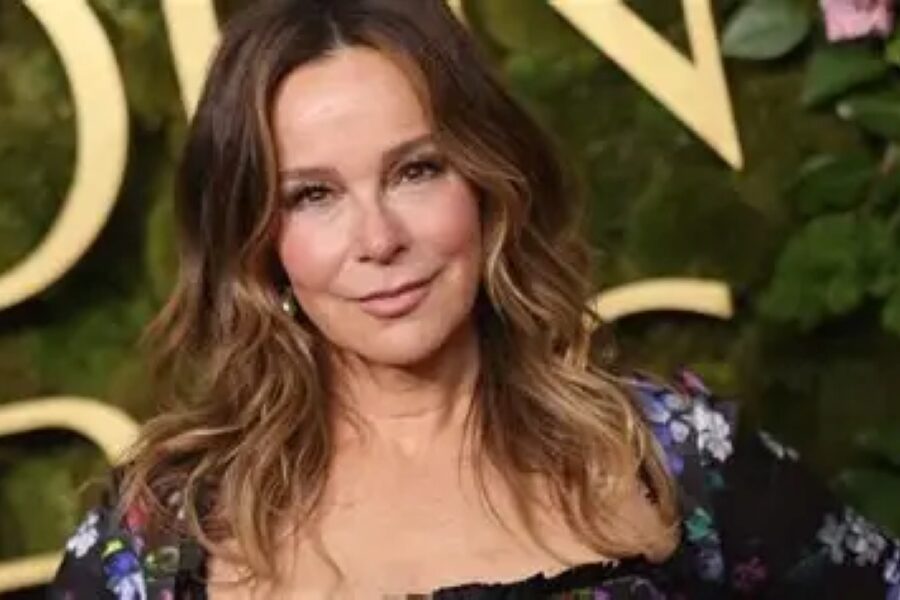
Back when Dirty Dancing made Jennifer Grey one of the most recognizable faces in Hollywood, audiences felt they knew her smile almost personally, like someone from their own school years. After choosing a rhinoplasty, the technical result worked fine medically, but something unexpected happened. The familiar look casting directors remembered was suddenly different, and viewers felt the same confusion. Grey later described feeling like she entered surgery famous and came out anonymous. The shift slowed her leading role momentum, even though her acting ability stayed exactly the same and she continued working steadily in television projects and stage appearances for many years afterward.
Over time her story became one of those quiet Hollywood lessons people mention when talking about image and timing. She never disappeared from the profession and later found renewed public affection through interviews, memoir writing, and her warm return to television competitions. What makes her experience feel relatable is how ordinary the decision sounded at the time. She simply wanted a small personal change. Instead, it revealed how strongly audiences connect a performer’s career to the face they first fell in love with on screen.
2. Courteney Cox
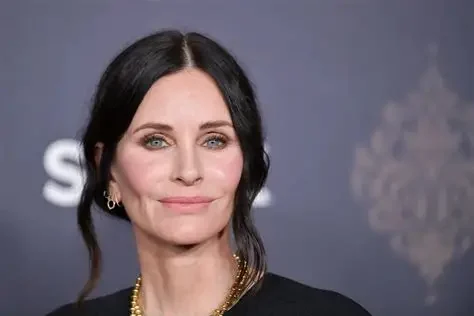
Courteney Cox spent years as one of television’s most familiar sitcom faces, so naturally viewers noticed when her appearance began changing during the years after Friends ended. Like many actors working constantly on camera, she experimented with fillers hoping to maintain a youthful look under harsh studio lighting. Eventually she admitted the treatments went further than she intended and chose to dissolve them, later explaining she had not realized how different she looked until seeing photos. Instead of avoiding the subject, she spoke about it calmly and openly in interviews, which immediately softened public reaction.
During that period her career did not stop, but it quietly shifted direction. She focused more on producing, developing shows, and choosing acting roles that suited her evolving stage of life rather than chasing the same youthful sitcom energy. Fans appreciated the honesty because it felt like hearing from a real person rather than a polished celebrity statement. Her openness turned what could have been awkward media chatter into a relatable conversation about aging, confidence, and learning when to step back.
3. Mickey Rourke
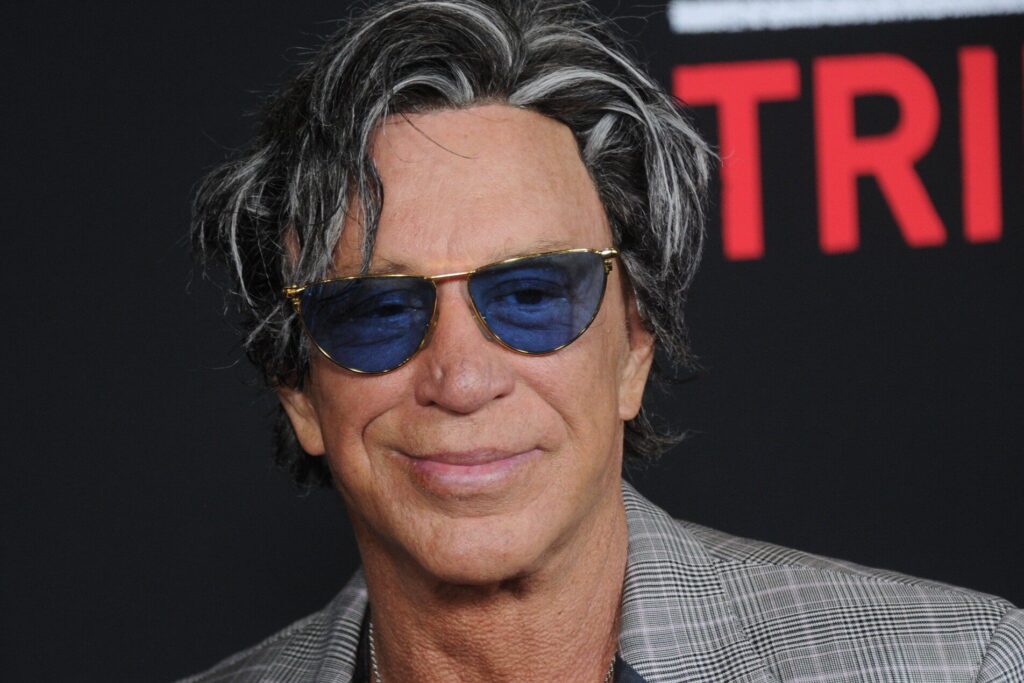
Mickey Rourke’s appearance changes came largely from injuries sustained during his years boxing, which required reconstructive facial surgeries. Still, the dramatic difference reshaped how Hollywood viewed him visually. Earlier in his career he had been cast as a magnetic romantic lead, but after the surgeries, casting directors began seeing him as someone suited for tougher, more battle worn characters. Rourke himself later admitted some procedures did not turn out the way he hoped, and he spoke about the experience with surprising bluntness rather than defensiveness or secrecy.
At first the shift seemed damaging because traditional leading roles slowed down, yet the long term result unexpectedly opened a new creative lane. His lived in appearance later matched perfectly with emotionally raw parts, especially in The Wrestler, where critics praised the authenticity he brought. That performance restored major industry respect and reminded audiences how powerful he could be onscreen. His story shows how career turns sometimes look negative in the moment but later become exactly what allows an actor to return stronger.
4. Meg Ryan
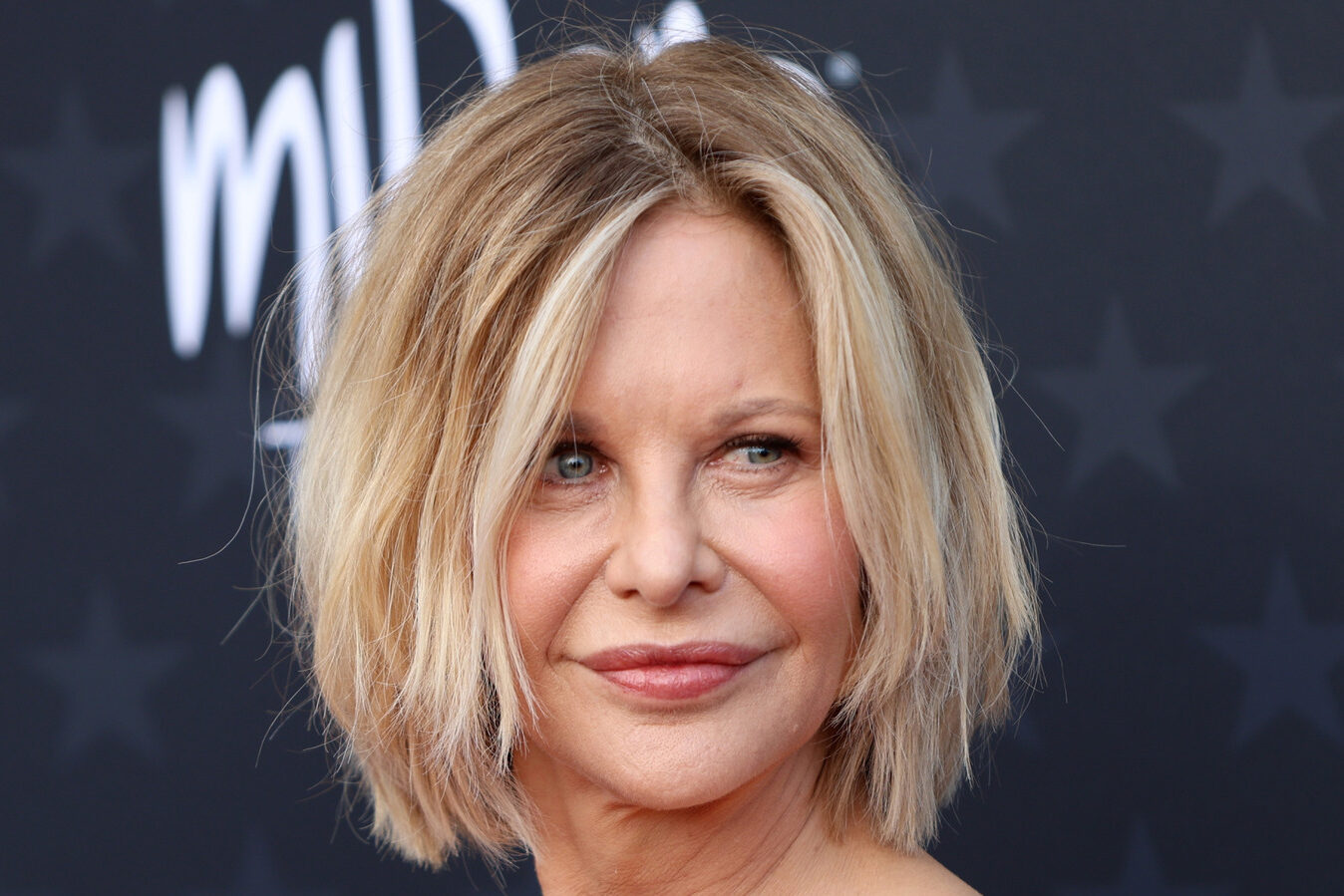
For many moviegoers, Meg Ryan felt like the comforting face of romantic comedies throughout the 1990s. Her natural warmth and familiar expressions helped define an entire era of lighthearted Hollywood storytelling. When her appearance noticeably changed in the early 2000s, media attention grew intense very quickly. Interviews and entertainment coverage often focused more on her new look than on her projects, which slowly affected the steady flow of major studio roles she once received automatically every year. Ryan herself stayed mostly private, choosing not to fuel the speculation cycle.
Instead of fighting to maintain the same nonstop pace, she gradually stepped toward directing, selective film appearances, and quieter creative involvement behind the camera. Looking back now, the change feels less like a dramatic fall and more like a gentle repositioning into a different professional phase. Many actors eventually choose this slower, more controlled rhythm. Her story reflects how Hollywood audiences sometimes struggle when a beloved screen persona evolves, even though the performer herself may simply be entering a natural next chapter.
5. Ashlee Simpson

Ashlee Simpson rose to fame during a time when young pop artists lived under intense visual scrutiny from tabloids, music television, and early online gossip sites. When she confirmed having a rhinoplasty, she spoke about it simply as a personal confidence decision rather than a dramatic reinvention. Still, the timing aligned with a broader transition in her public image. Her styling, performances, and interviews began presenting a more mature and polished version of herself compared to the rebellious younger persona audiences first met.
Because pop careers move quickly, the visual change blended into a wider narrative of growing up publicly. Instead of chasing the same competitive chart battles year after year, Simpson gradually explored theater work, television appearances, and fashion collaborations. The shift reads today like a natural life progression rather than a single turning point. Her experience highlights how cosmetic choices often become symbolic in media storytelling, even when the individual involved simply sees them as one small part of entering adulthood under public attention.
6. Heidi Montag
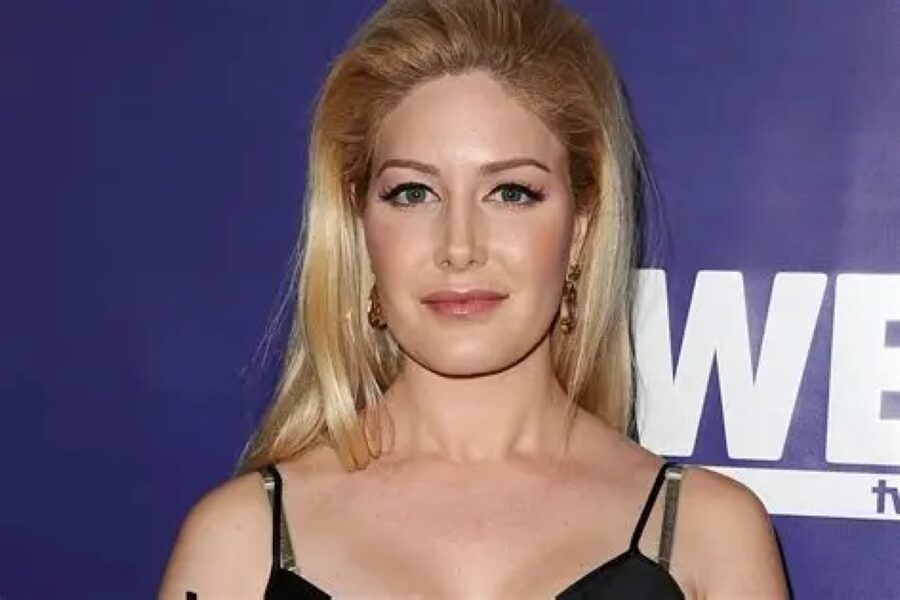
Heidi Montag’s situation became one of the most discussed cosmetic surgery moments of the reality television era because her life was already being filmed for a massive audience. When she underwent multiple procedures within a short time, the recovery itself became headline news and a central media topic. She later spoke honestly about the physical difficulty afterward and admitted she sometimes questioned doing so much at once. Because viewers had followed her personal story closely, the reaction felt unusually emotional compared to typical celebrity coverage.
After that period, her public identity shifted from simple reality personality to someone often associated with broader conversations about body image and Hollywood pressure. Interview topics changed accordingly, focusing more on personal wellbeing than entertainment projects. Over time she stepped away from constant media exposure and later returned with a calmer presence centered on family life. Her experience shows how reality television can transform private medical decisions into defining public narratives almost instantly.
7. Kenny Rogers
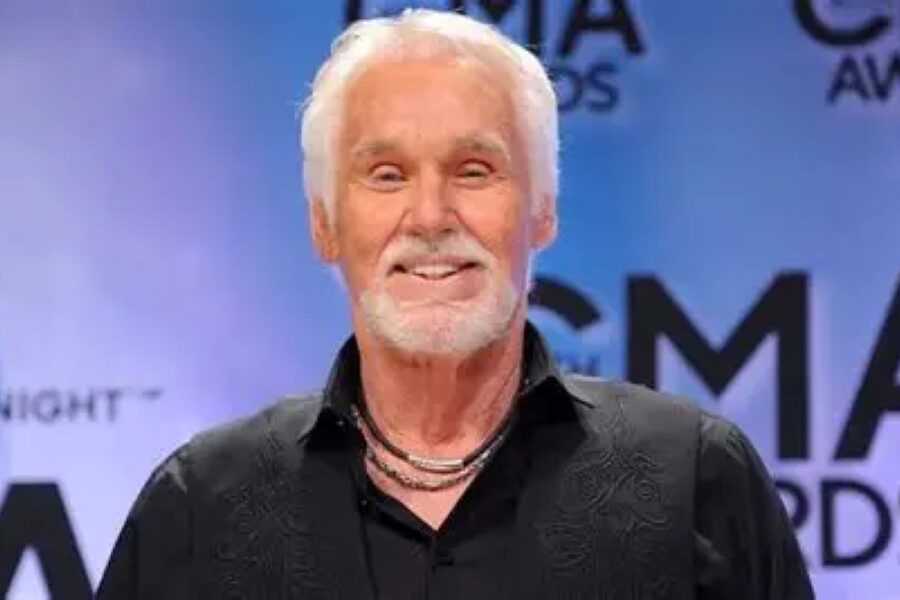
Country music legend Kenny Rogers approached his cosmetic experience with the same calm honesty that defined his music career. After undergoing a facelift that altered his eye area in a way he disliked, he openly admitted in television interviews that he wished he had left things alone. He spoke about it casually, almost like someone talking about a haircut that simply did not suit them. Fans appreciated the plainspoken tone because it matched the sincerity they always associated with his songs.
Importantly, the situation never damaged his musical legacy or touring popularity. Instead, his willingness to admit disappointment without drama strengthened audience loyalty. People felt they were hearing from the same genuine storyteller they had listened to for decades. In the long run, the moment became less about appearance and more about authenticity. His handling of the situation quietly demonstrated that audiences usually forgive visual missteps when the personality they love remains honest and familiar.
8. Joan Rivers
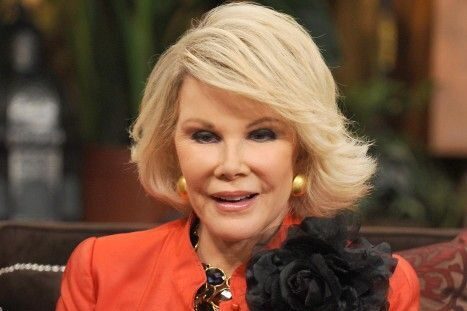
Joan Rivers handled cosmetic surgery talk in a way few entertainers ever managed. Rather than hiding procedures or giving guarded responses, she folded them directly into her comedy routines. She joked openly about face lifts, Hollywood beauty pressure, and the absurd lengths celebrities sometimes go to stay camera ready. Because she owned the topic first, audiences treated it as part of her fearless stage personality instead of scandalous gossip material. Her humor removed the secrecy entirely.
As her career evolved into red carpet hosting and fashion commentary, that same blunt honesty became her trademark. Viewers expected sharp jokes and candid observations, so discussions about her appearance never felt surprising or damaging. In fact, the openness strengthened her professional identity as someone who said what others avoided. Her story shows that when performers control their narrative confidently, even deeply personal cosmetic choices can become creative tools rather than career obstacles.
9. Dolly Parton
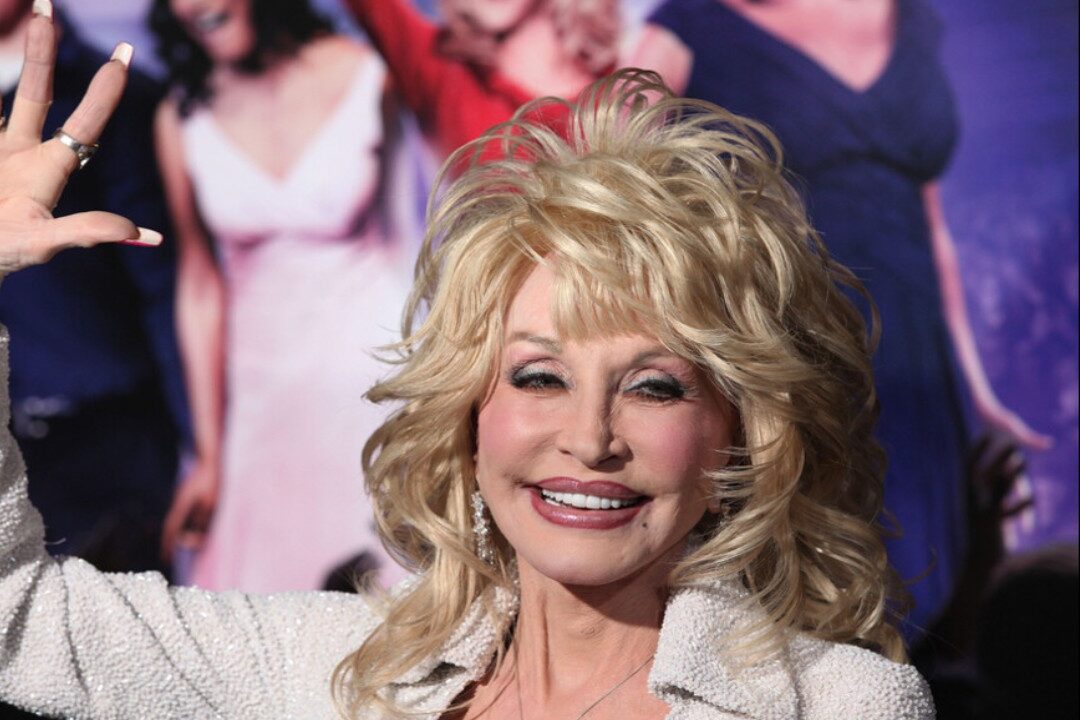
Dolly Parton has always spoken about cosmetic procedures with cheerful openness, treating the subject with the same humor she brings to interviews and stage performances. Her playful comment that if something starts sagging she will fix it perfectly captures her philosophy. Because fans already saw her as a glamorous, theatrical performer, any cosmetic updates felt fully consistent with the larger than life image she built from the beginning of her music career. Nothing about it shocked her audience.
That consistency helped her move smoothly through decades of success spanning country music, films, business ventures, and major charitable work. Rather than distracting from her career, the transparency reinforced her brand of confidence and self awareness. People trusted her because she never pretended to follow anyone else’s expectations. Her experience suggests that cosmetic decisions rarely disrupt a career when they align naturally with the personality the public already understands and appreciates.
10. Lil Kim
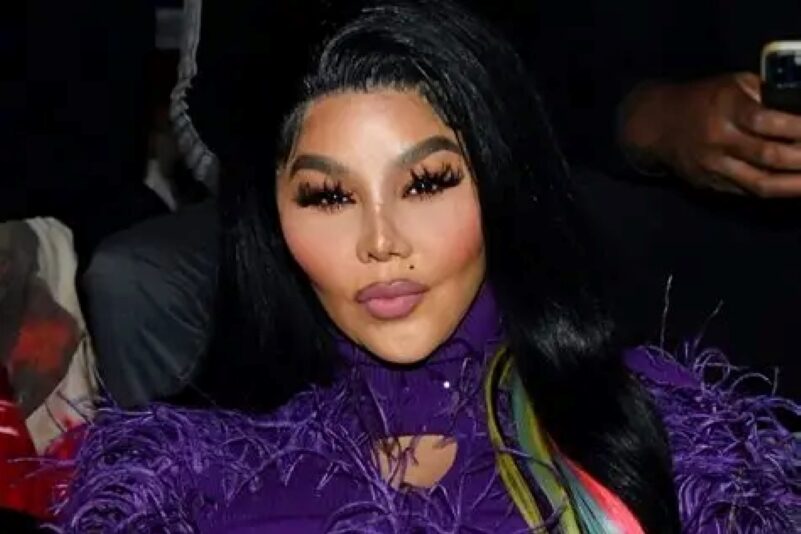
During the 2000s, coverage of Lil Kim frequently centered on her changing appearance, sometimes overshadowing discussions about her musical releases and performances. Interviews often drifted toward visual speculation instead of artistic conversation, which shaped how her later projects were promoted in entertainment media. Still, she continued recording music, touring, and influencing hip hop style, maintaining a strong presence within the culture even while headlines focused elsewhere.
With time, retrospective music coverage has increasingly returned to her artistic contributions, especially her bold lyrical voice and major influence on fashion confidence among female rappers. The earlier appearance fixation now feels like a temporary media phase rather than the defining story of her career. Her trajectory highlights how public focus can shift dramatically in the short term while long term cultural impact usually settles around the creative work itself.
11. Sharon Osbourne
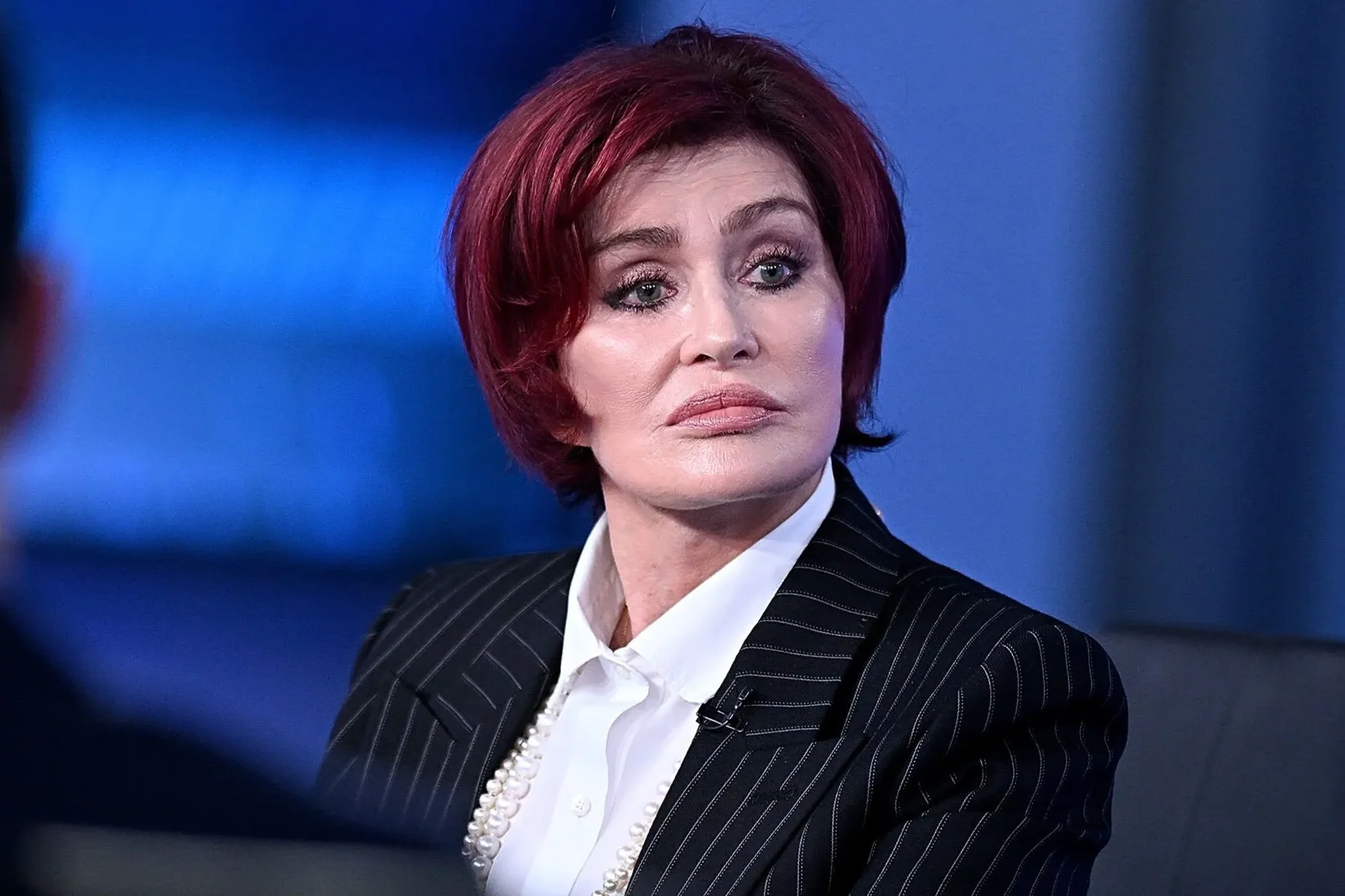
Sharon Osbourne discussed cosmetic procedures so casually during television appearances that audiences quickly accepted the topic as part of her everyday honesty. As her profile grew through reality television and later talk show hosting, she explained that constant high definition lighting made many performers more conscious of aging on screen. Instead of avoiding the subject, she addressed treatments in the same direct tone she used for family stories and industry opinions.
That straightforward style helped solidify her transition from music management into a full television personality. Viewers felt they were listening to someone genuine rather than rehearsed. The cosmetic conversation blended naturally into her outspoken public character and actually strengthened audience trust. Her career path suggests that relatability often matters more to viewers than perfection, especially when someone communicates personal choices with humor and openness.
12. Jane Fonda
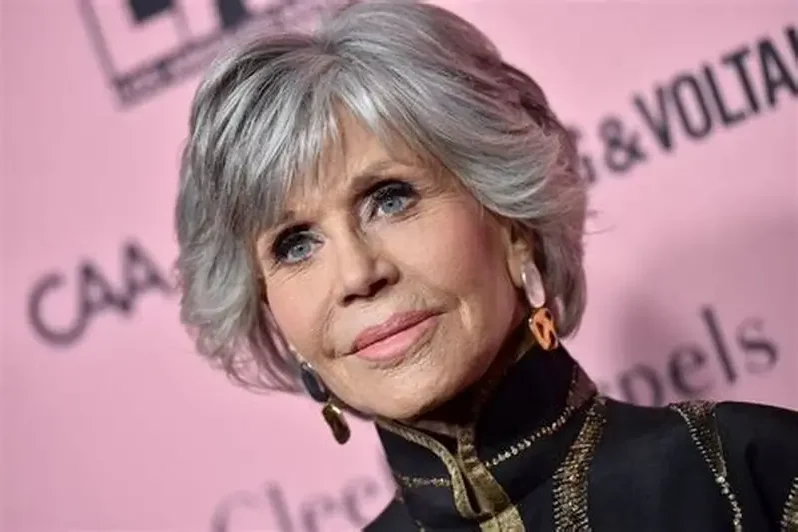
Jane Fonda has spoken thoughtfully about both choosing cosmetic procedures earlier in her career and later deciding to stop pursuing them. She explained in interviews that eventually she wanted to experience aging more naturally after decades of living in an intensely visual profession. That reflection coincided with her powerful later career phase, including roles centered on older women navigating friendship, independence, and personal reinvention.
Because she framed the subject as part of a lifelong evolution, audiences responded with admiration rather than criticism. Her honesty turned the conversation into something philosophical about time, identity, and self acceptance. Instead of weakening her professional standing, the openness deepened her connection with multiple generations of viewers. Her story illustrates how the meaning of cosmetic decisions often changes over time depending on how openly someone integrates them into their broader life narrative.
13. Priscilla Presley
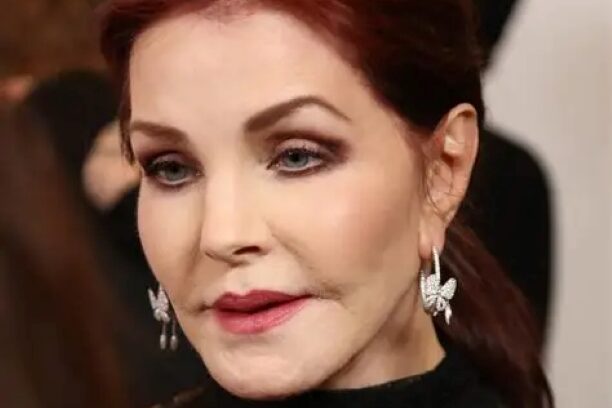
Priscilla Presley’s cosmetic experience became widely discussed after reports revealed she had once received injections from an unlicensed practitioner. Later appearances acknowledged how the situation affected her health and future decisions. Rather than retreating from public life, she continued participating in film events, interviews, and efforts preserving Elvis Presley’s legacy. Her steady professional presence helped shift the narrative from scandal toward awareness.
Over time, her calm handling of the situation strengthened her credibility in interviews because she never exaggerated the story or avoided it completely. She simply continued working and speaking carefully about safety. The experience quietly positioned her as an example of why proper medical oversight matters, turning a difficult personal episode into something that ultimately reinforced her public resilience and professionalism.
14. Kim Kardashian
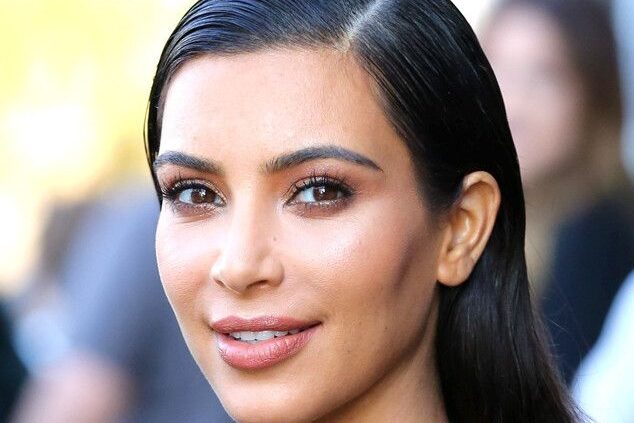
Kim Kardashian has repeatedly addressed cosmetic speculation by acknowledging some treatments while denying many extreme rumors. Regardless of exact details, the ongoing public fascination with her appearance became tightly linked to her broader brand expansion. Instead of distancing herself from beauty conversations, she leaned into them by launching makeup and skincare companies that directly benefited from that attention.
The strategy transformed what might have been simple celebrity gossip into measurable commercial success. Social media discussions about her look often translated into massive product launches and global marketing reach. In her case, cosmetic conversation did not redirect her career away from opportunity. It actively supported her transition into a major entrepreneur. Her trajectory demonstrates how modern celebrity culture can sometimes convert appearance scrutiny into structured business momentum.
15. Renee Zellweger
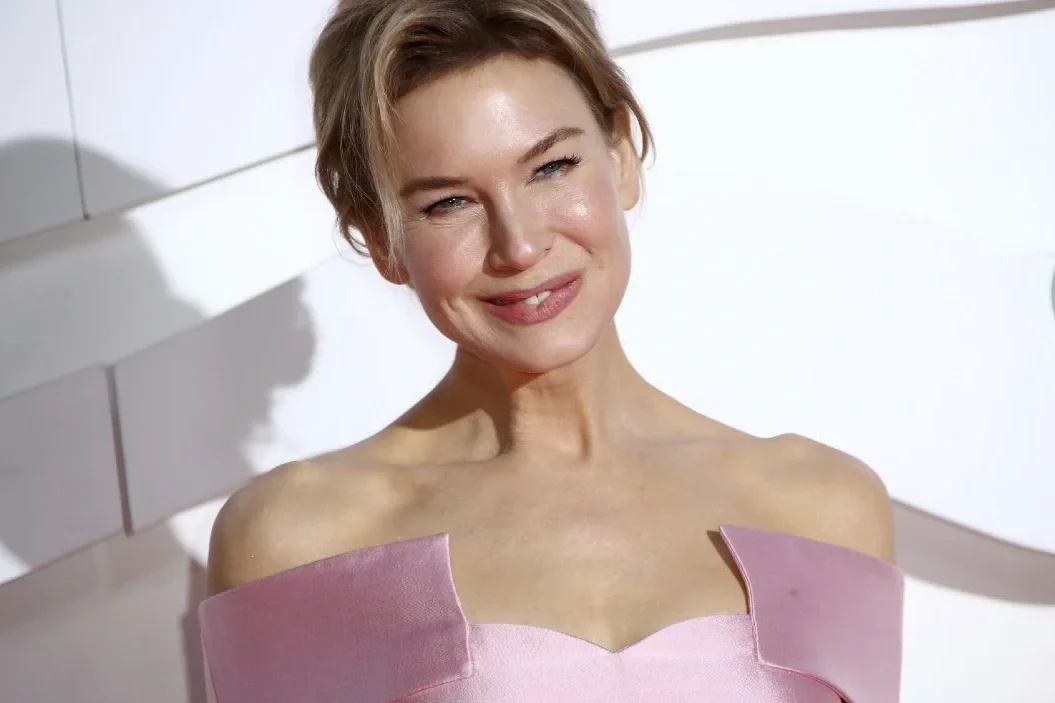
When Renee Zellweger returned to public events after time away, online discussion quickly focused on her appearance rather than her upcoming work. She responded gently, explaining she had simply been living a quieter lifestyle outside the nonstop filming schedule. For a short time, speculation overshadowed her professional projects, creating the familiar cycle many actors face when returning after a break.
Then strong performances arrived again, including award winning roles that reminded audiences exactly why they connected with her in the first place. Gradually, media attention returned to her acting skill rather than visual questions. Her experience reinforces a simple Hollywood truth. When compelling performances reach audiences, they usually reset the entire public conversation and restore focus where it belongs.
16. Zac Efron
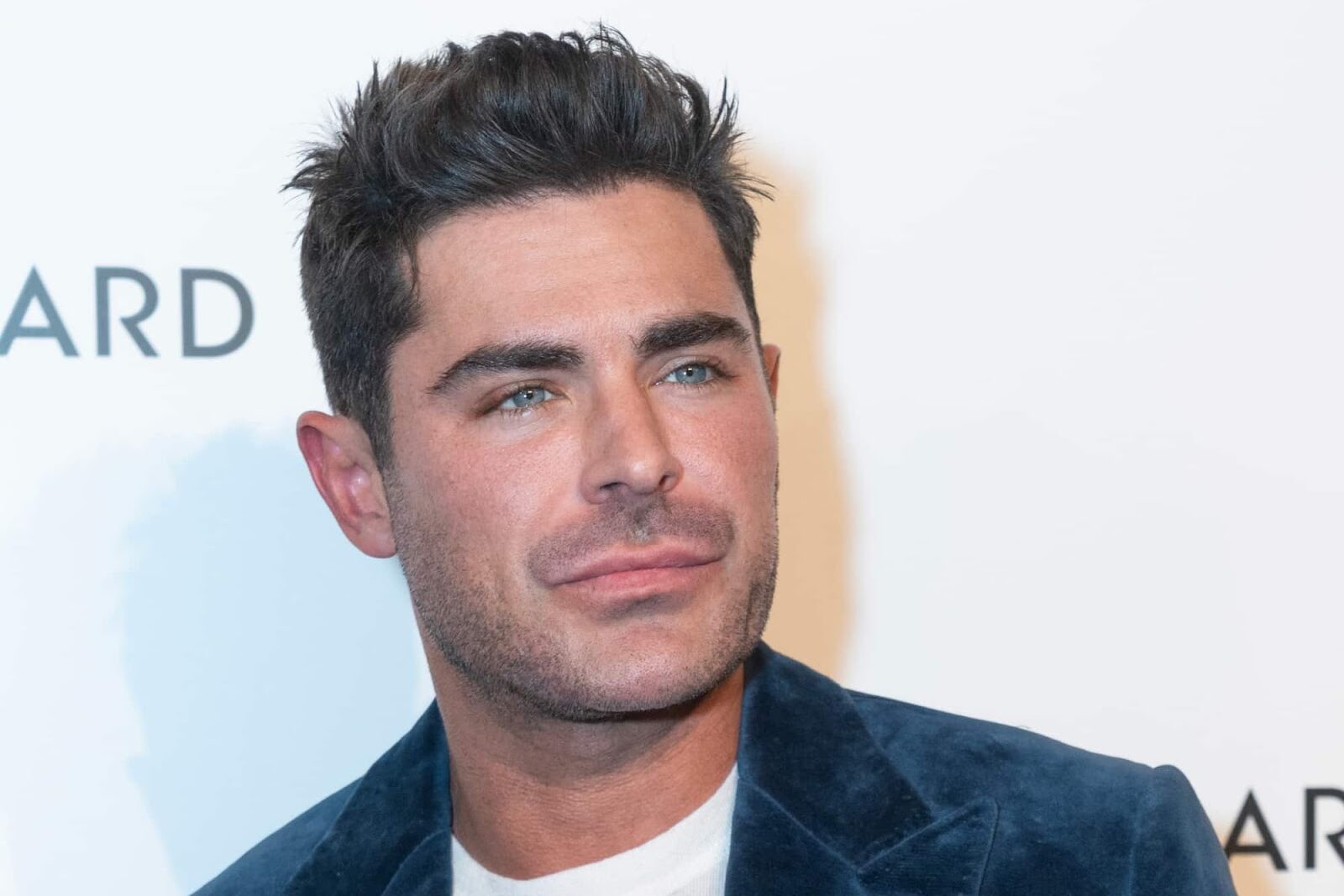
Zac Efron faced intense online speculation after fans noticed visible changes in his jawline during public appearances. He later explained the difference resulted from a serious household injury that required extensive recovery and therapy affecting facial muscles. Even with that explanation, social media discussion spread quickly, showing how fast visual assumptions travel in the modern celebrity environment.
Despite the noise, he continued building a diverse filmography including musicals, comedies, documentaries, and dramatic roles. As new projects reached audiences, attention gradually shifted back to his performances rather than his appearance. His situation highlights how quickly visual narratives form today. Yet it also shows how consistent professional output usually stabilizes a career once viewers reconnect with the actual work.
17. Jennifer Aniston
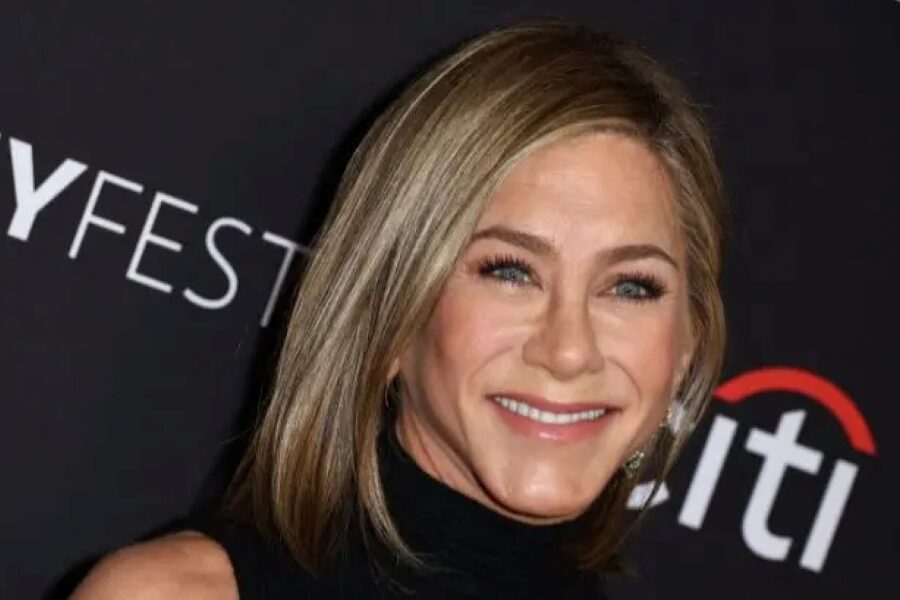
Jennifer Aniston has spoken casually over the years about having a nose procedure early in her career, explaining that it was partly medical and partly cosmetic. At the time, she was still building her path in Hollywood and had not yet reached the global fame that would come with Friends. By the time the sitcom exploded in popularity, her look felt completely natural to audiences, and most viewers never even realized there had been a change before her breakthrough. The procedure itself never became a scandal, yet it quietly sits in the background of her early career timeline.
What makes her story interesting is how smoothly everything unfolded afterward. Instead of disrupting momentum, her confidence and screen presence kept growing as she moved from television into major film roles and long running production work. Over time, she became one of the most stable leading figures in Hollywood, known for consistency and relatability. Her experience reminds people that sometimes cosmetic decisions only become career defining when timing clashes with public recognition, and when they happen early, they often simply blend into the journey.


