
1. Water From Afar

The crisp, clean water that New Yorkers enjoy doesn’t actually come from nearby. It starts its journey more than 100 miles away in the protected wilderness of the Catskill, Delaware, and Croton regions. This incredible system was largely developed between 1907 and 1965 to ensure the growing city would never run dry. What makes it truly special is that it relies almost entirely on the force of gravity to move billions of gallons of water through a series of massive tunnels and aqueducts. Because the water flows downhill on its own, the city uses very little electricity to transport it, making this one of the most energy-efficient and eco-friendly water systems in the entire world.
A key part of why New York’s water tastes so good is a smart decision made decades ago to focus on protection instead of just filtration. Instead of building a multi-billion-dollar cleaning plant for every drop, the city spends its money protecting the land around the lakes and reservoirs upstate. By keeping the soil and forests healthy, the environment acts as a natural filter, keeping pollutants out of the supply before they ever reach a pipe. It is a massive team effort involving scientists, local farmers, and engineers who work together to safeguard the health of millions. This proactive approach saves taxpayers billions of dollars while providing some of the highest-quality drinking water found in any major global city.
2. Underground Power Grid
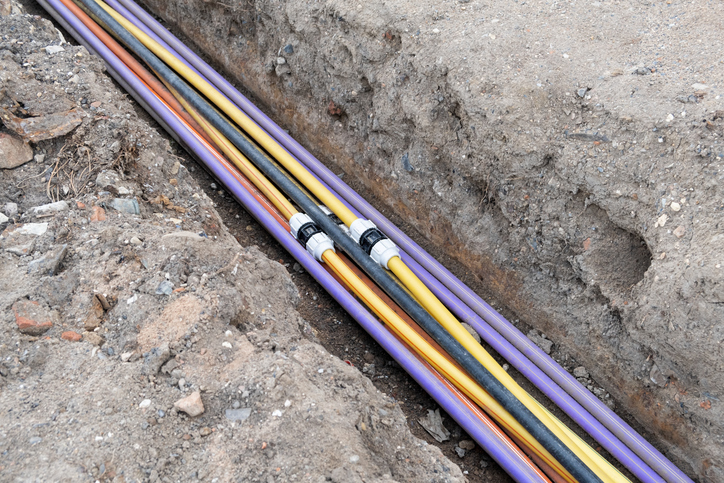
When you look at the Manhattan skyline, you see a glowing forest of lights, but the real power is hidden beneath your feet. New York City is home to one of the most complex underground electrical networks in the world, featuring over 94,000 miles of cable tucked away under the streets. This tradition of hiding wires started back in the late 1880s after a massive blizzard proved that overhead lines were too dangerous and unreliable during big storms. Today, by keeping the grid underground, the city protects its vital energy supply from wind, ice, and falling trees, ensuring that hospitals and homes stay powered even when the weather turns ugly above.
Behind the scenes, engineers at companies like Con Edison are constantly playing a high-stakes game of balance. They use advanced computers to watch energy use in real-time, especially during record-breaking heatwaves when millions of air conditioners are running at once. If a cable fails or a transformer gets too hot, they can often reroute electricity instantly to prevent a blackout. However, the job is getting harder as the city moves toward a greener future. With more people plugging in electric vehicles and giant data centers popping up, the grid is under more pressure than ever. Workers are constantly digging up streets to replace old copper wires with modern tech to keep the city’s heart beating.
3. Subway Signal Control
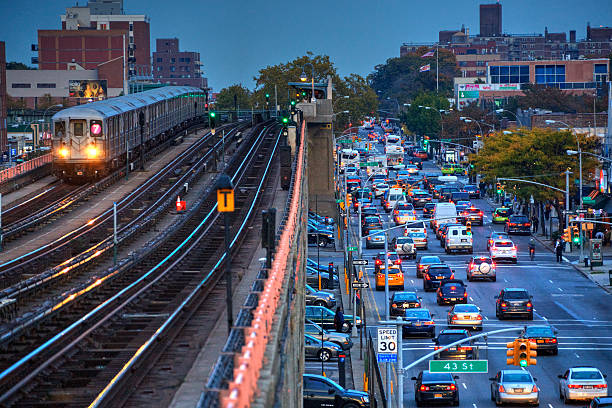
The New York City subway is famous for moving over five million people on a busy weekday, but the trains couldn’t move an inch without the signal system. Think of signals as the “traffic lights” of the tracks; they tell conductors when it is safe to go and when to stop to avoid a collision. While the city is modern in many ways, some parts of this system still use technology from the 1930s. Workers in dark, windowless rooms spend their shifts watching boards and pulling levers to keep the metal cars moving safely across hundreds of miles of track. It is a meticulous, hands-on job that requires incredible focus and a deep understanding of the city’s iron veins.
Right now, the subway is going through a massive tech upgrade that is changing everything. A new system called Communications-Based Train Control, or CBTC, is slowly being installed across different lines to replace the old manual signals. This computer-driven tech allows trains to “talk” to each other, meaning they can run much closer together and arrive more frequently. While these upgrades are very expensive and often cause those annoying weekend service changes, they are the only way to make the subway reliable for the future. Without these quiet professionals managing the flow from their control centers, the city’s legendary momentum would quickly turn into a permanent, frustrated standstill.
4. Waste That Vanishes
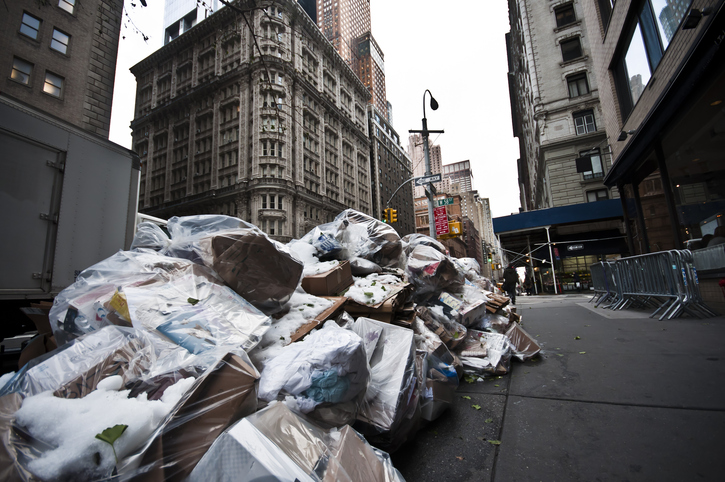
Every single day, New York City creates more than 10,000 tons of household trash, yet the streets are cleared of most of it by the time the morning commute begins. This disappearing act is the work of the Department of Sanitation, which was founded in 1881 and has since become one of the most organized cleaning forces on the planet. Hundreds of white trucks roll out into the night, following very specific routes that have been polished over many years. Because the city has no local landfills left, every bag of garbage you put on the curb has to be compressed, loaded onto barges or trains, and shipped to other states like Pennsylvania or Virginia.
This system is much more than just picking up bags; it is a giant logistical puzzle that never ends. Sanitation workers have to navigate tight streets, heavy traffic, and extreme weather to keep the city from being buried under its own waste. There is also a huge focus on recycling and composting, which requires the city to constantly teach the public how to sort their items correctly. If the trucks stopped running for even two days, the health and safety of the city would be at serious risk. It is a grueling, physical job that happens while most people are sleeping, ensuring that the city looks fresh and ready for business every single morning.
5. Emergency Call Networks

Whenever a New Yorker finds themselves in trouble and dials 911, they are tapping into a massive digital safety net designed to handle chaos. This system doesn’t just connect you to a person; it immediately begins a high-speed process of gathering data. Within seconds, a dispatcher uses advanced software to track your location and figure out which police officers, firefighters, or paramedics are closest to you. These call centers are built to be indestructible, featuring backup power generators and redundant computer systems so they never go dark, even during a major hurricane or a citywide blackout like the one experienced in 2003.
The people on the other end of the line are trained to stay perfectly calm while managing thousands of calls an hour. During major emergencies, the volume of calls can skyrocket, but the system is designed to prioritize the most life-threatening situations first. In recent years, the city has upgraded its tech to allow for “Next Generation 911,” which will eventually let people send photos and videos directly to dispatchers to give them a better view of what is happening. This network is a perfect blend of human empathy and high-tech engineering, working together to make sure that help is always just a few minutes away, no matter what is happening outside.
6. Food Supply Chains
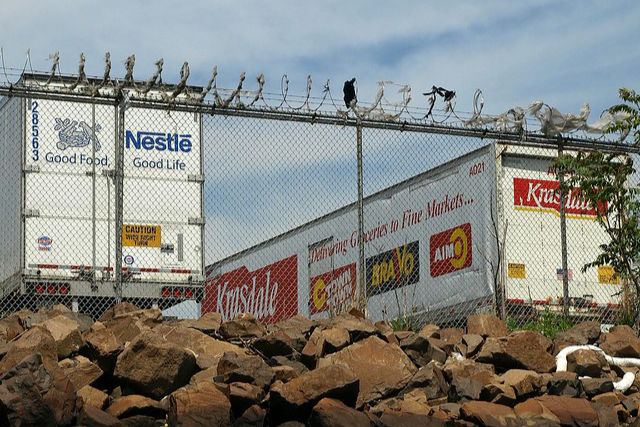
New York City might be a concrete jungle, but it has one of the largest appetites in the world. Since the city doesn’t have room for farms, almost every calorie consumed here has to be brought in from the outside. This requires a 24-hour synchronized dance of ships, planes, and thousands of trucks. The heart of this operation is the Hunts Point Food Distribution Center in the Bronx, which opened in 1967. This massive hub covers over 300 acres and is responsible for providing roughly 60% of the produce eaten by New Yorkers. If you’ve eaten a salad or a piece of fruit in a Manhattan restaurant, there’s a good chance it passed through Hunts Point first.
The food system is built on “just-in-time” delivery, meaning that supplies arrive exactly when they are needed because there isn’t much room for long-term storage in the city. This makes the network very efficient but also quite sensitive. If a major snowstorm closes the highways or gas prices spike, you will see the effects on grocery store shelves almost immediately. To keep things running, wholesalers and logistics experts work through the night to ensure that meat, dairy, and bread are delivered before the sun comes up. It is an invisible supply chain that feeds millions of people every day, proving that New York’s survival depends entirely on its connection to the rest of the world.
7. Bridges Under Watch
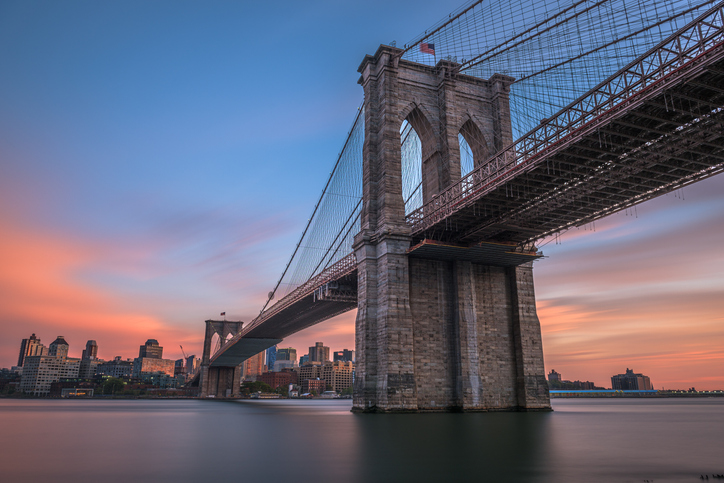
New York is a city of islands, which means its bridges are the vital threads holding the different boroughs together. From the iconic Brooklyn Bridge, finished in 1883, to the massive Verrazzano-Narrows, these structures carry hundreds of thousands of vehicles every hour. Because they are constantly exposed to salty air, heavy weights, and changing temperatures, they require nonstop medical-grade attention. Engineers use high-tech sensors hidden inside the steel and concrete to listen for tiny vibrations or shifts that might show a weakness. This constant monitoring allows them to find and fix small problems before they ever become dangerous for the public.
The work of keeping these bridges standing usually happens in the middle of the night. While the city sleeps, maintenance crews climb high into the air or crawl inside dark anchorages to check for rust and wear. They often work in freezing winds or high humidity to repaint steel and replace bolts, all while trying to keep enough lanes open so traffic doesn’t back up. This preventative care is why many of New York’s bridges have lasted far longer than their original builders ever expected. It is a silent, ongoing battle against time and the elements, ensuring that the city’s millions of commuters can cross the water safely and get home to their families every night.
8. Traffic Light Intelligence

Walking through Manhattan can feel like chaos, but the traffic lights are actually following a very smart, hidden plan. New York City has more than 13,000 intersections with signals, and most of them are connected to a central “brain” managed by the Department of Transportation. This system has evolved significantly since the first electric traffic signal was installed in the city back in the early 1920s. Today, many lights use sensors and cameras to “see” how many cars are waiting. If a particular street is getting backed up, the system can automatically give it a longer green light to help clear the congestion and keep the city moving.
This technology does a lot more than just manage cars; it also works to keep pedestrians safe and help emergency vehicles. In some areas, the lights are timed to create a “green wave,” allowing drivers who go the speed limit to hit every green light in a row, which reduces frustrated driving and sudden braking. During big events like the New Year’s Eve celebration or a parade, human operators can take over the system manually to reroute traffic and prevent gridlock. It is a constant, invisible conversation between computers and the street, trying to find the perfect balance in a city where space is the most valuable thing there is.
9. Steam Beneath Streets
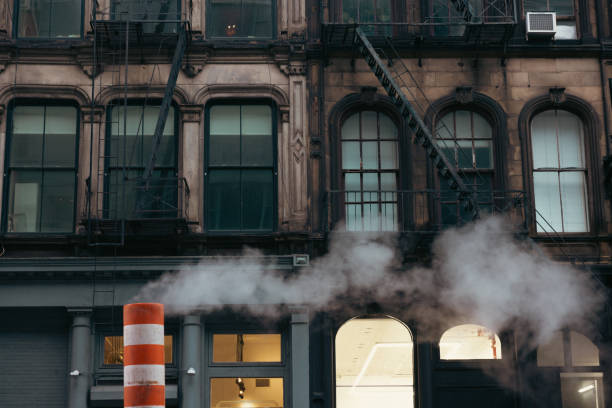
One of the most unique things about New York is the white steam you often see rising from orange-and-white chimneys in the street. This isn’t just a movie trope; it is part of a massive district heating system that has been running since 1882. Deep underground, a network of pipes carries high-pressure steam to thousands of buildings, including the Empire State Building and the United Nations. This steam is used for everything from heating huge offices in the winter to cooling them down in the summer using special equipment. It is a very efficient way to provide energy to a crowded area without every building needing its own giant boiler.
Managing this 100-mile network of steam pipes is a dangerous and highly skilled job. Because the steam is extremely hot and under high pressure, any leak has to be fixed immediately to prevent a pipe from bursting. Crews from Con Edison are out every day checking for “water hammer” and other issues that could cause trouble. Even though the system is over 140 years old, it remains a vital part of the city’s green energy goals because it can be produced in large, central plants that are cleaner than thousands of individual building furnaces. It is a classic example of how New York uses “old” Victorian-era technology to solve modern-day problems in the most crowded borough.
10. Data Centre Backbone

Whenever you swipe your credit card at a local bodega or stream a video while riding the bus, you are connecting to New York’s invisible digital nervous system. This entire network is powered by massive data centers hidden in plain sight, often inside nondescript, windowless buildings throughout Manhattan and the outer boroughs. One of the most famous hubs is located at 60 Hudson Street, a former telegraph building that now serves as one of the world’s most concentrated hubs for internet traffic. These facilities are filled with rows of humming servers that process everything from high-frequency stock trades on Wall Street to personal emails and hospital records.
To keep the city’s digital life from crashing, these centers are designed to be some of the most secure places on Earth. They feature massive backup batteries and diesel generators that can keep the internet running even if the main power grid fails. They also require enormous cooling systems to prevent the hardware from melting down under the heat of millions of calculations. In a world where a few minutes of “downtime” can cost businesses billions of dollars, the teams working in these centers are the ultimate silent guardians. They work around the clock to block cyberattacks and fix hardware glitches, ensuring that the digital heart of the city never skips a single beat.
11. Air Traffic Coordination
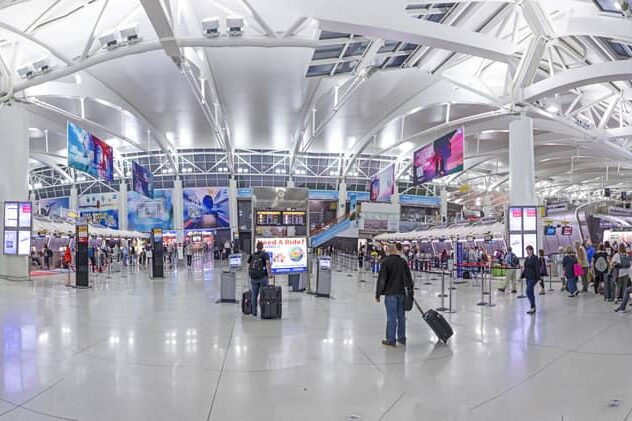
High above the skyscrapers, the sky over New York City is home to some of the most crowded and complicated airspace in the world. On any given day, thousands of flights move through the “Tristate” area, heading toward major hubs like JFK, LaGuardia, and Newark. This invisible highway is managed by air traffic controllers who have been perfecting this dance since the mid-20th century. JFK Airport, which opened in 1948, now handles tens of millions of passengers annually. To keep everyone safe, controllers use high-tech radar and satellite tracking to line up planes with mathematical precision, often keeping them just a few miles apart as they prepare for landing.
This system is a masterclass in staying calm under pressure. Controllers work in high-stakes environments where they must account for shifting winds, sudden thunderstorms, and the fuel levels of dozens of aircraft all at once. While passengers often complain about “airport delays,” those pauses are usually the system working exactly as intended, prioritizing safety over speed. These experts use predictive modeling to anticipate bottlenecks before they happen, making split-second decisions that affect travelers across the entire globe. Their success is invisible by design; when they do their jobs perfectly, planes land softly, passengers reunite with families, and the busy sky remains as orderly as a quiet library.
12. Hospital Supply Logistics
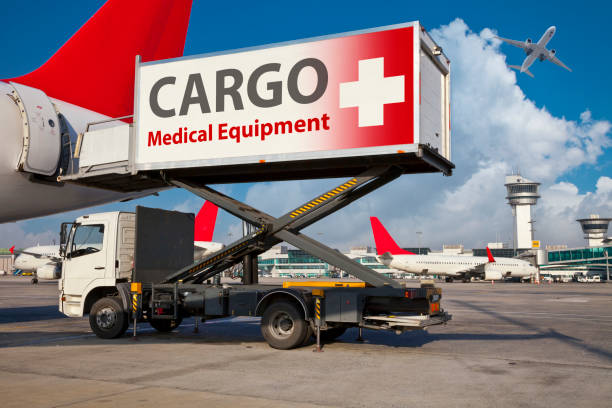
A New York City hospital is like a small, busy city that never closes its doors, and it requires a constant “blood flow” of supplies to keep patients alive. From life-saving medications and oxygen tanks to simple things like clean bedsheets and surgical gloves, a massive logistics network works 24/7 behind the scenes. Because New York real estate is so expensive, most hospitals don’t have enough room to store months of supplies. Instead, they rely on “just-in-time” deliveries that arrive at loading docks every single day. This requires incredible coordination between manufacturers, truck drivers, and hospital staff to ensure that a surgeon never reaches for a tool that isn’t there.
The importance of this system became clear during the global health crisis of 2020, which forced hospitals to rethink how they track their inventory. Today, many facilities use advanced software to predict when they will run low on specific items based on current patient numbers and local health trends. Procurement teams work like expert shoppers, sourcing goods from all over the world while navigating traffic jams and snowy weather to get them to the bedside. This quiet, relentless planning ensures that when an emergency happens, the doctors and nurses can focus entirely on their patients, knowing that the tools they need will be ready and waiting in the cabinet.
13. Fuel Distribution Network

Even though many New Yorkers don’t own cars, the city still runs on an enormous amount of fuel. Every day, millions of gallons of gasoline, diesel, and heating oil move through a hidden network of pipelines and barges. Much of this fuel arrives at massive storage terminals in New Jersey or on the shores of Staten Island before being loaded onto tanker trucks. These trucks then navigate the city’s narrow, crowded streets to reach gas stations and the basements of apartment buildings. This system has been the city’s literal engine since the early 1900s, and it remains vital for powering the buses and emergency vehicles that keep us safe.
The fuel network is surprisingly delicate and operates on very tight schedules. We saw how much we rely on it during Hurricane Sandy in 2012, when power outages at the terminals led to long lines at the pumps and a temporary fuel shortage. Since then, the city and energy companies have worked hard to make the system more “resilient,” adding better flood protections and backup power to the distribution hubs. Regulators also keep a close watch on these facilities to prevent leaks and protect the environment. It is a massive, high-stakes operation that ensures that when you turn up your thermostat or board a city bus, the energy is there to make it happen.
14. Flood Control Systems

New York is a coastal city with over 500 miles of shoreline, which makes managing water a constant battle. Beneath the streets, a vast network of storm drains and pipes works to carry rainwater away before it can flood the subways or basements. Many of these pipes were laid down nearly a century ago and were designed for much lighter rainstorms than we see today. To help out, the city uses massive pumping stations that can move millions of gallons of water per minute. These stations are the unsung heroes during heavy summer downpours, working at full throttle to push water out into the harbor and keep the city dry.
Because the climate is changing, New York is currently undergoing one of the largest infrastructure transformations in its history. Engineers are building new “blue-belts,” which are natural-looking ponds and wetlands that soak up rain, and installing massive steel floodgates at the entrances to subway tunnels. Following the devastation of 2012, the city also began the “East Side Coastal Resiliency” project to build raised parklands and sea walls. These defenses are designed to act like a shield, protecting millions of residents from rising sea levels. It is an ongoing race against time and nature, where success means that most people won’t even notice the storm raging right outside their windows.
15. Building Inspection Regimes
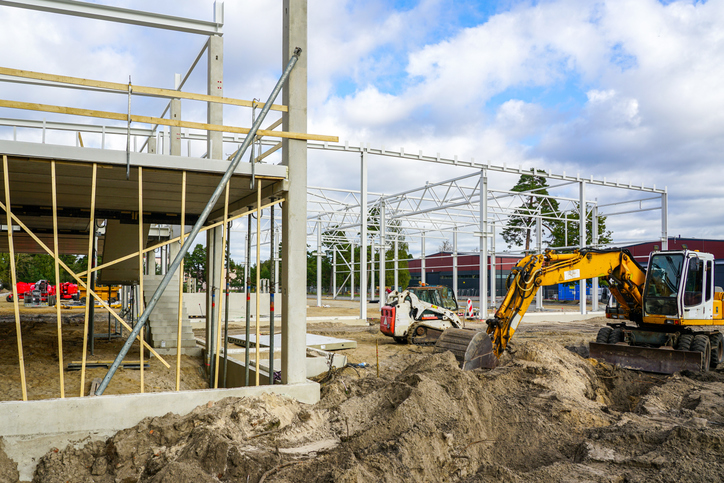
New York’s famous skyline is a marvel of engineering, but it only stays standing because of a strict and constant “check-up” system. Every one of the city’s one million buildings is part of a rigorous inspection schedule managed by the Department of Buildings. Inspectors are the city’s structural detectives, checking everything from the strength of the steel and concrete to the safety of the elevators and fire escapes. They even have to inspect the “facades” or the outside skin of tall buildings to make sure no loose bricks or pieces of stone fall onto the sidewalk below. This tradition of oversight dates back to the mid-1800s, when the city first began passing laws to prevent fires and collapses.
While the paperwork and permits can sometimes feel like a headache for owners, these rules are what keep the city safe for everyone else. When an inspector finds a problem, like a cracked support beam or a faulty boiler, they can order immediate repairs to prevent a tragedy before it ever happens. Following major incidents in the past, the city has updated its “Building Code” to be one of the toughest in the world. This means that every skyscraper you see is being constantly watched and tested. The safety we feel while walking through the canyons of Manhattan is the result of thousands of routine, methodical inspections carried out by people who care about every bolt and brick.
16. Street Repair Cycles
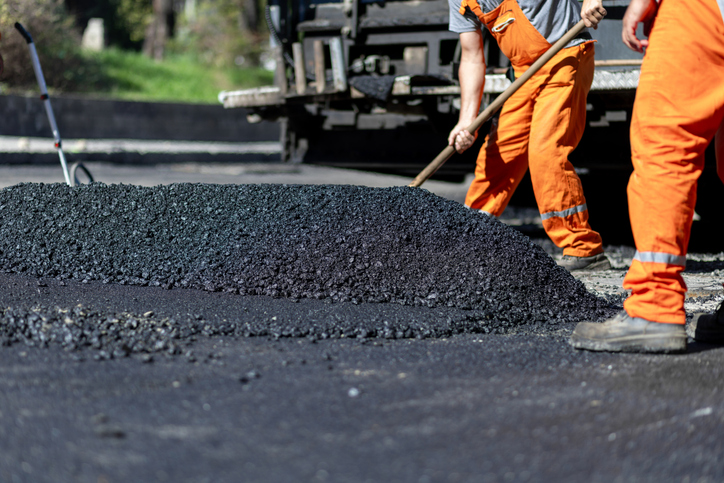
The streets of New York take a beating that would destroy almost any other road in the world. Between the freezing and thawing of winter, the heavy weight of thousands of buses, and the constant digging by utility companies, potholes are an inevitable part of life. However, the city has a highly organized system to fight back. The Department of Transportation uses a “paving calendar” to coordinate repairs, often resurfacing hundreds of miles of road every year. This work is a giant puzzle, as crews have to make sure they aren’t paving a street today that a water company plans to dig up tomorrow for a new pipe.
Most of this grueling work happens in the dead of night under bright floodlights. While the city is quiet, crews use massive machines to “mill” or grind away the old, cracked asphalt before laying down a fresh, steaming layer of new pavement. They have to work fast to make sure the road is cool and the lines are repainted before the morning rush hour begins at 6:00 AM. It is a thankless job that happens in the cold and rain, but it is essential for keeping the city’s economy moving. Without these constant repair cycles, the streets would quickly become impassable, turning the city’s famous grid into a bumpy, broken mess that no taxi or delivery truck could survive.
17. Citywide Operations Centres
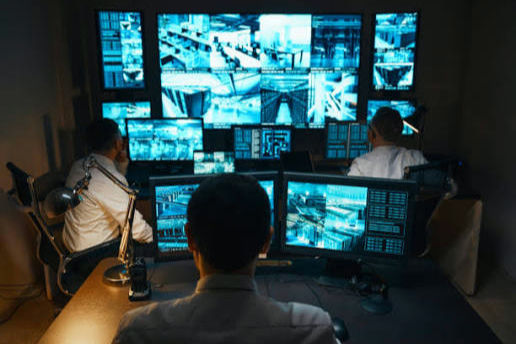
If you want to find the “brain” of New York City, you would look inside one of its centralized operations centers. These high-tech rooms are where all the data from the city’s different systems, traffic, weather, police, and utilities, converge onto giant walls of screens. The most famous is the Management Center used by the Office of Emergency Management. Here, experts from dozens of different agencies sit side-by-side, watching live feeds of the city in real-time. This setup allows them to spot a problem, like a major water main break or a subway delay, and coordinate a response across the entire city in just a matter of minutes.
These centers are especially important during big events, like the TCS New York City Marathon or a visit from a world leader. By having everyone in one room, the city can make decisions much faster than if they were sending emails back and forth. They use sophisticated software to run “what-if” scenarios, helping them plan for everything from a blizzard to a parade. This level of coordination is what makes a modern mega-city possible. It turns a collection of separate neighborhoods into a single, organized organism that can react to trouble instantly. These rooms represent the ultimate modern truth: in New York, survival is a team sport that requires constant communication and shared information.
The endurance of New York City isn’t a happy accident or just a stroke of luck. It is the result of layers upon layers of infrastructure that have been built, broken, and rebuilt over more than 400 years of history.


