
1. The Jetpack Dream

There was a time when the idea of strapping a rocket to your back and soaring through city skies wasn’t just science fiction it felt like tomorrow. Magazines and TV shows from the 1950s pictured a world where traffic jams would be replaced by jetpack highways. The excitement was infectious: adults and kids alike imagined commuting from rooftop to rooftop or racing friends in the clouds. Inventors tried to make it real, with a few prototypes and daring demonstrations, but the practical reality quickly caught up. Fuel requirements, weight, safety concerns, and noise made daily jetpack use almost impossible for ordinary people.
Still, the dream hasn’t vanished entirely; a few companies today sell limited-use jetpacks for entertainment or extreme sports. They’re fascinating to watch, but nothing like the everyday personal flight once promised in every futuristic ad. The lesson seems clear: what looks thrilling on paper doesn’t always translate to convenient, safe, or affordable life. Jetpacks remind us that imagination often outpaces practicality, and that some “futures” were always just a little too tall to reach.
2. Flying Cars for All

Flying cars have long captured our collective imagination, appearing in cartoons, movies, and glossy futurist illustrations. The thought of zipping above traffic in a sleek, hovering vehicle made the future seem within arm’s reach. In the 1960s, automakers even displayed prototypes at world fairs, promoting them as the inevitable next step in urban mobility. Everyone assumed the only limit was time.
Reality, however, told a different story. Flying cars face enormous regulatory, technical, and financial challenges. Air traffic control, pilot training, noise, energy requirements, and costs made them impractical for everyday use. Even today, while a few prototypes hover over restricted test zones, the promise of a flying car in every driveway remains mostly a nostalgic fantasy. The allure of these vehicles lies less in practical commuting and more in the dream they represent: human ingenuity imagining a world where freedom isn’t bound to the road.
3. The E-Reader That Came Too Early

Long before modern tablets and sleek digital readers became popular, companies experimented with early electronic books. In the late 1990s, devices like the Rocket eBook tried to replace printed paperbacks with digital screens. The concept was appealing. Instead of carrying several books on vacation, you could store an entire library on one device and read anywhere.
The challenge was timing. Early screens were harder on the eyes, batteries didn’t last long, and downloading books required technical steps that felt complicated at the time. Most readers were perfectly happy with a paperback they could toss into a bag. As one technology writer later reflected, the early e-reader “arrived before the world was ready for it.” Years later, improved displays, wireless downloads, and better battery life would revive the idea in a far more successful way. But the earliest devices quietly faded from store shelves. They remain an interesting reminder that sometimes the future doesn’t fail because the idea is wrong. It simply shows up a decade earlier than people are prepared to welcome it.
4. Paperless Offices

Decades ago, companies confidently predicted that computers and digital files would eliminate paper entirely. Office planners imagined bright, clean rooms with zero clutter, no piles of memos, no overflowing file cabinets, no fax machines rattling through the night. In theory, it was perfect: faster communication, better storage, instant retrieval. Offices embraced computers and early software with dreams of a completely digital workflow.
Fast-forward to today, and paper is still very much a part of office life. Contracts, forms, receipts, and even memos often exist in physical form alongside digital copies. Email, cloud storage, and document management software have reduced paper usage but haven’t eliminated it. Like many technological predictions, the paperless office shows that convenience doesn’t always fully replace tradition, especially when trust, habit, and legal requirements favor the old way. It’s a reminder that “future-ready” doesn’t always mean entirely digital, but sometimes a hybrid approach is the most practical evolution.
5. Video Phones in Every Home

Imagine a world where you could see the person you were calling, just like on a TV screen. In the 1960s and 70s, futurists and tech writers predicted exactly that: a future filled with video phones, turning conversations into almost lifelike interactions. The promise was personal, visual communication everywhere, making long-distance calls more intimate and convenient.
What arrived was quite different. While video calling exists today on smartphones and computers, it hasn’t replaced traditional phones, nor has every home adopted dedicated video phones as expected. Early experiments failed due to high costs, bandwidth limits, and social hesitancy; people weren’t ready to broadcast their faces for every chat. Today’s video calls exist, but often as an occasional convenience rather than the everyday necessity once imagined. The video phone story illustrates how some futuristic predictions overshoot human behavior as much as technology, revealing that culture often moves more slowly than invention.
6. Personal Submarines for Leisure

In mid-century magazines, we were promised personal submarines as the next luxury toy. Imagine a weekend getaway cruising coral reefs, exploring sunken ships, or having underwater dinner parties. It seemed plausible in a world racing toward miniaturized technology, with inventors showcasing small submersibles that hinted at private ocean adventures. The allure was obvious: freedom, adventure, and the chance to see the world from an entirely new perspective.
Reality, however, had other plans. Safety regulations, extreme costs, technical limitations, and environmental concerns kept personal submarines far from mainstream adoption. The few enthusiasts who own them today are more hobbyists than casual weekend explorers. While personal submarines exist in a niche sense, the dream of everyday underwater commuting or leisure remains firmly in the realm of fantasy. It’s a subtle reminder that the future sometimes drifts deeper than we expect, and not every exciting invention can surface for daily life.
7. Meals in a Pill

The 1960s and 70s weren’t shy about promising a world where humans would replace traditional meals with compact, nutritionally complete pills. Advertisements suggested a life-saving convenience: no more cooking, no more grocery shopping, just pop a pill and get all your energy. The vision was futuristic, efficient, and oddly optimistic, appealing to busy urbanites and the space-age imagination alike.
Yet, humans kept craving texture, taste, and ritual, and the market never fully embraced these replacements. While products like meal shakes, protein powders, and ready-to-drink nutrition exist today, no pill has replaced the joy and social aspects of sitting down to a proper meal. It shows that human habits, sensory experiences, and emotional connections often outweigh pure efficiency, leaving “meal-in-a-pill” as a tantalizing idea that never quite made it into everyday life.
8. Robotic Waiters in Restaurants

Restaurants once promised that servers of the future would be fully robotic, bringing meals to tables with perfect timing, no complaints, and never forgetting an order. Science fairs, magazines, and futurists depicted gleaming, humanoid attendants gliding through dining rooms, transforming restaurants into automated, high-tech spaces. The idea was meant to impress, entertain, and redefine hospitality.
Today, robotic waiters exist in some experimental venues, mostly for novelty or limited service in cafes and fast-food chains, but they haven’t replaced human staff in any meaningful way. Guests value conversation, attention, and intuition, things robots struggle to replicate. This reflects a recurring theme in future predictions: even with technology that works, human nuance, connection, and emotional intelligence remain difficult to replace. The dream of fully automated dining is more about imagination than practicality, offering amusement more than efficiency.
9. Satellite Phones That Were Meant for Everyone
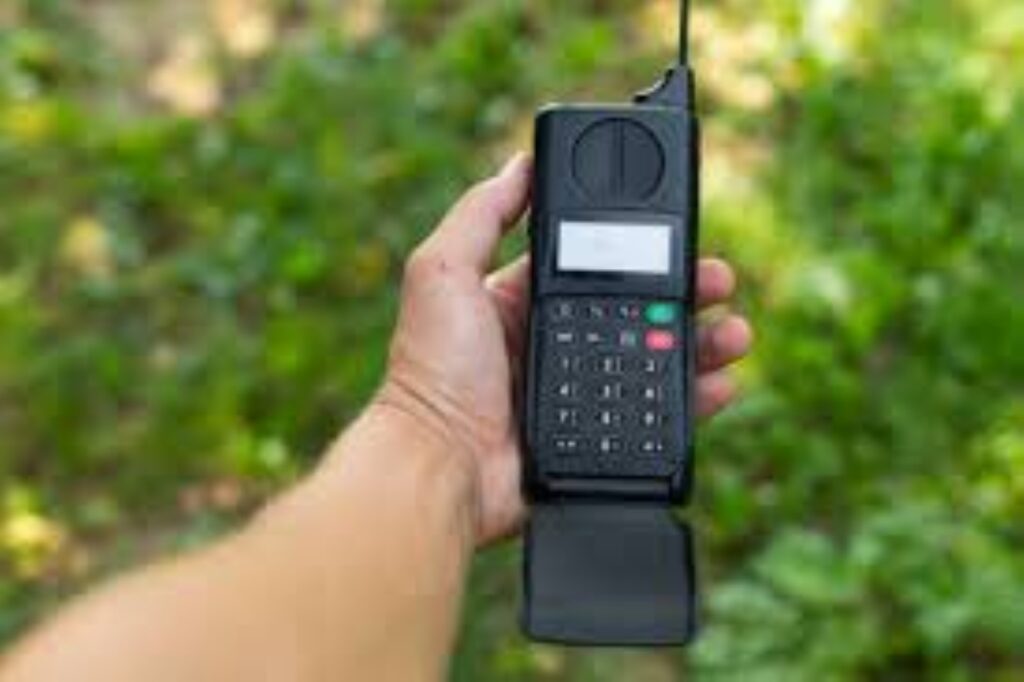
In the late 1990s, satellite phones were introduced with the promise of connecting people anywhere on Earth. The vision was exciting. No matter where you traveled, across deserts, mountains, or oceans, you could pick up your phone and make a call. Companies invested billions in satellites orbiting the planet to make this possible, believing everyday consumers would quickly adopt the technology.
The reality turned out to be more complicated. Early satellite phones were large, expensive, and required a clear view of the sky to function properly. Calls cost far more than traditional cellular service, and the devices felt bulky compared to the smaller mobile phones people were beginning to carry. Meanwhile, cell tower networks expanded quickly across cities and highways, solving most communication needs in a simpler way. Technology analysts later pointed out that satellite phones were impressive but aimed at a much smaller audience than companies expected. Today they are still extremely useful for explorers, emergency workers, and ships at sea. For the average person, however, the future of communication took a different path right through the smartphone already sitting in their pocket.
10. Televisions That Tried to Bring 3D Into the Living Room

There was a time when TV manufacturers promised a living room revolution: 3D televisions that could make movies, sports, and cartoons leap off the screen. Ads showed families wearing special glasses, ducking from flying objects, and marveling at lifelike depth in their favorite shows. The excitement was palpable. Finally, the magic of the movie theater could come home, and ordinary living rooms could transform into immersive experiences. Consumers imagined that 3D would be the next must-have feature, replacing plain flat screens as the standard for entertainment.
Reality, however, fell short of the hype. 3D TVs required cumbersome glasses, often caused eye strain, and lacked compelling content that justified the extra cost. The technology was eventually phased out, leaving most households with traditional flat-screen televisions instead. While 3D lives on in cinemas, virtual reality, and gaming, it never became a staple in everyday living rooms. The story of 3D TVs is a gentle reminder that even appealing, high-tech ideas may fail when they don’t fit seamlessly into daily life, showing that convenience and comfort often win over novelty even when the promise of a cinematic home experience is hard to resist.
11. Personal Hoverboards

The 1980s promised that kids (and adults) would zoom through neighborhoods on sleek hoverboards, effortlessly gliding above the pavement. Movies, cartoons, and toy ads all teased the thrill of floating through streets without wheels or pedals. It seemed like just a matter of time before urban life would feel like a sci-fi adventure.
Hoverboards arrived, but not quite in the way imagined. The self-balancing scooters we have today hover no more than an inch off the ground and rely on wheels and batteries rather than anti-gravity technology. They’re fun for short rides and tricks, but the vision of floating effortlessly above sidewalks remains firmly in imagination. Still, the hoverboard dream endures as a symbol of youthful hope and a reminder that sometimes, even partial progress can be exciting enough to keep us imagining.
12. Supersonic Flights That Promised a Smaller Planet

In the 1960s and 70s, the dream of supersonic travel captured imaginations worldwide. Companies promised a future where a trip across the Atlantic could take just a few hours, turning the globe into a “smaller planet” where business, vacations, and family visits felt almost local. Jet-setters imagined zipping past clouds at speeds faster than sound, sipping champagne at 60,000 feet, and landing across continents before dinner.
Yet supersonic flight never became the everyday reality it promised. The Concorde carried passengers in style, but it was expensive, noisy, and environmentally taxing. Fuel costs, sonic booms, and limited routes made supersonic travel inaccessible to most people. Today, while research into next-generation supersonic planes continues, the vision of a small, instantly connected planet hasn’t arrived for the masses. The story of supersonic flight is a reminder that speed alone isn’t enough to reshape life—the practical, economic, and environmental realities often determine which futuristic ideas truly take off.
13. Personal Weather Control
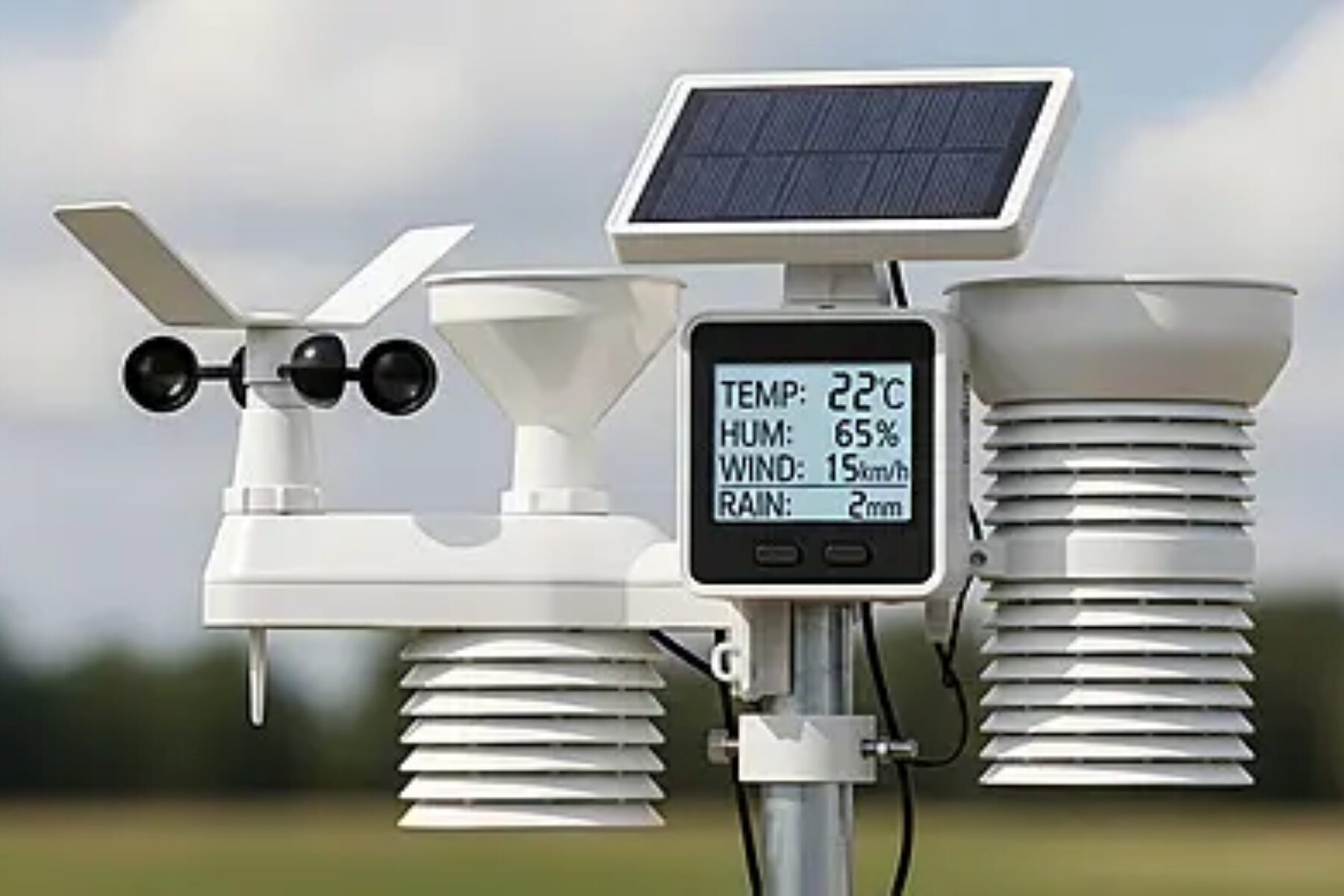
For decades, science fiction and speculative articles suggested that by the year 2000, humans would have some control over local weather. Headlines hinted at a future with rain on demand for gardens, sunny skies for vacations, or snow when it felt festive. It was a seductive promise: no more ruined picnics or unpredictable storms, just a climate tuned to human whims.
Weather control, however, remains beyond reach. While meteorologists can predict conditions with increasing accuracy, and cloud seeding can slightly influence rainfall in limited areas, the idea of truly personalized weather is still science fiction. This prediction serves as a gentle reminder that even the most ambitious visions often collide with the complexity of nature, and that some aspects of the world remain beautifully, humbly beyond human command.
14. Pocket-Sized Televisions

In the early 1980s, companies showcased tiny televisions that promised to replace the bulky family set, fitting neatly in a pocket or backpack. The dream was a portable, always-on window to news, entertainment, and sports, suggesting a future where TV was personal, mobile, and immediate. It was the precursor to imagining the always-connected life we take for granted today.
The technology arrived, but not in the exact form imagined. Pocket TVs never became mainstream; instead, smartphones eventually combined video, communication, and computing into one device. The shift demonstrates that the “future” sometimes arrives in unexpected packages, where technology converges into broader tools instead of isolated gadgets, and shows how user behavior shapes which inventions truly succeed.
15. Flying Mail Delivery
Futurists once predicted that envelopes, packages, and letters would travel via tiny personal drones, speeding up deliveries to near-instantaneous speeds. The idea felt obvious in a world obsessed with efficiency, and advertisements imagined quiet, hovering machines zipping over neighborhoods, ensuring no letter would ever be late again.
Drones do deliver packages in certain pilot programs, but universal flying mail is far from reality. Issues like safety, airspace regulations, battery life, and costs prevent it from replacing traditional delivery methods. This idea reminds us that even when the technology exists, scaling it for everyday life often proves far harder than imagined. Dreams of a fully airborne postal system remain charming, inspiring continued innovation, even if they haven’t quite landed.
16. Virtual Reality That Needed Decades to Mature
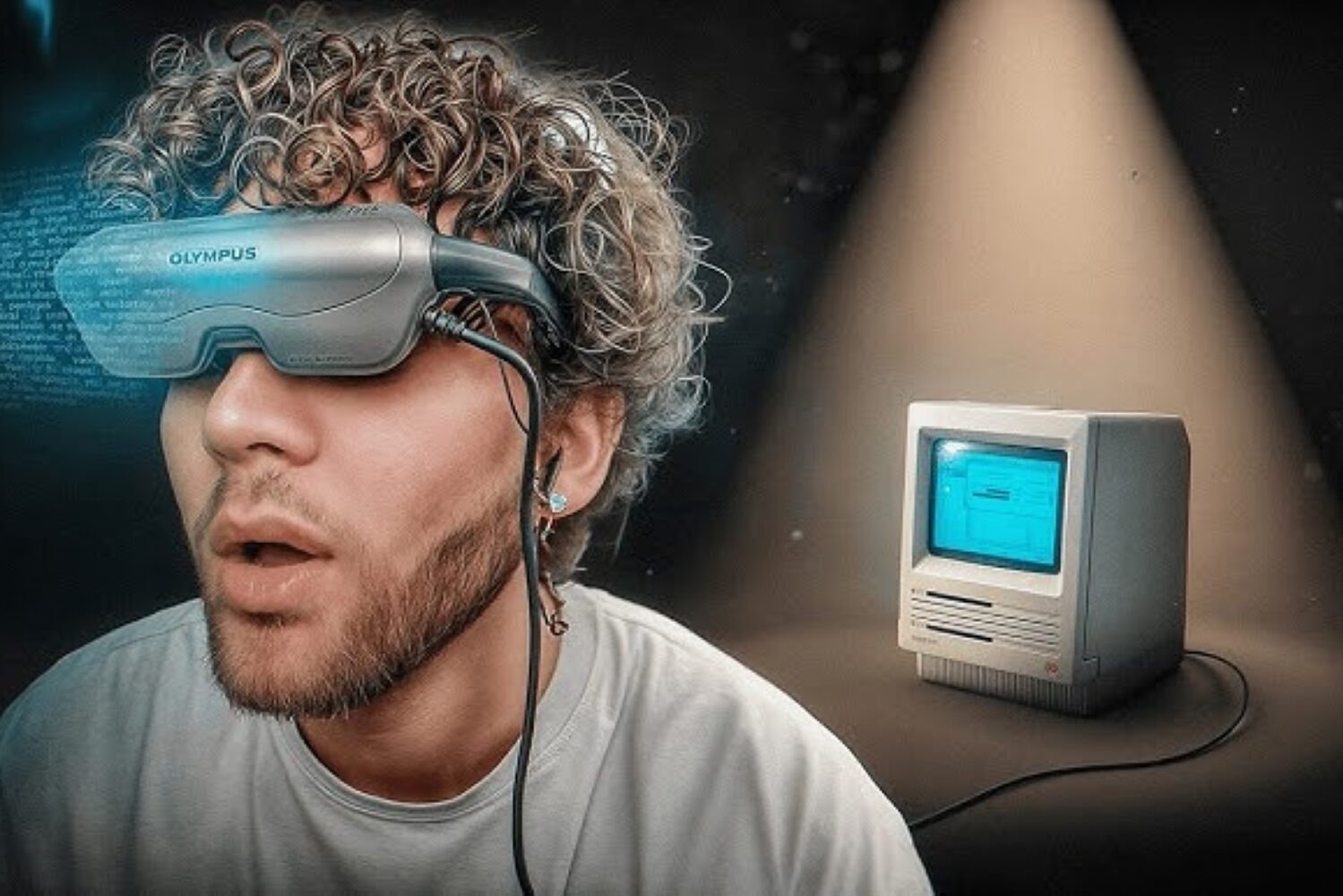
Virtual reality captured the public imagination long before the modern headsets people recognize today. In the early 1990s, arcades and technology expos showcased bulky VR helmets that promised immersive digital worlds. Advertisements suggested that gaming, education, and even shopping might soon happen inside virtual environments. The excitement was real, and the idea felt thrillingly futuristic.
But the technology of the time struggled to keep up with the ambition. Early headsets were heavy, graphics were simple, and many users experienced motion sickness during longer sessions. The systems were also extremely expensive, limiting them mostly to demonstrations and experimental setups. Technology historians often note that VR did not disappear after that early wave of excitement. Instead, it quietly returned to research labs where engineers kept improving the idea. Decades later, lighter headsets and stronger computers would bring the concept back into the spotlight. The first wave of VR may not have reshaped everyday life, but it helped lay the groundwork for the versions people are exploring again today.


