
1) China Cabinets
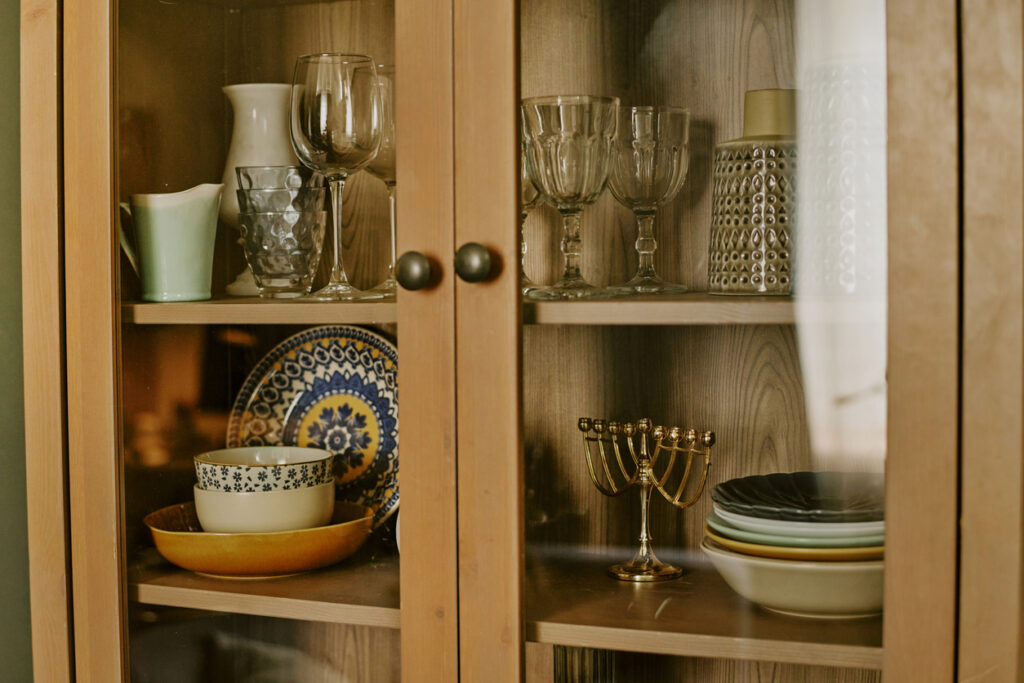
Growing up, a lot of homes had that tall, heavy cabinet filled with dishes no one was allowed to touch. Today, younger people want lighter spaces and more flexible storage. Instead of locking china behind glass, they put books, plants, or even leave shelves open. China cabinets feel like they belong to a different time, when entertaining was more formal and furniture was built to last generations. Now the trend is toward simple living, less clutter, and pieces that serve a purpose every day. The shift makes homes warmer, more functional, and less about collecting dust.
2) Landline Phones
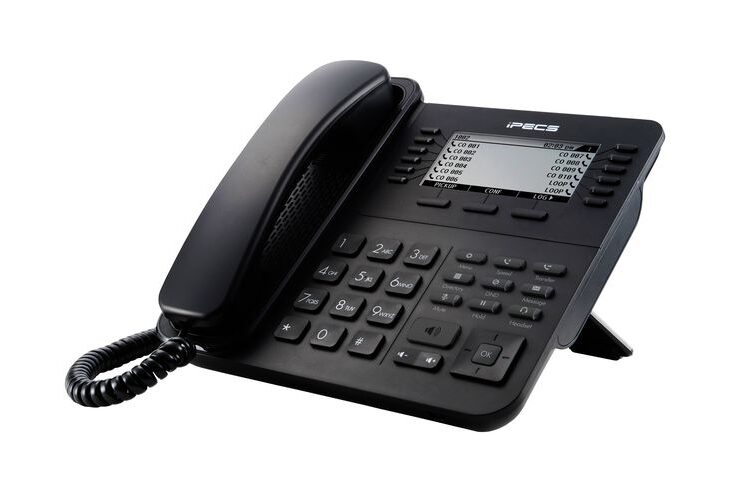
It is hard to imagine life without a smartphone now, but older homes always had a landline phone, often in the hallway or kitchen. Younger people see no point in paying for something they barely use. Cell phones do everything, from calls to texts to internet browsing. Landlines only linger in places with spotty coverage or for security reasons, but they are mostly symbols of the past. They even show up in horror movies now as props. For modern households, it feels unnecessary to keep a phone tied to a wall when the world is in your pocket already.
3) Alarm Clocks
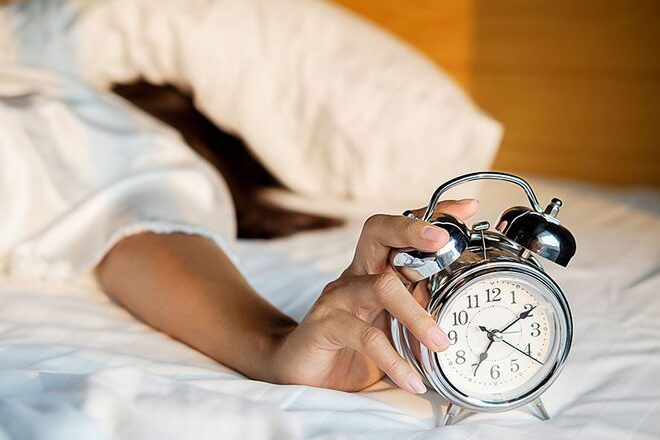
There was a time when everyone had a glowing digital alarm clock sitting on the nightstand. Now, most people just use their smartphones, which come with alarms, music, and even customizable wake up sounds. It saves space and feels natural since the phone is already nearby for charging. Some still love a simple clock for less distraction, but the younger crowd prefers fewer devices. The shift is less about rejecting alarm clocks and more about combining functions. A single gadget that handles communication, entertainment, and time just makes sense. The iconic red digits are fading from bedrooms everywhere.
4) Wall to Wall Carpeting
Step into a new home today and you are more likely to find hardwood, tile, or a washable rug than wall to wall carpet. Younger homeowners value surfaces that are easier to clean, better for allergies, and stylish with a modern feel. Carpeting can be cozy, but it traps dust, stains easily, and feels dated in comparison. Rugs can be swapped out seasonally or with design changes, giving more flexibility. It is not about rejecting comfort, but about choosing practicality. Floors that breathe and last longer without the constant deep cleaning win over most younger households. Simplicity comes first.
5) Formal Dining Sets
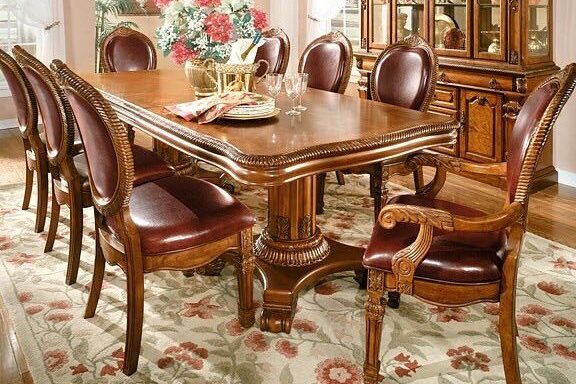
Once upon a time, it was normal to own twelve matching plates, cups, saucers, and silverware for large gatherings. Today, smaller apartments, casual eating habits, and busy schedules make that impractical. Younger people often eat at kitchen counters, coffee tables, or even on the couch. Instead of a formal set, they buy versatile everyday dishes that mix and match. Entertaining now is less about presentation and more about connection. The formality of perfectly set tables feels unnecessary. People want easy to store, easy to use, and meaningful over matching. The full dining set is quietly slipping out of modern homes.
6) DVD Collections
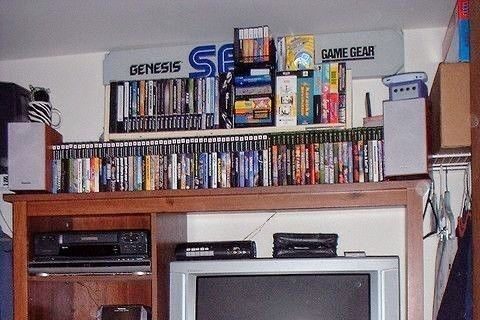
Remember when shelves full of DVDs showed off your taste in movies? Now, those towers are gathering dust. Streaming services put entire libraries at our fingertips without the clutter. Even stores have stopped selling physical discs as often. For many, DVD collections feel like relics of another era, more yard sale than treasure. Some collectors still love the special features and artwork, but most households prefer simplicity. Shelves once packed with discs now hold books, candles, or just stay empty. Technology changed fast, and what was once a proud collection is now a reminder of how we used to watch.
7) Fabric Softener
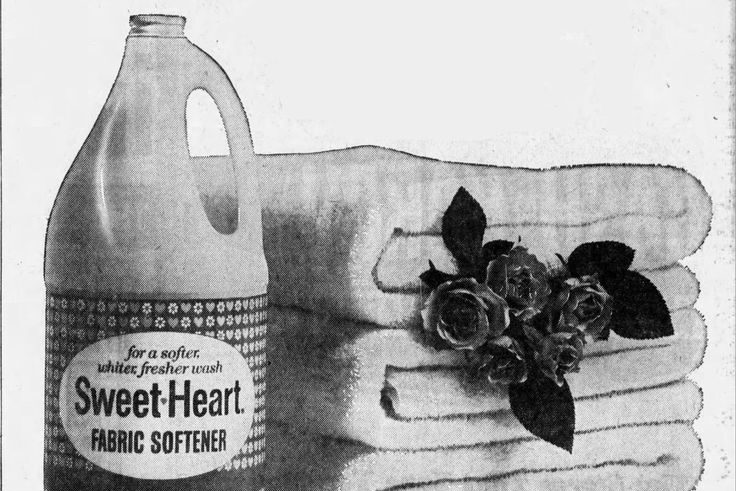
Laundry routines have changed, and fabric softener has been left behind by many younger households. People see it as unnecessary, full of chemicals, and sometimes even bad for washers. Towels lose absorbency, and residue builds up, so skipping it feels like a smart choice. Instead, they focus on good detergents, natural alternatives, or just letting clothes air dry. It saves money and avoids the heavy perfumes that some dislike. The goal is clean, comfortable clothing without extra steps. Fabric softener is not gone completely, but for a lot of people it has lost its place on laundry day shelves.
8) Cable TV Boxes
For years, the cable box was a living room fixture. Now, it is more likely shoved in a closet or canceled altogether. Streaming services give younger viewers control over what to watch and when, without bulky equipment or expensive bundles. Some still keep cable for sports or local news, but for most households it is an unnecessary expense. Streaming sticks and smart TVs are easier, cheaper, and more flexible. The days of flipping through channels are giving way to curated lists and endless choices. Cable boxes once ruled entertainment, but now they feel like a piece of the past.
9) Clocks on the Wall
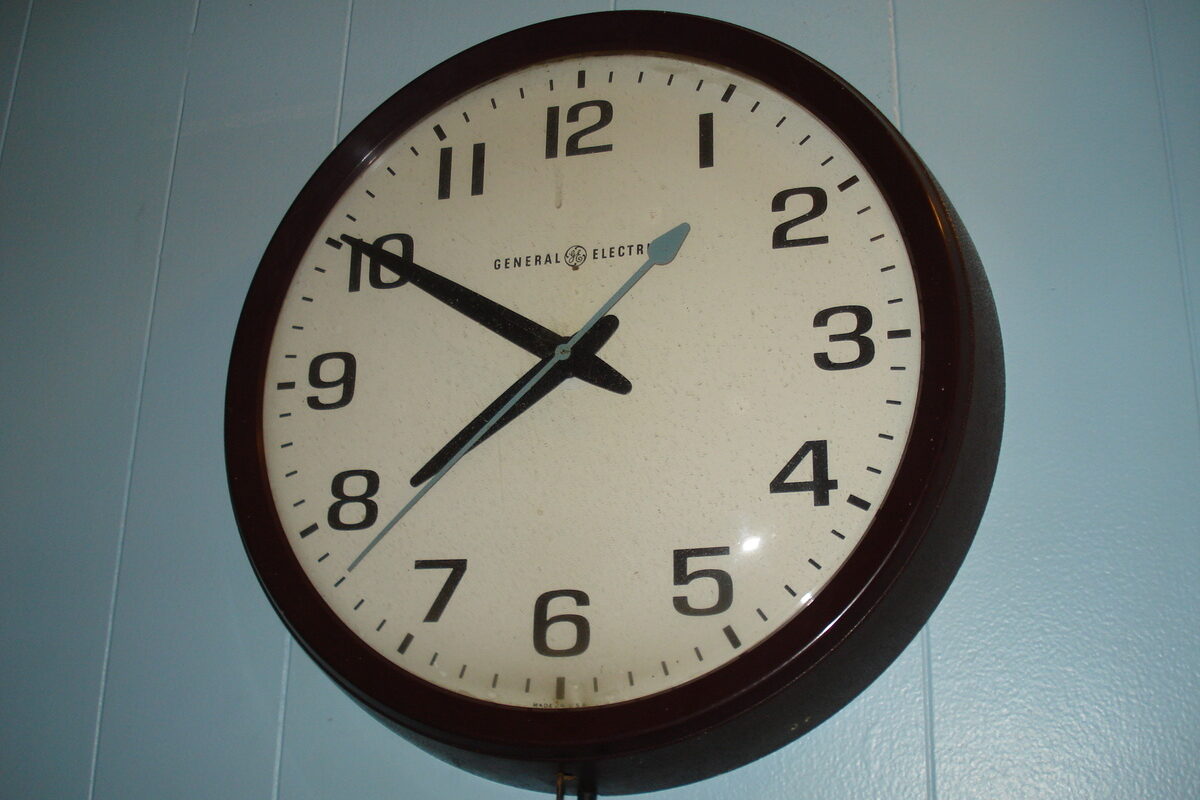
Look around a younger person’s home and if you see a wall clock, it is probably for decoration rather than function. Phones and smartwatches keep time constantly, making wall clocks less essential. They are still loved as stylish pieces, adding texture and personality to a room, but they no longer define daily schedules. In earlier times, a clock was needed to stay on track. Now, it is more about filling a blank wall than catching a bus. Function turned to fashion, and while clocks remain, their role has quietly shifted from necessity to simple background charm.
10) Napkin Rings

In many homes today, napkin rings rarely leave the drawer. Younger households set the table with simple cloth napkins or even paper towels instead of polished rings. These little accessories once showed off formality and order, but they feel unnecessary in casual dining. Families gather at kitchen counters or picnic tables, not formal settings, so napkin rings seem out of place. They might come out at holidays or special dinners, but they are no longer everyday items. It is not rejection, just practicality. Life is simpler, and table settings reflect that shift. Napkin rings quietly wait for rare occasions now.
11) Recipe Boxes
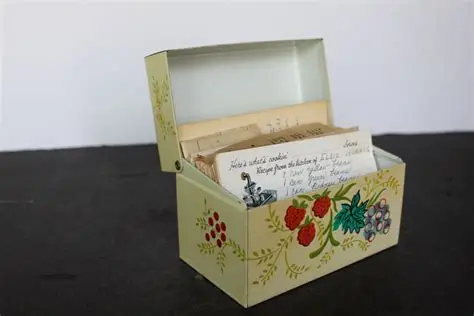
There was a time when family kitchens had wooden boxes full of handwritten index cards. Younger cooks rarely use them anymore, choosing phones, apps, and online recipes instead. Digital options are easier to organize, share, and update on the spot. Pinterest boards, TikTok clips, and food blogs have replaced carefully copied cards. Some families still treasure recipe boxes as heirlooms, but for daily cooking, technology wins. The tradition is not gone entirely, it just moved to a different format. Recipes live in cloud storage now, easy to carry anywhere, and ready to inspire the next meal at a glance.
12) Magazine Subscriptions
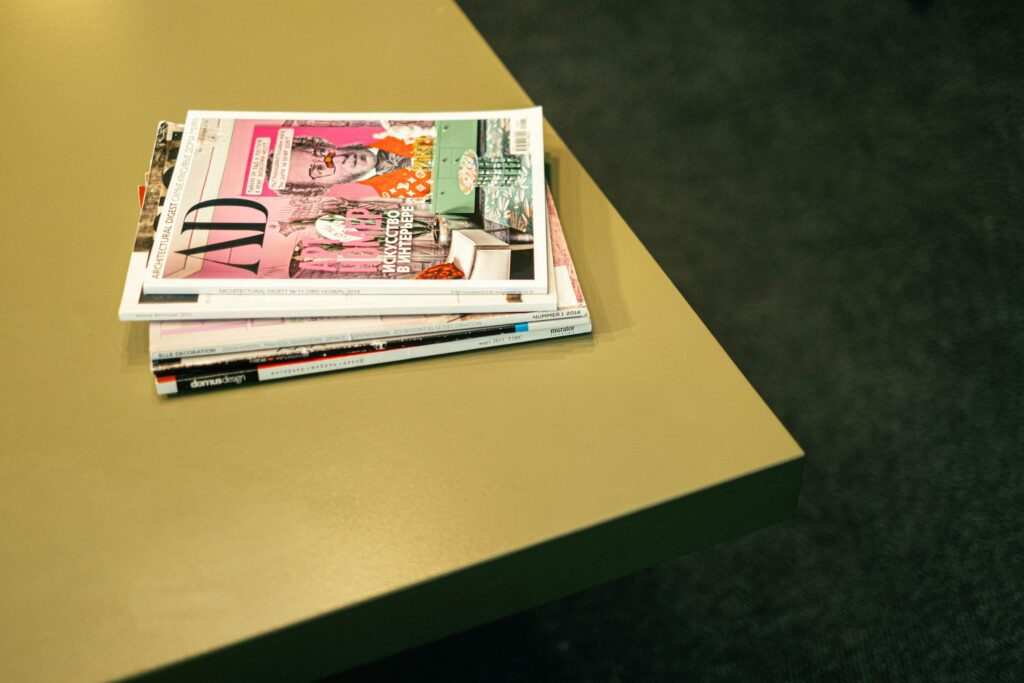
Coffee tables used to be stacked with magazines, each month bringing new issues to flip through. Younger households rarely subscribe anymore, since articles, news, and trends show up instantly on phones. Print is still loved by some, but it competes with endless digital content that is faster and easier to access. Screens have replaced stacks of glossy pages in most homes. The shift reflects how people consume information, choosing interactivity and variety over waiting for the mail. Magazines are still around, but they no longer dominate living rooms the way they once did, fading quietly into fewer homes.
13) Large Entertainment Centers
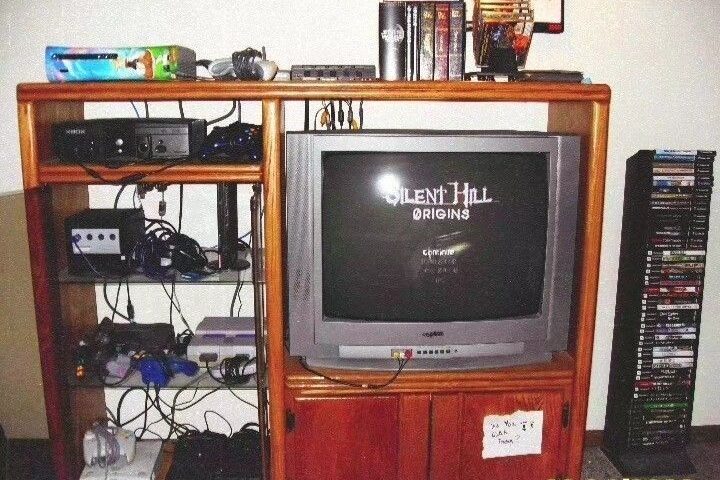
Remember the giant wood cabinets designed to hold bulky televisions and stacks of DVDs? With today’s slim flat screens, they feel oversized and unnecessary. Younger households mount TVs on walls or set them on minimal consoles that leave rooms open and airy. Large entertainment centers take up too much space and clash with modern design. Instead, people prefer furniture that serves multiple purposes, like simple shelves or storage benches. These old units may still hold books or baskets, but their original purpose has faded. They were once the heart of the living room, now replaced by sleek, simple setups.
14) Manual Can Openers
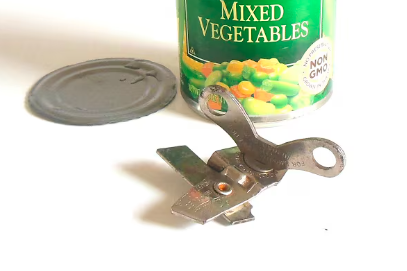
Every kitchen drawer once had a manual can opener rattling around. Today, younger households often skip them. Many cans come with easy pull tops, and those that do not are less common in everyday cooking. Electric openers exist too, but convenience packaging is what really changed the game. Manual openers still have a place for certain products, but they are not the essential tool they once were. The shift shows how packaging has evolved alongside habits. With fewer cans to crack open the old fashioned way, the trusty hand crank is slowly disappearing from younger kitchens.
15) Ironing Boards
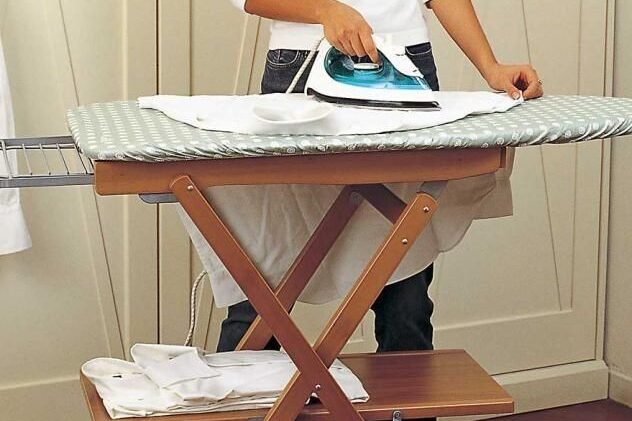
Once upon a time, ironing boards came out weekly to keep clothes crisp. These days, many people rely on steamers, wrinkle release sprays, or simply hanging clothes to dry neatly. Stretch fabrics and casual dress codes also mean fewer wrinkles to fight. Younger households often do not have the space for bulky boards, and they see them as outdated. The board might still exist, folded behind a closet door, but it is rarely used. The tradition of setting aside time to iron has faded, replaced by quicker, easier solutions that fit busier lifestyles and less formal wardrobes.
16) Plastic Tablecloths
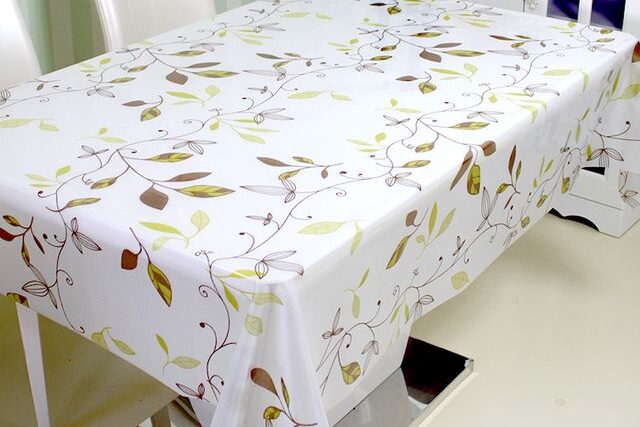
Family gatherings once meant pulling out a shiny plastic tablecloth to protect the furniture. Younger people prefer natural fabrics, bare wood, or easy to wash linens. Plastic feels outdated, squeaky, and less welcoming than the textures of cotton or linen. The change reflects a desire for warmth and authenticity in homes, even during casual meals. Plastic still has its uses for outdoor parties or messy projects, but it is no longer the default. The table feels better without it, and people like to see the surface shine through. In the end, comfort and simplicity have replaced old traditions quietly.
This story 16 Once-Essential Home Items That Young People Just Don’t Want Anymore was first published on Daily FETCH


