
1. Albert Einstein – Genius Seen as Odd

Albert Einstein is one of the most famous names in history, yet he wasn’t always understood. Early in life, teachers thought he was slow or distracted, and some peers dismissed his ideas as odd. Einstein’s approach was unconventional, focused on imagination as much as calculation. He once said, “Imagination is more important than knowledge,” a belief that guided his revolutionary work in physics.
His theories, especially relativity, were initially met with skepticism because they challenged long-standing ideas about space and time. Many couldn’t grasp that reality could behave differently than expected. Eventually, his work transformed science, earning him recognition worldwide. Einstein’s story brings the list full circle: being misunderstood is often a sign of seeing farther than others, of pushing ideas into the future. These 16 figures show us that innovation, courage, and vision may be met with doubt at first, but perseverance can change the world. Their stories quietly ask us to listen a little more closely to the unconventional voices around us, because today’s misunderstanding may become tomorrow’s inspiration.
2. Galileo Galilei – The Man Who Looked Too Far
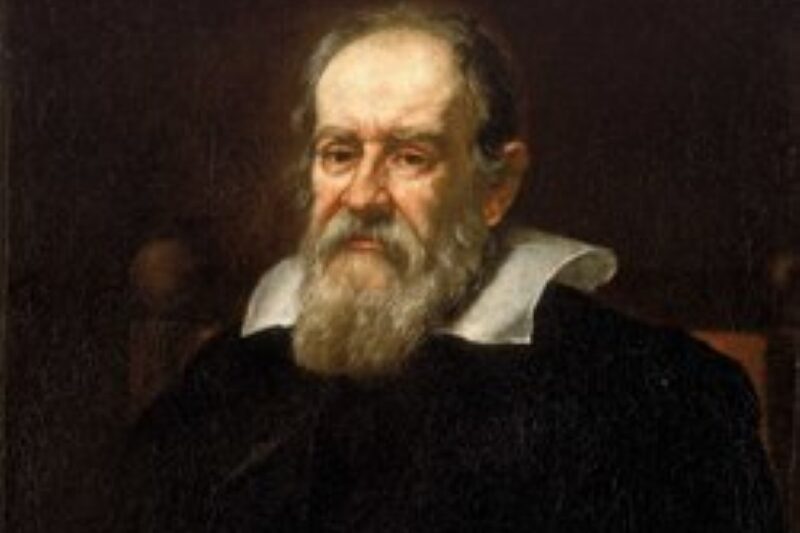
It’s easy to imagine Galileo as a celebrated genius, but in his own time, things were far more complicated. When he supported the idea that the Earth revolved around the sun, it wasn’t just a scientific claim, it challenged deeply held beliefs. People weren’t ready for that shift, and it made him a target. He once insisted, “I do not feel obliged to believe that the same God who has endowed us with sense, reason, and intellect has intended us to forgo their use,” a statement that only made his critics more uneasy.
What stands out is how calm and steady he remained through it all. He wasn’t trying to provoke, he was simply following evidence where it led. Yet that quiet confidence was mistaken for defiance. In the end, he faced trial and lived under house arrest, a steep price for curiosity. Today, his ideas are foundational, but back then, they felt disruptive. His story reminds us how new truths often sound like trouble at first.
3. Joan of Arc – Faith That Felt Dangerous
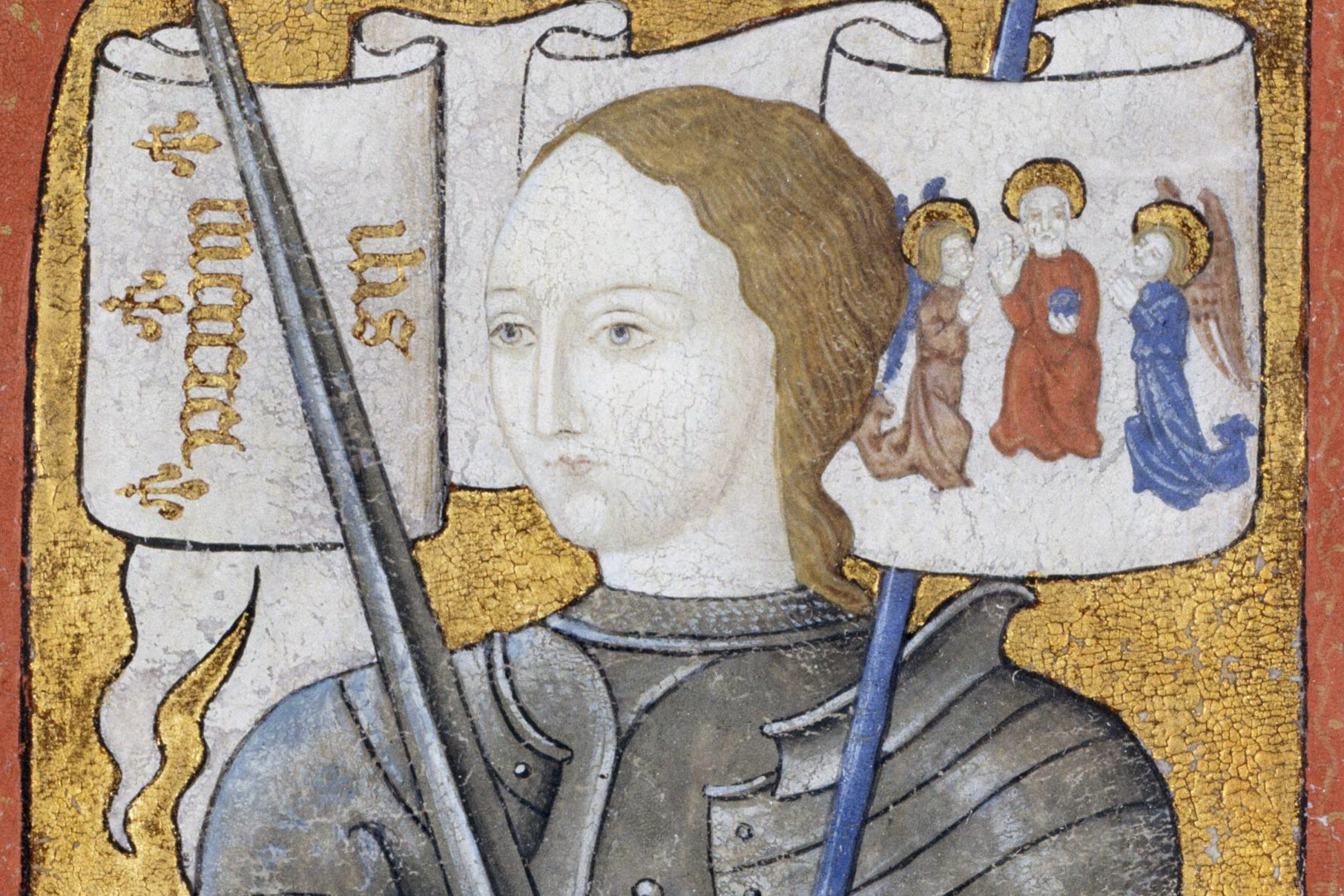
Joan of Arc’s story feels almost unbelievable, and maybe that’s part of why people struggled to accept her. A teenage girl claiming divine guidance while leading armies was bound to raise eyebrows. To some, she was inspiring. To others, she was deeply unsettling. During her trial, records show her saying, “I am not afraid, I was born to do this,” a line that captured both her conviction and the suspicion it stirred.
What made her misunderstood wasn’t just what she did, but how she did it. She didn’t fit any expected role, and that made people uncomfortable. Instead of being seen as devoted, she was labeled dangerous. Her execution reflected fear more than understanding. Over time, perspectives shifted, and she became a symbol of courage and faith. Still, her story carries a quiet question about how often people are judged not for being wrong, but for being different.
4. Vincent van Gogh – The Artist No One Noticed
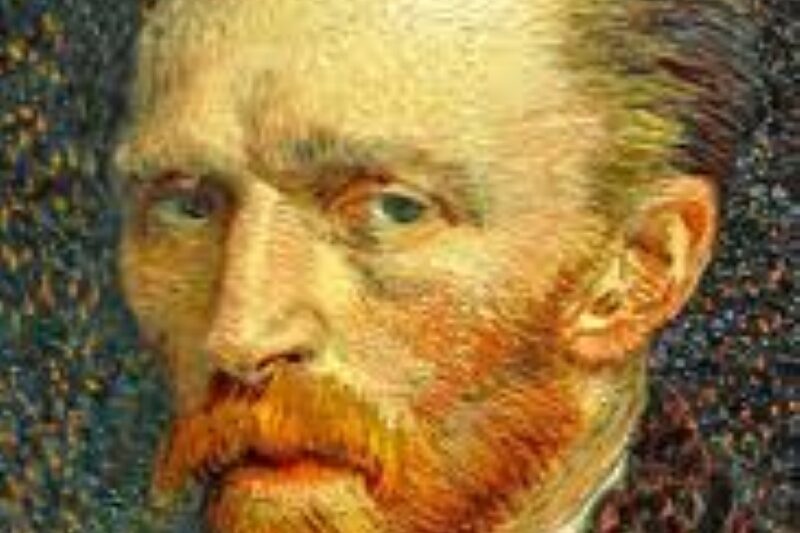
Today, Van Gogh’s paintings are admired all over the world, but during his lifetime, he struggled to be taken seriously. He sold very few works and often doubted himself. In one of his letters, he wrote, “I feel that there is nothing more truly artistic than to love people,” which says a lot about how he saw the world, even when the world didn’t quite see him back.
People around him often viewed his intensity as instability rather than passion. His bold colors and emotional style were unusual for the time, and many simply didn’t understand what he was trying to express. It wasn’t until after his death that his work began to receive the recognition it deserved. Looking back, it feels almost bittersweet. His story shows how creativity can be overlooked when it doesn’t match expectations right away.
5. Nikola Tesla – A Vision Too Early
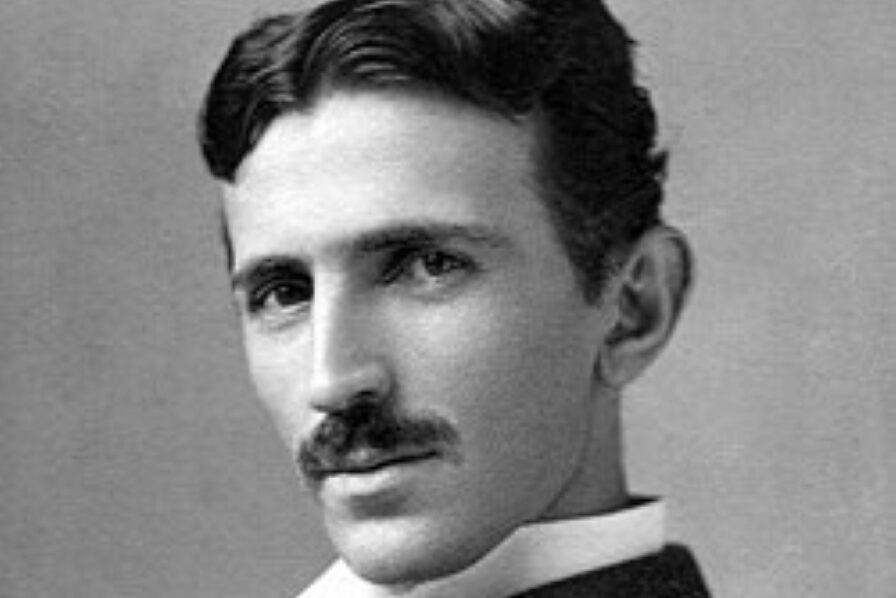
Nikola Tesla had ideas that seemed almost futuristic, and that was part of the problem. While others focused on practical inventions, Tesla often spoke about possibilities that sounded distant or even unrealistic. He once said, “The present is theirs, the future, for which I really worked, is mine,” a statement that now feels strikingly accurate.
During his life, many saw him as eccentric rather than visionary. His projects didn’t always receive funding, and his ambitions were sometimes dismissed as impractical. Yet many of the technologies we rely on today trace back to his thinking. At the time, though, his mind seemed too far ahead for people to follow. His story gently reminds us that timing can shape how brilliance is received, and not every idea finds its moment right away.
6. Ignaz Semmelweis – The Doctor No One Believed
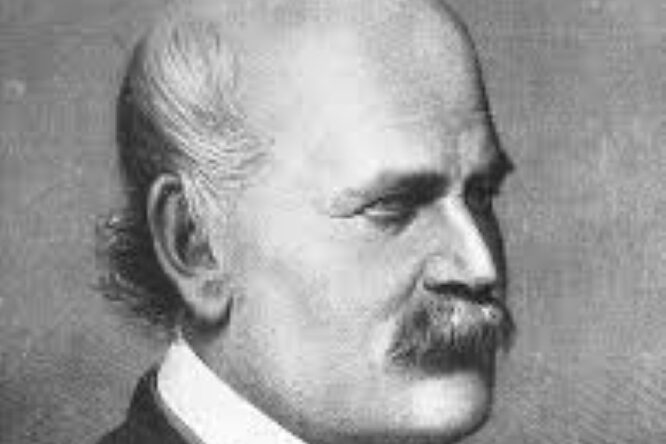
Ignaz Semmelweis made a simple observation that could have saved countless lives, but instead of praise, he faced resistance. He noticed that doctors who washed their hands reduced infections among patients, especially new mothers. It sounds obvious now, but at the time, it challenged established medical practices. He urged his colleagues to adopt the habit, saying in essence that cleanliness could prevent tragedy.
What he encountered instead was disbelief. Many doctors felt insulted by the suggestion that they might be causing harm. His ideas were dismissed, and he struggled to gain acceptance. It wasn’t until later, when germ theory became widely understood, that his work was fully appreciated. His experience feels frustrating even now. It shows how difficult it can be for people to accept change, even when it’s rooted in something as simple as care and observation.
7. Socrates – Questioning Everything Came at a Cost
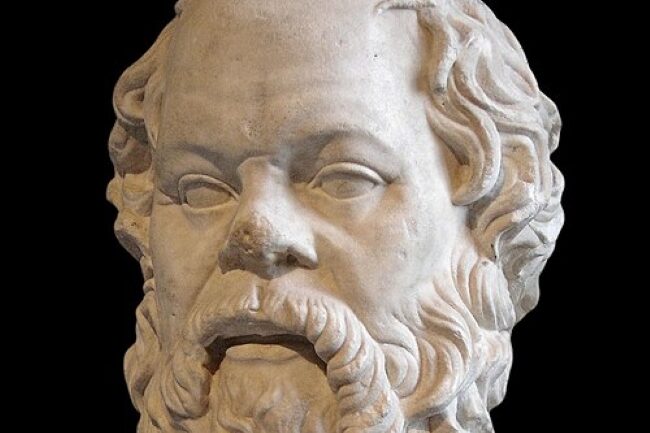
It almost feels familiar, the way Socrates walked around asking questions that made people uneasy. He wasn’t trying to cause trouble, at least not in the usual sense. He simply believed that thinking deeply and questioning assumptions mattered. As he once put it, “The unexamined life is not worth living,” a line that still lingers today. But in ancient Athens, that kind of thinking didn’t sit well with everyone, especially those in positions of influence.
Over time, his constant questioning was seen less as curiosity and more as disruption. He was accused of corrupting the youth and disrespecting traditional beliefs, which led to his trial and eventual execution. It’s striking to think that something as simple as asking questions could be viewed as dangerous. Looking back, his approach feels thoughtful and even necessary. At the time, though, it challenged comfort and authority. His story quietly reminds us that people who encourage us to think differently are not always welcomed, even when they mean well.
8. Emily Dickinson – A Quiet Voice the World Missed

If you picture a poet gaining recognition, you might imagine readings, applause, and a steady audience. Emily Dickinson’s life looked nothing like that. She lived quietly, wrote privately, and shared very little of her work during her lifetime. In one of her lines, she wrote, “If I feel physically as if the top of my head were taken off, I know that is poetry,” which gives a glimpse into how deeply she experienced her craft.
Because she kept to herself, many people around her didn’t fully grasp what she was creating. Her style was unconventional, her punctuation unusual, and her themes often introspective. It wasn’t what people expected from poetry at the time, so it largely went unnoticed. After her passing, her work began to surface, and readers slowly realized its depth and originality. It feels almost like discovering a hidden conversation that had been waiting all along. Her story gently shows how some voices take time to be heard, especially when they speak softly.
9. Alan Turing – A Mind Ahead of Its Moment

There’s something quietly remarkable about Alan Turing’s story, especially when you consider how much of modern computing traces back to his work. During World War II, he played a key role in breaking encrypted codes, helping to shorten the war. Yet despite his contributions, his personal life became the focus in ways that overshadowed his achievements. He once reflected, “We can only see a short distance ahead, but we can see plenty there that needs to be done.”
At the time, society wasn’t ready to accept who he was as a person. His work was respected in certain circles, but his identity led to legal trouble and personal hardship. It’s difficult to reconcile how someone so essential could also be treated with such misunderstanding. Years later, his contributions gained wider recognition, and his legacy became clearer. His story carries a quiet weight, reminding us that progress is not just about ideas, but also about how we treat the people behind them.
10. Gregor Mendel – The Science No One Noticed
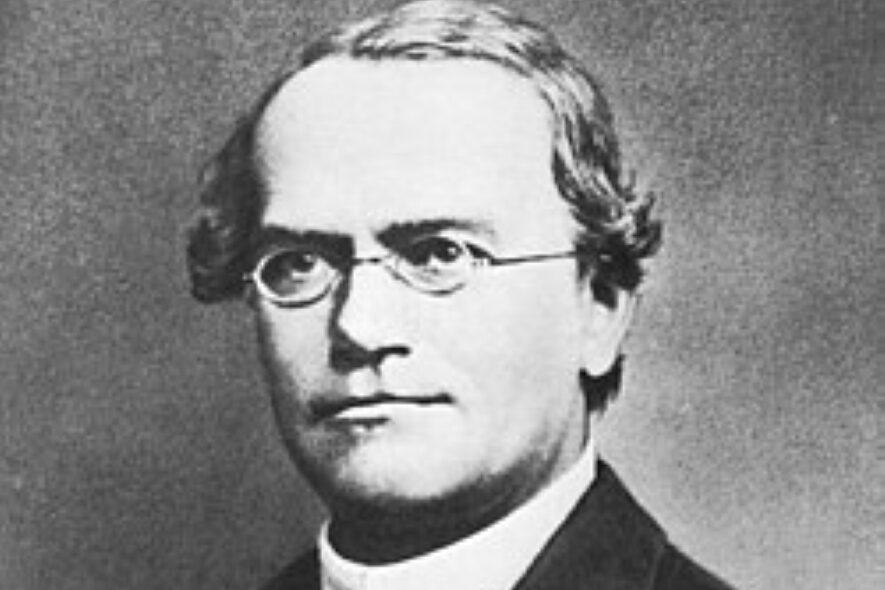
Gregor Mendel spent years studying pea plants, carefully observing how traits were passed down through generations. It sounds simple, almost modest, but what he discovered laid the groundwork for modern genetics. At the time, though, his work didn’t attract much attention. He once noted in his writings the patterns he saw, but the scientific community wasn’t quite ready to understand or accept what he had found.
Part of the challenge was timing. The concepts he was exploring didn’t align neatly with what others believed about inheritance. Without a broader framework to support his findings, they were easy to overlook. It wasn’t until decades later that scientists revisited his work and realized its importance. There’s something quietly humbling about that. His careful observations, once ignored, became essential knowledge. His story reminds us that meaningful work doesn’t always receive immediate recognition, but that doesn’t make it any less valuable.
11. Franz Kafka – Stories That Felt Too Strange
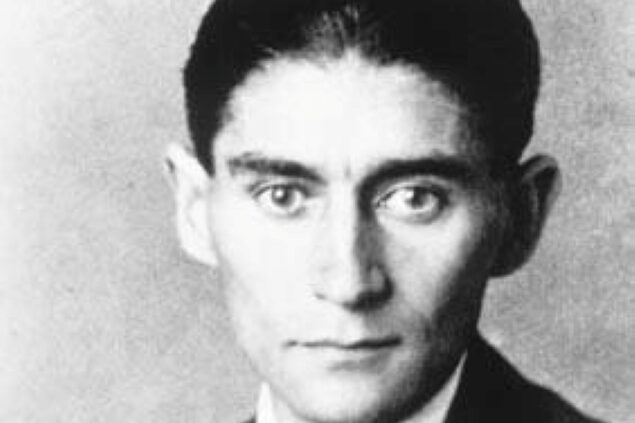
Reading Franz Kafka today, his stories feel haunting, thoughtful, and strangely familiar. But during his lifetime, his writing didn’t gain much attention. He often wrote about isolation, confusion, and systems that felt impossible to navigate. In one reflection, he wrote, “A book must be the axe for the frozen sea within us,” which captures how intensely he viewed storytelling.
Back then, his work seemed unusual, even unsettling. It didn’t follow traditional structures, and the themes were often difficult to pin down. Because of that, many people didn’t quite know what to make of it. He remained largely unknown, and much of his work was published only after his death. Over time, readers began to connect with the emotions beneath the strangeness. His writing started to resonate in a way it hadn’t before. His story feels like a reminder that sometimes it takes distance and time for people to fully understand what someone is trying to say.
12. Ada Lovelace – The Vision Few Took Seriously
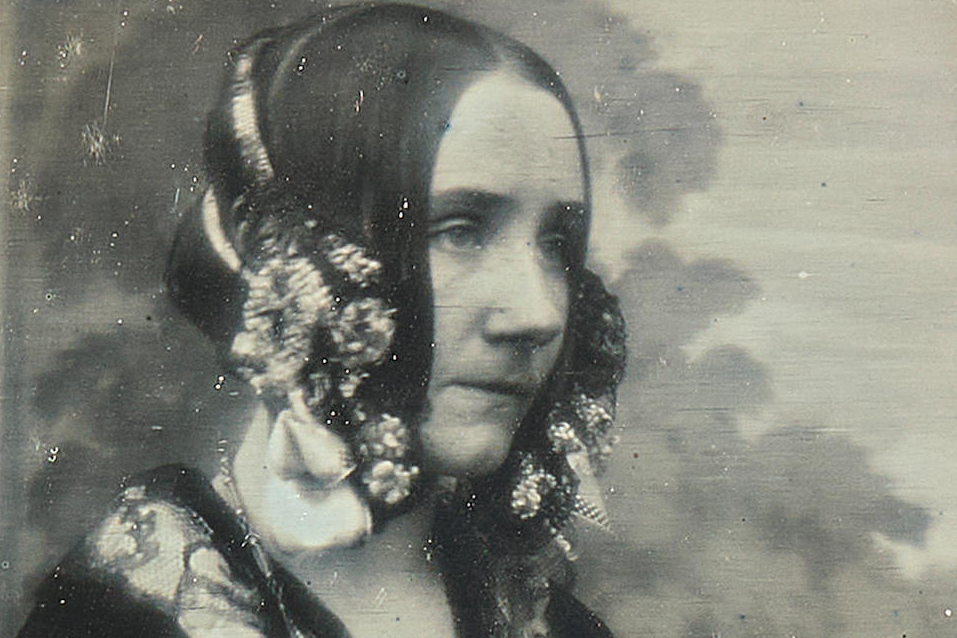
It’s interesting how Ada Lovelace saw something in early computing that others simply didn’t. Working alongside Charles Babbage, she looked beyond numbers and imagined machines that could handle symbols, patterns, even creativity. That idea felt unusual at the time. She once wrote, “The Analytical Engine weaves algebraic patterns just as the Jacquard loom weaves flowers and leaves,” a comparison that hinted at how far her thinking stretched.
But during her lifetime, her insights weren’t fully appreciated. Many saw her as an assistant rather than a thinker in her own right, and the broader implications of her work were largely overlooked. It wasn’t until much later that people began to recognize her notes as the foundation of modern programming. Looking back, it feels like she was speaking a language the future would understand more clearly than her present ever could. Her story gently reminds us that sometimes people see possibilities long before the world is ready to catch up.
13. Niccolò Machiavelli – A Name That Became a Misunderstanding

Even today, calling something “Machiavellian” carries a certain tone, and not a flattering one. But Niccolò Machiavelli’s ideas were more layered than the label suggests. In his writing, especially The Prince, he tried to describe power as it actually worked, not as people wished it would. He observed human behavior closely and wrote, “It is better to be feared than loved, if you cannot be both,” a line often taken at face value.
What many missed was that he wasn’t necessarily endorsing cruelty, but analyzing reality. His work was read as cynical and even dangerous, which shaped how people viewed him for generations. Over time, scholars began to see more nuance in his thinking, recognizing that he was exploring the complexities of leadership rather than promoting harshness. His story shows how easily ideas can be simplified or misunderstood, especially when they challenge comfort. It’s a quiet reminder to look a little deeper before settling on a single interpretation.
14. Mary Wollstonecraft – Speaking Up Too Soon
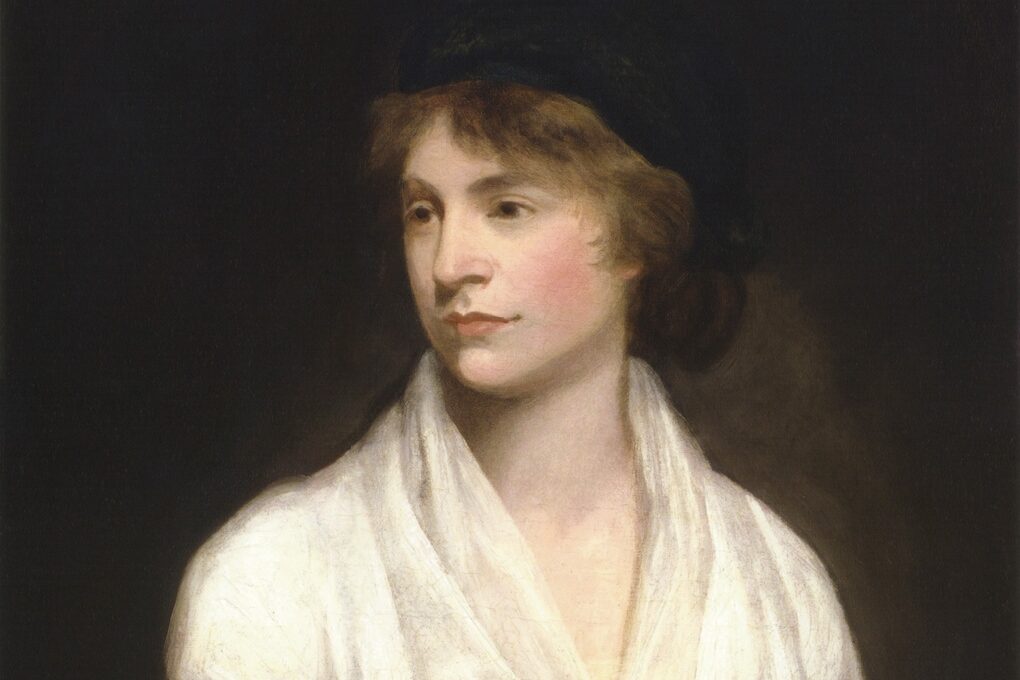
Mary Wollstonecraft believed something that feels straightforward now, that women deserved the same opportunities and respect as men. But in the late eighteenth century, that idea was far from widely accepted. In her work, she argued, “I do not wish them to have power over men, but over themselves,” a statement that still resonates in its clarity and balance.
At the time, her views were seen as radical, even unsettling. She challenged social norms in a way that many found uncomfortable, and as a result, her work was often dismissed or criticized. It wasn’t just her ideas, but her willingness to express them openly that drew attention. Over the years, perspectives shifted, and her writings became central to discussions about equality. Her story feels familiar in a quiet way, like hearing someone say something true before people are ready to listen. It reminds us that progress often begins with voices that are initially pushed aside.
15. Oscar Wilde – Wit That Was Misread
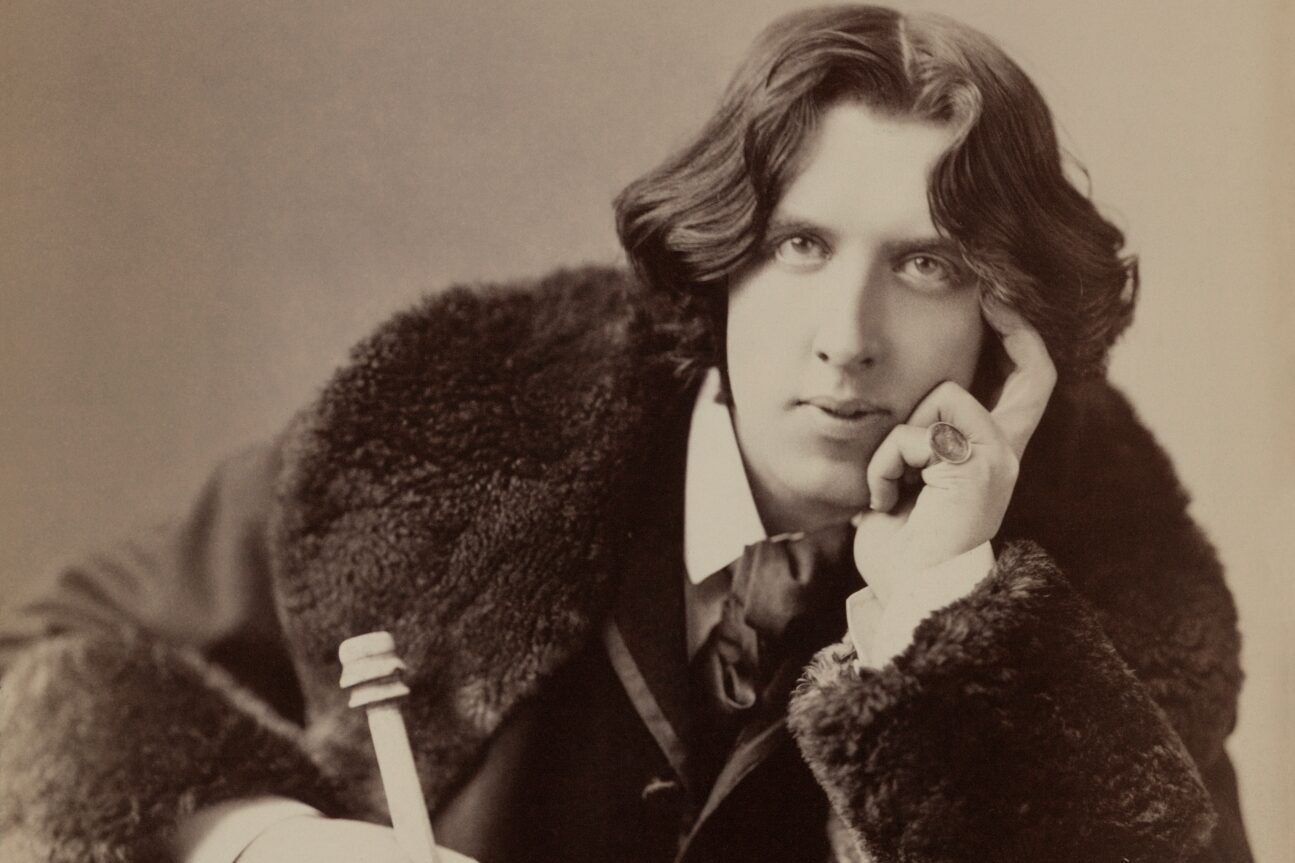
Oscar Wilde had a way of speaking that felt effortless, sharp, and often playful. His wit made people laugh, but it also made some uncomfortable. Beneath the humor, there was often a deeper observation about society. He once said, “Be yourself, everyone else is already taken,” a line that feels light but carries a quiet truth.
During his lifetime, though, his personality and choices were judged harshly. His humor was sometimes mistaken for arrogance, and his lifestyle drew criticism that overshadowed his work. Legal troubles further shaped how he was perceived, turning public opinion against him. Over time, readers began to see past the surface, appreciating both his writing and the honesty in his voice. His story feels like a reminder that people are often more than the labels placed on them. Sometimes it just takes distance to see the full picture more clearly.
16. Giordano Bruno – Ideas That Felt Too Vast

Giordano Bruno imagined a universe far bigger than most people of his time were comfortable with. He spoke about an infinite cosmos with countless worlds, a concept that felt almost overwhelming in an era where ideas about space were still limited. He expressed his thoughts boldly, once saying, “The universe is then one, infinite, immobile,” capturing the scale of his vision.
At the time, such ideas were not just surprising, they were seen as threatening. His views challenged established beliefs in ways that people weren’t ready to accept, and that made him a target. His refusal to step back from his ideas ultimately led to severe consequences. Looking back, his thinking feels expansive and imaginative rather than dangerous. His story carries a quiet sense of how difficult it can be to introduce new ways of seeing the world. It reminds us that sometimes what feels too big or unfamiliar at first can later become part of how we understand everything.


