
1. Christopher Columbus
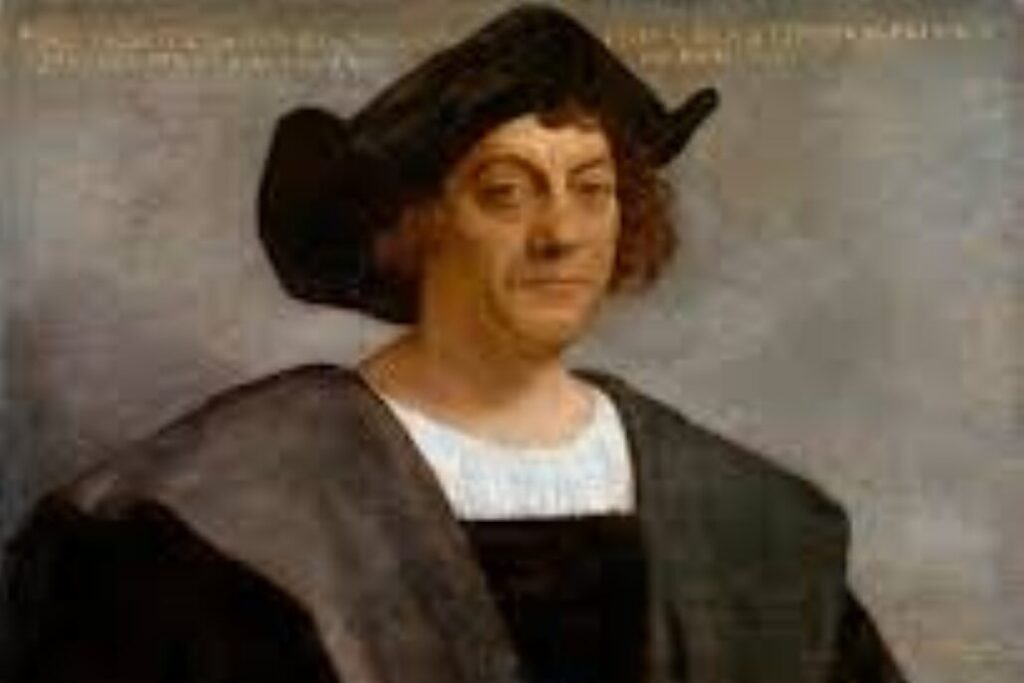
Christopher Columbus is often introduced as the explorer who sailed bravely into the unknown and connected continents. Many of us first heard his story in school, where determination and discovery took center stage. Over time, historians began looking more closely at what happened after his arrival in the Caribbean. Columbus governed Hispaniola and introduced systems that forced Indigenous people into labor, often demanding gold quotas that were difficult to meet. When those quotas were not fulfilled, punishments followed, and living conditions quickly worsened. Early accounts described violence, disease, and exhaustion spreading through communities that had little defense against these changes.
These developments shifted how historians understand Columbus today, presenting him not just as an explorer, but as a leader whose decisions shaped the lives of many people. Columbus still played an undeniable role in connecting Europe and the Americas, changing global trade and travel in lasting ways. Yet those achievements existed alongside suffering that cannot be ignored. Many historians now view his voyages as the beginning of colonization that disrupted Indigenous societies. Understanding Columbus today feels less like rewriting history and more like seeing it more fully, where ambition, discovery, and human cost all sit together in the same story.
2. Thomas Jefferson
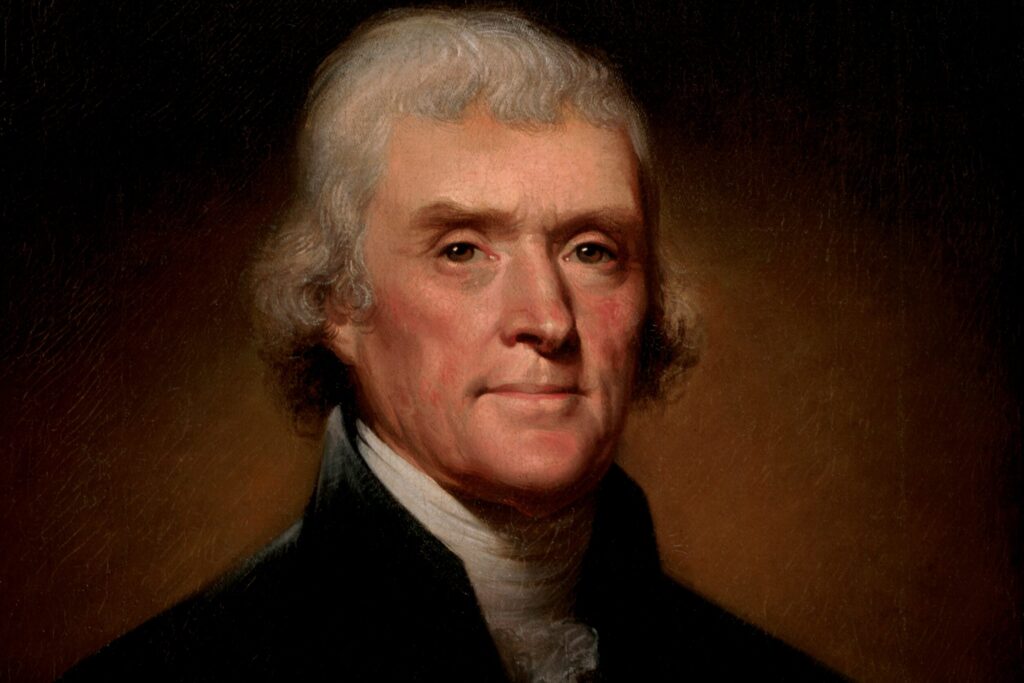
Thomas Jefferson wrote words about equality that still resonate today. His role in shaping democratic ideals made him one of the most influential figures in American history. Many people admire Jefferson for his vision of liberty and self governance. Yet Jefferson’s personal life tells a more complicated story that historians continue to examine. He enslaved hundreds of people at Monticello and relied heavily on their labor throughout his lifetime. Even while speaking about freedom, Jefferson struggled to separate his ideals from his reality. Over time, scholars began pointing out this contradiction, noting that Jefferson had both influence and opportunity but made limited efforts to challenge slavery in meaningful ways.
Jefferson’s story reminds us that historical figures often lived with tensions between belief and action. His writings helped shape democratic systems that still guide societies today, yet he also participated in a system that denied freedom to others. Research confirming his relationship with Sally Hemings added another layer to his legacy and humanized his story further. Jefferson remains influential, but understanding him fully requires acknowledging both inspiration and contradiction, recognizing that even admired leaders sometimes fell short of the ideals they helped shape.
3. Mahatma Gandhi’s
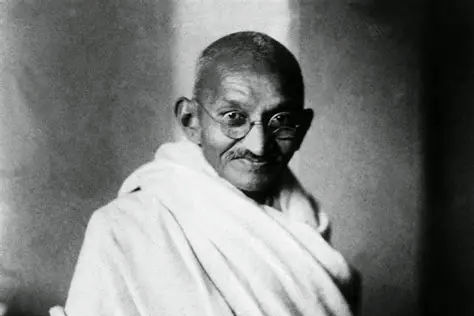
Mahatma Gandhi is widely remembered as a peaceful leader whose commitment to nonviolence helped reshape history. His influence reached far beyond India, inspiring civil rights movements and social change around the world. Many people view Gandhi as a universal symbol of justice and equality. However, Gandhi’s early years in South Africa reveal views that historians continue to discuss. Some of his early writings reflected discriminatory attitudes toward Black Africans, and he initially focused on improving conditions specifically for Indian communities. These positions surprised readers who had grown up seeing Gandhi as a figure devoted to equality for all.
Over time, historians began presenting Gandhi’s story as one shaped by growth and changing perspectives. As Gandhi matured, his views evolved and he became more committed to broader justice. His leadership during India’s independence movement reflected values that influenced activists worldwide. Still, his early writings remain part of his story and offer a reminder that admired leaders often develop gradually. Gandhi’s journey reflects learning and transformation rather than perfection, showing how individuals can grow while still leaving lasting influence on the world around them.
4. Winston Churchill
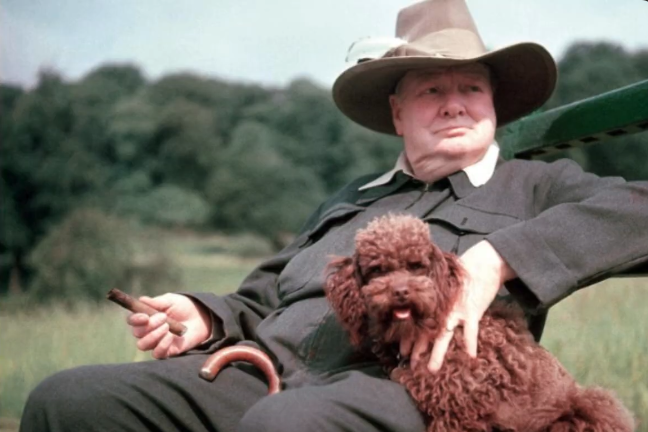
Winston Churchill is often remembered for his leadership during World War Two and his powerful speeches that encouraged resilience. His ability to inspire confidence during uncertain times earned admiration across generations. Yet another part of Churchill’s legacy involves the 1943 Bengal famine in India, where millions faced severe food shortages and hunger. During this crisis, wartime policies affected supply routes and distribution decisions. Some historians argue that these policies contributed to worsening conditions, as resources were redirected toward military priorities.
Requests for additional food aid were delayed, and debates about responsibility continue among historians today. Churchill’s defenders argue that wartime pressure created difficult choices that affected many regions. Critics suggest that colonial policies played a role in the suffering experienced during the famine. Over time, this chapter has added complexity to Churchill’s legacy. He remains admired for wartime leadership, yet the Bengal famine reminds readers that leadership decisions can have far reaching consequences across regions and communities.
5. Henry Ford
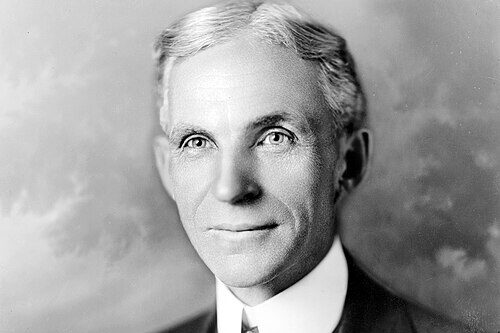
Henry Ford is often remembered as the man who made cars affordable for everyday people. His assembly line changed manufacturing and helped shape modern industry. Many families who could never imagine owning a car suddenly found transportation within reach. Ford became a symbol of innovation and progress, someone who helped bring technology closer to ordinary life. But as historians looked deeper, another side of Ford began to emerge. Through his newspaper, The Dearborn Independent, Ford published articles that promoted harmful stereotypes and conspiracy theories about Jewish communities. These writings circulated widely and influenced readers during a time when newspapers shaped public opinion significantly.
Ford later issued an apology, but the ideas had already spread and sparked controversy that continues to follow his legacy. His achievements in manufacturing remain undeniable, yet his personal beliefs complicated how people view his contributions. Ford’s story reminds us that innovation and personal ideology often exist side by side. He helped reshape transportation and industry while also promoting views that many later criticized. Understanding Ford today means holding both truths together, recognizing how one person can influence progress while also leaving behind conversations that continue long after their achievements.
6. Mother Teresa
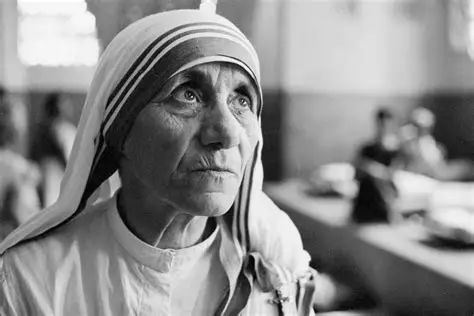
Mother Teresa became widely known for her compassion and dedication to helping the poor. Her work in Kolkata drew volunteers from around the world, and many people saw her as a symbol of kindness and selflessness. Over time, her organization expanded, and she received global recognition, including the Nobel Peace Prize. For many, Mother Teresa represented quiet service and humility. Yet as journalists and researchers began examining her work more closely, some raised concerns about conditions in facilities run by her organization. Reports described limited medical care and basic treatment even when additional resources might have been possible.
Critics questioned whether suffering was sometimes viewed as spiritually meaningful rather than something to relieve whenever possible. Supporters responded by explaining that the mission focused on dignity, comfort, and presence for those who had been abandoned. They also pointed to limited funding and overwhelming need. These conversations added complexity to Mother Teresa’s legacy. Her work helped many people, yet the debate surrounding her methods continues. Her story reminds readers that humanitarian work often involves difficult choices, and even widely admired figures can inspire thoughtful discussion about compassion, care, and responsibility.
7. Napoleon Bonaparte
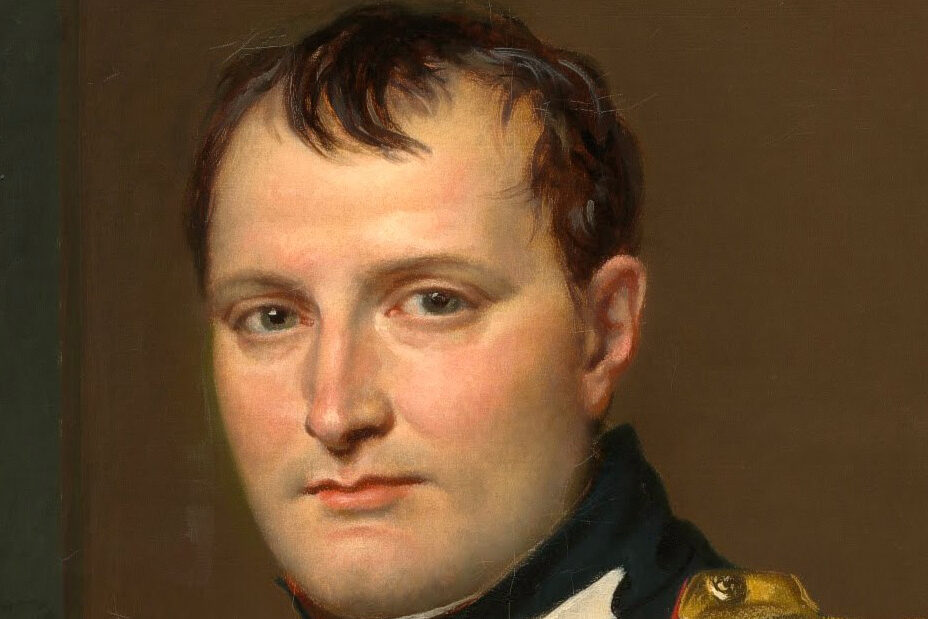
Napoleon Bonaparte often appears in history as a brilliant strategist who rose from modest beginnings to reshape Europe. His military skill and leadership helped him gain influence quickly, and his legal reforms left lasting marks on modern governments. Many admired Napoleon for his determination and ambition, especially because he rose during a time of political change. His story often feels like one of opportunity and transformation. However, Napoleon’s rise also brought years of conflict across Europe. His campaigns involved battles that caused widespread casualties and instability across regions.
Napoleon also reinstated slavery in French colonies after it had previously been abolished, a decision historians frequently discuss when evaluating his leadership. He later crowned himself emperor, shifting away from revolutionary ideals and toward centralized control. These decisions created a more complicated legacy. Napoleon introduced reforms that shaped legal systems while also pursuing expansion that affected millions of lives. His story reflects how ambition can create progress while also bringing conflict. Understanding Napoleon today means recognizing both his achievements and the consequences that followed his pursuit of power.
8. Theodore Roosevelt
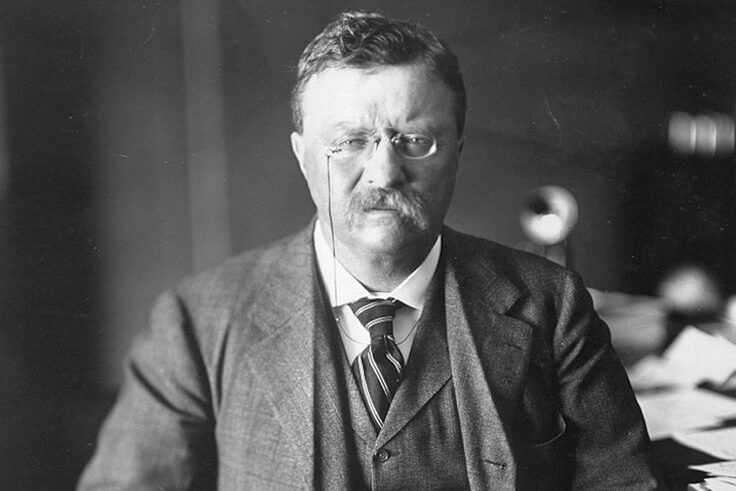
Theodore Roosevelt is remembered as energetic, outspoken, and deeply committed to reform. He protected national parks, challenged powerful corporations, and brought a new style of leadership that felt active and engaged. Many people admire Roosevelt for his conservation efforts and willingness to take bold action. His personality alone made him stand out, and his leadership shaped modern political expectations. Yet Roosevelt also supported expansionist policies that extended American influence beyond its borders. His involvement in supporting Panama’s separation from Colombia helped secure the Panama Canal, but it remains controversial among historians.
Some historians argue that these decisions reflected broader ideas about national strength and global influence during his era. Roosevelt’s leadership combined domestic reform with international ambition. He championed conservation while also supporting policies that expanded power abroad. His views reflected attitudes common in his time, including ideas about cultural superiority that historians now examine more critically. Roosevelt remains admired for many accomplishments, yet his story reflects how leadership often involves complicated decisions that shape both national growth and global relationships.
9. Thomas Edison
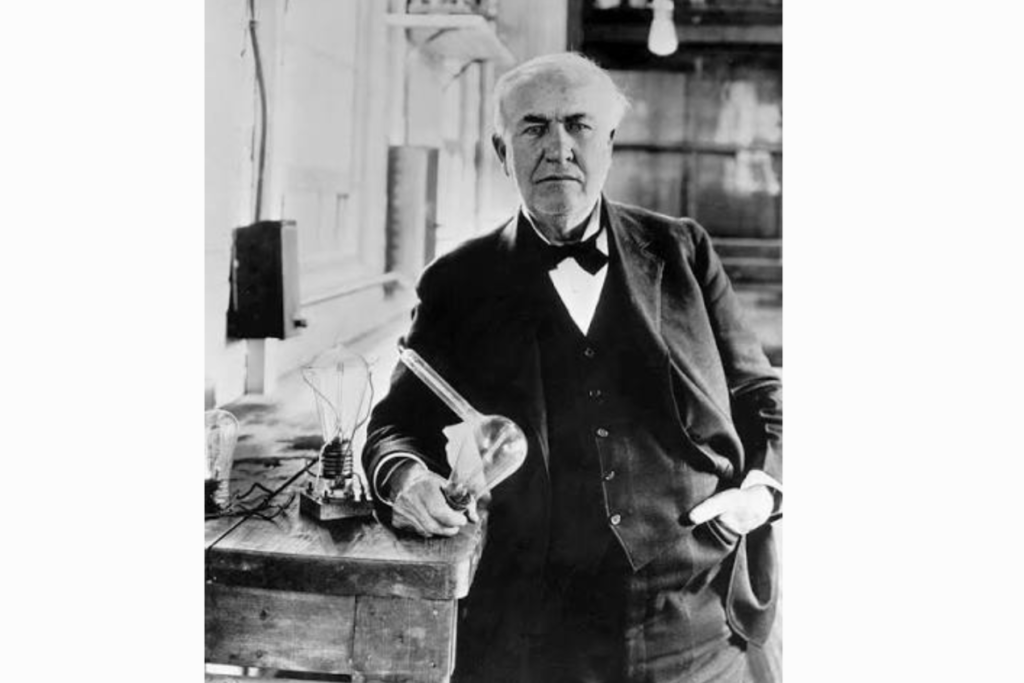
Thomas Edison is often remembered as one of the greatest inventors in history, a man whose ideas helped shape modern electricity, communication, and everyday life. Many people grew up hearing about his persistence, especially the story of countless attempts before perfecting the light bulb. Edison became a symbol of innovation and determination, someone who turned imagination into practical tools that people could use. But as historians looked more closely, Edison’s rivalry with Nikola Tesla revealed a more competitive side. During the battle over electrical systems, Edison supported campaigns that portrayed alternating current as dangerous, even organizing demonstrations meant to influence public opinion.
These actions reflected the intense business competition of the time, where technological success often depended on winning public trust. Edison’s contributions to science and technology remain significant, yet his methods showed how innovation sometimes involved strategic rivalry. Tesla’s ideas eventually gained acceptance, and the debate became one of history’s most famous scientific competitions. Edison’s story reminds readers that progress often involves competition, ambition, and human rivalry. Understanding him today means appreciating his inventions while also recognizing the complex environment in which groundbreaking ideas often emerge.
10. Alexander The Great

Alexander the Great is often remembered as a brilliant young leader who built one of the largest empires in history. His military strategy and ambition helped him conquer vast territories across Asia, Africa, and Europe before the age of thirty. Many people admire Alexander for his courage and leadership, especially given how quickly he expanded his empire. His story often feels like a tale of bold vision and determination. Yet Alexander’s conquests also brought destruction, displacement, and significant loss of life. Cities were captured, resistance was suppressed, and communities were reshaped by his expanding rule.
While Alexander spread cultural exchange and connected distant regions, his campaigns also reflected the realities of conquest. Expansion often came through warfare, and many people experienced upheaval as borders changed. Historians today view Alexander as both a unifier and a conqueror whose ambition reshaped the world. His story reflects how leadership can bring both connection and conflict. Understanding Alexander means recognizing his influence on culture and trade while also acknowledging the human cost that often followed his rapid expansion.
11. Julius Caesar
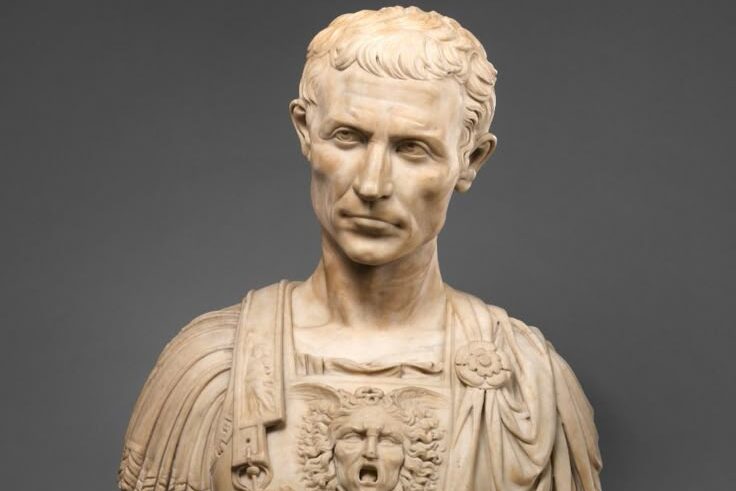
Julius Caesar is remembered as a skilled leader who expanded Rome’s influence and introduced reforms that shaped governance. His military success and political strategy helped him rise quickly within Roman society. Many admire Caesar for his leadership and ability to bring stability during a time of political tension. His story often appears as one of strength and reform. Yet Caesar’s rise also contributed to the weakening of the Roman Republic. By consolidating power, he shifted Rome away from shared governance and toward centralized authority.
This shift created tension among political leaders and contributed to instability that followed his leadership. Caesar’s actions played a role in the transition from republic to empire, changing Rome’s political structure permanently. Historians often debate whether his reforms strengthened Rome or accelerated its transformation. Caesar remains an influential figure, but his ambition reshaped governance in ways that continue to spark discussion. His story reflects how leadership decisions can create long lasting political change, sometimes altering institutions that had existed for generations.
12. Marie Antoinette
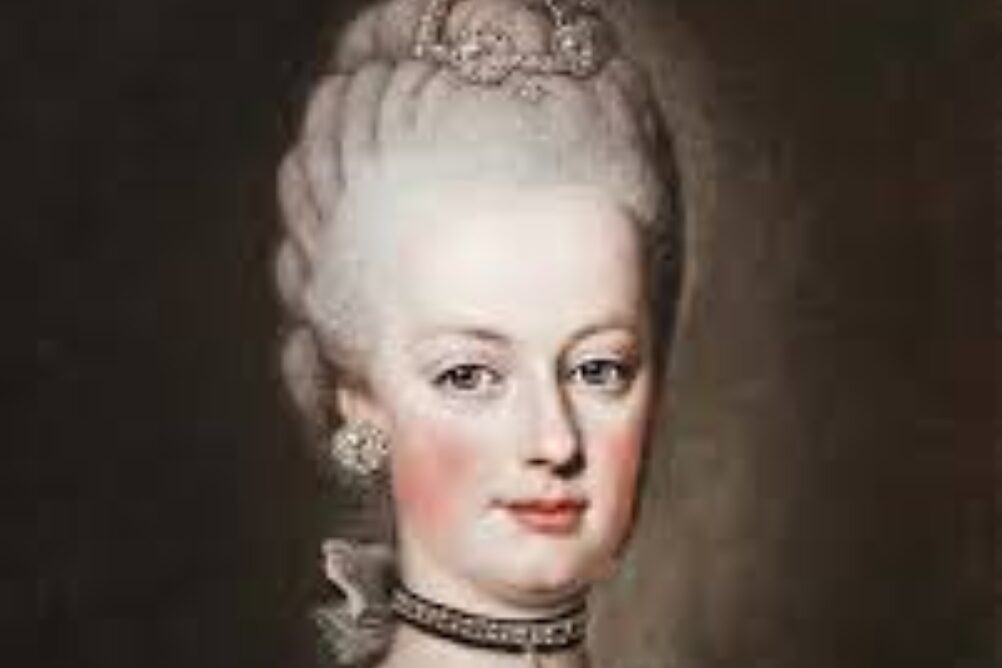
Marie Antoinette is often remembered as misunderstood, a queen blamed for problems she did not entirely create. Many people know her story through the famous phrase often attributed to her, though historians later questioned its accuracy. Her life in the French court became a symbol of luxury during a time when many citizens struggled economically. While some stories about her were exaggerated, her lifestyle still reflected the gap between the monarchy and ordinary people. This perception shaped public opinion and contributed to growing frustration across France.
Marie Antoinette’s story reflects how public perception can influence history. Even when certain claims were exaggerated, the broader feeling of inequality remained real. Her spending and court life became symbols of larger social tensions that eventually led to revolution. Historians today often describe her as both a product of her environment and a figure caught in a moment of change. Understanding Marie Antoinette means recognizing how reputation, perception, and circumstance combined to shape her legacy and the events that followed.
13. Andrew Jackson
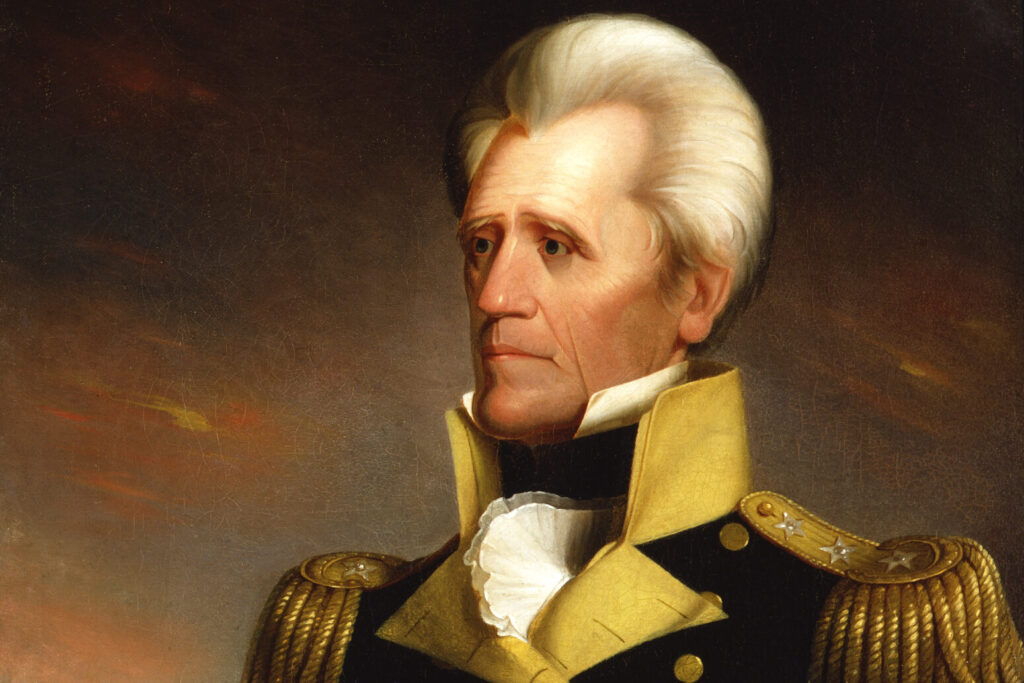
Andrew Jackson is often remembered as a strong leader who shaped American politics and expanded democracy for many citizens. His rise from humble beginnings made him appealing to ordinary voters, and his leadership style felt direct and confident. Many admired Jackson for representing common people and challenging established power. Yet Jackson’s policies toward Native American communities created one of the most painful chapters in American history. The Indian Removal Act led to forced relocation of thousands of Indigenous people from their lands.
This relocation became known as the Trail of Tears, where many suffered hardship, illness, and loss during long journeys. Jackson believed expansion would strengthen the nation, but the consequences affected communities deeply. Historians continue to debate his legacy, balancing political influence with the human cost of these decisions. Jackson’s story reflects how leadership choices can create opportunity for some while bringing hardship for others. Understanding his legacy means acknowledging both his political impact and the experiences of those affected by his policies.
14. King Leopold II
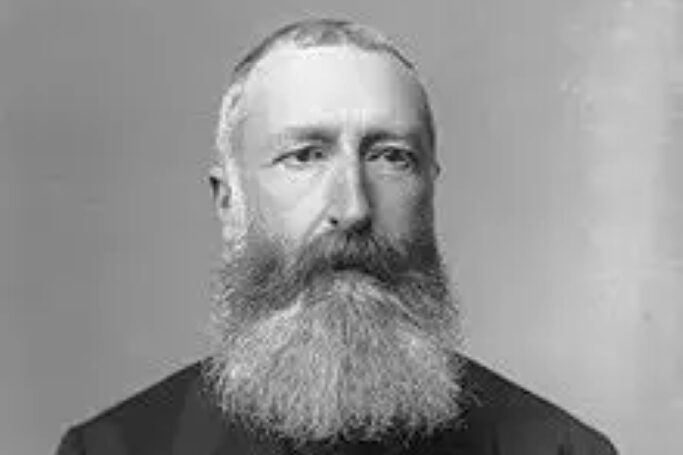
King Leopold II is often remembered for development projects in Belgium, including architecture and infrastructure that shaped the country. However, his rule over the Congo Free State revealed a far darker chapter. Under his administration, forced labor systems required local populations to harvest rubber and resources. Reports described harsh punishments for those who did not meet quotas, and communities experienced violence and displacement. These conditions created suffering that historians later documented in detail.
Over time, international criticism grew, and investigations exposed the scale of hardship experienced under Leopold’s rule. Historians estimate that millions were affected during this period. Leopold’s legacy became one of contrast, where development in one region existed alongside suffering in another. His story reflects how power exercised far from public view can shape lives dramatically. Understanding Leopold today means recognizing the complexity of leadership that brought progress in one place while creating hardship elsewhere.
15. Catherine The Great
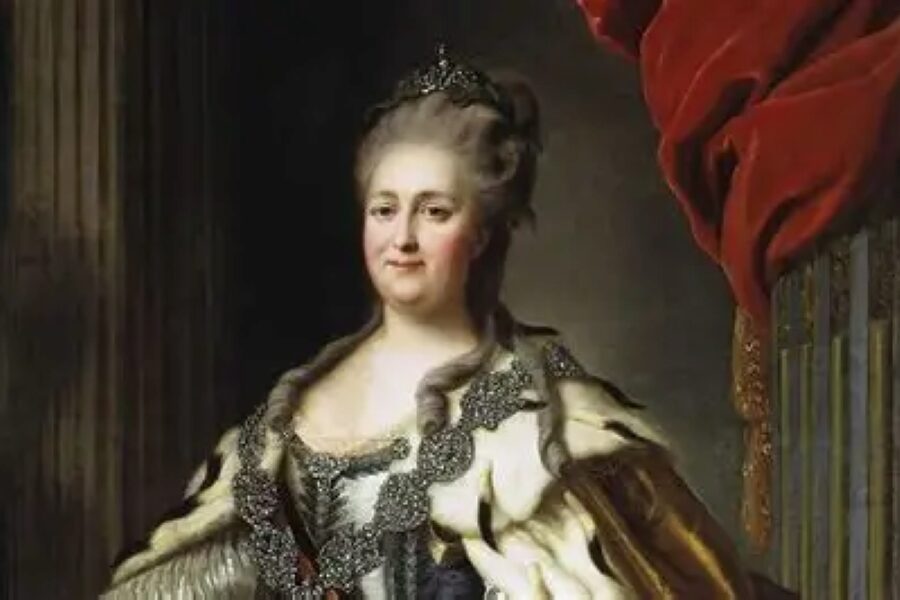
Catherine the Great is remembered for modernizing Russia and encouraging art, education, and cultural growth. Her leadership helped expand Russia’s influence and strengthen its position in Europe. Many admire Catherine for supporting intellectual ideas and engaging with philosophers of her time. Her reign often appears as a period of cultural development and expansion. Yet Catherine also strengthened centralized authority and maintained strict political control. Her reforms improved certain areas while keeping power firmly in her hands.
Catherine’s leadership reflected both progress and control, shaping Russia’s political structure for years. Historians often describe her as pragmatic, balancing reform with stability. While she encouraged education and modernization, she also limited challenges to authority. Catherine’s story reflects how leadership often involves balancing change with control. Understanding her legacy means recognizing both cultural advancement and political structure that defined her rule and influenced Russia’s direction.
16. Albert Einstein
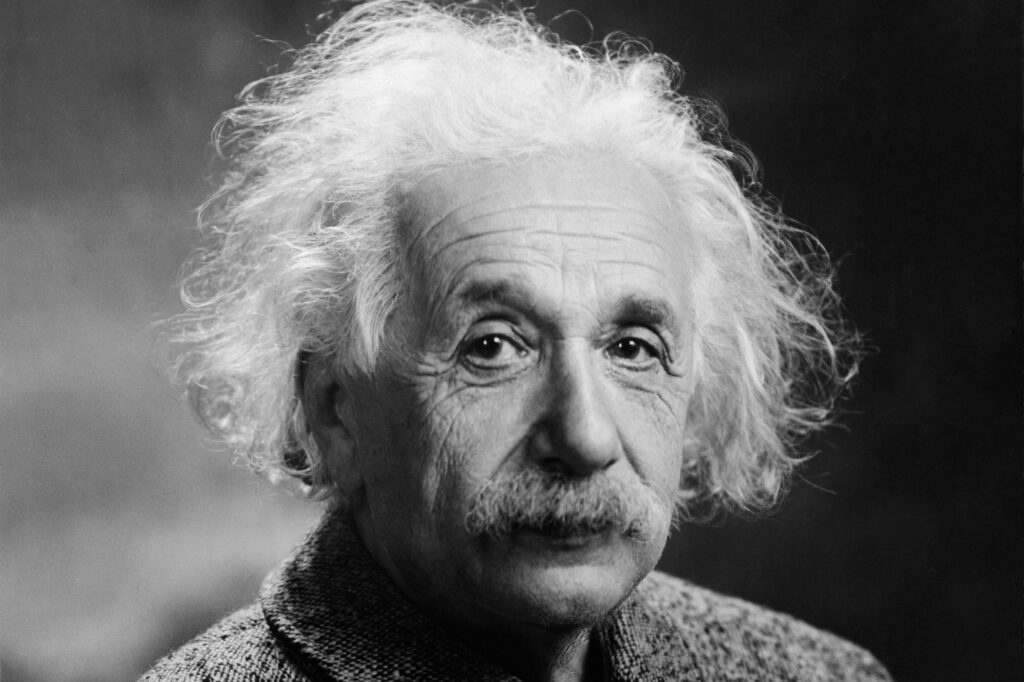
Albert Einstein is often remembered as a brilliant scientist whose discoveries reshaped how we understand the universe. His work inspired generations, and his name became synonymous with genius. Many people admire Einstein not only for his intelligence but also for his thoughtful public voice on peace and humanity. Yet personal letters revealed complicated family relationships and difficult moments in his private life. These details showed a more human side that differed from the calm image often associated with him.
Einstein’s scientific contributions remain extraordinary, yet his personal story reminds readers that even admired figures lived complicated lives. As with many names in this list, the closer we look, the more layered these figures become. History rarely gives us perfect heroes, but rather people who shaped the world while navigating their own flaws and contradictions. In that way, these stories feel more relatable, reminding us that impact often grows from imperfect individuals whose choices continue to shape how we understand the past.


