
1. Keanu Reeves And The Long Road Before Speed

People often think famous actors always knew success was coming, but many of them spent years wondering if they should quit. Keanu Reeves was one of those people. Before audiences saw him racing through Los Angeles in the film Speed, his career moved slowly and uncertainly. He appeared in small projects, attended auditions, and waited like countless other actors hoping something would finally click. Those early years were not glamorous. They were filled with long days, small paychecks, and quiet doubts about whether the effort would ever lead somewhere meaningful. Reeves simply kept showing up, learning from each role and trusting that persistence might eventually open a door.
That door arrived in 1994 when he was cast in Speed. The film became a surprise hit and suddenly introduced Reeves to a global audience. What looked like overnight success had actually been built on years of quiet effort and patience. The role gave him momentum and led to more opportunities, including projects that would later define his career. Looking back, Reeves has often said he focused on continuing to work and improving rather than worrying about fame. His story reminds people that breakthroughs rarely happen instantly. Sometimes success appears after someone has spent years simply refusing to stop trying.
2. Oprah Winfrey After Early Career Doubts

Oprah Winfrey is now known as one of the most influential figures in media, yet her early career nearly ended before it truly began. While working as a television news anchor in Baltimore, she struggled with the rigid style of traditional reporting. Producers believed she became too emotionally involved in the stories she covered and eventually removed her from the position. For a young broadcaster trying to build confidence, that moment felt deeply discouraging. It made her question whether television was the right place for her. Many people might have left the industry after such a setback, but Winfrey chose to stay and look for a different path.
She was offered the chance to host a daytime talk program instead. The change allowed her natural warmth and curiosity to shine in ways that news reporting never had. Viewers connected with her honest conversations and genuine empathy. What began as a small local show eventually grew into The Oprah Winfrey Show, one of the most successful talk shows in television history. Looking back, the rejection that once felt painful now appears like a quiet redirection. Winfrey discovered that the very qualities critics once questioned were actually the strengths that would define her career.
3. Harrison Ford’s Carpentry Years
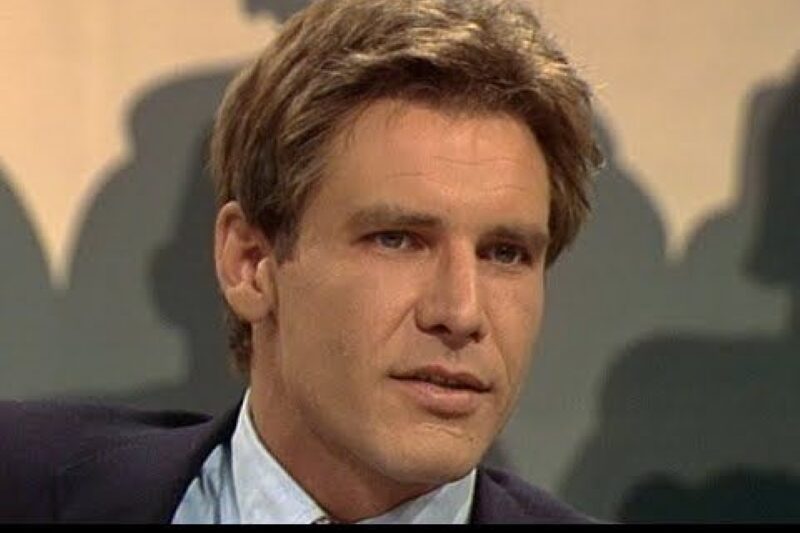
Before Harrison Ford became a familiar face in cinemas around the world, his acting career seemed to be fading. Roles were inconsistent and the income was not enough to support his growing family. Rather than continue chasing auditions without stability, Ford turned his attention to carpentry. He became skilled at building cabinets and furniture and began working for clients across Los Angeles. For a while it seemed as though acting had quietly become part of his past. He focused on providing for his family and building a dependable trade. The dream of Hollywood success felt distant and uncertain during those years.
Through his carpentry work he occasionally crossed paths with people connected to the film industry. One of those moments led to him reading lines during auditions for a new science fiction film directed by George Lucas. That project eventually became Star Wars. Ford’s casual involvement turned into an audition that earned him the role of Han Solo. The film’s enormous success transformed his career almost overnight. What makes the story remarkable is how close he had come to leaving acting completely. The opportunity that changed everything appeared during a moment when he was simply focused on building a practical life.
4. Meryl Streep And An Early Rejection
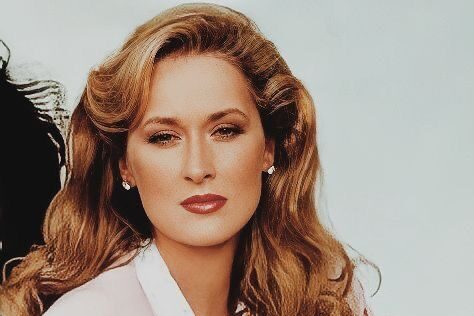
Today Meryl Streep is often described as one of the most respected actors in film history, yet her early years in Hollywood were not always encouraging. When she was still trying to build her career, she attended an audition for the film King Kong. During the process she reportedly overheard a producer dismissing her appearance and suggesting she was not attractive enough for the role. The comment was painful and could easily have shaken the confidence of a young actor still searching for her place in the industry. Instead of walking away, Streep continued working in theater where she felt her performances mattered most.
Those years on stage helped her develop the emotional precision and discipline that later defined her film work. Soon afterward she appeared in movies such as The Deer Hunter and Kramer vs Kramer, performances that introduced audiences to her remarkable depth and range. The same industry that once questioned her presence soon celebrated her talent. Looking back, the rejection now feels almost unbelievable considering the career that followed. Streep’s journey shows that criticism early in a career does not determine the future. Sometimes it becomes the motivation that quietly strengthens an artist’s resolve.
5. Chris Pratt Before Guardians Of The Galaxy

Chris Pratt’s path to becoming a major movie star was far from smooth. In his early twenties he moved between temporary jobs and uncertain living situations while trying to figure out his direction. At one point he even lived in a van in Hawaii while working small jobs and thinking about what might come next. Acting opportunities slowly began appearing, but they were modest and inconsistent. Pratt later admitted that there were times when he wondered whether pursuing acting made practical sense. Eventually he found steady work on television, including a role on Parks and Recreation, which allowed him to develop his comedic timing.
Even with that success he still did not see himself as a future blockbuster star. Everything changed when he was cast as Star Lord in the film Guardians of the Galaxy. The role combined humor, charm, and action in a way that audiences embraced immediately. The movie’s success surprised many people and introduced Pratt as a leading actor in big budget films. Looking back, he often speaks about persistence rather than confidence. He continued working even when the future seemed uncertain. His story shows how the years that feel slow and ordinary can quietly prepare someone for an unexpected breakthrough.
6. Steve Carell’s Quiet Years Of Struggle

Before Steve Carell became widely recognized for his comedic talent, he spent many years performing in small venues and working behind the scenes in television comedy. Early in his career he joined improvisational theater groups where he developed the subtle timing and character work that later defined his style. These performances brought experience and joy but not immediate fame. Carell continued writing sketches, appearing in small roles, and learning how audiences responded to his humor. By the time he reached his late thirties he sometimes wondered if a major opportunity might never arrive. Many performers quietly face that moment when they question whether persistence will truly pay off.
Then came the television series The Office in 2005. Carell’s portrayal of Michael Scott turned an awkward and misguided manager into one of television’s most memorable characters. Viewers gradually connected with the mix of humor and vulnerability he brought to the role. The show grew steadily in popularity and eventually became one of the most beloved workplace comedies ever produced. Carell later reflected that those earlier years were not wasted time. They were the period when he learned how to understand characters and timing. The success people saw later was built on lessons gathered quietly during those earlier struggles.
7. Viola Davis And Years Of Invisible Work
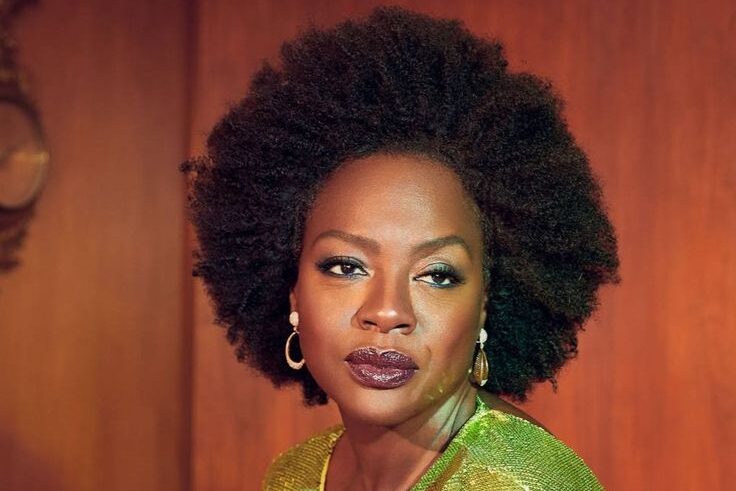
Viola Davis spent many years building her craft in theater and small television roles before the wider world recognized her extraordinary talent. Early in her career she appeared in supporting parts that were often brief but emotionally demanding. These roles required discipline and skill, yet they rarely brought the attention that larger roles might have offered. Davis continued working steadily, trusting that dedication to her craft would eventually lead somewhere meaningful. The theater community respected her abilities, and those performances helped strengthen her confidence and emotional range as an actor. Even so, the path forward often felt slow and uncertain. Many talented performers face similar periods where recognition seems distant despite years of effort and preparation.
A significant turning point arrived with the film Doubt in 2008. Although her role appeared in only one powerful scene, the emotional honesty she brought to the character left a lasting impression on audiences and critics. The performance earned her an Academy Award nomination and introduced many viewers to her remarkable presence. After that moment, opportunities began expanding in both film and television. Roles in projects such as The Help and the television series How to Get Away with Murder further demonstrated her depth and versatility. Davis’s journey shows how persistence and preparation can eventually meet opportunity in ways that transform a long and patient career.
8. Sylvester Stallone’s Last Chance Script

Before Sylvester Stallone became a symbol of determination through the character Rocky Balboa, his own life was filled with rejection and financial struggle. Acting roles were scarce and the uncertainty of Hollywood weighed heavily on him. Stallone continued attending auditions and searching for work, yet success seemed distant. During one difficult period he faced serious financial hardship and began questioning whether continuing in the industry made sense. The turning point came after he watched a boxing match between Muhammad Ali and Chuck Wepner. The determination displayed in that fight inspired him deeply. Stallone returned home and began writing a screenplay about an unknown boxer given a rare chance to fight a champion.
The script for Rocky captured the spirit of perseverance that Stallone himself was experiencing. When studios expressed interest in buying the story, most wanted a well known actor for the lead role. Stallone refused those offers because he believed strongly that he should play the character. After several negotiations a studio agreed to produce the film with Stallone in the starring role. Rocky premiered in 1976 and quickly captured the imagination of audiences around the world. The film won the Academy Award for Best Picture and turned Stallone into a global star. His story remains a powerful reminder that determination and belief in a creative idea can reshape a career.
9. Tiffany Haddish Before Comedy Breakthrough

Tiffany Haddish’s path into comedy was shaped by determination during a period of personal and financial challenges. As a young performer in Los Angeles she pursued stand up comedy while managing difficult circumstances that sometimes included unstable housing. Despite these struggles she continued performing at small comedy clubs and open mic nights, slowly building her confidence and stage presence. Haddish developed a storytelling style that blended humor with honest reflections on her life experiences. Each performance helped her connect more deeply with audiences who appreciated her authenticity and energy. Even when recognition seemed far away she remained committed to improving her craft and building relationships within the comedy community.
Her major breakthrough arrived in 2017 with the comedy film Girls Trip. Haddish’s lively performance immediately stood out and audiences responded enthusiastically to her fearless comedic style. The role introduced her to a wider audience and opened new opportunities across film and television. What many viewers saw as a sudden success was actually the result of years of persistence and practice. Haddish often reflects on those earlier challenges as the experiences that shaped her voice as a performer. Her journey reminds people that humor can grow from hardship and that determination can transform even the most difficult beginnings into a meaningful career.
10. Dwayne Johnson’s Football Setback

Long before Dwayne Johnson became a major presence in film and entertainment, he imagined his future as a professional football player. After playing college football at the University of Miami, he hoped to continue that path in the National Football League. When that opportunity did not unfold as expected, Johnson faced a period of uncertainty about his future. Being released from a team left him discouraged and unsure of what direction his life might take. For someone who had invested years of effort into the sport, the setback felt deeply personal. Instead of allowing that disappointment to define him, Johnson began exploring other possibilities that might use his energy and charisma.
Professional wrestling soon became the stage where he discovered a new sense of purpose. Joining World Wrestling Entertainment allowed him to develop a confident persona that quickly captured the attention of fans. His presence in the ring combined athleticism with storytelling, creating a connection with audiences that continued to grow. Over time he transitioned from wrestling into film, where his natural charisma translated well to the screen. Roles in action and adventure films gradually established him as a leading actor. Looking back, Johnson often reflects on how the setback in football redirected his life toward opportunities he had never originally imagined.
11. Lady Gaga’s Early Industry Rejections

Before Lady Gaga became one of the most recognizable figures in modern pop music, her early experiences in the music industry included moments of rejection and uncertainty. As a young artist in New York City she spent countless nights performing in small clubs while developing her songwriting and stage presence. She was briefly signed to a record label early in her career, but the contract ended quickly and left her searching again for a way forward. For many emerging artists such a setback could have ended the journey. Instead, Gaga continued writing music and performing live shows that allowed her to experiment with bold visuals and theatrical energy.
Those performances gradually helped her build a distinct identity that set her apart from other artists. When her debut album The Fame was released in 2008, the response from listeners was immediate and enthusiastic. Songs from the album spread across radio stations and digital platforms, introducing her voice and creative vision to audiences around the world. The performer who once struggled to gain industry support suddenly became one of the most talked about artists in pop music. Gaga’s journey shows how rejection can sometimes become the beginning of a clearer artistic direction, especially when someone remains committed to expressing their unique creativity.
12. Samuel L Jackson’s Late Career Breakthrough

Samuel L Jackson worked for many years as a dedicated actor before the wider public recognized his remarkable talent. Early in his career he appeared in theater productions and smaller film roles that allowed him to refine his craft. These performances helped him develop a strong presence and distinctive voice as an actor. Although the work was steady, it did not immediately lead to widespread recognition. Jackson continued taking roles and learning from each experience, building a reputation among directors and fellow performers. The slow pace of progress might have discouraged some actors, yet he remained committed to the profession he loved.
A major turning point arrived with the release of the film Pulp Fiction in 1994. Jackson’s portrayal of Jules Winnfield became one of the most memorable elements of the story. The character’s intensity and unique delivery captured the attention of audiences and critics alike. The performance earned him an Academy Award nomination and introduced him to a new level of recognition in Hollywood. From that moment forward his career expanded into numerous films across many genres. Jackson’s story shows that success in acting does not always arrive quickly. Sometimes it appears after years of quiet dedication that prepare someone for the moment when opportunity finally arrives.
13. Melissa McCarthy’s Unexpected Comedy Rise

Melissa McCarthy spent many years working in television and comedy before becoming widely known in film. Her early roles included supporting characters that gave her opportunities to perform but rarely placed her at the center of the story. She enjoyed the work and valued the experience, yet she sometimes wondered whether a larger opportunity would ever appear. Like many performers, she continued auditioning and performing while trusting that persistence might eventually lead somewhere new.
That moment arrived with the comedy film Bridesmaids in 2011. McCarthy’s portrayal of Megan quickly became one of the most talked about performances in the movie. Her fearless comedic energy and improvisational style captured the attention of audiences and critics alike. The role earned her an Academy Award nomination and opened the door to a series of successful film projects. McCarthy’s journey demonstrates how long periods of steady work can prepare an actor for the moment when the right role finally appears. The years of practice and patience allowed her to deliver a performance that felt natural, confident, and unforgettable.
14. Jim Carrey’s Years Of Persistence

Jim Carrey’s path into comedy began long before his name appeared on movie posters. As a young performer he started doing stand up comedy in small clubs, often experimenting with impressions and physical humor. Early performances were not always successful, and he sometimes struggled to connect with audiences while developing his style. Instead of giving up, Carrey continued performing and gradually learned how to shape his energetic stage presence into something distinctive.
His persistence eventually led to opportunities in television and film, but the major breakthrough arrived in 1994. In that single year he appeared in Ace Ventura Pet Detective, The Mask, and Dumb and Dumber. Each film showcased a different side of his comedic abilities, and together they introduced him to audiences around the world. Carrey’s rise suddenly seemed dramatic, yet it was built on years of preparation that most people never saw. His story reminds performers that growth often happens quietly through repeated effort. The moments of uncertainty along the way can become the very experiences that prepare someone for success when it finally arrives.
15. Octavia Spencer’s Long Wait For Recognition

Octavia Spencer spent a significant part of her career appearing in small roles across film and television before receiving the recognition many believed she deserved. These roles allowed her to gain experience and build relationships in the industry, yet they rarely provided the opportunity to showcase the full range of her talent. Spencer continued accepting work while trusting that the right role might eventually appear.
That opportunity came with the film The Help in 2011. Her portrayal of Minny Jackson resonated deeply with audiences and critics. The performance earned her an Academy Award for Best Supporting Actress and introduced her to a wider audience. Spencer’s success did not come from a sudden discovery but from years of steady preparation that allowed her to fully inhabit the role when it arrived. Looking back at her journey, it becomes clear that patience played a central role in shaping her career. The recognition she received later reflected the dedication she had quietly maintained for many years.
16. Jon Hamm And The Years Before Mad Men
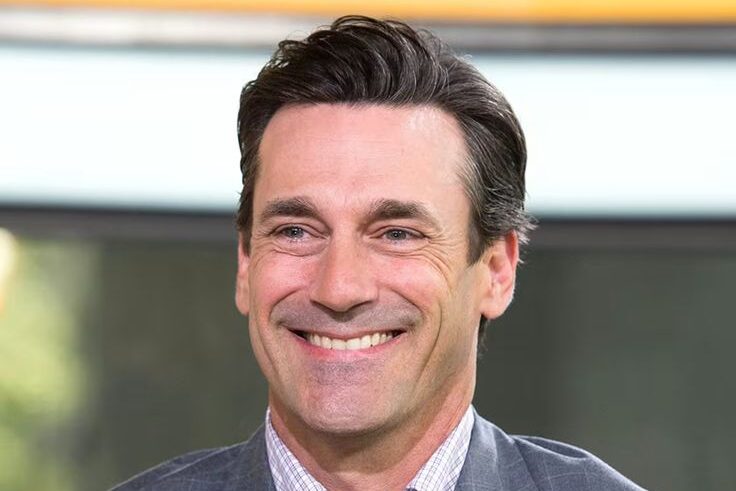
Jon Hamm spent more than a decade pursuing acting roles before finding the opportunity that would define his career. During those years he appeared in small television roles and commercials while managing the financial challenges that often come with life in Los Angeles. Like many actors, he reached moments when he questioned whether continuing made sense. The uncertainty was real, yet he remained committed to improving his craft and attending auditions.
Everything changed when he was cast as Don Draper in the television series Mad Men. The role allowed him to portray a complex character navigating ambition, identity, and personal conflict. Audiences quickly connected with the depth he brought to the performance. The series became widely praised and Hamm’s work earned numerous awards and recognition. Looking back, the years of struggle now appear as part of the preparation that allowed him to fully inhabit that role. His journey quietly reflects the same truth seen in many of the stories here. Success often arrives after long periods of uncertainty that test whether someone is willing to keep going just a little longer.


