
1. The Streaming Subscriptions Shuffle
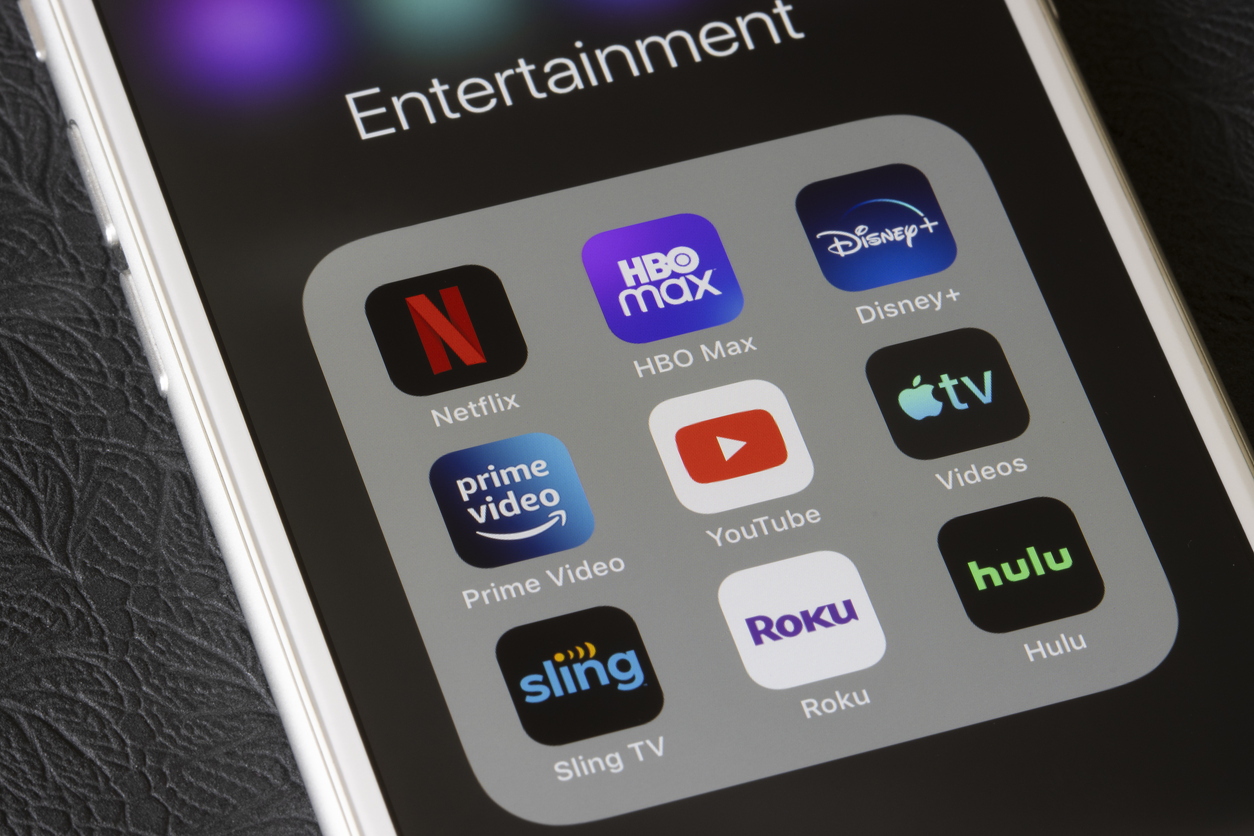
Remember when Saturday nights meant flipping through channels or renting a VHS? Today, it’s more likely to be scrolling through a dozen streaming apps, trying to find something to watch. From Netflix to Disney+, Hulu to HBO Max, the cost of entertainment has transformed from a one-time rental to a monthly string of subscriptions. Some people now pay over $50 a month just to keep their favorite shows in reach. It’s convenience at your fingertips, but it adds up fast, and you might not even realize how much these small monthly fees contribute to the new normal in household budgets.
The surprise isn’t just the number of platforms but the expectation of keeping them all active. Friends talk about binge-watching the latest releases, but behind the scenes, wallets are quietly taking the hit. Some families have even started “subscription audits,” going through each app and asking, do we really need this? It’s a modern twist on entertainment expenses that didn’t exist thirty years ago, turning leisure into a recurring cost. The lesson is subtle but clear: small monthly charges can quietly reshape your spending without you noticing.
2. The Gym Membership Obsession

Back in the day, getting fit often meant a pair of running shoes and a neighborhood route. Now, health comes with a membership card and recurring fees that can easily reach $100 a month. Boutique gyms, CrossFit studios, and yoga memberships have made fitness a premium experience, complete with fancy equipment, group classes, and personal trainers. The irony is that the costs don’t always align with usage many pay and then visit only a few times a month, leaving money quietly disappearing while the intention to stay healthy is still there.
It’s not just gyms either; specialized apps for guided workouts, meditation, and nutrition plans have turned self-care into a series of recurring payments. Convenience is the main draw, but the reality is that these expenses are a modern phenomenon, something that didn’t even exist when most people jogged in their local parks or followed routines from magazines. Like streaming services, the expense is easy to overlook because it’s broken into manageable monthly amounts, yet it’s steadily becoming a permanent line on many budgets. It’s a subtle shift that nudges us to rethink how we value wellness versus cost.
3. The Coffee Culture Tax

Coffee itself isn’t new, but paying $5 for a latte on the way to work is a habit that wasn’t really common thirty years ago. People brewed coffee at home or grabbed a simple cup at a diner without thinking twice. Now, specialty drinks, seasonal flavors, and artisan roasts have turned daily caffeine fixes into a recurring expense that can easily hit $100 a month. The cost sneaks in quietly, and for many, it’s both a social experience and a daily necessity, blending taste with convenience in a way that was rare for previous generations.
The trend isn’t just about caffeine; it’s about lifestyle. Apps make it easy to pre-order, pay, and earn loyalty rewards, subtly encouraging more visits. Some studies even suggest the average American spends over $1,000 a year on coffee outside the home. The experience feels small and casual, but the cumulative impact is real. It’s a modern expense that reflects a cultural shift as much as a financial one, reminding us that simple pleasures now often come with a monthly price tag. Small habits can quietly add up, and coffee is a perfect example.
4. The Tech Upgrade Cycle

Phones, laptops, and smart devices weren’t expenses we renewed every year. Back then, a landline or a basic computer could last a decade. Today, tech feels like a subscription in itself, with annual or even semi-annual upgrades that lure us with faster processors, better cameras, or slimmer designs. The recurring cost isn’t just the device, it’s the data plan, the accessories, and the apps. It’s a lifestyle expense that didn’t exist in previous decades, where phones were functional tools, not status symbols or multi-purpose hubs.
The pace of innovation has created both convenience and cost. Families debate whether to upgrade immediately or stick with last year’s model, balancing desire against necessity. Even if one resists the trend, social and professional pressures subtly encourage participation, turning technology into a line item that never truly disappears. The recurring nature of tech spending demonstrates a modern paradox: we benefit from innovation but pay for it continuously. It’s a reminder that convenience and connectivity come with an ongoing price, and that staying current often feels unavoidable in today’s world.
5. The Online Shopping Trap
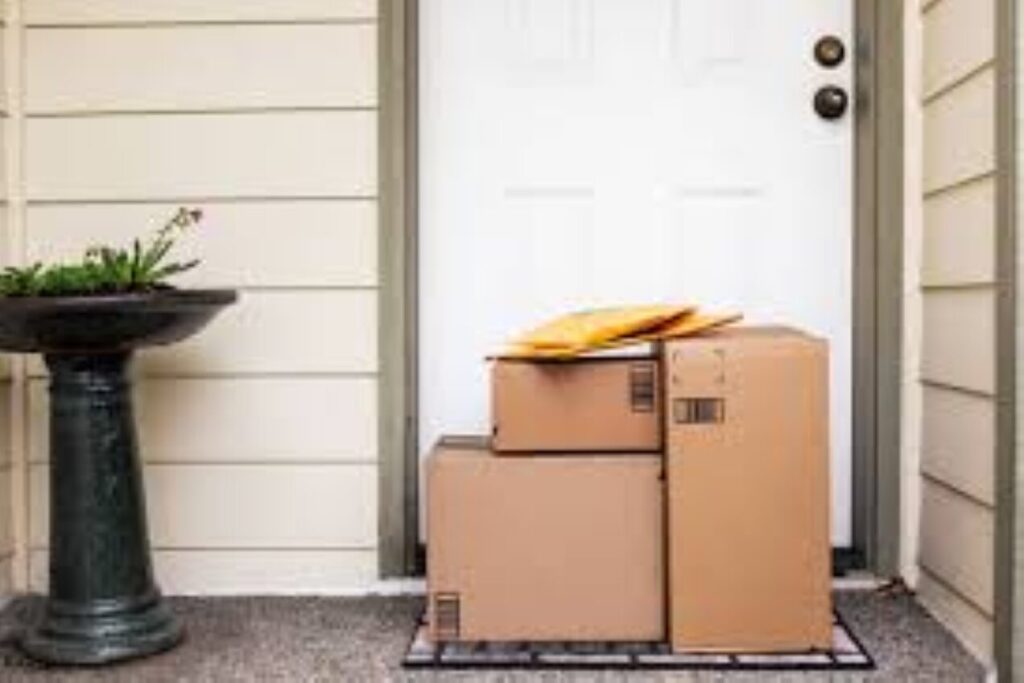
The ease of online shopping has transformed everything from grocery delivery to impulse buys into recurring expenses. While buying from catalogs or local stores used to be occasional, now monthly subscriptions for clothing, meal kits, or curated boxes quietly infiltrate budgets. A few clicks and doorstep deliveries make spending effortless, but they add up quickly. Many shoppers don’t even realize they’ve subscribed to multiple services, from beauty boxes to snack deliveries, because each one feels like a small, manageable charge until it becomes significant over time.
The modern convenience of “click and receive” is something previous generations could only imagine. It saves time but introduces a new category of expense that’s tied to lifestyle rather than necessity. People often shrug off the costs, thinking each is small, but collectively they reshape monthly spending in ways that didn’t exist thirty years ago. Online shopping demonstrates how technology can blur the line between need and want, subtly teaching us that ease often comes with a hidden, recurring cost. It’s a gentle nudge to track spending more consciously and decide which subscriptions truly add value.
6. The Delivery App Dilemma
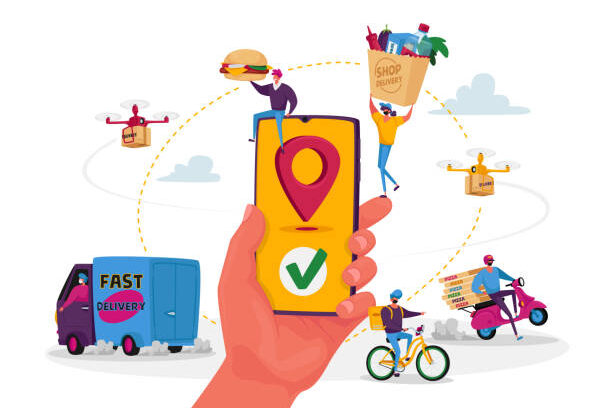
Ordering food used to be an occasional treat or a night out, but now delivery apps make meals available at any hour. From Uber Eats to DoorDash and Grubhub, people pay not just for food but for service fees, tips, and surge charges. That $12 meal can easily climb to $20 once convenience is factored in. Thirty years ago, dinner meant cooking or visiting a local diner. Today, the price of time and convenience has become a recurring expense many barely notice until the monthly total arrives.
The subtle cost goes beyond money, it’s also habit-forming. Busy schedules and comfort make frequent ordering feel reasonable, but it quietly reshapes household budgets. Some families track delivery app spending as closely as utility bills, realizing that small fees and tips multiply quickly. The convenience is undeniable, but it’s a modern twist on dining that didn’t exist in previous generations, showing how technology can quietly introduce recurring costs we once never imagined. Being mindful about when to order can help balance convenience and budget.
7. The Subscription Box Surprise

From snacks and beauty products to books and clothing, subscription boxes have taken everyday shopping to a new level. What started as a novelty has become a recurring line on many budgets, arriving monthly without much thought. Each box feels like a treat, but the cumulative cost can quietly surpass $500 or more annually. Subscription boxes didn’t exist decades ago, and they turn small surprises into recurring financial commitments that people often underestimate until the year-end tally.
Beyond the cost, these boxes reflect how shopping has become personalized entertainment. Consumers enjoy the anticipation of a curated surprise, but each month adds a small yet consistent expense. Some people love the convenience and discovery, while others end up with products they barely use. It’s a modern expense rooted in choice and lifestyle rather than necessity, illustrating how even simple pleasures now often require a recurring investment. Keeping track can help prevent indulgence from quietly becoming a habit that strains the budget.
8. The Pet Pampering Phenomenon

Pets were once happy with simple meals, a cozy spot to sleep, and the occasional toy. Today, pet owners spend on grooming, specialty foods, monthly supplements, and even pet tech like trackers and cameras. Monthly expenses for pets can easily rival those for children or adults, reflecting a cultural shift in how we care for our furry friends. Thirty years ago, few would have imagined that dog grooming or artisanal cat treats could become recurring costs, but the trend is clear: pets are family, and the spending reflects love and lifestyle rather than necessity.
The rise of pet-related subscriptions and luxury items has made pet care both more convenient and more expensive. Some households budget hundreds of dollars monthly just for pampering pets, and social media often encourages indulgence by showcasing how others treat their animals. While it’s heartwarming to provide the best for pets, the financial reality is new for many generations. It’s an example of how lifestyle expenses have expanded to every corner of life, creating recurring costs that didn’t exist before but now feel entirely normal.
9. The Smart Home Hook

Smart lights, thermostats, security cameras, and voice assistants make homes more convenient and efficient, but they also introduce recurring costs. Many require subscriptions for cloud storage, monitoring, or premium features, which can add $10–$30 a month per device. Thirty years ago, a home’s “smartness” was limited to the occasional timer or a simple security alarm, and monthly costs were minimal. Today, smart homes provide comfort and control but quietly add to recurring expenses that many homeowners didn’t even anticipate.
The appeal of automation and convenience makes the expense easy to accept. Families enjoy energy monitoring, remote security alerts, and hands-free control, often justifying the monthly payments as part of modern living. The reality is that these small, repeated charges accumulate, shifting household budgets without dramatic impact at first glance. Smart home subscriptions highlight a modern paradox: technology simplifies life while introducing new, ongoing costs, reminding us that convenience almost always has a price. Being intentional about which features are truly needed can help balance comfort with cost.
10. The Digital Magazine and News Fee

Reading news and magazines used to mean a newspaper subscription delivered weekly or monthly trips to the store. Today, many people pay recurring fees for digital access to newspapers, magazines, and specialized content online. Sites like The New York Times, The Washington Post, or niche platforms offer premium content for a monthly charge, often $10–$20 a month. What was once a one-time purchase or shared resource now becomes an ongoing cost, subtly transforming the way information is consumed and paid for.
The expense is small per month but adds up over a year, and many readers subscribe to multiple sources to stay informed. The convenience of instant access and personalized content makes the cost feel reasonable, but it’s an expense that previous generations rarely faced. Digital subscriptions reflect a cultural shift in media consumption, turning news and information into lifestyle-related recurring costs. Tracking these small fees can help ensure that staying informed doesn’t unintentionally become a financial burden.
11. The Cloud Storage Catch

Files used to sit neatly on floppy disks, CDs, or hard drives, but now cloud storage has made data access easy yet costly. Services like Google Drive, iCloud, and Dropbox offer convenience, syncing documents, photos, and videos across devices for a monthly fee. What was once a one-time purchase of storage is now an ongoing expense, often quietly adding $10–$30 per month to household budgets. The convenience feels seamless, but it’s a recurring cost that didn’t exist before digital lifestyles became standard.
People love the safety and accessibility, especially for family photos, work documents, or creative projects. The cloud is a modern convenience that blends security with everyday functionality, yet the cumulative cost is easy to overlook. As files pile up and storage needs grow, monthly charges can creep higher, and what seems like a small subscription becomes a notable recurring expense. Cloud storage is a simple reminder that technology has shifted not just how we live but how we spend, turning once-static necessities into ongoing costs.
12. The App Addiction
Apps were once free tools or occasional splurges, but now premium apps, in-app purchases, and software subscriptions are part of daily life. From productivity and finance to entertainment and gaming, monthly or yearly fees quietly join the list of household expenses. Kids and adults alike subscribe to apps for convenience, learning, or leisure, often without considering the annual total. Thirty years ago, this type of recurring digital expense simply didn’t exist, and people relied on one-time purchases instead.
The subtle impact is both cultural and financial. Apps are designed to be engaging and easy to justify, with small monthly charges that feel negligible individually. Yet across multiple devices, platforms, and family members, the total quickly adds up. Many users only realize the annual cost when reviewing bank statements, discovering that small digital conveniences have quietly become lifestyle-driven expenses. It’s a modern reminder that ease and entertainment often carry a financial footprint we didn’t face in previous generations.
13. The Parking and Toll Tech Fees
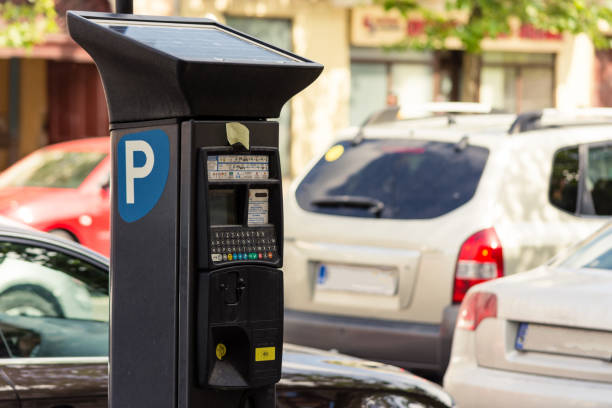
Parking meters and toll booths were simple coins in slots, but now apps handle payments, often with service fees. Monthly commuters pay recurring fees for convenience, especially with digital parking subscriptions, toll tags, or smart payment systems. What used to be a small, occasional cost has become a predictable line item on budgets. The convenience is undeniable, allowing drivers to skip coins, lines, or tickets, yet the recurring cost is a new addition to daily life.
Even city-dwellers who once walked or used public transport find themselves contributing to digital fees for convenience. The subtle, monthly accumulation is easy to overlook, making what once was minimal now a habitual expense. Technology simplifies commuting and errands but quietly reshapes finances, demonstrating that even basic necessities like parking can transform into modern recurring costs. Being mindful of usage and alternatives can help manage these small but persistent charges.
14. The Health App Habit

Tracking fitness, diet, or sleep has gone digital, often requiring monthly subscriptions for apps or premium features. What once relied on personal logs, notebooks, or basic watches now comes with recurring costs that can easily surpass $100 a year. From personalized nutrition plans to guided meditations and exercise programs, digital health tools provide convenience and insight but also introduce ongoing expenses that weren’t part of everyday life decades ago.
The upside is clear: insights, motivation, and convenience in one package. Yet the subtle financial impact is significant over time. Many users underestimate how small recurring subscriptions accumulate, blending seamlessly into monthly budgets. It’s another modern example of lifestyle-driven spending, showing how technology reshapes daily habits and the costs associated with self-care. Tracking subscriptions ensures health gains don’t quietly become financial strain.
15. The Online Education Expense

Learning used to be a one-time course or a physical class, but now online courses, certification programs, and learning platforms are often subscription-based. Monthly fees for platforms like MasterClass, Skillshare, or Coursera add up, turning lifelong learning into a recurring expense. The convenience of learning anytime and anywhere is valuable, but it’s a modern cost that previous generations rarely faced, when education outside formal schooling was mostly in-person and one-off.
The cultural shift is subtle but meaningful. People pursue personal growth or professional development at their own pace, but each monthly payment adds to household budgets. The recurring nature of online education is a reflection of lifestyle priorities merging with technology. It’s a gentle reminder that convenience and opportunity now come with predictable costs, and being intentional helps balance learning and spending without sacrificing either.
16. The Gig Economy Lifestyle
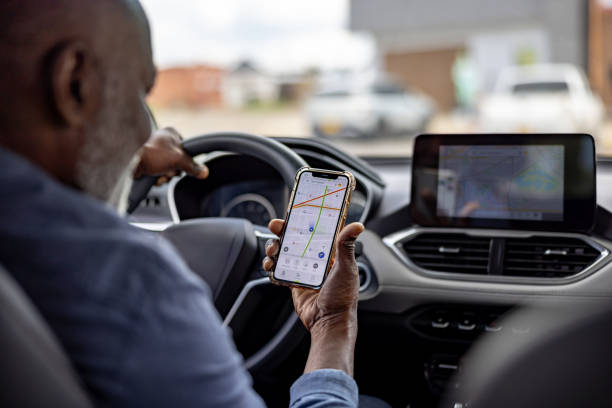
Rideshare apps, task services, and freelance platforms have introduced convenience but also recurring fees or subscription services to stay visible and competitive. Drivers, delivery personnel, or freelancers often pay monthly for premium features, insurance, or platform services. Thirty years ago, these expenses were nonexistent; work was localized, and service fees were limited to traditional industries. Today, participation in the gig economy quietly adds recurring costs to modern life.
The upside is flexibility and access to opportunities, yet the cumulative monthly costs highlight a new reality: convenience and choice often come with a price. Technology has made earning more accessible, but it has also created recurring expenses previously unimaginable. Modern life now includes costs woven into daily routines and income sources, reminding us that convenience and innovation, while valuable, carry financial responsibilities. Awareness of these costs ensures that opportunities enhance rather than strain finances.


