
1. Boise, Idaho’s Surprise Housing Boom
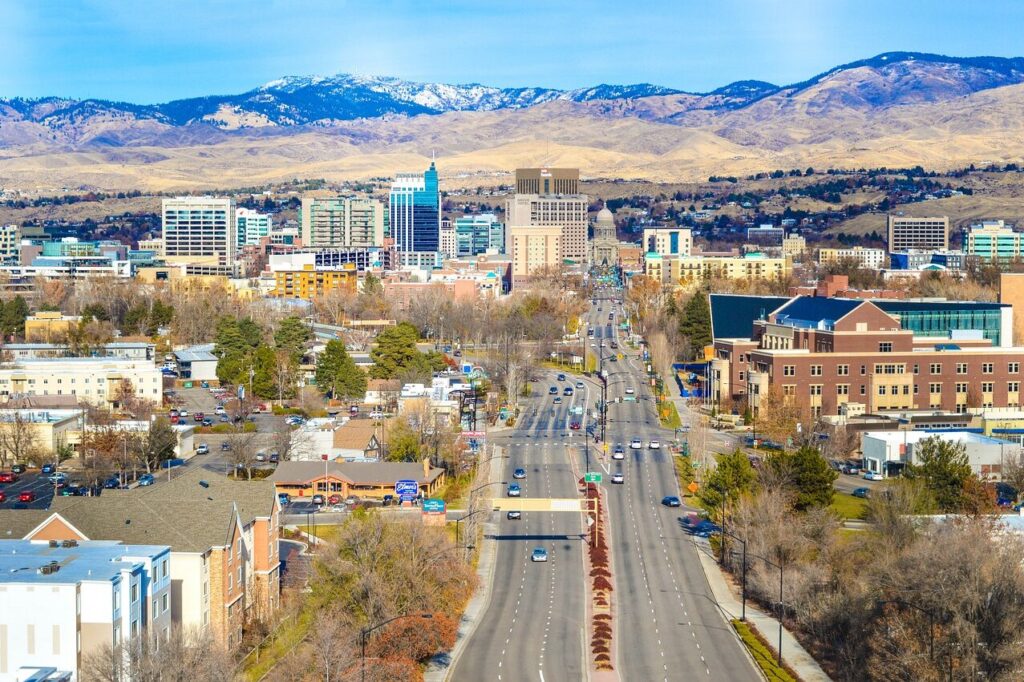
Sometimes a housing story begins quietly before anyone really notices. Boise is a good example. For years the city felt like a comfortable corner of the country where people could enjoy mountain views, calm neighborhoods, and rents that did not strain a monthly budget. That sense of ease began changing when remote work expanded and more Americans started searching for smaller cities with a better quality of life. Suddenly Boise was appearing on relocation lists everywhere. New residents arrived from larger states hoping to slow down and save money, but that demand placed unexpected pressure on the rental market. Apartments that once seemed easy to find started filling quickly, and prices began rising faster than many locals had ever seen before.
For longtime renters the shift felt sudden. Lease renewals arrived with numbers that looked unfamiliar, and the search for affordable apartments became noticeably harder across the city. Over the next few years the market continued adjusting to the city’s new popularity. Developers began building more units, but demand still moved faster than construction. Boise remains welcoming and beautiful, yet its housing story now reflects how quickly a quiet city can transform when people from across the country decide they want to live there too.
2. Austin, Texas And The Pandemic Migration Rush
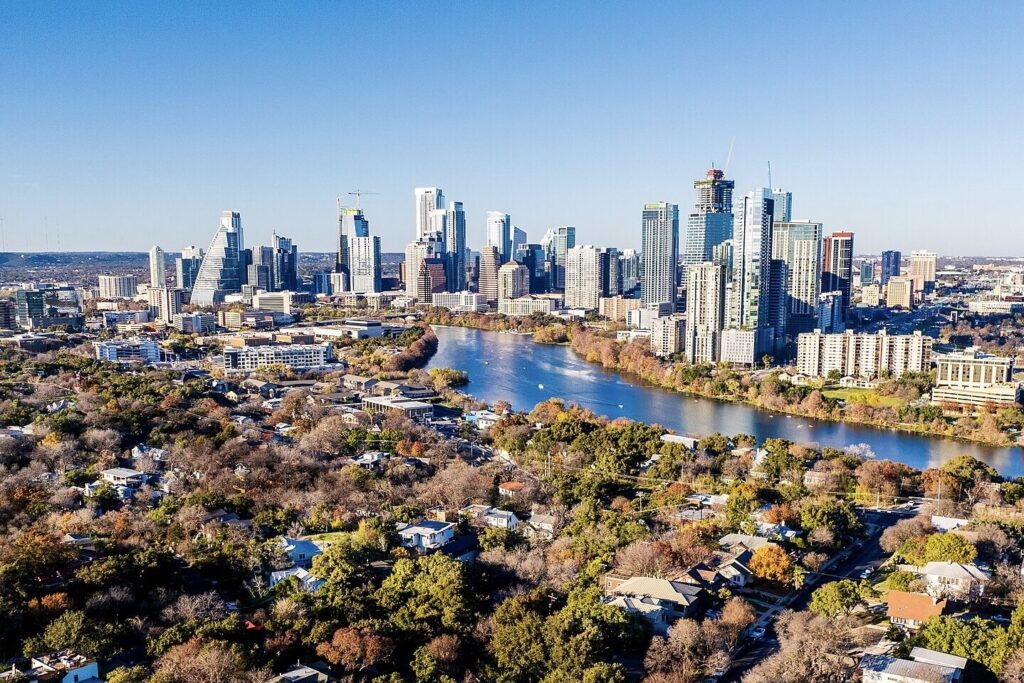
Austin has always carried a lively spirit. Music spills out of small venues, food trucks line busy corners, and technology companies continue expanding across the city. Long before the pandemic, people were already moving there for culture and opportunity. What changed recently was the speed of that movement. When remote work became common, thousands of workers realized they could live almost anywhere. Austin quickly landed on relocation lists because it offered creativity, career options, and warm weather. As new residents arrived, the rental market began tightening. Apartments that once stayed available for weeks started filling quickly, and renters began noticing that prices were quietly moving upward across the city.
For people already living in Austin, the shift became obvious when leases came up for renewal. Renters compared notes with friends and realized many were seeing the same pattern. Apartments that once felt comfortably priced were suddenly stretching monthly budgets. Developers started building more housing, yet demand still moved quickly because Austin remained popular with young professionals and entrepreneurs. The city still feels energetic and welcoming, filled with music, festivals, and creative energy. But longtime residents often say the housing story has changed. Austin continues to attract people searching for opportunity, and that steady arrival of newcomers keeps shaping the cost of renting across the city today.
3. Miami, Florida’s Luxury Price Explosion
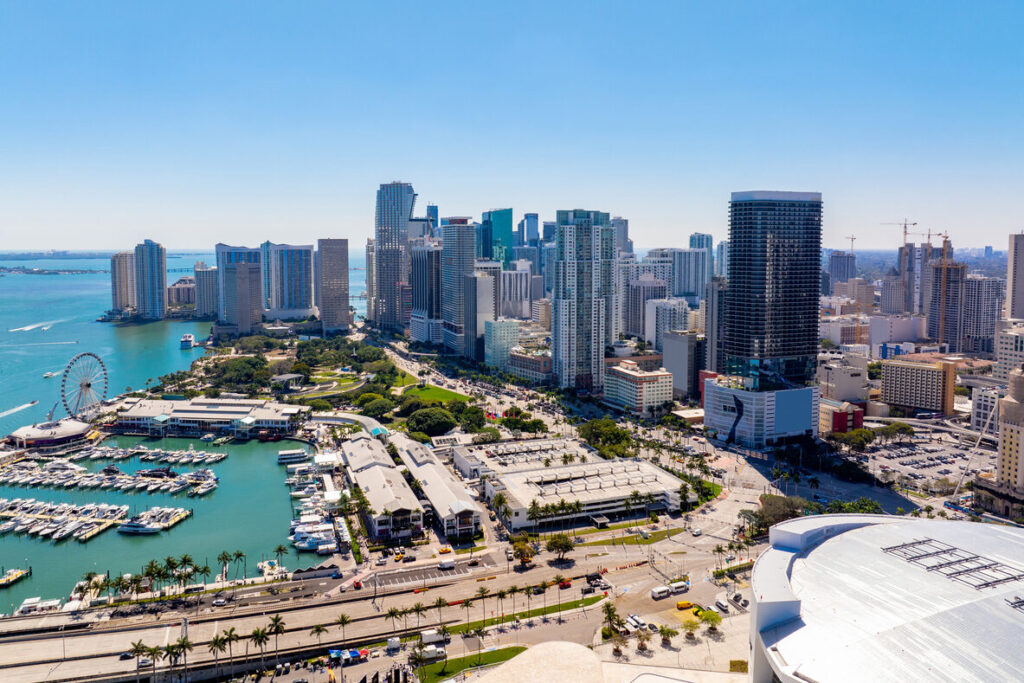
Miami has always been known for sunshine, beaches, and a lifestyle that feels lively throughout the year. The city attracts visitors from around the world, and many eventually decide they want to stay longer than a vacation allows. In recent years that attraction grew even stronger. Professionals from large coastal cities began relocating, drawn by warm weather and the chance to work remotely while enjoying a different pace of life. Investors also began purchasing properties throughout the city. As those changes unfolded, demand for apartments increased across neighborhoods near downtown and along the waterfront.
Renters searching for homes began noticing that listings disappeared quickly and prices seemed to shift every few months. Conversations about housing became common among friends who were comparing lease renewals. Many longtime residents say the difference felt surprising because Miami once had pockets of affordable living mixed into its glamorous reputation. Today the city still feels colorful, energetic, and welcoming to newcomers. Yet the rental landscape has gradually leaned toward higher prices. Miami continues attracting residents from across the country, and that steady interest keeps the housing market active while reminding renters how quickly popularity can reshape the cost of living.
4. Tampa, Florida’s Rapid Sunbelt Surge
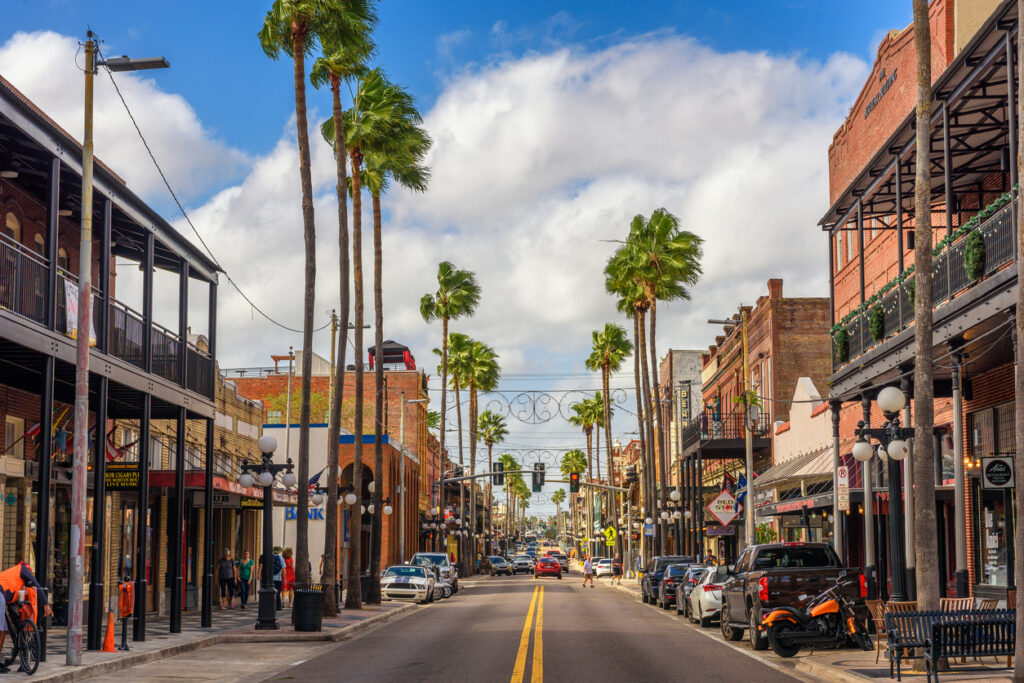
For many years Tampa felt like one of Florida’s quieter cities. It had beautiful waterfront views, warm sunshine, and a comfortable pace of life that locals appreciated. While tourists visited nearby destinations, Tampa remained a place where people could settle down without the intense crowds seen in other coastal cities. Over time that quiet charm started gaining national attention. Families, retirees, and remote workers began relocating in search of warm weather and growing job opportunities. As more people discovered Tampa, the population slowly increased across the metropolitan area.
With that growth came noticeable changes in the rental market. Apartments that once seemed easy to find became more competitive as newcomers searched for housing across several neighborhoods. Renters began realizing that prices were rising in different parts of the city at the same time. Friends comparing housing costs often discovered they were all seeing similar increases. Tampa still carries the friendly atmosphere that first attracted residents years ago. The city continues to welcome newcomers each year, and its steady population growth keeps housing demand strong. For longtime locals, the biggest surprise has been how quickly rent prices changed once Tampa became a popular destination.
5. Phoenix, Arizona And The Desert Growth Wave
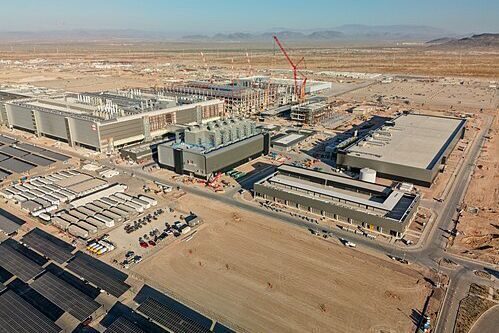
Phoenix has long been known for wide skies, warm sunshine, and neighborhoods that stretch across the desert landscape. For decades people moved there searching for opportunity and a slightly slower pace of life compared with coastal cities. In recent years that movement began accelerating. Technology companies expanded across the region, and workers from other states started relocating for new jobs and a lower cost of living. As the population grew, demand for housing increased throughout the metropolitan area. Apartment communities began filling quickly as more residents arrived looking for homes.
Renters noticed the changes when searching for apartments or renewing their leases. Units that once stayed available for weeks began disappearing much faster. Property managers adjusted rental prices to reflect the growing demand. Conversations about housing started appearing more often among coworkers and neighbors who were comparing their experiences. Phoenix still offers the same desert scenery and bright weather that first attracted many residents. Yet the housing market now reflects a city that has become one of the fastest growing destinations in the country. As people continue relocating there, the rental market keeps adjusting to meet the needs of a steadily expanding population.
6. Nashville, Tennessee’s Music City Momentum
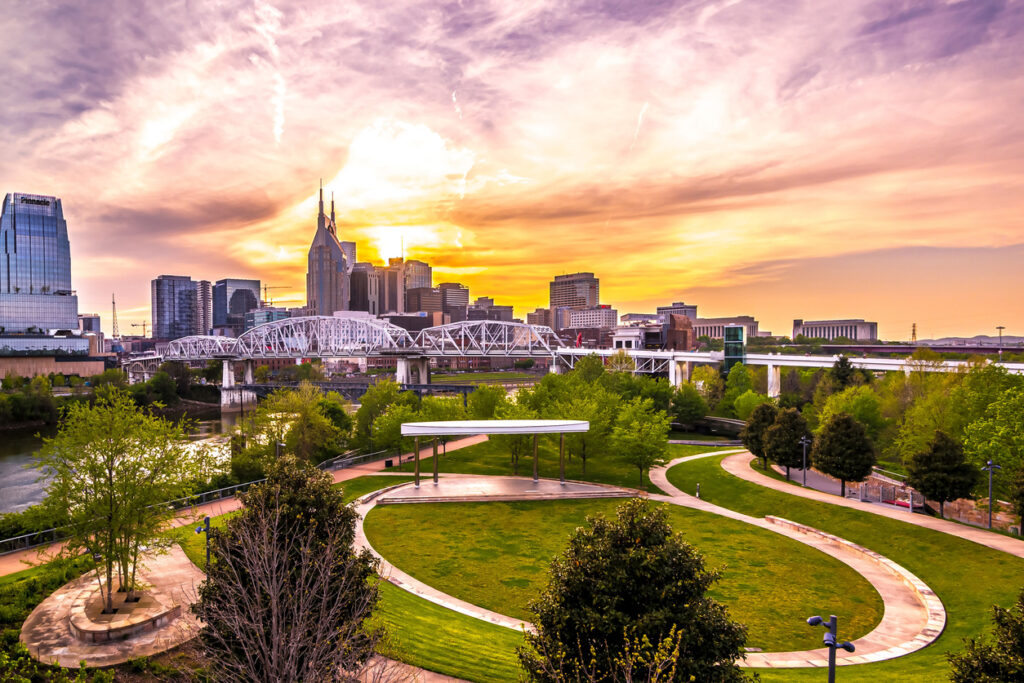
Nashville has always carried a creative heartbeat. Live music echoes from small venues, songwriters gather in cafés, and visitors travel there hoping to experience the city’s famous cultural energy. For many years the local economy revolved largely around entertainment and tourism. Over time Nashville began expanding in new directions. Healthcare companies, corporate offices, and technology firms opened locations there, bringing thousands of new workers into the area. With those opportunities came a steady flow of people searching for housing close to the city center.
As the population grew, the rental market slowly began responding. Apartment communities near downtown or close to large employers started filling quickly. Renters noticed that lease renewals sometimes arrived with higher prices than expected. The changes did not feel sudden at first, but year after year the pattern became clearer. Nashville continued welcoming newcomers who wanted to be part of its vibrant culture and growing economy. The city still feels warm and creative, filled with music and Southern hospitality. Yet the rising cost of rent reflects how Nashville has evolved into a much larger economic hub that continues attracting residents from across the country.
7. Atlanta, Georgia’s Expanding Metro Pressure
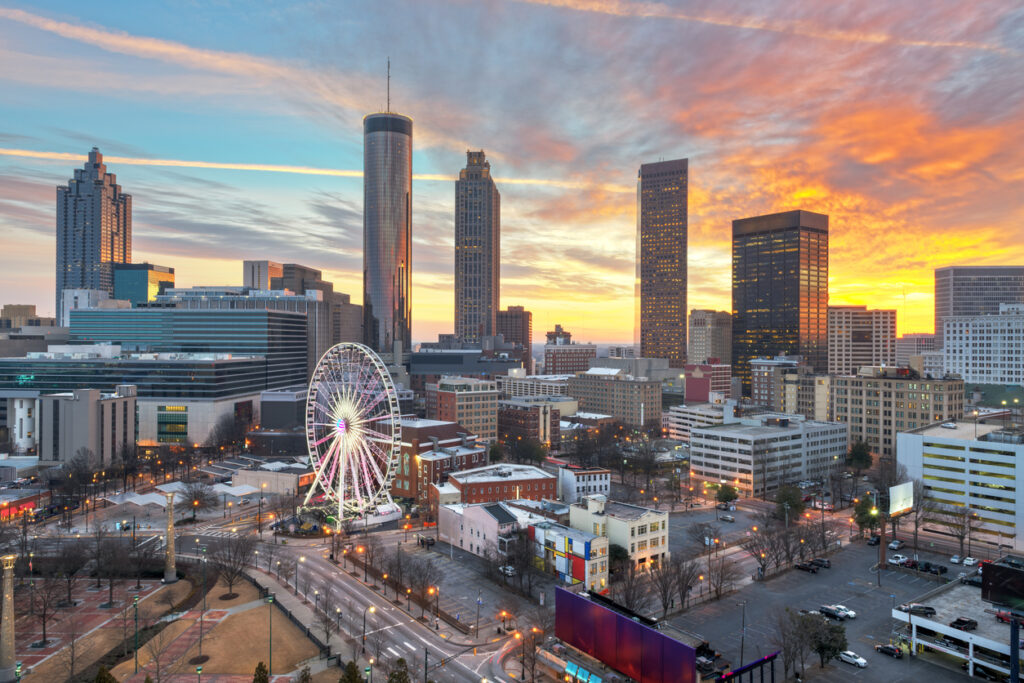
Atlanta has long stood out as one of the most dynamic cities in the American South. Its airport connects travelers worldwide, and industries such as film production, finance, and technology continue expanding across the metropolitan area. With strong career opportunities available, professionals from many states have moved there hoping to build their futures. As the population steadily increased, housing demand began rising across neighborhoods both inside the city and throughout the surrounding suburbs. Apartment communities close to business districts quickly became popular among new residents.
Over time renters began noticing gradual changes in pricing across the metro area. Apartments that once felt comfortably affordable started becoming more competitive as demand increased. Lease renewals sometimes arrived with higher numbers than tenants expected. Longtime residents often say the shift was noticeable but understandable because Atlanta has been growing for decades. The city still offers vibrant culture, diverse communities, and strong job prospects that attract newcomers every year. Yet the rental market now reflects Atlanta’s expanding national influence. As more people continue choosing the city for work and opportunity, housing demand remains strong across the region.
8. Orlando, Florida’s Tourism Economy Effect
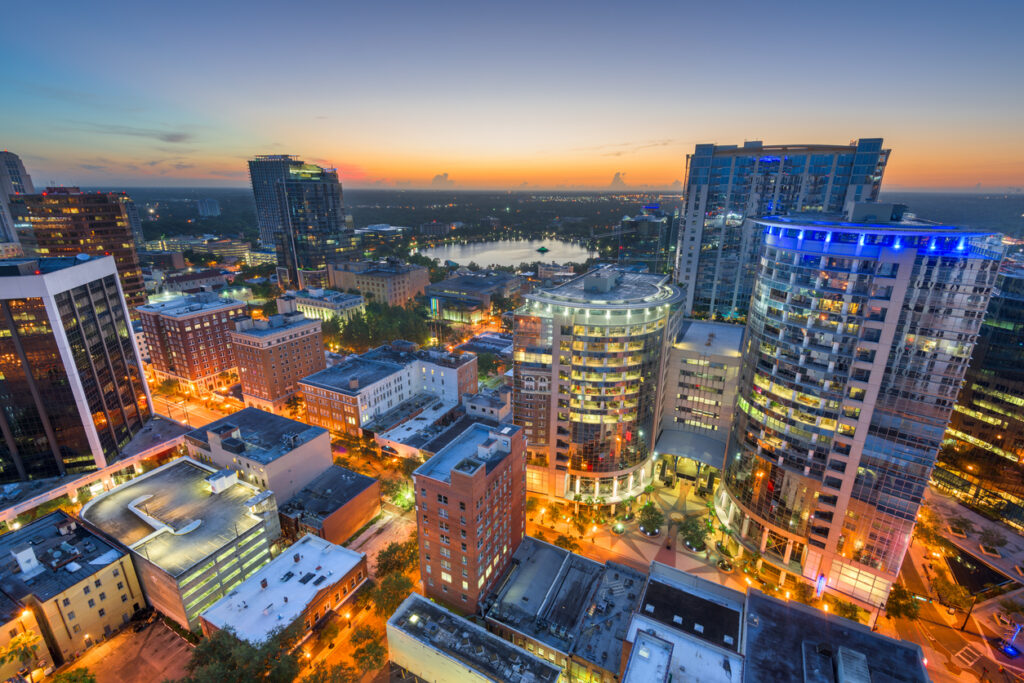
Orlando is widely known as one of the most visited cities in the United States. Theme parks, entertainment resorts, and warm weather bring millions of visitors every year. For decades the local economy has revolved around tourism and hospitality, attracting workers who want careers in those industries. In recent years the city began attracting new types of residents as well. Remote workers, retirees, and young professionals started relocating there for the climate and lifestyle. As the population expanded, the housing market began adjusting to meet the growing demand for apartments and rental homes.
Renters living across the metro area slowly began noticing changes in the availability of housing. Apartments that once remained listed for weeks started filling much faster. Some neighborhoods experienced noticeable rent increases as more people searched for places to live. Families who had lived in Orlando for years sometimes found themselves competing with newcomers for the same apartments. The city still carries its lively and welcoming atmosphere that draws visitors from around the world. Yet the housing conversation has quietly become part of everyday life for residents as Orlando continues growing and attracting people hoping to build their lives there.
9. Dallas, Texas And Corporate Relocation
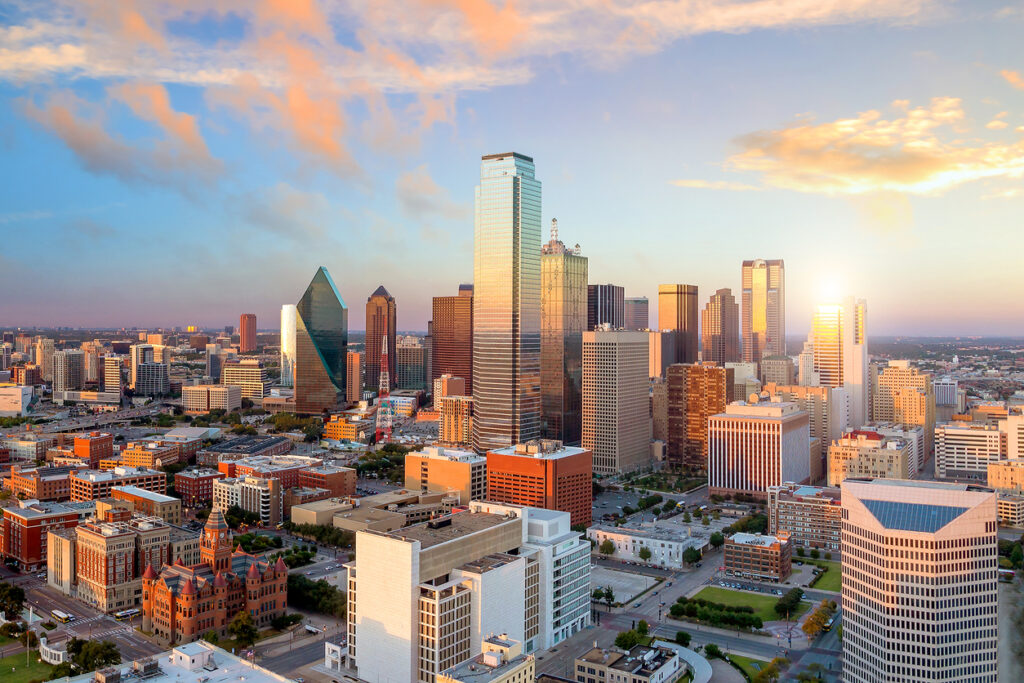
Dallas has spent years quietly building a reputation as one of the country’s most important business hubs. Major corporations have relocated offices there, bringing thousands of employees looking for new homes and opportunities. The city already had strong industries in technology, finance, and transportation, so the arrival of new companies only strengthened its appeal. As professionals began moving into the area for work, housing demand slowly increased across the metropolitan region. Apartment communities near business districts and growing suburbs began attracting a steady stream of renters searching for convenient places to live.
Over time renters began noticing that the market was becoming more competitive. Units that once felt easy to secure started filling quickly, especially in neighborhoods close to major employers. Lease renewals sometimes arrived with higher prices than tenants expected. Residents often discuss how the city still feels full of opportunity and space, yet the housing landscape has shifted alongside its economic growth. Dallas continues welcoming professionals from across the country who are drawn by its expanding job market. As more people settle into the region each year, the demand for housing keeps rising and shaping how the rental market evolves across the city today.
10. Charlotte, North Carolina’s Banking Hub Growth
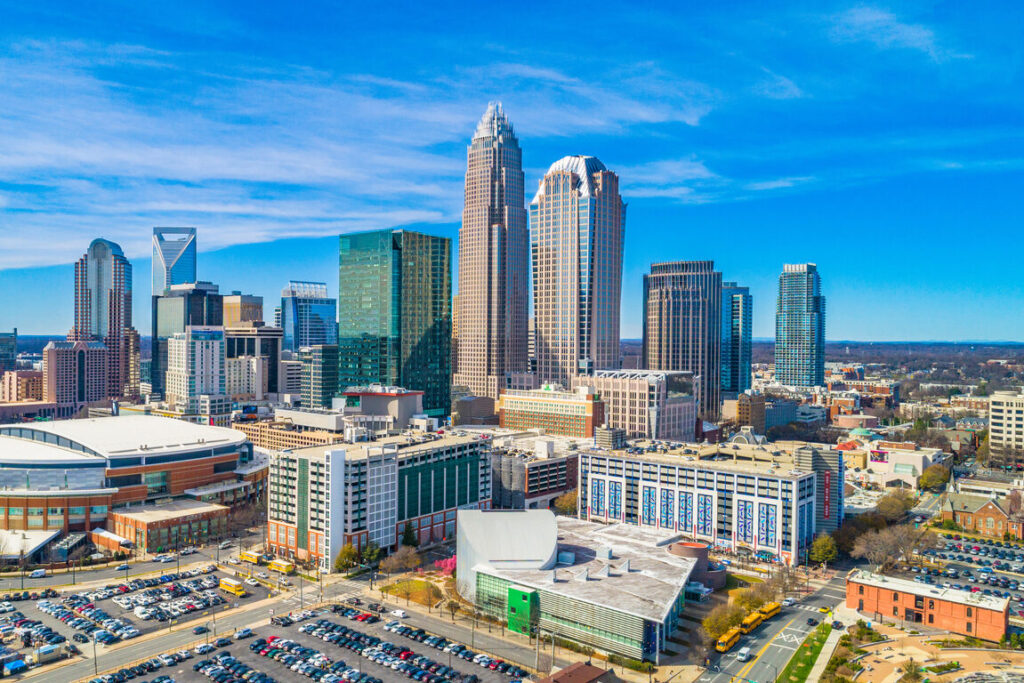
Charlotte often surprises people when they first arrive. What looks like a relaxed Southern city is actually one of the most important financial centers in the country. Major banks have large operations there, and the skyline reflects decades of economic growth. Professionals from across the United States have relocated to Charlotte in search of careers in banking, technology, and corporate services. As the workforce expanded, neighborhoods across the city began welcoming new residents who wanted homes close to their offices and downtown attractions.
That steady growth gradually influenced the rental market. Apartment complexes near business districts and popular neighborhoods started filling faster as demand increased. Renters began noticing that prices were climbing in areas where housing once felt comfortably affordable. Friends comparing lease renewals sometimes realized they were all experiencing similar increases at the same time. Charlotte still carries its welcoming charm, with tree lined streets and a relaxed pace that residents appreciate. Yet the housing market now reflects a city that has grown into a major economic center. As more professionals continue relocating there for opportunity, housing demand remains strong across the metro area.
11. Raleigh, North Carolina’s Tech Triangle Surge
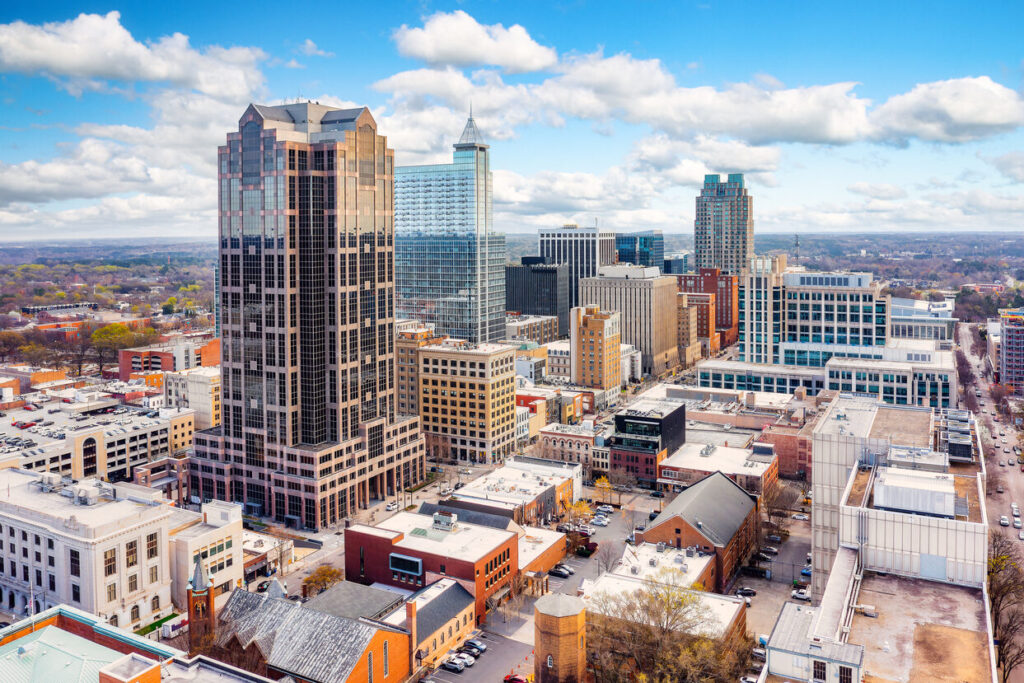
Raleigh sits at the heart of North Carolina’s famous Research Triangle, a region known for universities, research institutions, and a growing technology industry. For many years students and professionals moved there for education and career opportunities in science and engineering. Over time the area became a magnet for companies looking to tap into that skilled workforce. As new businesses opened offices across the region, more professionals began relocating to Raleigh to take advantage of the expanding job market.
With that population growth came rising demand for housing throughout the city. Apartment communities near research campuses and downtown offices began filling quickly as newcomers searched for convenient places to live. Renters started noticing that prices were slowly increasing across neighborhoods that once felt easily affordable. Residents often describe the change as gradual but steady. Raleigh still feels welcoming, with green spaces and a strong sense of community that attracts families and young professionals alike. Yet the city’s reputation as a technology hub continues drawing new residents each year, and that steady arrival of talent keeps shaping the rental market across the growing metropolitan area.
12. Salt Lake City, Utah’s Mountain Market Boom

Salt Lake City offers a lifestyle that many people find hard to resist. Mountains rise in the distance, outdoor adventures are always close by, and the city continues developing a growing economy. For years residents appreciated the balance between nature and city life that Salt Lake City provided. Recently more people across the country started noticing those same qualities. Professionals seeking both career opportunities and access to outdoor recreation began relocating to the area.
As more newcomers arrived, the housing market began feeling the pressure. Apartments close to downtown and near major employment centers started filling quickly as renters competed for available units. Over time residents noticed that prices were rising across several neighborhoods at once. Conversations about housing became more common as friends and coworkers compared their experiences searching for rentals. Salt Lake City still maintains its scenic beauty and welcoming atmosphere that first attracted residents. Yet the growing popularity of the region has brought noticeable changes to the rental market. With more people choosing to call the city home, housing demand continues shaping how the market evolves today.
13. Denver, Colorado’s Outdoor Lifestyle Appeal
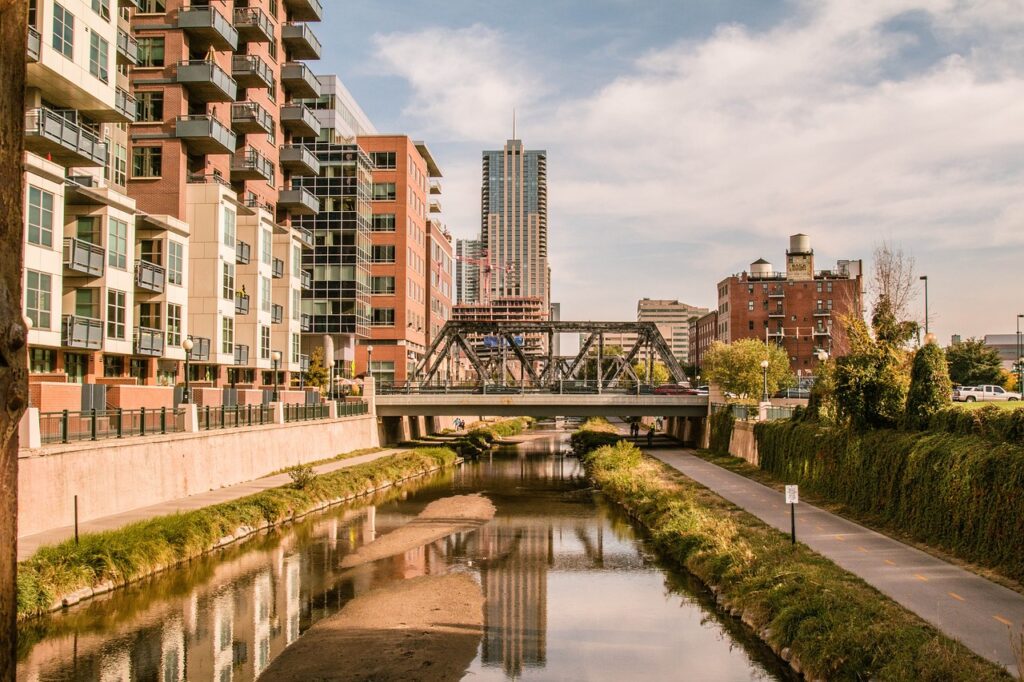
Denver has long attracted people who enjoy balancing city living with outdoor adventure. Surrounded by mountains and known for its sunny climate, the city offers easy access to hiking, skiing, and wide open landscapes. Over the past decade Denver also developed a strong technology and startup scene, drawing professionals eager to build careers in a growing economy. As companies expanded across the region, workers from many states began relocating to the city in search of opportunity and lifestyle.
That steady arrival of newcomers gradually influenced the rental market. Apartments in popular neighborhoods began filling quickly as renters searched for homes close to downtown offices and entertainment districts. Residents started noticing that lease renewals were sometimes higher than expected, especially in areas close to restaurants and cultural attractions. Denver still feels energetic and welcoming, with its blend of outdoor recreation and urban life. Yet the city’s increasing popularity has made housing more competitive than it once was. As more people move there hoping to enjoy both career growth and natural beauty, the rental market continues adapting to the steady demand for homes.
14. San Diego, California’s Coastal Cost Surge
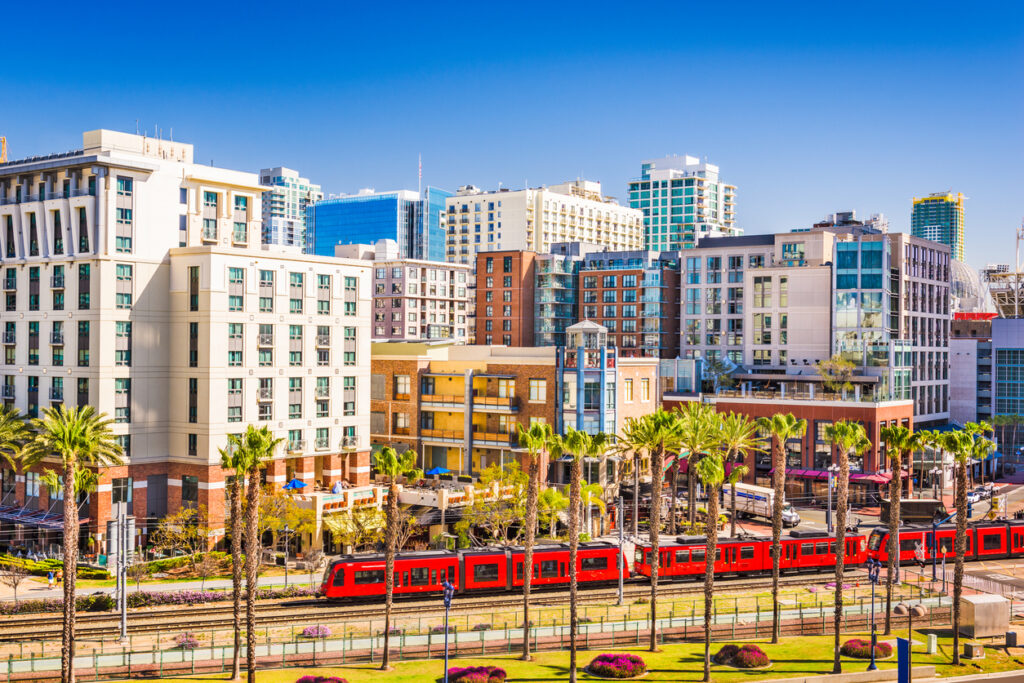
San Diego has always been admired for its coastal beauty. Warm weather, ocean views, and relaxed neighborhoods make it one of the most appealing places to live on the West Coast. For many years residents appreciated the balance between city life and beachside calm. Over time that appeal began attracting even more newcomers who wanted to experience the lifestyle for themselves. Professionals from across the country relocated there, drawn by career opportunities and the chance to live near the ocean.
As the population grew, the housing market began responding to the stronger demand. Apartments near the coast and close to downtown districts quickly became highly sought after. Renters searching for homes noticed that prices were rising across several neighborhoods at once. Conversations about rent became common as residents compared housing costs with friends and coworkers. San Diego still offers the same scenic views and relaxed atmosphere that made it famous. Yet the increasing demand for housing has gradually pushed rents higher. With more people hoping to live near the coast, the city’s rental market continues reflecting the popularity of this beautiful California destination.
15. New York City’s Post Pandemic Rental Rebound
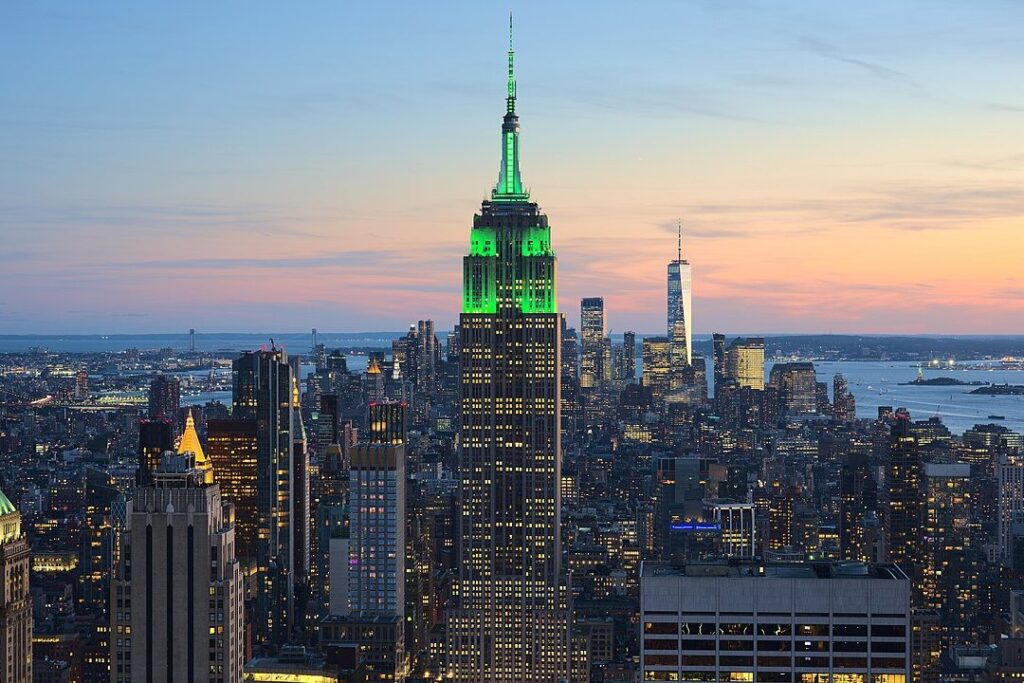
New York City has always been one of the most competitive housing markets in the world. Millions of people live and work there, drawn by the city’s energy, culture, and endless opportunities. After the pandemic years, many residents who had temporarily moved away began returning as offices reopened and daily life regained its rhythm. At the same time new residents arrived, hoping to experience the excitement of living in one of the world’s most famous cities.
As the population returned, the rental market quickly became busy again. Apartments across many neighborhoods began filling faster as renters competed for available units. Residents noticed that lease renewals were climbing as demand increased. Friends searching for housing often found themselves exploring several neighborhoods before finding an apartment that fit their budget. New York still carries the same unmatched energy that has always drawn people from around the world. Yet the renewed demand after the pandemic reminded renters how quickly the city’s housing market can shift. As more people return to work and life in the city, rental prices continue reflecting the constant demand for space.
16. Las Vegas, Nevada’s Changing Desert Economy
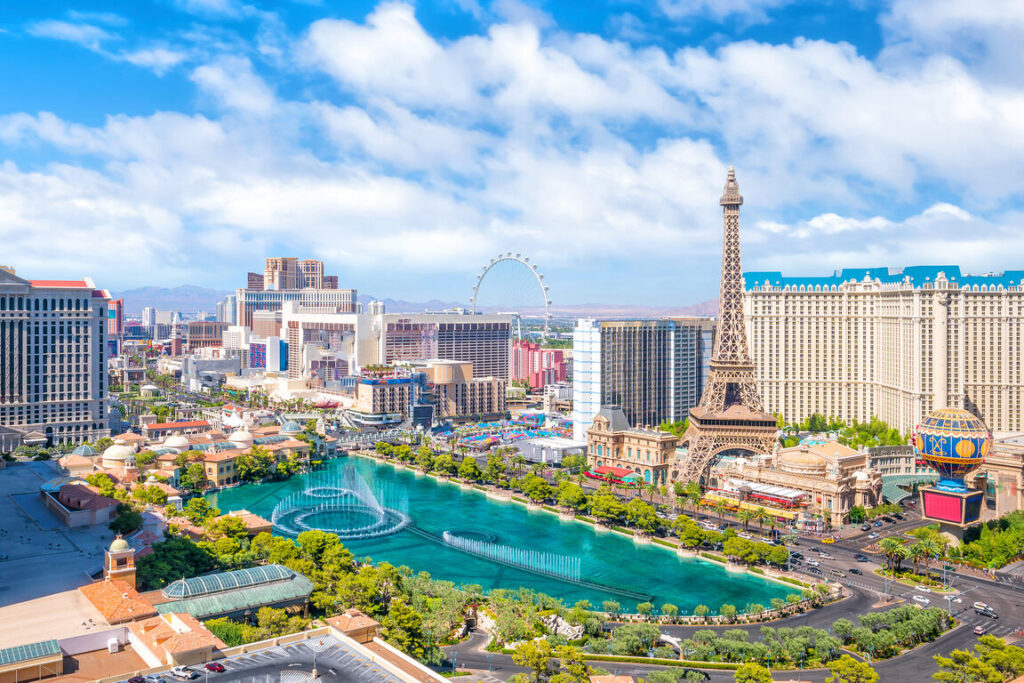
Las Vegas is widely known for entertainment, casinos, and bright lights that draw visitors throughout the year. For decades tourism shaped much of the city’s economy. In recent years the story has slowly begun expanding beyond the famous strip. New industries, remote workers, and entrepreneurs have started settling there, attracted by warm weather and growing economic opportunities. As the city continued developing, more residents began choosing Las Vegas as a place to build their long term lives.
With that population growth came noticeable changes in the housing market. Apartments across several neighborhoods began filling quickly as renters searched for places to live near work and community centers. Residents started noticing that rental prices were gradually climbing as demand increased. Conversations about housing became more common among neighbors discussing lease renewals and apartment searches. Las Vegas still carries the lively spirit that made it famous, yet its growing economy continues reshaping daily life for residents. The city’s evolving story shows how places can transform over time as new people arrive and opportunities expand across the community.


