
1. Arctic Tern
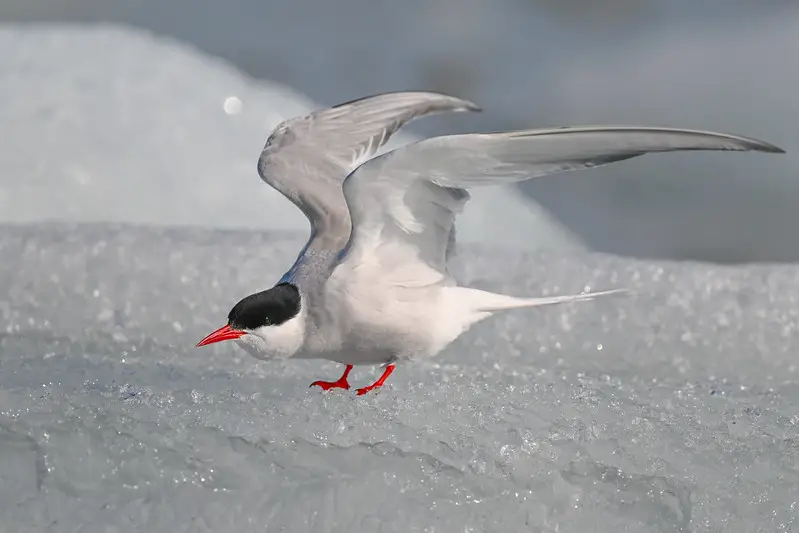
Migration has always felt like one of nature’s quiet miracles, and the Arctic tern carries that story better than most. While many of us think a long flight is exhausting, this small white seabird travels from the Arctic all the way to Antarctica and back every single year. That round trip can stretch close to 40,000 miles annually, making it the longest known migration on Earth. Scientists who have tracked them found that over a lifetime, some Arctic terns may cover more than a million miles. It is almost hard to picture. A bird that weighs just a few ounces experiencing more daylight than any other creature because it chases summer from pole to pole.
What makes the Arctic tern even more fascinating is how calm the whole thing seems. There is no noise, no drama, just a steady commitment to movement. They glide across oceans, follow wind patterns, and trust instincts written deep within them. Year after year, they return to familiar breeding grounds as if guided by a map only they can read. When you think about endurance and consistency, it is humbling to realize that one of the greatest travelers on Earth fits easily in the palm of your hand.
2. Bar Tailed Godwit
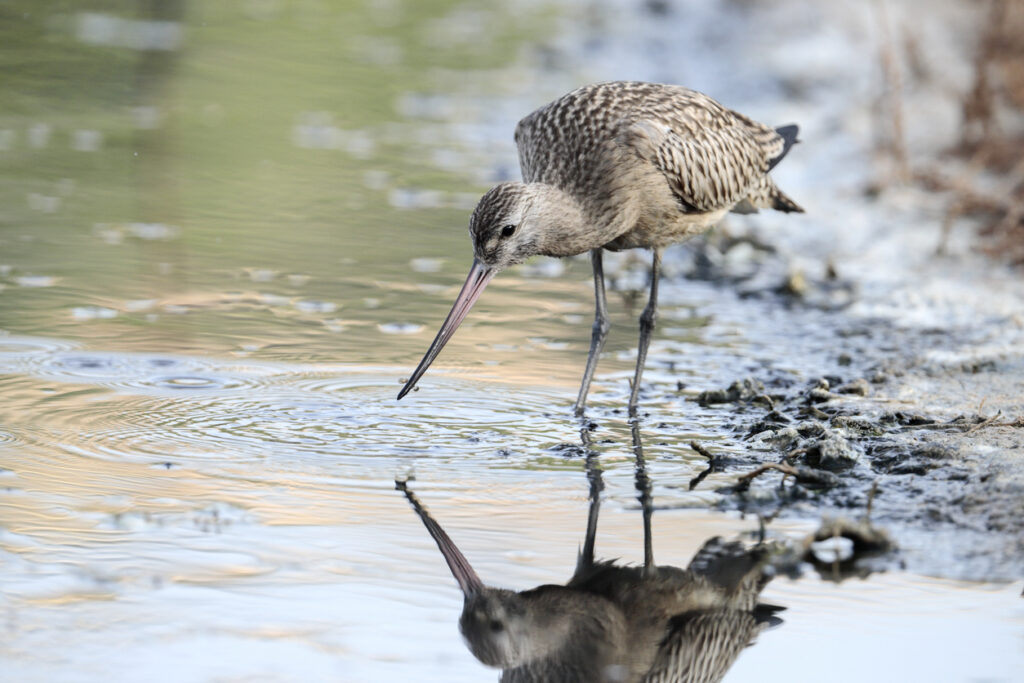
The bar tailed godwit does not look like an athlete built for extremes. It is a soft brown shorebird you might see poking around tidal flats, nothing flashy or intimidating. Yet when migration season arrives, this modest bird prepares for one of the most demanding nonstop flights in the animal world. Some bar tailed godwits fly from Alaska to New Zealand in a single continuous journey that can exceed 7,000 miles. That means more than a week in the air without landing once to eat, drink, or rest. Before departure, they nearly double their body weight, storing enough fat to power every mile of that astonishing stretch over the Pacific Ocean.
There is something deeply relatable about that preparation. It feels like packing carefully before a journey you know will test you. Once they lift off, there is no turning back. They rely on wind currents, internal navigation systems, and pure endurance. Researchers tracking tagged birds have confirmed these marathon flights, and the data still surprises scientists today. The godwit’s journey reminds us that resilience does not always look dramatic. Sometimes it looks like quiet strength sustained over thousands of miles.
3. Monarch Butterfly
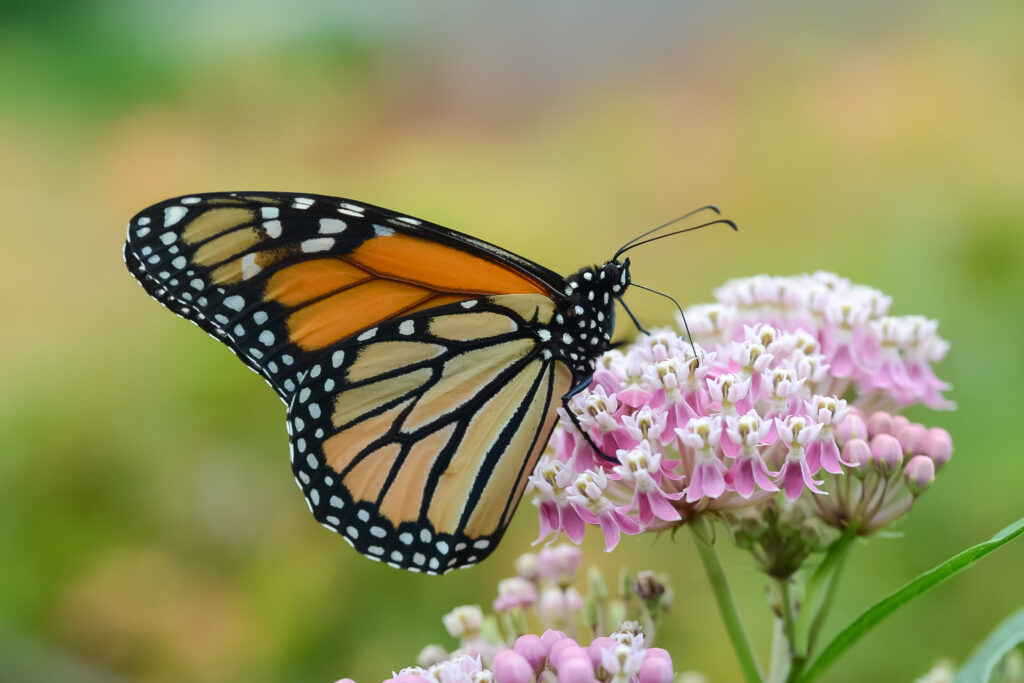
At first glance, the monarch butterfly seems too delicate for serious travel. Its orange and black wings feel more like decoration than transportation. Yet every year, monarchs from Canada and the United States begin a migration that can span up to 3,000 miles to central Mexico. What makes their story even more remarkable is that no single butterfly completes the entire round trip alone. It unfolds across multiple generations. The butterflies that arrive in Mexico are descendants of those that left months earlier, guided by environmental cues such as daylight and temperature.
When millions gather in the mountain forests of Mexico, clustering tightly on tree trunks and branches, the sight is unforgettable. Trees appear draped in living color, gently fluttering as if breathing. The journey is not rushed or chaotic. It is gradual and instinctive, carried forward by tiny wings and a shared biological compass. Despite threats from habitat loss and climate change, monarchs continue this ancient migration. Their story feels like a reminder that even the most fragile creatures can carry extraordinary endurance within them.
4. Humpback Whale

Humpback whales move through the ocean with a rhythm that feels almost thoughtful. These enormous marine mammals travel up to 5,000 miles between cold feeding grounds and warm breeding waters each year. Some populations migrate from Alaska to Hawaii, following routes that scientists have mapped through satellite tracking and acoustic monitoring. During feeding season, they build up energy reserves in nutrient rich polar waters. Then, when the time is right, they begin a long steady journey toward tropical seas where mating and calving take place.
What stands out is how patient the process feels. Humpbacks do not rush. They glide, surface, dive, and continue forward with quiet determination. Many fast during portions of the migration, relying on stored fat to sustain them. Mothers guide newborn calves through these vast stretches of ocean, teaching them the route as they go. It is not simply a movement between two places. It is a cycle that binds generations together. Watching a humpback breach against an open horizon makes you realize that migration can be both powerful and deeply tender at the same time.
5. Sooty Shearwater
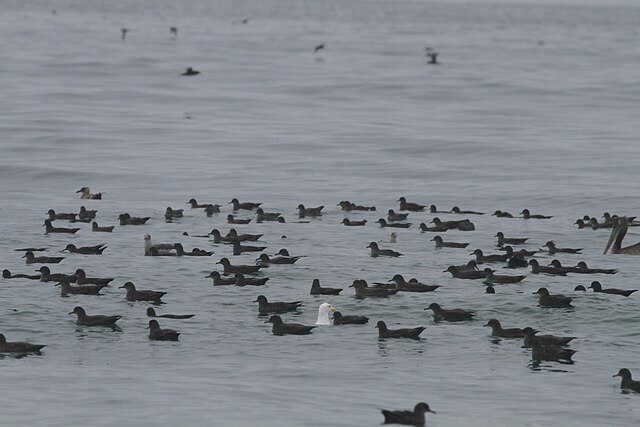
The sooty shearwater spends much of its life over open ocean, rarely touching land except to breed. Each year, this dark winged seabird completes a massive migration that can approach 40,000 miles in a looping path across the Pacific Ocean. They breed in places like New Zealand and Chile, then travel north toward Japan, Alaska, and the western coasts of North America, following rich feeding zones shaped by ocean currents. Satellite tracking revealed this enormous figure eight journey, surprising even seasoned researchers.
What makes the sooty shearwater’s migration so compelling is how invisible it feels to most of us. While daily life unfolds on land, these birds are stitching continents together above restless water. They rely on wind systems and food availability, adjusting their route with impressive precision. It is not a straight line but a responsive journey shaped by the sea itself. Imagining one small bird covering that much distance in a single year makes the world feel interconnected in a way that is hard to ignore.
6. Leatherback Sea Turtle
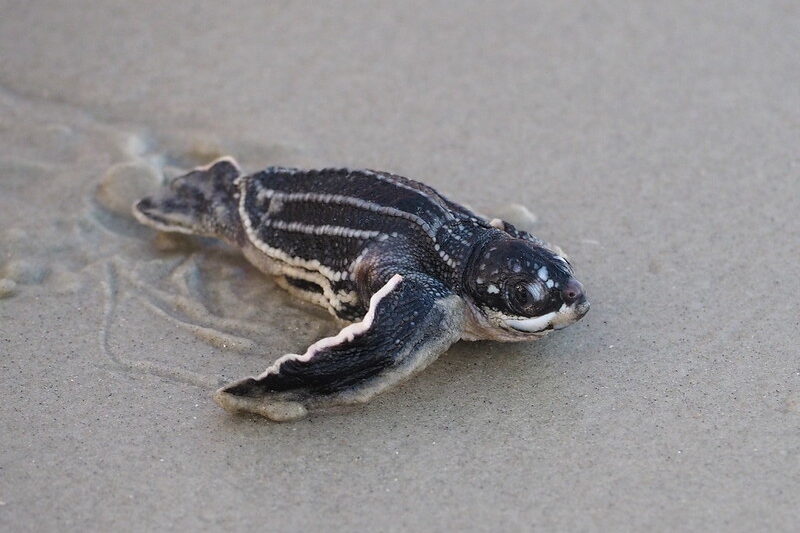
The leatherback sea turtle looks ancient, and in many ways it is. As the largest of all sea turtles, it undertakes migrations that can exceed 10,000 miles across entire ocean basins. Leatherbacks travel between tropical nesting beaches and cooler feeding grounds where jellyfish are abundant. Unlike most reptiles, they can regulate their body temperature well enough to forage in colder waters, expanding their range dramatically. Scientists tracking tagged turtles have recorded journeys that span from Southeast Asia to the western coast of the United States.
There is something moving about the way female leatherbacks return to the very beaches where they were born. After years at sea and thousands of miles traveled, they come back to lay their eggs in familiar sand. Hatchlings will one day begin their own vast journeys, guided by instinct alone. The ocean may seem endless, yet these turtles navigate it with remarkable consistency. Their migration is not rushed. It unfolds over months, shaped by patience, memory, and a biological rhythm older than human history.
7. Caribou
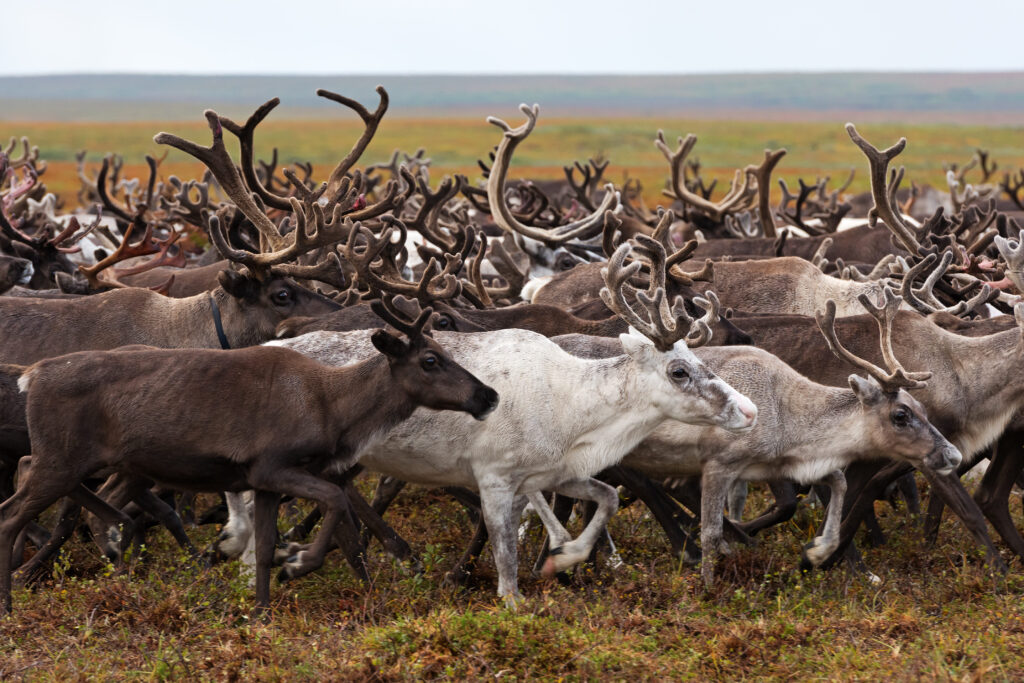
When people picture migration on land, caribou are often at the heart of that image. Across the Arctic and subarctic regions of North America, some herds travel more than 3,000 miles each year, making theirs one of the longest terrestrial migrations on Earth. They move between winter forests and summer calving grounds, following fresh vegetation and safer spaces to raise their young. Snow depth, insect pressure, and food availability all shape their route. It is not a hurried dash but a steady procession that can stretch across open tundra for miles.
What makes caribou migration powerful is the collective rhythm of it. Thousands move together, calves staying close to their mothers, older animals leading the way along paths shaped by generations before them. Rivers are crossed, mountains are climbed, and the herd adapts as a single living unit. Their survival depends on movement. When you imagine that wide northern landscape filled with shifting antlers and hooves, it feels less like a spectacle and more like an ancient agreement between land and animal.
8. Gray Whale
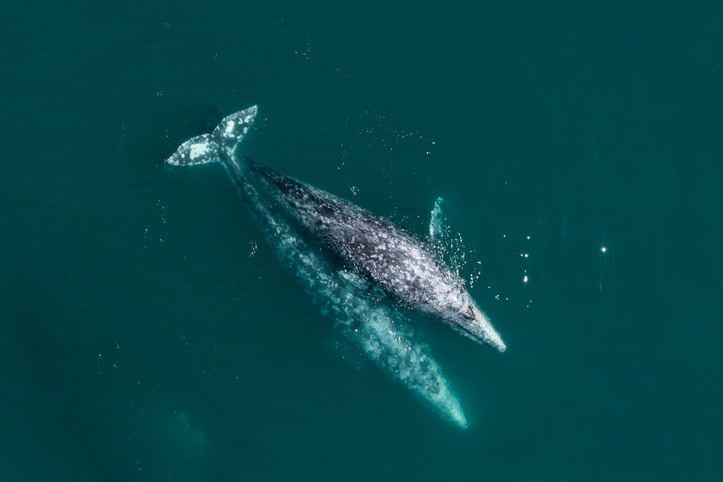
Gray whales follow one of the most reliable migration routes in the animal kingdom. Each year, they travel roughly 10,000 to 12,000 miles round trip between Arctic feeding grounds and breeding lagoons along the coast of Mexico. During the summer, they feast on tiny crustaceans in cold northern waters, building up the energy reserves needed for the long journey south. When winter approaches, they begin their steady swim along the Pacific coastline, often close enough to shore that people can witness their passage.
There is something grounding about how predictable their migration is. Mothers give birth in warm, shallow lagoons and later guide their calves north toward richer feeding waters. The journey is demanding, especially for newborns, yet it unfolds with quiet consistency each year. Gray whales do not roam randomly across oceans. They trace a well worn corridor that has connected Arctic and tropical seas for generations. Standing on a shoreline and spotting one pass by makes migration feel personal, almost like watching an old traveler return home on schedule.
9. Red Knot
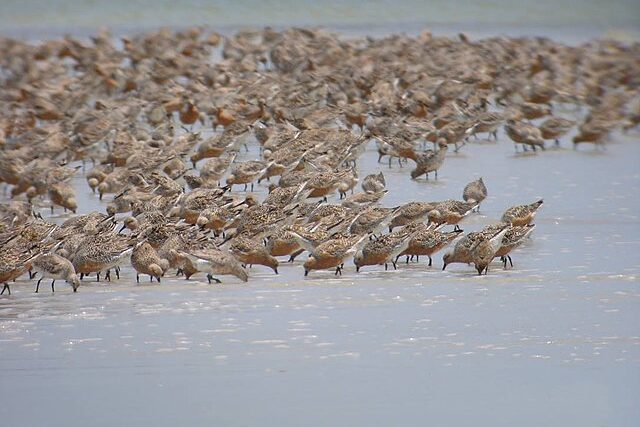
The red knot is small enough to fit comfortably in your hand, yet its annual journey is immense. This shorebird migrates up to 9,000 miles between Arctic breeding grounds and wintering areas as far south as the tip of South America. Along the way, it depends heavily on specific stopover sites where it can quickly refuel. One of the most critical is Delaware Bay, where red knots feed on horseshoe crab eggs to regain strength before continuing north. Timing is everything. If they arrive too early or too late, the food supply may not match their needs.
That delicate balance makes their migration feel almost like a carefully choreographed routine. They move in waves, gathering briefly, feeding intensely, then lifting off again. The journey connects continents through a chain of habitats that must all function properly. When you watch a flock rise together from a shoreline, wings flashing in unison, it is easy to forget how much precision lies behind that moment. The red knot’s story reminds us that endurance alone is not enough. Success also depends on the reliability of the world around them.
10. Adelie Penguin
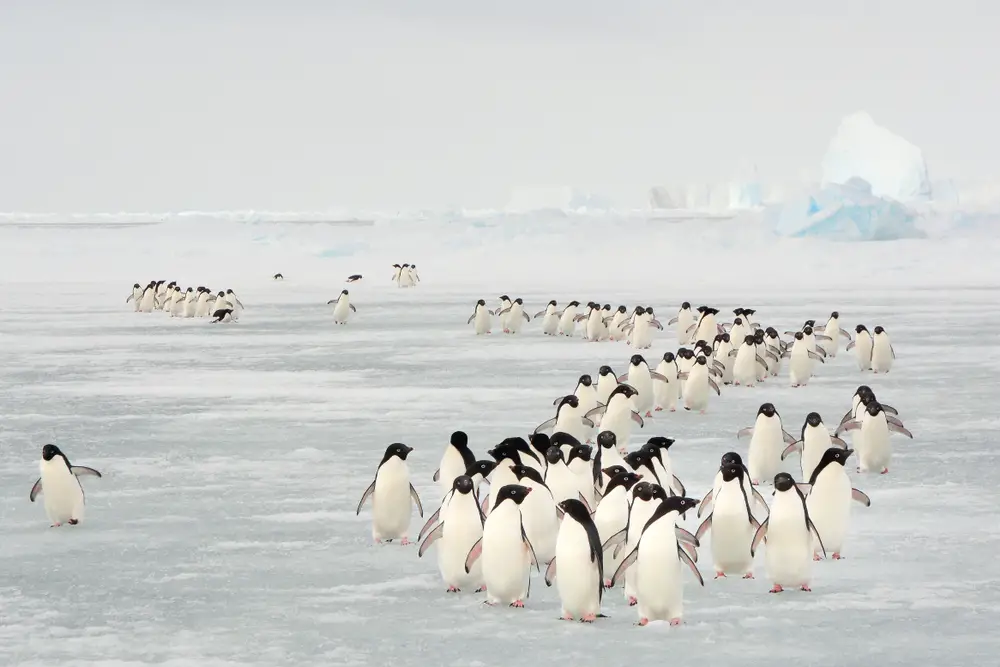
Adelie penguins may not cross hemispheres, but within Antarctica’s harsh environment, their migrations are significant. After breeding along rocky coastal colonies, many travel hundreds to over a thousand miles in search of winter feeding grounds among shifting sea ice. Instead of flying, they rely on powerful swimming, navigating frigid waters where conditions can change quickly. Scientists using satellite trackers have shown how sea ice patterns influence their seasonal movements, shaping where food can be found.
There is something quietly determined about the way Adelie penguins move through icy seas. They porpoise in and out of the water, conserving energy as they travel long distances in extreme cold. When breeding season returns, they make their way back to familiar nesting sites, often to the same rocky stretches of coast. In a place where temperatures and winds can be unforgiving, migration is not optional. It is the thread that ties survival to timing. For Adelie penguins, movement through ice and water is simply part of living well in one of the toughest climates on Earth.
11. Atlantic Bluefin Tuna
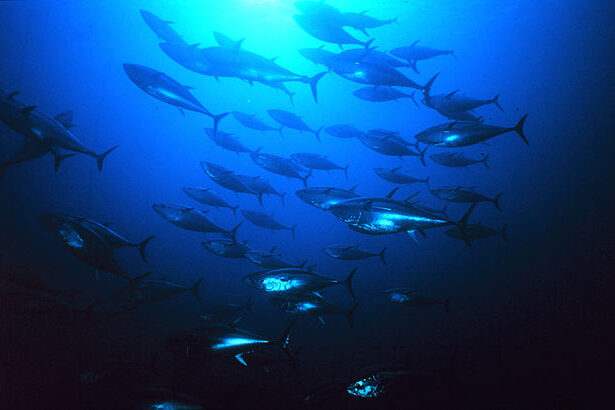
Beneath the ocean surface, Atlantic bluefin tuna undertake migrations that span entire basins. These powerful fish travel thousands of miles between feeding grounds in the North Atlantic and spawning areas in places such as the Gulf of Mexico and the Mediterranean Sea. Tagging studies have revealed individuals crossing from one side of the ocean to the other within a year. Their streamlined bodies and warm blooded adaptations allow them to maintain high speeds and thrive in varying temperatures.
What makes their migration compelling is how unseen it is. There are no visible flocks or herds, only silent movement through deep blue water. Bluefin tuna respond to shifting prey populations and seasonal cycles, adjusting their routes accordingly. For scientists, tracking their journeys has reshaped understanding of ocean connectivity and fish behavior. For the rest of us, it is a reminder that vast migrations are happening constantly beneath the waves. Entire marine highways exist out of sight, linking distant coastlines in ways that are both complex and essential.
12. Zebra
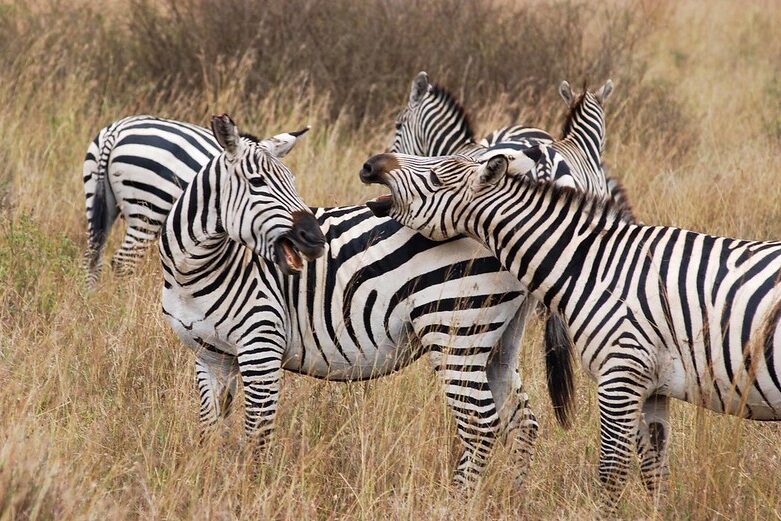
In southern Africa, zebras participate in one of the continent’s longest land migrations. Herds in regions of Botswana and Namibia travel hundreds of miles between seasonal water sources, guided by rainfall and the growth of fresh grass. Researchers using GPS collars confirmed that these animals follow ancient pathways that were once blocked by fencing. When barriers were removed, zebras resumed their routes, almost as if memory had been waiting for the chance to move again.
There is something reassuring about watching striped bodies spread across open plains, moving with purpose toward greener pastures. The journey is shaped by necessity rather than spectacle. They travel in groups for protection, adjusting pace as conditions shift. Calves learn the route by staying close to experienced adults, absorbing knowledge through movement. Zebra migration may not stretch across oceans, but it represents a powerful return to rhythm between animal and landscape. It shows how even shorter migrations can carry deep ecological meaning when they reconnect life to the land that sustains it.
13. Northern Elephant Seal
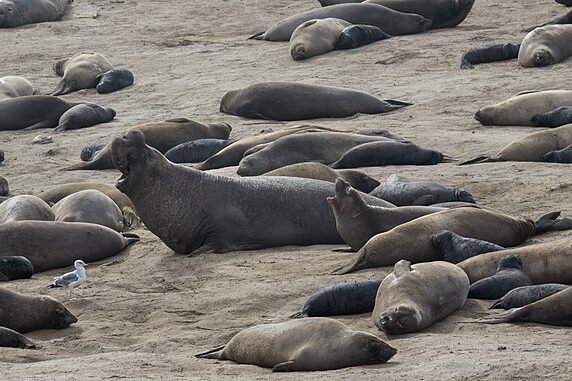
Northern elephant seals live a life that feels split between two worlds. After gathering along the coasts of California and Mexico to breed and molt, they disappear into the vast Pacific Ocean for months at a time. During these feeding migrations, they can travel more than 13,000 miles in a single year. Satellite tracking has revealed that they do not simply drift. They move with purpose, heading toward productive feeding zones far offshore. Much of their time is spent diving, sometimes plunging more than a mile beneath the surface in search of squid and fish.
What makes their journey compelling is how solitary it is. Unlike herd animals or flocking birds, elephant seals travel alone across immense stretches of water. They navigate cold, dark depths with remarkable consistency, surfacing only briefly before diving again. Then, almost suddenly, they return to crowded beaches, where the cycle begins again. Seeing them sprawled along the sand, it is hard to imagine the thousands of miles they have just completed. Their migration is a quiet testament to endurance beneath waves most of us will never see.
14. Blackpoll Warbler
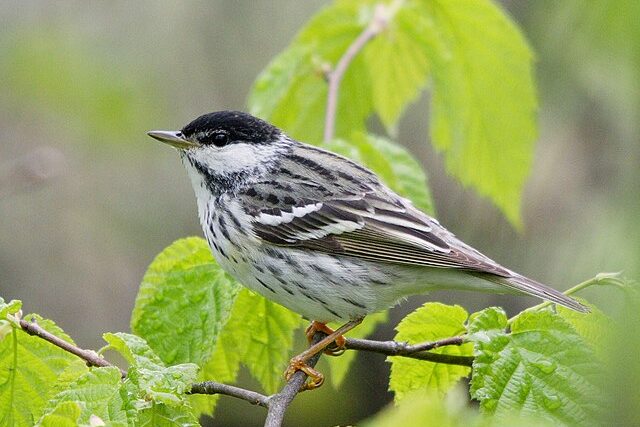
The blackpoll warbler is small, light, and easy to overlook in a tree canopy. Yet each year, this songbird undertakes one of the boldest migrations of any bird its size. Breeding in northern North America, it prepares for a nonstop flight over the Atlantic Ocean to reach wintering grounds in South America. That single stretch can exceed 1,500 miles across open water. Before departure, blackpoll warblers nearly double their body weight, storing enough energy to fuel the demanding journey.
When they lift off from the northeastern coast, there are no safe resting points ahead, only sky and sea. Researchers using tracking devices confirmed that many make the crossing in one continuous effort lasting several days. It is astonishing to think of such a tiny bird navigating by stars, magnetic cues, and instinct alone. The blackpoll’s migration feels like a leap of quiet courage repeated every year. It reminds us that size does not define strength, and that even the smallest travelers can chart extraordinary paths across the globe.
15. Great White Shark
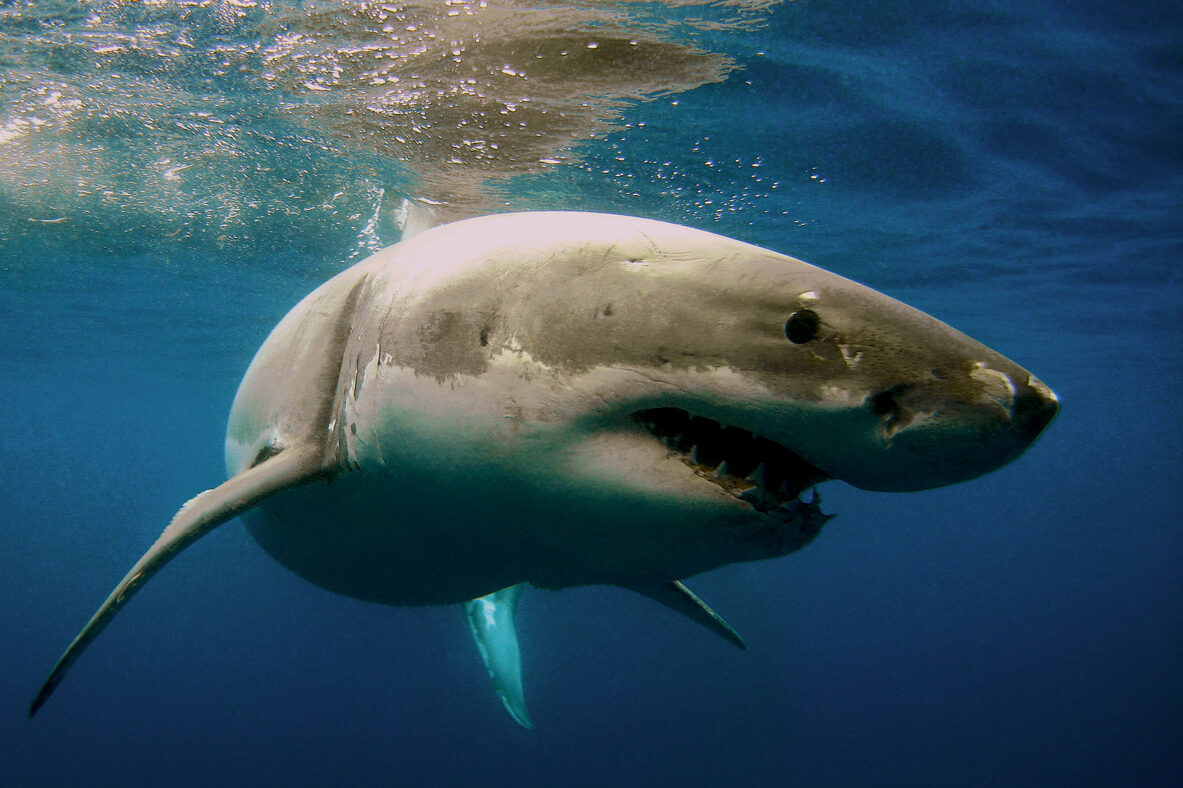
Great white sharks are often imagined patrolling coastal waters, but research has shown that some are serious long distance travelers. Individuals tagged off the coast of California have migrated thousands of miles into the central Pacific and back again. Scientists have identified a region sometimes called the White Shark Cafe, where several tagged sharks converge far from shore. These journeys are not random wanderings. They are linked to feeding patterns and possibly breeding behavior, revealing a level of complexity that continues to intrigue marine researchers.
What changes when you learn this is your sense of scale. The ocean stops feeling like a boundary and starts feeling like an open highway. Great white sharks move through it with confidence, covering immense distances with steady efficiency. Much of this migration unfolds far from human view, deep in blue water where tracking devices provide the only clues. It is a reminder that even animals we think we understand may be living far wider, more connected lives than we once assumed.
16. Wandering Albatross
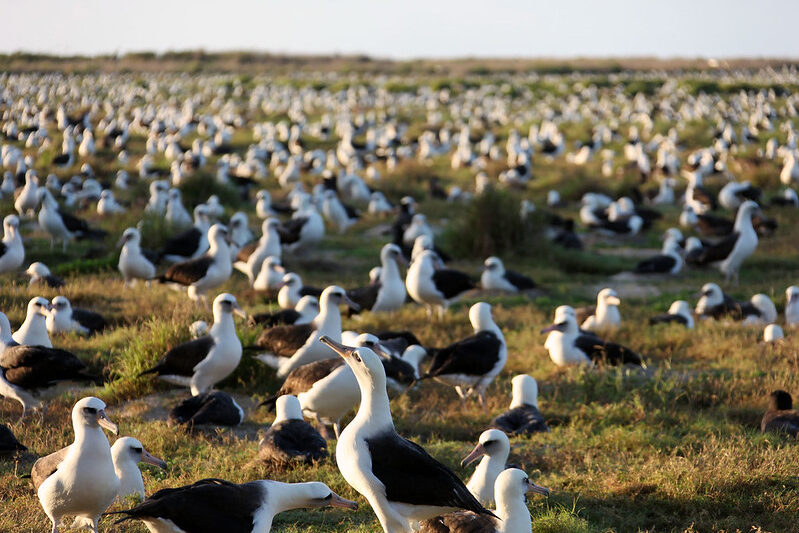
The wandering albatross seems almost designed for distance. With the longest wingspan of any living bird, it can glide across the Southern Ocean for hours without a single wingbeat. Some individuals travel tens of thousands of miles in a year, circling Antarctica and following powerful wind systems that help conserve energy. Tracking studies show how they use these air currents like invisible highways, turning harsh ocean winds into effortless forward motion.
There is something deeply peaceful about imagining a bird spending most of its life in flight above open water. The wandering albatross rarely needs to land except to breed. Its world is defined by horizon lines and shifting skies. When you look at all the migrations we have walked through, from tiny butterflies to massive whales, the pattern becomes clear. Movement is woven into life itself. These journeys are not extraordinary events. They are steady rhythms that keep ecosystems connected and the planet quietly turning.


