
1. Smoking Everywhere
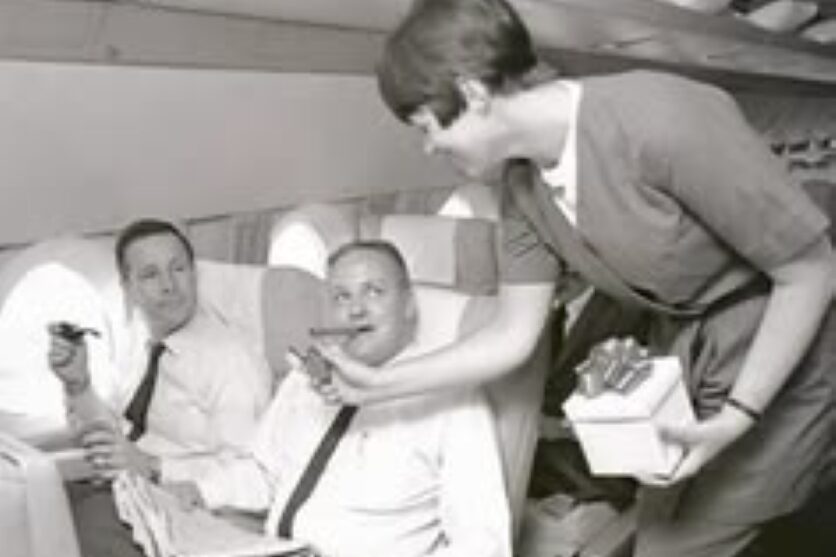
It is hard to imagine now, but there was a time when lighting up a cigarette mid-flight or inside a train cabin did not raise any concern. People smoked freely in airplanes, buses, hotel lobbies, and even while seated next to strangers who had no say in the matter. It was simply part of the atmosphere, as normal as ordering a drink or opening a window. If you talk to older travelers, many recall stepping off long flights with clothes that carried the smell of smoke as if it were expected.
In fact, one archived airline passenger account once noted, “The cabin filled gradually with smoke, and no one seemed bothered by it.” That sentence alone says a lot about how different the mindset was. Today, strict no-smoking laws make such a scenario feel almost unthinkable. Health awareness, shifting social norms, and regulations have completely changed expectations. Looking back, it feels less like a small inconvenience and more like a shared experience people simply accepted because there was no alternative at the time.
2. Arriving Minutes Before Departure
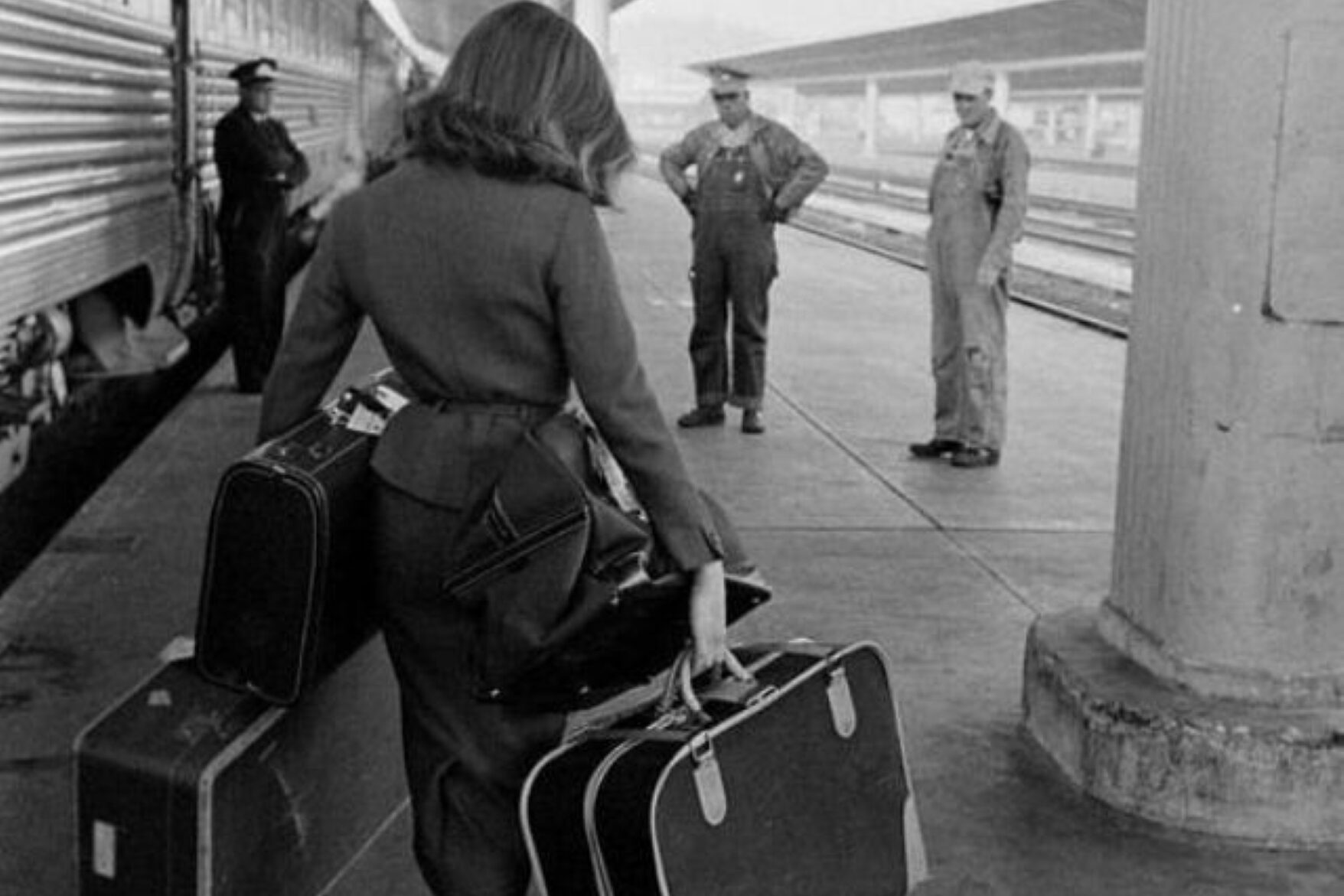
There was a stretch of time when air travel felt far less complicated. People could arrive at the airport just minutes before boarding and still make their flight without stress. No long security lines, no detailed screening, and no pressure to arrive hours early. It felt more like catching a bus than boarding a plane, something casual and manageable rather than tightly controlled.
One traveler from the 1970s recalled, “We would get there maybe twenty minutes before takeoff, check in, and walk straight to the gate.” That kind of ease is almost unimaginable now. Today, airports are layered with procedures designed to ensure safety, but they also demand time and patience. The shift reflects deeper concerns about security that have reshaped the entire experience. Looking back, the idea of such a relaxed system feels both refreshing and risky, depending on how you look at it.
3. Hitchhiking

There was a time when standing by the side of the road with your thumb out felt less like a risk and more like a shared understanding between strangers. Hitchhiking was common across the United States, especially among young travelers looking to move freely without spending much. It was not unusual to see someone with a small bag waiting patiently, trusting that the next passing car might stop and offer a ride. For many, it was not just about getting somewhere, but about the people they met along the way.
One traveler once reflected, “You never knew who would stop, but most times, someone did, and the ride came with a story.” That sense of openness feels distant now. Today, safety concerns have reshaped how people view interactions with strangers, especially on the road. What once felt like a quiet form of connection now feels uncertain to many. Looking back, hitchhiking was less about convenience and more about trust, something that shaped the journey in ways that are harder to find today.
4. Flying Without Buckling In
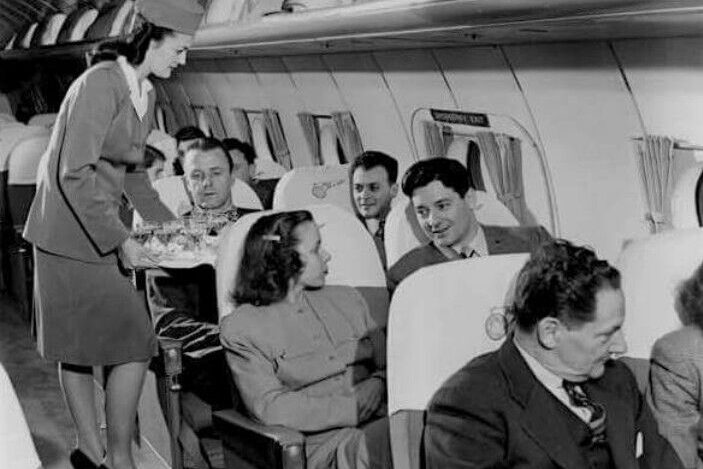
Air travel once carried a different kind of rhythm, one that felt far less structured than what passengers experience today. Seatbelts were present, but they were not always used or strictly enforced throughout the flight. People would sit comfortably, stretch out, or even stand briefly without much concern unless turbulence became noticeable. The cabin felt relaxed, with conversations flowing easily and movement not as restricted as it is now.
As one aviation account recalls, “Most of the flight passed without anyone thinking much about seatbelts unless the ride got rough.” That level of ease now feels unfamiliar. Today, safety announcements and reminders are part of every journey, and passengers are expected to remain buckled in more consistently. The shift reflects a deeper understanding of in-flight risks and a stronger focus on precaution. Looking back, the casual approach may seem freeing, but it also highlights how much air travel has evolved over time.
5. Boarding Without Identification
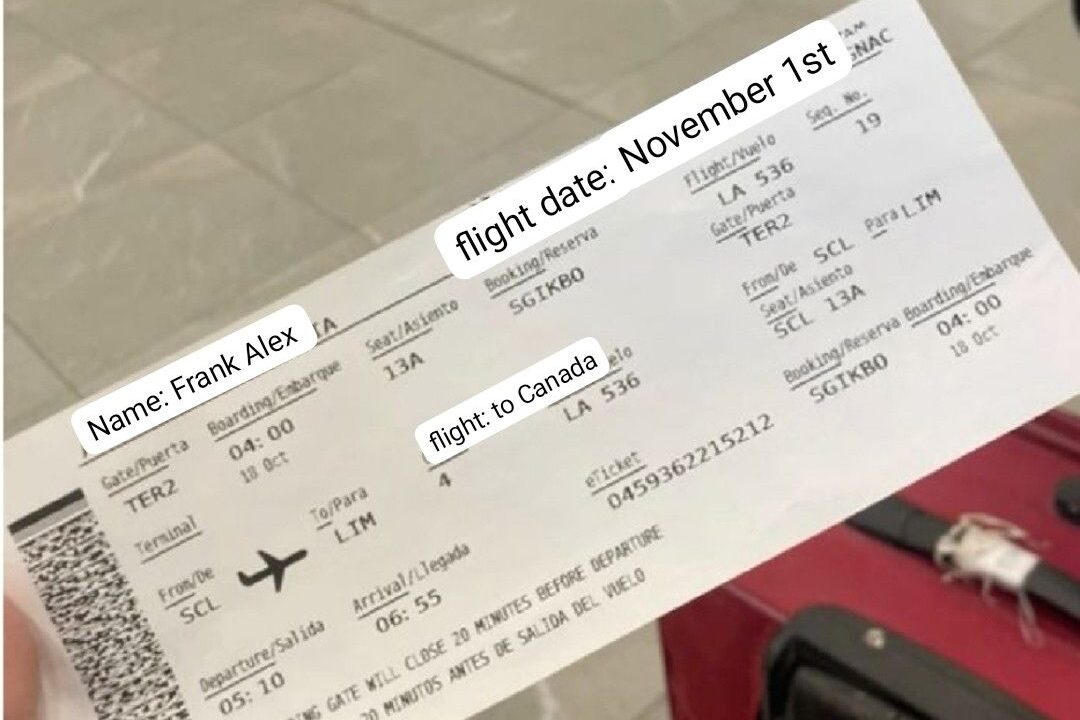
There was a period when boarding a flight or traveling within the country required very little in terms of personal identification. Passengers would arrive with a paper ticket, exchange a few words with an airline clerk, and move forward without presenting formal ID. It made the process feel simple and direct, almost like stepping onto a train or bus without layers of verification slowing things down.
One traveler once noted, “You handed over your ticket, and that was enough to get you through.” That simplicity now feels almost surprising. Today, identification is checked at multiple points, and travel is closely tied to documentation and verification. While the modern process adds a level of security people rely on, it also changes the pace of the experience. Looking back, the ease of that earlier system feels both convenient and fragile, a reminder of a time when trust played a much larger role in everyday travel.
6. Carrying Liquids
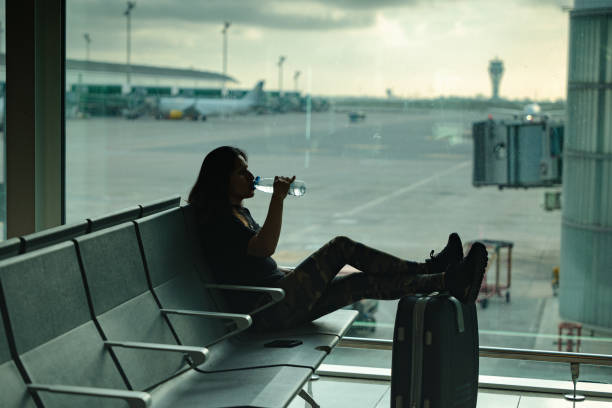
It feels almost distant now, but there was a time when packing for a flight did not involve second guessing every bottle or container. Travelers carried full-sized toiletries, drinks, and even homemade items right through airport checkpoints without hesitation. There were no clear plastic bags, no strict measurements, and no quiet worry about whether something would be taken away. It made packing feel natural, almost like preparing for a simple day out rather than a tightly managed journey.
One traveler once recalled in an old discussion thread, “I used to carry a full bottle of juice and a thermos, and no one stopped me.” That ease now feels like a different era entirely. Today, the small act of packing liquids requires thought and adjustment, reflecting a broader shift in how safety is approached. While the rules may feel tedious at times, they quietly remind us how travel has grown more structured, and how something once ordinary now feels surprisingly unfamiliar.
7. Stepping Into the Cockpit
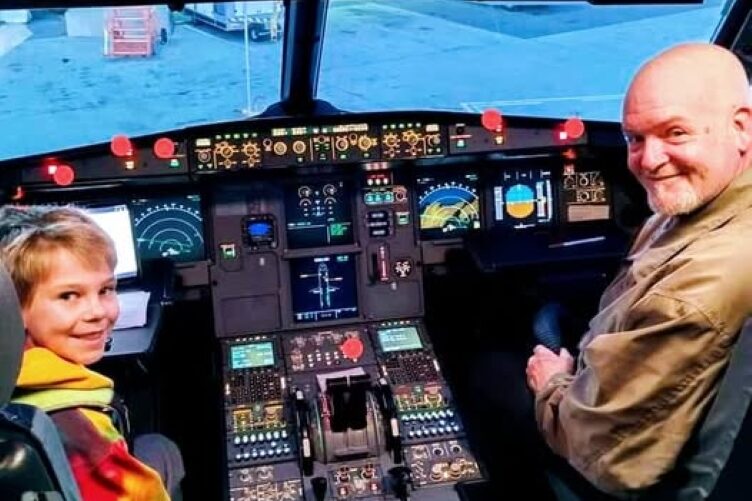
There was a time when flying felt more open, almost personal in a way that is hard to picture now. Passengers, especially children, were sometimes invited to visit the cockpit during a flight. It was not treated as a restricted zone but as a place of curiosity, where pilots could share a bit of their world with those onboard. For many, it became a lasting memory, one that added a sense of wonder to the journey.
As one former passenger shared, “The pilot welcomed me in and explained what each control did while we were flying.” That kind of access now feels unimaginable. Today, cockpit doors remain firmly closed, shaped by rules that prioritize safety above all else. While the change is understandable, it also marks the quiet disappearance of a small, human moment that once made air travel feel more connected and less distant.
8. Long Road Trips Without GPS
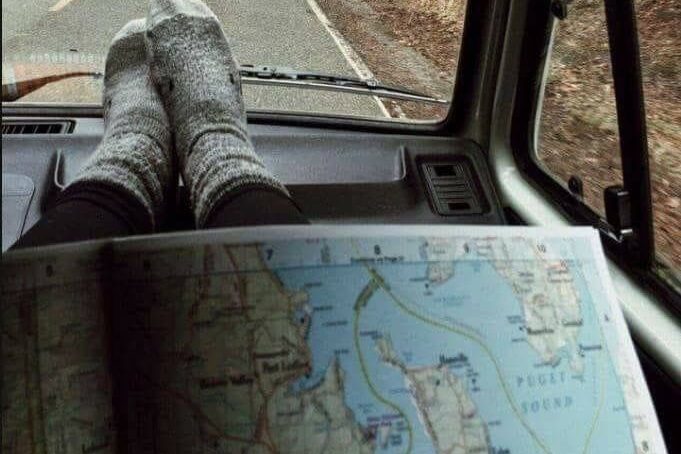
Before smartphones became essential travel companions, road trips relied heavily on paper maps, handwritten directions, and sometimes pure guesswork. Travelers would stop at gas stations to ask for directions or pull over just to figure out where they had gone wrong. It was slower, sometimes frustrating, but also filled with unexpected discoveries along the way.
A common reflection from that time reads, “We got lost more than once, but we always found something interesting because of it.” Today, GPS systems guide nearly every turn, removing much of the uncertainty. While that convenience saves time, it also takes away a bit of the spontaneity that once defined road travel. Looking back, getting lost was not always a problem; it was often part of the story.
9. Travel Agents
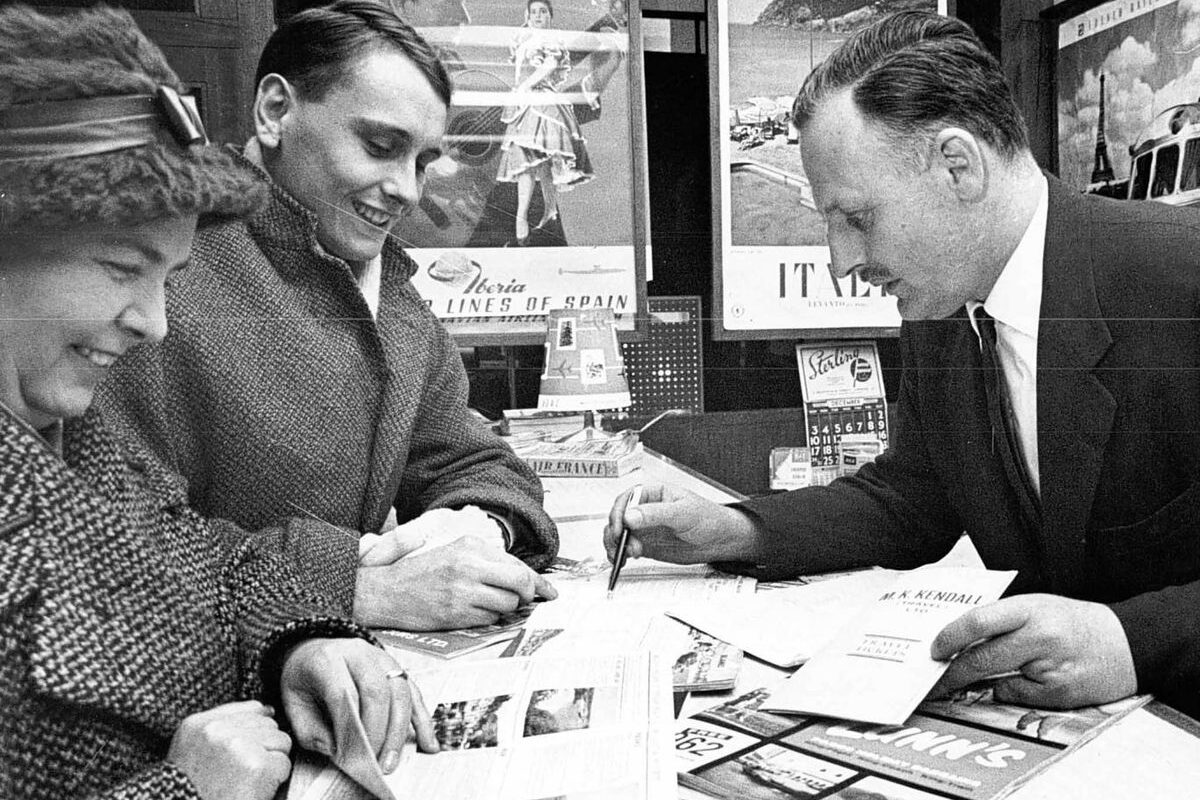
There was a time when planning a trip meant handing over most of the decisions to a travel agent and trusting the process completely. People would sit across a desk, flip through brochures, and describe what they wanted in simple terms, leaving the details to someone else. It felt guided and reassuring, especially for those who did not travel often, but it also meant giving up a certain level of control.
One traveler once put it simply, “We didn’t compare options, we trusted the agent to plan something good.” That level of trust feels rare now, in a world where every option is visible within seconds. Today’s travelers often prefer to research, compare, and customize everything themselves. While that independence brings flexibility, it also removes that slower, more personal exchange that once shaped the planning process in a quiet, human way.
10. Seats After Boarding
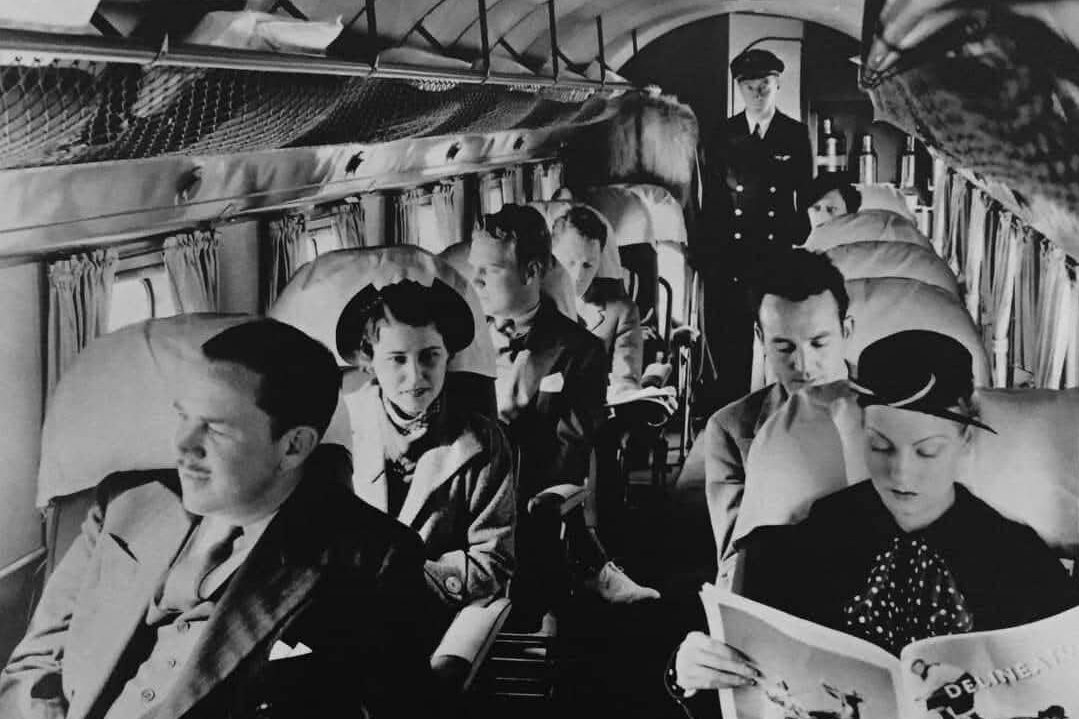
In earlier days, boarding a plane sometimes felt a bit like stepping onto a bus, where seats were not assigned ahead of time. Passengers would walk in, look around, and choose whatever spot was available. It created a sense of freedom, but also a quiet urgency, especially for those hoping to sit by a window or next to a companion.
As one account described it, “You boarded, looked for a good seat, and hoped no one else had the same idea.” Today, assigned seating has removed that uncertainty, making the process more orderly and predictable. Still, there is something about that older approach that feels more spontaneous, even if it was not always smooth. Looking back, it reflects a time when travel allowed a little more room for chance, even in the smallest decisions.
11. Dressing Up
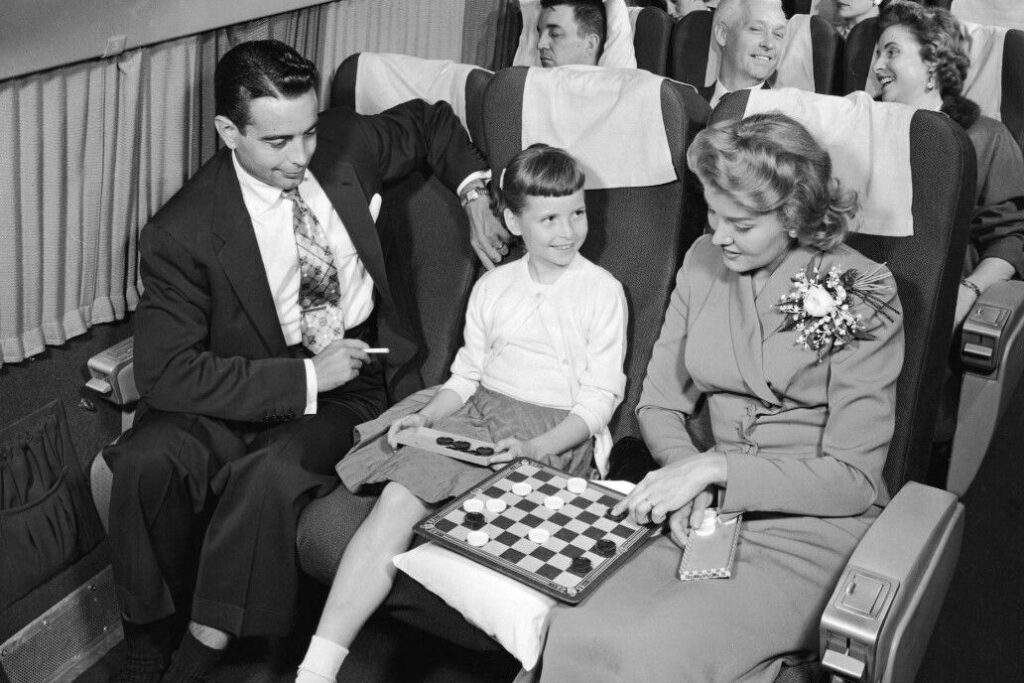
There was a time when flying was treated as a special occasion, not just a means of getting from one place to another. People dressed with intention, wearing suits, polished shoes, and carefully chosen outfits as if they were attending an event rather than boarding a plane. It was not about impressing others as much as it was about respecting the experience itself, something that felt rare and worth marking.
One traveler once reflected, “You didn’t show up in casual clothes, flying felt important, so you dressed the part.” Today, comfort tends to come first, with travelers choosing ease over formality without much thought. The shift makes sense, especially with longer journeys and busier schedules, but it also shows how the emotional weight of travel has changed. What once felt like an occasion now feels routine, and somewhere in that shift, a small sense of ceremony quietly faded away.
12. Sending Postcards
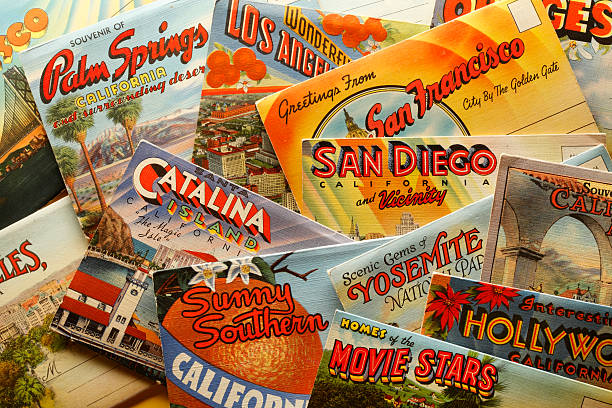
Before messages could be sent in seconds, travelers stayed connected through postcards, handwritten notes, and the patience of waiting. It was a slower way of sharing experiences, one that required thought and intention. Choosing a postcard, writing a few lines, and sending it off became part of the journey itself, not just a way to communicate but a way to reflect.
As one traveler once wrote, “By the time the postcard arrived, I was already back home.” That delay feels almost unimaginable now, with instant updates available at any moment. Today, photos and messages travel faster than the people sending them, leaving little space for that kind of anticipation. Looking back, there was something quietly meaningful about knowing your words would arrive later, carrying a piece of the trip with them in a way that felt lasting.
13. Carrying Cash
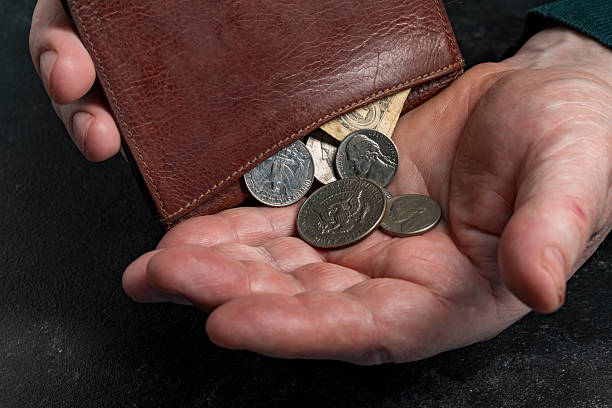
Travel once meant carrying enough cash to cover nearly every part of the journey, from meals to lodging and small unexpected expenses. Credit cards were not as widely accepted, and digital payments did not exist, so people relied heavily on physical money. It required planning, caution, and sometimes a bit of creativity when funds ran low.
A common memory shared is, “We kept cash hidden in different places, just in case something went wrong.” Today, digital payments and cards have made transactions easier and more secure, reducing the need to carry large amounts of money. Still, that older habit speaks to a different kind of awareness, one where travelers stayed closely connected to what they had and how they used it. It was less convenient, but it often made people more mindful of every step along the way.
14. Walking Through Customs
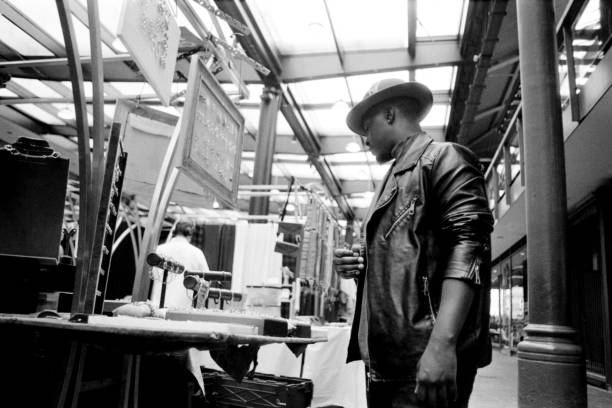
There was a time when crossing borders felt far less intense than it does today. Customs checks were often brief, sometimes limited to a few simple questions or a quick glance at a passport. The process moved quickly, and travelers did not always feel the weight of scrutiny that is now common in international travel.
One traveler once shared, “They asked where I was coming from and waved me through.” That kind of ease now feels surprising, especially with the layered checks that exist today. Security and immigration processes have become more detailed, reflecting a world that is more cautious and interconnected. While the added steps can feel overwhelming, they also show how priorities have shifted. Looking back, the simplicity of those earlier crossings feels almost unreal compared to what travelers expect now.
15. Traveling Without Documentation
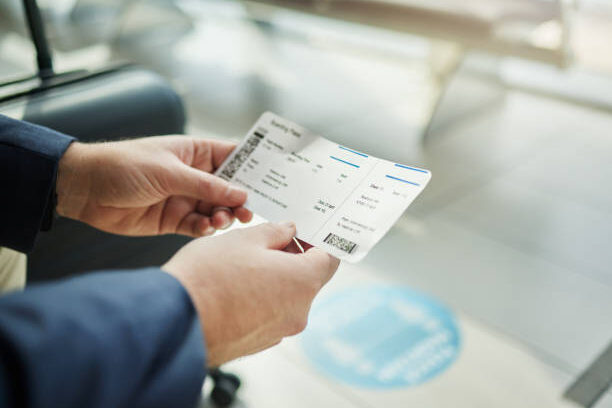
There was a time when travel did not require a constant trail of confirmations, digital records, or printed proof. People moved with simple tickets, verbal confirmations, and a general sense of trust in the system. It was not perfect, but it allowed for a kind of ease that feels rare today, where every step is backed by emails, barcodes, and multiple forms of verification.
As one reflection puts it, “You showed up, gave your name, and that was often enough.” Today, travel feels more secure but also more layered, with documentation guiding nearly every moment. In a quiet way, this shift brings everything in this list together. Travel has not lost its meaning, but it has changed its pace, its texture, and its expectations. If anything, looking back simply reminds us to notice the journey a little more, even now.


