
Crows
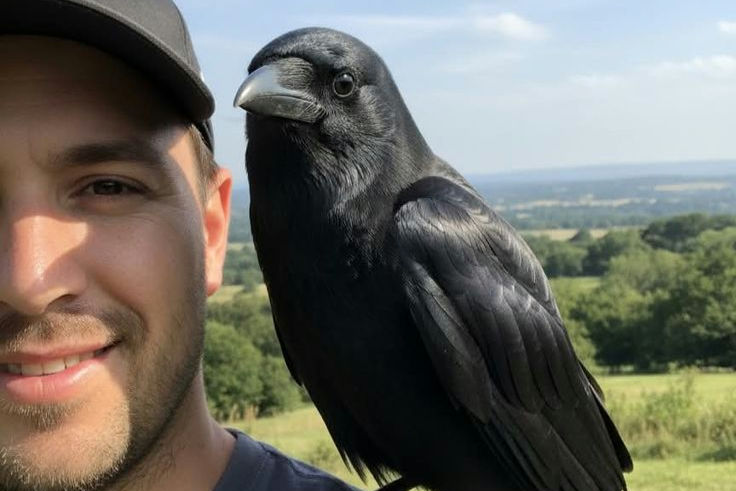
Wild crows are far more observant than the average passerby might think, especially when it comes to identifying potential threats. Researchers at the University of Washington discovered that these birds can memorize individual human faces with startling accuracy, which allows them to distinguish between someone who is friendly and someone who previously caused them distress. This ability is not just a temporary memory but a long-lasting cognitive map that stays with the bird for several years.
What makes this even more fascinating is how the information spreads through the avian community. When a crow identifies a “dangerous” human, it alerts its peers and even teaches its offspring to avoid that specific person. This creates a multi-generational legacy of caution, resulting in young crows avoiding humans they have never even met before. It proves that crows possess a form of social learning and cultural transmission that was once thought to be a strictly primate trait.
Raccoons
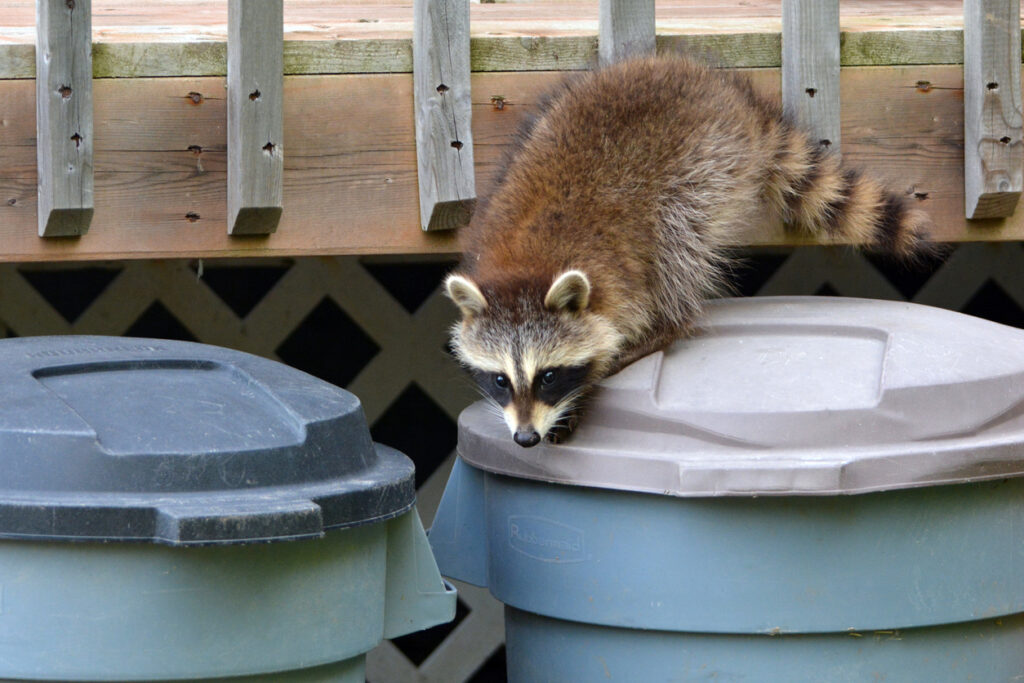
Raccoons have earned a reputation as “trash pandas,” yet their dexterity is actually a sign of elite problem-solving skills. In a study conducted at the USDA National Wildlife Center, these masked mammals were presented with complex, multi-step locks that required a specific sequence to open. The raccoons didn’t just stumble upon the solution through luck, because they demonstrated a clear understanding of the mechanics involved and successfully retrieved the rewards hidden inside.
Even more impressive was their ability to recall these solutions long after the initial test ended. Some raccoons were able to solve the same puzzles three years later without any practice in between, which led researchers to compare their memory and logic to that of monkeys. Their sensitive paws act like a second set of eyes, allowing them to visualize the inner workings of a mechanism. This high level of adaptability explains why they thrive so well in urban environments where human obstacles are everywhere.
Pigs
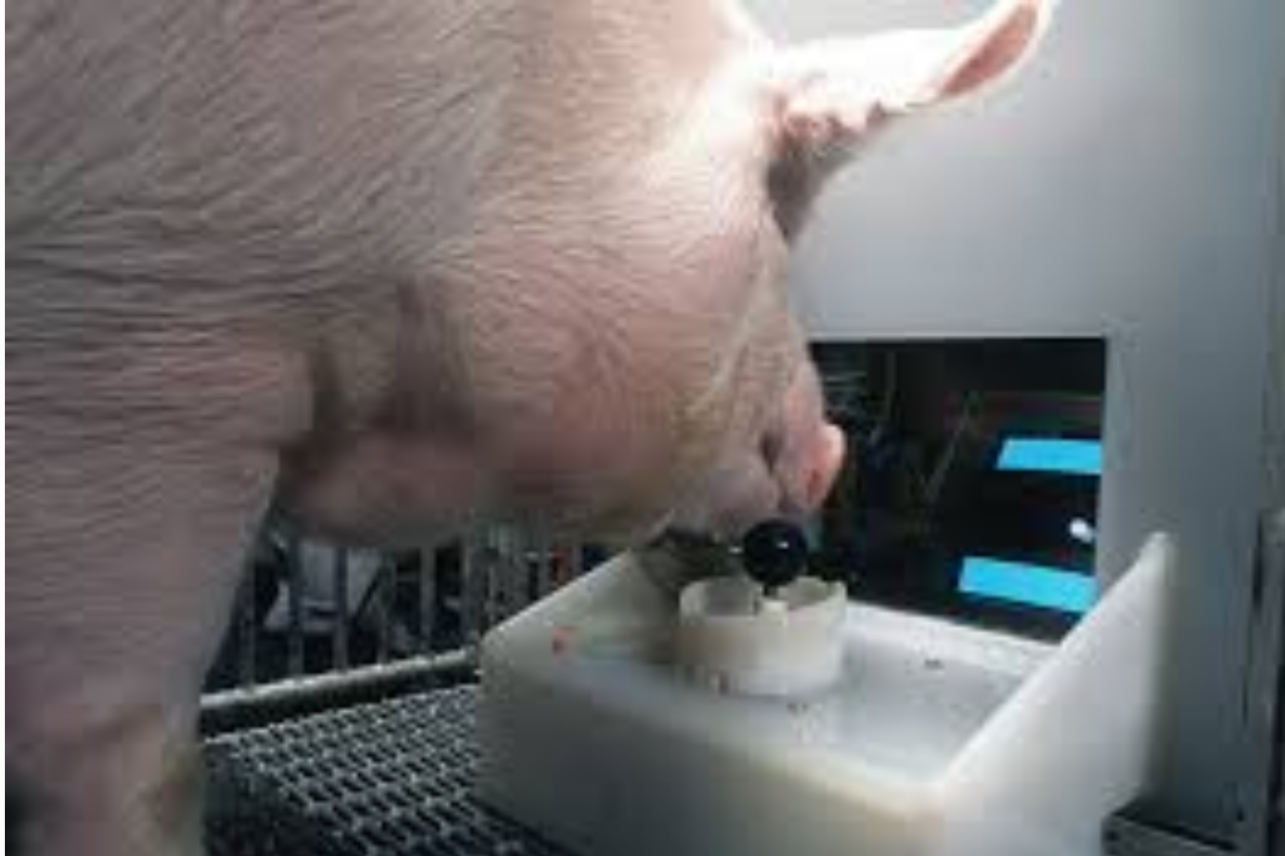
It might sound like something out of a cartoon, but pigs have actually proven they can hold their own in a digital arena. Scientists at Purdue University conducted an experiment where they taught pigs to use a joystick with their snouts to move a cursor on a screen. The pigs were tasked with hitting specific targets to earn a treat, and they showed a remarkable understanding of the connection between their physical movements and the digital results.
The researchers were surprised to find that the pigs continued to play even when the treat dispenser stopped working, suggesting they found the task mentally stimulating on its own. This level of cognitive flexibility shows that pigs are not just simple farm animals, resulting in a deeper conversation about their emotional and intellectual needs. Their ability to grasp abstract concepts and focus on a goal proves that their minds are far more active than we typically give them credit for.
Squirrels
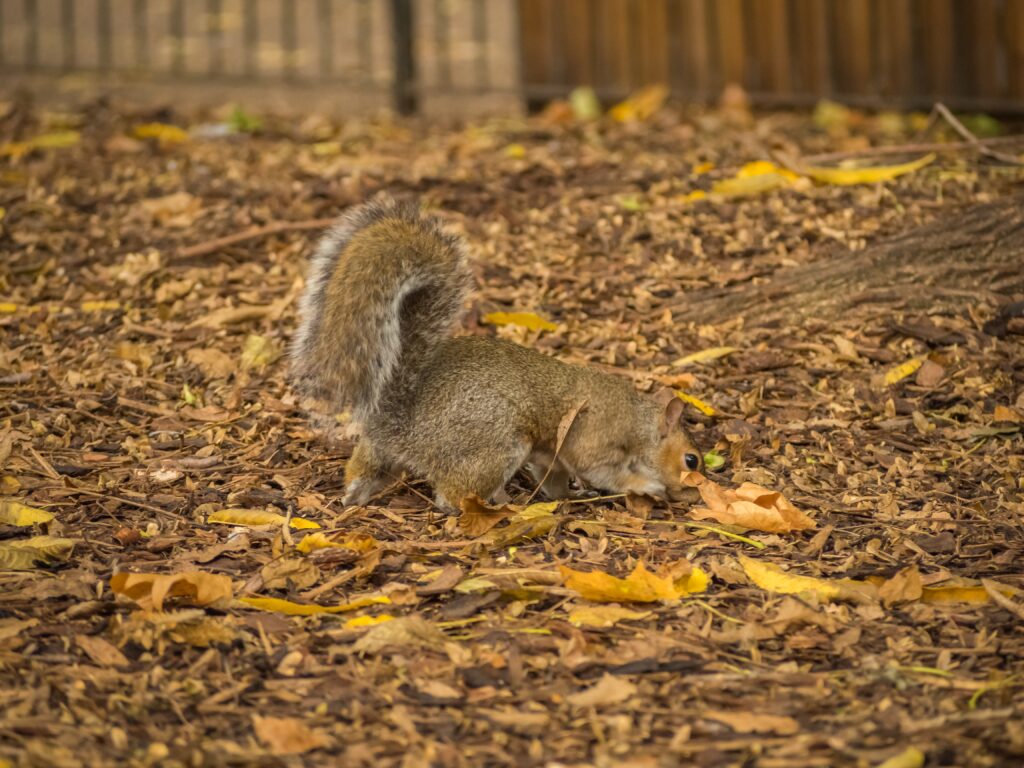
If you have ever watched a squirrel in your backyard, you might have witnessed a tiny master of espionage at work. Squirrels in American suburbs are known to engage in “tactical deception” when they feel they are being watched by potential thieves. They will go through all the motions of digging a hole and patting the dirt down, whereas the actual nut remains safely tucked away in their cheek to be buried elsewhere in private.
This behavior suggests that squirrels are capable of “Theory of Mind,” which is the ability to understand that another individual has its own thoughts and intentions. By anticipating that a bird or another squirrel might want to steal their food, they create a false trail to protect their winter stash. This sophisticated level of planning and trickery shows that their frantic movements are actually part of a very calculated and intelligent survival strategy.
Dolphins
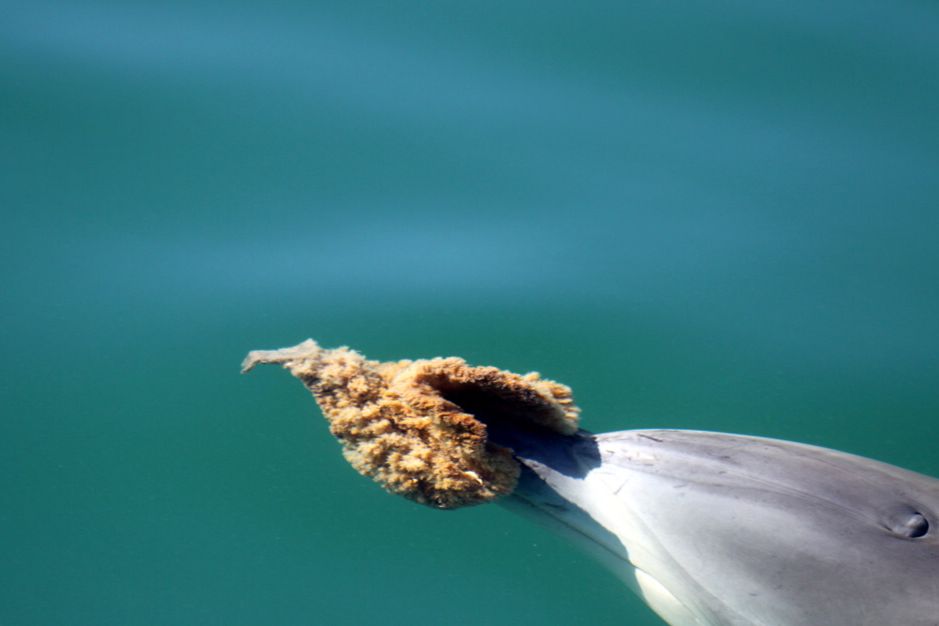
Dolphins are widely known for their social nature, but their use of technology is what truly sets them apart. Off the coast of Georgia and in the Gulf of Mexico, certain groups of dolphins have been observed using marine sponges as protective gear. They fit the sponges over their snouts while foraging on the seafloor, which prevents them from getting stung by stonefish or scratched by sharp rocks and coral.
This behavior is not an innate instinct but rather a learned skill that is passed down from mothers to their calves. This “sponging” technique represents a form of animal culture, where a specific group develops a tool-based solution to an environmental problem. The fact that they can identify a useful object and repurpose it for their own safety proves that dolphins possess a high degree of innovative thinking and the ability to teach complex tasks to the next generation.
Chimpanzees
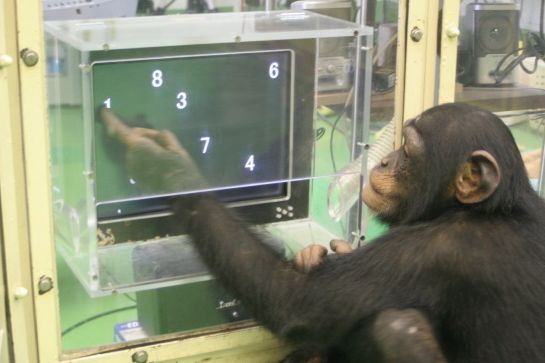
When it comes to raw processing speed and short-term memory, humans might actually be lagging behind our closest relatives. Studies at various American research institutions have shown that young chimpanzees can outperform human adults in visual memory tests. In these challenges, numbers are flashed on a screen for a fraction of a second before being covered, and the chimps can recall the exact sequence and location with nearly perfect accuracy.
This incredible feat suggests that chimpanzees have a “photographic” memory that allows them to take in their entire surroundings at once. While humans evolved to focus more on language and abstract reasoning, chimpanzees retained a high-speed visual processor that helps them navigate complex forest environments. Seeing a primate easily beat a university student in a memory game is a humbling reminder that intelligence takes many different forms and is not always centered on human strengths.
Sea Otters
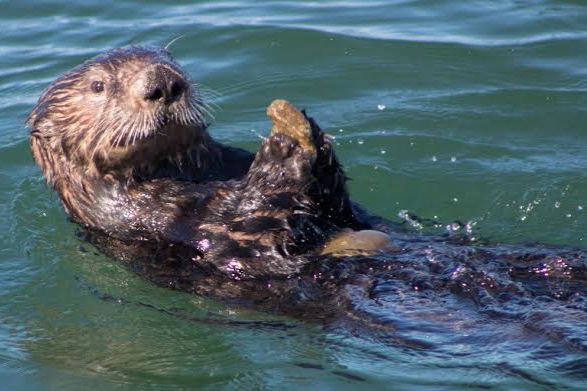
The sea otters of the U.S. West Coast are more than just cute faces floating in the kelp; they are highly skilled craftsmen. They are one of the few mammals known to use tools, specifically rocks, to break open the hard shells of clams and abalones. An otter will often find a favorite “anvil” rock and keep it tucked away in a specialized pouch of skin under its forearm, which allows it to carry its tool from one feeding spot to another.
Beyond their tool use, otters demonstrate social intelligence through their famous habit of holding hands while they sleep. This behavior, known as “rafting,” prevents them from drifting apart in the ocean currents and keeps the family unit together. This combination of mechanical skill and social awareness shows a level of foresight that is rare in the animal world. Their ability to plan for their next meal while maintaining strong communal bonds makes them one of the ocean’s most intelligent inhabitants.
Bees
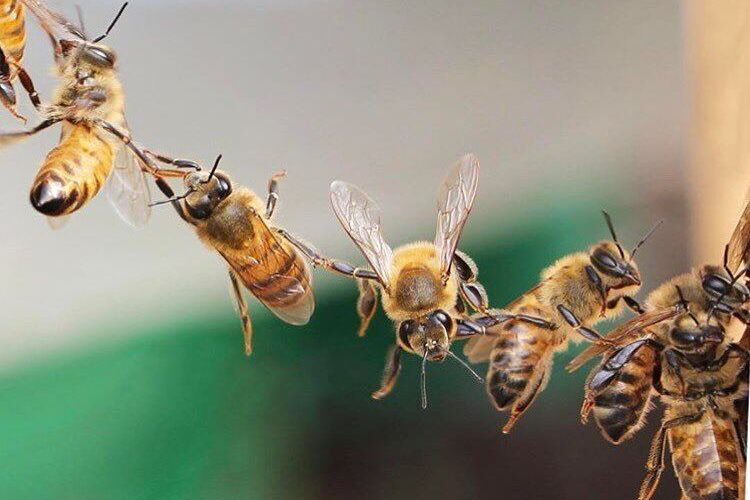
The tiny brain of a honeybee is capable of performing complex mathematical calculations that would make a human dizzy. Researchers have found that bees use a “waggle dance” to tell their hive mates exactly where to find the best flowers. By moving in specific patterns and vibrating their bodies, they communicate the precise direction and distance of a food source relative to the position of the sun.
This spatial language is incredibly precise, resulting in other bees being able to fly directly to a target they have never seen before. It is a level of symbolic communication that was once thought to be unique to humans and higher primates. The fact that such a small insect can process geographic data and translate it into a physical dance proves that intelligence is not always about the size of the brain, but rather how efficiently that brain is wired.
Elephants
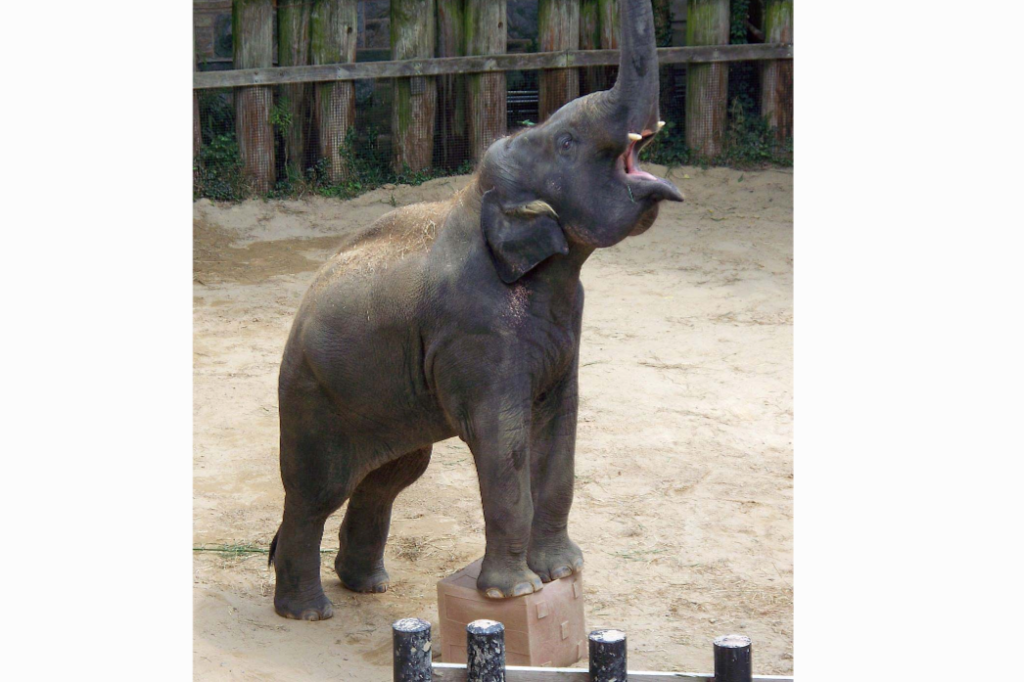
Elephants are famous for their long memories, but their ability to innovate in the moment is just as impressive. At the National Zoo in Washington D.C., a young elephant named Kandula demonstrated a “eureka” moment that stunned zookeepers. When he couldn’t reach a piece of fruit hanging high above his head, he didn’t give up, resulting in him finding a sturdy plastic crate and rolling it over to use as a stepping stool.
This was a major discovery because it showed that elephants can visualize a solution to a problem before they act on it. Kandula didn’t just stumble onto the crate; he sought it out with a specific purpose in mind. This type of spontaneous tool use indicates a high level of cognitive planning and an understanding of physics. It confirms that elephants are not just emotional giants but also brilliant engineers capable of manipulating their environment to suit their needs.
Bonobos
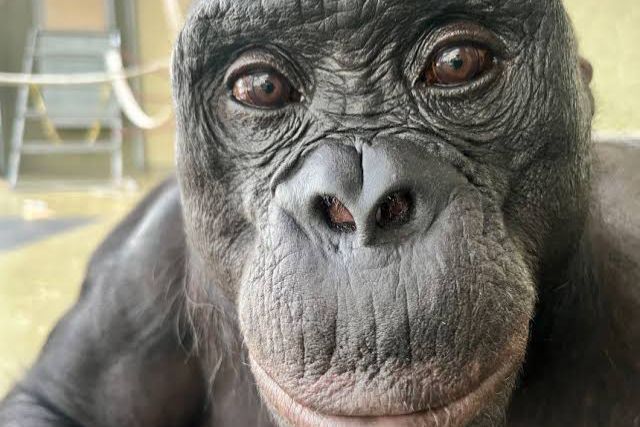
Bonobos are often overshadowed by their chimpanzee cousins, yet their inner lives may be even more complex. At Johns Hopkins University, research with a bonobo named Kanzi revealed that these apes are capable of “pretend play.” Kanzi was observed interacting with imaginary objects, such as pretending to eat food that wasn’t there or reacting to invisible stimuli, which suggests a level of imagination that was previously thought to be exclusive to humans.
This ability to conceptualize things that do not exist in the physical world is a hallmark of high-level cognition. It shows that bonobos have a rich internal world and can engage in abstract thought. By using their imagination, they can simulate different scenarios and explore their own creativity, resulting in a deeper understanding of their own consciousness. This discovery brings us one step closer to understanding the evolutionary roots of human storytelling and art.
Ravens
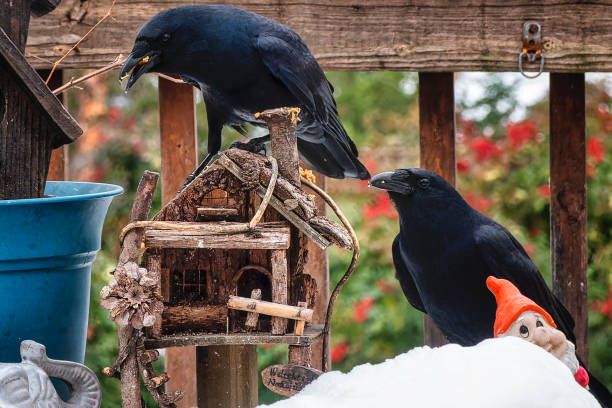
Ravens are often associated with myth and mystery, but their actual cognitive abilities are firmly rooted in scientific fact. Researchers in the United States and Europe have found that these birds are capable of planning for future events, which is a trait once thought to belong only to humans and great apes. In controlled experiments, ravens were able to select a specific tool from a variety of objects, knowing they would need it several hours later to open a puzzle box for a reward.
This level of foresight is remarkable because it requires the bird to resist the urge for immediate gratification in favor of a future payoff. The ravens demonstrated that they weren’t just reacting to their current environment, resulting in a display of episodic-like memory and planning. Their ability to envision a future scenario and prepare for it suggests that their mental timeline is much more complex than we ever suspected. This discovery challenges the idea that animals live only in the moment, whereas these birds are clearly thinking several steps ahead.
Ringtails
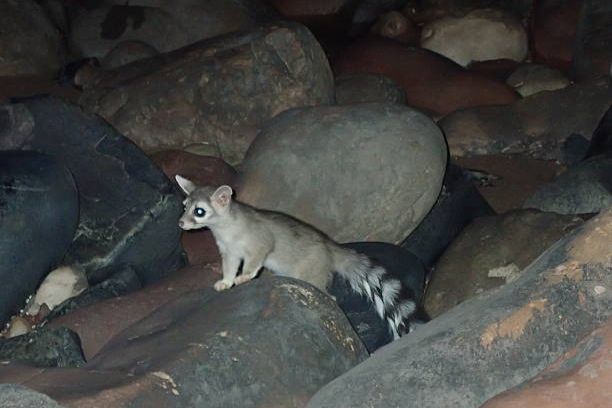
The ringtail is a relative of the raccoon found in the American Southwest, and its intelligence has earned it a legendary status among locals. Historically known as the “miner’s cat,” these small mammals were domesticated by early frontier miners because of their incredible ability to solve problems and hunt pests. They possess a high degree of spatial intelligence, which led them to navigate the narrow, dark shafts of mines with ease, resulting in a symbiotic relationship where they protected the miners’ food supplies.
What makes the ringtail stand out is its physical and mental flexibility, as it can rotate its hind feet 180 degrees to climb down vertical surfaces headfirst. This physical trait is paired with a quick wit that allows it to adapt to changing environments, whether in a rocky canyon or a human-built structure. Their ability to learn the routines of their human companions and navigate complex obstacles proves that intelligence is often found in the most unexpected and overlooked species. Their history as a clever fox of the desert shows how animal intelligence can directly impact human survival.
Rats
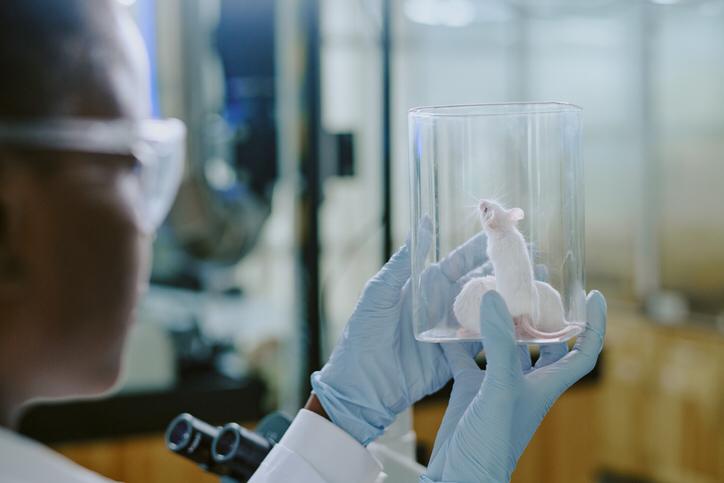
The idea of a “lab rat” often conjures images of simple maze-running, yet these rodents possess a social depth that is truly touching. In several American lab studies, researchers observed rats consistently choosing to help a trapped companion rather than ignoring them to seek out a treat. Even when presented with a pile of chocolate, many rats would first work to free their friend so they could share the snack together, which proves that their social bonds are a powerful motivator.
This behavior suggests that rats experience a form of emotional contagion, where they feel the distress of others and are driven to alleviate it. This finding has significant implications for how we view the “lower” animals, resulting in a shift toward more ethical treatment in research environments. By prioritizing the well-being of their peers over personal gain, rats demonstrate a level of selflessness and empathy that many humans struggle to maintain in similar high-stress situations.
Octopuses

Octopuses are frequently described as the “aliens of the sea” because their intelligence is so different from our own, yet their problem-solving skills are undeniably brilliant. Marine biologists in the United States have documented octopuses successfully unscrewing jars from the inside to escape or from the outside to reach a meal. They do not just use brute force, but instead use their tentacles to find the exact “threading” of the lid, resulting in a clean and calculated opening.
What makes this even more impressive is that octopuses are invertebrates, meaning they lack the skeletal structure we usually associate with high-level cognitive function. Their nervous system is distributed throughout their arms, which allows each limb to “think” independently while still working toward a common goal. This unique biological makeup allows them to navigate complex mazes and even recognize individual human keepers, showcasing a level of curiosity and memory that continues to baffle the scientific community.
Border Collies

While many dogs can learn basic commands like “sit” or “stay,” a Border Collie named Chaser redefined what we thought was possible for canine comprehension. Working with psychologists in South Carolina, Chaser was able to learn and remember the specific names of over 1,000 unique toys and objects. She could even use the process of elimination to identify a brand-new toy she had never seen before, which led her trainers to conclude that she understood the logic behind naming.
This ability to link a specific sound to a specific object is a foundational element of human language, yet Chaser mastered it with the enthusiasm of a game. Her success suggests that the bridge between human speech and animal understanding is much shorter than we previously suspected, resulting in a new era of research into how domestic animals process our world. It turns out that when we talk to our pets, they might be understanding far more than just the tone of our voice.


