
Small Spending, Big Financial Leaks

When money becomes tight, most people focus on slashing major bills like rent or groceries. However, financial experts have long observed that the most significant damage often stems from small, everyday purchases that go unnoticed. These minor habits can quietly drain hundreds or even thousands of dollars from a household budget each year. In the modern digital economy, spending has become friction-less; with automatic renewals and one-tap mobile payments, it is easier than ever to lose track of where your income is going.
Data from recent years shows that nearly every American household now pays for at least one streaming service, yet many carry multiple subscriptions without realizing the total annual cost. According to reports from Debt.org in 2024, the cumulative effect of these “micro-spends” is a primary driver of consumer debt. The good news is that stabilizing your finances rarely requires a total lifestyle overhaul. By identifying and cutting just a few overlooked expenses that offer little real value, you can create significant breathing room in a strained budget and regain a sense of financial agency.
Unused Streaming Services
Streaming platforms are a classic example of “quiet drains” on a modern budget. Over the last decade, services like Netflix and Disney+ have fundamentally changed how we consume media. By early 2024, research indicated that approximately 99% of U.S. households were subscribed to at least one service, with a significant portion paying for four or more simultaneously. The financial danger isn’t usually the cost of a single $15 monthly fee, but the “subscription creep” that occurs when multiple platforms bill you every month regardless of whether you actually watched their content.
To combat this, financial planners suggest a “subscription rotation” strategy. Instead of keeping five services active at once, pick one, watch your favorite shows, and then cancel it before moving to the next platform. This ensures you only pay for what you are actively using. Checking your bank statements every 90 days is a vital habit for catching forgotten trials that rolled into paid memberships. By 2025, many consumers found they could save over $500 annually simply by being more intentional about their digital entertainment and avoiding the “set it and forget it” trap.
Daily Coffee Habits

The morning coffee run is a cherished ritual for millions, but it remains one of the most effective targets for budget cutting. Consumer studies from 2023 and 2024 estimated that the average American spends roughly $1,100 per year on professional coffee. While a $5 latte feels like a small treat in the moment, it represents a four-figure annual commitment when done every workday. As inflation has pushed the price of premium beverages higher, the “latte factor” has become an even more significant hurdle for those trying to build an emergency fund.
Transitioning to home brewing can provide immediate relief. Even when investing in high-quality beans and a decent coffee maker, the cost per cup typically drops to under $1.00. Financial data from wemoney.com indicates that a person who switches from a daily cafe visit to home brewing could save upwards of $1,000 annually. You don’t have to give up the luxury entirely; many find that brewing at home during the week and saving the cafe visit for a social weekend treat provides the perfect balance between financial discipline and personal enjoyment.
Takeout and Convenience Food
Convenience food has become a staple of modern life, driven by busy schedules and the rise of delivery apps like Uber Eats and DoorDash. However, these services come with a heavy financial markup. Between delivery fees, service charges, and tips, a meal that costs $15 at a restaurant can easily swell to $25 or $30 by the time it reaches your door. For many households, what started as an occasional treat has turned into a frequent habit that consumes a disproportionate share of their take-home pay.
The most effective way to plug this leak is through basic meal planning. Preparing ingredients in advance or cooking larger batches for leftovers can drastically reduce the urge to order out when you are tired after work. Financial planners note that a household spending $400 a month on takeout could potentially cut that by 70% just by making a weekly grocery list and sticking to it. Beyond the immediate savings, cooking at home allows for better control over ingredients, often leading to healthier outcomes alongside a healthier bank balance.
Unused Gym Memberships

Gym memberships are notorious for continuing to charge monthly fees long after a person has stopped attending. Fitness clubs often rely on a business model where a large percentage of members pay but rarely show up. In the United Kingdom, research published by The Times in recent years highlighted that gym spending often drops during economic downturns as people realize they are paying for a service they aren’t using. If you haven’t stepped foot in your gym in the last 30 days, it is likely time to cancel.
Fortunately, staying fit does not require an expensive monthly contract. The rise of free fitness content on platforms like YouTube and the availability of outdoor activities like running or hiking offer excellent alternatives for $0. Many people find that home workouts are more sustainable because they eliminate the commute to the gym. If you find your budget is tight, switching to these free alternatives can save you anywhere from $30 to over $100 a month, providing a quick win for your monthly cash flow without sacrificing your health.
Small Impulse Purchases

One of the most underestimated financial leaks is the steady stream of small, impulsive purchases. Whether it’s a snack from a vending machine, a magazine at the checkout, or a $5 digital item, these costs are often too small to trigger an emotional response of “spending money.” Behavioral economists often point to these as the most dangerous habits because they are invisible. Over a year, spending just $3 a day on impulse items adds up to more than $1,000, money that could have gone toward debt or savings.
To gain control over these urges, many experts recommend keeping a spending diary for at least one month. Writing down every single cent spent creates a level of awareness that naturally curbs impulsive behavior. Another helpful tactic is the “24-hour rule”: if you see something you want to buy that isn’t on your list, you must wait a full day before purchasing it. Usually, the impulse fades within a few hours, leaving you with more money in your pocket and less clutter in your home.
Brand Name Products

Brand loyalty is a powerful force, but it often comes with a “marketing tax.” For decades, shoppers have been conditioned to reach for familiar logos, even when the generic or store-brand version is virtually identical. Retail studies consistently show that many store-brand items are manufactured in the same facilities as the expensive brands, using the same ingredients. In categories like cleaning supplies, basic pantry staples (flour, sugar, pasta), and over-the-counter medications, the difference is often only the packaging.
By switching to generic brands, many families can reduce their weekly grocery bill by 20% to 30% without any loss in quality. During periods of high inflation, such as those seen between 2022 and 2024, this simple shift became a survival strategy for many households. Over the course of a year, the savings can reach several hundred dollars. It is worth experimenting with different store brands to see which ones you prefer; most consumers find that they cannot tell the difference once the food is out of the box and on the plate.
Expensive Cable Packages

Traditional cable television is increasingly becoming an unnecessary luxury. For years, cable companies have bundled hundreds of channels together, forcing consumers to pay for content they never watch. As of 2024, the average cable bill has climbed significantly, often exceeding $100 per month. With the advent of high-speed internet and specialized streaming, the need for a massive, expensive cable package has dwindled for the majority of modern viewers who prefer on-demand content.
Cutting the cord can be one of the fastest ways to save a significant amount of money each month. Many households are switching to a combination of high-speed internet and one or two targeted streaming services, or even utilizing free services like Pluto TV or library-based apps like Kanopy. By making this transition, it is common to save $50 to $80 monthly. For those who still want live news or sports, digital antennas can often pick up local broadcast channels for free, providing a one-time solution that eliminates a recurring bill forever.
Frequent Tech Upgrades
The pressure to own the latest smartphone or gadget is a major source of financial strain. Tech companies release new models annually, using aggressive marketing to convince consumers that their current device is obsolete. However, the leap in technology between yearly models has slowed significantly in recent years. A smartphone from 2022 or 2023 is still a high-performing machine in 2025. Replacing a $1,000 phone every year is an expensive habit that most budgets simply cannot sustain long-term.
By extending the life of your electronics from two years to four or five years, you effectively cut your technology costs in half. Maintaining your current devices, by replacing a battery or using a sturdy case, is far more cost-effective than financing a new one. This approach also helps the environment by reducing electronic waste. When money is tight, ignoring the “new release” hype allows you to keep that $1,000 in your savings account, where it can earn interest rather than depreciating in your pocket as a piece of hardware.
Ride Hailing and Parking
In urban environments, the convenience of ride-hailing apps like Uber and Lyft can become a significant financial burden. While a $15 ride might seem easier than navigating public transport, doing this three or four times a week can easily add $200 to your monthly expenses. Similarly, city parking fees can be an expensive “hidden” cost of driving. For many commuters, the total cost of car ownership, including fuel, insurance, maintenance, and parking, often far exceeds the cost of a monthly transit pass.
Evaluating your transport habits can uncover major savings. Walking or cycling for short trips is not only free but also beneficial for your health. For longer commutes, using buses or trains can save thousands of dollars a year in fuel and wear-and-tear on a vehicle. If you live in a city with good infrastructure, you might even find that you can live without a car entirely, using car-sharing services only for occasional errands. Reducing your reliance on high-cost transport is a powerful way to insulate your budget from rising fuel prices.
Avoidable Bank Fees
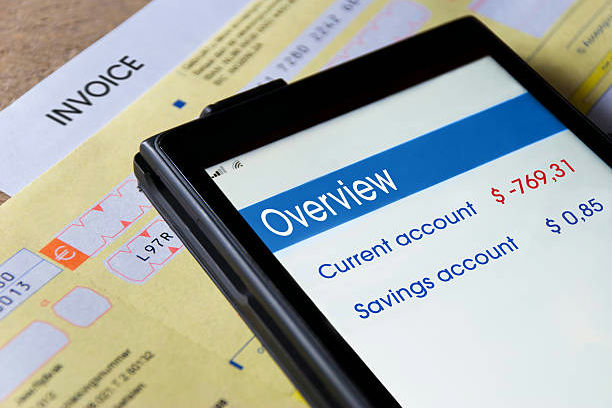
Bank fees are arguably the most frustrating financial leak because they provide absolutely no value to the consumer. Overdraft penalties, out-of-network ATM charges, and monthly maintenance fees are essentially “penalties” for not monitoring an account closely enough. According to data from 2024, the average American household pays over $150 annually in avoidable banking costs. While these individual charges, such as a $3 ATM fee or a $12 monthly service charge, might seem minor in isolation, they quietly erode your savings over time without your consent.
The solution is often as simple as switching to a digital-first bank or a credit union that offers “no-fee” checking accounts. Most modern financial institutions allow you to set up low-balance alerts on your phone, which can prevent accidental overdrafts before they happen. Additionally, using only your own bank’s ATMs or opting for “cash back” at a grocery store can eliminate convenience fees entirely. By 2025, many consumers have found that a quick 20-minute audit of their banking habits can stop these unnecessary losses and keep more of their hard-earned money where it belongs.
Hidden Auto Renewals
Automatic renewals are the “silent killers” of a modern household budget. Many digital services, from software packages to magazine subscriptions, rely on a recurring billing model that often goes unnoticed on a busy bank statement. Research from Medium and other financial outlets in 2024 suggested that consumers often underestimate their total subscription spending by as much as 300%. Because these payments are processed automatically, they don’t trigger the same “buying pain” as handing over cash, making it very easy to continue paying for a service you no longer use.
Free trials are a particularly common trap. A staggering 74% of people who sign up for a “free month” of a service forget to cancel before the paid billing cycle begins. In the United Kingdom, reports from Citizens Advice estimated that these “forgotten” subscriptions cost consumers nearly £688 million in a single year. To regain control, it is helpful to use a dedicated subscription-tracking app or to manually review your credit card statement every month. Canceling just two or three unused digital services can instantly free up $30 to $50 in your monthly budget.
Premium Petrol Choices
Many drivers choose premium petrol under the mistaken belief that it is “cleaner” or better for their car’s engine. In reality, unless you are driving a high-performance sports car or a luxury vehicle that specifically requires high-octane fuel, regular petrol is perfectly sufficient. The price gap between regular and premium fuel can be significant, often ranging from 20 to 50 cents per gallon. For a household that drives 15,000 miles a year, choosing the expensive fuel unnecessarily can lead to hundreds of dollars in wasted spending by the end of December.
Automotive experts and consumer advocacy groups have repeatedly confirmed that using premium fuel in a standard engine does not improve fuel economy or increase horsepower. Most modern engines are equipped with sophisticated sensors that allow them to run efficiently on standard 87-octane fuel. By 2025, as fuel prices fluctuated globally, savvy drivers realized that switching back to regular grade was one of the easiest ways to lower the cost of commuting. Always check your owner’s manual; if it says premium is “recommended” rather than “required,” you can safely switch to regular and save.
Online Impulse Spending

The rise of e-commerce has made it dangerously easy to spend money with a single click. Retailers use sophisticated algorithms and “limited-time offers” to create a sense of urgency that bypasses our logical thinking. With credit card details stored in browsers and apps, the physical act of “paying” has been removed, leading to a rise in impulsive purchases. Psychology experts note that the dopamine hit from buying something new often fades long before the package even arrives, leaving the consumer with “buyer’s remorse” and a smaller bank balance.
To combat this, financial advisers suggest “friction-based” saving. This involves removing your saved credit card information from shopping websites and deleting retail apps from your phone. Forcing yourself to manually type in your card numbers provides a moment of reflection that can stop an impulsive buy. Another effective strategy is the “72-hour rule” for online shopping: leave the item in your cart for three days before hitting purchase. By 2024, many shoppers found that this simple delay resulted in them deleting more than half of their planned purchases.
Buy Second Hand
For a long time, buying new was the default for most consumers, but the tide is shifting toward a “circular economy.” From high-quality furniture and designer clothing to children’s toys and electronics, the second-hand market offers incredible value for those willing to look. Online marketplaces like eBay, Facebook Marketplace, and specialized resale apps have made finding pre-owned goods easier than ever. Often, you can find items that are “like new” or even “new with tags” for 50% to 70% less than their original retail price.
The financial benefits of buying used are especially apparent for items that depreciate quickly, such as cars or baby gear. By 2025, more households have embraced thrift shopping and community “buy nothing” groups as a way to maintain their lifestyle while spending significantly less. Beyond the immediate cash savings, buying second-hand is a more sustainable choice that reduces the environmental impact of manufacturing new goods. When money is tight, adopting a “used-first” mentality allows you to acquire the things you need without the high-interest debt that often accompanies new retail purchases.
Rethink Gifts and Giving

Generosity is a wonderful trait, but it should never come at the expense of your own financial stability. Many people feel immense social pressure to spend large amounts on birthday gifts, holiday presents, and wedding contributions, even when they are struggling to pay their own bills. This “social spending” can lead to a cycle of debt that is difficult to break. It is important to remember that the value of a gift is found in the thought and the relationship, not the price tag printed on the receipt.
Financial planners recommend being honest with friends and family when your budget is tight. Often, people are relieved to hear that someone else wants to scale back, as they may be feeling the same pressure. Creative alternatives like “Secret Santa” draws, homemade treats, or gifting a shared experience like a hike or a movie night can be far more meaningful than a store-bought item. By setting clear boundaries on gift spending, you protect your long-term financial health, ensuring you’ll be in a better position to be truly generous when your circumstances eventually improve.


