
1. Boys Don’t Cry

It’s strange how certain phrases once felt like background noise in our lives. You heard them at home, at school, sometimes even on television, and nobody stopped to question them. “Boys don’t cry” was one of those lines. It usually came from someone who believed they were building strength. A father trying to toughen his son. A coach pushing a player to stay focused. The message was simple. Toughness meant silence. Emotions were something to swallow, not show. Back then, it sounded practical. Necessary, even. That was just how people talked. But looking back now, you can almost hear the weight inside those words.
Today, the conversation sounds different. We talk openly about mental health. We encourage children to express themselves, not bottle things up. Telling boys they cannot cry no longer feels like guidance. It feels like pressure. Strength has slowly been redefined to include honesty, vulnerability, and emotional awareness. The room feels quieter now when someone repeats that old phrase. Not because people are offended immediately, but because it sounds outdated. It reminds us how much language shapes identity, and how much gentler we are learning to be with the next generation.
2. That’s So Gay
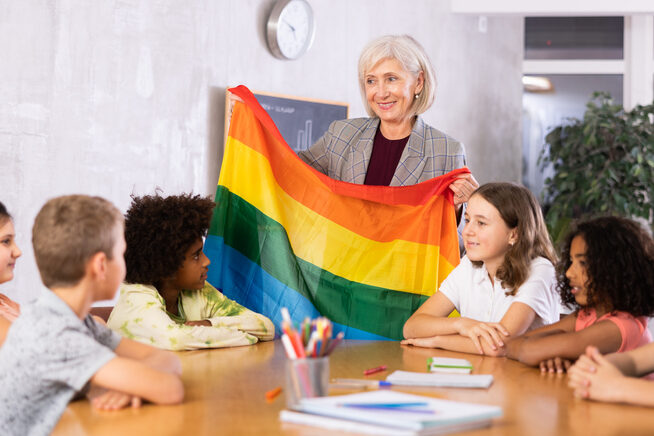
There was a time when this phrase drifted through conversations without much thought. It was used to describe something awkward, strange, or uncool. People repeated it casually in school hallways, during jokes, and in everyday chatter. Most did not pause to think about what they were really saying. It was slang. It felt harmless. If anyone raised an eyebrow, it was brushed off as oversensitivity. The phrase settled into pop culture so quietly that many never examined its meaning at all.
Over time, more people began speaking up about how words like that land differently depending on who is listening. What seemed casual to one person felt deeply personal to another. Language shapes how communities are treated and understood. As awareness grew, the phrase began to fade from polite conversation. Today, hearing it out loud feels jarring in a way it never used to. Not because humor disappeared, but because empathy grew louder. The shift reminds us that small words can carry larger messages, even when we pretend they do not.
3. You Throw Like A Girl

On playgrounds and in gym classes, this phrase was practically automatic. It was tossed around as a quick insult, a way to tease someone about their performance. The implication was obvious. Comparing someone to a girl meant suggesting weakness. Few people challenged it. It was simply part of the rhythm of growing up. Girls heard it. Boys heard it. Everyone absorbed it. It blended into the noise of childhood competition without much resistance.
Now, that line feels strangely out of step with reality. Women’s sports fill stadiums. Female athletes break records and redefine strength every year. The idea that throwing like a girl equals something lesser just does not stand. When someone repeats that phrase today, it often sounds dated rather than funny. It reflects an old assumption that no longer matches the world around us. What once passed as light teasing now feels like a snapshot from another era, quietly reminding us how much attitudes about gender and ability have evolved.
4. Where Are You Really From

At first glance, this question sounds harmless. Curious, even friendly. It often followed an introduction, delivered with a smile. But the word really changed the tone. It suggested that the first answer was not quite enough. That belonging required further explanation. For years, many people asked it without noticing the subtle message underneath. It was framed as interest in someone’s background, and rarely questioned beyond that surface.
As conversations about identity deepened, so did awareness of how that question can feel. For some, it carries the suggestion that they cannot simply be from here. That their presence needs clarification. Today, more people pause before asking it, or rephrase it with more care. Genuine curiosity is still welcome, but the emphasis has shifted toward respect. What once sounded like casual small talk can now feel like an unintended spotlight, and that shift has encouraged more thoughtful ways of connecting with one another.
5. You’re Pretty For Your Age

This phrase was almost always delivered as a compliment. Someone would smile warmly and say it as if offering a gift. On the surface, it sounded kind. But tucked inside was a qualifier. Pretty, considering the number attached to you. For years, many accepted it graciously, even gratefully. Aging was something to soften or disguise, and the phrase fit neatly into that mindset. It echoed in social gatherings and family conversations without much pushback.
Today, the reaction is different. Beauty is less frequently framed as something that fades on a schedule. Confidence and attractiveness are no longer expected to shrink with each birthday. When someone says “for your age” now, it can feel like an unnecessary condition placed on praise. Most people would rather hear appreciation without limits attached. The shift is subtle but meaningful. It reflects a broader change in how society views aging, self worth, and the idea that growing older does not require shrinking smaller.
6. Man Up

For years, this phrase slipped easily into everyday conversations. A friend hesitated, someone showed fear, someone admitted they were overwhelmed, and the response came quickly. Man up. It sounded like motivation. It sounded like pushing someone toward strength. Many people grew up hearing it from coaches, parents, even peers who believed resilience had a certain look. The idea was simple. Toughness meant suppressing discomfort and pressing forward without complaint. Back then, it felt normal, almost expected, especially in spaces where vulnerability was treated like weakness.
Now, the phrase tends to land differently. Courage is no longer framed as something owned by one gender. Emotional honesty is valued more openly, and telling someone to man up can feel dismissive instead of empowering. Strength today includes asking for help, setting boundaries, and admitting when something hurts. When the old phrase surfaces, it often sounds like a leftover script from a time when emotional range was tightly policed. The shift reflects a broader understanding that bravery is human, not gendered.
7. I Don’t See Color

There was a season when saying this felt like the highest compliment you could offer. It suggested fairness. It implied that you judged people by character alone. Many who used the phrase believed they were expressing unity. It sounded noble and progressive at the time. Conversations about race were often uncomfortable, so declaring colorblindness felt like a way to smooth everything over. The intention, in most cases, was not harmful. It was an attempt to rise above division.
But over time, people began pointing out something important. Not seeing color can also mean not seeing experience. Identity shapes how people move through the world. Ignoring that reality does not erase it. Today, the phrase can feel overly simplistic, even dismissive of lived realities. Acknowledging differences while still striving for equality has become the more thoughtful approach. The conversation has grown deeper, and so has the understanding that awareness creates connection more effectively than avoidance ever could.
8. She’s So Bossy

Growing up, this label showed up quickly. A girl organized a game, spoke confidently, or insisted on her idea, and someone would mutter that she was bossy. The word carried a quiet warning. Tone it down. Be smaller. Do not take up too much space. Meanwhile, boys displaying the same traits were often praised as natural leaders. It was subtle, but it shaped how many young girls learned to measure their voices. At the time, few questioned it. It felt like ordinary commentary.
Now, that word often sparks conversation rather than agreement. Leadership and confidence are no longer treated as traits that need softening based on gender. Calling someone bossy can feel like shrinking ambition into something negative. As more women step confidently into leadership roles, the language around authority has shifted. The old label sounds less like harmless teasing and more like a reminder of outdated expectations. The change signals growth in how we recognize and encourage strength in all forms.
9. That’s A Woman’s Job

This phrase once echoed casually in homes and workplaces. Cooking, cleaning, caregiving, certain careers. They were often spoken about as if assigned by default. Many people accepted those divisions without much thought because that was the model they grew up seeing. It felt structured. Predictable. Roles were clearly outlined, and language reflected that certainty. Rarely did anyone pause to ask whether those assignments were chosen or simply inherited.
Today, life looks different. Households operate on shared responsibility more than rigid roles. Careers once labeled feminine or masculine now include everyone. When someone says that is a woman’s job, the comment can feel strangely out of place. It does not match the reality of modern families and workplaces. The phrase now sounds less like common sense and more like an echo from a narrower time. Language has slowly caught up to the truth that responsibility and capability are not determined by gender.
10. You’re Too Sensitive

This line often appeared in the middle of conflict. Someone expressed hurt, and instead of addressing the issue, the focus shifted to their reaction. You’re too sensitive. It was a quick way to end a discussion without digging deeper. For a long time, emotional restraint was praised, and strong reactions were treated as overreactions. Many accepted that label quietly, even when it stung. It felt easier to question your feelings than challenge someone else’s words.
Now, emotional intelligence is discussed openly in relationships, workplaces, and classrooms. Feelings are recognized as valid signals, not inconveniences. Telling someone they are too sensitive can feel like dismissing their perspective entirely. Conversations have shifted toward listening and accountability instead of deflection. The phrase still surfaces occasionally, but it no longer carries the same unquestioned authority. It often invites reflection about why someone feels hurt rather than shutting them down. That subtle change says a lot about how communication has evolved.
11. Real Men Don’t Do That

This sentence used to act like a rulebook. It covered everything from hobbies to clothing to career paths. If a man stepped outside the accepted script, someone would quickly remind him of the boundaries. Real men do this. Real men avoid that. The definition was narrow and rarely challenged in everyday conversation. Many internalized those expectations without even realizing it. It felt like guidance, but it often functioned as limitation.
Today, masculinity is no longer boxed into one shape. Men express emotion, pursue creative interests, take on caregiving roles, and define themselves in broader ways. Hearing that old phrase now can feel restrictive, even outdated. The idea of what makes someone real has expanded beyond rigid standards. Identity is less about fitting a checklist and more about authenticity. The shift has opened space for people to exist comfortably without constantly measuring themselves against inherited expectations.
12. He’s So Exotic

There was a time when this word floated around as a compliment. It meant intriguing, different, striking. People used it to describe someone whose appearance or background stood out from their own. It sounded admiring on the surface, and many intended it that way. Few stopped to consider how it might feel to be described as something unusual rather than simply appreciated.
Over time, more voices explained how being labeled exotic can feel isolating. It frames a person as outside the norm instead of part of it. What once sounded flattering can now carry a subtle sense of otherness. Today, appreciation tends to focus on individuality without turning someone into a novelty. The word has not disappeared entirely, but its tone has shifted. It reminds us that even praise benefits from awareness and that respect feels most genuine when it does not set someone apart in uncomfortable ways.
13. You’ll Change Your Mind About Kids

This phrase often followed a confident statement about not wanting children. It was delivered casually, sometimes with a knowing smile, as though the future had already been decided. For years, many believed adulthood naturally led toward parenthood. Questioning that path felt unusual, even temporary. The comment was framed as reassurance, not dismissal. It suggested wisdom rather than assumption.
Today, personal choices about family are viewed through a wider lens. People openly discuss different life paths, and not all of them include children. Hearing that you will change your mind can feel less like support and more like disbelief. Decisions about parenthood are deeply personal, shaped by values, circumstances, and desire. The phrase now carries an unintended edge, as though autonomy requires correction. Respecting someone’s stated choice has become the more thoughtful response in modern conversation.
14. That’s Just How We’ve Always Done It

This line used to close discussions quickly. Tradition was often treated as proof enough. If something had been done the same way for years, questioning it felt unnecessary. The phrase carried comfort and familiarity. It suggested stability, even wisdom. Many accepted it without resistance because change felt risky and unpredictable. The past held authority, and language reflected that trust.
In a world that evolves rapidly, the phrase no longer ends conversations so neatly. Innovation, progress, and social awareness have shown that long standing habits are not always the best ones. Asking why has become more common than simply accepting how. When someone says that is how we have always done it, it can sound more defensive than reassuring. Growth requires reevaluation. The shift in reaction reveals a broader cultural comfort with questioning systems in pursuit of improvement.
15. Relax, It’s Just A Joke

This phrase usually arrived after a comment failed to land well. Someone felt uncomfortable, and instead of addressing the impact, the speaker leaned on humor as a shield. It was a way of softening accountability. For a long time, that explanation worked. If it was framed as a joke, it was expected to be forgiven. Laughter became a shortcut out of tension, even when the sting lingered.
Now, people listen more closely to how words affect others. Intent is considered, but impact matters too. Saying it is just a joke no longer automatically clears the air. It often opens a conversation about why something felt hurtful in the first place. That pause, that willingness to reflect, marks a quiet but meaningful change. We have become more attentive to how everyday language shapes relationships. And in that awareness, conversations feel a little more thoughtful than they once did.


