
1. Racing Home Before the Streetlights Came On
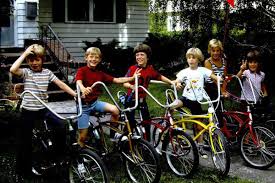
There was always a quiet urgency the moment school ended. You didn’t hang around too long unless something exciting was happening. Most days, it was a quick walk or a full sprint home, backpack bouncing, shoes scuffing pavement, already thinking about what came next. Home wasn’t just a place, it was a checkpoint before the real afternoon began. You might toss your bag in the corner, call out a quick greeting, and head straight back out.
Some remember that feeling as freedom wrapped in routine. As one nostalgic reflection puts it, “You knew you had until the streetlights came on, and that was enough structure for the whole day.” That simple rule shaped everything. It gave the afternoon a beginning and an end without anyone hovering. The clock mattered, but only in a loose, shared way. Looking back, it feels surprisingly balanced. There was independence, but also a quiet understanding of boundaries. You didn’t need reminders every hour. You just knew. And somehow, that made those after-school hours feel both endless and just enough.
2. Dropping Everything for Cartoons
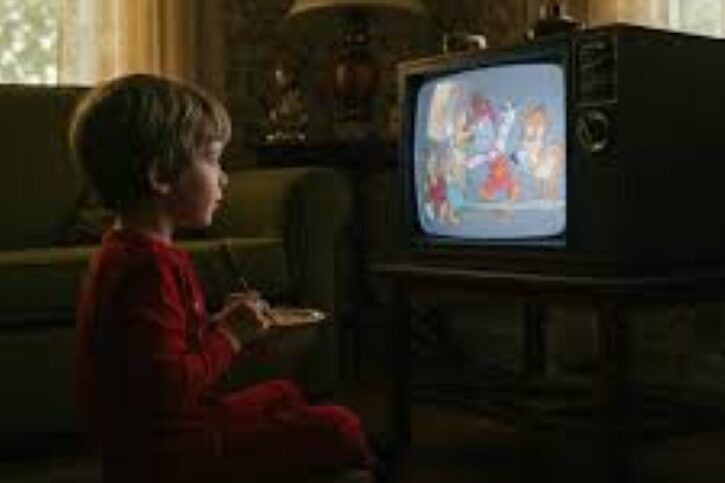
For many kids, the first real stop after school wasn’t the kitchen or the backyard, it was the television. Afternoon cartoons had a way of pulling everyone in, like a shared ritual across neighborhoods. Shoes came off, bags dropped, and suddenly the living room became the most important place in the house.
There was something comforting about those shows airing at the same time every day. You didn’t binge them, you caught them when they came on or you missed them. That made each episode feel a little more special. As one media historian once noted, “Appointment viewing created a sense of anticipation that streaming can’t quite replicate.” It wasn’t just about the cartoons themselves, it was about being there at the right moment. Sometimes siblings argued over the remote, sometimes friends gathered around, but the experience was always shared in some way. Even the commercials became part of the memory. When the credits rolled, it felt like a natural signal to move on, to step back outside or find the next thing to do. It was simple, predictable, and oddly comforting.
3. Grabbing a Snack Without Asking
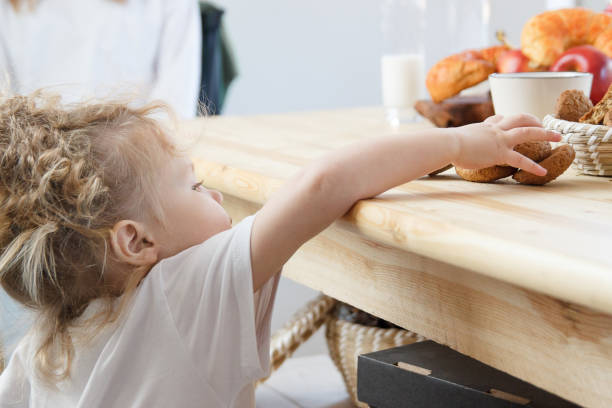
The kitchen had its own kind of freedom in the 1980s. After school hunger was expected, and most kids didn’t need permission to fix something small. It might be a bowl of cereal, a peanut butter sandwich, or whatever could be reached without too much effort. The goal wasn’t perfection, just something quick before heading back out.
There was a certain creativity in those snacks. You worked with what was there, mixing things in ways that might not make sense now but felt perfectly normal then. One reflection from a parenting column described it simply: “Kids learned to feed themselves in small ways, and that built confidence early.” It wasn’t about cooking full meals, it was about figuring things out. Sometimes you ate alone at the counter, sometimes with a sibling, sometimes while standing because you were already halfway out the door. It didn’t need to be formal. That was part of the charm. It was just enough to recharge before the rest of the afternoon unfolded, one small habit that quietly taught independence.
4. Heading Outside Without a Plan

Once the snack was done, the real question was never what to do, but where everyone else was. Kids stepped outside with no fixed agenda, just a sense that something would happen. You might find a group already playing, or you might start something new and watch it grow.
That kind of unstructured time had its own rhythm. Games formed and dissolved, rules changed mid-play, and no one kept score too seriously. As one education researcher later observed, “Free play without adult direction encourages creativity and social problem-solving.” Back then, it just felt like normal life. The beauty was in not knowing what the afternoon would become. It could turn into a game, a bike ride, or just sitting around talking. No one needed a schedule to make it worthwhile. Being outside was enough, and the rest followed naturally. It was a kind of freedom that didn’t announce itself; it just existed.
5. Riding Bikes Until It Felt Like Dusk
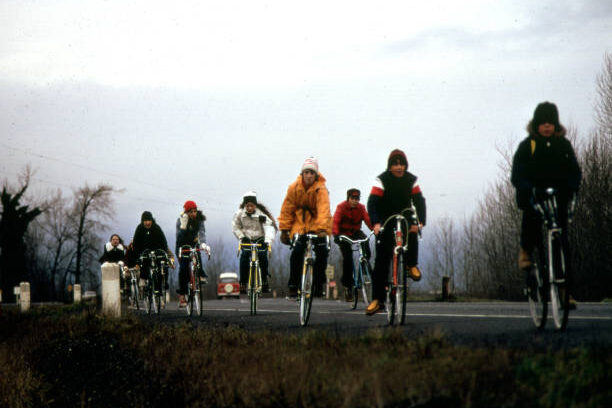
Bikes were more than toys, they were a kind of passport. With them, the neighborhood stretched further, and familiar streets felt a little more adventurous. After school, it wasn’t unusual to hop on and ride without a clear destination, just moving for the sake of it.
There was a shared understanding among kids about where you could go and how far was too far. Within those limits, everything felt open. A memory often repeated in stories about the era goes, “Your bike was your independence, and you didn’t think twice about it.” That sense of movement shaped how afternoons felt. Sometimes it was about racing, sometimes exploring, sometimes just cruising slowly and talking. The rhythm of pedaling, the sound of tires on pavement, it all became part of the backdrop. And when the light started to fade, you knew it was time to head back. Not because someone told you, but because it just felt right.
6. Playing Pickup Games That Made Their Own Rules
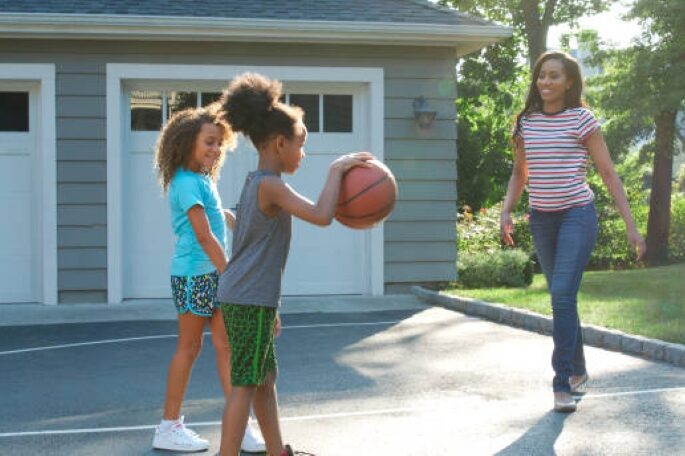
You didn’t need a coach, a referee, or even the right number of players. After school in the 1980s, games just sort of happened. Someone brought a ball, someone marked a goal with a jacket or a stick, and before long, teams were formed in the loosest way possible. It wasn’t about structure, it was about showing up and joining in.
Rules shifted depending on who was playing and how much space there was. If the yard was small, you adjusted. If someone new joined, you made room. A longtime sports writer once reflected, “Pickup games taught kids negotiation as much as competition.” That balance showed up in every argument over whether a point counted or if someone was out. What stands out now is how little equipment mattered. You could turn almost anything into a game. And even when disagreements came up, they rarely lasted long. The game would pause, a quick decision would be made, and everything moved forward again. It wasn’t perfect, but it worked. And in its own quiet way, it taught teamwork without ever calling it that.
7. Talking on the Phone With One Eye on the Cord
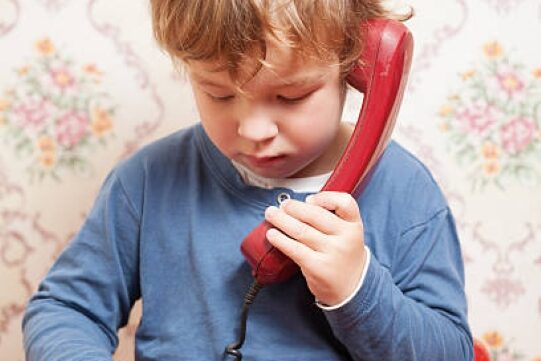
Phone calls had their own rhythm back then, especially in homes with just one line. After school, you might call a friend to continue a conversation that started earlier in the day, stretching it out in a way that felt easy and unhurried. The phone usually stayed in one place, so you learned to get comfortable right there.
There was always a bit of awareness that someone else might need the line. A parent might pick up another receiver, or a sibling might be waiting their turn. As one cultural observer noted, “Shared phones created an unspoken etiquette that shaped how kids communicated.” You didn’t stay on forever, but while you were there, it felt like your own small space. Sometimes the conversation wandered, sometimes it was just background noise while you did something else. The cord stretched as far as it could, and you learned its limits without thinking about it. It wasn’t private in the modern sense, but it was personal enough. And when you hung up, it felt like you had caught up in a way that stuck with you.
8. Doing Homework at the Last Possible Moment

Homework was always there, somewhere in the back of your mind, but it rarely came first. After school in the 1980s, it often waited until the light started to change or a parent asked that familiar question. Until then, it was easy to pretend there was still plenty of time.
When the moment finally came, it was usually at the kitchen table or a quiet corner of the house. You pulled out your books, sometimes still half distracted by everything you had just been doing. One teacher later reflected, “Kids learned time management by feeling the consequences of waiting.” It wasn’t always smooth, but it was real. There was a certain focus that came with that last-minute push. You worked through it, page by page, knowing that once it was done, the evening could move forward. It wasn’t about perfect study habits; it was about getting it finished. And in that routine, a small sense of responsibility slowly took shape, even if it didn’t feel like it at the time.
9. Hanging Out at a Friend’s House Like It Was Your Own
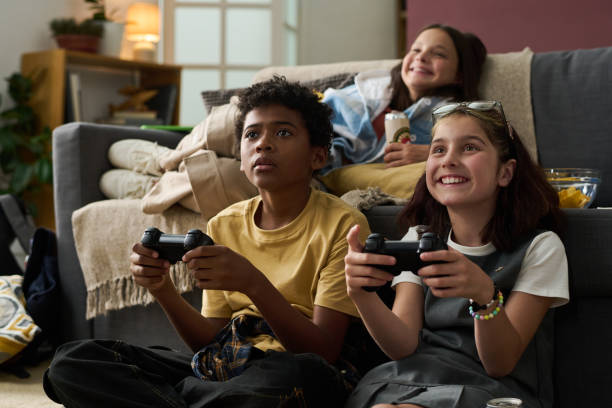
Some afternoons took you somewhere else entirely. A friend’s house became the center of the day, almost like a second home. You didn’t need much of a reason to be there, just a shared understanding that it was a good place to spend time.
Each house had its own feel. Maybe it was the snacks, maybe it was a relaxed parent, or maybe it was just where everyone naturally gathered. A reflection from a family magazine once said, “Kids built social circles around spaces that felt welcoming, not curated.” That sense of ease made it simple to stay for hours without thinking about it. You might watch TV, play games, or just sit around talking. Sometimes you barely noticed the time passing. There was comfort in being somewhere familiar but slightly different from your own home. And when it was time to leave, it felt natural, like closing a chapter on the day. Those visits weren’t planned in detail, but they often became the moments you remembered most.
10. Hearing Your Name Called From the Porch
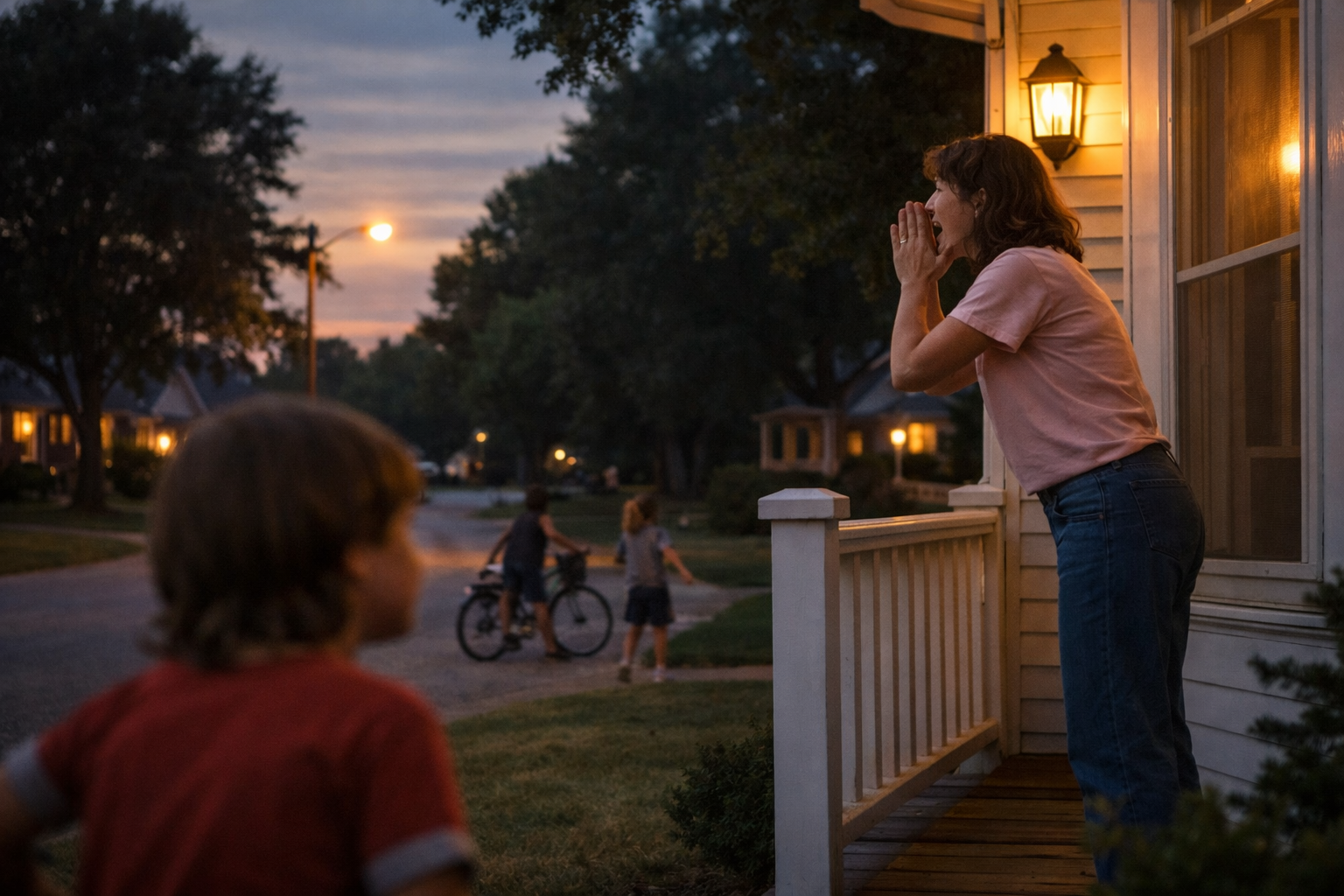
At some point, the outside world always gave way to home again. You might be in the middle of a game or a conversation when you heard your name carried across the street. It wasn’t loud in an urgent way, just clear enough to let you know it was time.
That call meant dinner, or at least the beginning of the evening routine. As one nostalgic writer put it, “A parent’s voice was the original notification system.” There was no confusion about who it was for, and no need to check twice. You wrapped things up quickly, promising to continue tomorrow. Walking back, there was often a quiet shift in energy. The day had been full, even if nothing specific stood out. Inside, the routine picked up again, but something about those hours outside lingered. It felt complete in a way that didn’t need explaining.
11. Flipping Through Channels With No Real Plan
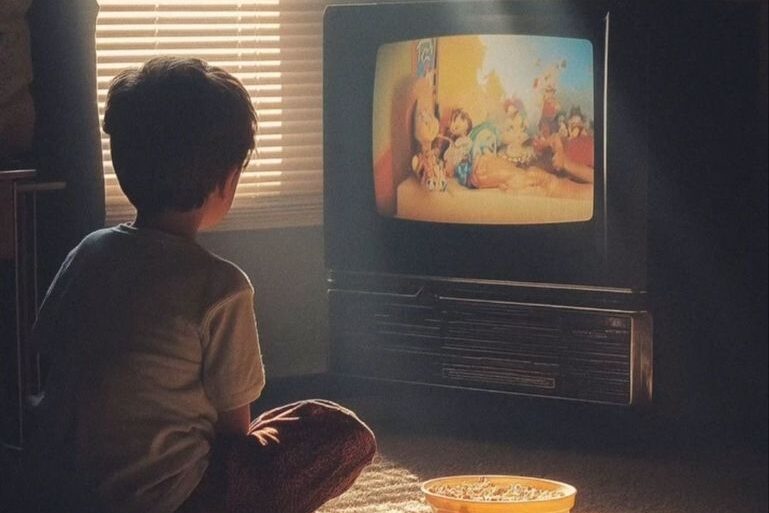
Some afternoons slowed down indoors, especially when the weather didn’t cooperate, or energy started to dip. That’s when the television came back into focus, not for a specific show this time, but just to see what was on. You sat close, remote in hand or sometimes without one, flipping through channels in a way that felt almost like wandering. There was no pressure to find something perfect. Part of the experience was settling on whatever happened to be playing. As one media reflection puts it, “Channel surfing turned passive watching into a kind of discovery.
” You might land on a rerun, a game show, or something you wouldn’t normally choose, and somehow it still held your attention. The randomness made it memorable in a quiet way. You didn’t control everything, and that was fine. It filled the space between activities, giving you a moment to rest before the next part of the day. Even now, it stands out as a slower, simpler kind of entertainment.
12. Building Something Out of Almost Nothing
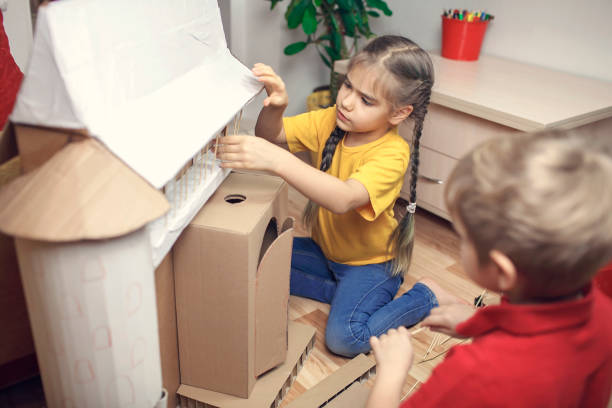
There were afternoons when the best idea was to make something, even if you didn’t quite know what you were starting with. You gathered whatever was nearby, cardboard boxes, spare parts, old toys, and turned them into something new. It didn’t have to last, it just had to feel right in the moment. Creativity came without instructions. You experimented, adjusted, and kept going until it looked or worked the way you imagined. A childhood development expert once noted, “Open ended play helps children see possibilities rather than limits.” Back then, it simply felt like passing time in a meaningful way.
Sometimes you built alone, sometimes with friends, each adding their own idea. The process mattered more than the result, and even if it fell apart later, that didn’t take anything away from it. It was about using what you had and letting your mind do the rest.
13. Listening to Music and Letting Time Pass
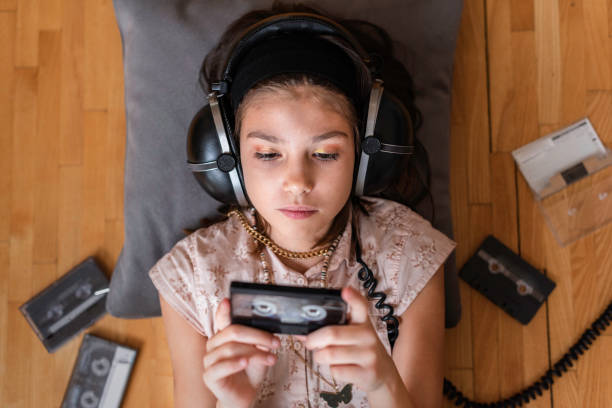
Music had a way of shaping the mood of an afternoon without needing much attention. You might turn on the radio or play a cassette, letting songs fill the room while you rested or thought about the day. It wasn’t always active listening, but it stayed with you all the same. There was a patience to it, waiting for a favorite song to come on, recognizing the first few notes and settling in. As one radio historian shared, “Listeners formed deeper connections with songs when they couldn’t skip ahead.” That waiting made each moment feel earned.
Sometimes you sang along quietly, sometimes you just listened. It created a pause in the day, a gentle shift from movement to stillness. And even after the music stopped, the feeling lingered, like a soft background to everything else.
14. Helping Out Without Making It a Big Deal
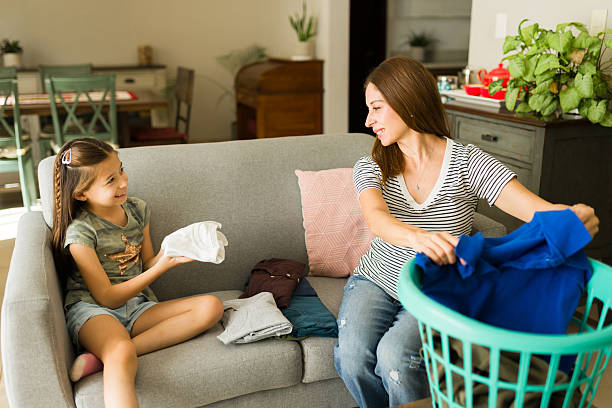
At some point, the rhythm of the house called you back in small ways. It might be setting the table, taking something out of the freezer, or helping with a quick chore. These tasks didn’t feel like major responsibilities, just part of being there. There was a natural expectation that you would pitch in when needed. A family life columnist once wrote, “Small daily chores quietly teach accountability without formal lessons.” That idea showed up in simple actions that became habits over time.
You didn’t always think about why you were doing it. You just did it, then moved on. It was a quiet part of the day, often unnoticed, but it helped shape a sense of routine and belonging that stayed with you long after.
15. Sitting Down for Dinner and Letting the Day Settle
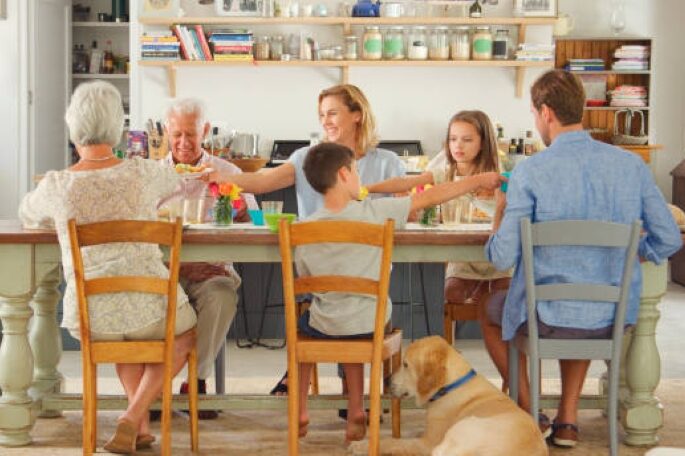
Eventually, everything led back to the table. Dinner brought everyone together in a way that felt steady and familiar. You sat down, shared a meal, and talked about pieces of the day, sometimes in detail, sometimes just enough to feel connected. There was something grounding about that moment. As one reflection puts it, “Family dinners acted as a daily reset, bringing structure to otherwise free flowing days.” It marked the shift from afternoon freedom to evening calm without needing to say it outright.
Looking back, it’s clear how those simple routines tied everything together. The running around, the small tasks, the quiet moments, they all found their place here. It didn’t feel significant at the time, but it was. And maybe that’s what made those days stick the way they did, not because they were perfect, but because they were complete.


