
1. One Phone In The House
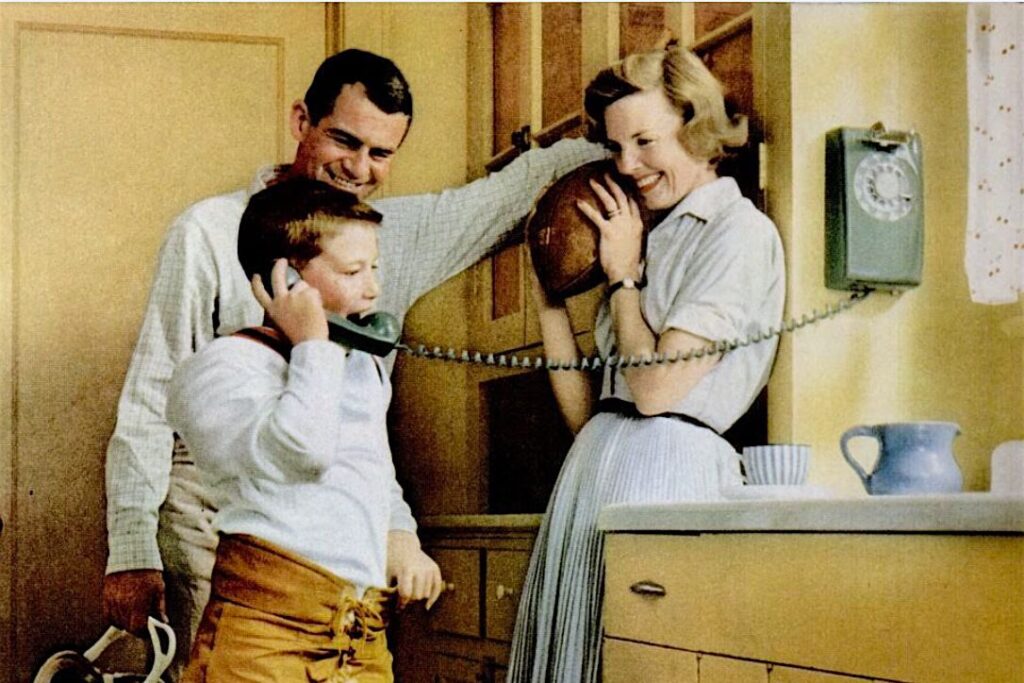
Sometimes life felt simpler in ways we barely noticed at the time. One shared phone in the house quietly shaped how everyone moved through the day. It sat in a familiar place, often the living room or hallway, and when it rang, someone answered. There were no endless notifications, no pressure to respond instantly, and no constant checking. Conversations happened when they happened, and when the call ended, the moment truly ended too. People memorized numbers, spoke longer, and listened more closely, which made communication feel calmer and more intentional overall. It felt normal to be unreachable sometimes, and that alone removed a quiet layer of stress from everyday life.
Having one phone also created natural boundaries that made daily life easier. If you stepped away, you were simply unavailable, and that was completely acceptable. There was no guilt, no missed alerts, and no feeling of being pulled in different directions. Families often gathered nearby while calls happened, sharing small updates afterward. It made communication feel shared rather than scattered. That single phone quietly slowed everything down, and in doing so, it made conversations more meaningful and daily life feel lighter without anyone realizing how much it helped.
2. Paper Maps Before Every Trip
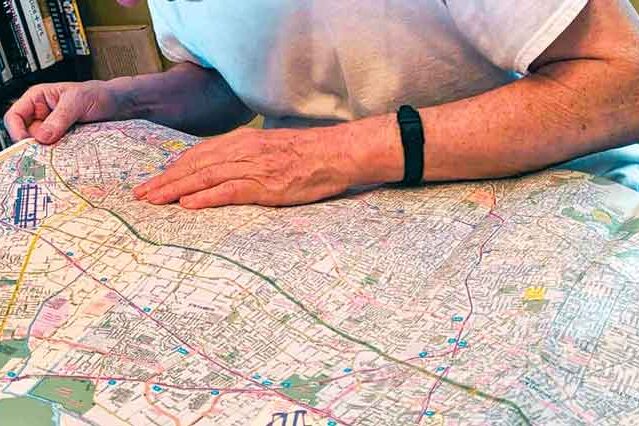
Before digital navigation, planning a trip meant unfolding a paper map and taking a few quiet minutes to look ahead. There was something grounding about tracing a route with your finger and noticing towns, rivers, and landmarks along the way. Once you started driving, you focused on the road instead of constantly checking directions. That calm sense of preparation made travel feel smoother and less rushed, even when mistakes happened along the way. Trips felt less mechanical and more thoughtful, with drivers paying attention to signs, scenery, and small details along the road.
Missing a turn did not create panic. You simply adjusted, asked someone nearby, or discovered something unexpected. Gas stations and small shops often became helpful stops, and those brief conversations added warmth to the journey. Without constant updates, the drive itself became part of the experience. You noticed scenery, enjoyed silence, and felt present instead of guided every second. Paper maps required a little patience, but they also removed the constant mental noise. That slower pace quietly made travel easier, turning ordinary trips into relaxed moments that felt less stressful and more memorable.
3. The Milkman At The Door

There was comfort in knowing certain things would arrive without effort. The milkman leaving bottles at the door was one of those small routines that made life easier. You woke up knowing breakfast was covered, and there was no need for last minute trips to the store. That quiet reliability reduced small daily decisions, and those saved moments added up in ways that made mornings feel calmer. It became part of the rhythm of daily life, something dependable that required no planning or reminder.
It was not just about milk either. Deliveries created a rhythm that people counted on. Sometimes there was a quick greeting or a friendly wave, and those small interactions built a sense of familiarity. Families simply replaced empty bottles and trusted the routine to continue. There was less planning and fewer interruptions. Knowing essentials would appear without effort gave people one less thing to worry about. It was a simple service, but it removed small stresses and made daily life flow more smoothly without demanding attention or extra time.
4. Writing Notes And Leaving Them On The Table
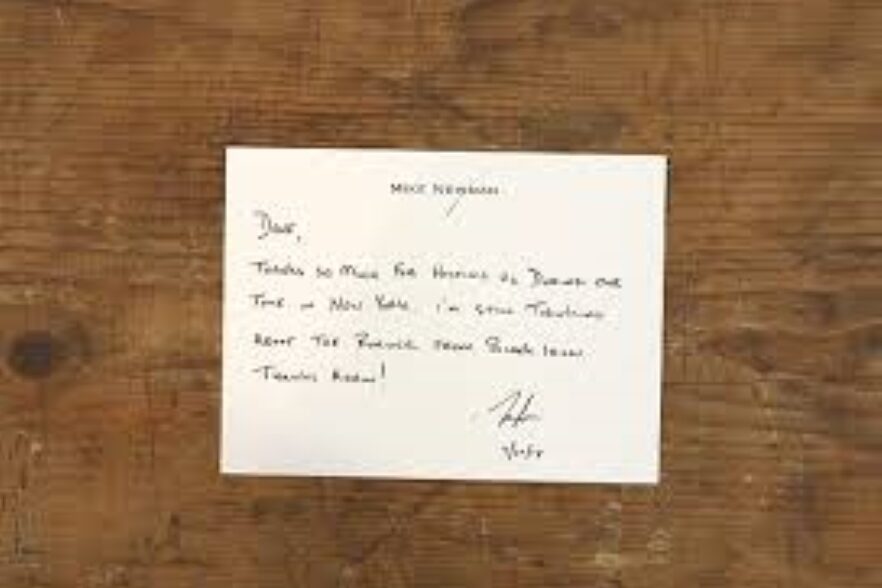
Before quick texts became the norm, handwritten notes quietly kept households running smoothly. A message on the kitchen table could say someone stepped out, remind others about dinner, or share a simple thought. These notes were short, but they carried intention and warmth. Seeing familiar handwriting made communication feel personal, even when the message was practical and brief. It was an easy way to stay connected without interrupting anyone’s day.
These small notes also slowed communication in a helpful way. People read them when they arrived and responded later, without urgency. It created a gentle rhythm instead of constant interruptions. Families relied on these messages to stay connected throughout busy days. Over time, notes sometimes gathered on refrigerators or tucked into books, becoming small memories. The simplicity of writing a quick message made communication easy without requiring immediate attention. It was a quiet system that worked smoothly, helping households stay organized while keeping interactions thoughtful and calm.
5. Playing Outside Until The Streetlights Came On
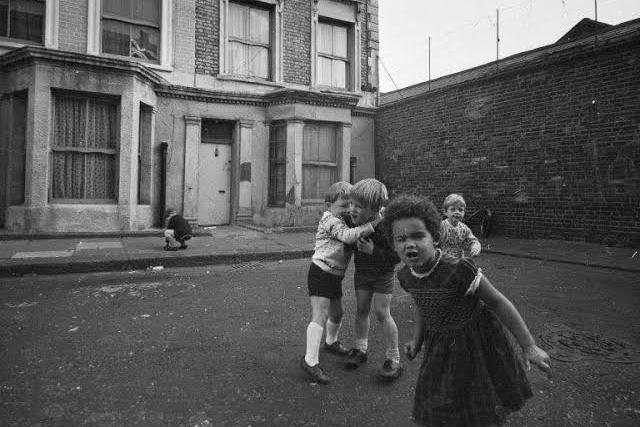
Evenings once followed a simple rhythm that made life feel lighter. After school or work, people stepped outside, and time unfolded naturally. Children played freely while adults chatted nearby, and there was no need for complicated planning. Everyone knew the day would wind down when the streetlights came on, and that predictable signal made routines feel effortless. The day felt complete without needing constant reminders or schedules.
Outdoor time also created natural breaks from indoor distractions. Conversations happened face to face, and laughter carried across streets. There was movement, fresh air, and simple games that required little preparation. These unstructured moments helped people relax without thinking about it. The routine repeated day after day, creating familiarity and comfort. Without constant scheduling, evenings felt open and calm. That simple habit of stepping outside quietly reduced stress and made communities feel connected, turning ordinary evenings into peaceful parts of the day.
6. Saturday Morning Cartoons Together
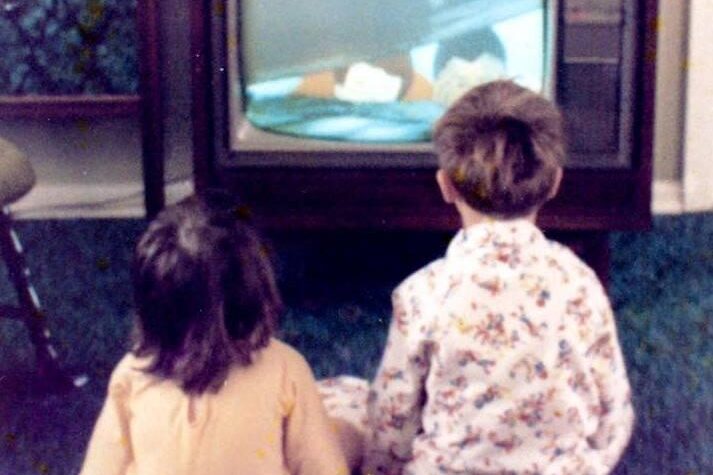
Saturday mornings once held a special quiet excitement that made weekends feel easier. Families woke slowly, poured cereal, and gathered around the television for cartoons. There was no streaming or endless choices, just a shared lineup everyone watched together. That limited window created anticipation and gave weekends a relaxed, predictable start. It was a small ritual that required no planning but created lasting memories.
Watching together also meant fewer decisions and more shared moments. Conversations happened during commercials, and laughter filled the room. After the shows ended, the day felt open and unplanned. That gentle start helped people ease into the weekend without rushing. The routine required little effort but created comfort and consistency. It was a small tradition that brought everyone together and set a calm tone for the rest of the day.
7. Photo Albums On The Living Room Shelf

There was something quietly comforting about knowing the family photo album sat on the living room shelf, always within reach. You did not need to search through thousands of images or scroll endlessly. Instead, you simply pulled the album down, sat beside someone, and turned the pages slowly. Each photo had a story, and those stories came back naturally. Birthdays, holidays, small gatherings, and everyday smiles all lived inside those pages. It made memories feel organized, tangible, and easy to revisit without distraction or effort.
Because film was limited, photos were taken thoughtfully, which made each one feel meaningful. There were no duplicates or rushed snapshots. Families gathered to look through albums during quiet evenings, sharing laughter and small recollections that might otherwise be forgotten. These moments often turned into conversations that lasted longer than expected. The simplicity of flipping pages made memories feel closer and more present. Without endless digital storage, people valued what they captured. That slower, more intentional way of keeping memories quietly made life easier and helped preserve moments in a calm, meaningful way.
8. Knocking On The Door Without Calling First

There was a time when visiting someone did not require planning or sending a message first. You simply walked over, knocked on the door, and hoped they were home. It felt natural and easy, and if they were available, you stepped inside for a quick chat. These spontaneous visits filled the day with simple interactions that did not feel forced or scheduled. Life moved at a slower pace, and people welcomed those unexpected moments.
Neighbors became familiar faces because of these casual visits. A quick conversation could turn into shared laughter, borrowed sugar, or a short break from the day. These small connections helped build stronger communities without requiring effort. There was comfort in knowing someone nearby might stop by just to say hello. The simplicity of showing up created warmth and reduced the need for constant planning. It made relationships feel relaxed and natural. These small, unplanned visits quietly made life easier by keeping connections strong without adding pressure or expectation.
9. TV Channels Signing Off At Night

There was a quiet rhythm to evenings when television channels eventually signed off for the night. Programming followed a schedule, and once it ended, the screen either went blank or played a simple closing message. It was a gentle signal that the day was winding down. Without endless options, families naturally adjusted their routines around what was available. You watched a favorite show, shared a few comments, and then accepted that the night had come to a close. That simple boundary made evenings feel structured without needing reminders or alarms.
When the television went quiet, people shifted into slower activities. Some prepared for bed, others read, and a few simply sat and talked for a while. The absence of constant entertainment created space for rest and reflection. It also helped children develop bedtime habits that felt natural instead of forced. Mornings felt easier because nights ended calmly. The limited programming made television feel like a shared event rather than background noise. That gentle pause at the end of the night quietly simplified daily life, encouraging better rest and creating a calm transition from busy days into peaceful evenings.
10. Writing Grocery Lists By Hand

Before digital notes and reminders, writing grocery lists by hand was a small habit that helped households stay organized. People checked cupboards, glanced at the refrigerator, and slowly wrote down what was needed. This simple process encouraged planning ahead and reduced last minute trips to the store. Walking into a grocery shop with a clear list made shopping faster and less stressful. You moved from one aisle to another with purpose, knowing exactly what to pick up and when to head home.
Crossing off items as you shopped added a quiet sense of progress. It also helped people stay within budget, since purchases were planned in advance. Families sometimes added notes to the list throughout the week, creating a shared system that kept things running smoothly. The list often stayed on the kitchen counter or refrigerator, ready to be updated at any time. This simple habit reduced mental clutter and made everyday errands easier. Writing things down helped people stay organized without relying on constant reminders, turning grocery shopping into a calm, efficient part of daily life.
11. Waiting For Film To Be Developed

Taking photos used to come with patience, and that patience made the experience feel calmer and more meaningful. After finishing a roll of film, you dropped it off at a local shop and waited days before seeing the results. That waiting created a quiet sense of anticipation. People wondered how pictures turned out, remembering the moments they captured and looking forward to reliving them. When the envelope finally arrived, it felt like opening a small collection of memories.
Families often gathered to flip through printed photos together. Some pictures came out perfectly, while others held unexpected surprises that sparked laughter. Because film was limited, people chose moments carefully, making each photo feel intentional. This slower process allowed people to enjoy events without constantly focusing on capturing everything. Photos became meaningful reminders rather than endless collections. The simple act of waiting and then sharing the results created calm, memorable moments. That slower rhythm made memories feel more valuable and quietly made life easier by reducing the pressure to document every detail.
12. Library Due Date Cards
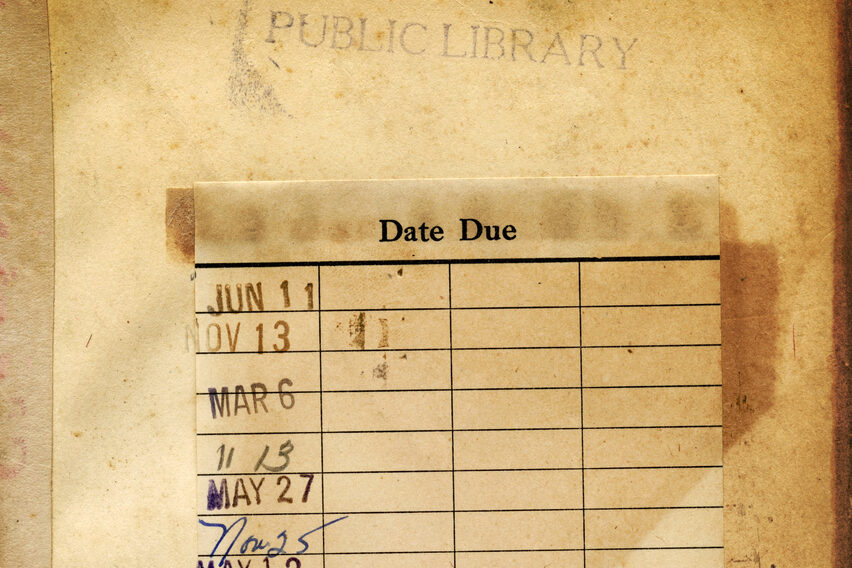
Borrowing books once came with a small due date card tucked inside the cover, and that simple system helped life move at a comfortable pace. The stamped date acted as a gentle reminder rather than an urgent alert. You read when you had time, knowing you would return the book during your next visit. This quiet approach made reading feel relaxed and enjoyable instead of rushed.
Returning books became part of a pleasant routine. Visiting the library meant walking through shelves, discovering new titles, and spending a few quiet minutes choosing what to read next. These visits created calm breaks during busy weeks. The process required little effort but offered a sense of order and consistency. Without digital notifications, reading felt less pressured and more personal. That simple due date card helped keep things organized while allowing reading to remain a peaceful activity. It was a small system that quietly made life easier and encouraged a slower, more thoughtful rhythm.
13. Door To Door Conversations

Stepping outside once meant you were likely to run into someone, and those small conversations quietly shaped everyday life. A quick greeting turned into a short chat, and sometimes that chat became a helpful exchange. These spontaneous moments required no planning and felt natural. People shared updates, asked simple questions, and continued with their day feeling more connected.
Because these interactions happened regularly, relationships developed easily. Neighbors became familiar faces rather than distant strangers. Borrowing something, sharing news, or offering help felt effortless. These small conversations created a sense of belonging that made communities feel warm and supportive. The simplicity of stepping outside and connecting with someone nearby reduced loneliness and added comfort. These casual interactions quietly made life easier by strengthening relationships without requiring extra effort or planning.
14. Shared Family Calendars On The Wall
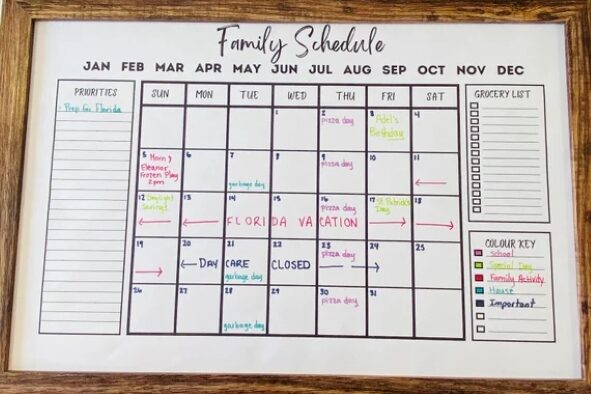
A calendar hanging in the kitchen quietly kept families organized. Appointments, birthdays, school events, and reminders were written clearly for everyone to see. This shared view reduced confusion and helped people plan ahead without needing multiple reminders. Each glance at the calendar offered a simple overview of the week.
Updating the calendar became part of daily routines. Someone added a note, crossed off a date, or wrote a reminder for the next day. This small habit kept everyone informed and reduced last minute surprises. The simplicity of writing things down made schedules easier to manage. Families felt more prepared and less rushed. The wall calendar quietly simplified daily planning, turning busy schedules into manageable routines that helped life flow smoothly.
15. Sitting On The Porch At The End Of The Day

Ending the day by sitting on the porch felt like a quiet habit that required nothing but time. As the evening settled, people stepped outside, watched the sky change, and let the day slow down naturally. Conversations flowed gently, and sometimes silence felt just as comforting. It was a simple pause that helped shift from busy hours into restful evenings.
Neighbors passed by, greetings were exchanged, and small conversations started without effort. These moments created connection and calm without planning. Sitting outside allowed people to reflect, relax, and prepare for the next day. The simplicity of this routine quietly reminded people that life did not always need to move quickly. Sometimes, slowing down made everything feel easier, and those quiet evenings on the porch gently carried that feeling into the next day.
Share this with someone who remembers these moments too, and keep the conversation going.


