
1. Groovy
There was a time when calling something groovy felt like the highest praise you could give. The word floated through conversations about music, clothes, and weekend plans with effortless ease. If a new song came on the radio and everyone loved it, someone would grin and say, “This is groovy.” It meant cool, exciting, and full of good energy all at once. The term carried warmth and optimism, reflecting a generation eager to embrace creativity, color, and connection in everyday life without hesitation or second guessing trends.
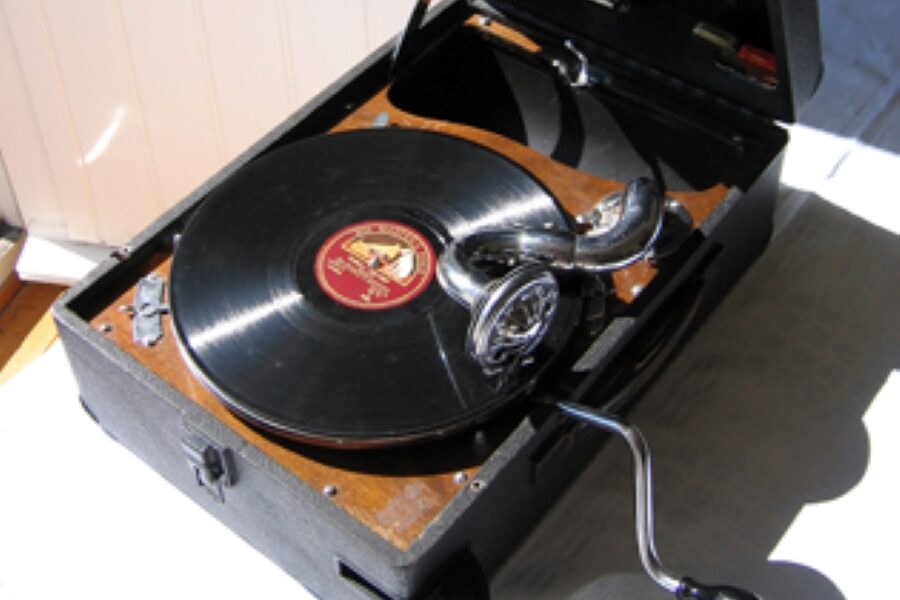
Today, groovy often sounds like something pulled from an old vinyl record sleeve. Younger people might use it jokingly, aware of its retro flavor. Still, the word holds a certain charm that is hard to dismiss. It reminds us of an era when enthusiasm was spoken plainly and without irony. Language evolves, but groovy captures a carefree spirit that once shaped conversations. Even if it now earns a smile or raised eyebrow, it stands as a small, bright symbol of cultural confidence and simple joy.
2. Far Out
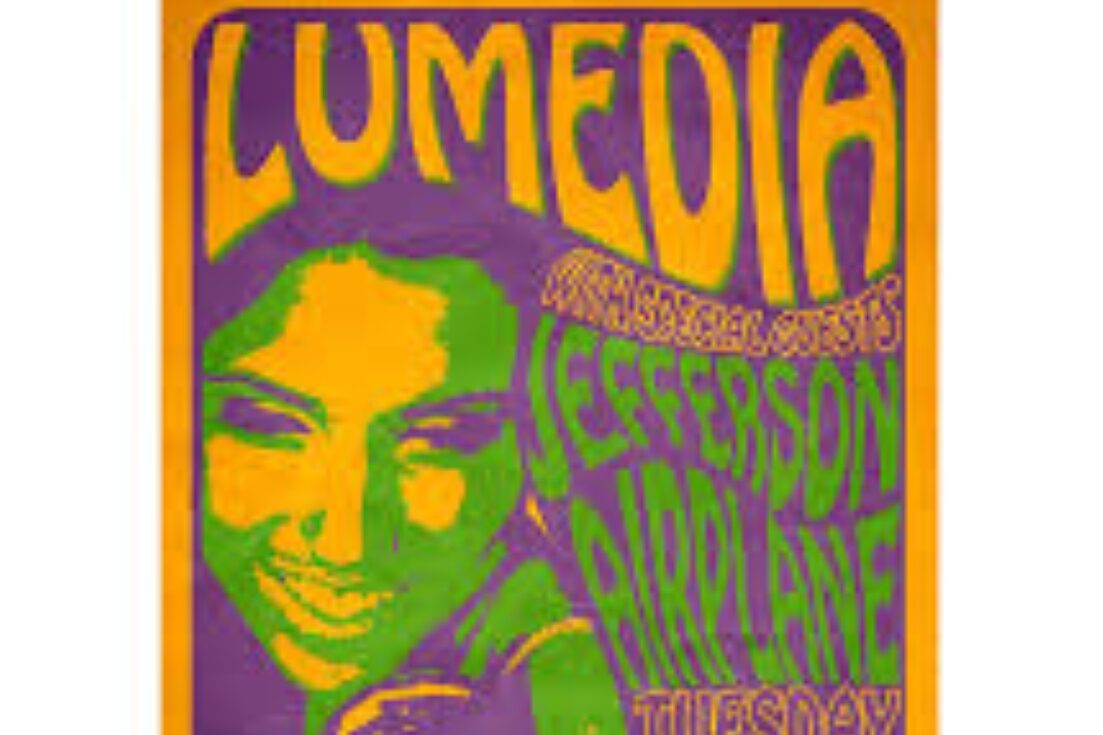
If something truly amazed you decades ago, far out was the phrase to reach for. It signaled surprise, admiration, and sometimes disbelief, all wrapped into two easy words. Imagine hearing about an incredible road trip or watching a bold new performance and responding with, “Far out.” The expression stretched the moment, letting excitement settle in before the conversation moved on. It was casual yet expressive, the kind of reaction that made enthusiasm feel shared rather than exaggerated or forced in everyday social settings.
To modern ears, far out may sound theatrical or even slightly overdone. Younger generations tend to favor shorter reactions or digital shorthand. Yet there is something refreshingly sincere about the phrase. It required no emojis or abbreviations to convey feeling. It simply spoke it aloud. Far out reflected a time when reactions were immediate and spoken face to face. Even if it feels outdated now, it offers a glimpse into how earlier generations expressed wonder without trimming it down to something smaller.
3. Pad

Calling your home a pad once felt natural and relaxed. Instead of saying house or apartment, boomers might casually invite friends over to their pad. The word suggested more than a physical space. It hinted at personality, music playing in the background, and friends gathered comfortably on the floor or couch. A pad was where stories were shared and weekends unfolded slowly. The term carried a sense of independence, especially for young adults living on their own for the first time in growing cities.
Today, pad sounds vintage, almost playful in a way that draws attention. Younger people might say place or apartment instead, keeping things straightforward. Yet pad once conveyed warmth and belonging in a single syllable. It reflected a time when personal space felt like a symbol of freedom and identity. Though language has shifted, the idea behind the word remains familiar. Everyone still wants a comfortable space to call their own, even if they no longer describe it with that easygoing term.
4. Hip
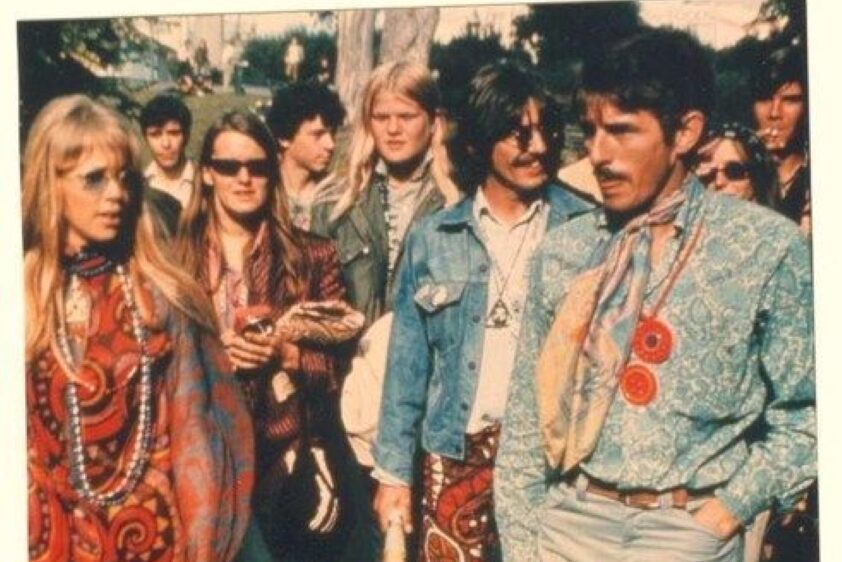
Being described as hip meant you were tuned in and aware. It suggested style, cultural awareness, and a quiet confidence that did not need explanation. If you knew about the latest band before everyone else or dressed with effortless flair, someone might nod and say you were hip. The word functioned as social currency, separating those who kept up with trends from those who lagged behind. It was light, approving, and often spoken with a knowing smile between friends.
These days, hip is rarely used without a hint of irony. Younger generations often prefer trendy or current to describe someone in touch with culture. Still, hip once captured an entire attitude in one neat word. It reflected the fast-moving cultural shifts of its time, especially in music and fashion. While it may now sound slightly dated, the desire to stay informed and expressive has not changed. The word reminds us that every generation creates its own shorthand for belonging and influence.
5. Bread

Money has always inspired creative language, and for boomers, bread was a common substitute. Someone might say they needed bread before heading out for the weekend or saving up for something special. The word made conversations about cash feel less formal and more approachable. It softened the seriousness of finances, turning a practical topic into something almost playful. Bread sounded ordinary and essential, much like the real thing, which made the slang feel grounded in everyday life and relatable to many.
Younger generations might use cash, bucks, or simply money, rarely reaching for bread anymore. Yet the term once carried personality and rhythm in casual speech. It reflected a time when slang flowed freely into even the most routine discussions. Bread showed how language can add flavor to otherwise straightforward topics. Though it may sound old fashioned today, it captures how people once blended humor and practicality into daily conversation without overthinking the words they chose to use.
6. Cat
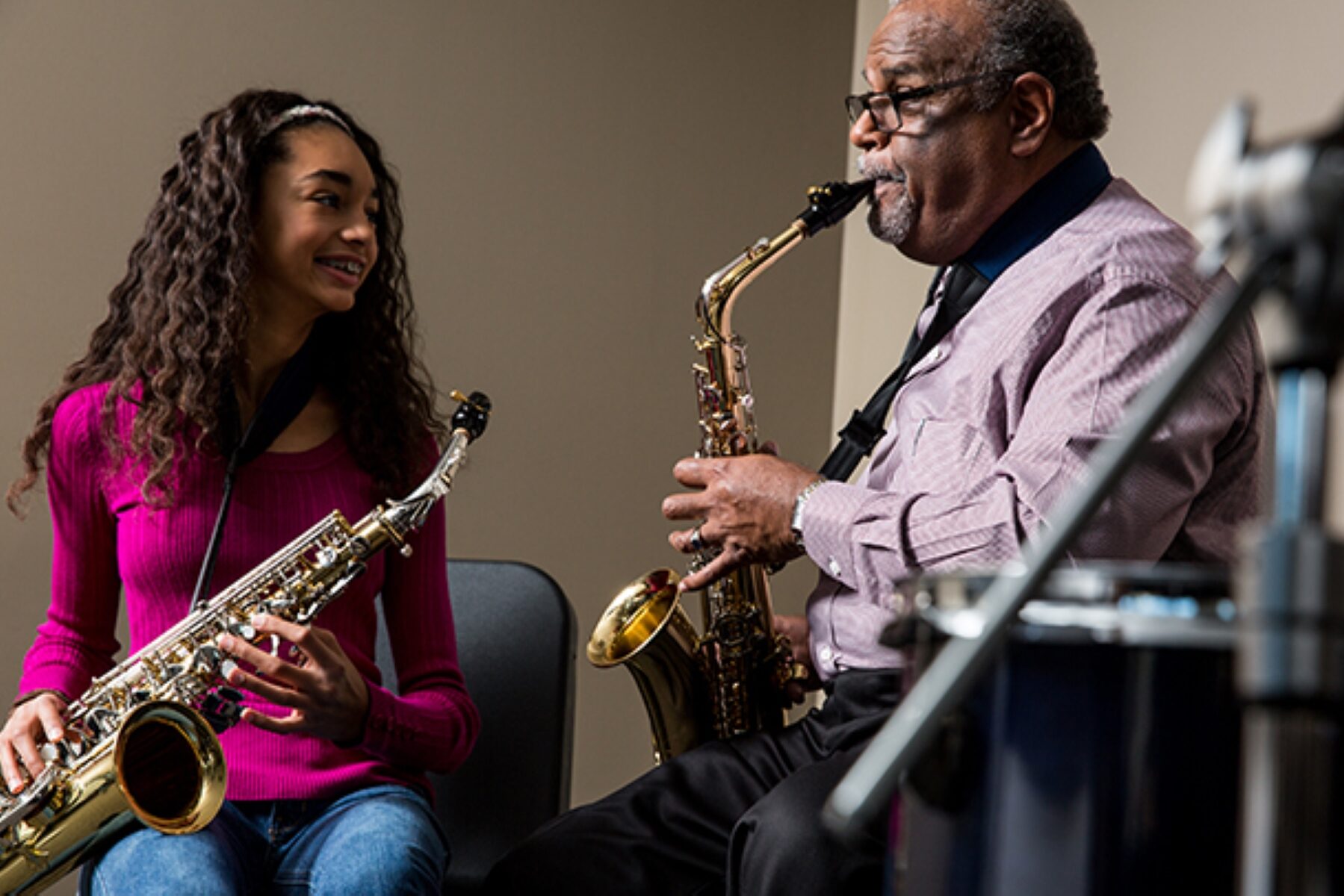
In earlier decades, calling someone a cat had nothing to do with pets. It referred to a person, often someone admired for talent, charm, or cool confidence. A skilled musician or stylish friend might be described as a cool cat. The term carried respect but kept things informal. It suggested individuality and presence without sounding overly serious. Conversations felt more colorful when people used playful labels like this, adding character to everyday interactions among peers.
Today, referring to someone as a cat might cause confusion or laughter. The phrase feels tied to another era of music clubs and smoky stages. Still, it once flowed naturally in social circles, especially around creative communities. Cat reflected admiration wrapped in relaxed language. While younger speakers have moved on to different expressions, the impulse to nickname and celebrate personality remains strong. The word stands as a reminder that slang often mirrors the culture that gives it life.
7. Sock Hop
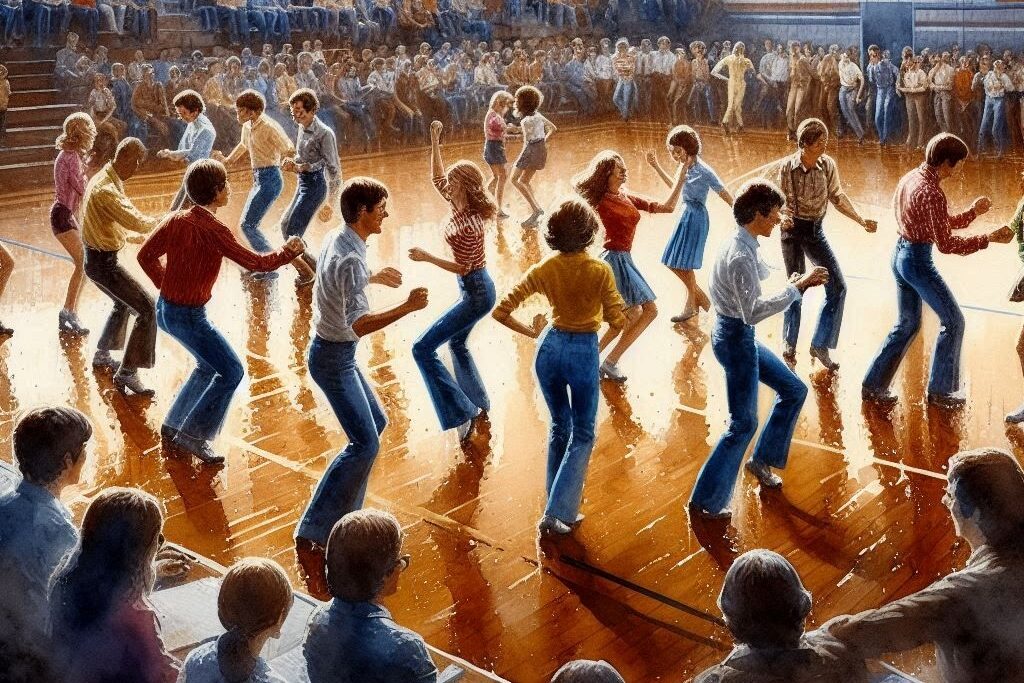
Before modern dance clubs and curated playlists, teenagers gathered at school gyms for events known as sock hops. The name came from removing shoes to protect polished floors, creating an atmosphere that was both lively and innocent. Saying you were heading to a sock hop meant music, laughter, and maybe a nervous slow dance. The phrase captured a specific social ritual that shaped friendships and first crushes. It was shorthand for youthful excitement and community in a simpler setting.
Today, the term sounds like something from a history lesson. Younger people rarely use it outside of themed events or nostalgic references. Yet sock hop once represented a central part of teenage life. It symbolized connection in an era before digital entertainment. Language preserved the memory of those evenings, frozen in a phrase that still paints a clear picture. Even if the name feels outdated, the desire to gather, dance, and belong remains unchanged across generations.
8. Dream On

When someone made an unrealistic claim, dream on was the quick response. It carried humor and mild skepticism without turning harsh. If a friend boasted about winning an impossible bet, another might laugh and reply, “Dream on.” The phrase signaled doubt but kept the tone light. It was playful rather than confrontational, adding rhythm to friendly disagreements. Boomers used it often, especially in competitive or teasing moments among friends and family members.
Today, dream on still appears occasionally, though less frequently in casual speech. Younger generations might rely on different expressions to show disbelief. Even so, the phrase remains understandable, proof that some slang lingers longer than expected. Dream on reflects a conversational style that balances honesty with humor. It allowed people to challenge one another without creating tension. Though language keeps evolving, the need for witty, gentle comebacks continues, even if the exact words have changed.
9. Chick

Back in the day, calling someone a chick was common, casual, and rarely overthought. It usually referred to a young woman, often in a friendly or admiring way. A guy might say, “She’s a cool chick,” meaning she was fun, stylish, or easy to talk to. The word floated easily through conversations at diners, concerts, and college campuses. It felt light, informal, and part of everyday speech. No one paused to analyze it too deeply because language moved differently then, shaped more by habit than by social commentary or careful reflection.
Today, the word lands differently. Younger generations tend to be more aware of how labels can feel limiting or dismissive. What once sounded playful can now seem outdated or uncomfortable. That shift says a lot about how culture evolves. Words that felt harmless decades ago carry new meaning in modern conversations. Still, understanding how chick was used offers a glimpse into the rhythm of another era. It reminds us that slang often reflects its time, shaped by attitudes, humor, and the social norms people rarely stopped to question.
10. Padiddle

Long before smartphones filled quiet car rides, people invented small games to pass the time. One of them was padiddle, shouted when someone spotted a car with one headlight out at night. The first person to call it claimed a small victory, sometimes earning bragging rights for the rest of the ride. It was spontaneous and a little silly, the kind of thing that made long drives feel shorter. Families, friends, and couples all joined in, eyes scanning the road, waiting for that quick, triumphant shout to break the silence.
What makes padiddle memorable is not the word itself but the feeling around it. It turned an ordinary moment into shared laughter. There were no apps keeping score and no cameras recording reactions, just quick reflexes and playful competition. Today, many younger drivers have never heard the term, and that small tradition has mostly faded. Still, it reflects a time when entertainment was homemade and connection happened in real time. Sometimes, the simplest games created the strongest memories, even if the word now sounds unfamiliar.
11. Split

If a boomer wanted to leave quickly, they would say, “Let’s split.” It was smooth, efficient, and carried just the right amount of urgency. Whether a party was winding down or plans were suddenly changing, split covered it all. It suggested motion without drama, like slipping out the door before the crowd noticed. The phrase felt casual but decisive, fitting neatly into conversations without explanation. It was the kind of slang that worked anywhere, from high school hangouts to late-night diners, always short and to the point.
Younger generations might say bounce or head out instead, but split still holds its own in older conversations. There’s something refreshingly clear about it. It does not overcomplicate the moment or soften the message. It simply signals that it is time to move. Language trends come and go, yet certain expressions remain quietly reliable. Split may not trend on social media, but it once carried a sense of independence and spontaneity that defined everyday life. Sometimes leaving was simple, and the words were simple too.
12. Square
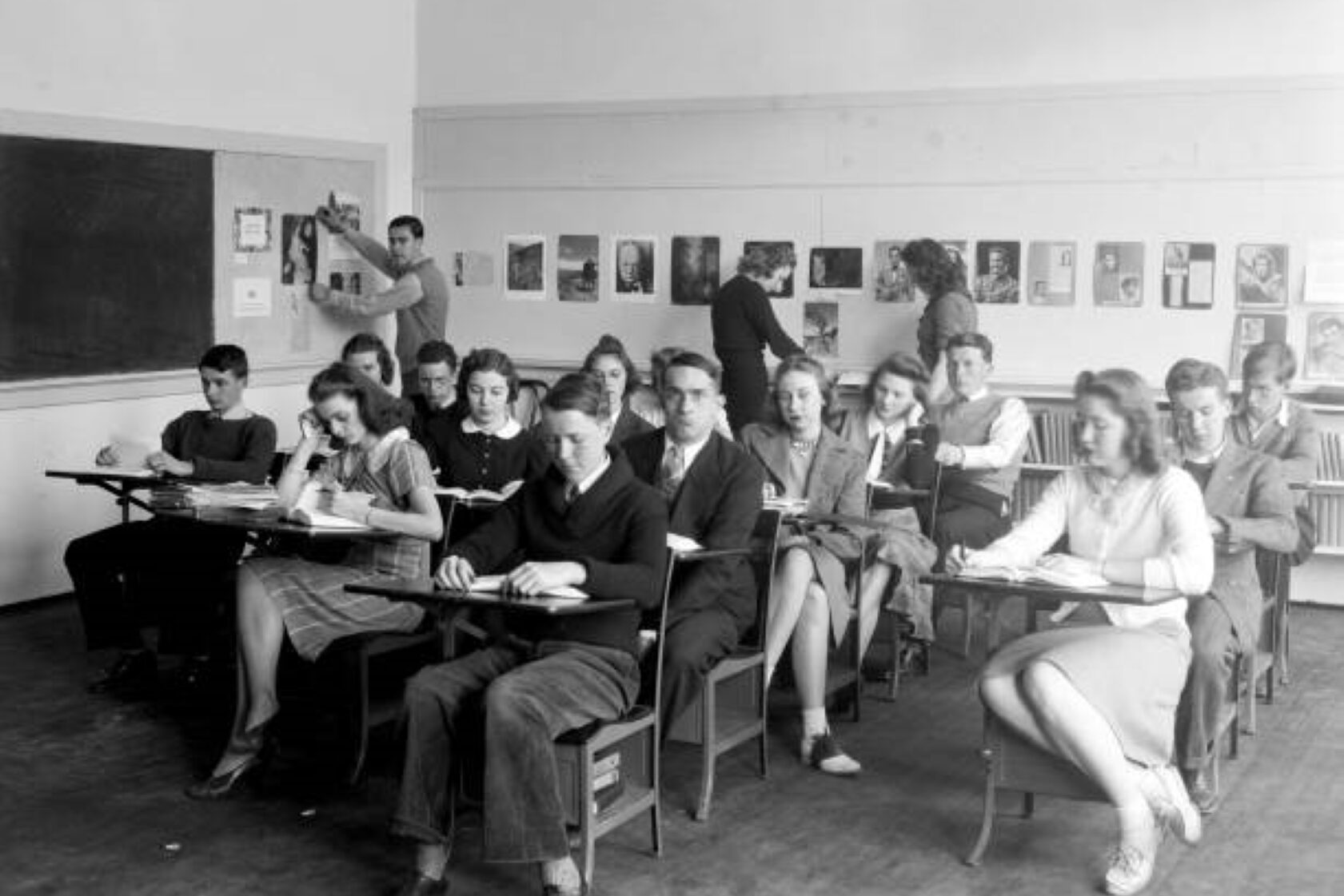
In boomer slang, being called a square was not exactly a compliment. It described someone seen as conventional, overly cautious, or out of touch with trends. If you refused to try something new or clung too tightly to rules, someone might tease, “Don’t be a square.” The word was playful but pointed, drawing a clear line between those who embraced change and those who resisted it. During times of rapid cultural shifts, especially in music and fashion, no one wanted that label attached to their name.
Today, the term sounds almost harmless, even quaint. Younger people are less likely to use square, partly because ideas about individuality have shifted. What once marked someone as uncool might now simply reflect personal preference. Still, the word captures the spirit of its era, when fitting in with evolving culture mattered deeply. Square reminds us that slang often polices social boundaries, even when delivered with a smile. It is a small window into how generations define coolness, rebellion, and belonging in their own time.
13. Far Out Man

Far out man was the kind of phrase that carried enthusiasm without restraint. It was often said with a nod, a grin, or a slow shake of the head in disbelief. If someone shared an unbelievable story or showed off a new record, the response might be, “Far out, man.” The words stretched the moment, giving it space to breathe. It was approval wrapped in personality, reflecting an era when expression felt loose and unfiltered. The rhythm mattered as much as the meaning behind it.
Hearing it today can feel theatrical, almost like a line from an old film. Yet that theatrical quality is part of its charm. The phrase belonged to a time when conversations were face to face and reactions were spoken out loud, not typed in quick abbreviations. Far out man captured excitement in full form, without trimming it down. Younger listeners might smile at its vintage tone, but it remains a reminder that language once leaned into emotion more openly. Sometimes enthusiasm was not subtle, and that was perfectly fine.
14. Heavy

When boomers described something as heavy, they rarely meant physical weight. They meant emotional impact, seriousness, or depth. A film that left you thinking for days, a conversation that shifted your perspective, or a song that touched something personal could all be labeled heavy. It was shorthand for intensity. Instead of long explanations, one word carried the meaning. Friends would nod in understanding because they knew exactly what was implied. The term allowed people to acknowledge complexity without spelling out every detail.
Today, heavy might sound vague to younger ears, replaced by words like intense or deep. Still, its simplicity was part of its strength. It invited curiosity. If someone said a topic was heavy, you leaned in, ready for something meaningful. The word signaled that the moment mattered. Language evolves, but certain expressions reveal how previous generations processed emotion and experience. Heavy shows that even casual slang can carry substance. Sometimes one word was enough to suggest that a conversation had moved beyond the surface.
15. Outta Sight

Outta sight was pure approval, bright and enthusiastic. If something impressed you beyond expectation, that was the phrase to reach for. A live performance, a stylish outfit, or even a well-told joke could earn an excited, “That’s outta sight.” It rolled off the tongue with energy, turning everyday praise into something memorable. The phrase captured joy without hesitation. It was not subtle, and it did not need to be. It simply celebrated the moment in full voice, inviting others to share in the excitement.
For many under 40, the phrase feels like a time capsule. Yet it carries a warmth that modern slang sometimes lacks. Outta sight reflected a generation comfortable showing enthusiasm openly. Looking back at expressions like this reveals how language mirrors attitude. Words shift, but the desire to celebrate what delights us never changes. In that way, outta sight quietly ties the whole story together. Slang may age, but the feelings behind it remain familiar, reminding us that every generation finds its own rhythm.


