
Banned By Modern Standards And Impossible To Enforce Today
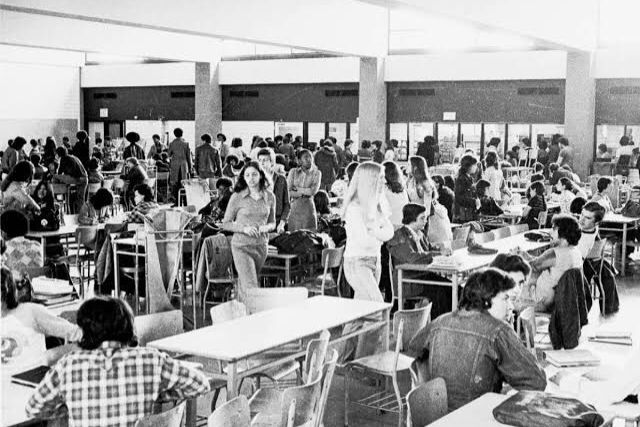
Banned by modern standards and nearly impossible to enforce today, many old school rules feel strange when we look back at them now. At the time, they were treated as normal, even necessary. Students followed them because there was little choice, and adults rarely questioned the system. These rules shaped daily routines, classroom behavior, and even how students saw themselves. Some were written clearly, others were simply understood. Together, they created school environments that prioritized control, silence, and uniformity. For many people, memories of school are tied to these expectations, whether through fear, discomfort, or quiet compliance that felt easier than resistance.
Today, schools operate in a very different world. Child development research, parental involvement, mental health awareness, and legal protections have reshaped what is acceptable. Rules that once passed without comment would now raise serious concerns. What changed was not just policy, but perspective. Students are seen less as problems to manage and more as individuals to support. Looking back at these rules is not about assigning blame. It is about understanding how education has evolved and why certain practices no longer belong in modern classrooms. These examples reveal how far schools have come, and why many of these rules could never return.
1. Public Corporal Punishment In Class
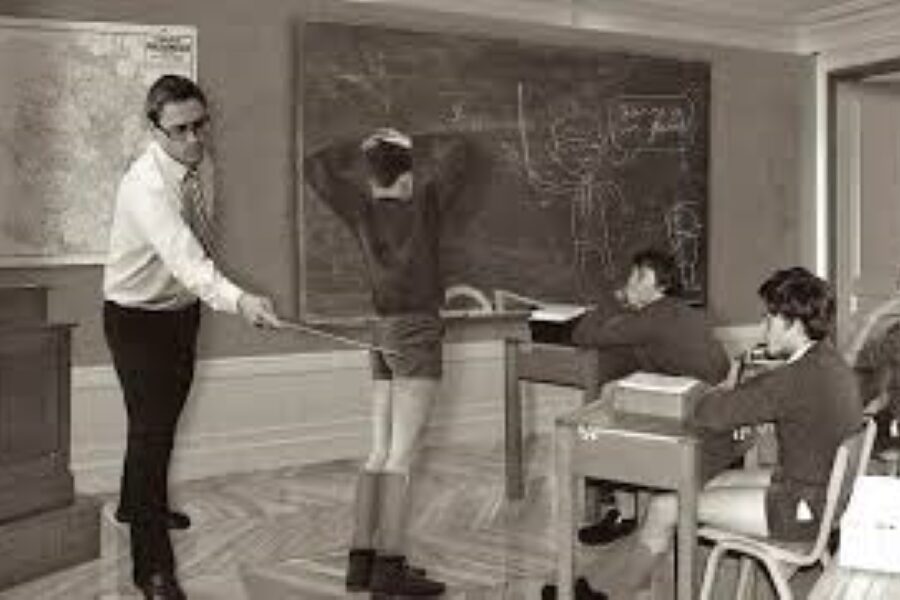
School rules once leaned heavily on physical fear. Many students remember classrooms where a wrong answer or a whispered joke could lead to a teacher using a wooden paddle in front of the entire class. Adults called it discipline, but for children, it was a moment of deep exposure and lingering embarrassment. While many assume this practice is a relic of the 1950s, it remained common well into the 1990s. Interestingly, the “never allowed today” label is technically incorrect; corporal punishment is still legal in nineteen U.S. states and many private institutions, though it has vanished from most modern public districts.
Today, the idea of hitting a child at school feels unthinkable to the majority of educators. Research and lived experience have shown that physical pain does not teach responsibility; it primarily fosters anxiety and resentment. Schools have shifted toward emotional safety, guidance, and restorative justice. Removing or limiting this rule marked a major turning point in how adults and children interact. Looking back helps us understand why older classrooms often felt tense and silent. This shift reminds us that learning improves when students feel physically safe and when schools protect their dignity as much as their academic progress.
2. Teachers Smoking In Classrooms
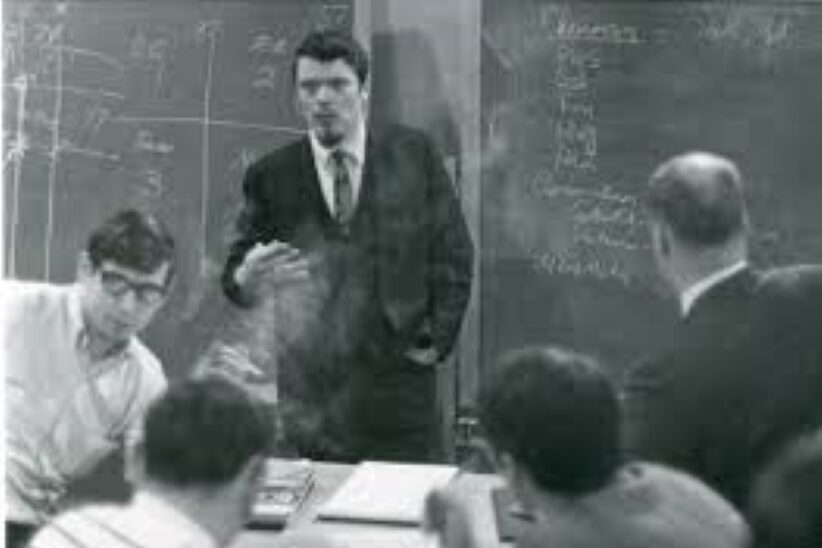
There was a time when classrooms smelled like a mix of chalk dust and cigarette smoke. Teachers would routinely light up at their desks while students copied notes, the haze drifting slowly across the room. Children learned to sit quietly and breathe it in because questioning an adult’s habit was simply not encouraged. It felt ordinary, almost invisible, even though the scent clung to hair and clothes long after the final bell. This environment persisted in many regions until the late twentieth century, when the health risks of secondhand smoke finally became a national priority.
Today, the idea of smoking around children is completely unacceptable and strictly prohibited. Awareness of health risks changed public expectations, and schools transformed into smoke-free zones to protect growing bodies. Banning indoor smoking reshaped classroom culture and prioritized student wellness over adult convenience. Remembering this rule shows how casually adult habits once overshadowed the well-being of the youth. It also highlights how progress starts when society decides children deserve a clean environment. Classrooms today are fresh and clear, reflecting a modern commitment to student health that was largely ignored by previous generations of school administrators.
3. Girls Required To Wear Dresses Only

For decades, school for girls meant wearing dresses or skirts every single day, regardless of the freezing weather or the desire to play. Pants were often strictly forbidden until the late 1970s or even later in some private circles. Running during recess or climbing stairs became daily challenges in modesty and coordination. Girls learned to move carefully, constantly aware of their appearance. No one explained the reasoning; it was simply a rule of “proper” decorum that shaped behavior and confidence. While some institutions keep these traditions, the strict gender-based mandates have mostly been dismantled.
Today, dress codes are becoming significantly more flexible and fair. Schools now recognize that physical comfort is a prerequisite for academic focus and personal confidence. Forcing gender-specific clothing feels like a relic of an outdated era to most modern educators. Allowing students to choose what works for them reflects a newfound respect for equality and individuality. Looking back shows how these small restrictions influenced self-image and why removing them helped schools become places where students feel more accepted. By moving away from policing hems, schools have allowed girls to participate fully in campus life without unnecessary physical barriers.
4. Zero Bathroom Access During Class
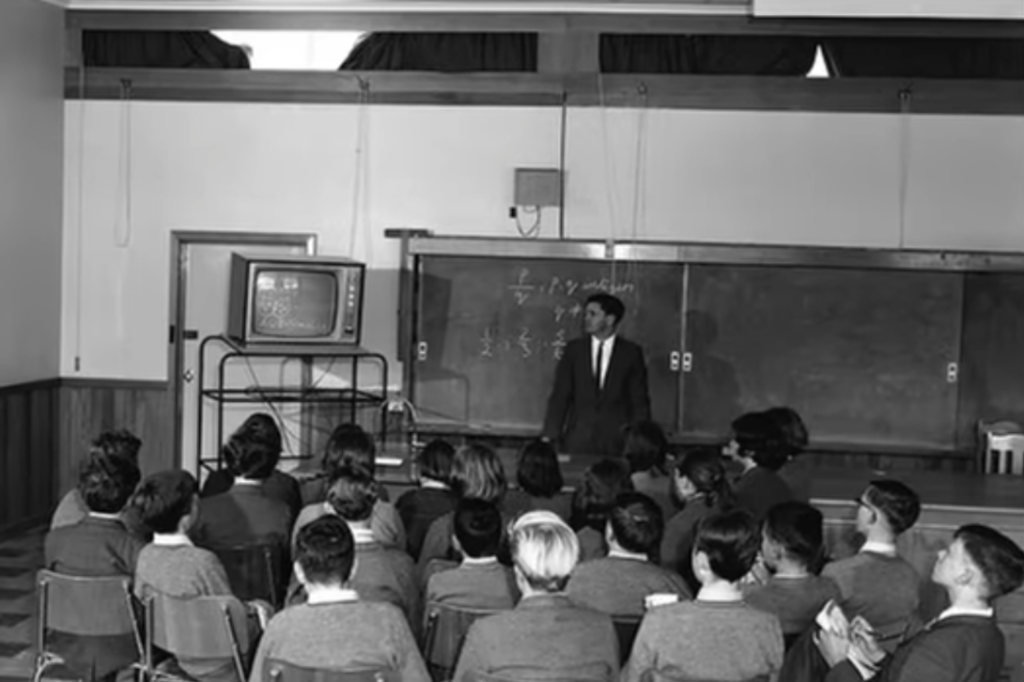
Bathroom rules were once incredibly rigid and rarely questioned by parents. Students were frequently denied permission to leave the room during lessons, even when the need was urgent. Teachers often assumed these requests were merely excuses for distraction or “wandering” in the halls. Many students sat through long lectures feeling uncomfortable and anxious, focusing on the clock rather than the teacher’s voice. Asking a second time could lead to a public scolding or embarrassment, so silence became the safer choice. Over time, students learned to ignore basic physical needs to avoid conflict with authority.
Today, denying a child access to the bathroom is widely seen as harmful and, in some cases, a legal liability. Schools now recognize that physical needs cannot always wait and that a student in physical distress cannot learn effectively. Allowing children to care for their basic needs builds a foundation of trust and reduces unnecessary stress. This change may seem minor, but it makes the school day feel much more humane and respectful. Looking back, it shows how control once outweighed simple compassion. Modern flexibility supports better learning and healthier environments where students are treated as humans with needs.
5. Mandatory Haircuts For Boys
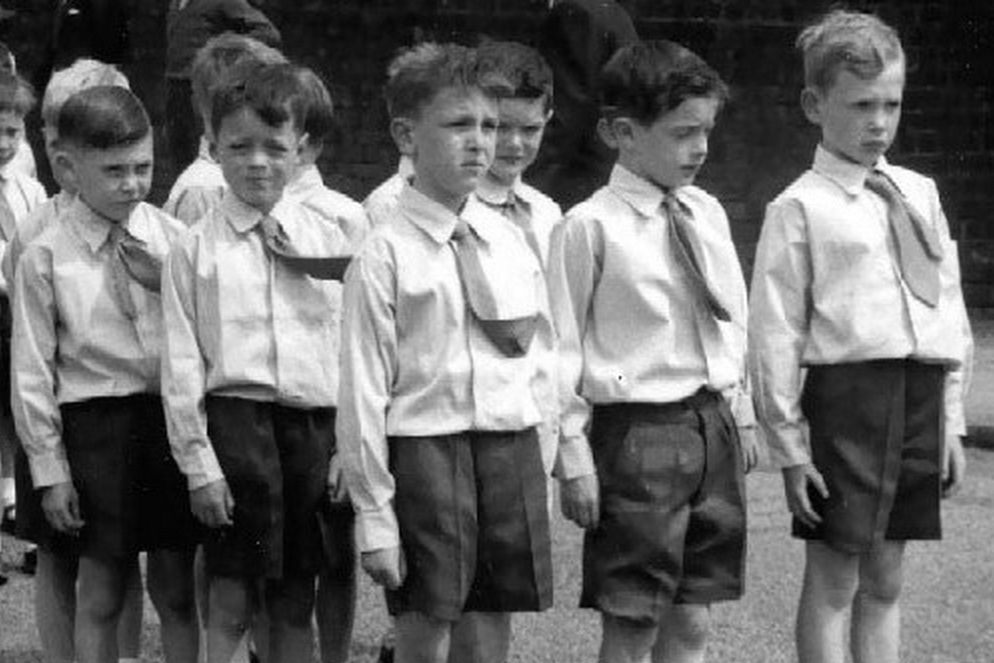
Hair rules for boys used to be enforced with surprising intensity. Schools demanded short, neat hair, often measured by vague standards that changed depending on who was checking. Anything considered too long could lead to punishment, embarrassment, or being sent home. For many boys, hair stopped being personal and became a problem to manage. Cultural expression, comfort, and identity were rarely considered. Students learned quickly that fitting in mattered more than feeling like themselves. Over time, this rule quietly shaped confidence, teaching boys that compliance was safer than standing out, even in small, personal ways they did not yet have the words to explain.
Today, mandatory haircuts feel outdated and unnecessary. Schools now better understand that hair has nothing to do with discipline, respect, or intelligence. Allowing students control over their appearance supports confidence and self expression. This change reflects a shift away from rigid conformity toward personal growth. When students feel accepted as they are, they engage more freely and learn with less fear. Looking back, this rule shows how much schools once focused on control, and why letting go helped create environments that feel fairer, more open, and more supportive for growing identities.
6. Writing Lines As Punishment

Writing lines was once a standard response to almost any misbehavior. Students were told to copy the same sentence dozens of times, usually something about obedience or respect. The goal was not reflection. It was exhaustion. Hands cramped, time dragged, and frustration built quietly. Many students focused more on finishing than understanding what they had supposedly done wrong. It felt like busy work designed to break resistance rather than teach accountability, and it often left students feeling resentful instead of corrected.
Today, writing lines feels ineffective and outdated. Schools now understand that punishment should help students think, not just comply. Repetition rarely changes behavior or builds understanding. More meaningful approaches focus on conversation, responsibility, and problem solving. Looking back, this rule shows how discipline once prioritized control over growth, and why letting go of it allowed classrooms to become spaces where mistakes are used as learning moments instead of silent endurance tests.
7. No Speaking Unless Called On
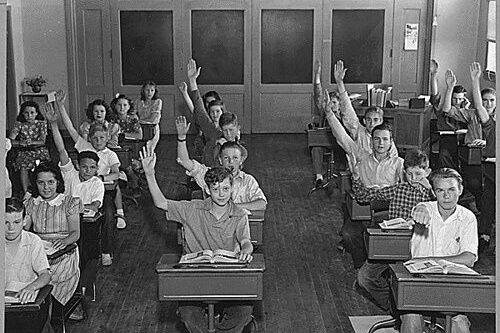
Classrooms were once ruled by silence. Students were expected to speak only when called on, even if they had questions or ideas. Raising a hand did not always guarantee permission to talk. Many learned quickly that staying quiet was safer than risking being wrong. Curiosity faded as students focused on memorizing rather than engaging. Participation felt like a performance instead of a conversation, and learning became something received rather than explored.
Today, classrooms encourage discussion and interaction. Students are invited to ask questions and share thoughts. This shift supports confidence and critical thinking. Allowing voices in the room helps students feel seen and valued. Looking back, this rule explains why older classrooms felt rigid and tense, and why removing it helped learning feel more alive, collaborative, and human.
8. Detention For Left Handed Writing

Left handed students were once treated as problems to fix. Writing with the left hand was discouraged or punished, and some students were forced to switch. Teachers believed it was improper or distracting. Students struggled quietly, feeling confused or ashamed. Writing became stressful instead of natural, and many internalized the idea that something about them was wrong.
Today, left handedness is understood as a normal variation. Schools support different learning styles and physical needs. Respecting natural abilities helps students thrive. Ending this rule reflects progress in education and psychology. Looking back, it shows how misunderstanding once shaped policy, and why embracing differences makes classrooms healthier and more inclusive for everyone.
9. Teachers Allowed To Humiliate Students
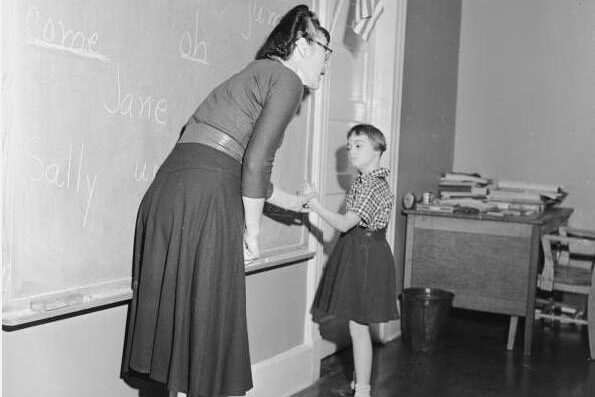
Public embarrassment was once treated as a teaching tool in many classrooms. Teachers corrected mistakes loudly, mocked wrong answers, or singled out students as examples. Laughter from classmates often followed, and the moment stuck longer than the lesson. Students learned to shrink themselves, speak less, and avoid attention. Fear quietly replaced curiosity. Even confident children hesitated before raising a hand. Over time, school became a place to endure rather than explore, where learning felt risky and mistakes felt personal, shaping how students saw themselves and their abilities long after the day ended for many students everywhere across different ages then.
Today, this approach feels deeply inappropriate. Education now emphasizes emotional safety, respect, and encouragement. Teachers are trained to correct behavior without shame and to treat mistakes as part of learning. Classrooms feel more collaborative, and students are allowed to grow out loud. Ending public humiliation did more than change discipline. It changed trust. Looking back helps explain why so many adults remember school with anxiety. Removing this rule opened space for confidence, empathy, and healthier learning environments that support students as whole people, not just quiet rule followers in modern classrooms everywhere today finally kinder and fairer for all involved.
10. Strict Silence During Lunch
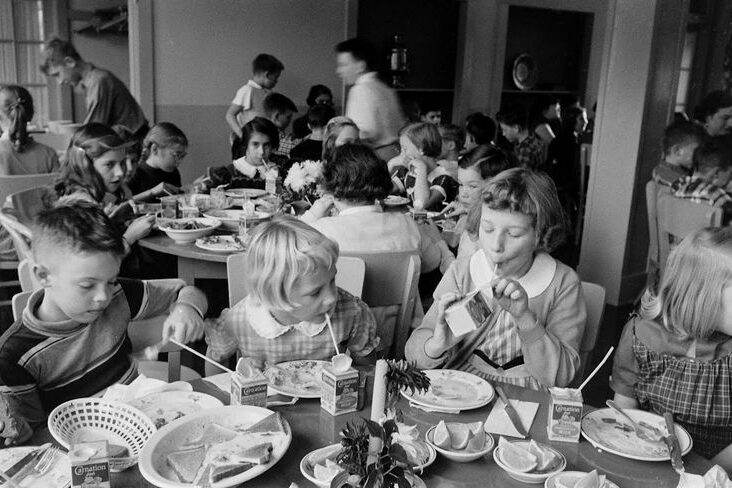
In many schools, lunch was treated as just another strict period where silence was mandatory. Students were often required to sit facing forward and eat quickly without speaking to their peers. Whispering could earn a student extra chores, a trip to the principal, or a “silent lunch” for the rest of the week. What should have been a much-needed break felt incredibly tense and controlled. Meals lost their comfort, and friendships were essentially paused at the cafeteria door. Children carried the heavy weight of rules even while eating, turning lunch into something to survive rather than enjoy.
Today, “silent lunch” is still occasionally used as a punishment, but it is increasingly criticized by child development experts. Most schools now recognize that lunch is essential social time for children to decompress. Conversation helps students unwind, connect with friends, and recharge their mental batteries for afternoon lessons. Schools understand that breaks support learning just as much as the lectures do. Allowing noise and laughter creates a healthy balance in the long school day. Looking back, this rule explains why school once felt so institutional. Letting it go made space for healthier social routines and connection.
11. Standing When Teachers Entered The Room
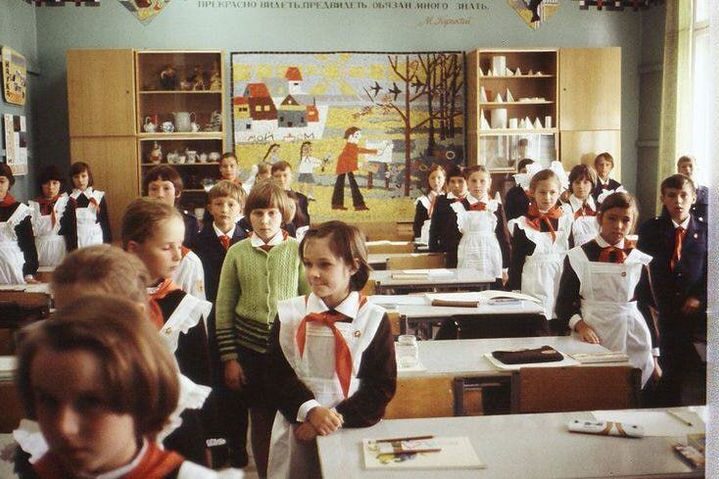
Many students were taught to stand up immediately when a teacher walked into the classroom. Chairs scraped loudly as everyone rose in unison, waiting to be told to sit. The act was meant to show respect, but it often felt more like obligation than appreciation. Students focused on timing rather than learning, anxious not to be the last one standing or sitting. The ritual reinforced hierarchy and reminded students who held power in the room before a single word of the lesson began.
Today, respect is shown in quieter, more mutual ways. Students greet teachers verbally or with attention rather than physical displays. Schools now emphasize respect as something earned and shared, not enforced through routine gestures. Looking back, this rule reflects how formality once outweighed connection. Removing it helped classrooms feel less rigid and more conversational, allowing respect to grow naturally through interaction rather than performance.
12. Girls Sent Home For Visible Knees

For years, girls learned that school rules extended beyond behavior and into their bodies. Skirts were measured, knees were policed, and a few inches of fabric could decide whether a student stayed in class or went home. Many girls remember the embarrassment of being stopped in hallways or pulled aside quietly, then told they were distracting others. The message was subtle but lasting. Their bodies were something to manage, something that needed monitoring. Instead of focusing on lessons, girls learned to tug at hems, sit carefully, and stay aware of how they looked at all times during the school day.
Today, many schools are rethinking dress codes and the harm they caused. Policing bodies is now widely seen as unfair and unnecessary. Comfort, confidence, and focus matter more than outdated standards. Allowing students to dress without shame supports learning and self respect. Looking back, this rule explains why so many girls felt anxious in classrooms that should have felt safe. Letting it go helped schools move closer to environments where students are judged by effort and curiosity, not by how much skin they show while simply existing and learning.
13. No Talking In Hallways
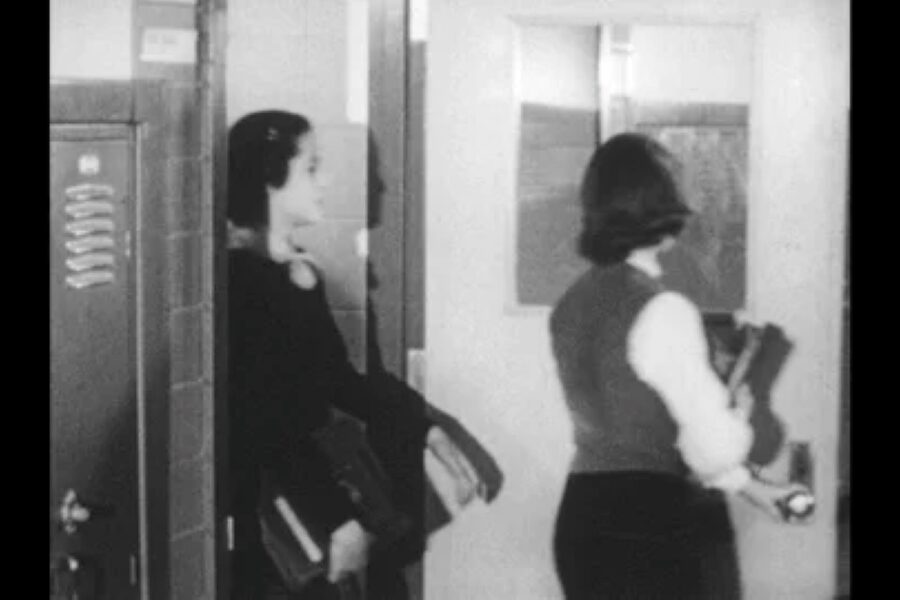
Hallways were once governed by silence. Students walked in straight lines, eyes forward, voices off. Even brief conversations between classes could lead to warnings or punishment. Movement felt controlled, and transitions carried tension. The space between lessons offered no relief. Students learned to carry classroom rules everywhere, even when they were not actively learning. Hallways became places to hurry through rather than spaces to breathe or connect, reinforcing the idea that order mattered more than comfort or expression.
Today, schools understand that hallways are shared spaces, not testing grounds. Light conversation is seen as healthy and normal. Allowing students to talk helps release energy and supports social development. Looking back, the silence rule shows how control once extended into every corner of school life. Letting it go helped schools feel more human, recognizing that students need moments of connection and ease between lessons to stay engaged and balanced throughout long school days.
14. Automatic Punishment For Being Late

Being late to class once came with automatic consequences. Detention, public scolding, or missed privileges followed, no matter the reason. Students rushed through hallways, anxious and out of breath. A late bus, bathroom line, or family issue rarely mattered. The rule taught fear of time instead of responsibility. Many students started lessons already stressed, carrying guilt before learning even began. Punctuality was enforced without room for understanding, turning simple delays into moments of shame.
Today, many schools approach lateness with more context and conversation. Teachers consider circumstances and focus on patterns rather than punishment. This change reflects an understanding that life is unpredictable. Looking back, strict lateness rules show how rigid systems once ignored student well being. Easing them helped classrooms become calmer and more supportive. It reminds us that learning works best when students arrive feeling understood, not already defeated by rules that leave no room for humanity.
15. Mandatory School Prayer
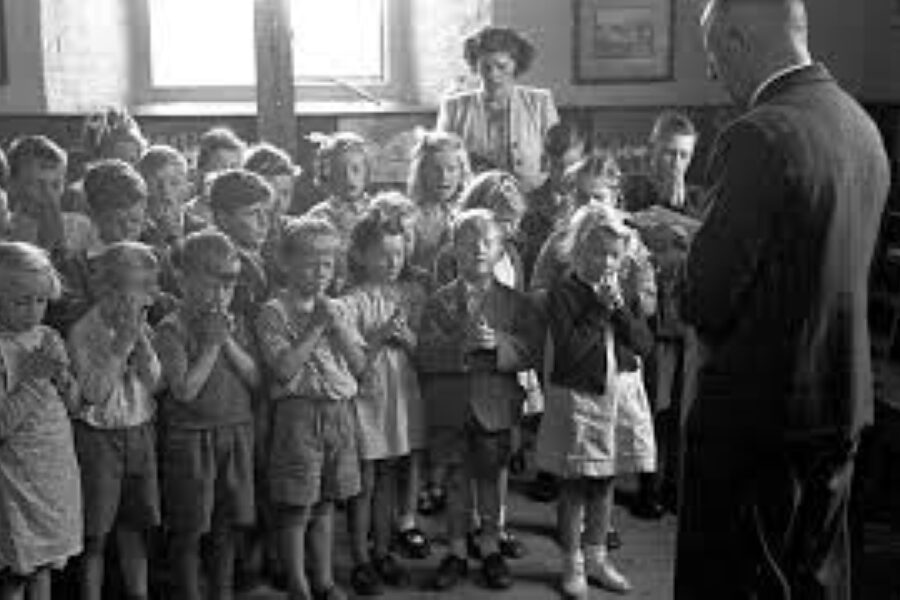
Many schools once required students to participate in daily prayers, often led over loudspeakers or recited together in class. It did not matter what students believed at home. Everyone was expected to stand, bow heads, and follow along. For some, it felt comforting. For others, it felt confusing or uncomfortable. Students who believed differently learned to stay quiet and blend in. Faith became something enforced rather than personal. School mornings started with routine rather than choice, and questioning it was rarely encouraged.
Today, mandatory prayer in public schools is widely challenged. Schools aim to respect diverse beliefs and backgrounds. Allowing students personal space around faith supports inclusion and freedom. Looking back, this rule shows how easily schools once assumed shared beliefs. Letting it go helped classrooms become more welcoming to students of different cultures, faiths, and experiences, reminding us that education works best when belief is not forced but respected quietly.
16. Mandatory Cursive and the Low Grade
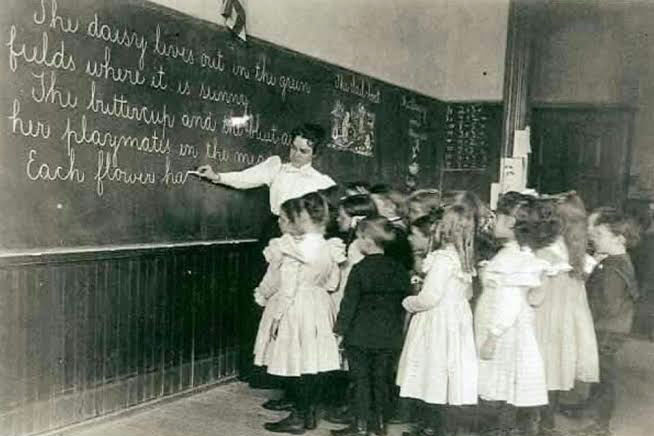
For generations, learning to write in flowing script was a fundamental requirement for every student. Teachers spent hours drilling loops and slants, and many children faced lower grades or redo assignments if their penmanship was messy. Cursive was seen as the mark of an educated person, a vital skill for signing documents. Those who struggled with fine motor skills were often punished with “penmanship detention,” forced to rewrite pages until they were perfect. As digital keyboards began to dominate, many schools phased out the requirement, leading many to believe the art form was lost forever.
Today, the approach to handwriting is much more practical. While some schools have reintroduced cursive to help with brain development, it is rarely the high-stakes barrier it once was. Educators now prioritize typing skills and general legibility over decorative flourishes. Looking back, the intense focus on “perfect” loops shows how much value was once placed on formal presentation. The modern shift acknowledges that while beautiful handwriting is a gift, the ability to communicate ideas clearly is what truly matters. We’ve moved from punishing messy hands to valuing the thoughts that the hand is trying to express.
17. Punishing “Pledge” Refusal
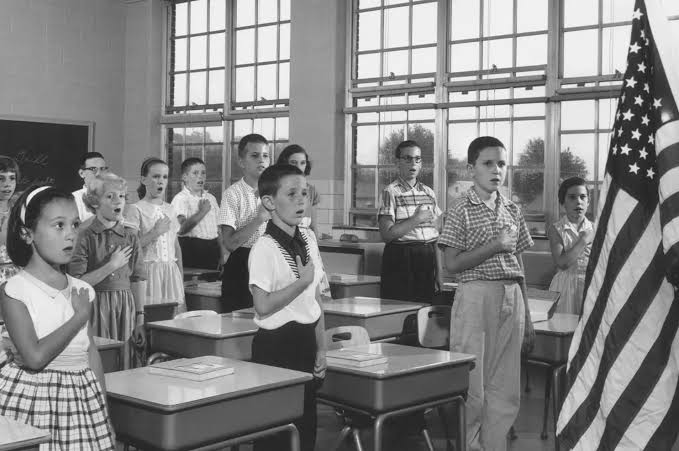
The morning routine in American schools once centered on a mandatory recitation of the Pledge of Allegiance. Students were expected to stand, place their hands over their hearts, and recite the words in perfect unison. For decades, refusing to participate was often met with suspension, Saturday school, or social isolation. It was viewed as an essential lesson in patriotism, a shared moment that defined the day. While the tradition continues, the legal landscape shifted after courts ruled that students cannot be forced to participate against their personal beliefs or conscience, ending the era of “pledge punishment.”
Today, schools balance the tradition of the Pledge with a deep respect for individual constitutional rights. Students are generally allowed to remain seated or stay silent without fear of disciplinary action. This evolution reflects a broader understanding of freedom and the idea that true loyalty cannot be coerced. Looking back, the mandatory nature of the ritual highlights an era when conformity was often equated with character. Modern classrooms now use these moments as opportunities to discuss civic duty and personal liberty, creating a space where patriotism is a choice rather than a requirement, allowing for more authentic expression.
18. The “No Calculator” Math Rule
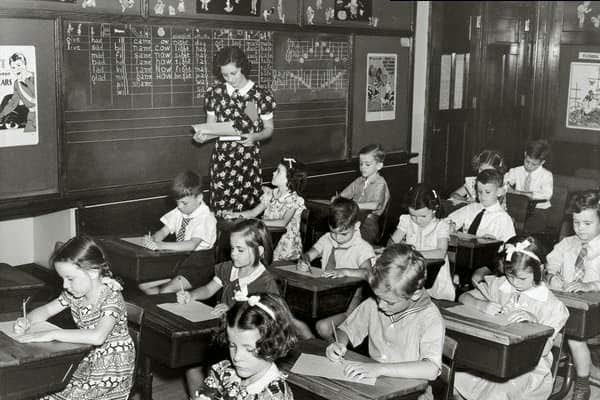
There was a time when walking into a math classroom with a calculator was considered a form of “cheating.” Teachers insisted that every long division problem and complex square root be solved by hand on scratch paper. If a student was caught with a device, it was confiscated, and they often received a zero for the day. The rule was rooted in the belief that students needed to master the rote mechanics before they could be trusted with technology. Many students spent hours in frustration, struggling with minor calculation errors that would derail an entire page of work.
Today, technology is viewed as an essential partner in the learning process rather than a threat to it. While basic facts are still taught, calculators are introduced much earlier to help students tackle complex problem-solving and data analysis. The focus has shifted from “doing the math” to “understanding the logic.” Looking back, the total ban on calculators reflects an era before the digital revolution, when human processing was the only option. Modern educators now teach students how to use these tools responsibly, ensuring they are prepared for a world where speed and accuracy are just as important.
19. Gender-Segregated Shop and Home Ec
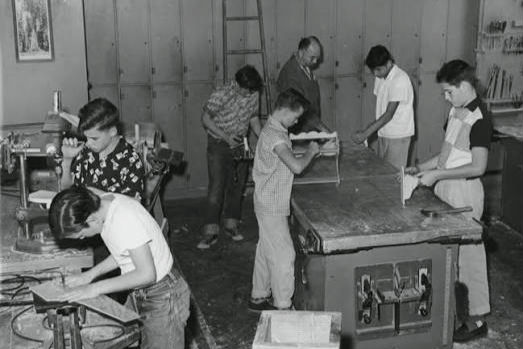
For decades, the elective hallway was strictly divided by gender. Boys were directed toward woodshop, where they learned to build and repair, while girls were funneled into Home Economics to master sewing and cooking. These rules were rarely questioned; they were seen as preparation for traditional adult roles. A girl wanting to learn how to change a tire or a boy wanting to learn how to bake often faced ridicule or was told “that class is full.” It was a system that reinforced rigid social expectations from a young age, limiting the practical skills students could acquire.
Today, these boundaries have largely vanished from the curriculum. Modern “Life Skills” or “Industrial Arts” classes are open to everyone, reflecting a society that values versatility over gendered stereotypes. Schools recognize that every young person needs to know how to manage a household and use basic tools. Looking back, the segregation of these classes shows how deeply schools played a role in social engineering. By opening these doors to all students, modern education fosters a sense of independence and equality. It ensures that a student’s interests, rather than their gender, dictate what skills they carry into their adult lives.
20. Alphabetical Seating and “Z” Isolation
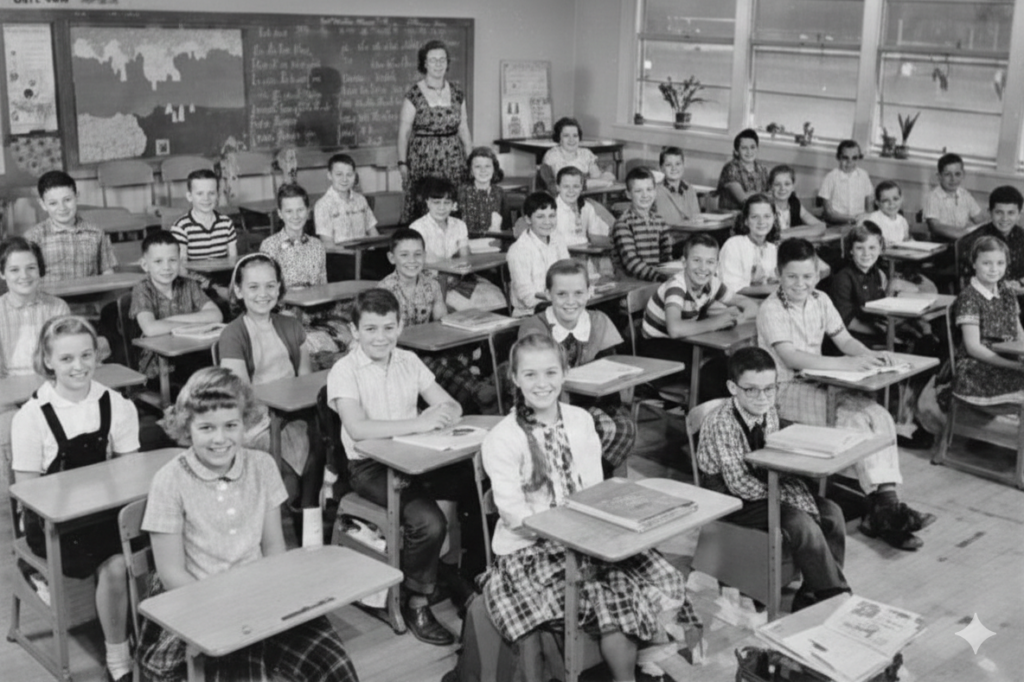
For many students, their social circle for the entire school year was determined by the first letter of their last name. Seating charts were almost always alphabetical to help teachers manage grading and attendance. If your name started with “A,” you lived in the front row; if it started with “Z,” you were destined for the back. This simple organizational rule dictated who you sat next to and who you partnered with for every project. It was an impersonal system that prioritized administrative ease over student dynamics or the specific learning needs of the children in the room.
Today, seating is a much more intentional part of classroom management. Teachers often arrange desks in clusters to encourage collaboration or place students based on who works best together. The rigid “alphabetical order” has been replaced by flexible seating arrangements that can change based on the lesson. Looking back, the old way feels like a symptom of the “factory model” of education, where students were treated more like files in a cabinet than individuals. Modern classrooms are designed to be dynamic, moving away from the predictable rows to create a more engaging and inclusive environment for everyone.
21. Confiscating “Non-Educational” Reading

It was once common for teachers to confiscate any book that wasn’t part of the approved curriculum. If a student was caught reading a comic book or a popular novel under their desk, it was taken away and often required a parent-teacher conference to get it back. The theory was that anything “fun” was a distraction from “real” learning. This rule often discouraged students who were avid readers but didn’t find the assigned textbooks engaging. It created a world where reading was seen as a chore to be completed rather than a lifelong hobby to be enjoyed.
Today, the perspective has flipped entirely in most schools. Educators now embrace “choice reading” and recognize that reading anything, from graphic novels to sports blogs, helps build literacy and vocabulary. Many modern classrooms have their own libraries filled with diverse genres to encourage a love of books. Looking back, the strict ban on non-approved texts shows how narrow the definition of “education” used to be. By celebrating all forms of reading, schools today help students find their own voices and interests. It turns the classroom into a place where curiosity is rewarded, ensuring children see books as a gateway.
22. The War on Baseball Caps
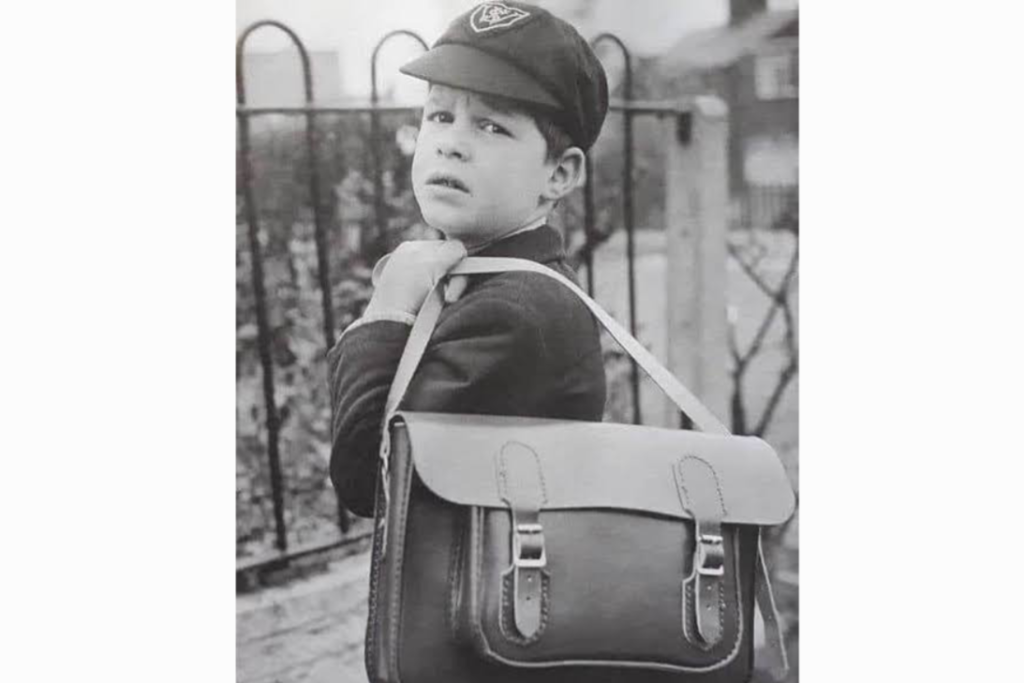
For a long time, wearing a hat inside a school building was considered the height of disrespect. Teachers and principals would snatch baseball caps right off students’ heads, often leading to immediate detention or a “hat fine.” The rule was based on an old-fashioned etiquette that dictated men must uncover their heads when entering a public building. For students, this meant there was no hiding a bad haircut or expressing personal style. It was a rule enforced with an intensity that often outweighed its impact on the learning environment, becoming a constant point of friction and conflict.
Today, while some schools still maintain dress code restrictions, many have loosened the “no hat” rule significantly. In a more casual world, headwear is often seen as a harmless form of self-expression or simply a matter of comfort. Schools that have moved away from this rule find that it removes an unnecessary layer of conflict, allowing teachers to focus on instruction rather than fashion. Looking back, the obsession with hats reflects a time when outward displays of “proper” behavior were prioritized over student comfort. Modern schools often find that a more relaxed atmosphere leads to better teacher-student relationships.
23. Mandatory Communal PE Showers

One of the most anxiety-inducing rules of the past was the requirement for students to take communal showers after physical education. In many middle and high schools, “showering out” was a graded part of the curriculum, and failure to do so could result in a failing grade for the day. Dozens of students were expected to wash up in a large, open room with no partitions. For young people navigating puberty, this rule felt like an extreme invasion of privacy. It led to many students skipping gym class or feeling deep, lasting embarrassment and shame.
Today, the “group shower” has almost entirely disappeared from the American school experience. New schools are built with private stalls, or the requirement has been dropped altogether in favor of letting students simply change. Modern educators and parents are much more sensitive to student privacy and body image concerns. Looking back, the mandatory communal shower feels like a relic of a more institutional, less empathetic era. Replacing it with private options shows a significant shift toward respecting the personal boundaries and dignity of every student. We now understand that hygiene shouldn’t come at the cost of mental health.
24. “Posture” Drills and the Ruler
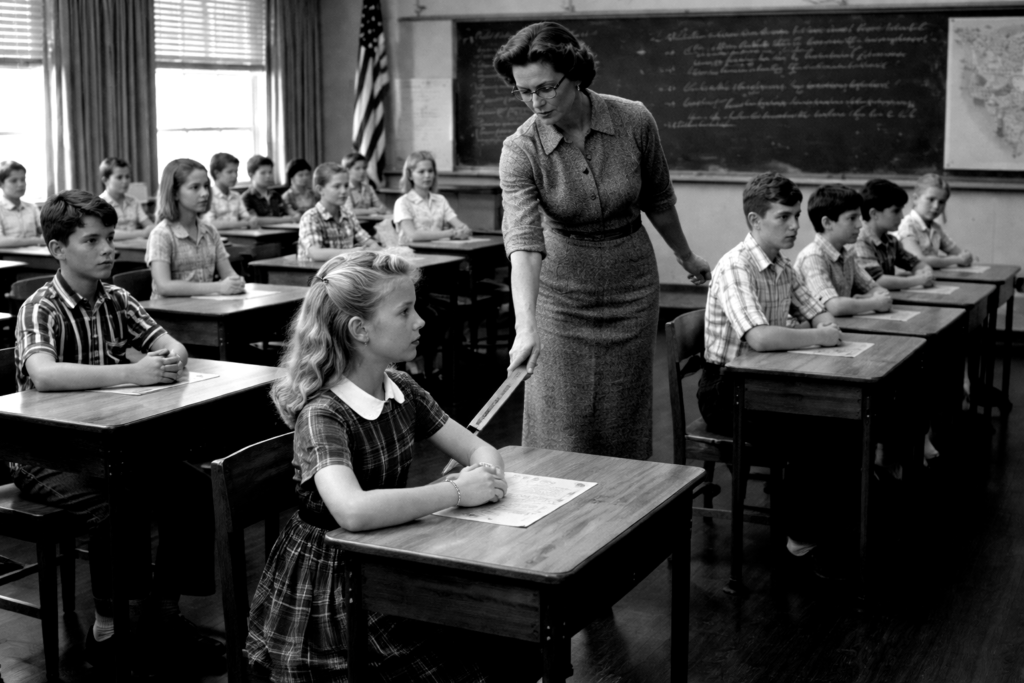
In many mid-century classrooms, how a student sat was just as important as how they studied. “Posture drills” were a real requirement, where students were forced to sit with backs straight, feet flat on the floor, and hands folded. Teachers would walk the aisles, sometimes using a wooden ruler to check the alignment of a student’s spine or to tap the desk of someone who was “slumping.” It was believed that rigid posture led to a disciplined mind. For many children, this meant hours of physical discomfort and a constant fear of being scolded for their body.
Today, schools have embraced the reality that children need to move to learn. Ergonomic chairs, standing desks, and “wobble stools” are common in modern classrooms. Educators now understand that physical movement can actually improve focus and that every body is built differently. Looking back, the rigid posture requirements show an era that valued a uniform, military-like appearance in the classroom. By allowing students to sit in ways that are comfortable, schools today create a much more inviting and productive atmosphere. It’s a move from forced “correctness” to genuine comfort, recognizing a relaxed body learns best.
25. The Threat of the “Permanent Record”
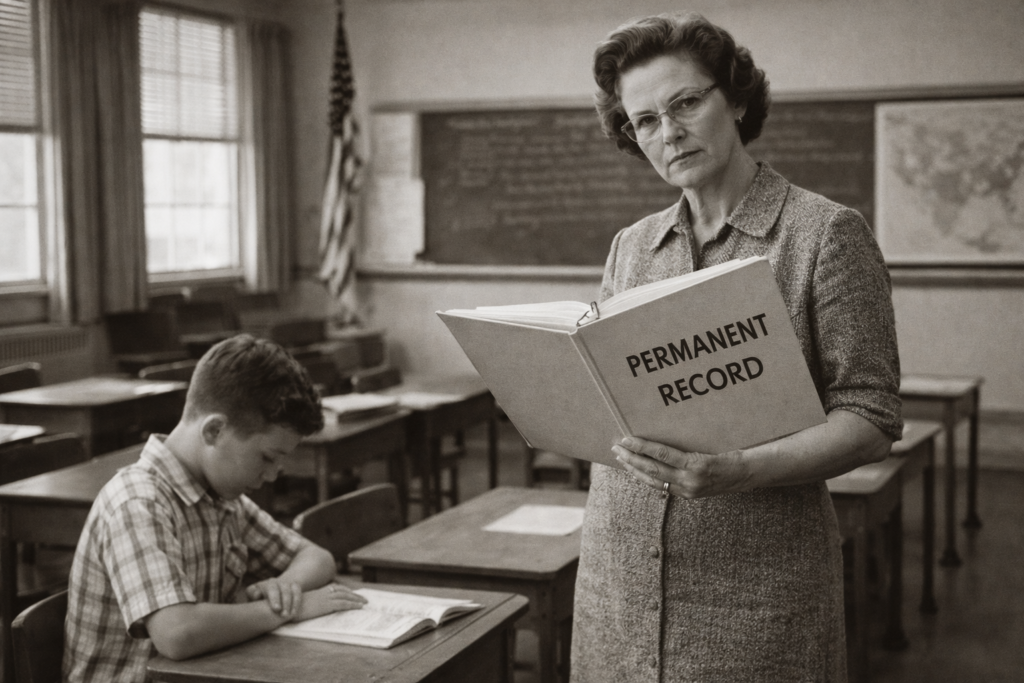
For decades, the “Permanent Record” was the ultimate boogeyman of the American education system. Teachers used it as a looming threat for even minor infractions: “This is going on your permanent record!” The implication was that a single mistake in third grade, a talking warning or a missed assignment, would follow a person forever, ruining their chances at college. Students lived with a vague sense of dread that their childhood past would always haunt their adult future. It was a powerful tool for maintaining order, but it created an environment where there was little room for growth.
Today, we know that the “Permanent Record” was largely a myth used for social control. While schools keep academic transcripts, they are protected by privacy laws and rarely impact a person’s life beyond their school years. Modern educators focus more on growth and the idea that a student’s past behavior doesn’t define their future potential. Looking back, the constant threat of a “permanent” mark shows how much the system relied on long-term fear to ensure short-term compliance. Today, the focus has shifted toward second chances and the understanding that children should be allowed to grow out of mistakes.


