
1. Rock Hudson’s Hollywood Marriage and Hidden Truth

For much of the 1950s and early 1960s, Rock Hudson looked like the perfect Hollywood leading man. Tall, charming, and almost impossibly handsome, he starred in popular films such as Pillow Talk alongside Doris Day. Fans saw him as the ideal romantic hero, and studios carefully protected that image. In 1955, Hudson married Phyllis Gates, a secretary working for his powerful agent. At the time, the marriage was widely publicized as a love match, and gossip columns covered it with enthusiasm. Looking back, however, many biographers say the marriage also helped quiet rumors circulating around Hollywood about Hudson’s private life.
The marriage lasted only three years, but Hudson continued to maintain a carefully managed public image throughout his career. It was not until 1985 that the world learned more about his personal life when he revealed he had AIDS. The announcement made international headlines and changed how the public understood both Hudson and the growing health crisis. Reflecting on the era years later, friends described him as someone who carried enormous pressure to protect his career. Hudson once said quietly in conversation with a journalist that he wished he could simply live like anyone else. Today his story is remembered not only for classic films, but also for how it revealed the complicated realities behind old Hollywood glamour.
2. Anthony Perkins and the Family Life Few Expected

When audiences think of Anthony Perkins, they usually picture the unsettling performance that made him famous in Psycho. The role turned him into one of the most recognizable faces in suspense cinema. Off screen, however, Perkins built a life that surprised many people who only knew him through his film characters. In 1973 he married photographer and actress Berry Berenson. Friends from the film world attended the ceremony, and the couple eventually had two sons together. Those close to them often described the relationship as warm and supportive, even as Perkins remained a private person in public interviews.
Over time, biographies and film histories revealed that Perkins had earlier relationships with men before his marriage. Like many actors of his generation, he came of age in a Hollywood environment where personal identity was rarely discussed openly. Perkins himself spoke only occasionally about those struggles, but people who worked with him said he was thoughtful about the expectations placed on actors. Later in life he once reflected that everyone spends time trying to understand who they are and where they belong. Perkins died in 1992 after complications from AIDS, but his life continues to be revisited by film historians who see his story as part of a broader conversation about privacy and identity in Hollywood.
3. Joel Grey’s Long Road to Speaking Openly

For decades, Joel Grey built a career that moved easily between Broadway, film, and television. Many movie fans remember him for his electric performance in Cabaret, a role that earned him an Academy Award and made him an unforgettable part of musical cinema. Earlier in life, Grey married actress Jo Wilder in 1958. The couple built a family together and had two children, including actress Jennifer Grey. Their marriage lasted more than two decades before ending in divorce in 1982, long before Grey publicly discussed his sexuality.
It was not until 2015 that Grey chose to speak openly about being gay. In an interview with People magazine, he explained that the decision felt natural after years of reflection. “I don’t like labels,” he said, “but if you have to put a label on it, I’m a gay man.” The statement was delivered without drama, almost as if he were simply sharing another chapter of his life story. Fans and fellow performers responded warmly, seeing it as a reminder of how different the cultural landscape once was. By the time Grey shared his truth, he had already spent decades building a respected career, and the moment felt less like a revelation and more like a quiet acknowledgment.
4. Alan Cumming and a Life Lived Honestly

Scottish born actor Alan Cumming has always approached fame with a mix of humor and candor. Long before he became widely known in American television through shows like The Good Wife, he had already built a strong reputation in theater and film. Early in his life, Cumming married actress Hilary Lyon in 1985. The marriage lasted several years before the couple divorced in 1993. Looking back, Cumming has spoken openly about that time as part of a broader journey toward understanding himself.
Years later, Cumming explained in interviews that he identifies as bisexual and that the path to self awareness is rarely straightforward. Speaking with The Guardian, he once said that sexuality is often more fluid than people assume. “Life is messy and complicated,” he noted, adding that labels sometimes fail to capture the full picture of a person’s experiences. In 2007 he married illustrator Grant Shaffer, and the couple has remained together ever since. Cumming continues to work across television, film, and theater, bringing the same openness to interviews that he brings to his performances. His story reflects how the conversation around identity has gradually expanded, allowing actors to speak more comfortably about their lives.
5. Wayne Brady’s Journey of Self Discovery
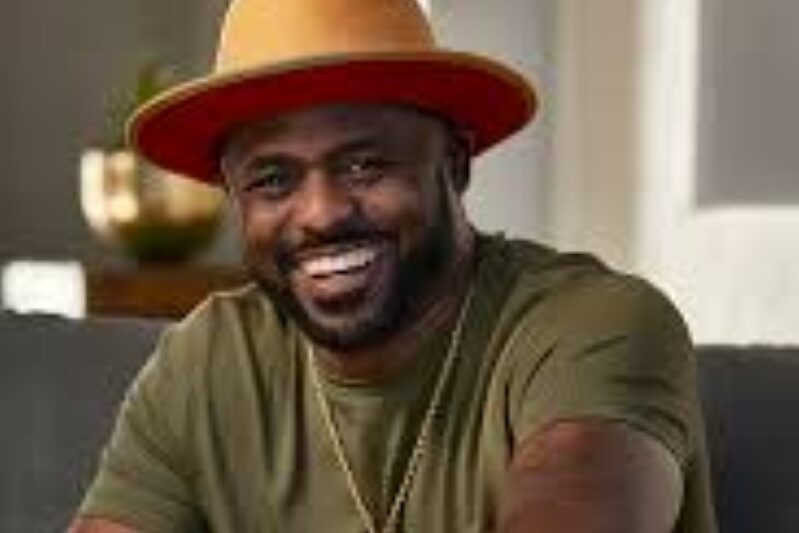
For many viewers, Wayne Brady first became a household name through the quick thinking improv comedy of Whose Line Is It Anyway?. His sharp humor and musical talent made him a favorite with audiences, and over time he expanded into hosting, acting, and Broadway performances. Earlier in life Brady was married twice to women, including dancer Mandie Taketa. The two share a daughter and have often spoken about maintaining a strong friendship even after their divorce.
In 2023 Brady shared something personal with the public during an interview with People magazine. He explained that he identifies as pansexual, describing it as part of an ongoing process of understanding himself. Brady spoke warmly about the support he received from family and friends while reflecting on the moment. “I’m attracted to people,” he said simply, emphasizing connection over labels. Fans responded with encouragement, many appreciating the thoughtful and relaxed way he described his journey. Brady continues to perform, host shows, and appear on television, bringing the same openness to conversations about life as he does to his comedy. His story shows how personal understanding can grow gradually over time.
6. Peter Marc Jacobson and the Marriage That Turned Into a Lasting Friendship

Before becoming known behind the scenes as a writer and producer, Peter Marc Jacobson spent years working as a performer in television and theater. In 1978, he married actress and comedian Fran Drescher, long before she rose to national fame as the star of The Nanny. The couple met when they were both teenagers in New York, and their early years together were shaped by shared ambitions in the entertainment industry. For more than two decades they built a life that looked, from the outside, like a classic Hollywood partnership.
Their marriage ended in 1999, and sometime after the divorce Jacobson came out as gay. What made their story stand out was the way the two remained deeply connected as friends and creative partners. Drescher once reflected in an interview with People magazine that their bond had simply changed shape rather than disappeared. Together they later created the sitcom Happily Divorced, loosely inspired by their real life experience. The show approached the situation with humor and warmth, showing how relationships can evolve rather than simply end. Today, Jacobson’s story is often shared as an example of how honesty, even when it arrives later in life, can lead to unexpected understanding and lasting friendship.
7. Stanley Baxter’s Quiet Life Behind the Spotlight

Scottish performer Stanley Baxter spent decades entertaining audiences with sharp wit and memorable stage performances. In 1958 he married actress Moira Robertson, and the couple remained together for many years while Baxter built his reputation in television comedy and theater. For much of that time, his personal life remained largely out of public discussion, something that was common for performers working in earlier generations of the entertainment industry.
Later in life, Baxter spoke more openly about his sexuality, confirming publicly that he was gay. The revelation did not arrive with fanfare but rather as a calm acknowledgment of something he had understood privately for years. In conversations with journalists, Baxter explained that times were very different when he was younger and that public discussion of sexuality was far less common. His long marriage to Robertson eventually ended in divorce, but both were remembered by friends as maintaining respect for each other. Looking back today, Baxter’s story reflects the quieter experiences of many performers who built successful careers during decades when personal identity was rarely discussed openly in public life.
8. Barry Diller and a Relationship That Defied Expectations

Media executive and occasional actor Barry Diller has spent much of his career shaping the entertainment industry from behind the scenes. In 2001 he married fashion designer Diane von Fürstenberg, one of the most recognizable figures in the fashion world. Their relationship had a long history that stretched back decades before their marriage, and the pair were often described as deeply supportive of one another’s careers and creative lives.
Over the years, discussions about Diller’s sexuality surfaced in interviews and biographies, often highlighting the complexity of long-term relationships that do not fit simple categories. Diller himself once addressed the topic in reflective terms, explaining that life does not always follow neat definitions. In a later essay, he wrote that his bond with von Fürstenberg had always been built on genuine affection and mutual respect. Their partnership has continued to be viewed as an example of how relationships can grow beyond conventional expectations. While Diller’s career is mostly tied to leadership roles at major media companies, his personal story is often mentioned when people talk about the evolving understanding of identity and relationships in public life.
9. Robert Reed – The Brady Bunch Patriarch
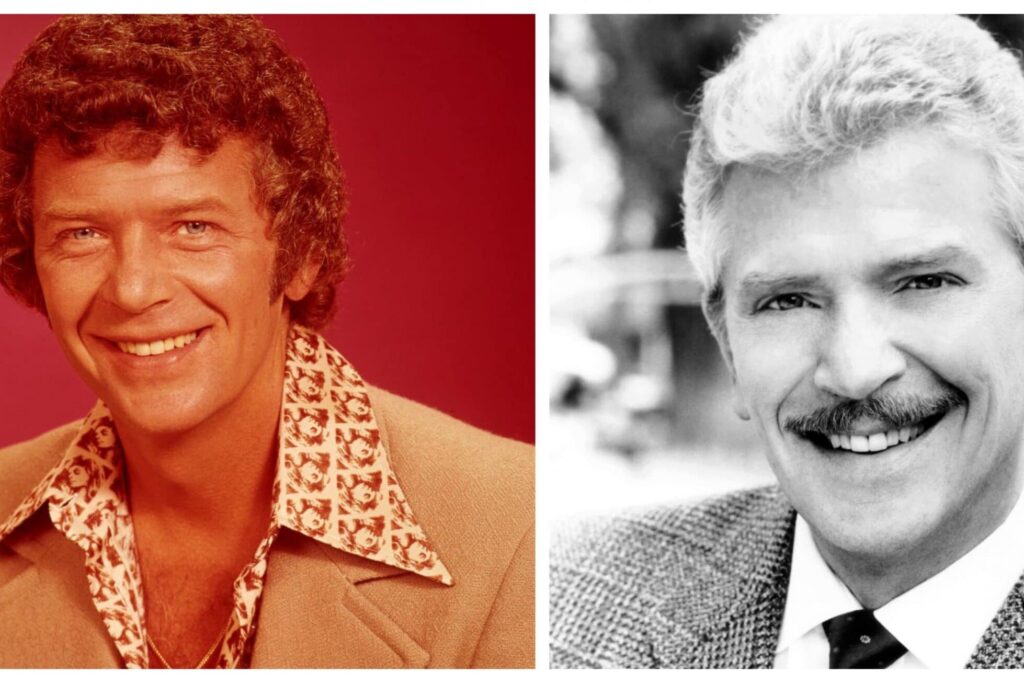
Robert Reed is forever remembered as Mike Brady on The Brady Bunch. Reed married Marilyn Rosenberger in the 1950s and had a daughter. Publicly, he maintained the image of a traditional family man, consistent with his wholesome on-screen persona. Privately, Reed was gay, but he kept his sexuality hidden due to the pressures of the era. Hollywood at the time often demanded that actors present a heteronormative image, especially those starring in family-oriented programs.
Reed’s private struggle exemplifies the difficult choices many actors faced in mid-20th-century Hollywood. Colleagues noted that he carried enormous emotional weight balancing personal authenticity with public expectation. Only after his death did the full scope of his life become widely acknowledged. Reflecting on Reed’s story today, it’s clear that his legacy extends beyond The Brady Bunch. He represents the untold narratives of performers who, while crafting beloved public personas, quietly navigated the challenges of living authentically in a restrictive industry.
10. Elton John – From Early Marriage to Living Openly
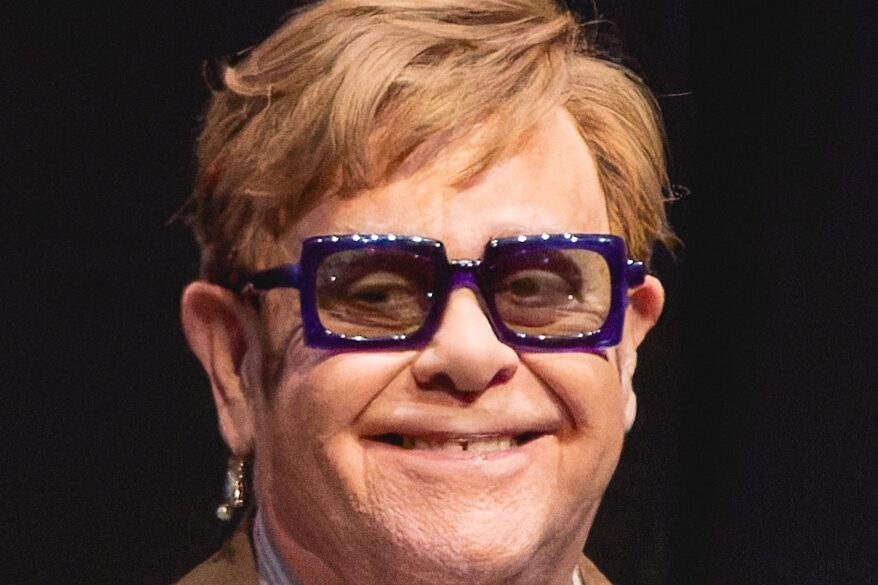
Few entertainers have shaped modern pop culture the way Elton John has. Known for timeless songs like Rocket Man and Your Song, he built a legendary career that stretched across decades of music, film, and stage performances. In 1984, John married German recording engineer Renate Blauel. At the time, the wedding attracted enormous media attention, and many fans saw it as another chapter in the life of one of the world’s biggest music stars. The marriage lasted four years before the couple divorced in 1988.
A few years later, John began speaking more openly about his sexuality and eventually identified publicly as gay. In interviews with outlets such as Rolling Stone, he reflected on how complicated that period of his life had been, noting that understanding himself took time. In 2014 he married longtime partner David Furnish after same-sex marriage became legal in the United Kingdom. Since then, John has continued performing while also dedicating significant energy to charitable work through the Elton John AIDS Foundation. His story, like many others in entertainment, shows how personal identity can evolve even while a public career continues to grow.
11. James Coco and the Marriage That Came Before Self-Understanding

Character actor James Coco was one of those familiar faces audiences recognized instantly, even if they didn’t always know his name. He appeared in a wide range of television shows and films during the 1960s and 1970s, including the comedy mystery Murder by Death. Early in his life, Coco married actress Jane Connell in the late 1950s. Like many actors of that era, the marriage reflected the social expectations placed on performers who were trying to build stable careers in Hollywood and on Broadway.
Over time, Coco’s personal life became more openly discussed among friends and colleagues, and he acknowledged being gay later in life. Those who knew him often described him as warm, witty, and deeply self-aware, someone who navigated personal identity in a complicated time for performers. In interviews, Coco tended to focus on his craft rather than his private life, but friends later shared that he had grown comfortable with himself as the years passed. Looking back now, his life offers a quiet reminder of how many actors of his generation balanced personal discovery with professional survival. Coco’s story reflects a broader Hollywood reality where authenticity often arrived slowly, shaped by cultural change and personal courage.
12. Paul Lynde’s Short Marriage and Later Openness

Comedian and actor Paul Lynde became widely known through his appearances on Hollywood Squares and the sitcom Bewitched. His quick wit and unmistakable voice made him a standout personality on television throughout the 1960s and 1970s. Early in his life, Lynde briefly married a woman, though the union did not last long and remained largely out of public discussion.
As his career progressed, Lynde’s sexuality became something of an open secret within the entertainment industry, though he rarely spoke about it directly in interviews. Hollywood at the time was not particularly welcoming to openly gay performers, especially those working regularly on mainstream television. Friends later described Lynde as someone who used humor as both a professional tool and a personal shield. While he never formally staged a public coming-out announcement, his life is often discussed as part of the broader history of actors navigating identity in a restrictive entertainment environment. Lynde’s legacy continues to live on through his comedic performances and his unique presence on American television.
13. Raymond Burr’s Early Marriage and Private Personal Life

For many viewers, Raymond Burr is forever associated with his role in the legal drama Perry Mason. Burr also later starred in the crime series Ironside, building a reputation as one of television’s most commanding leading men. Early in his life, Burr was married to actress Isabella Ward. The marriage ended in divorce after only a short period, and Burr generally avoided discussing his personal relationships publicly afterward.
In later years, it became widely known that Burr had long-term relationships with men, though he maintained a private stance about his personal life during much of his career. Friends and colleagues described him as a reserved individual who preferred to let his work speak for itself. Like many actors of his generation, Burr lived during a time when public acknowledgment of sexuality could significantly affect professional opportunities. Today, historians often revisit his life as an example of how earlier Hollywood figures balanced personal truth with the expectations of a very different entertainment industry. Burr’s performances remain widely respected, continuing to introduce new generations to classic American television.
14. Richard Deacon – The Quiet Character Actor With a Carefully Guarded Private Life

Richard Deacon was one of those dependable television character actors whose face became instantly recognizable to viewers in the 1950s and 1960s. Audiences remember him most for his role as Mel Cooley, the long-suffering producer on The Dick Van Dyke Show, where he frequently clashed with the show’s fictional star played by Carl Reiner. Deacon built a steady career appearing in dozens of television shows, including guest roles across the booming TV landscape of the era. Earlier in life, he married actress Gloria Wood, and for a time their marriage seemed to fit the traditional expectations placed on performers working in mid-century Hollywood.
As the years passed, however, Deacon became known among friends and colleagues as a private man whose personal life remained largely out of public discussion. Like many actors of his generation, he lived during a time when openly discussing sexuality could easily threaten a career in television. Hollywood’s studio culture often encouraged performers to maintain a conventional public image, and Deacon largely followed that path, focusing on his work rather than his private identity. Those who worked with him often remembered him as professional, thoughtful, and somewhat reserved off camera. Looking back today, his story reflects the quiet balancing act many actors navigated during a very different period in American entertainment history.
15. Charles Nelson Reilly – The Broadway Wit Who Eventually Spoke Freely

Charles Nelson Reilly was one of those personalities television audiences instantly recognized, even if they first discovered him on the stage. He built his reputation in Broadway productions before becoming a familiar face on television, especially as the witty and flamboyant panelist on Match Game. Reilly’s quick humor and theatrical presence made him stand out in a crowded field of performers. Earlier in his life, he had a brief marriage to actress Bonnie Brooks, a relationship that reflected the expectations many performers felt during an era when Hollywood and Broadway often encouraged traditional public images.
As time passed, Reilly grew more open about his sexuality, particularly in interviews and stage performances later in his life. Although he rarely framed it as a formal “coming out” announcement, he spoke candidly about the realities of working in entertainment during the mid-20th century. In conversations with outlets like The New York Times, he reflected on how different the industry had been when he started, explaining that many actors simply kept parts of their lives private in order to keep working. By the later years of his career, Reilly had become something of a mentor and storyteller, sharing humorous and thoughtful reflections about life in show business. Looking back now, his journey shows how authenticity often arrived gradually for performers of his generation, shaped by changing times and personal courage.


