
1. Adolf Hitler and the Machinery of Hatred
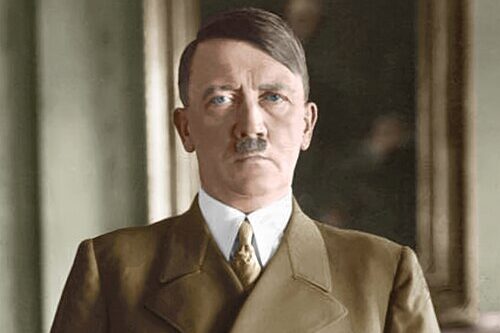
Few names in history evoke the same immediate reaction as Adolf Hitler. Rising from political obscurity in the chaos that followed World War I, Hitler built his power on nationalism, resentment, and a carefully crafted message that blamed Germany’s struggles on outsiders and minorities. By the time he became chancellor in 1933, he had already mastered the art of turning public frustration into political fuel. Once in power, he dismantled democratic institutions and turned Germany into a dictatorship controlled by the Nazi Party.
The consequences were catastrophic. Hitler’s regime engineered the Holocaust, the systematic murder of six million Jews along with millions of others including Roma, disabled people, and political opponents. His expansionist ambitions triggered World War II, which killed more than 60 million people. Historians often point to the chilling efficiency of the Nazi state, which combined propaganda, surveillance, and violence to enforce loyalty. As historian Ian Kershaw once observed, Hitler’s rule showed how “a modern state could mobilize ordinary institutions for extraordinary crimes.” The scale of destruction left Europe devastated and created a lasting reminder of how ideology and unchecked authority can spiral into one of history’s darkest chapters.
2. Joseph Stalin and Rule by Fear
If Hitler represented ideological extremism, Joseph Stalin became a symbol of power enforced through fear and relentless control. After the death of Vladimir Lenin in 1924, Stalin slowly consolidated authority inside the Soviet Union, eliminating rivals and reshaping the Communist Party around his personal dominance. What followed was a system where loyalty was demanded and suspicion was constant.
Stalin’s policies reshaped the Soviet Union but at a staggering human cost. Forced collectivization of agriculture contributed to famines, most notably the Ukrainian famine known as the Holodomor. Millions died as grain was seized while communities starved. During the Great Purge of the 1930s, countless citizens, military leaders, and party officials were imprisoned or executed after show trials. Soviet writer Aleksandr Solzhenitsyn later described the atmosphere in his famous work about the labor camps, writing that the system thrived on fear because “the line separating good and evil passes through every human heart.” Stalin’s reign left a complicated legacy of industrial growth mixed with widespread repression, making him one of the most controversial and feared rulers of the twentieth century.
3. Mao Zedong and Catastrophe in Revolution
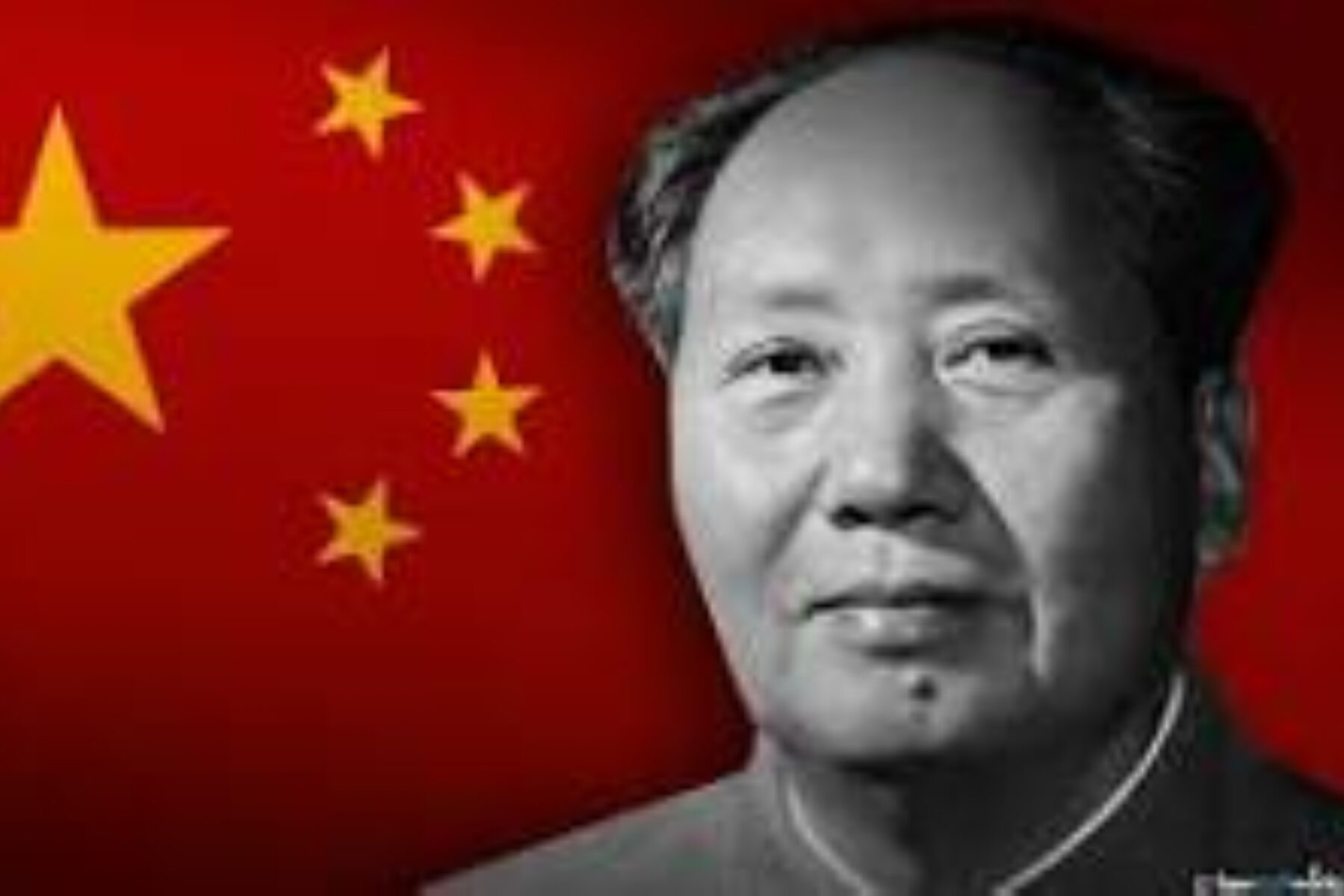
In China, Mao Zedong rose as the face of communist revolution and the founder of the People’s Republic of China in 1949. To many supporters at the time, Mao symbolized liberation from foreign domination and civil war. But the sweeping campaigns he launched to reshape society often produced disastrous consequences that reshaped the country through hardship and upheaval.
One of the most devastating episodes came during the Great Leap Forward from 1958 to 1962. Mao’s ambitious push to rapidly industrialize China forced farmers into massive communes and unrealistic production quotas. Poor planning and political pressure to exaggerate success created a famine that historians estimate killed tens of millions. Later, the Cultural Revolution plunged the country into further turmoil as young Red Guards targeted teachers, officials, and cultural institutions. Historian Frank Dikötter wrote that the era revealed how “political campaigns driven by ideology can spiral beyond control.” Mao remains a complex figure in Chinese history, credited with unifying the country but also associated with policies that caused enormous suffering on a national scale.
4. Pol Pot and the Killing Fields
In the 1970s, Cambodia fell under the control of Pol Pot, whose vision of a radical agrarian society turned into one of the most brutal social experiments in modern history. After years of civil war, the Khmer Rouge captured Phnom Penh in 1975 and began reshaping the country almost overnight. Cities were emptied, families separated, and millions of people were forced into rural labor camps.
Pol Pot’s regime tried to erase intellectual life entirely. Teachers, doctors, engineers, and even people who wore glasses were sometimes labeled enemies of the state. The goal was to create a completely new society built around rural labor and absolute obedience. Instead, the result was mass death through executions, starvation, and forced labor. Scholars estimate that roughly a quarter of Cambodia’s population died during those four years. Journalist David Chandler once noted that the Khmer Rouge leadership believed “purity could only come through total destruction of the old order.” The fields where many victims were buried later became known worldwide as the Killing Fields, a haunting reminder of how radical ideology combined with absolute authority can devastate an entire nation.
5. Idi Amin and a Reign of Chaos
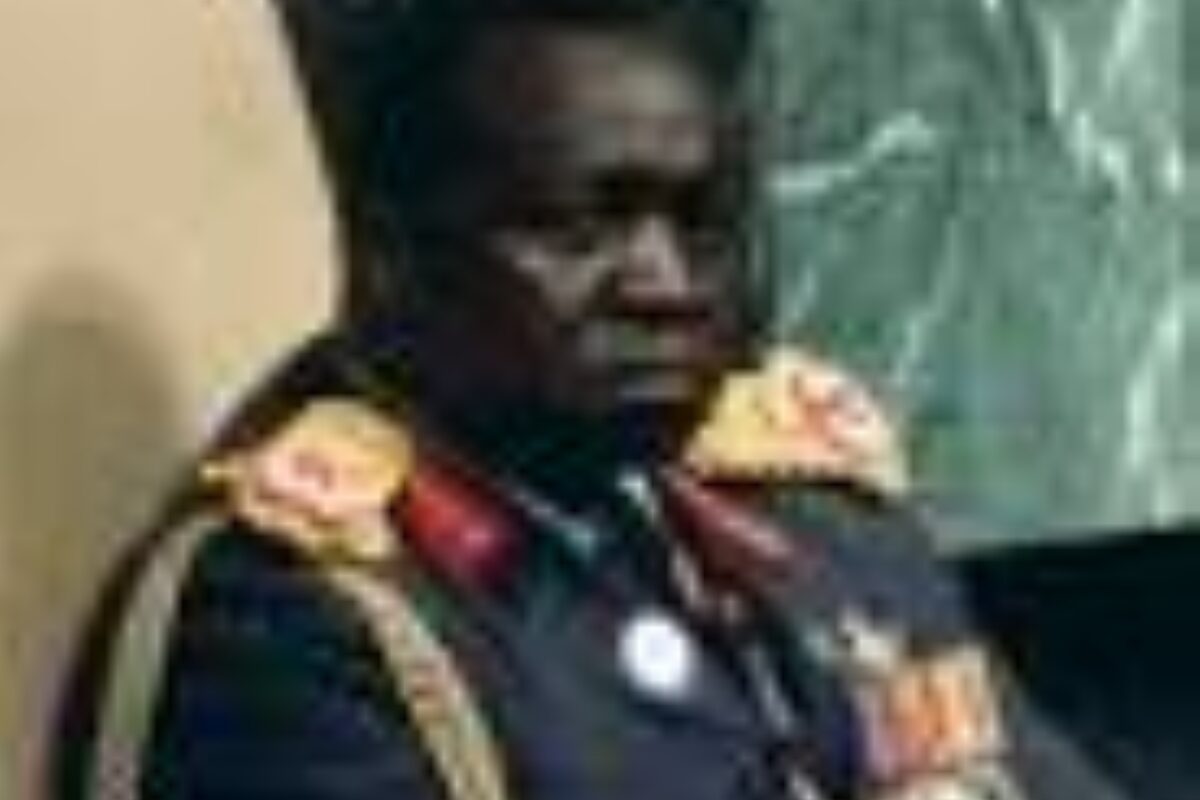
In East Africa, Idi Amin became one of the most notorious dictators of the twentieth century. Amin seized power in Uganda in 1971 through a military coup, promising stability and national pride. At first, some citizens welcomed the change, hoping the new government might bring order after political turmoil. Those hopes faded quickly as Amin’s rule turned increasingly unpredictable and violent.
His regime became known for widespread human rights abuses, political killings, and the disappearance of opponents. Tens of thousands of people were believed to have been murdered during his eight-year rule. One of his most controversial decisions was the expulsion of Uganda’s Asian community in 1972, forcing about 60,000 people to leave the country and damaging the economy overnight. International observers watched with growing alarm as Amin’s behavior became erratic and his rhetoric increasingly aggressive. According to historian Martin Meredith, Amin ruled through a mixture of fear and spectacle, using grand statements and intimidation to maintain control. By the time he was overthrown in 1979, Uganda had been deeply scarred by years of violence and instability.
6. Leopold II and the Brutality of the Congo Free State
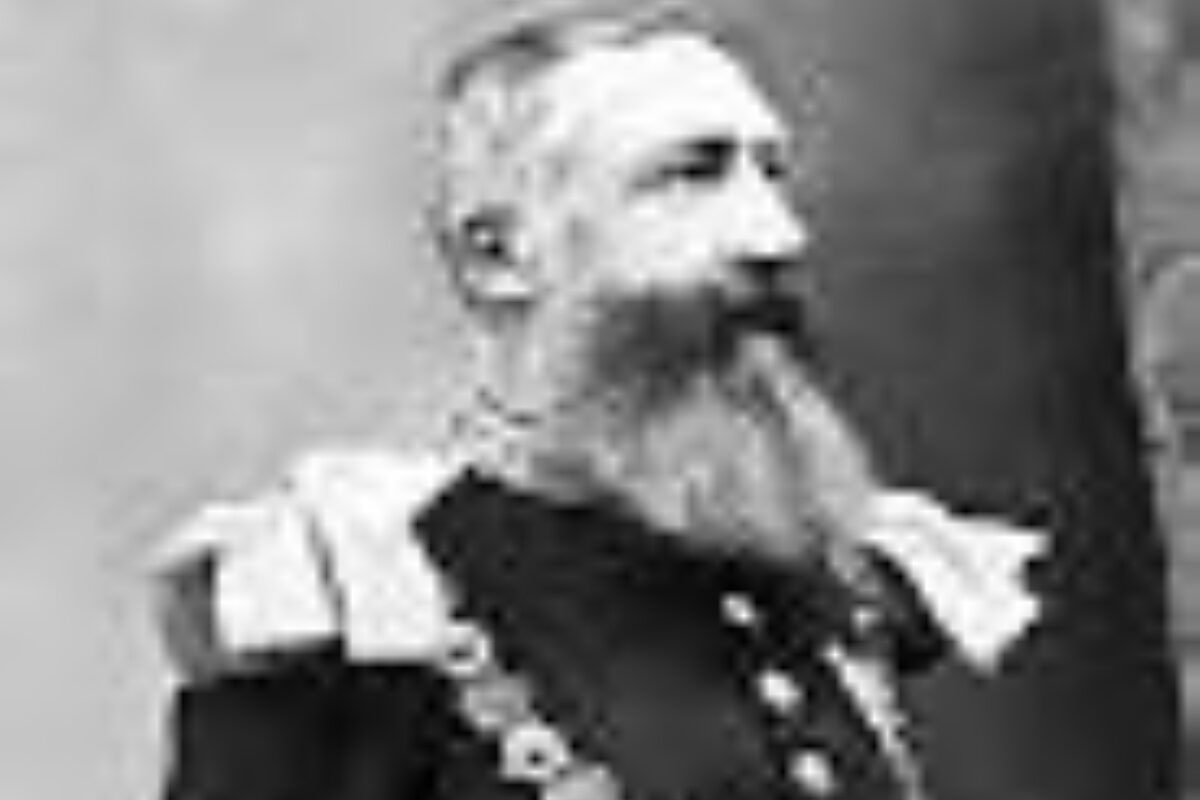
When people think about colonial rulers, the name Leopold II often surfaces as one of the most troubling examples. In the late nineteenth century, Leopold convinced European powers that his control of the Congo would be a humanitarian project meant to end slavery and bring development to Central Africa. What actually unfolded in the territory known as the Congo Free State was a system of forced labor designed to extract rubber and other resources for profit.
Villages were pressured to meet impossible quotas, and punishment for failing to do so could be severe. Accounts from missionaries and travelers described mutilations, hostage taking, and violence used to enforce production. The scale of suffering shocked observers across Europe and the United States once reports began circulating widely. British diplomat Roger Casement documented these abuses in an early twentieth century report, noting that the system relied on “relentless pressure upon the native population.” Historians continue to debate exact numbers, but many estimate that millions died during this period due to violence, starvation, and disease. Eventually international outrage forced Belgium to take control of the territory from Leopold in 1908, yet the legacy of that era remains one of the starkest examples of exploitation tied to imperial ambition.
7. Kim Il Sung and the Birth of a Closed State

In the aftermath of World War II, the Korean Peninsula became divided between competing political systems. In the North, Kim Il Sung emerged as the central figure shaping the new government. With backing from the Soviet Union, Kim established a communist state that gradually transformed into one of the most tightly controlled societies in the modern world.
His leadership style combined strong nationalism with an intense cult of personality. Over time, state propaganda portrayed Kim not simply as a political leader but as an almost mythical figure guiding the nation’s destiny. Political opposition disappeared, and loyalty to the ruling system became essential for survival. The Korean War further hardened the country’s isolation and strengthened Kim’s grip on power. According to historian Bruce Cumings, the North Korean state developed into a system where political control and ideology shaped nearly every aspect of daily life. Kim Il Sung ruled until his death in 1994, leaving behind a hereditary leadership structure that continued through his family. For many observers, his legacy lies in how deeply one leader’s rule shaped the structure of a nation that remains largely closed to the outside world.
8. Saddam Hussein and Power Through Control
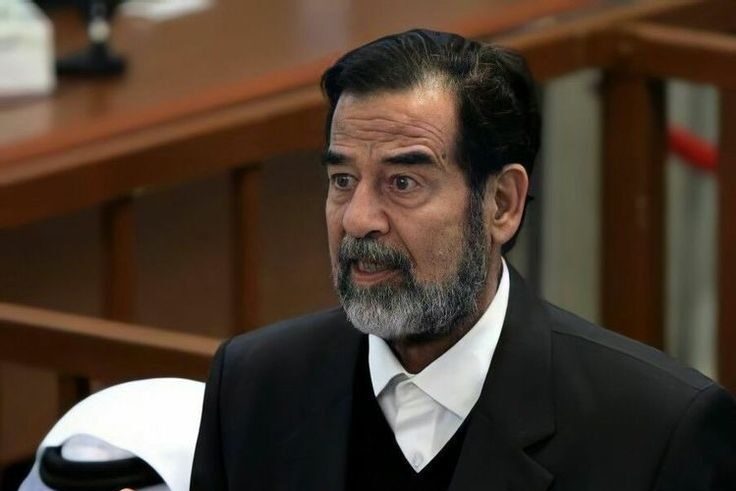
In the Middle East, Saddam Hussein rose from party organizer to one of the most dominant figures in Iraqi politics. By 1979 he formally became president, though his influence had been growing for years within the Ba’ath Party. Saddam cultivated an image of strength and national pride, often presenting himself as the defender of Iraq’s sovereignty during a tense and complicated regional era.
His government relied heavily on surveillance, intimidation, and military force to suppress dissent. Political rivals were removed quickly, and criticism of the state carried severe consequences. During the long Iran–Iraq War and later conflicts, the country endured enormous strain. One of the most widely condemned episodes came during the late 1980s when Iraqi forces carried out attacks against Kurdish communities in northern Iraq. Reports from organizations like Human Rights Watch documented chemical attacks and mass displacement during that campaign. Saddam remained in power until 2003, when the U.S.-led invasion of Iraq toppled his government. His rule left behind a complicated legacy of regional conflict, internal repression, and deep divisions that continued to shape Iraqi society long after his removal.
9. Ivan the Terrible and the Birth of Russian Autocracy
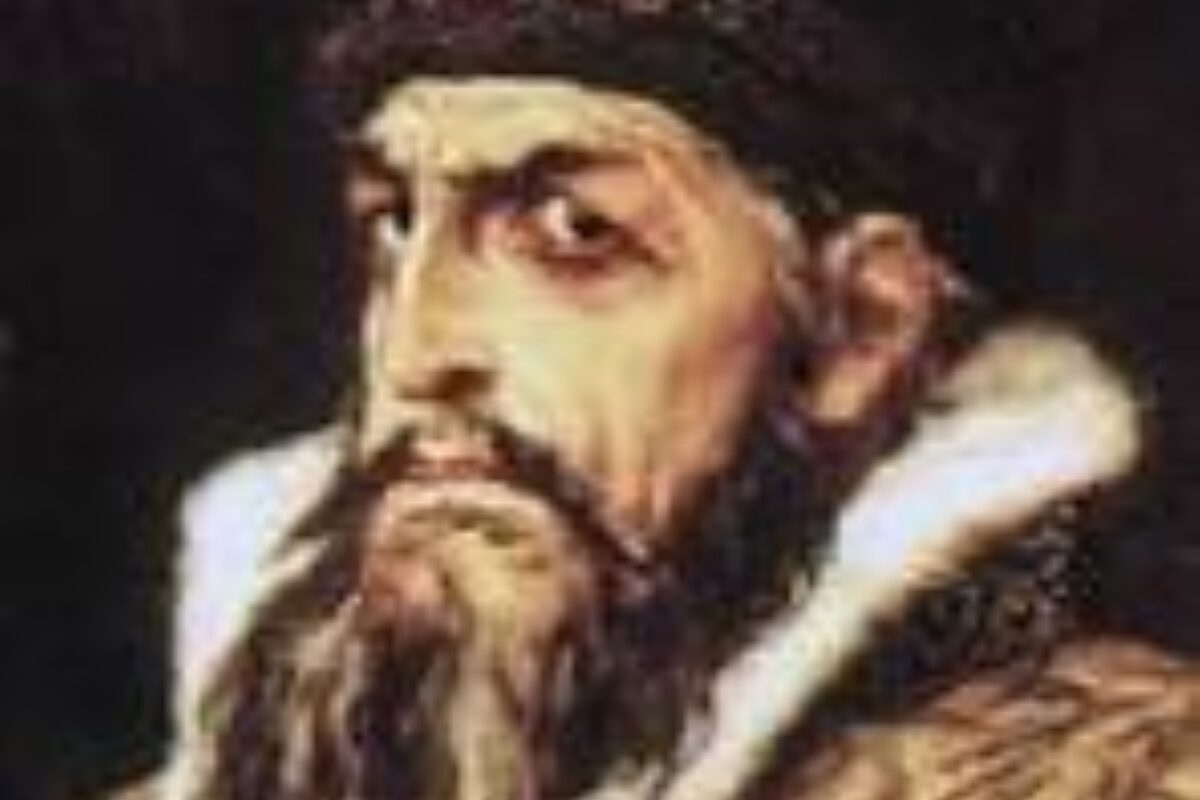
Long before the twentieth century dictators, Russia experienced its own era of fear under Ivan IV of Russia. Crowned as the first tsar in 1547, Ivan began his reign with reforms that strengthened central authority and reorganized parts of the Russian state. For a time, his rule even appeared to bring stability to a region that had long been fragmented.
But as the years passed, Ivan’s leadership became increasingly harsh and suspicious. After personal losses and political conflicts, he created a special force known as the oprichniki, tasked with eliminating perceived enemies of the state. These forces operated with broad authority and often used intimidation and violence against nobles and entire towns suspected of disloyalty. One of the most infamous events occurred in the city of Novgorod, where a brutal crackdown left many dead. Historian Robert Service noted that Ivan’s reign helped establish patterns of centralized power that would influence Russian governance for centuries. His legacy remains complicated, blending early state-building efforts with episodes of extreme cruelty that earned him the ominous nickname remembered in history.
10. Augusto Pinochet and the Shadow of Military Rule
In South America, Augusto Pinochet became a defining figure of Cold War politics. In 1973, Chile’s military seized power in a coup that removed the elected government of Salvador Allende. Pinochet soon emerged as the dominant leader of the new junta, promising to restore order during a time of political polarization.
What followed was a long period of military rule marked by repression of political opposition. Thousands of Chileans were detained, tortured, or forced into exile during the early years of the regime. Human rights organizations documented numerous cases of disappearances that left families searching for answers for decades. At the same time, the government introduced sweeping economic reforms that reshaped the country’s markets. This mix of political repression and economic change has kept debates about Pinochet’s legacy alive in Chilean society. The National Commission for Truth and Reconciliation later documented many of the human rights abuses carried out during that era. Looking back, historians often describe Pinochet’s rule as a reminder that military power, once it takes hold of government, can leave deep and lasting divisions within a nation.
11. Genghis Khan and the Empire Built on Conquest
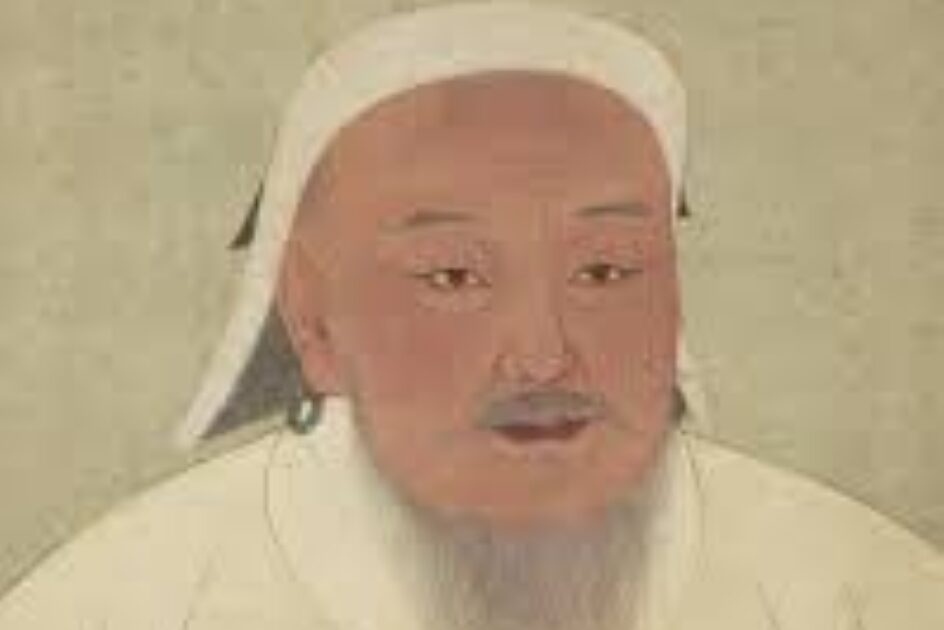
Centuries before modern dictatorships, the vast empire of Genghis Khan spread across Asia and into parts of Europe with astonishing speed. Born as Temujin in the harsh steppes of Mongolia, he rose from a difficult childhood to unite rival tribes that had fought each other for generations. His leadership skills were undeniable, and he built one of the most disciplined and mobile military forces the world had ever seen.
Yet the campaigns that followed came with devastating consequences for the cities and kingdoms that stood in the empire’s path. Mongol armies often demanded surrender first, but when resistance occurred, the retaliation could be severe. Historical accounts describe entire cities destroyed after refusing to submit. Medieval historian Juvaini wrote that the Mongol advance left regions where “the dust of ruin settled over towns that once flourished.” At the same time, historians also note that Genghis Khan introduced systems of communication, trade protection, and religious tolerance across his empire. This complicated legacy has kept debates alive for centuries. While some remember him as a brilliant empire builder, others see his campaigns as a reminder of how expansion and power can reshape entire regions through violence and upheaval.
12. Vlad the Impaler and Rule Through Fear
The story of Vlad the Impaler sits somewhere between history and legend. Ruling Wallachia in the fifteenth century, Vlad gained a reputation for harsh punishments and an iron grip on power during a period when the region faced constant pressure from rival kingdoms and the expanding Ottoman Empire.
Vlad believed fear was an effective way to maintain order. His preferred method of punishment, impalement, gave him the name by which history remembers him. Accounts from the time describe roads lined with the bodies of enemies and criminals as warnings to others. These stories spread quickly across Europe through pamphlets and travelers’ tales, shaping his reputation for centuries. Historian Radu Florescu once noted that Vlad’s brutal methods were partly a strategy meant to discourage invasion and rebellion. Still, the scale and spectacle of the punishments left a powerful impression on those who witnessed them. Over time, his story even influenced the fictional character of Dracula in later literature. Vlad’s legacy remains a reminder that leaders who rule primarily through fear often leave behind legends that blur the line between history and myth.
13. Benito Mussolini and the Rise of Fascism
In early twentieth century Europe, Benito Mussolini helped introduce a political system that would influence authoritarian movements around the world. Mussolini began his career as a journalist and political activist, but after World War I he transformed himself into the leader of a growing nationalist movement that promised to restore Italy’s strength and prestige.
By 1922, Mussolini had marched his supporters toward Rome and secured control of the government. Once in power, he dismantled democratic institutions and built a one-party state centered around fascist ideology. The regime emphasized loyalty, militarism, and national pride while suppressing opposition voices through censorship and intimidation. Historian Denis Mack Smith wrote that Mussolini carefully crafted an image of strength while gradually concentrating power in his own hands. His alliance with Adolf Hitler later pulled Italy deeper into World War II, bringing hardship to the country and contributing to the broader conflict across Europe. By the time his rule collapsed in 1943, Italy had endured years of political repression and wartime devastation, leaving Mussolini remembered as one of the early architects of modern authoritarianism.
14. Nicolae Ceaușescu and Isolation Behind Power
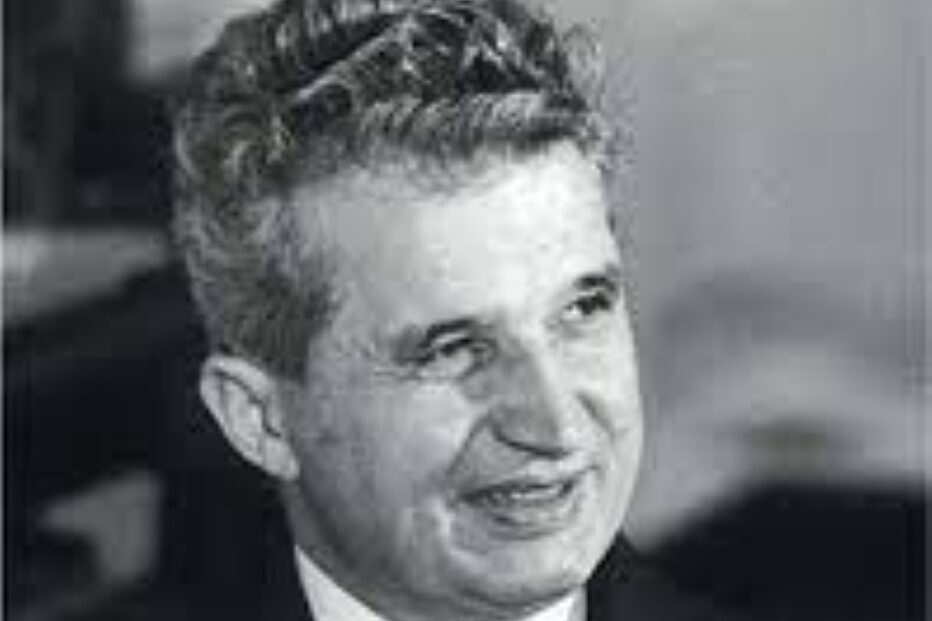
For much of the late twentieth century, Nicolae Ceaușescu ruled Romania with an increasingly rigid and isolated style of leadership. When he first came to power in 1965, some observers hoped he might guide the country toward moderate reforms within the communist bloc. Over time, however, his government developed into one of the most tightly controlled regimes in Eastern Europe.
Ceaușescu built an intense cult of personality around himself and his family. State media praised his leadership constantly, while the secret police monitored everyday life. Economic policies aimed at paying off national debt created severe shortages of food, electricity, and basic goods for ordinary citizens. Historian Dennis Deletant described the period as one where “daily life became a balance between loyalty and survival.” Grand construction projects, including an enormous palace in Bucharest, symbolized the leader’s ambitions even as living conditions worsened. Public frustration eventually erupted during the revolutions that swept Eastern Europe in 1989. Ceaușescu’s sudden fall marked the end of decades of strict control and left behind a powerful example of how isolated leadership can lose touch with the realities faced by its own people.
15. Francisco Franco and the Long Shadow Over Spain
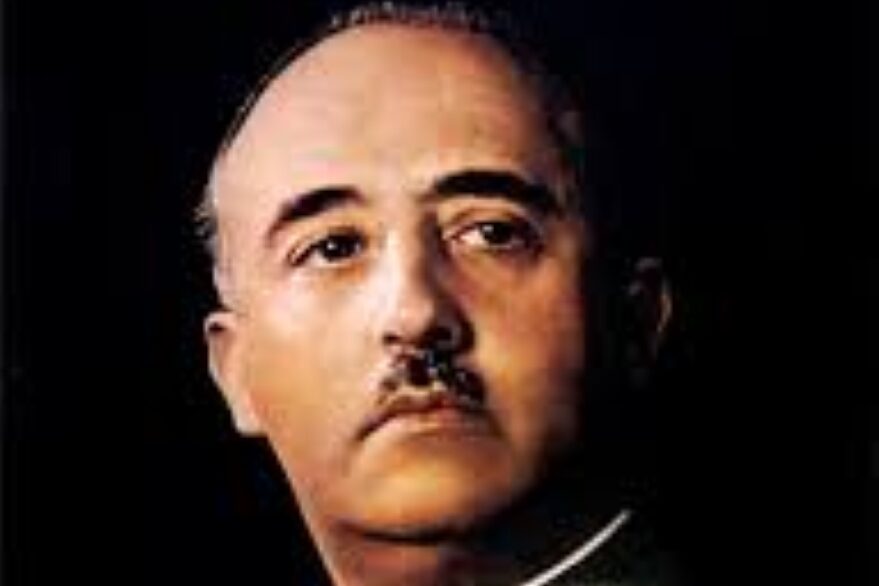
When the Spanish Civil War ended in 1939, Francisco Franco emerged as the dominant figure in Spain. His victory established a government that would remain in place for nearly four decades. Franco presented himself as a guardian of national unity after years of internal conflict, but the political environment that followed allowed little room for dissent.
Opposition groups were suppressed, political parties were restricted, and critics often faced imprisonment or exile. The early years of Franco’s rule were particularly harsh as the government worked to eliminate remaining resistance from the civil war period. Over time, Spain gradually opened economically and socially, yet the political system remained tightly controlled until the final years of his life. Historian Paul Preston once wrote that Franco governed with the belief that stability required firm authority above all else. His death in 1975 opened the door for Spain’s transition to democracy, but the memory of the dictatorship continues to shape conversations about justice, memory, and reconciliation. Looking back across these leaders, history quietly reminds us how power, when concentrated without accountability, can alter the course of nations and lives in ways that echo long after the rulers themselves are gone.


