
1. Cashiers at Checkout Counters

There was a time when every trip to the store meant a short chat with a cashier, maybe even someone who recognized you. Now, self-checkout machines are quietly taking over that space. Retailers have found that fewer staffed lanes can still move people through quickly, especially when customers are willing to scan and bag their own items. It feels convenient at first, but it also means fewer entry-level jobs that once helped people get started in the workforce.
According to industry analysts, “automation in retail is no longer experimental, it is becoming the default,” and that shift is happening faster than many expected. Stores are also investing in mobile checkout apps and even cashier-less systems that track what you pick up. While cashiers won’t disappear entirely, their numbers are shrinking steadily. For many workers, it means adapting to new roles in customer service or logistics instead. It’s a quiet change, but one that’s already reshaping how people experience something as simple as buying groceries.
2. Travel Agents in a Self-Booking World

Planning a trip used to involve sitting down with a travel agent who knew the ins and outs of flights, hotels, and packages. Today, most people reach for their phones instead. Booking platforms give instant access to prices, reviews, and comparisons, making it easy to plan everything in minutes. That convenience has steadily reduced the need for traditional travel agents, especially for simple trips.
Experts often note that “digital platforms have put the power of travel planning directly in the hands of consumers,” and it shows in how people book vacations now. Travel agents still exist, but many have shifted into niche roles, focusing on luxury travel or complex itineraries. For everyday bookings, though, the demand has dropped sharply. It’s not that the expertise isn’t valuable, it’s just that fewer people feel they need help for routine travel. Over time, this has turned a once-common profession into a more specialized, less visible one.
3. Bank Tellers in the Age of Apps

Walking into a bank and speaking with a teller used to be part of managing your money. Deposits, withdrawals, and even simple questions were handled face to face. Now, most of those tasks happen through mobile apps or ATMs. You can transfer money, deposit checks, and monitor your account without ever stepping inside a branch.
Financial reports frequently highlight that “mobile banking adoption continues to rise across all age groups,” and that trend has reduced the need for in-branch staff. Banks are closing physical locations or redesigning them with fewer tellers and more self-service options. While some roles remain for more complex needs, the everyday tasks that kept tellers busy are largely gone. It’s a practical shift, but it also changes how people interact with financial institutions, making the experience more distant and less personal than it once was.
4. Newspaper Delivery Workers in a Digital News Cycle

There’s something familiar about the idea of a newspaper landing on the doorstep early in the morning. For decades, delivery routes were steady jobs, often done before the day even began. But as news moved online, that routine started to fade. Many households no longer subscribe to print editions, choosing instead to read headlines on their phones.
Media observers often point out that “print circulation has been in steady decline for years as digital consumption rises,” and that shift has directly affected delivery roles. Fewer papers mean fewer routes, and fewer routes mean fewer workers needed. Some local papers still hold on, but the scale is much smaller than it used to be. It’s one of those changes that feels subtle until you notice how rare it has become to see someone tossing a paper onto a driveway at dawn.
5. Data Entry Clerks Replaced by Automation

Data entry once required careful attention and long hours of typing information into systems. It was repetitive work, but it was also widely available and didn’t always require advanced training. Now, software can handle much of that work automatically, pulling and organizing data in seconds with far fewer errors.
Tech experts often say that “routine, rules-based tasks are among the easiest to automate,” and data entry fits that description perfectly. Businesses are increasingly relying on tools that scan documents, extract information, and update records without human input. As a result, the number of data entry positions has dropped quickly. For workers, it means shifting toward roles that require more judgment or creativity. It’s another example of how technology doesn’t just change jobs, it quietly replaces the parts of work that once felt secure.
6. Video Rental Store Clerks in a Streaming Era

There was a time when picking a movie meant walking into a video rental store, scanning shelves, and maybe asking a clerk for a recommendation. It was part of the weekend rhythm for many families. Today, streaming platforms have replaced that entire experience with a few taps on a screen. The convenience is undeniable, but it has left little room for the people who once worked behind those counters.
Industry observers often note that “on-demand streaming has fundamentally changed how audiences access entertainment,” and that shift has nearly erased the need for physical rental locations. As stores closed, so did the jobs tied to them. A few independent shops still exist, mostly out of nostalgia, but the role itself has largely faded. It’s one of the clearest examples of how quickly a familiar job can disappear when a new technology becomes the norm.
7. Toll Booth Operators on Automated Highways
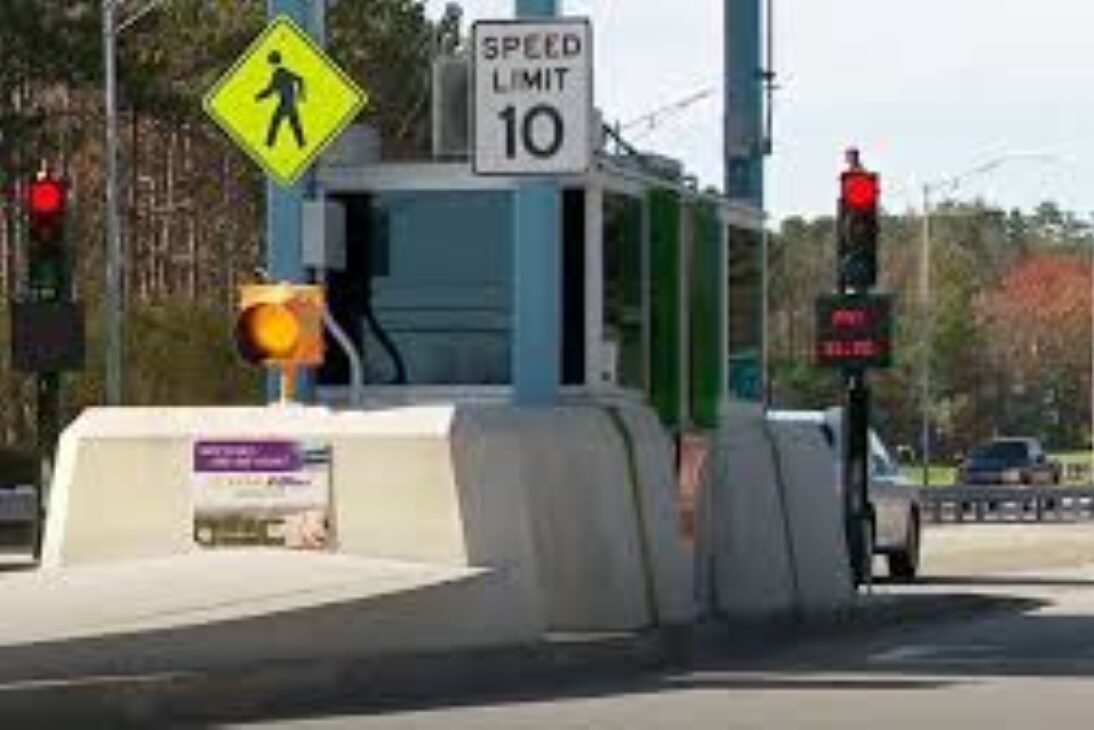
Stopping to pay a toll used to mean handing cash or a ticket to an operator, often with a quick exchange before driving on. Now, many highways use electronic toll systems that scan a pass or capture a license plate, allowing cars to keep moving without stopping. It saves time for drivers, but it also reduces the need for human operators.
Transportation reports frequently mention that “cashless tolling improves traffic flow and reduces operational costs,” which is why more regions are adopting it. As these systems expand, toll booths are being removed or left unstaffed. For workers who once relied on these roles, opportunities are shrinking steadily. It’s a change that feels efficient from behind the wheel, but it quietly reshapes the workforce that kept those roads running day and night.
8. Print Photo Developers in a Digital Camera World

Developing film used to be a routine part of capturing memories. You’d drop off a roll of film and come back later to see how your photos turned out. It required skill, patience, and a bit of anticipation. Now, digital cameras and smartphones let people see and share images instantly, making traditional photo development far less common.
Experts often say that “digital imaging has made film processing a niche service rather than a standard one,” and that’s exactly what has happened. Most people no longer need to develop photos, and many labs have closed as a result. A small number remain for enthusiasts and professionals, but the everyday demand is gone. It’s another quiet shift, where a once-common job has become something people rarely think about unless they remember how it used to be.
9. Telemarketers Facing Stricter Regulations and Filters
For years, telemarketing was a major part of sales, with workers making calls to offer products or services directly to households. It was a tough job, but it provided steady work for many. Today, stricter regulations and advanced call-filtering technologies have made it much harder for telemarketers to reach people.
Reports often highlight that “call-blocking tools and consumer protections have significantly reduced the effectiveness of cold calling,” and that has directly impacted the industry. Many people simply don’t answer unknown numbers anymore, and automated filters stop calls before they even ring. As a result, companies are shifting toward digital marketing and other outreach methods. The role hasn’t vanished entirely, but it’s shrinking quickly, leaving fewer opportunities than it once did.
10. Parking Attendants in the Age of Smart Systems
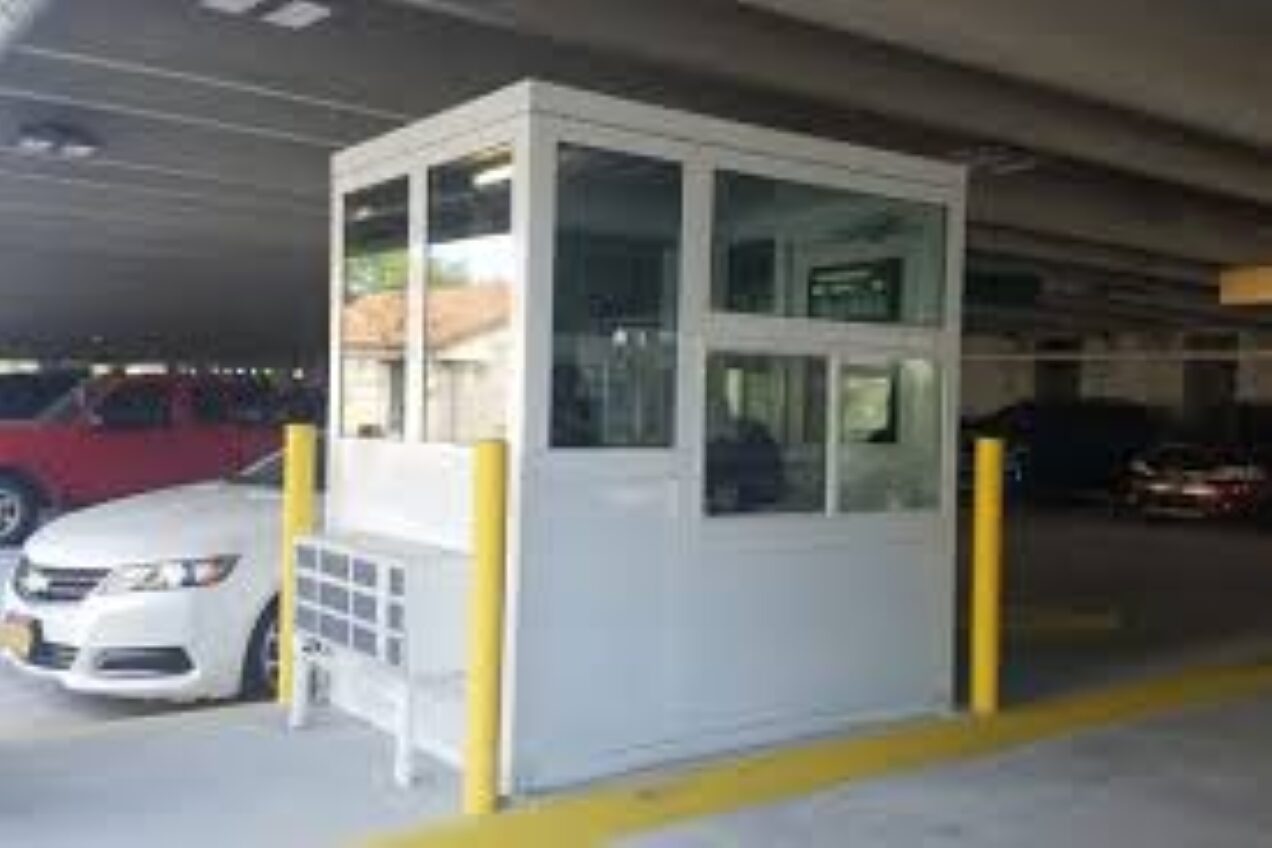
Finding parking used to involve interacting with an attendant who managed spaces, collected fees, and kept things organized. In many places now, machines and apps have taken over those tasks. You can pay through your phone, scan a ticket, or even have your license plate recognized automatically.
Urban planning reports often note that “smart parking systems are improving efficiency while reducing the need for manual oversight,” and that trend is spreading in cities and towns alike. As more locations adopt these systems, the need for on-site attendants continues to decline. For drivers, it can feel seamless and quick. For workers, it means fewer roles in a job that once felt dependable and easy to step into.
11. Postal Workers Facing Declining Mail Volume

There was a time when the daily mail felt like a small event, letters, bills, catalogs, all arriving with steady regularity. Postal workers were at the center of that routine, moving information from one place to another. Today, much of that communication has shifted online. Emails, digital billing, and instant messaging have reduced the volume of traditional mail in a way that’s hard to ignore.
Industry reports often point out that “first-class mail volume has declined significantly over the past decade due to digital substitution,” and that trend continues to reshape postal services. While package delivery has increased with online shopping, it hasn’t fully replaced the steady flow of letters that once supported so many routes. The role still matters, but it’s changing, becoming more about logistics than communication. It’s one of those shifts that feels gradual, yet steady enough to redefine what the job looks like over time.
12. Assembly Line Workers in Automated Factories
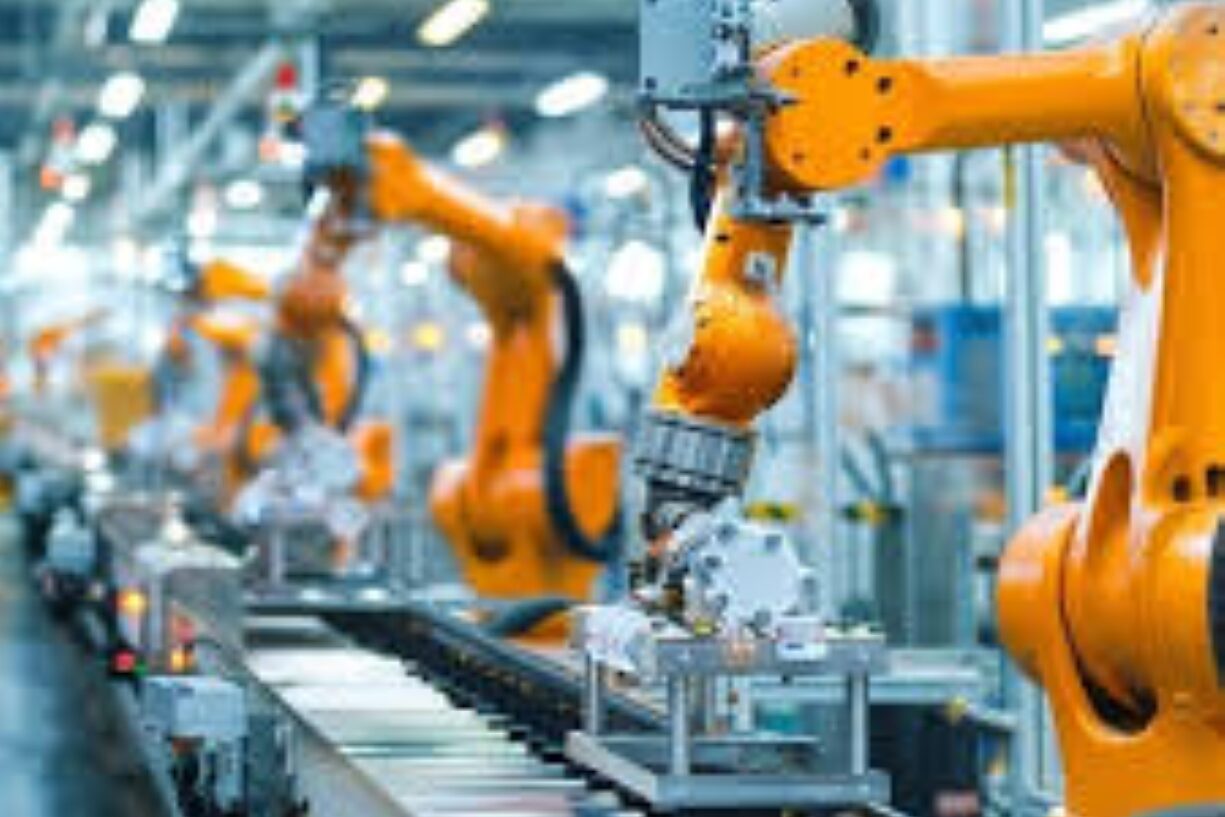
Factory floors used to depend heavily on human hands, each worker responsible for a specific part of the production process. It was structured, repetitive work, but it provided stable employment for generations. Now, automation and robotics are stepping into those roles, handling tasks with speed and precision that are difficult to match.
Manufacturing experts often say that “automation is transforming production by increasing efficiency while reducing reliance on manual labor,” and that’s visible in modern factories. Machines can work continuously, make fewer errors, and adapt to different tasks with programming. For workers, this means fewer traditional assembly roles and a growing need for technical skills to manage and maintain these systems. The job hasn’t disappeared entirely, but it’s evolving into something very different from what it once was.
13. Fast Food Order Takers and Self-Service Kiosks
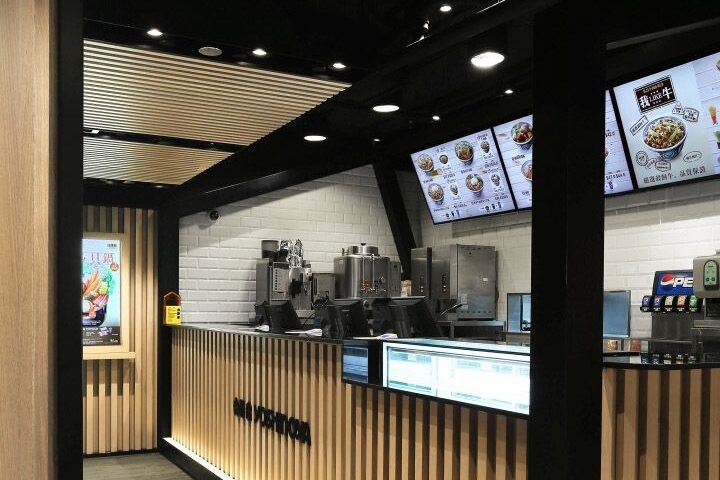
Ordering food used to involve standing in line and speaking directly to someone behind the counter. It was quick, familiar, and part of the everyday rhythm. Now, many fast food restaurants have introduced self-service kiosks where customers place their own orders. It speeds things up and reduces mistakes, but it also changes the role of staff.
Industry insights often note that “self-ordering technology can improve accuracy and efficiency during peak hours,” which is why it’s becoming more common. Employees are still present, but their roles are shifting toward food preparation or assisting customers with the machines. Over time, fewer workers are needed at the front counter. It’s a small adjustment from the customer’s perspective, but for those who once filled those roles, it represents a steady decline in a job that used to be widely available.
14. Librarians in the Shift Toward Digital Access

Libraries have always been more than just buildings filled with books. They’ve been quiet spaces for learning, research, and community. Librarians played a key role in helping people find information and navigate resources. Today, much of that information is available online, accessible within seconds from almost anywhere.
Education experts often observe that “digital databases and online resources have transformed how people access information,” and that shift has changed the role of libraries. While they still exist and remain important, the demand for traditional librarian tasks has decreased. Many librarians now focus on digital services, community programs, or specialized research support. It’s not so much a disappearance as it is a redefinition, but fewer traditional roles are needed compared to the past.
15. Retail Sales Associates in an Online Shopping World

Walking into a store and browsing with the help of a sales associate used to be a common experience. Whether it was clothing, electronics, or household items, there was often someone nearby to answer questions or make recommendations. Now, online shopping has changed that dynamic, allowing people to compare products, read reviews, and make purchases without leaving home.
Retail analysts often say that “e-commerce continues to grow as consumers prioritize convenience and selection,” and that growth has reduced foot traffic in many physical stores. As a result, fewer sales associates are needed on the floor. Some stores are closing, while others are operating with smaller teams. The role still exists, but it’s not as widespread as it once was. And in a quiet way, it ties everything together, showing how everyday convenience is reshaping work, one role at a time, often without much notice.


