
1. Pet Rock
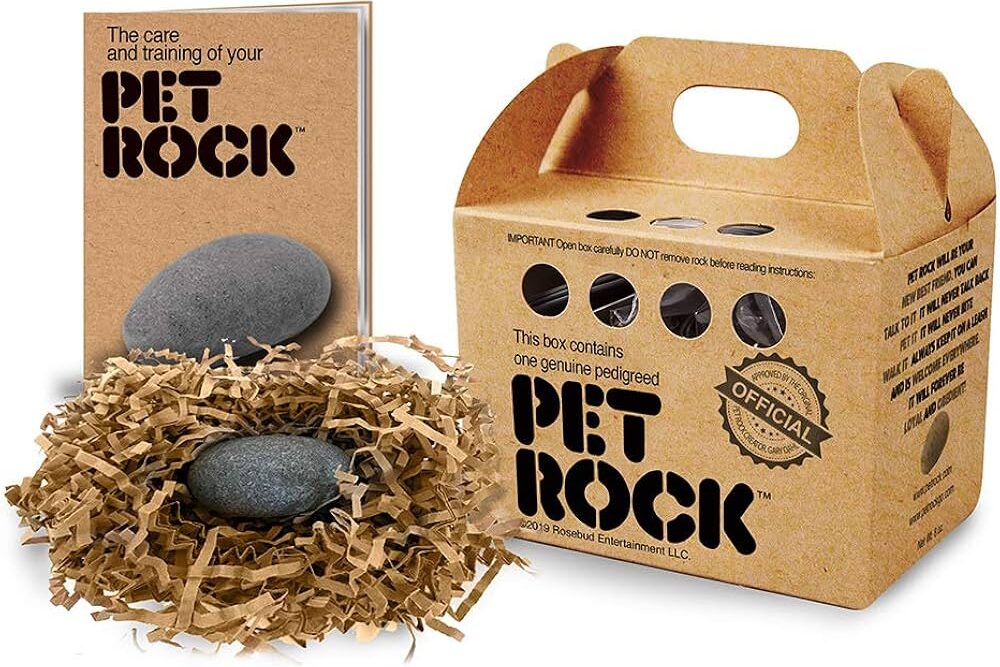
Remember the days when a rock could be a kid’s best friend? In the mid-1970s, Pet Rocks became an unexpected phenomenon, giving children the perfect low-maintenance companion. These smooth stones came in small boxes complete with “care instructions,” and suddenly, everyone had their own little rock to love. Kids decorated them, carried them around, and even gave them names, turning something ordinary into something surprisingly charming. Parents often laughed at the simplicity, but the kids adored their quirky new pals, making a rock feel like the ultimate fad toy that didn’t need batteries, batteries, or complicated instructions.
The beauty of the Pet Rock was in its simplicity and imagination. Without any moving parts, kids could create games, stories, or personalities for their rock, sparking creativity in ways other toys didn’t. It also became a fun conversation starter and a symbol of the era’s offbeat humor. Today, Pet Rocks might seem silly, but they’re a nostalgic reminder that sometimes the most memorable toys aren’t the flashiest or the noisiest they’re the ones that make kids laugh and think in equal measure. If you’ve still got yours tucked away somewhere, maybe it’s time to dust it off and remember why you loved it so much.
2. Stretch Armstrong
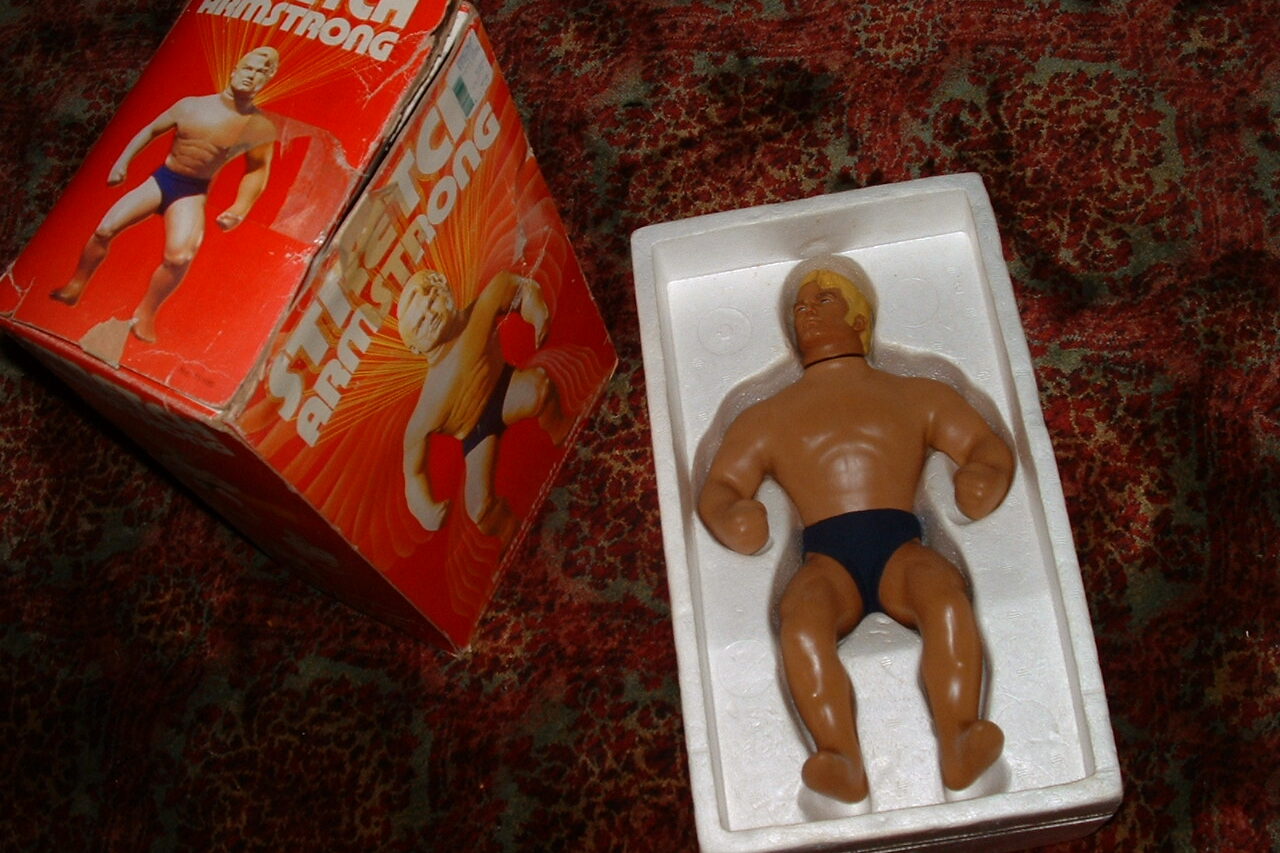
Stretch Armstrong, the superhero of elasticity! With arms that stretched almost a foot and a muscular rubber body, he was the ultimate test of a kid’s strength and imagination. You could pull, tug, and twist him in every direction, then watch him bounce back to his original shape. Kids loved showing off how far they could stretch him without tearing, often competing with friends over who had the longest, most outrageous stretch. His unique, goo-filled body made him stand out from the other plastic toys on the shelf, and he quickly became an icon of 1970s playrooms everywhere.
Stretch Armstrong wasn’t just fun to play with; he also inspired creative adventures. He became a hero in countless imaginary battles or a companion on daring missions, showing how a simple action figure could spark complex storytelling. Parents appreciated that while he was a bit messy to clean if he tore, he didn’t require batteries, screens, or endless upkeep. For those who grew up with him, Stretch Armstrong remains a symbol of pure, hands-on play proof that sometimes the best toys are the ones that bend, not break, under the pressure of childhood curiosity.
3. Lite-Brite Glow Creations
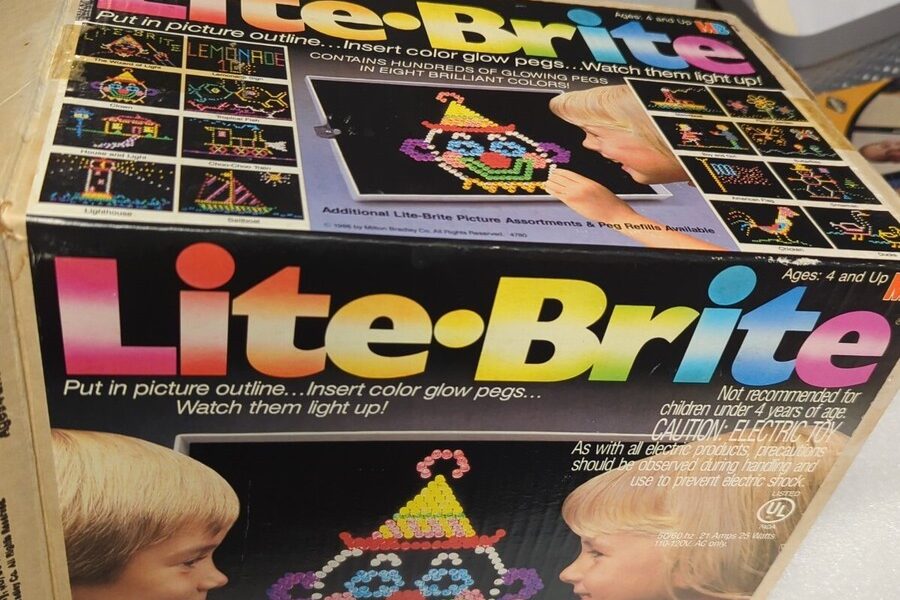
Lite-Brite turned ordinary evenings into quiet moments of creativity that glowed. You’d place a black sheet over the board, slide in tiny colored pegs, and slowly watch your design come alive with light. It wasn’t about speed or perfection; the charm was in the process itself. Whether you followed the included patterns or made something entirely from your imagination, the glowing shapes gave a small sense of pride that felt bigger than the effort it took.
The appeal was in its simplicity and the calm focus it encouraged. Kids could spend long stretches arranging pegs, adjusting colors, and discovering patterns that pleased them. One nostalgic fan shared, “It made creativity feel simple, like anyone could make something worth seeing.” That feeling stuck because Lite-Brite didn’t demand complex skills or rules. It offered a gentle, steady way to explore imagination while seeing instant results in the glow of the tiny lights. Quiet, colorful, and endlessly adaptable, it captured attention without overwhelming, letting kids enjoy the simple joy of making something visible and unique. Lite-Brite became more than a toy; it was a small, glowing space where focus, creativity, and play came together, leaving memories that lit up rooms long after the lights went down.
4. Weebles
Weebles wobble but they don’t fall down everyone remembers that catchy slogan, right? These egg-shaped toys were instantly recognizable in the 1970s and came in all sorts of little characters, from farmers to policemen. Kids loved them because they were fun to line up, stack, or spin on tables, and watching them wobble back upright after a push was endlessly entertaining. They became tiny companions for creative play, fitting perfectly into miniature worlds kids built with blocks or other toys. The simple physics behind them made learning fun without even realizing it.
What made Weebles stand out was their combination of charm and durability. They were small, colorful, and easy to carry anywhere, making them a favorite for both home and car play. Beyond the amusement, they subtly encouraged curiosity about balance, movement, and gravity, which parents quietly appreciated. For those who grew up in the 70s, Weebles are a sweet reminder of childhood creativity and resilience a toy that literally bounced back no matter what. Bringing them back today would delight kids while giving adults a smile as they recall the simple joys of wobbling toys.
5. Simon
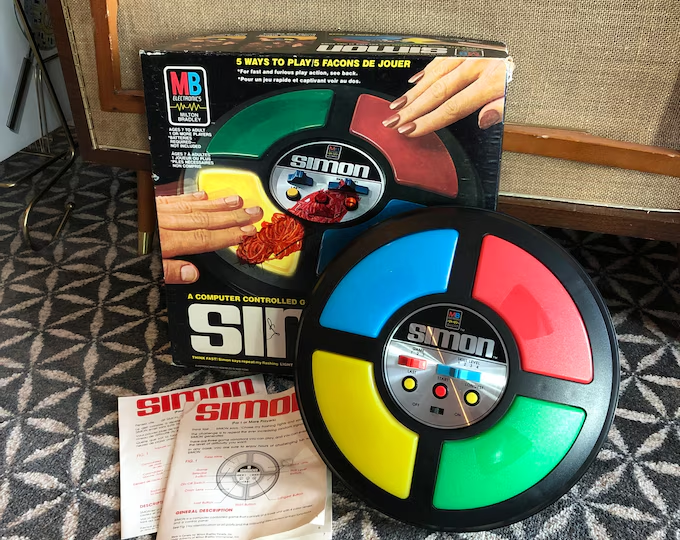
Before smartphones made memory games digital, there was Simon. This electronic hand-held game challenged players to remember increasingly complex sequences of lights and sounds. Kids would huddle together, each trying to repeat the pattern without missing a beat, creating a mix of excitement and frustration that made it endlessly addictive. It was colorful, simple, and just the right amount of challenge to keep friends and siblings engaged for hours, all without screens or apps. The way it combined visual cues with sound made it a standout toy of the era, blending fun with a subtle mental workout.
Simon also had a quiet competitiveness that made it irresistible. Families would sit around and compete for the longest streak, while kids tested their memory skills daily. Parents could feel good knowing it encouraged concentration and cognitive skills, and for children, it felt like pure fun. Its bright design and catchy electronic sounds made it instantly memorable, and even decades later, Simon still evokes a feeling of nostalgic delight. It’s a small reminder that the simplest electronic toys often had the biggest impact on childhood memories.
6. Evel Knievel Stunt Cycle
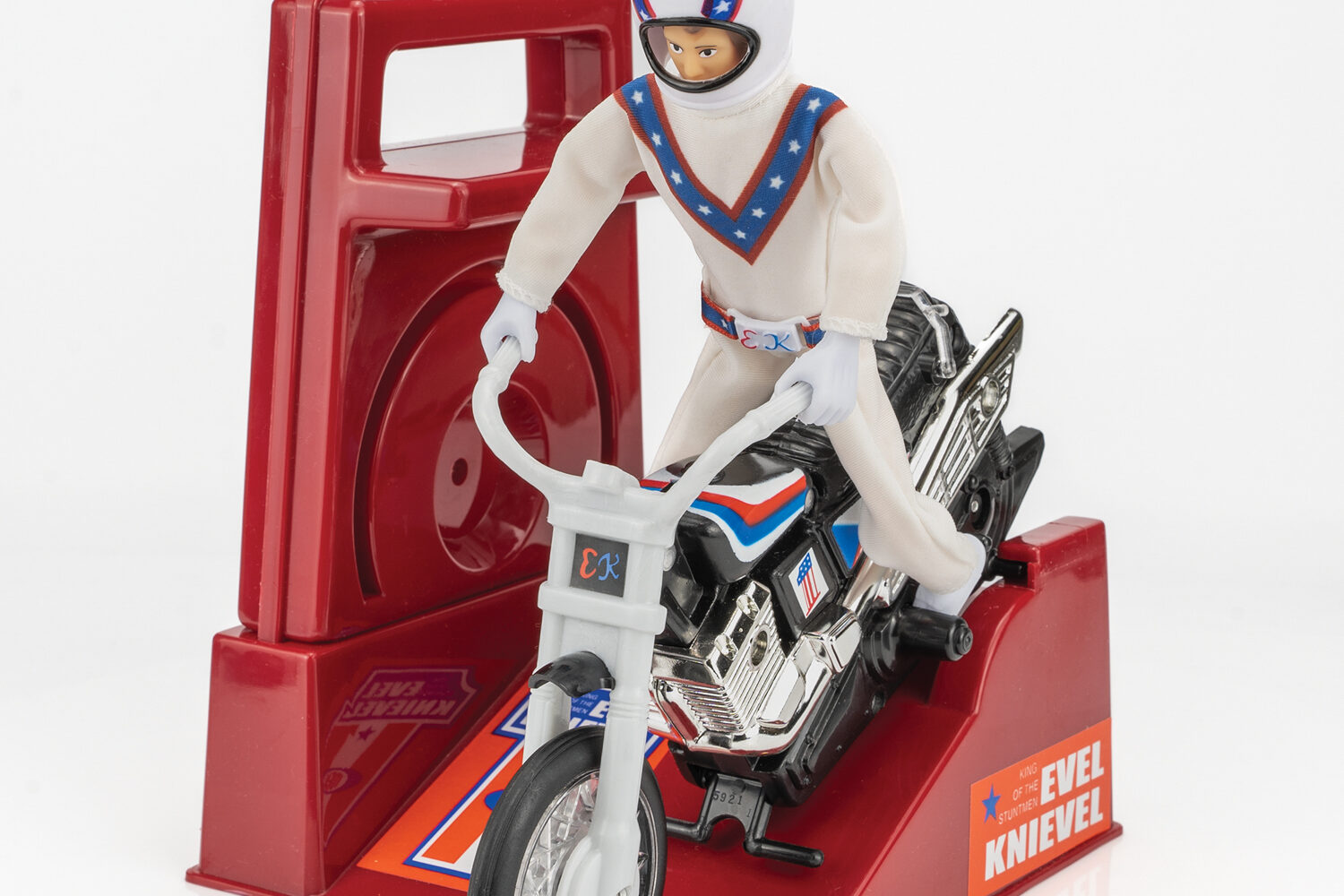
Every kid wanted to feel like a daredevil in the 1970s, and Evel Knievel’s Stunt Cycle made that fantasy tangible. Inspired by the legendary stunt performer, this toy allowed children to launch Evel over ramps and obstacles, recreating death-defying feats in their living rooms. The motorcycle’s spring-loaded action added drama and excitement, making each jump feel triumphant. It wasn’t just a toy; it was a ticket into imaginative storytelling, where every ramp became a stadium, every crash an epic story, and every successful jump a personal victory.
The Stunt Cycle captured the thrill of Evel Knievel’s live stunts in miniature form, blending action, risk, and creativity. Kids could experiment with different ramp heights or techniques, testing their own hand-eye coordination and patience. While parents sometimes winced at the noise or potential for flying plastic pieces, they also admired how it encouraged movement and problem-solving. Even today, recalling the tiny Evel and his fearless jumps brings a smile. It’s a toy that reminds us that play can be daring, fun, and a little bit heroic all at once.
7. Big Wheel
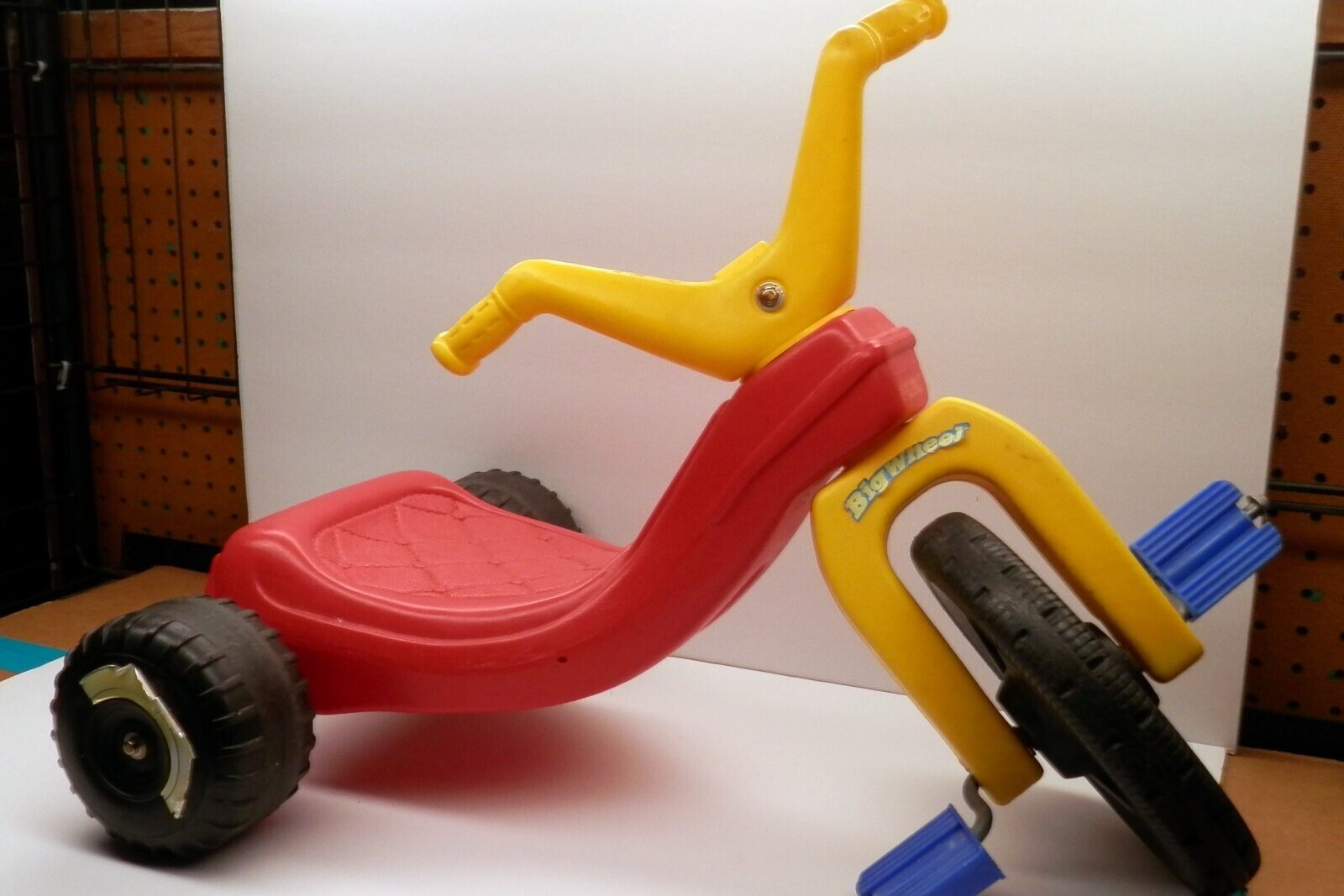
Few toys captured the thrill of speed like the Big Wheel. This low-riding tricycle with its oversized front wheel was a staple of 1970s neighborhoods, letting kids feel like they were racing down streets and sidewalks with ease. Its plastic body, wide wheels, and easy-to-grip handles made it perfect for zooming around without too much effort, while kids proudly showed off tricks and sharp turns to friends. For many, the Big Wheel wasn’t just transportation; it was a symbol of freedom, adventure, and endless outdoor fun on sunny afternoons.
Beyond the speed, the Big Wheel encouraged imaginative play. Some turned it into a makeshift race car, others imagined daring stunts, while groups of friends created obstacle courses to test their skills. Parents appreciated that it got kids outside, building balance and coordination while keeping them active. Looking back, the Big Wheel is a reminder of a time when simple, durable toys could bring hours of joy without screens or batteries. Its lasting charm lies in its blend of motion, adventure, and the kind of fun that only a neighborhood full of kids can provide.
8. Fisher-Price Little People
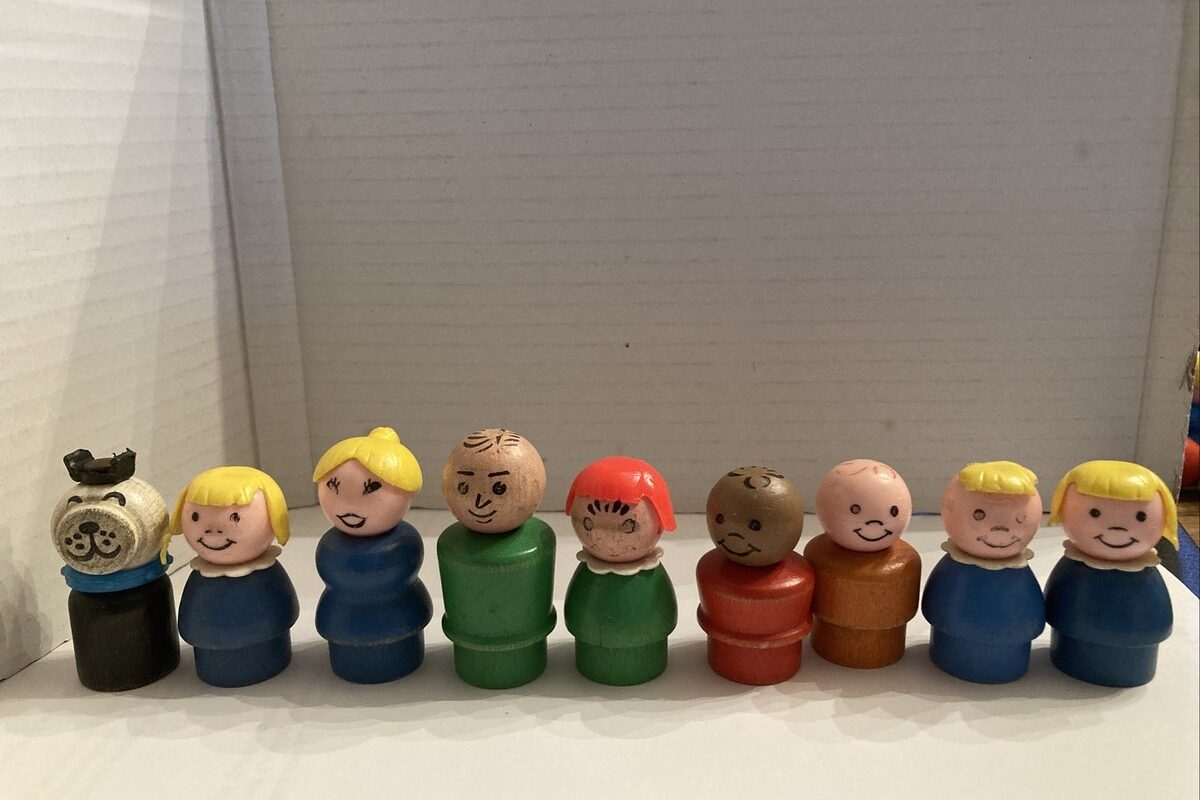
Fisher-Price Little People were the heart of 1970s playrooms, offering endless stories in miniature worlds. These small, rounded figures came with houses, schools, barns, and vehicles, letting kids create bustling little towns. They were easy to handle, durable, and wonderfully simple, perfect for toddlers and older children alike. Kids could imagine entire adventures, from school mornings to farm chores, all with figures that fit snugly in their hands. The tactile joy of moving them through buildings, vehicles, and playsets made them endlessly engaging.
Little People weren’t just toys, they were tools for imaginative storytelling. Parents loved that they encouraged narrative thinking, social play, and fine motor skills. For children, it was the delight of controlling a tiny world, creating scenarios, friendships, and adventures over and over. Even decades later, those bright little figures evoke a nostalgia that reminds adults of a time when play was about imagination, hands-on interaction, and the joy of building small universes out of plastic, color, and creativity.
9. Spirograph
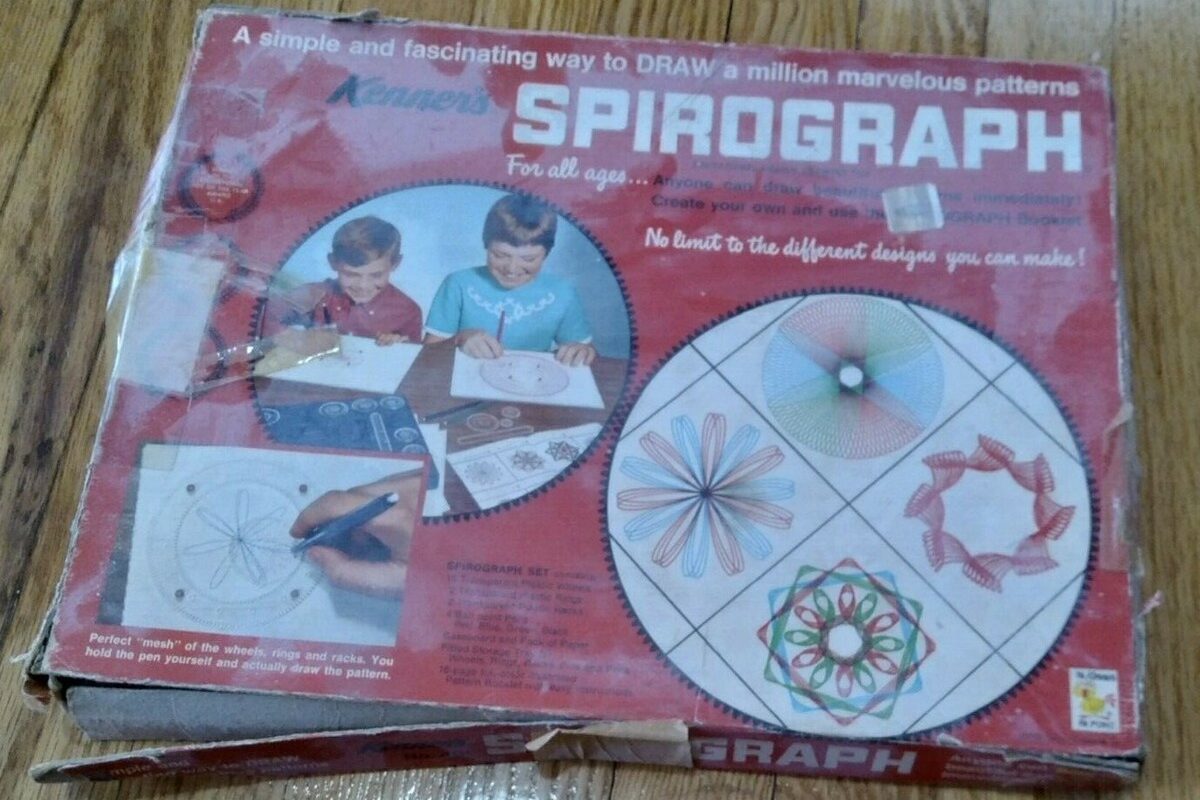
Spirograph turned math into art, letting kids spin gears and create mesmerizing geometric patterns in every color imaginable. In the 1970s, this simple yet brilliant toy became a favorite for creative minds, combining precision, patience, and play. Children could overlay designs, experiment with symmetry, and create endless variations of spirals and shapes, all while having a blast with colored pens. It was tactile, visual, and endlessly rewarding one of those toys that felt like magic on paper.
Parents appreciated that Spirograph quietly taught concepts like geometry and spatial reasoning without the child even noticing. It was calming, inspiring, and perfect for rainy days or quiet afternoons. Many adults who grew up with it still remember the hypnotic swirl of lines and colors, and the pride in finishing a perfect pattern. Spirograph wasn’t just a toy it was a canvas for creativity, a tool for learning, and a gateway to endless hours of imaginative, hands-on fun.
10. Shrinky Dinks
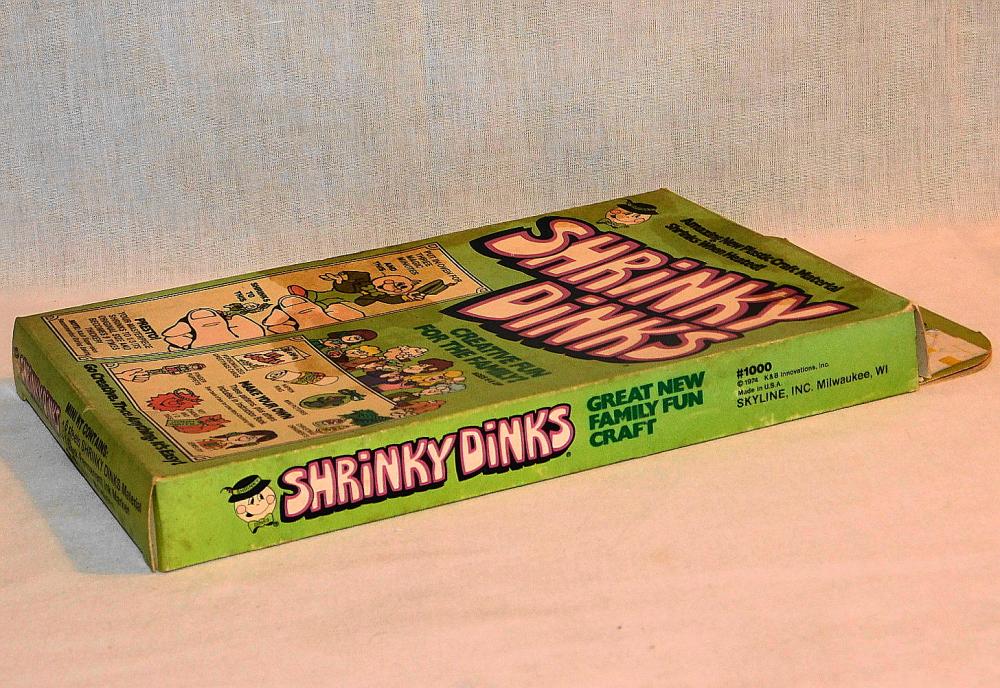
Shrinky Dinks were tiny sheets of plastic that transformed into mini masterpieces when baked, capturing the imagination of 1970s kids everywhere. Children could draw or trace their favorite characters, color them in, and watch in awe as the pieces shrank to a fraction of their size, becoming hard, glossy charms or figures. It was a hands-on, science-meets-art experience, combining creativity with a little bit of chemistry in a way that felt completely magical.
The appeal of Shrinky Dinks lay in that instant “wow” moment the transformation from a flat, fragile sheet to a sturdy, shiny creation. Kids could make jewelry, keychains, or collectible figures, proudly sharing their creations with friends and family. Parents liked that it encouraged artistic skills and careful attention to detail, though supervision was necessary for the oven part. Shrinky Dinks remain a nostalgic symbol of a playful, imaginative childhood where simple science could make art feel alive, and creativity had a tangible, magical payoff.
11. Etch A Sketch
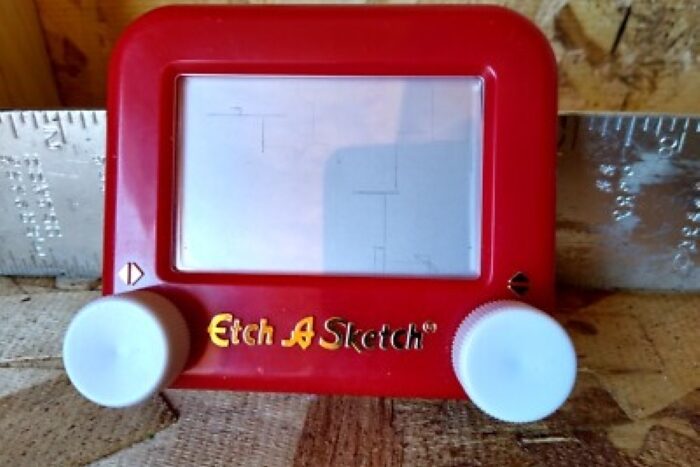
Etch A Sketch was the 1970s’ ultimate doodle machine, letting kids create art with two simple knobs. One controlled horizontal movement, the other vertical, and together they allowed drawings to appear magically on the screen. The best part? If you made a mistake, a simple shake erased everything, readying the canvas for a new creation. Children loved the challenge of designing houses, cars, or even abstract shapes, developing both patience and hand-eye coordination without realizing they were learning as they played.
It wasn’t just about drawing; it was a tool for problem-solving, imagination, and storytelling. Families would watch as kids meticulously created worlds or competed to see who could draw the most complicated designs. Parents appreciated that it was screen-free, tactile fun that encouraged creativity and focus. Even decades later, Etch A Sketch evokes a mix of nostalgia and respect for its simple brilliance. It’s a toy that reminds us that creativity doesn’t need gadgets; it only needs curiosity, coordination, and a bit of patience.
12. Hot Wheels Redline Cars
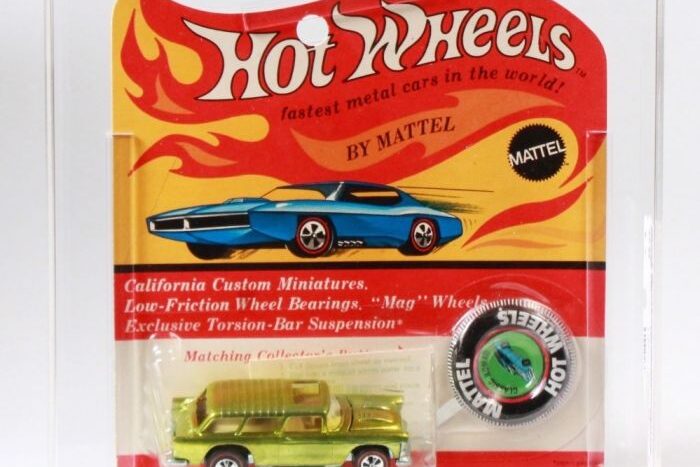
Hot Wheels Redline Cars were tiny speed machines that kids couldn’t get enough of. With their sleek designs, vibrant colors, and the iconic red stripe on the wheels, these cars became instant collectibles. In the 1970s, kids raced them on tracks, built ramps, or imagined epic car chases in miniature worlds. The thrill of collecting rare models and trading with friends made them more than toys they were tiny treasures that sparked excitement and social play.
What made them unforgettable was how they encouraged imagination and storytelling. Every car had a personality, and every race was a new adventure. Parents liked that they were durable and portable, perfect for both indoor play and neighborhood races. Even adults who grew up in that era remember lining up cars on tracks or shaking with excitement when a new model hit the shelves. Hot Wheels Redline Cars are a nostalgic reminder that sometimes the smallest toys create the biggest memories.
13. Rock ’Em Sock ’Em Robots
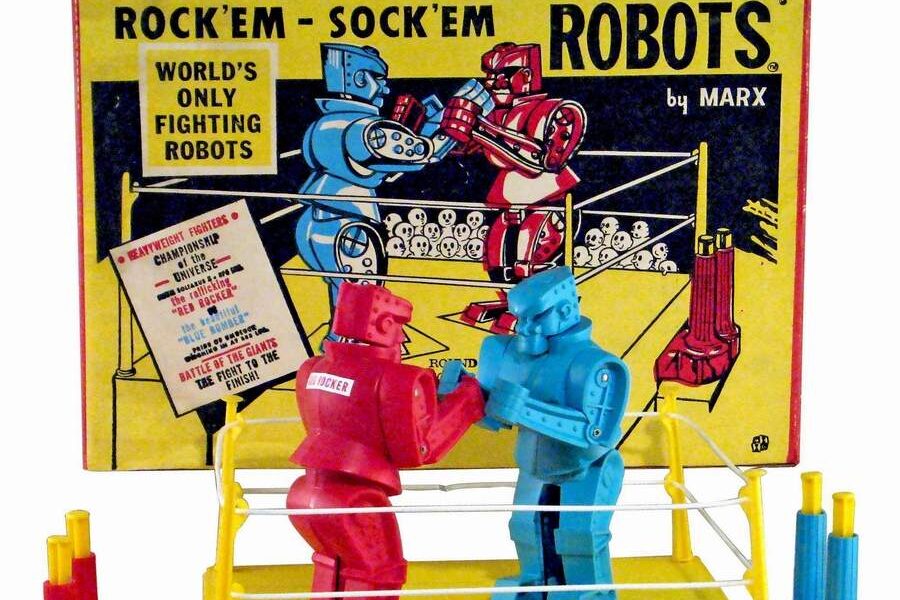
Rock ’Em Sock ’Em Robots brought action and laughter straight into the living room. These two plastic robots stood face-to-face, ready to duke it out with fists controlled by joysticks. The goal? Land a punch that would make the opponent’s head pop up a simple, silly, and endlessly fun battle that had kids cheering and laughing together. It was more than a game; it was a miniature wrestling match, full of energy and friendly competition.
The appeal of Rock ’Em Sock ’Em Robots lay in its tactile excitement. Kids could feel the motion of the joysticks, the bounce of the punches, and the thrill of a successful knockout. Parents enjoyed that it encouraged hand-eye coordination, fast reflexes, and social play. Even today, the bright colors and iconic robot shapes are instantly recognizable, a playful symbol of 1970s fun. It’s a reminder that sometimes, pure amusement doesn’t need batteries, apps, or screens just two friends and a little friendly rivalry.
14. Clackers
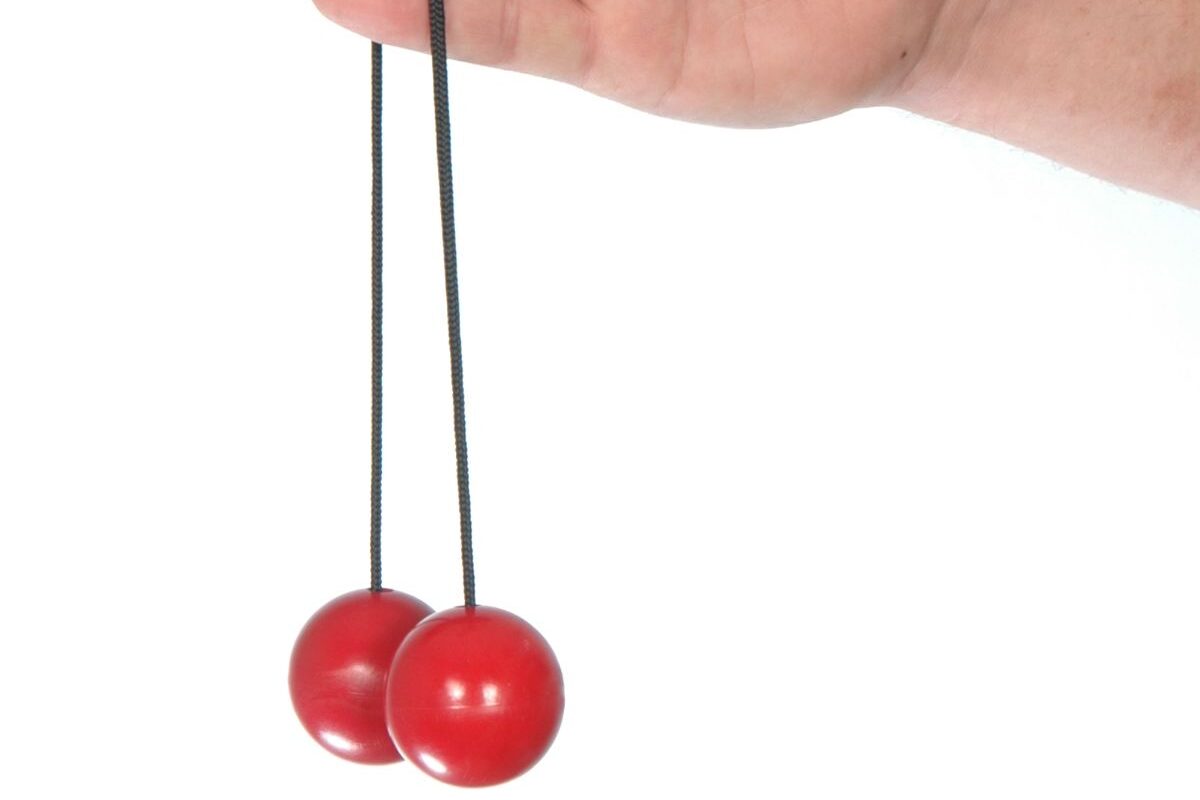
Clackers were a simple toy with a surprising amount of excitement. Two hard acrylic balls connected by a string were swung up and down to make them “clack” together, creating a rhythmic, percussive sound. Kids were instantly fascinated, practicing different techniques to make the balls bounce faster or hit in perfect sync. The sound, motion, and challenge of Clackers made them addictive, turning simple physics into an interactive game.
Beyond the noise and rhythm, Clackers encouraged hand-eye coordination, timing, and persistence. Parents often watched with a mix of amusement and slight concern for flying balls, but they couldn’t deny the skill-building aspect of the toy. Even now, the memory of the satisfying “clack-clack” echoes as a nostalgic reminder of childhood patience, practice, and pride when finally mastering the perfect swing. Clackers were simple, challenging, and fun all at once.
15. Barrel of Monkeys
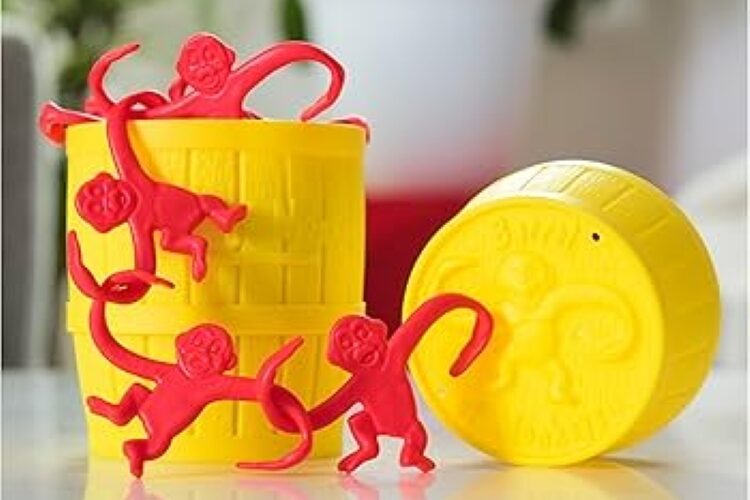
Barrel of Monkeys was the ultimate test of dexterity and patience, yet it was so simple kids couldn’t put it down. Each brightly colored plastic monkey had a hooked arm, and the goal was to link them into a chain without dropping any. Children spent hours trying to create the longest chain, cheering each other on, or inventing new games with the monkeys. It combined luck, skill, and a lot of giggles, becoming a favorite in homes and classrooms alike.
What made it timeless was its perfect mix of challenge, fun, and portability. Parents loved that it was simple, non-electronic fun that encouraged hand-eye coordination and social play. Today, Barrel of Monkeys is more than a game it’s a nostalgic memory of shared laughs, careful fingers, and the kind of simple toy that required imagination instead of batteries. Looking back, these toys remind us that sometimes the smallest, simplest ideas make the most lasting childhood memories, and maybe it’s time to bring a few monkeys back into our lives.


