
Dial-Up Screech
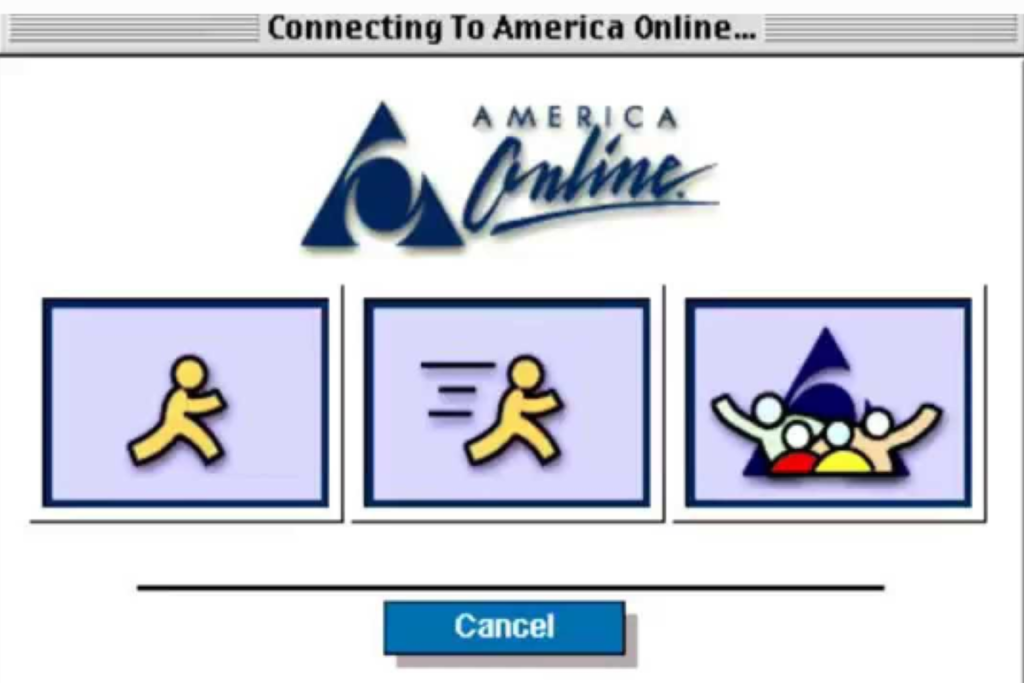
Before our gadgets went silent and sleek, life had a noisy, mechanical soundtrack that we actually had to interact with every day. Back in the late 1990s, getting onto the World Wide Web wasn’t a silent, invisible background process; it was a full-blown musical performance that shook the house. To hop onto AOL or Netscape, you had to sit through a chaotic 30-second symphony of rhythmic clicks, aggressive static, and high-pitched electronic chirps. This was actually the sound of two modems “shaking hands” and negotiating a data connection over standard copper telephone lines. It was a mechanical conversation that translated digital information into audio frequencies so it could travel across the existing 20th-century infrastructure.
This noisy ritual demanded a level of patience that is almost unimaginable in our modern world of 5G and fiber optics. You didn’t just “check” the internet; you made a conscious decision to go there, listening intently and hoping a family member wouldn’t pick up the kitchen phone and kill the connection mid-screech. By the time broadband began taking over around 2004, this iconic sound started to fade into history.
AIM Door Slam
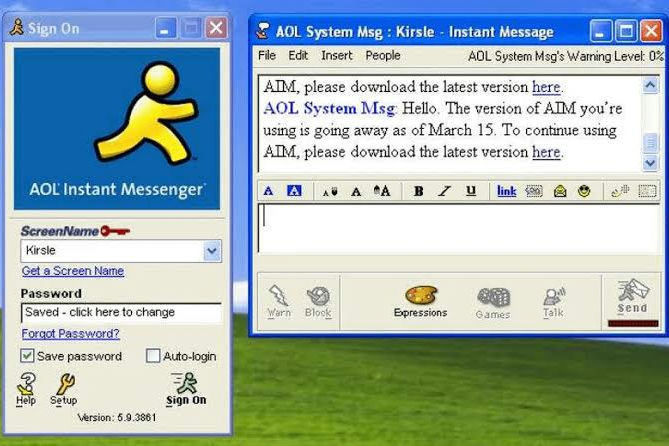
If you grew up during the peak of AOL Instant Messenger between 1997 and 2005, you definitely remember the sound of a virtual door slamming shut. Whenever a friend on your “Buddy List” signed off for the night, the software triggered a loud, wooden “thud” that echoed through your computer speakers. It was a surprisingly heavy and dramatic sound for a digital chat app, but it served a very real purpose: it let you know that a conversation was over. That sound gave digital presence a physical weight, making the person on the other side feel like they were truly leaving a room.
That auditory cue turned online socializing into something that felt immediate and grounded in reality. It’s more than seeing a name turn gray; you heard the exit, which added a layer of social consequence to your late-night chats. As messaging apps moved to smartphones and became more streamlined and silent, that theatrical door slam eventually disappeared. Its absence marked the end of an era where being “online” was a specific, punctuated event. Now, we are always reachable, but we’ve lost that satisfying, slightly moody sound that signaled it was finally time to log off and go to sleep.
VHS Rewind Whirr
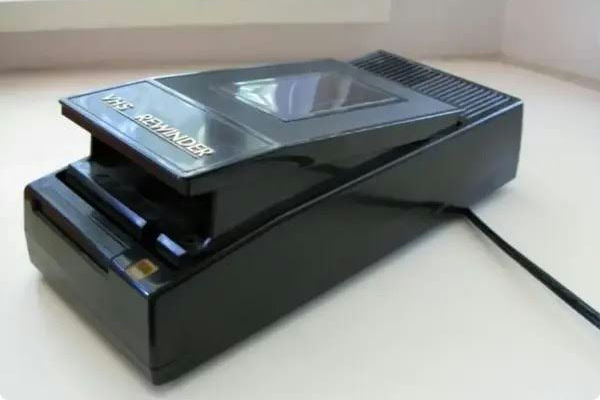
During the 1980s and 90s, every movie night ended with a very specific, high-pitched mechanical whirr. Before you could return a movie to Blockbuster or watch your favorite Disney tape again, you had to wait for the VCR to spin the magnetic tape all the way back to the beginning. This process created a distinct vibration you could feel through the floor and a rising whine that let you know the job was almost done. It was a built-in moment of reflection that sat between the end of a film and the start of real life again.
This sound also carried a sense of community responsibility, famously summarized by the “Be Kind, Rewind” stickers found on almost every rental. You weren’t just maintaining a piece of plastic; you were making sure the next person could enjoy the movie without the hassle of waiting. Because the media wasn’t instant, that winding sound made the act of watching a film feel much more intentional and physical. When DVD players took over in the early 2000s, the “rewind” became a silent digital jump, and the comforting, hardworking hum of the VHS motor was silenced forever in our living rooms.
Rotary Dial Clicks
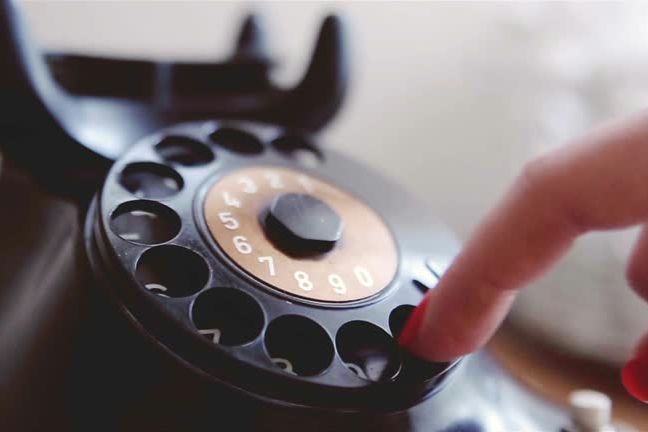
Long before we had touchscreens or even push-button phones, calling a friend required a bit of physical labor and a whole lot of patience. The rotary phone, which was a household staple well into the 1980s, produced a rhythmic series of mechanical clicks as the circular dial spun back to its starting position. Each digit you dialed had its own duration, a “1” was a quick blip, while a “0” involved a long, satisfying whirr-click-click-click. This turned the simple act of dialing a ten-digit phone number into a deliberate, timed performance that you could actually hear from across the house.
Those clicks created a unique cadence that became the background rhythm of mid-century domestic life. You could often tell exactly who was being called just by the length and pattern of the spins, making communication feel incredibly personal and grounded. Unlike the silent, instant taps of a modern smartphone, the rotary phone reminded us that connecting with someone else used to take time and effort.
Floppy Drive Crunch
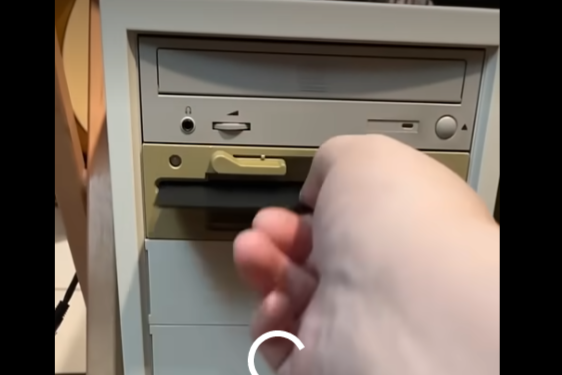
If you used a computer in the 80s or 90s, you knew the sound of a floppy disk drive as well as the sound of your own doorbell. When you slid that 3.5-inch square into the slot, the machine would respond with a series of mechanical groans, whirrs, and a rhythmic “crunching” sound. This noisy feedback was the sound of the drive head moving across the magnetic disk to read or save your data. Whether you were loading a school report or a pixelated video game, that sound was the universal signal that the computer was actually working on your request.
There was always a tiny bit of drama hidden in those noises too. If the drive started clicking too many times in a row, it usually meant a “disk read error” was coming, which could be heartbreaking if you hadn’t backed up your work. That tension made the computing experience feel fragile and tactile, as if you were collaborating with a temperamental machine. Modern solid-state drives are lightning-fast and completely silent, which is great for productivity, but they lack that unmistakable “crunch” that once turned saving a file into a small, audible victory for every student and office worker.
“You’ve Got Mail”
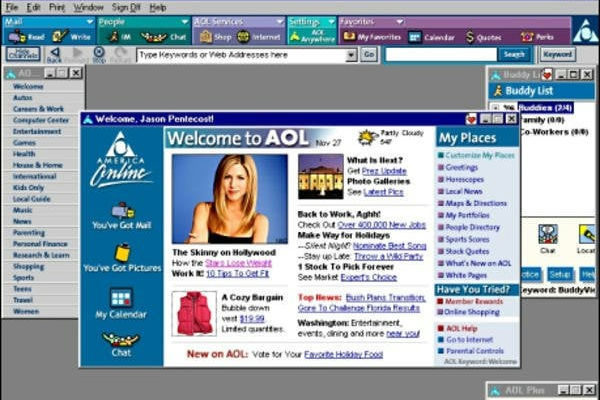
In the mid-1990s, there was no sound more exciting than the cheerful, three-word announcement: “You’ve got mail.” Voiced by Elwood Edwards in 1989, this AOL notification transformed the act of receiving an email into a major household event. Back then, your inbox wasn’t filled with junk mail or work stress; it was usually a digital “letter” from a friend or a relative. When that friendly voice spoke up, it felt like a personal greeting, making the early internet feel like a welcoming, small-town community rather than a vast, anonymous network of data.
This iconic phrase defined the “Golden Age” of email, helping millions of people transition into the digital world with a sense of wonder and anticipation. It encouraged us to check our computers with a smile, turning a simple data transfer into a social interaction. Over the years, as our inboxes became flooded with thousands of unread messages and advertisements, the novelty eventually wore off. Notifications became subtle pings or silent vibrations on our phones. However, for anyone who sat at a bulky CRT monitor in 1996, that voice remains the ultimate symbol of a time when every message felt special.
Cash Register Ding
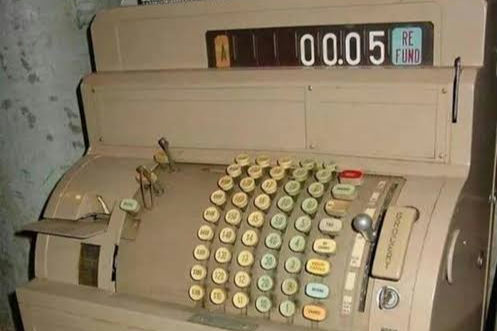
There used to be a very clear, mechanical “finality” to every shopping trip. When a clerk finished ringing up your groceries or clothes, they would hit a button that triggered a sharp, metallic “ka-ching” as the cash drawer popped open. This sound was followed by the heavy slide of the metal drawer and the rustle of paper bills. It was a functional noise, but it also served as a universal symbol of a successful transaction. In fact, it became so iconic that it was used in movies and music for decades to represent the very idea of making money.
In a physical retail environment, that “ding” gave shoppers a clear signal that the deal was done and it was time to move on. Modern checkout counters have replaced that satisfying mechanical chime with dull electronic beeps or completely silent iPad screens. While today’s systems are much faster, they feel a bit hollow and less “real” without that physical feedback. The disappearance of the cash register’s bell is a small part of a much larger shift toward a cashless, digital economy, where the literal sound of commerce has been muted in favor of invisible, silent swipes.
Ice Cream Jingle
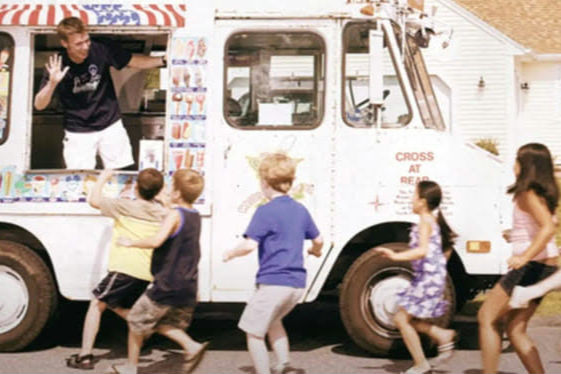
On hot summer afternoons in the 1980s and 90s, nothing moved faster than a group of kids who heard the faint, tinny melody of an ice cream truck from three blocks away. Whether it was “The Entertainer” or “Turkey in the Straw,” that jingle wasn’t just music, it was a neighborhood-wide call to action. It drifted through open windows and backyard fences, signaling a rare opportunity to grab a Rocket Pop or a Choco Taco. That sound had a magical quality that could instantly change the energy of an entire street, bringing families out onto their front porches.
The ice cream truck jingle created a shared community moment that broke the routine of the day. It was a sound that forced everyone to slow down, find some spare change, and gather at the curb. Today, with the rise of air conditioning and planned playdates, you don’t hear those wandering melodies as often in suburban neighborhoods. For those who grew up with it, however, that repetitive, slightly off-key tune still triggers a sense of pure, summertime freedom. It remains one of the few sounds that can instantly make an adult feel like a ten-year-old with a dollar in their pocket.
Camera Flash Whine
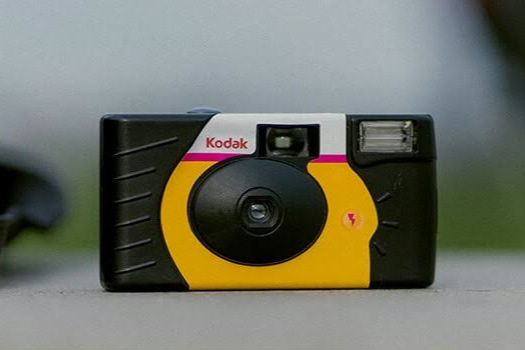
Long before we had smartphones that could take a thousand photos in a minute, taking a picture was a slow and deliberate process. If you were using a disposable camera or a point-and-shoot in the 1990s, you had to wait for the flash to “charge” before you could press the shutter. This created a distinct, high-pitched electronic whine that rose in frequency until it hit a peak. That sound was the literal sound of energy building up, and it served as a signal to everyone in the room to hold their poses and get ready for the “pop.”
That charging whine added a layer of anticipation to every birthday party and holiday gathering. Because you only had 24 or 36 exposures on a roll of film, every shot mattered, and the sound of the flash reminded you to make it count. You couldn’t just “filter” a bad photo later; you had to get the lighting right the first time. Today’s digital cameras are silent and instant, which makes photography easier but less of an “event.” We’ve traded that rising whine of anticipation for a silent screen, losing the little audio cue that used to tell us a memory was about to be captured.
Metal Seat Belt Clink
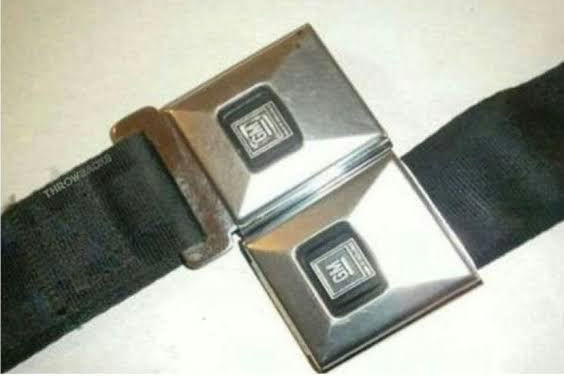
If you grew up riding in cars from the 1970s or 80s, you remember the heavy, industrial feel of a metal seat belt buckle. When you sat down and pulled the strap across, the act of locking it in produced a loud, solid “clink” that echoed through the cabin. It wasn’t the soft, plastic “click” of a modern car; it was a heavy-duty interaction between two pieces of chrome-plated steel. That sound provided a deep sense of security, physically confirming that you were locked in and ready to hit the road for a long family trip.
That tactile feedback meant you didn’t need a dashboard light or a persistent “dinging” reminder to tell you to buckle up, the sound itself was the proof. As car manufacturers moved toward lighter, more fuel-efficient materials in the 1990s, these heavy metal buckles were replaced by plastic housings and quieter mechanisms. While the new designs are certainly safer and lighter, they don’t have that same “tank-like” reliability that the old metal clink provided. For many, that specific sound is still tied to the feeling of being a kid in the backseat, safe and sound as the engine roared to life.
Dot Matrix Screech
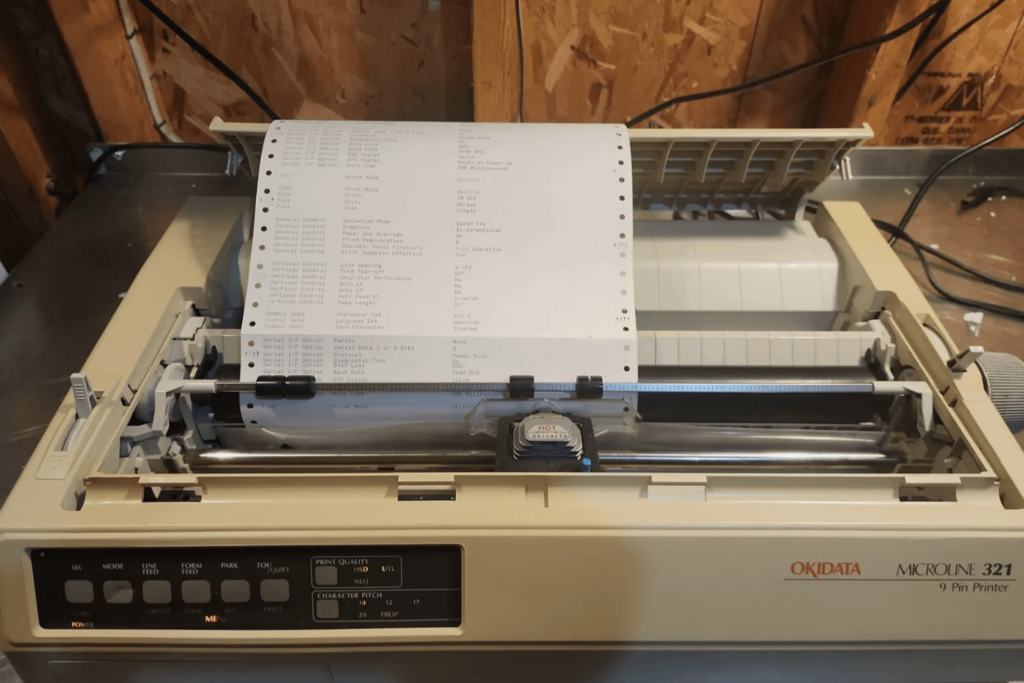
The dot matrix printer was the undisputed king of home offices and school computer labs during the 1980s and early 90s. It didn’t just print pages; it performed them with an unforgettable, high-pitched screech. As the print head zipped back and forth, tiny metal pins struck an ink ribbon to form letters out of tiny dots, creating a rhythmic, buzzing chatter that could be heard through closed doors. It was loud, slow, and strangely industrial, making every printed book report feel like a major manufacturing achievement that required the attention of everyone in the house.
There was something weirdly productive about that noise, you could actually hear the work being finished line by line. It often came with the satisfying “rip” of the perforated edges on the continuous-feed paper, another ritual that has completely vanished. By the mid-90s, inkjets and laser printers started to bring silence to our desks, turning the printing process into a boring, quiet background task. The dot matrix screech remains a core memory for anyone who stayed up late finishing a paper, representing a time when technology was a loud, visible, and very physical part of our daily productivity.
Pencil Cassette Trick
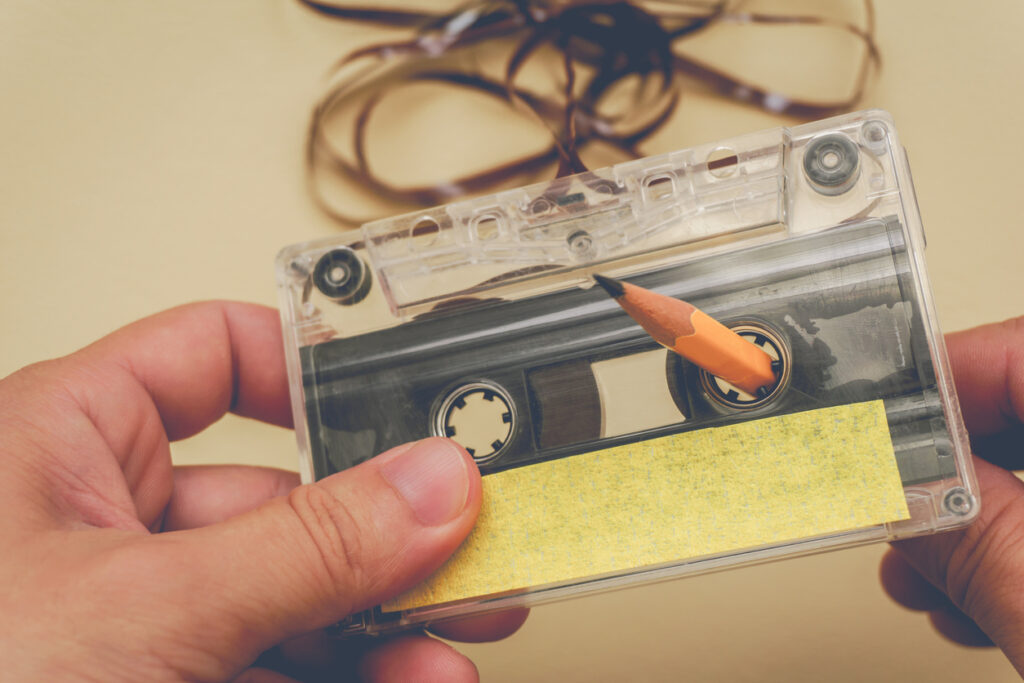
In the era of the cassette tape, which peaked between 1975 and 1995, music lovers often had to be amateur mechanics. If your favorite tape got tangled or “eaten” by the player, you didn’t throw it away, you grabbed a standard yellow No. 2 pencil. By sticking the pencil into one of the tape’s reels and spinning it manually, you would hear a soft, steady “click-click-click” as the thin brown ribbon tightened back into its plastic shell. It was a quiet, focused sound that required a steady hand and a little bit of patience to save your music.
This little ritual was a perfect example of how we used to interact with our technology. We didn’t just consume digital files; we maintained physical objects that sometimes needed a little TLC. The sound of that clicking reel was a sign that you were fixing the problem yourself, and there was a great sense of relief when the tape finally looked smooth again. Today’s streaming services like Spotify never tangle or jam, which is obviously better, but we’ve lost those small, hands-on moments that made our music collections feel like something we truly owned and took care of.
Classroom Sharpener Grind
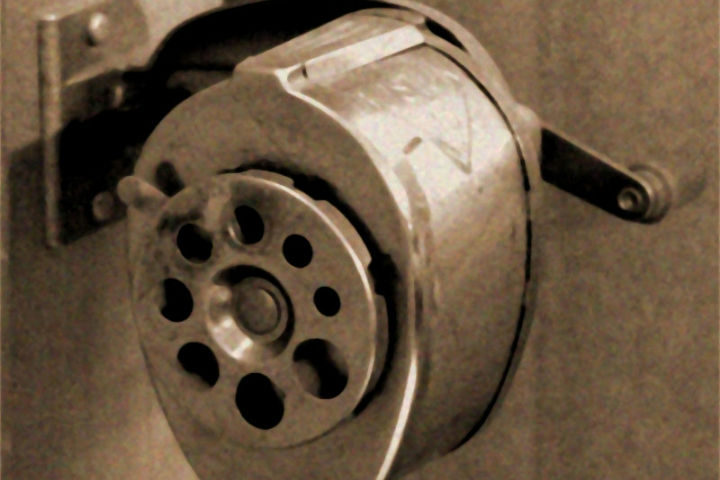
Walking to the front of a quiet classroom to use the wall-mounted pencil sharpener was a rite of passage for every student from the 1950s through the 1990s. The sound was unmistakable: a low, growling roar of metal blades chewing through wood and graphite. It started as a rough, uneven grind and gradually smoothed out into a whirr once the pencil reached a perfect point. It was so loud that it usually forced the teacher to stop talking for a few seconds, turning a simple task into a brief, public interruption of the entire lesson.
That grinding sound is a cornerstone of school nostalgia, instantly bringing back the smell of cedar shavings and the feel of a cold metal handle. It was a physical reminder that learning was a messy, tactile process that involved real tools. As mechanical pencils and silent electric sharpeners became the norm, that iconic classroom “roar” began to fade away. For those of us who remember it, however, that sound still represents the rhythm of a school day, a noisy, necessary break in the silence that signaled you were ready to get back to work on your next assignment.
TV Static Hiss
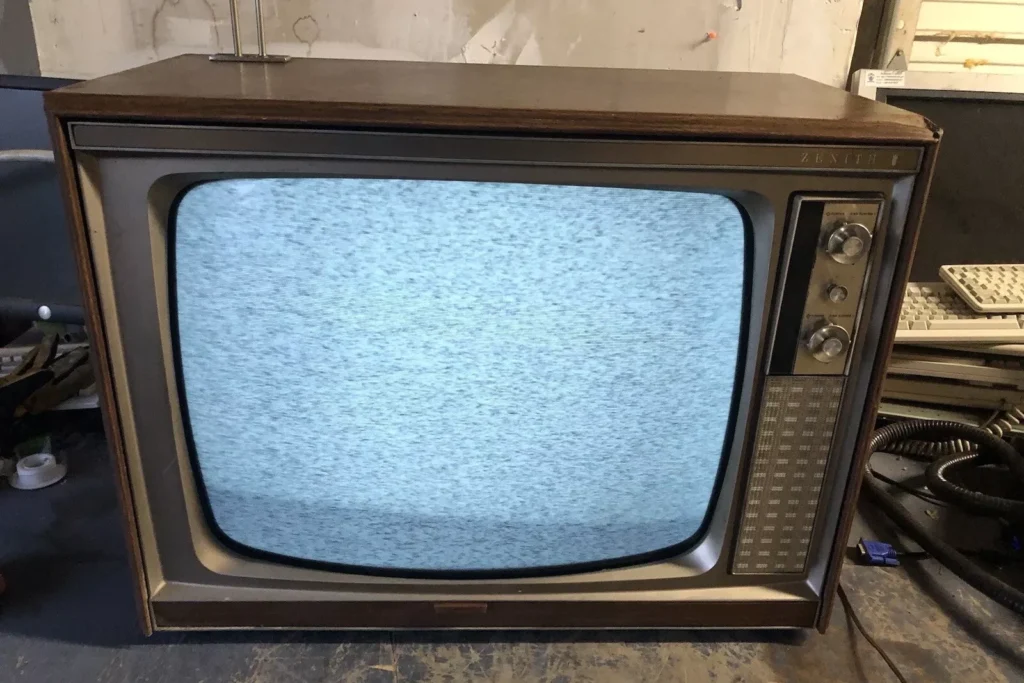
Before the world went 100% digital in 2009, televisions had a very noisy way of telling you that the show was over. If a station went off the air for the night or your antenna lost its signal, the screen didn’t just go black; it exploded into a blizzard of black-and-white “snow” accompanied by a constant, rushing hiss of static. This sound, often called “white noise,” was actually the sound of the TV picking up random electromagnetic interference from the atmosphere. It was a cold, empty sound that felt both slightly eerie and strangely calming during a late-night viewing session.
That hiss served as a boundary for our entertainment, reminding us that there were limits to what we could watch and when we could watch it. It was the sound of “nothing on,” a concept that has practically disappeared in our world of 24/7 streaming and YouTube loops. Today, if a signal drops, the screen just freezes or displays a polite error message in total silence. The loss of TV static marks the end of an era where media felt like it was being “caught” out of the air, rather than being delivered through a perfect, silent digital pipe.
Glass Bottle Clink
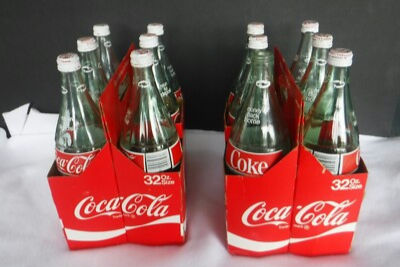
There was once a very musical side to doing the grocery shopping or cleaning out the garage. Up until the late 20th century, many soda and milk bottles were made of thick glass and were designed to be returned for a deposit. When you gathered your empties into a plastic crate, they would knock against each other, creating a bright, ringing “clink” that sounded like a set of wind chimes. It was a clear, clean sound that signaled the end of a cycle, as those bottles were headed back to the plant to be washed and refilled.
That sound was the anthem of a less disposable world. It represented a time when our daily habits were built around reuse rather than just throwing things in a bin. You could hear the value in those bottles as they chimed together, reminding you that you were about to get a few nickels back at the store. As plastic took over in the 1990s, that ringing sound was replaced by the dull, hollow thud of crinkling PET bottles. While plastic is lighter, it lacks the satisfying, high-quality “ping” of glass that once made a simple chore feel like a small musical performance.


