
When The Kids Were In Charge of The Chores
While the 1950s focused on the invisible labor of the housewife, the 1970s introduced a shift where children were increasingly expected to be the “engine room” of the home. This era was defined by the rise of the dual-income household and a more “free-range” style of parenting, which ironically meant that kids often shouldered a heavy load of domestic responsibilities. It was a time when the chime of the doorbell or the ringing of the telephone triggered a specific set of chores for the youngest members of the family.
Today, we often curate our children’s chores around educational milestones or small rewards, but forty years ago, these tasks were simply a survival requirement for a functioning family. By exploring these 1970s house rules, we can see how the domestic landscape shifted towards shared manual labor and a “muck in” attitude that defines the memories of many Gen Xers. Whether it was the mandatory Saturday morning vacuuming or the delicate art of adjusting the television antenna, these rules were the backbone of a very different kind of American childhood.
The Saturday Morning Cleaning Lockdown
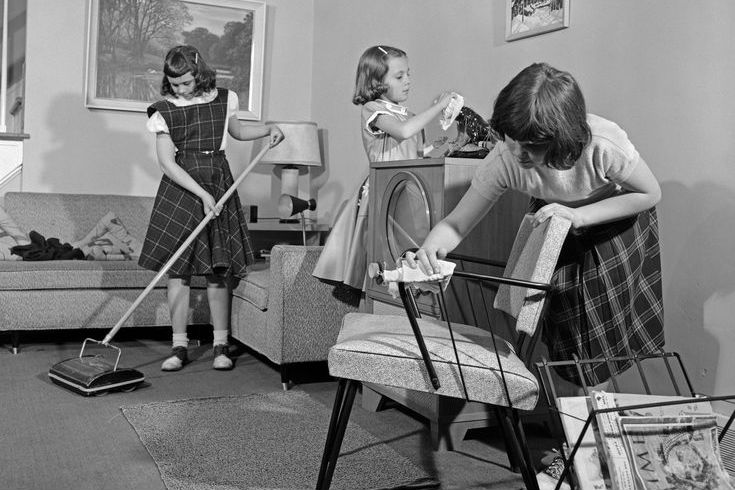
In many 1970s American homes, Saturday morning was not a time for sleeping in or lounging in pajamas because it was the designated “Deep Clean Day” for the children. Before anyone was allowed to head outside to play or ride their bicycles, there was a mandatory list of heavy-duty chores that had to be completed to a satisfactory standard. This usually involved vacuuming the high-pile shag carpeting, which was a notoriously difficult task given how much dust and debris those long fibers could trap. Kids were expected to move the coffee tables and reach deep into the corners, ensuring that the heavy machinery of the era didn’t leave a single track mark behind.
The pressure to finish these tasks quickly was immense because the entire neighborhood was essentially on the same schedule, and you could hear the roar of vacuums from every open window on the block. Parents during this decade were less likely to “help” and more likely to act as inspectors who would send you back to redo the hallway if a stray thread was spotted. We now view weekends as a time for family enrichment and organized sports, but for the 1970s child, the weekend started with a bottle of lemon-scented furniture polish and a very tired vacuum cleaner. It was a rite of passage that taught a generation the value of hard work before they ever earned their first official paycheck at a summer job.
The Great Shag Carpet Raking
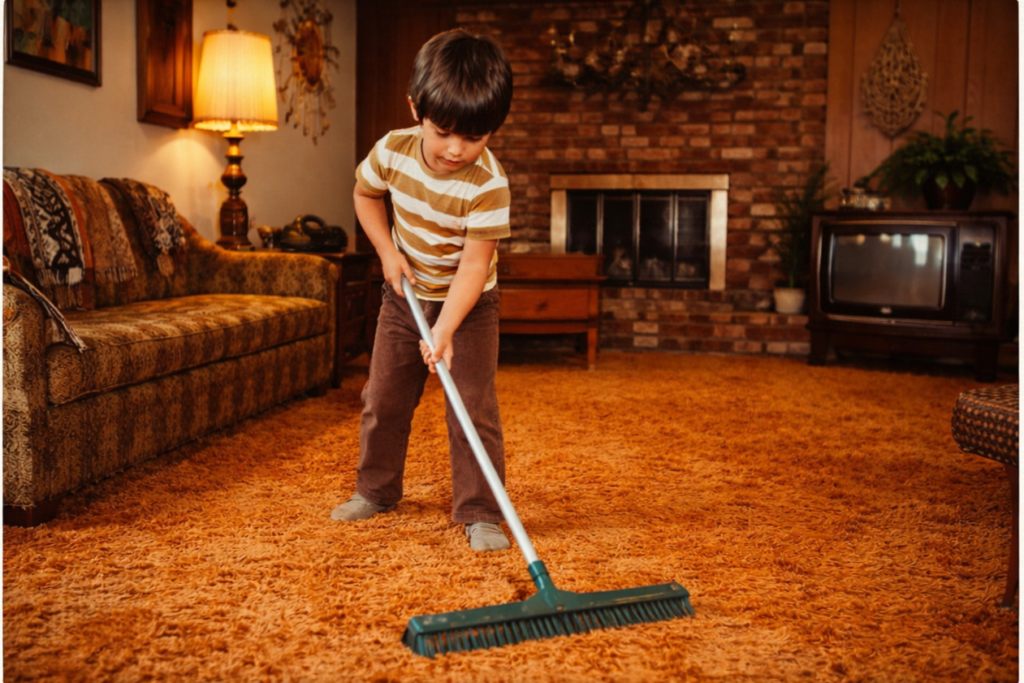
One of the most bizarrely specific chores of the 1970s was the requirement for children to “rake” the carpeting to keep the long fibers standing upright and looking plush. Because shag rugs were the height of interior fashion, they frequently became matted down and flat in high-traffic areas like the hallway or the television room. Children were handed a plastic rake that looked remarkably like a garden tool and were told to comb the carpet in one direction to restore its fluffy appearance. This task was often assigned right before guests arrived for a fondue party or a casual evening of card games to ensure the house looked its best.
Looking back at this rule today, the idea of raking your indoor flooring seems absolutely absurd and a massive waste of a child’s afternoon. Most modern flooring is designed for durability and ease of cleaning, yet the 1970s aesthetic demanded a level of “grooming” that was almost as intensive as caring for a family pet. It was a tedious and repetitive job that often left kids with sore arms and a deep-seated resentment for home decor trends that prioritized style over practicality. While we might feel nostalgic for the bold colors of the era, very few people miss the days when the living room floor required the same maintenance as a suburban front lawn.
Emptying Every Single Ashtray
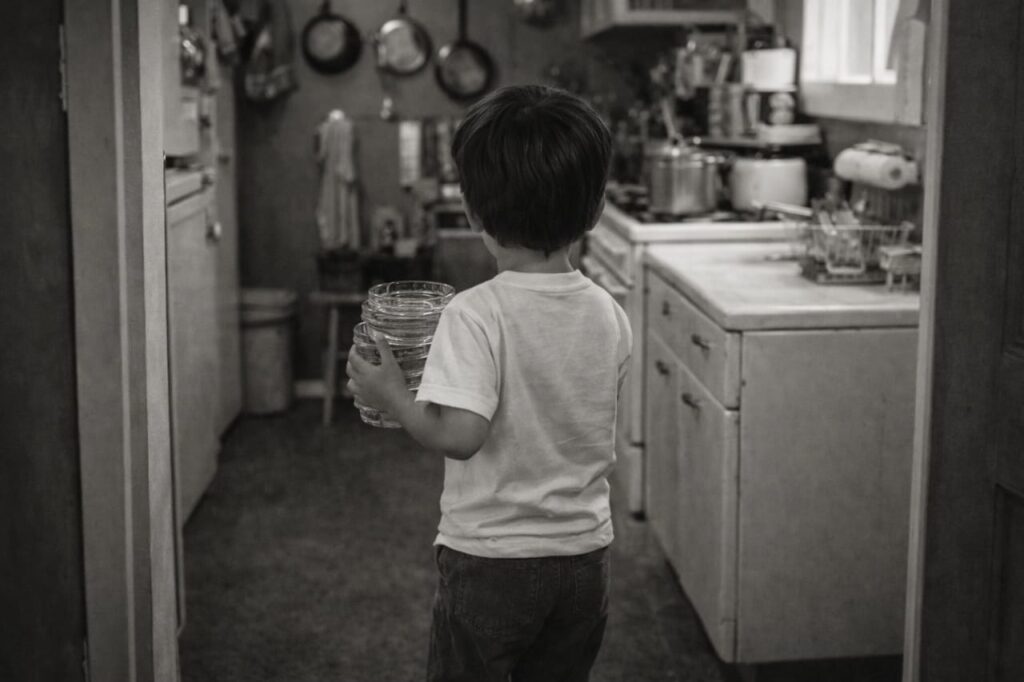
In an era when smoking was permitted in almost every corner of the American home, one of the primary chores for children was the “ashtray run” every single evening. This involved walking from room to room to collect the heavy glass or ceramic trays and emptying the contents into a central rubbish bin before wiping them clean with a damp cloth. It was a task performed without much thought or complaint because the smell of tobacco was simply a background note to everyday life in the 1970s. Kids would polish the amber-colored glass until it sparkled, ensuring that the debris of the day was gone before the family settled in for the night.
This rule feels incredibly jarring by modern standards because we are now so acutely aware of the health risks associated with second-hand smoke and the handling of tobacco products. Today, the idea of a ten-year-old cleaning out a tray of cigarette butts would be considered highly inappropriate and perhaps even a safety concern for many parents. However, in the 1970s, it was just another mundane part of the nightly “straightening up” routine that kept the house smelling as fresh as possible. It serves as a stark reminder of how much our social norms regarding health and indoor environments have evolved over the last five decades of domestic life.
Adjusting The Television Antenna

Before the era of digital streaming and cable boxes, the quality of a family’s evening entertainment rested entirely on the shoulders of the child who was chosen to adjust the “rabbit ears.” This was a delicate and often frustrating chore that required the child to stand by the television set and rotate the metal antennas until the “snow” on the screen disappeared. Frequently, the best signal was only achieved when the child held onto the antenna in a specific, awkward position, meaning they had to stay put for several minutes while the news started. It was a human-powered version of remote control that required patience and a surprising amount of physical coordination.
In today’s world of instant high-definition content, the struggle for a clear picture is a forgotten relic of the past that modern children would find completely baffling. There was a unique social dynamic to this rule because the “antenna holder” was often the youngest person in the room who had very little say in what was actually being watched. It was a chore that combined technology with physical labor, highlighting the era’s reliance on manual adjustments for even the simplest forms of leisure and relaxation. While we now complain if our Wi-Fi lags for a second, the 1970s child understood that a clear picture was a hard-earned privilege that required their constant, active participation.
Washing The Wood Panelling
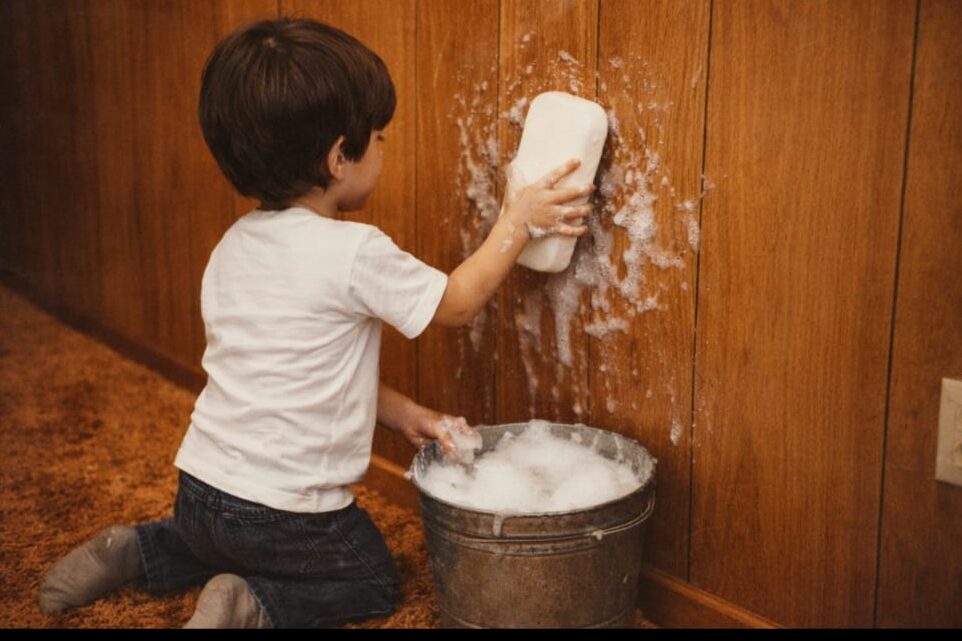
The 1970s home was a sea of brown, and much of that color came from the dark wood panelling that covered the walls of basements, dens, and living rooms across America. A common but grueling chore for kids was “washing the walls,” which involved using a bucket of warm, soapy water and a sponge to wipe down every square inch of the textured timber. This was particularly important in the kitchen or the “rec room” where greasy fingerprints and dust seemed to cling to the grooves of the faux-wood finish. Children were expected to start at the top and work their way down, often spending hours on their knees to reach the baseboards.
This rule is a prime example of how the design choices of the decade created extra work for the younger members of the family who had to maintain them. Today, most of us have painted drywall that requires very little maintenance beyond the occasional magic eraser for a scuff mark, making the “wall wash” feel like a primitive ritual. It was a labor-intensive task that emphasized the “brown and heavy” aesthetic of the time, where even the walls felt like they needed a good scrubbing to stay presentable. For a 1970s kid, the smell of Murphy Oil Soap is often the strongest olfactory memory of a Saturday spent in the service of their family’s wood-clad sanctuary.
The Telephone Cord Untangling
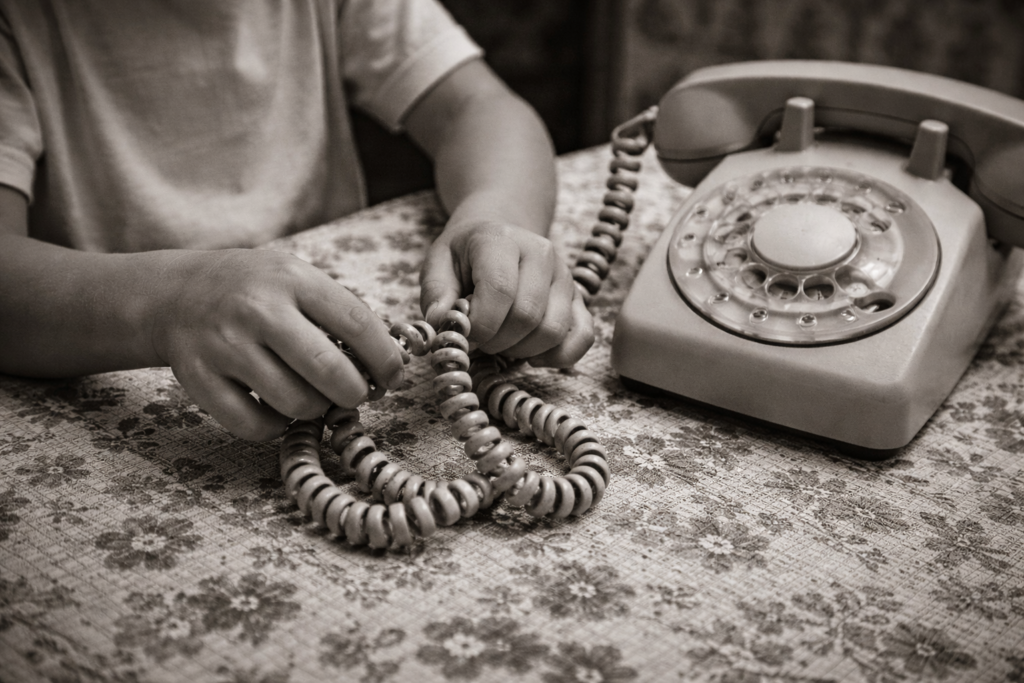
In the age of landlines and “party lines,” the kitchen telephone was the central hub of the home, and its long, coiled cord was a constant source of domestic frustration. Children were frequently tasked with “untangling the line,” which meant taking the handset and letting it dingle towards the floor so the cord could spin and release its many knots. This was necessary because the cords were often extra-long so people could walk into the pantry for a private conversation, leading to a tangled mess that could snap if not properly maintained. It was a simple, repetitive task that usually happened while the child was waiting for their turn to use the phone.
Looking at our sleek, wireless smartphones today, the idea of a chore dedicated to a physical wire feels like ancient history from a completely different civilization. There was something almost meditative about watching the plastic coil spin back into its original shape, yet it was a mandatory bit of maintenance to keep the household’s primary communication tool working. If the cord became too knotted, it would pull the entire base of the phone off the wall, leading to a stern lecture from a parent about the importance of being “careful with the equipment.” It was a tiny but essential part of the 1970s domestic experience that highlighted our tethered relationship to the world outside our front doors.
Taking Out The Heavy Trash
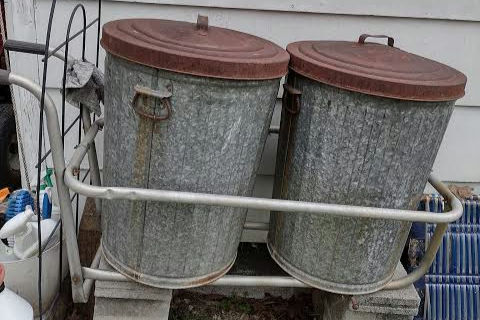
Before the invention of lightweight plastic bin liners and rolling curbside carts, taking out the trash was a physically demanding chore that usually fell to the older children. This involved lugging heavy metal cans from the back of the house to the edge of the street, often dodging the sharp edges of the lids and the pungent smell of kitchen scraps. These metal bins were noisy and cumbersome, and if you dropped one, the entire neighborhood would hear the clatter of “trash day” beginning in earnest. It was a gritty, unglamorous job that required a fair amount of muscle and a total lack of squeamishness regarding what was inside the bags.
In a modern world where we have organized recycling bins and streamlined waste management systems, the “trash run” of the 1970s feels like a rugged test of strength. Children were expected to handle the bins regardless of the weather, whether it was through a summer heatwave or a snowy winter morning in the Midwest. There was no “softness” to the task, and it was often the chore that kids negotiated most fiercely to avoid because of the grime and the heavy lifting involved. It taught a certain level of grit and physical resilience, reminding the 1970s generation that the “dirty work” of the household was a shared burden that didn’t stop for anyone.
The Mandatory Porch Sweeping
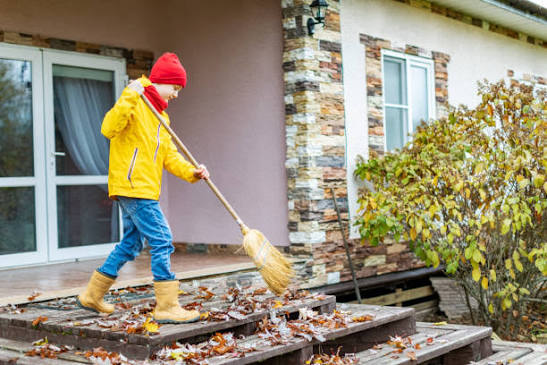
Keeping the front of the house “respectable” was a major priority in the 1970s, and children were often sent out with a corn broom to sweep the porch and the front walk every afternoon. This wasn’t just about removing leaves; it was about ensuring that the concrete was clear of the “helicopter” seeds from maple trees, stray pebbles, and the general dust of the street. Parents wanted their homes to look tidy for neighbors who were constantly out walking or driving by, so the appearance of the entryway was a direct reflection of the family’s standards. It was a quick chore but one that had to be done with precision to ensure no debris was left in the cracks.
Today, we tend to be more relaxed about a few leaves on the doorstep, or we might use a loud power blower to clear the driveway in a matter of seconds. In the 1970s, the rhythmic “swish-swish” of a broom was the soundtrack of the suburban afternoon and it was a task that allowed kids to see and be seen by their friends. It was a social chore as much as a domestic one, providing a moment to wave at the mailman or chat with the kid from next door who was also busy sweeping. This rule emphasized the importance of community presentation and the idea that a child’s labor contributed to the “curb appeal” of their family home long before that term became a real estate cliché.
Setting The “Formal” Table

Even though the 1970s were more relaxed than the 1950s, the evening meal was still treated with a level of structure that required children to “set the table” with specific accuracy. This meant placing the forks on the left and the knives on the right with the blades facing in, along with ensuring that every family member had a clean napkin and a glass of milk or water. Kids were expected to handle the “good” stoneware or the heavy ceramic plates that were popular at the time, being careful not to chip them as they moved between the kitchen and the dining area. It was a daily ritual that signaled the transition from play-time to family-time.
In many modern households, dinner is a more casual affair where people might eat on the sofa or grab a plate from the counter, making the “formal set” feel like a lost art. For the 1970s child, setting the table was a moment of responsibility where they contributed to the dignity of the family unit. It was also a time when they learned the basic rules of etiquette and the importance of coming together at a specific time to share a meal. While the food might have been a simple casserole or a “TV dinner,” the act of preparing the space was a non-negotiable rule that reinforced the idea of the home as a place of order and shared ritual.
The Manual Dish Drying
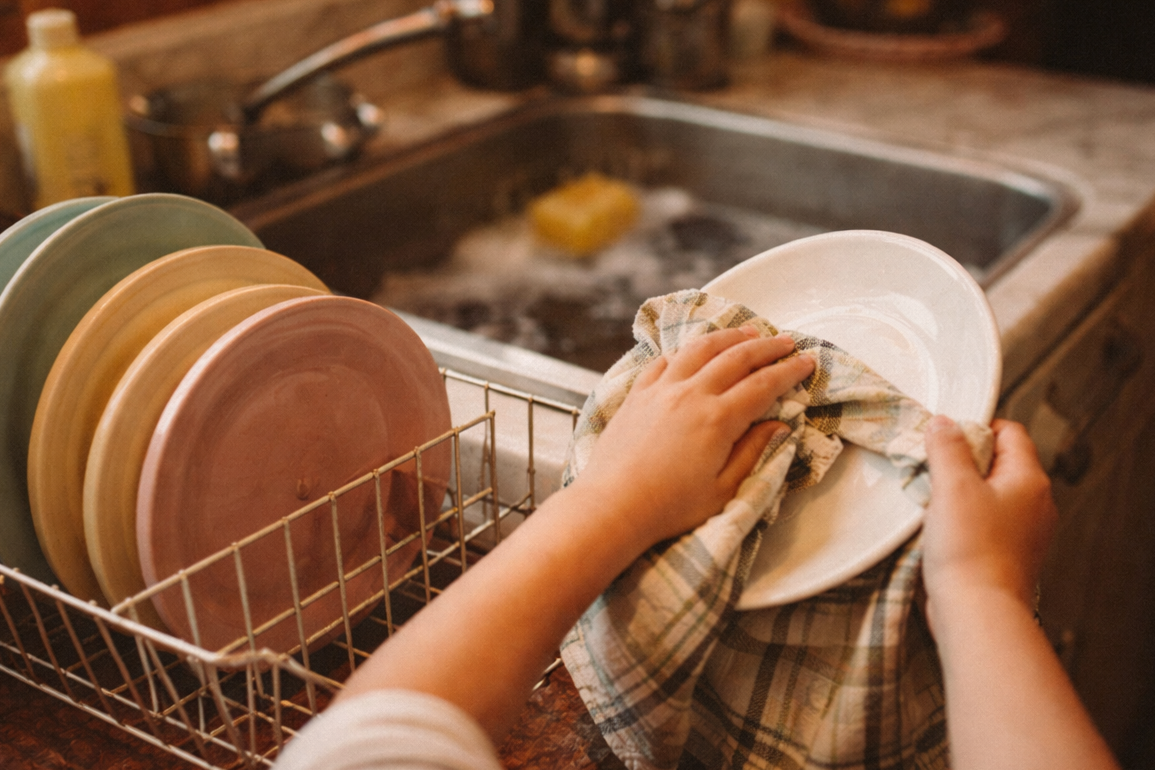
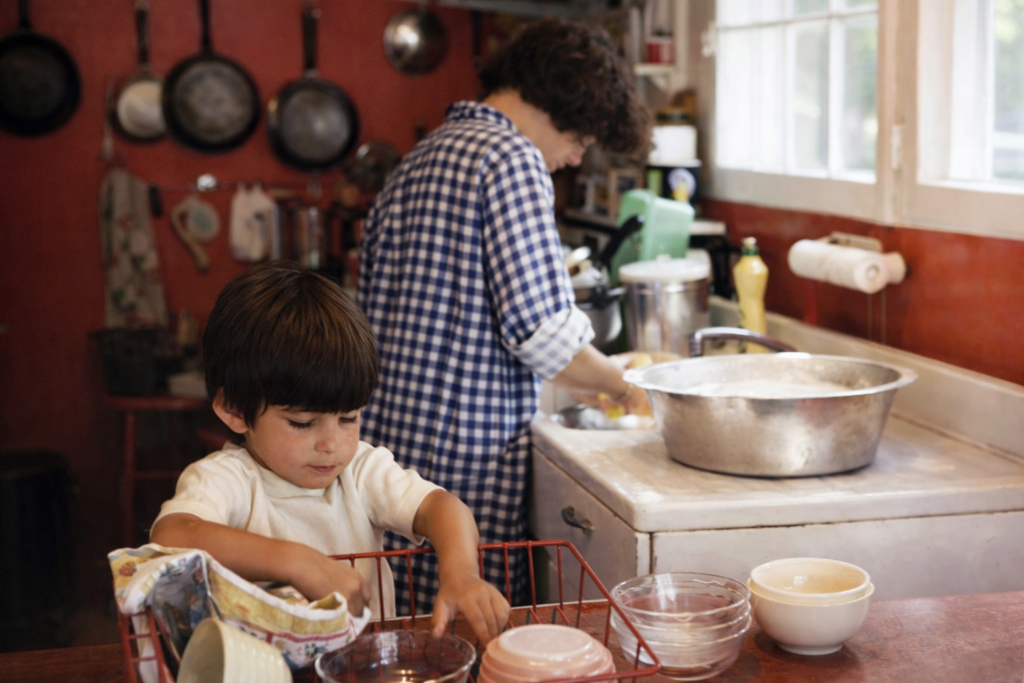
While many American homes in the 1970s began to see the introduction of the automatic dishwasher, they were often temperamental or seen as “wasteful” for small loads, meaning children were the primary dish dryers. One child would wash the plates in a sink full of soapy bubbles while the other stood by with a checked tea towel, drying each item and putting it away in the proper cupboard. This was a marathon task after a large family dinner, and it was often the time when siblings did their best bonding, or had their biggest arguments, over the suds. The rule was simple: the kitchen wasn’t clean until every pot was dry and every towel was hung up to dry.
Today, we almost entirely rely on the “heated dry” cycle of our high-tech machines, and the idea of standing for forty minutes to hand-dry a lasagna pan feels incredibly inefficient. However, this chore was a foundational part of the 1970s childhood experience because it forced siblings to work together toward a common goal. It was a slow, manual process that required patience and a bit of teamwork to ensure the “good” glasses didn’t end up with water spots. This rule reminds us of a time when the speed of domestic life was dictated by the rhythm of our own hands rather than the countdown timer on a kitchen appliance.
Polishing The Family Station Wagon

The weekend ritual for many American children in the 1970s often involved a bucket of soapy water and the family’s wood-panelled station wagon parked in the driveway. This was not merely a quick rinse but a full afternoon of manual labor that required scrubbing the chrome bumpers until they shone like mirrors and ensuring the “wood” decals were free of road salt. Kids were expected to reach the very center of the roof and clean the hubcaps with an old toothbrush, turning the car into a rolling symbol of the family’s pride. It was a chore that combined a sense of outdoor play with the serious responsibility of maintaining the household’s most expensive and essential piece of machinery.
In our modern era of automated drive-through car washes and low-maintenance ceramic coatings, the idea of a child spending three hours waxing a vehicle feels like a scene from a distant history book. Today, we treat car maintenance as a professional service rather than a mandatory childhood rite of passage that builds character and arm strength. Back then, the condition of the car was a public statement about the family’s discipline, and children were the primary workforce behind that sparkling exterior. While we enjoy the convenience of modern technology, there was a certain satisfaction in seeing the reflection of the sunset in a hood that you had personally polished to perfection with a soft rag.
Fetching Tools For Home Repairs
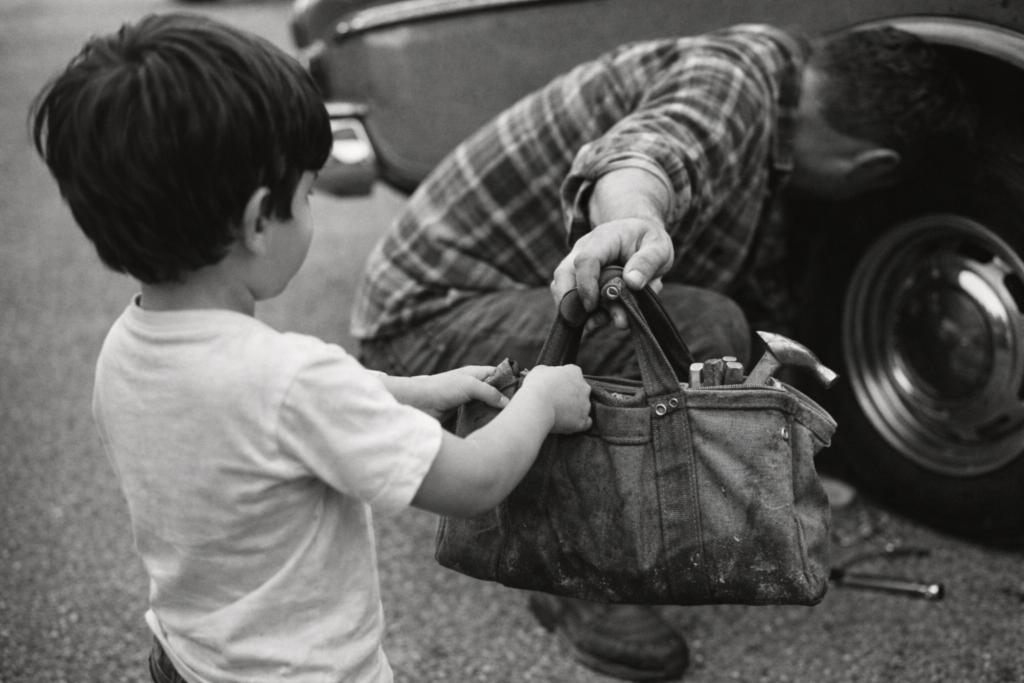
In the 1970s, the “Do-It-Yourself” movement was in full swing, and children were often drafted as the unofficial apprentices for every home repair project that took place in the garage or basement. The rule was that you had to stand nearby and be ready to fetch a Phillips-head screwdriver, a crescent wrench, or a hammer the moment your father or mother called for it. This required a child to learn the names and functions of various tools at a very young age, often while holding a flashlight steady for what felt like an eternity. It was a lesson in patience and technical vocabulary that was delivered through the medium of fixing a leaky pipe or a temperamental lawnmower.
This dynamic has largely faded as home repairs have become more specialized and the “handyman” culture has shifted toward calling a professional for even the smallest tasks. Modern children are more likely to be found staring at a screen than holding a light for a parent under the kitchen sink, which marks a significant change in how practical skills are passed down. The 1970s child learned through observation and the pressure of being the “helper” who couldn’t afford to bring back the wrong size of socket wrench. It was a gritty form of education that emphasized the idea that if something in the house was broken, the family was responsible for working together to make it right again.
Mowing The Massive Suburban Lawn
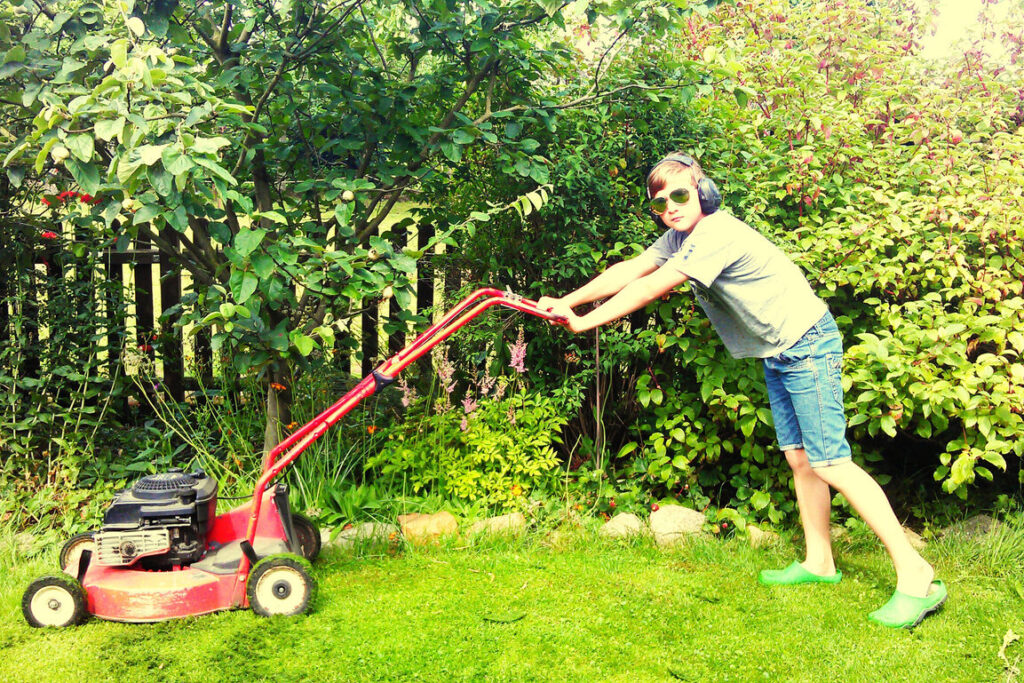
The roar of the petrol lawnmower was the anthem of the 1970s American suburb, and for many teenagers, “mowing the grass” was a non-negotiable weekly chore that defined their summer. Unlike the lightweight electric mowers of today, these machines were heavy, loud, and often required a fair amount of mechanical skill just to get the engine to turn over. Children were expected to navigate around flower beds and trees, ensuring the lines were straight and the clippings were bagged or raked up afterward. It was a hot, dusty, and often exhausting job that consumed a large portion of a Saturday afternoon, leaving the child smelling of cut grass and exhaust fumes.
We now live in an age where robotic mowers can quietly trim the lawn while we sleep or where professional landscaping services are affordable for the average middle-class family. The 1970s rule that a child must master the mower was a significant milestone that signaled a transition into the more “adult” responsibilities of homeownership. There was a unique sense of pride in looking back at a freshly cut yard and knowing that your own physical effort had improved the look of the entire street. It was a rugged, outdoor task that taught the generation about the relentless pace of nature and the constant effort required to keep the wildness of a suburban backyard at bay.
Hand-Washing The Fine China
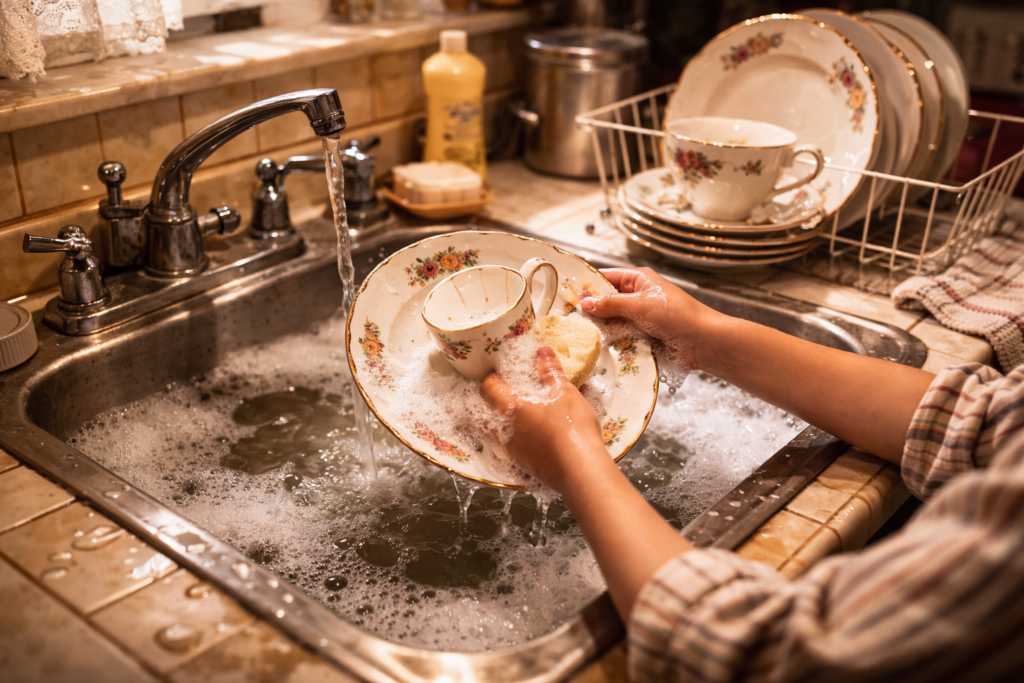
While everyday plates were often left to the older kids to dry, the “fine china” used for Sunday dinners or special occasions required a delicate hand-washing ritual that was a common chore for the younger children. This involved a plastic tub in the sink to prevent chipping and the use of very mild soap to preserve the gold leaf or intricate floral patterns that were popular at the time. Children were taught to handle each piece with extreme care, moving slowly to ensure that nothing slipped from their soapy fingers and shattered on the floor. It was a high-stakes chore that emphasized the value of “special” items and the importance of preserving family heirlooms for the future.
This rule feels particularly outdated because modern “fine” dinnerware is often designed to be dishwasher-safe, and many families have moved away from the idea of having a separate set of plates just for guests. The 1970s home was still very much tied to the tradition of formal entertaining, and the manual care of these items was a way of showing respect for the family’s history and status. For a child, it was a nerve-wracking experience that required a level of focus and gentleness that was often in short supply during the rest of the week. It reminds us of a time when the things we owned were often as important as the memories we made while using them at the dinner table.
Defrosting The Deep Freezer
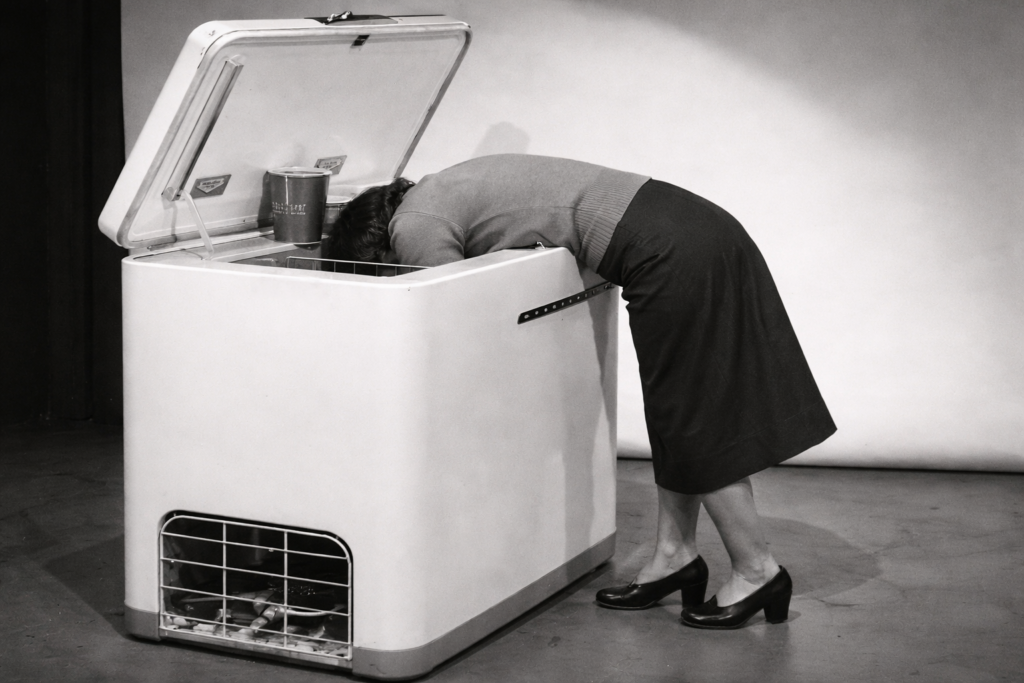
One of the most dreaded and messy chores of the 1970s was the semi-annual “defrosting of the freezer,” which was a task often delegated to the children during their school holidays. Before the era of frost-free technology, ice would build up in thick, jagged layers inside the chest freezer in the garage, leaving very little room for the actual food. Kids would be tasked with removing all the frozen packages and then using bowls of hot water or even hair dryers to melt the ice so it could be chipped away with a plastic spatula. It was a cold, wet, and incredibly time-consuming process that required a lot of towels and a fair amount of elbow grease.
Today, we take our frost-free appliances for granted and would be shocked to find an inch of ice covering our frozen peas, making this chore a truly bizarre relic of the past. The 1970s child understood that the “ice cave” in the garage was a physical obstacle that had to be conquered to keep the family’s bulk-buy steaks and casseroles safe. It was a messy job that usually ended with a pile of grey slush on the floor and a very cold set of hands, but it was essential for the efficiency of the household. This rule highlights the technological limitations of the decade and the way those limitations directly translated into more manual labor for the youngest members of the American family.
Reliance on children for such intensive domestic labor may have fostered independence, but it also reminds us that the “good old days” were often quite exhausting for the youngest members of the family.
Like this story? Add your thoughts in the comments, thank you.


