
1. Cavalier King Charles Spaniel
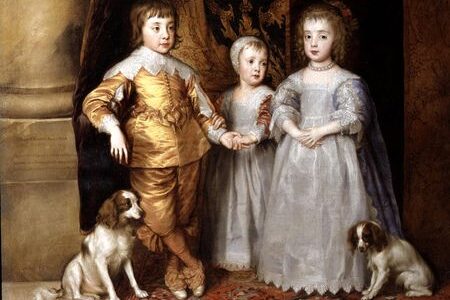
If you have ever noticed a small silky eared dog tucked beside a royal throne in old English portraits, you were probably looking at a Cavalier King Charles Spaniel. This breed is closely tied to the Stuart monarchy of seventeenth century England, especially King Charles I and his son King Charles II. Charles II adored his spaniels so deeply that they followed him almost everywhere, from palace corridors to public gatherings. They were not decorative accessories placed for show. They were constant companions who softened the intensity of court life and appeared lovingly in paintings that still hang in galleries today. Their gentle eyes and affectionate nature made them favorites among nobles who wanted warmth rather than intimidation at their side.
Over time, their steady presence beside the king shaped their identity and reputation. The breed carries the monarch’s name as a reminder of that closeness to the English throne. These dogs were known to lounge comfortably in royal chambers, completely at ease among silk drapes and carved wood furniture. Their role was not to guard gates or patrol grounds but to offer comfort and loyalty. Even today, when one curls quietly beside you, there is a sense of intimacy in their temperament that echoes their history. It feels less like owning a dog and more like sharing space with a small living piece of royal tradition.
2. Shih Tzu
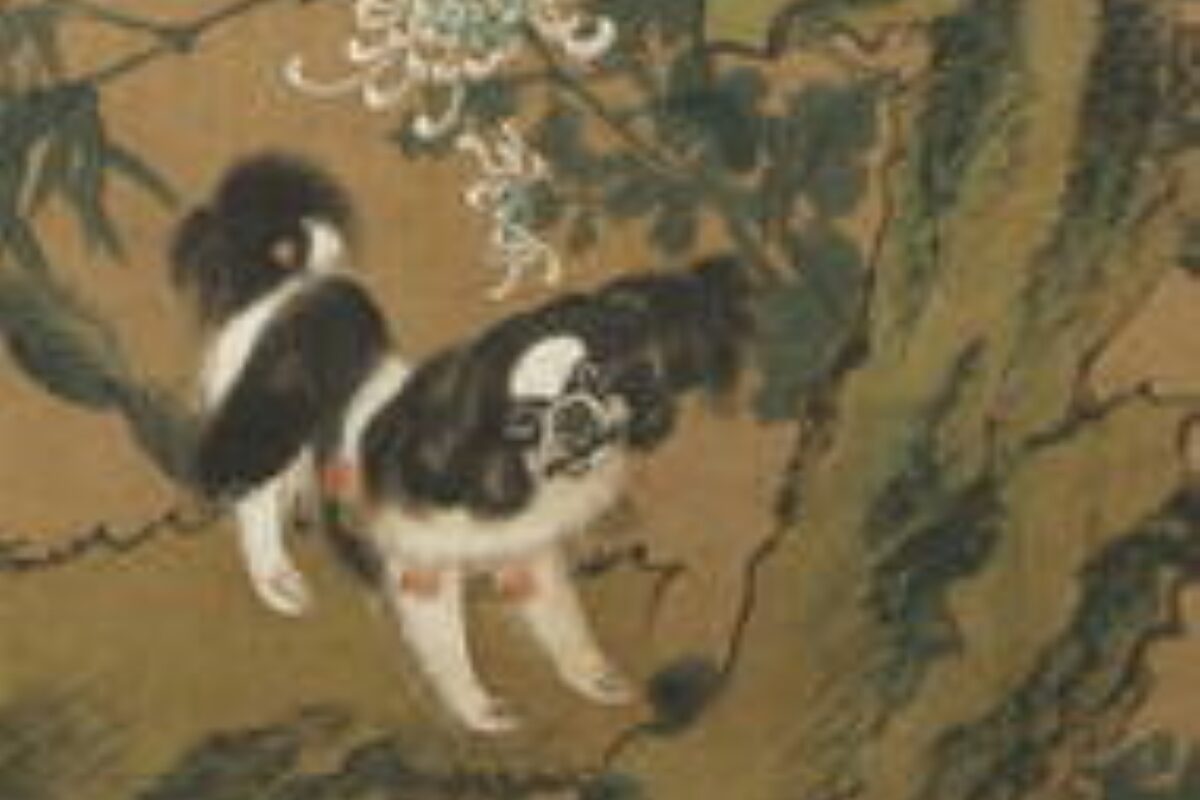
The Shih Tzu’s story begins within the grand walls of imperial China, where these small lion like dogs were bred strictly for palace life. During the Ming and Qing dynasties, they lived sheltered existences inside the Forbidden City, cared for by attendants and admired by emperors. They were not common household pets but carefully protected companions whose breeding was closely supervised. Empress Dowager Cixi was known for her devotion to them and maintained detailed attention to their care. Their resemblance to the lion, an important symbol in Buddhist tradition, gave them spiritual meaning alongside their royal status within the court.
These dogs were sometimes presented as gifts between important figures, symbolizing goodwill and respect across regions. That exclusivity shaped the calm confidence they still carry today. A Shih Tzu does not rush into a room with nervous energy. It observes, settles, and holds its space quietly. For centuries they walked polished palace floors and rested on embroidered cushions, entirely accustomed to ceremony and stillness. Even in modern homes, there remains something composed and assured in their posture. Their history is woven into dynasties, art, and tradition, making them one of the clearest examples of a breed shaped almost entirely by royal surroundings.
3. Great Pyrenees

The Great Pyrenees has a presence that feels steady and grounded, which helps explain why it earned recognition from French royalty. In 1675, King Louis XIV declared the breed the Royal Dog of France, formally acknowledging what many nobles already knew. These large white guardians had long protected flocks in the Pyrenees Mountains and secured estates owned by aristocratic families. Their calm temperament paired with strong protective instincts made them equally suited to rugged hillsides and elegant properties. They were admired not only for strength but for composure, standing watch without unnecessary aggression or noise.
Within noble households, they were trusted to guard livestock, property, and sometimes entire chateaus. Their thick white coats and composed expressions gave them a majestic appearance that blended naturally with grand architecture and sweeping landscapes. Yet despite their size, they were known for gentleness with family members. That balance of tenderness and vigilance earned them lasting respect. Even today, when a Great Pyrenees stands quietly observing its surroundings, there is a sense of patient authority. It reflects centuries of service to households where protection was essential and loyalty was valued as highly as beauty.
4. Pekingese
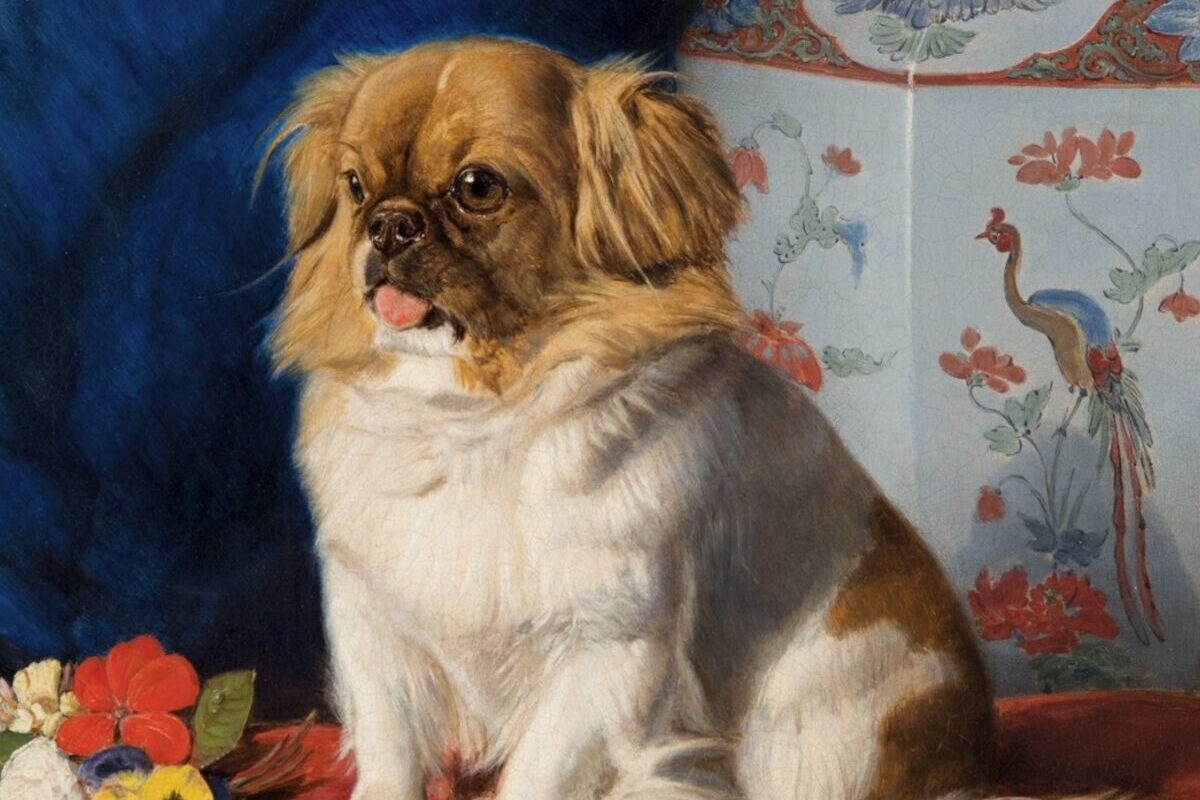
The Pekingese lived for centuries as a symbol of privilege within China’s imperial courts. Bred exclusively for members of the royal family, these small but confident dogs were considered sacred companions. Ownership outside palace grounds was once forbidden, and harming one carried severe consequences. Their lion like appearance connected them to powerful cultural symbolism, reinforcing their protected status. They were carried through palace halls, groomed carefully, and treated with ceremony that reflected their elevated position. Their lives were sheltered and structured, surrounded by tradition and strict court etiquette.
In the nineteenth century, their story shifted when a few were brought to England after the Second Opium War. One named Looty became a companion to Queen Victoria, introducing the breed to Western society. Even as their presence expanded beyond China, the Pekingese retained its proud and self assured nature. They never carried themselves like ordinary pets. Their posture and steady gaze reflect generations of being cherished within imperial walls. Their identity is rooted in exclusivity and reverence, making them one of the most historically protected companion breeds connected directly to royal life.
5. Saluki
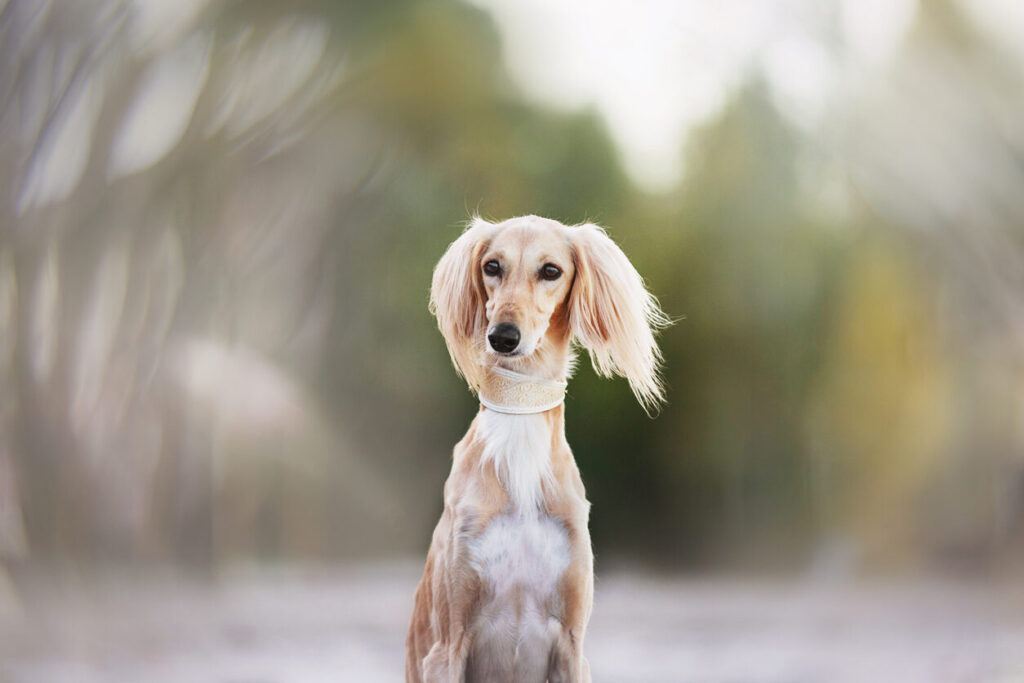
The Saluki’s history stretches back so far that it feels almost timeless. Often referred to as the Royal Dog of Egypt, this slender hound appears in ancient tomb carvings dating back thousands of years. Egyptian pharaohs valued Salukis for their speed and endurance during desert hunts, relying on them for both skill and companionship. Some were mummified alongside their owners, revealing a deep level of respect and attachment. Their presence in early art and burial sites shows they were not casual animals but highly regarded members of noble households and hunting parties.
Bedouin tribes later continued this tradition of admiration, treating Salukis as valued companions and allowing them to share close living quarters. Their elegance and independence became associated with status and refinement across generations. What makes the Saluki remarkable is how closely modern examples resemble ancient depictions. The long legs, narrow frame, and calm expression remain consistent with carvings that have survived millennia. When a Saluki moves today, there is a quiet grace in its stride that feels connected to distant deserts and royal camps, carrying forward a legacy shaped by early civilizations and noble life.
6. Pembroke Welsh Corgi
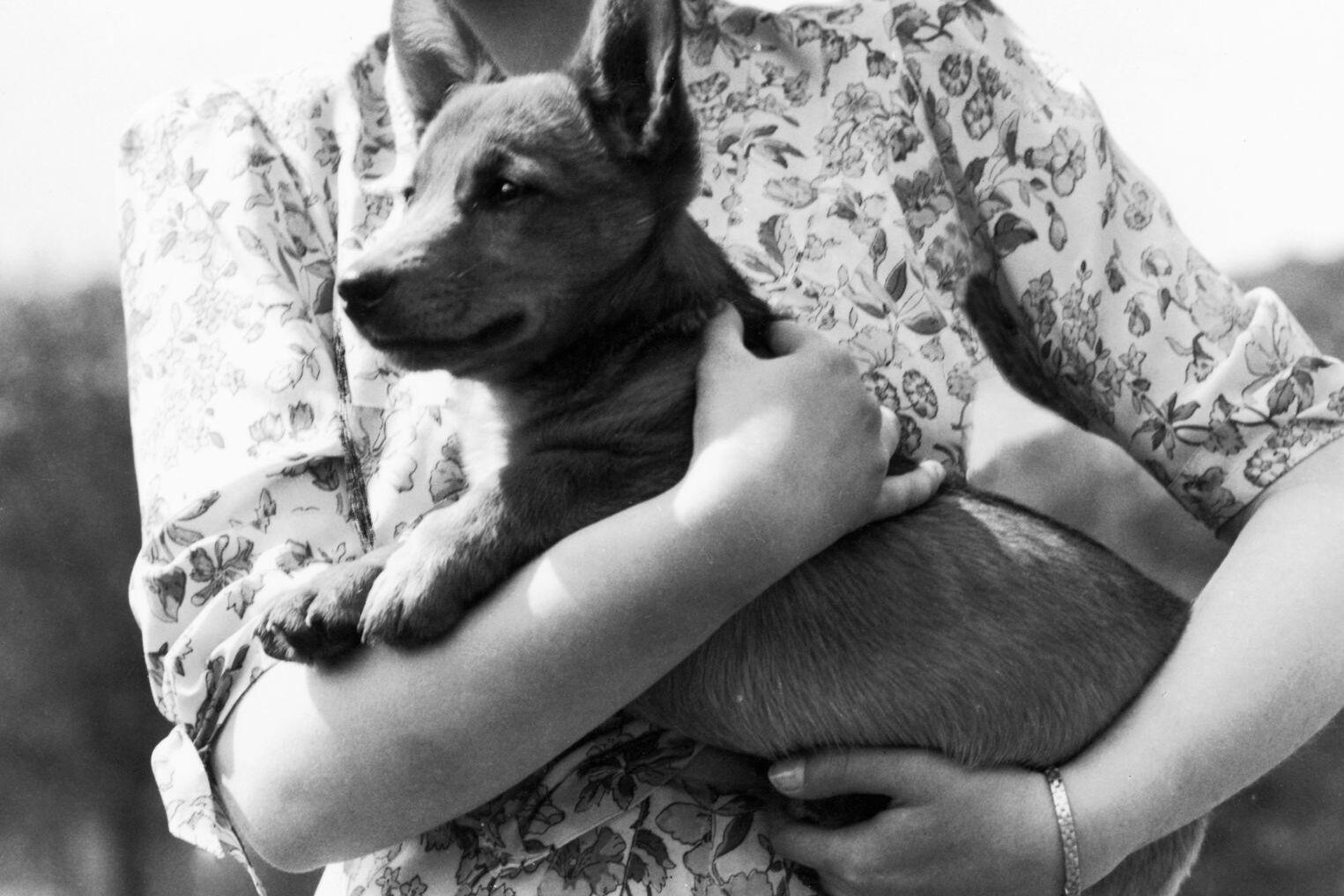
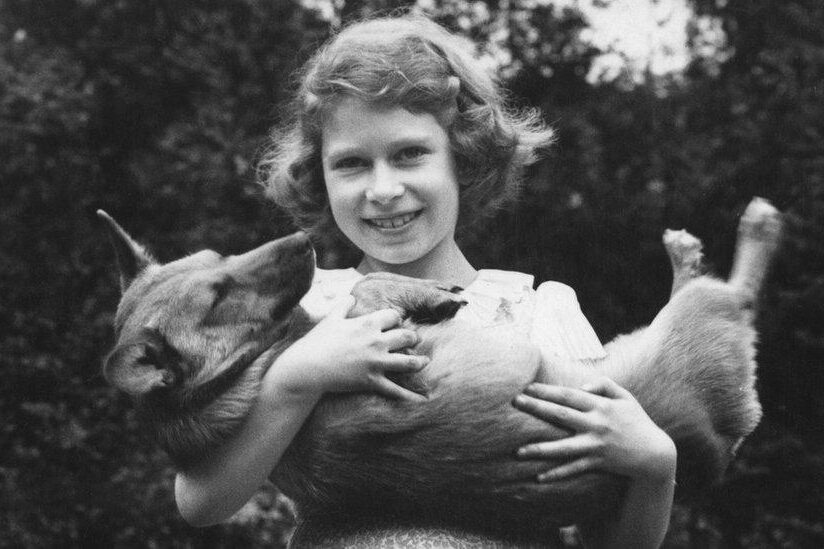
The Pembroke Welsh Corgi became a modern symbol of royalty largely because of Queen Elizabeth II, whose affection for the breed began in her youth. In 1944, she received her first corgi, Susan, as a birthday gift, and that single dog began a lifelong bond. Susan even accompanied her on her honeymoon, which quietly signaled how deeply attached the future queen was to her companion. Over the decades that followed, more than thirty corgis would live alongside her in royal residences. They were photographed strolling palace grounds and resting comfortably within historic rooms, becoming part of the visual language of the monarchy.
What makes their story feel personal is how natural it all seemed. The corgis were not ceremonial props or distant symbols. They were lively, intelligent dogs with bold personalities packed into small frames. Their alert ears and quick steps added warmth to otherwise formal surroundings. Through one woman’s genuine affection, the breed became intertwined with the British crown in the public imagination. Even today, when people think of corgis, they often picture palace lawns and a monarch walking steadily with small companions faithfully at her heels.
7. Greyhound
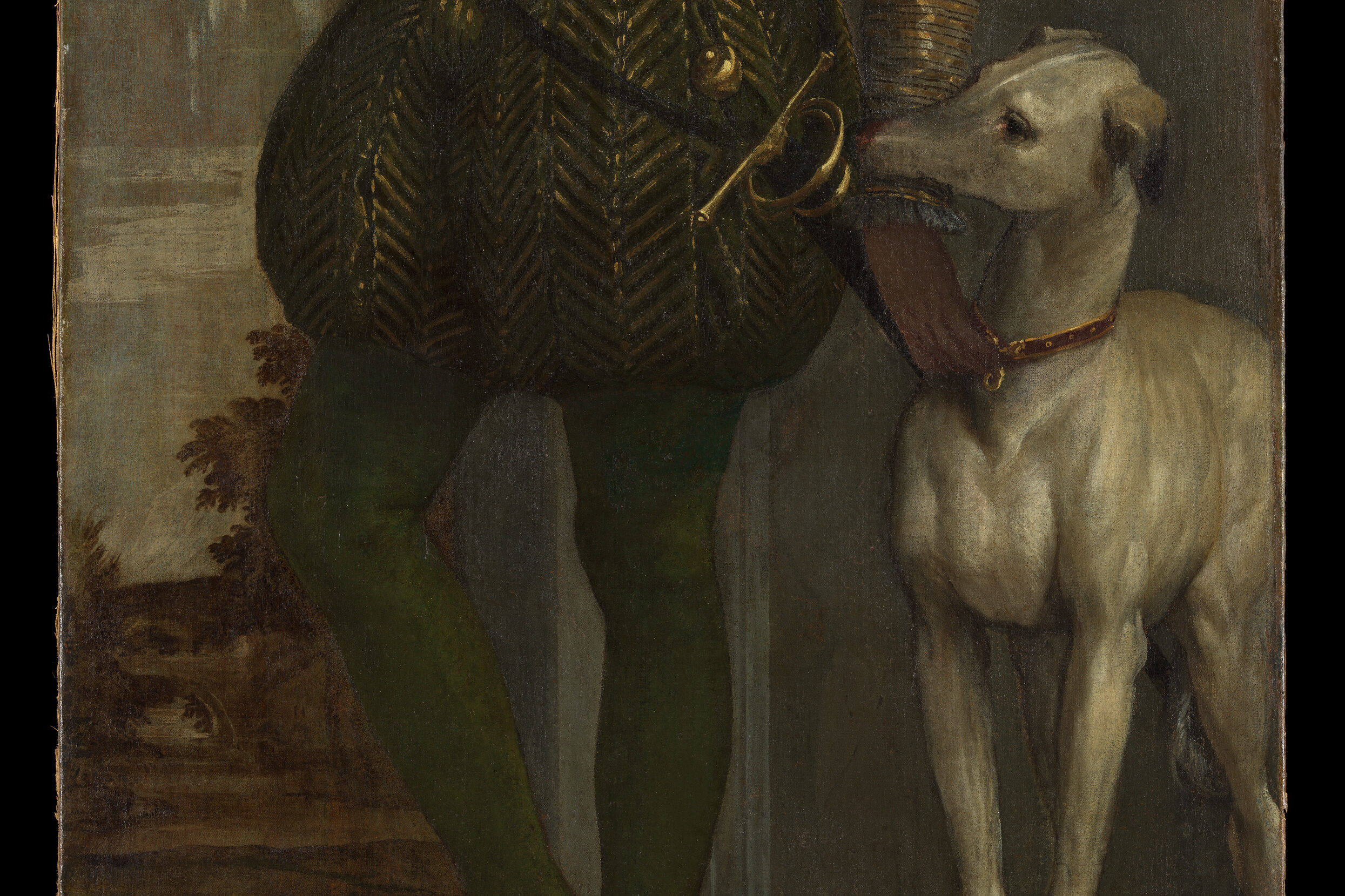
The Greyhound is often described as one of the oldest known dog breeds, and its long history is filled with royal connections. In ancient Egypt, dogs resembling modern Greyhounds appeared in tomb art and were associated with nobility and high status. They were admired for their speed and elegance, qualities that made them exceptional hunting partners. As centuries passed, the breed spread across Europe, where medieval laws in some regions restricted ownership to aristocrats. This exclusivity strengthened their reputation as a noble hound rather than a common working dog.
Their refined build and quiet demeanor suited court life as much as open fields. Leaders and rulers valued Greyhounds not only for hunting but for companionship. Stories from classical history mention prominent figures owning swift hounds, reinforcing their elite image. Even in later centuries, their presence in royal kennels and grand estates kept that association alive. When a Greyhound stretches out today, long legs folded neatly beneath a slender frame, there is still something unmistakably dignified about the silhouette. It reflects a breed shaped by centuries spent close to power and privilege.
8. Japanese Chin
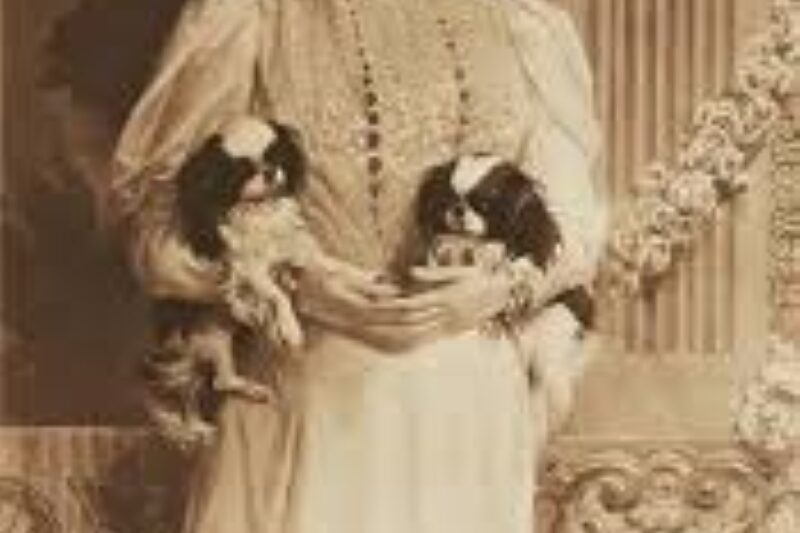
The Japanese Chin carries itself with a composure that reflects its long connection to imperial Japan. Small companion dogs believed to be ancestors of the breed arrived centuries ago, possibly as diplomatic gifts from China or Korea. Over time, they became favorites within the Japanese imperial court, where ownership was largely limited to nobles and high ranking families. They were bred specifically for companionship, valued for grace, charm, and quiet presence rather than labor or protection. Their refined features and expressive eyes made them well suited to palace interiors.
As trade and diplomacy expanded, the breed eventually reached Europe. Royal figures such as Queen Alexandra of Britain helped popularize them beyond Asia. Yet even as their popularity grew, they retained the air of exclusivity shaped by centuries in noble households. Japanese Chins were never rugged field dogs or estate guardians. They were companions meant to be carried, admired, and kept close. Their preference for elevated resting spots and calm observation seems almost symbolic of their history, as though they still expect to survey their surroundings from within grand halls.
9. Pharaoh Hound
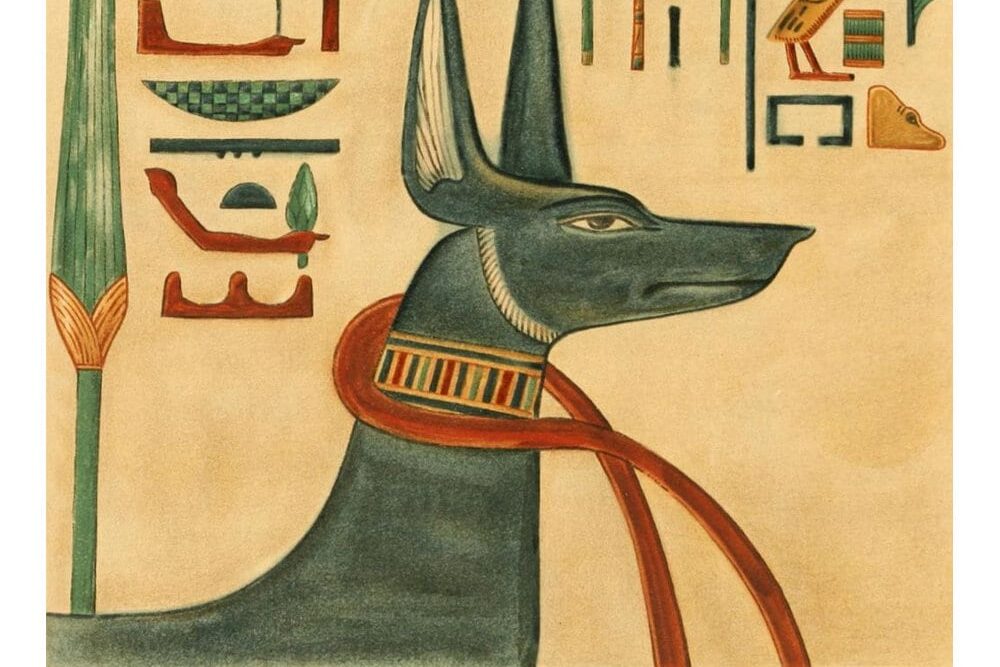
The Pharaoh Hound is often linked to ancient Egypt because of its striking resemblance to the dogs depicted in early wall paintings and carvings. Images found in tombs show slender hunting hounds with upright ears and poised stances that closely mirror the modern breed. Though today’s Pharaoh Hound developed in Malta, its identity remains deeply connected to those ancient royal associations. Similar dogs were companions to pharaohs, accompanying them on hunts and appearing in ceremonial art. That visual continuity gives the breed a powerful historical presence.
Beyond its appearance, the Pharaoh Hound is admired for agility and alertness. It was valued as a skilled hunter, capable of working in challenging terrain with focus and endurance. Today it is recognized as the national dog of Malta, but its noble reputation remains tied to its ancient roots. One charming trait is its tendency to blush, with ears and nose turning rosy when excited. That combination of elegance, athletic ability, and distinctive character keeps the breed firmly linked to stories of early rulers and the royal imagery of antiquity.
10. Bichon Frise
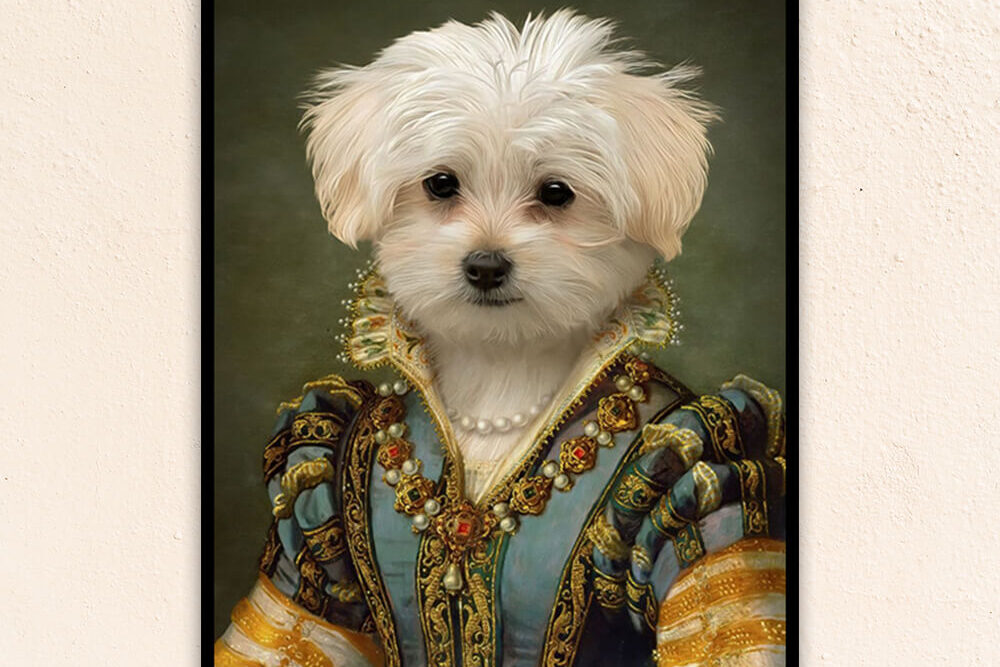
The Bichon Frise found its place in European royal courts during the Renaissance, where charm mattered as much as ceremony. French kings such as Francis I and later Henry III were especially fond of the breed. Henry III was said to carry his beloved Bichons in decorative baskets, keeping them constantly near. Their soft white coats and lively personalities made them appealing companions for nobles who wanted warmth and brightness in refined surroundings. They appeared in portraits and were welcomed into court gatherings across France, Spain, and Italy.
Unlike larger guardian breeds, the Bichon’s role was purely social. These dogs were meant to entertain, comfort, and provide affectionate companionship. Their cheerful nature balanced the formality of royal life. Even as political climates shifted over centuries, the breed maintained its association with elegance and high society. Today, when a Bichon prances across a room with confident energy, it is easy to imagine the same spirited presence lighting up grand halls long ago. Their royal history is less about power and more about the simple, lasting value of companionship.
11. Poodle
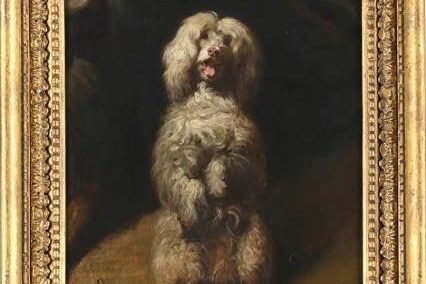
The Poodle may surprise some people on a list connected to royalty, yet its history in European courts is well established. Though originally bred as a water retriever, the breed became fashionable among French nobility in the seventeenth century. King Louis XIV owned a Poodle, and that royal attention helped elevate the breed’s status within aristocratic circles. Their intelligence and trainability made them adaptable to both outdoor work and refined indoor life. Over time, elaborate grooming styles further emphasized their elegance, transforming them into symbols of sophistication. They were not simply practical dogs. They became companions that reflected taste and refinement within royal households.
The breed’s association with high society extended beyond France. Prince Rupert of the Rhine famously had a Poodle named Boy during the English Civil War, adding another layer to its noble connections. Despite their stylish image, Poodles remained deeply loyal and perceptive companions. That balance of intelligence and grace allowed them to move comfortably between field and palace. Even today, when a Poodle carries itself with alert confidence and careful posture, there is a sense of deliberate refinement that echoes centuries spent alongside influential families and within dignified surroundings.
12. Pug
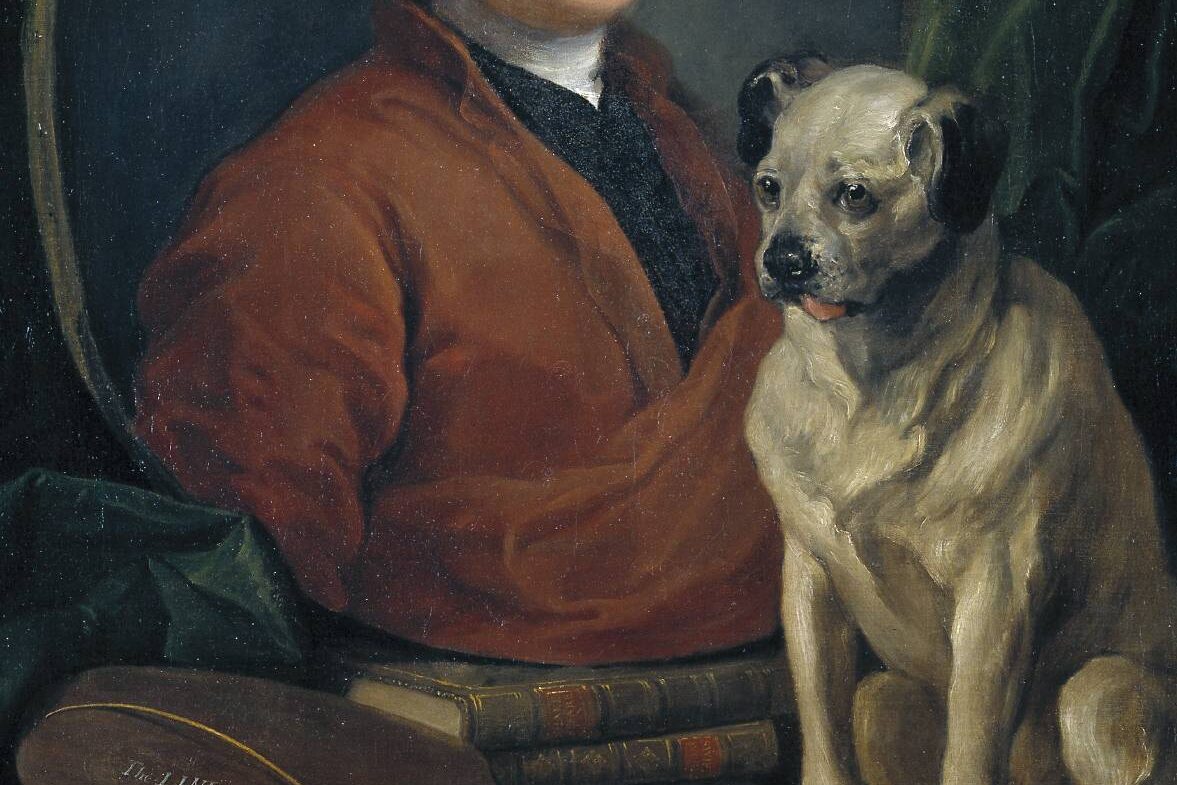
The Pug’s royal journey began in ancient China, where these small, sturdy dogs were bred specifically as companions for emperors. They lived within palace walls, guarded and pampered, treated as treasured possessions of the ruling class. Their distinctive wrinkled faces and expressive eyes made them endearing favorites among Chinese nobility. When the breed later reached Europe in the sixteenth century, it quickly found new royal admirers. In the Netherlands, the Pug became closely linked to the House of Orange, strengthening its place within European aristocracy.
One well known story tells of a Pug named Pompey who alerted William the Silent to approaching danger, possibly saving his life. Whether legend or fact, the tale reinforced the breed’s image as loyal and protective despite its small size. Pugs were welcomed into royal courts across Europe, valued for companionship rather than physical strength. Their calm devotion and charming personalities made them ideal lapdogs in formal settings. Even today, their confident posture and affectionate nature reflect a long history of living close to leaders and within privileged surroundings.
13. Maltese
The Maltese has been admired for thousands of years, long before many modern breeds were formally defined. Ancient Greeks and Romans valued small white companion dogs that resemble today’s Maltese, sometimes even building elaborate tombs to honor them. Over centuries, the breed became especially popular among European royalty. Queen Elizabeth I kept Maltese companions, and Queen Victoria later continued that tradition. Mary Queen of Scots was also known for her devotion to the breed. Their delicate size and flowing coats made them perfect for life within refined chambers and courtly gatherings.
What kept the Maltese close to royalty was not utility but temperament. They were affectionate, gentle, and well suited to close companionship. Their presence offered comfort during times of political tension and personal hardship. Because they were rarely working dogs, they became associated with leisure and luxury. That image of grace followed them through generations. Even in modern homes, the Maltese retains that elegant bearing, as though it remembers centuries spent beside queens and noblewomen who valued loyalty, beauty, and the quiet companionship of a devoted small dog.
14. Chihuahua
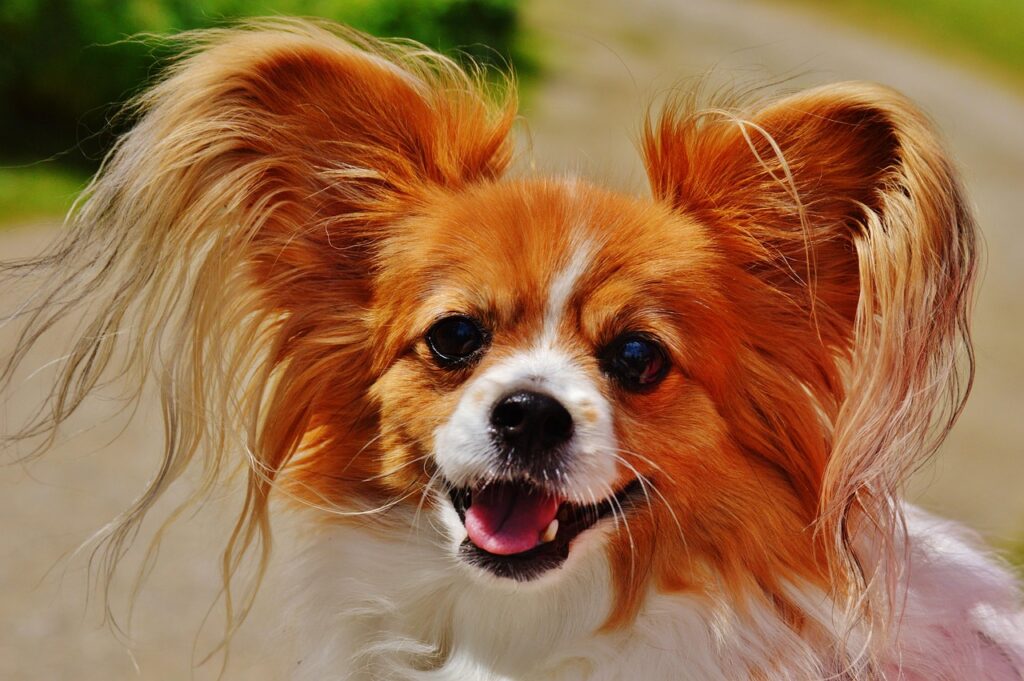
The Chihuahua’s story reaches back to ancient civilizations in Mexico, where small dogs known as Techichi were kept by Toltec and later Aztec nobility. These dogs were believed to hold spiritual significance and were often closely tied to religious customs. In some traditions, they were buried with their owners to accompany them into the afterlife. That belief reflects how deeply valued they were within elite circles. They were not simply pets but part of ceremonial and cultural life among powerful leaders and high ranking families.
Although the modern Chihuahua has evolved over time, its small size and alert personality still capture attention. What is remarkable is how a breed so tiny once held such meaningful status within ancient societies. Their presence in art and archaeological findings confirms their long standing importance. Today, they may be seen in everyday homes around the world, yet their roots are linked to rulers and sacred practices. That connection adds depth to their bold personalities, reminding us that even the smallest companions can carry a powerful and historic legacy.
15. Yorkshire Terrier
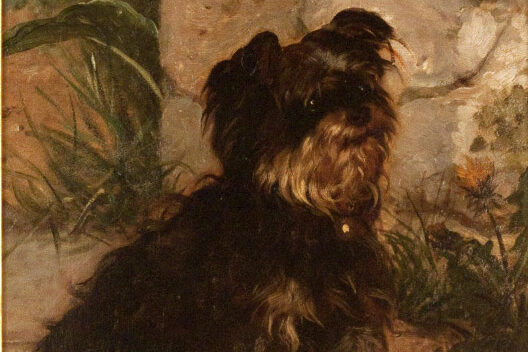
The Yorkshire Terrier began in humble circumstances during the nineteenth century Industrial Revolution in England. Scottish workers brought various terrier breeds to Yorkshire, where they were used to control rats in textile mills. Their early role was practical and far removed from palace life. Yet as the Victorian era unfolded, their small size and lively character began attracting attention from upper class families. Gradually, they transitioned from hardworking mill dogs to fashionable companions within refined households.
Their delicate appearance, glossy coat, and confident spirit made them popular among aristocrats and members of high society. As they became established as toy dogs, their presence in elegant drawing rooms grew more common. Though their royal connection is more social than ancient, it still reflects a shift from labor to luxury. The Yorkshire Terrier’s rise shows that status can change across generations. From factory floors to ornate interiors, the breed found its place among privileged circles, carrying forward a history shaped by adaptability, charm, and close companionship.


