
1. Titanoboa
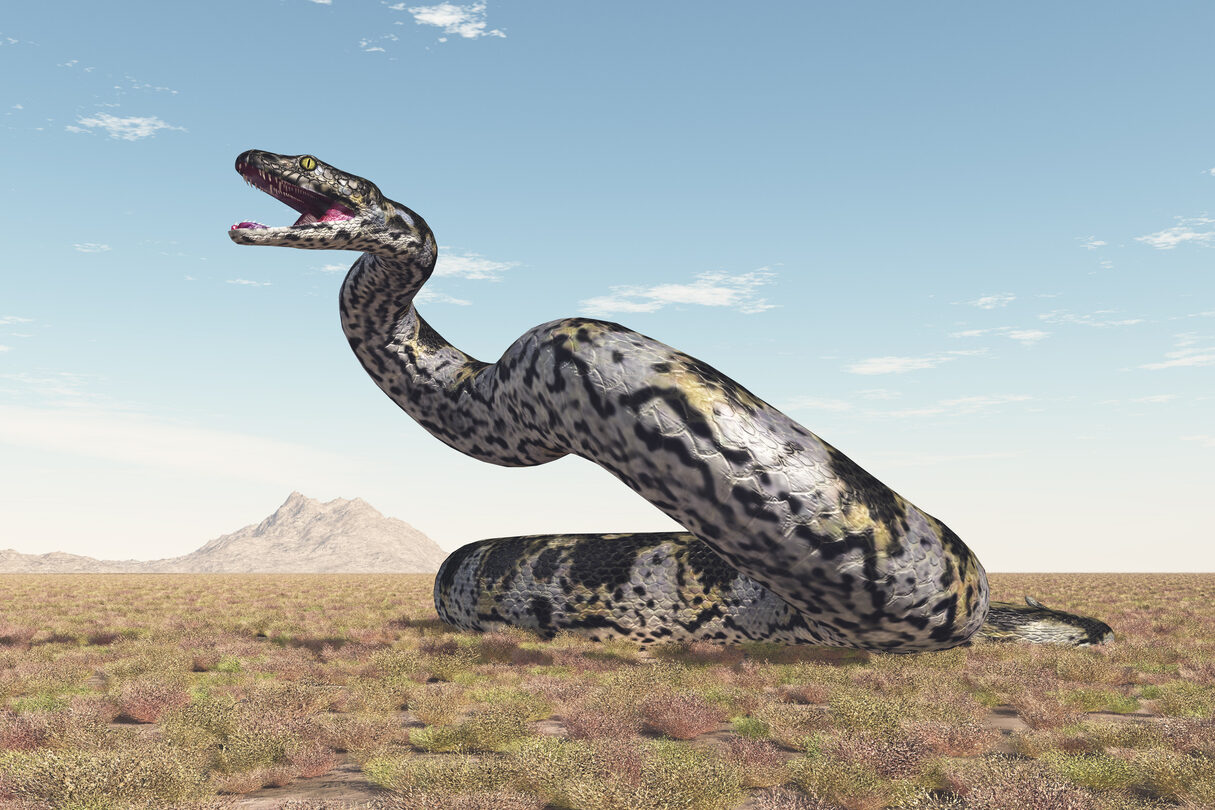
Titanoboa was the ultimate nightmare snake, stretching nearly 50 feet and weighing over a ton. Living in the humid jungles of South America after the dinosaurs disappeared, it was so massive that it could swallow crocodiles whole or crush them with ease. Imagine the power of a boa constrictor or an anaconda—but multiplied to terrifying extremes. Its sheer size made it the undisputed king of its ecosystem, slithering silently through swamps and rivers as the largest snake ever known. Thankfully, the climate that allowed Titanoboa to grow so huge no longer exists, which means we’ll never have to worry about running into one today.
2. Megalodon
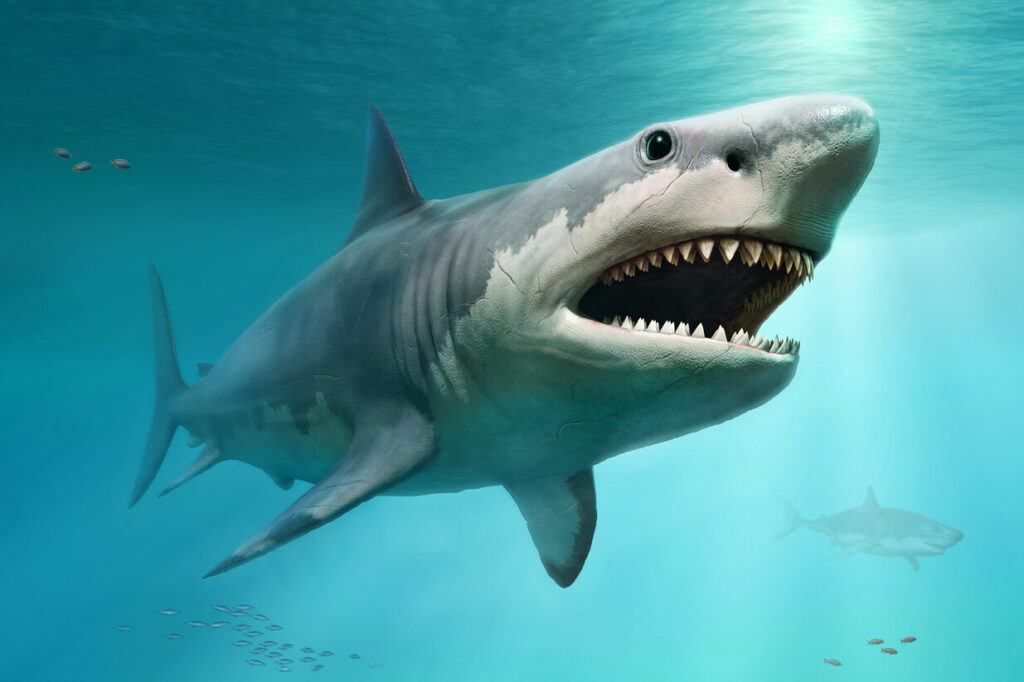
The Megalodon was a shark so enormous that great whites look tiny by comparison. At more than 60 feet long, it was one of the largest and most powerful predators in Earth’s history. Its jaws were lined with teeth up to 7 inches long, capable of biting through whale bone like it was nothing. Fossil evidence shows that Megalodon hunted giant marine mammals, dominating oceans around the world. Scientists estimate its bite force was several times stronger than that of a T. rex, easily enough to crush a small car. Though it vanished about 3.6 million years ago, its fossilized teeth still wash up on beaches today, reminders of just how lucky we are it’s gone.
3. Spinosaurus

Spinosaurus may have been even scarier than T. rex, thanks to its size and unusual build. This dinosaur stretched over 50 feet, with a crocodile-like snout filled with razor-sharp teeth and claws designed to hook prey. What made it unique was its amphibious nature—it could stalk fish in rivers just as easily as it could chase prey on land. The tall sail on its back added to its striking appearance, making it one of the most distinctive dinosaurs ever discovered. Fossils suggest it hunted massive fish and possibly ambushed smaller dinosaurs at the water’s edge. With its combination of size, speed, and adaptability, Spinosaurus would have been a predator few could escape.
4. Sarcosuchus
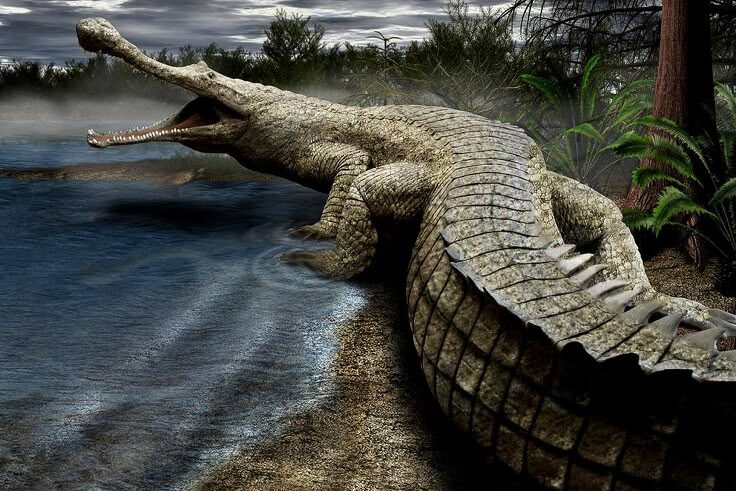
Nicknamed “SuperCroc,” Sarcosuchus was a crocodilian on a completely different scale. At nearly 40 feet long and weighing around 8 tons, it dwarfed modern crocodiles. Its elongated jaws held over 100 teeth designed for gripping prey, making it a riverbank menace during the Cretaceous period. Fossil evidence suggests Sarcosuchus could take down huge dinosaurs that wandered too close to the water, dragging them under in a death roll. Unlike modern crocs, which mostly eat smaller animals, this giant had the size and strength to tackle creatures far larger than itself. If Sarcosuchus were alive today, river safaris would be a lot more dangerous.
5. Quetzalcoatlus
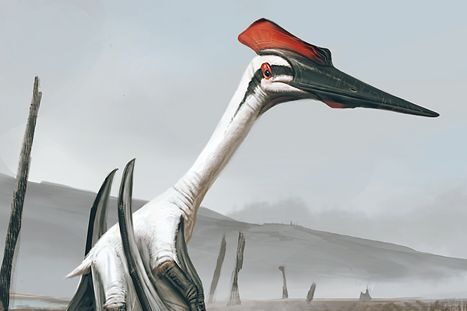
Quetzalcoatlus was the largest flying animal to ever exist, with wings spanning up to 40 feet. Despite its ability to soar, much of its hunting was done on land. Standing as tall as a giraffe, it used its long, sharp beak to snatch up small dinosaurs and other prey, swallowing them whole. Unlike many flying reptiles, it was more of a stalker than a fisherman, patrolling ancient plains like a giant bird of prey. Its size and hunting style made it one of the most fearsome sights in the skies of the Cretaceous. Thankfully, the thought of a flying predator this massive swooping down on us is safely locked in the past.
6. Dunkleosteus
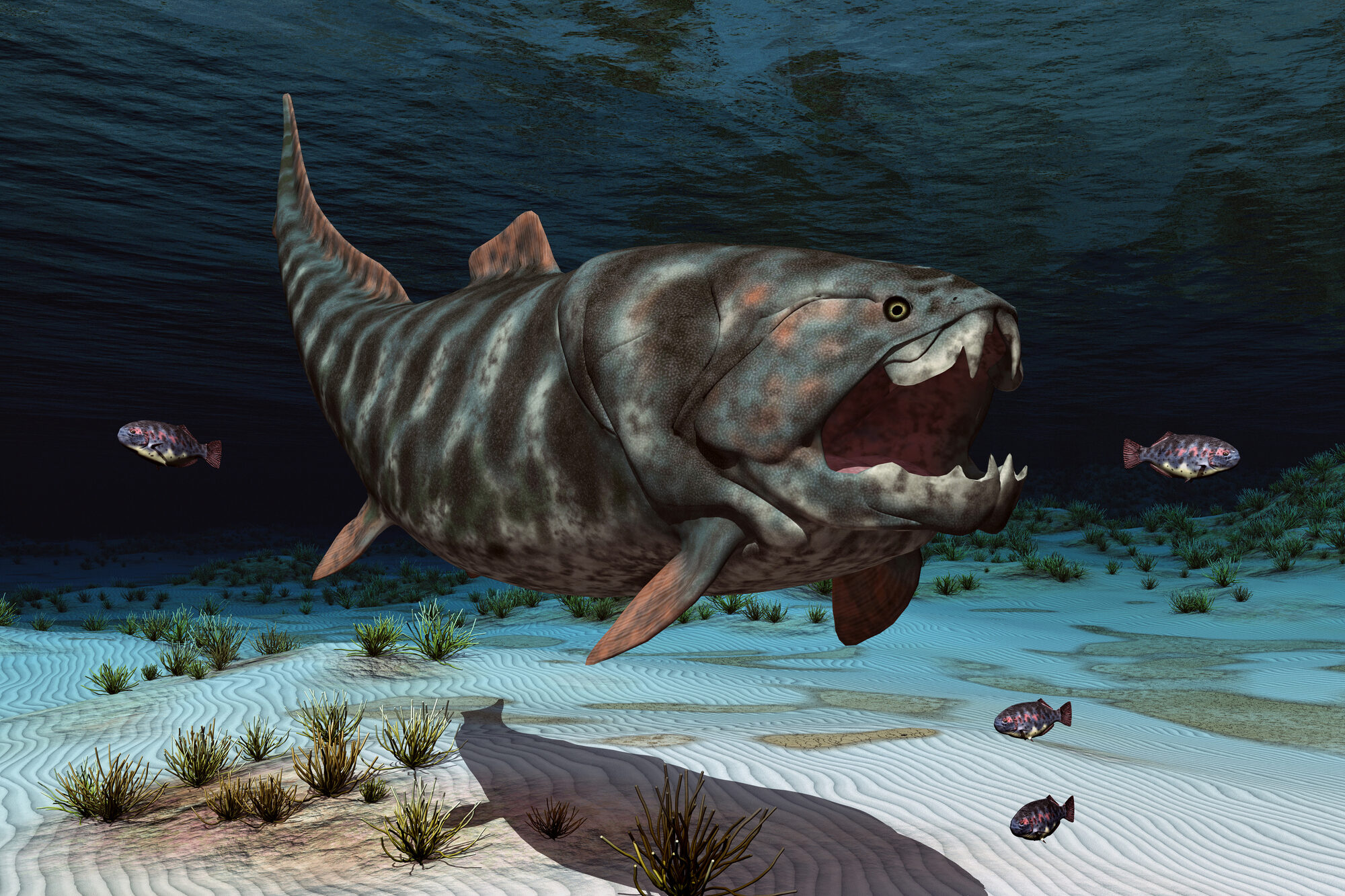
Dunkleosteus was an armored giant of the seas, measuring up to 30 feet long with a head encased in bony plates. Instead of teeth, it had sharp, blade-like jaws that could snap through bone and shell with ease. This predator ruled the oceans about 360 million years ago, feeding on fish, sharks, and even others of its kind. Its bite force is believed to have been one of the strongest of any fish in history, making it virtually unstoppable once it locked onto prey. With no natural predators, Dunkleosteus was the tank of ancient waters, a reminder of just how brutal life in the prehistoric seas could be.
7. Arthropleura
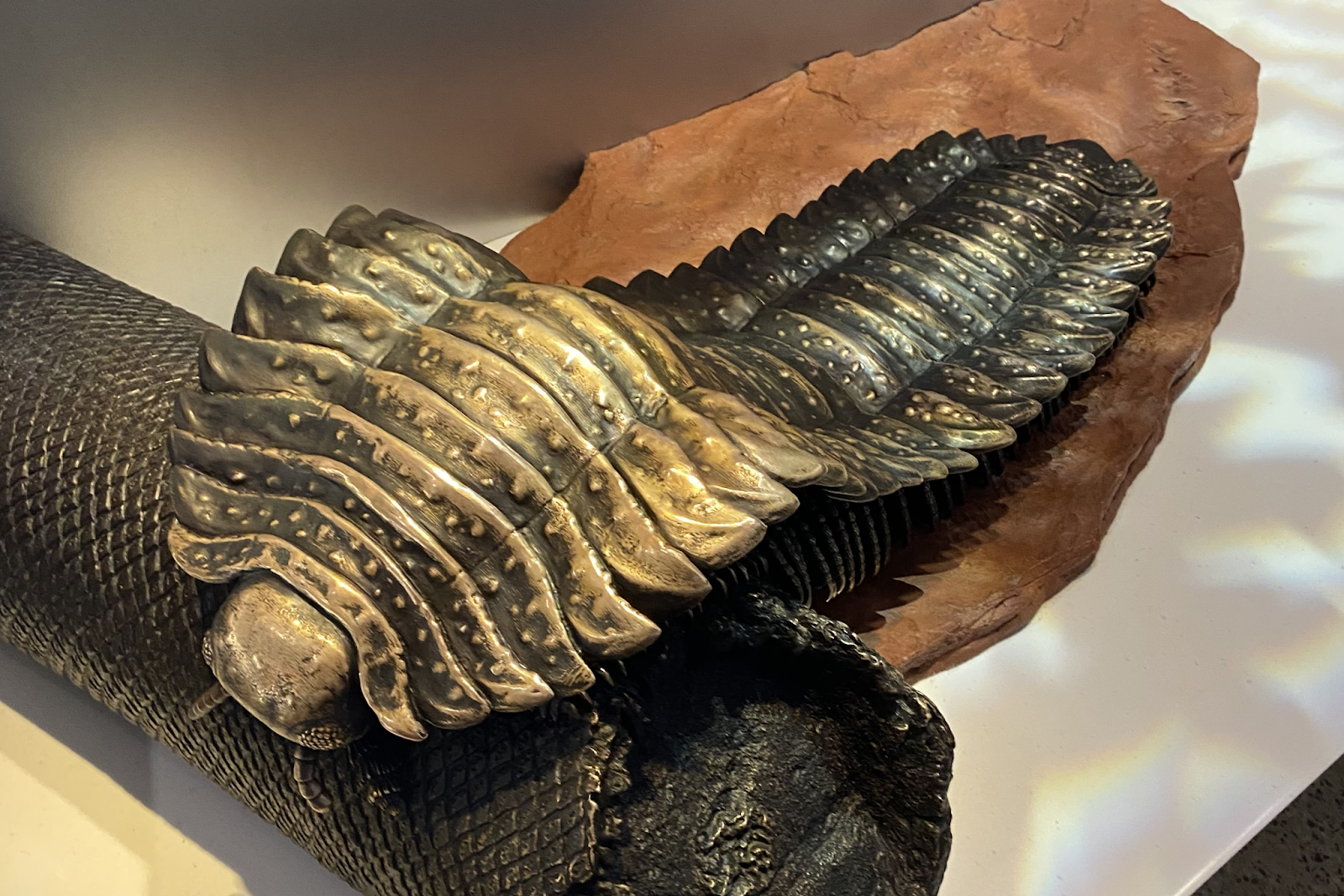
Arthropleura was an ancient millipede stretched to terrifying lengths, growing as long as 8 feet. Crawling through the dense forests of the Carboniferous period, it was protected by armor-like segments that made it look like a moving shield. While evidence suggests it was more likely a plant-eater than a predator, its sheer size would have made it intimidating to encounter. Imagine walking through the woods and coming across something larger than a person slithering over the ground. Even though it may not have been aggressive, the thought of such a colossal insect relative wandering around today is enough to make anyone grateful it’s gone.
8. Giganotosaurus
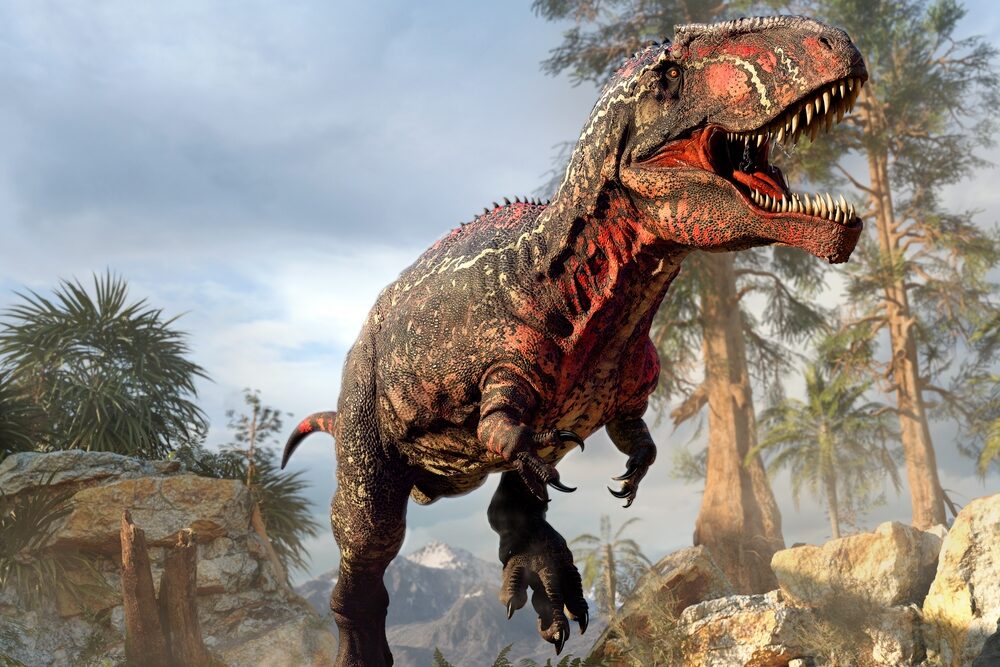
Giganotosaurus was a dinosaur that rivaled T. rex in size, stretching more than 40 feet and weighing nearly 9 tons. What set it apart was its speed and possible hunting behavior—it may have moved faster than T. rex and hunted in packs, allowing it to bring down massive herbivores like Argentinosaurus. Its serrated, blade-like teeth were designed to slice through flesh with terrifying efficiency. Living in South America about 98 million years ago, it was one of the largest carnivorous dinosaurs ever known. Facing one Giganotosaurus would have been terrifying enough, but the thought of multiple working together is even scarier.
9. Helicoprion
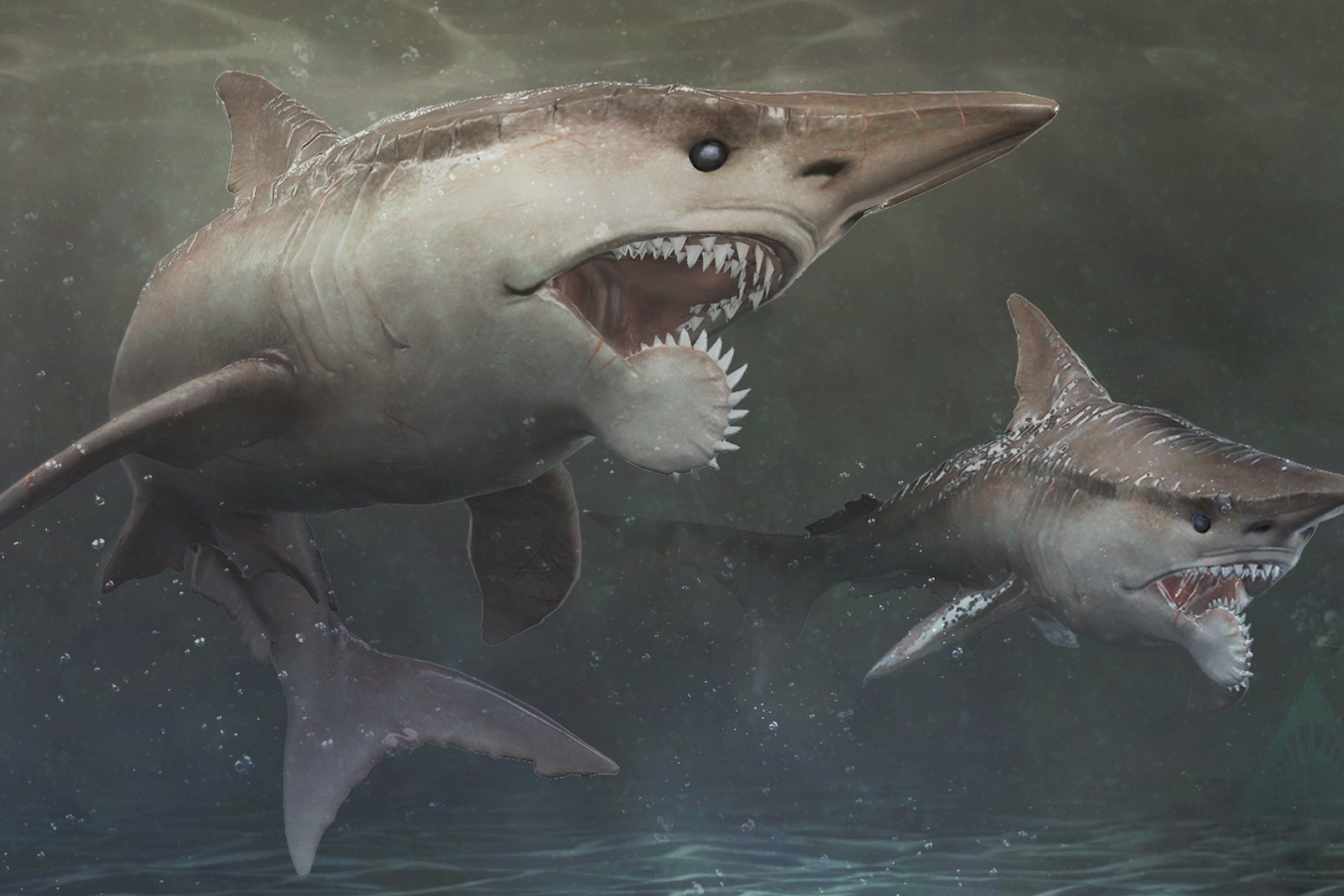
Helicoprion was a prehistoric shark with one of the strangest features in the animal kingdom—a spiral of teeth in its lower jaw. This bizarre whorl of teeth looked like a buzz saw and grew continuously throughout its life, sometimes reaching more than three feet across. Scientists believe it used this unique structure to slice through soft-bodied prey like squid and fish, shearing them apart with a single bite. Swimming the oceans about 270 million years ago, Helicoprion would have been a frightening sight for smaller creatures. Its odd yet effective design shows just how creative evolution could be in producing deadly predators.
10. Jaekelopterus
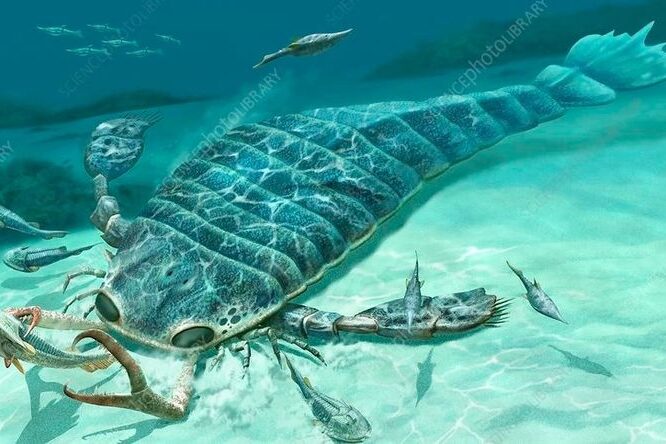
Jaekelopterus was a sea scorpion that could grow more than 8 feet long, making it one of the largest arthropods to ever exist. Living in swamps and shallow seas about 400 million years ago, it used its massive pincers to snatch up prey ranging from fish to other invertebrates. Some evidence suggests it may have even crawled onto land in search of food, adding to its fearsome reputation. With armored limbs and a powerful build, Jaekelopterus was the apex predator of its time. Encountering one in the water would have been like swimming alongside a monster straight out of a science-fiction film.
11. Purussaurus
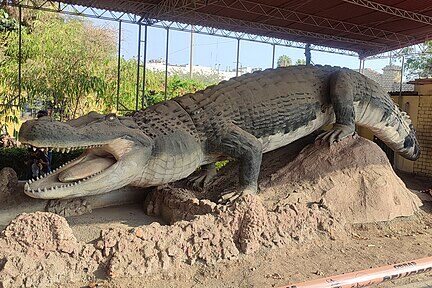
Purussaurus was a prehistoric caiman that stretched up to 33 feet long, making it one of the largest crocodilians ever. Living in South American rivers about 8 million years ago, it had jaws so powerful they could crush turtle shells like paper. With its immense size and strength, it dominated waterways, preying on fish, turtles, and even large mammals that ventured too close to the riverbank. Fossil evidence shows its bite force may have been the strongest of any animal, living or extinct. If Purussaurus were alive today, rivers in the Amazon would be some of the most dangerous places on Earth.
12. Andrewsarchus
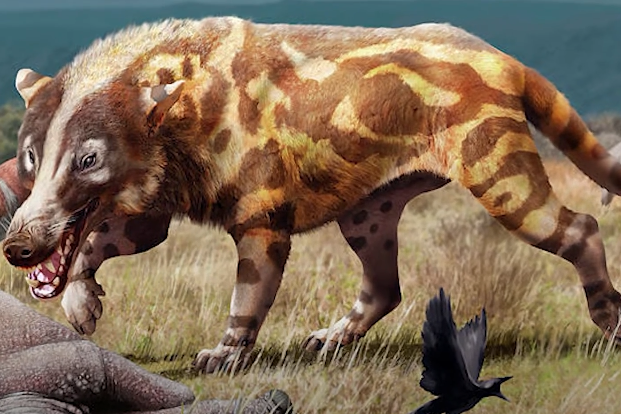
Andrewsarchus was a wolf-like mammal that lived around 45 million years ago and is known mainly from its enormous skull, which stretched nearly 3 feet long. This predator was likely built like a giant hyena, with crushing jaws capable of breaking through bone. Its size suggests it was one of the largest meat-eating land mammals ever, possibly reaching 13 feet in length. Scientists believe Andrewsarchus could scavenge or hunt a wide variety of prey, from small animals to larger herbivores. With its mix of speed, strength, and bone-crushing power, it would have been a terrifying predator to encounter on land.
13. Therizinosaurus
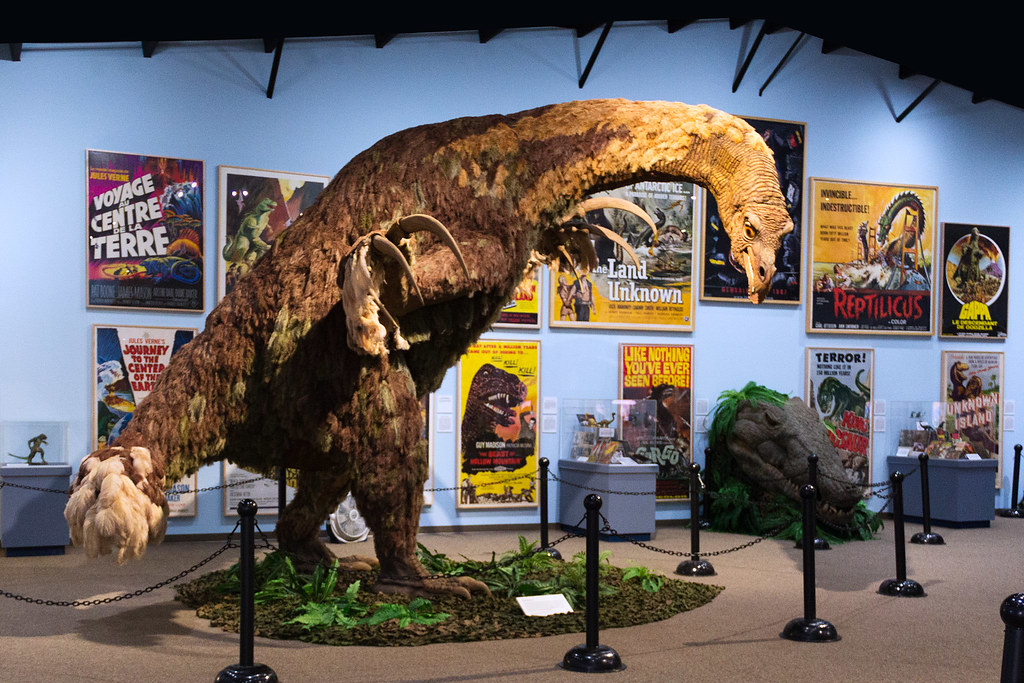
Therizinosaurus was one of the strangest-looking dinosaurs, standing nearly 33 feet tall with a potbelly, long neck, and enormous claws that stretched up to 3 feet each. Despite its fearsome appearance, scientists believe it may have been herbivorous, using its claws to pull down vegetation. Others think it could have been omnivorous, adding small prey to its diet. Either way, its bizarre build makes it one of the most unusual dinosaurs ever found. Imagine a creature with the claws of a raptor, the body of a giant bird, and the stance of a bear. Its nightmarish look alone makes us glad it’s not roaming forests today.
14. Deinosuchus
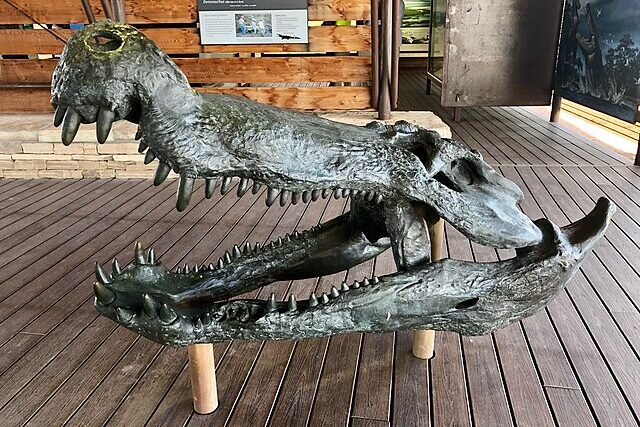
Deinosuchus was a giant prehistoric relative of modern alligators, growing more than 35 feet long and weighing over 8 tons. Living in North America about 80 million years ago, it ruled rivers and coastal waters. Fossil evidence suggests it hunted dinosaurs that came to drink, dragging them into the water much like modern crocodiles do with unsuspecting animals. With a bite force estimated to be stronger than that of T. rex, Deinosuchus could crush bones with ease. While today’s alligators can be dangerous, they are nothing compared to this colossal predator of the late Cretaceous.
15. Entelodon
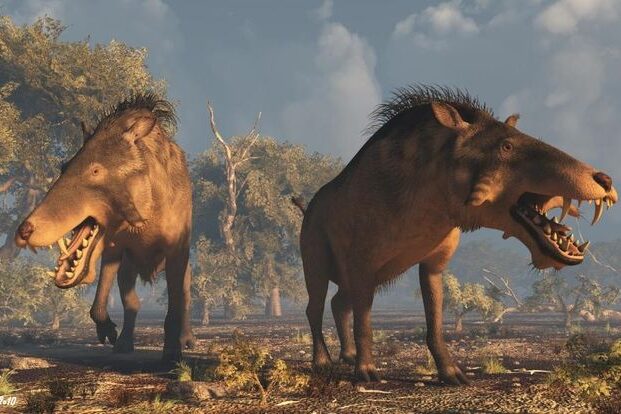
Entelodon, often called the “hell pig,” was a massive omnivore that roamed Europe and Asia around 30 million years ago. Despite the nickname, it wasn’t a pig at all, but a distant relative of hippos and whales. It stood nearly 6 feet tall at the shoulder, with a huge head, sharp teeth, and powerful jaws designed to crush bone. Fossil evidence suggests Entelodon was aggressive and opportunistic, feeding on plants, carrion, and even live prey. With its tusked face, muscular body, and unpredictable nature, it was a dominant force in its ecosystem. Encountering one in the wild would have been nothing short of terrifying.
This story 15 Deadly Prehistoric Animals We’re Lucky Went Extinct was first published on Daily FETCH


