
The Things School Drilled Into Us That Never Paid Off
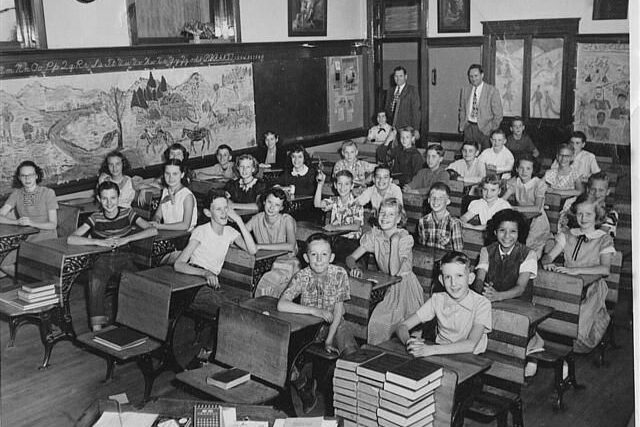
There is something almost universal about looking back at school and remembering how seriously we were trained to take certain lessons. At the time, everything felt urgent. If we did not master it, we were warned it might cost us later in life. So we memorized formulas, practiced drills, repeated definitions, and stressed over small details. We believed there was a straight line between those classroom exercises and the adults we were becoming.
Now, with a little distance and a lot more life experience, it is easier to admit something gently. Some of the things school drilled into us simply never translated into everyday reality. They were not useless in the moment, and they were not meant to mislead us. They just did not pay off in the practical ways we once imagined. And recognizing that feels less like criticism and more like a shared nod between people who sat in those same classrooms.
1. Cursive Like It Was A Survival Skill
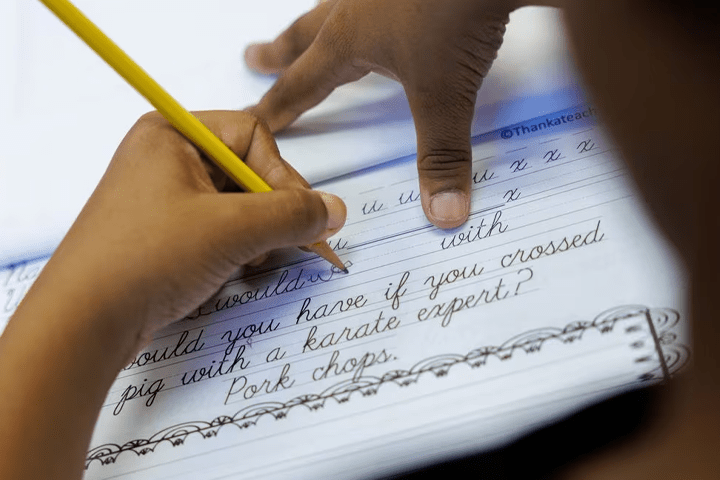
If you grew up when handwriting was treated like a life requirement, you probably remember how serious cursive felt. Teachers spoke about it like employers would examine every loop before hiring you. We practiced connecting letters until our wrists hurt, tracing perfect capital S shapes and trying not to smudge the ink. It felt like growing up depended on mastering those curves. At the time, it seemed completely reasonable. After all, adults wrote in cursive, so surely we would too. Yet somewhere between graduation and real life, keyboards quietly took over. Most of us type far more than we write by hand, and when we do write, it is usually a quick note or a signature. Cursive became less of a daily necessity and more of a nostalgic skill we pull out occasionally. It was not useless, but it certainly was not the survival tool we were promised.
Outside of signing official forms or writing in greeting cards, cursive rarely shows up in adult routines. Many people admit their handwriting now is a mix of print and rushed strokes. What felt once like a defining marker of education slowly became decorative. The hours we spent perfecting each letter did teach patience and motor coordination, but the dramatic importance attached to it feels exaggerated in hindsight. It is one of those lessons that carried weight in childhood and then quietly softened in adulthood.
2. Long Division The Hard Way
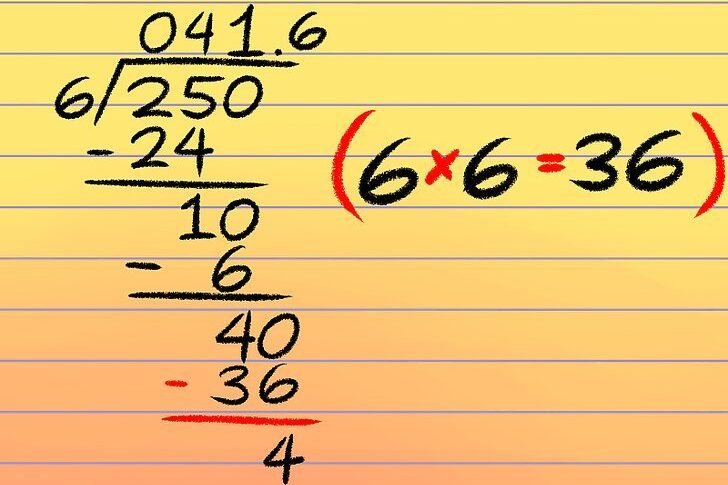
There was a time when long division felt like the ultimate test of intelligence. We were required to show every single step, lining numbers carefully under each other and subtracting with complete precision. If you skipped a line, you risked losing points even if your final answer was correct. It felt strict and serious, as if the future depended on mastering that narrow bracket and all the calculations inside it. We practiced repeatedly, sometimes filling entire pages with division problems. Back then, it seemed obvious that adults must be doing this daily in offices and at home. Why else would we spend so much time on it.
Then calculators became part of everything. Phones now solve complex equations in seconds. Even basic grocery totals are computed instantly at checkout. Understanding division is certainly important, but the exact handwritten ritual rarely appears outside classrooms. Most adults cannot remember the last time they solved a three digit division problem on paper. It was a solid mental workout and it trained logical sequencing, but the heavy emphasis on the manual method feels out of step with how life actually works today.
3. Memorizing The Entire Periodic Table
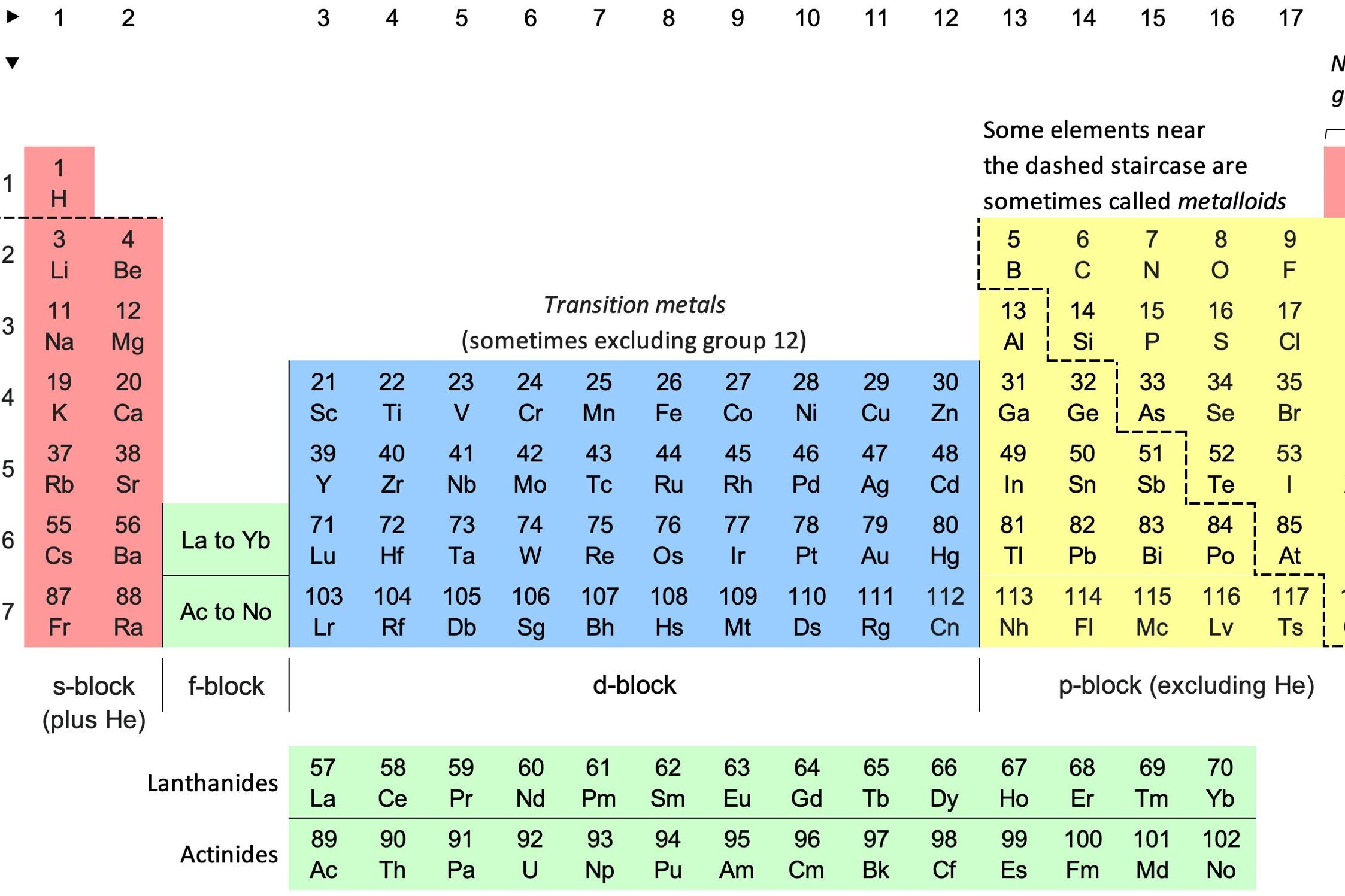
Chemistry class often came with the expectation that we memorize rows of element symbols and atomic numbers. We repeated them like chants, trying to remember which letters stood for which substance. Sodium, potassium, iron, helium. It felt endless and oddly intimidating. For students pursuing science careers, that knowledge built a real foundation. But for many others, memorizing the full table never became practical outside of exam rooms. The pressure to recall every symbol exactly sometimes overshadowed understanding what those elements actually do in the world around us.
As adults, most of us remember just a handful of familiar elements and forget the rest. We might recognize oxygen or gold, but struggle to place others without looking them up. The deeper lesson about how matter works still matters, yet the memorization itself faded quickly. It became trivia knowledge rather than everyday information. Looking back, it feels like we were preparing for a quiz that never came again. The table still exists, of course, but it no longer demands daily attention from most of us.
4. The Recorder Concert Era
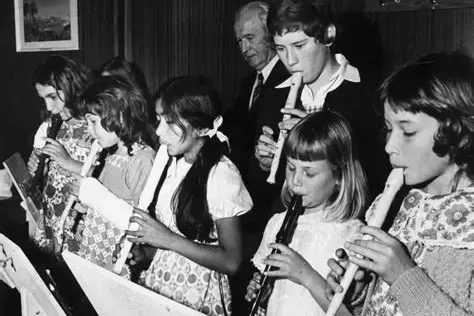
Almost everyone remembers the phase when classrooms were filled with recorders. The sound was high pitched and enthusiastic, sometimes more chaotic than musical. We learned basic notes and simple songs, practicing carefully for small school performances. It was presented as an introduction to music, and in many ways it was. Learning rhythm and coordination at a young age can be valuable. At the time, it felt like an official step toward becoming musically skilled adults.
Yet very few people continued playing the recorder beyond elementary school. It rarely turned into a lifelong instrument or serious hobby. Instead, it became a shared memory that many people laugh about years later. The skill itself did not translate directly into adult routines, but it did offer exposure to creative expression. While it may not have shaped professional musicians for most of us, it created a moment in childhood where we tried something new. The recorder had its brief spotlight, then quietly stepped aside as other interests took over.
5. Perfect MLA Formatting
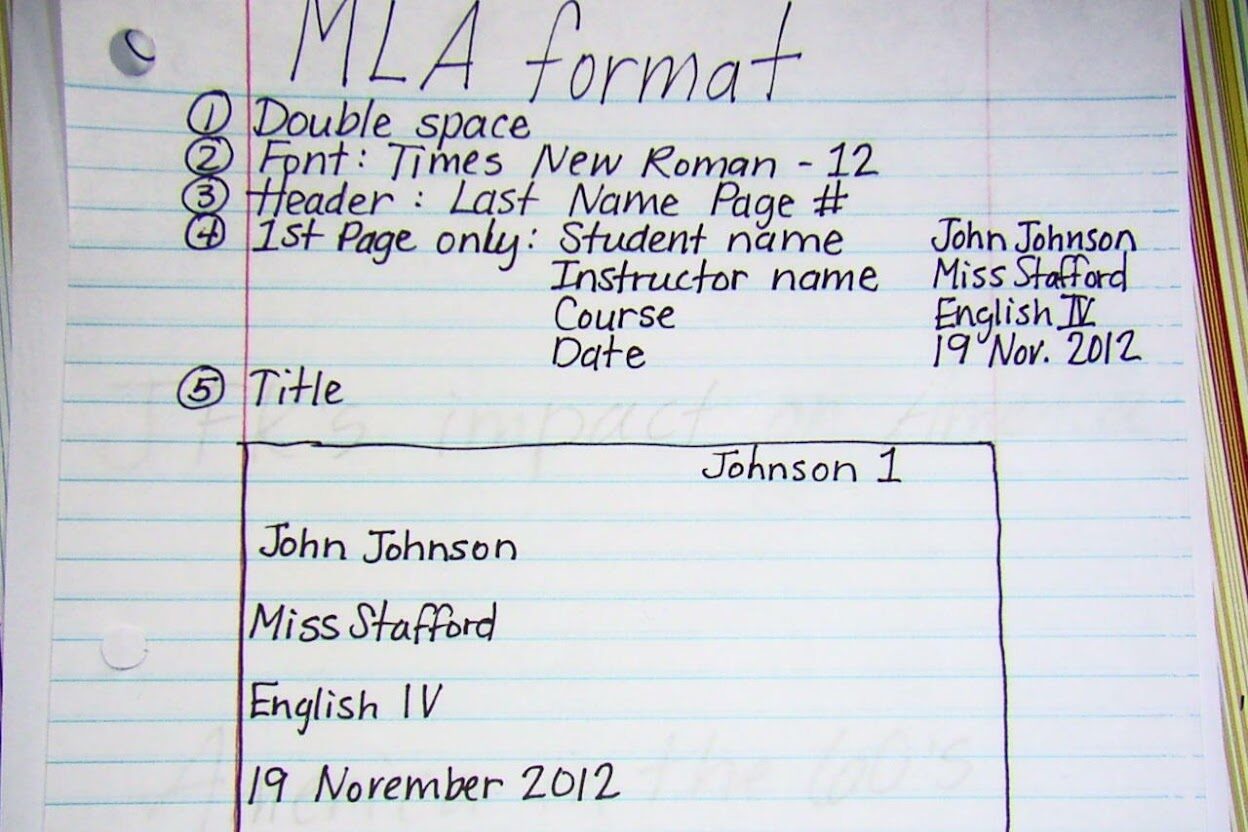
There was a season when formatting essays felt just as important as writing them. We memorized margin sizes, header placement, spacing rules, and citation styles with almost anxious precision. One small formatting mistake could cost marks, even if the content was thoughtful. It trained us to pay attention to structure and detail. In academic environments, those rules mattered and still do. But outside classrooms and universities, strict MLA formatting rarely becomes part of daily life.
In most workplaces, clarity and readability take priority over citation alignment. Emails, reports, and presentations are judged by their message, not by whether the margins are exactly one inch. The discipline of organizing ideas clearly remains useful, but the intense focus on technical formatting feels less relevant once school ends. Many adults would need to look up MLA guidelines today if asked to use them. It was a skill tied closely to a specific environment, one that does not always follow us beyond it.
6. Diagramming Sentences
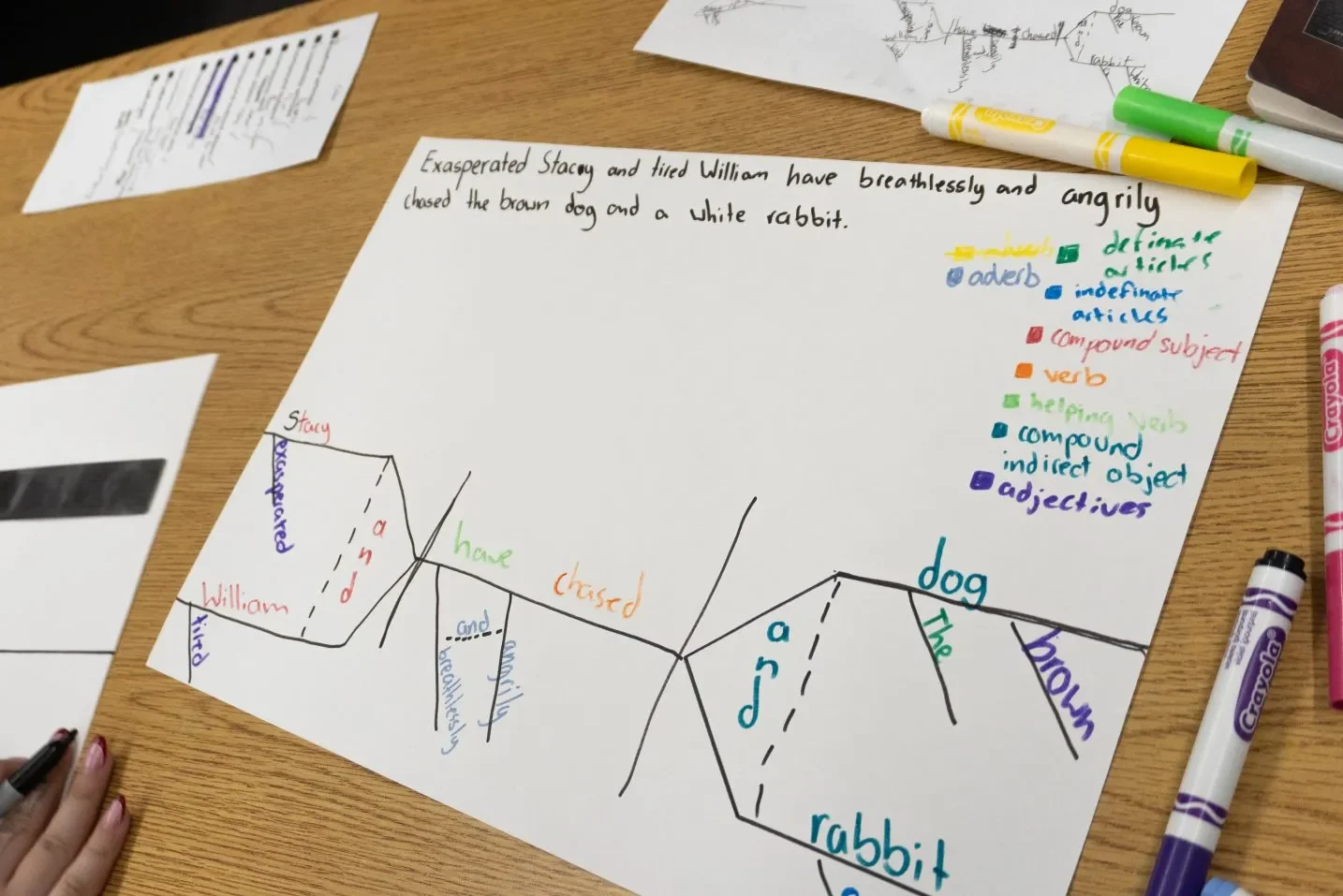
Sentence diagramming felt like taking language apart piece by piece. We drew lines across blank pages, labeling subjects, verbs, objects, and modifiers. At first, it seemed confusing and overly technical. The goal was to understand grammar deeply, and in theory, breaking sentences into parts should make writing stronger. For some students, it probably did. But for many others, it felt abstract and mechanical. We followed instructions carefully, memorized the structure, and hoped it would make sense eventually.
As adults, most people do not diagram sentences before sending emails or drafting documents. Writing tends to improve through reading, practice, and revision rather than through drawing grammar charts. The awareness of sentence structure remains helpful in subtle ways, but the physical act of diagramming rarely returns. It was a classroom exercise that sharpened analytical thinking for a moment in time. After exams were over, those slanted lines and labeled boxes largely disappeared from everyday life.
7. Exact Dates Of Every Historical Event
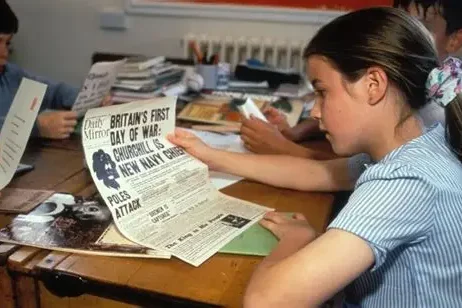
There was always that one history test where the difference between full marks and disappointment came down to a single year. We memorized timelines carefully, attaching precise dates to wars, treaties, revolutions, and speeches. It felt like history lived and died by numbers. If you mixed up 1775 and 1776, it was a problem. At the time, remembering exact dates seemed like proof that you truly understood the past. We stayed up late drilling those timelines into our heads, hoping they would stick long enough for exam day. It felt serious and strangely urgent, as if adulthood would constantly quiz us on centuries gone by.
Yet in real life, conversations about history rarely hinge on exact calendar precision. What tends to matter more is understanding why events happened and how they shaped the present. Most adults discuss impact, not timestamps. The emotional weight of a movement or the consequences of a decision stay with us longer than the exact day it occurred. We studied numbers intensely, but life usually asks for perspective instead of pinpoint accuracy.
8. Square Dancing In Gym Class
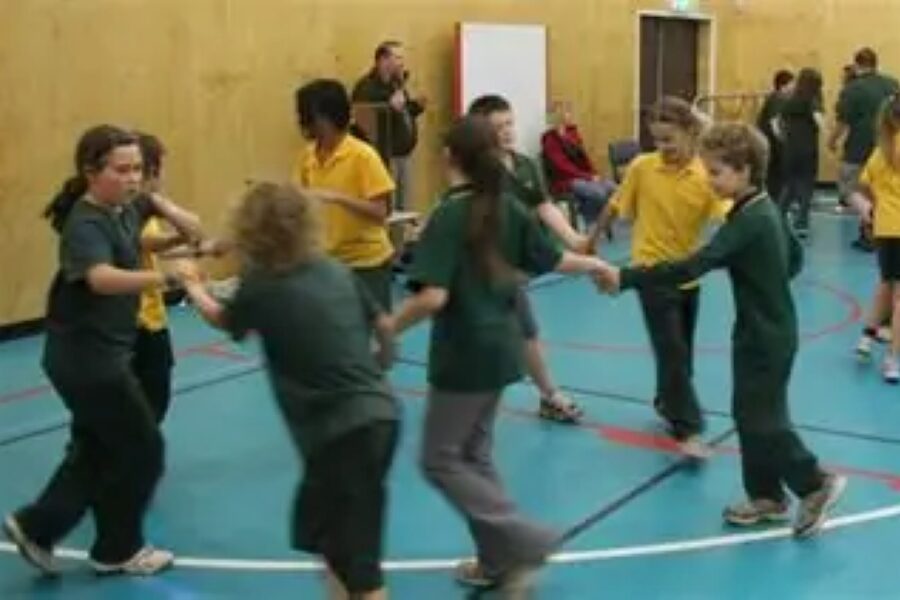
Gym class had its predictable rhythm until the day square dancing appeared on the schedule. Suddenly, instead of running laps or playing football, we were being taught coordinated steps with partners. It felt awkward at first, especially when you were paired with someone you barely spoke to. The instructions were loud and specific, and everyone tried to keep up without stepping on toes. It was presented as part of physical education, a way to learn movement and teamwork. For a few weeks, it completely took over the gym.
Looking back, it stands out more as a memorable experience than a lifelong skill. Very few adults include square dancing in their regular fitness routines. Most people choose walking, strength training, or other forms of exercise. While it may have built coordination and introduced cultural traditions, it rarely translated into everyday physical activity. It became one of those school units we remember vividly but never truly revisit once the semester ended.
9. Capital Cities Of Every Country
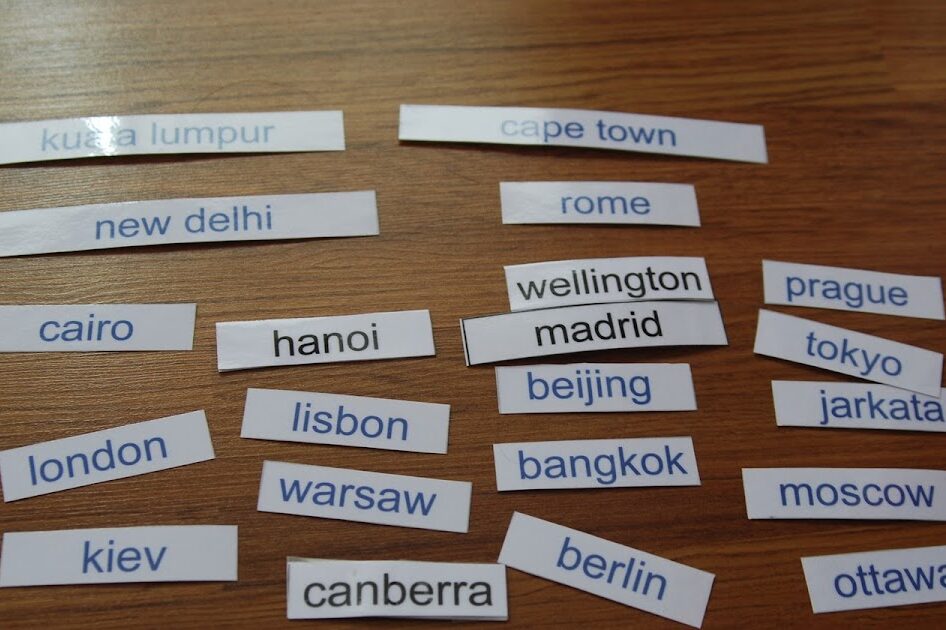
There was a stretch of time when knowing every capital city felt like the mark of an educated person. We filled in blank maps, recited lists out loud, and tried to pronounce unfamiliar names correctly. It was challenging and oddly satisfying when you got them right. Geography is important, and understanding the world beyond our borders matters. But memorizing every capital without deeper context often felt like stacking facts without a story. We focused on recall more than connection.
As adults, we tend to rely on digital maps and quick searches when we need specific location details. Conversations about global issues usually center on culture, economics, or politics rather than capital city trivia. While some names remain in memory, many faded quietly after the tests ended. The exercise built awareness of global diversity, which is valuable, but the pressure to memorize every single capital rarely shows up in daily life anymore.
10. The Food Pyramid Rules
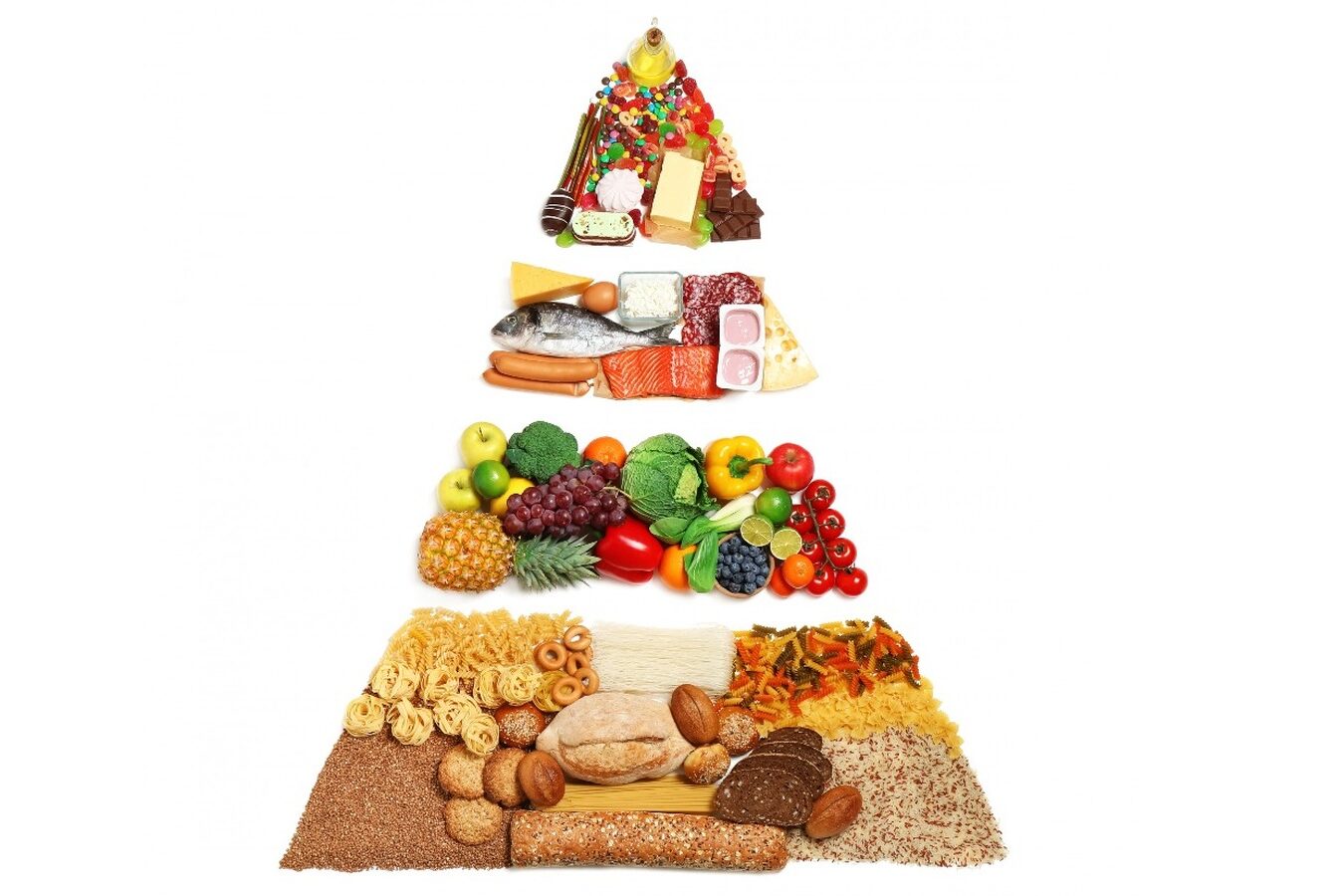
If you were in school during the height of the food pyramid era, you probably remember coloring in those neat triangular sections. Grains formed the wide base, and sweets hovered cautiously at the top. It was presented as the blueprint for healthy living, something to memorize and follow faithfully. We counted servings and repeated guidelines like they were fixed truths. At the time, it felt clear and structured, almost comforting in its simplicity.
Years later, nutritional advice evolved and recommendations shifted. New research changed the way experts approached balanced eating. What once seemed permanent turned out to be flexible. The original pyramid was not entirely wrong, but it reflected knowledge at that particular moment. Many adults now focus more on overall balance and portion awareness rather than rigid serving charts. It reminds us that some lessons are shaped by the era they come from, and they naturally adjust as understanding grows.
11. Order Of Operations Chanting
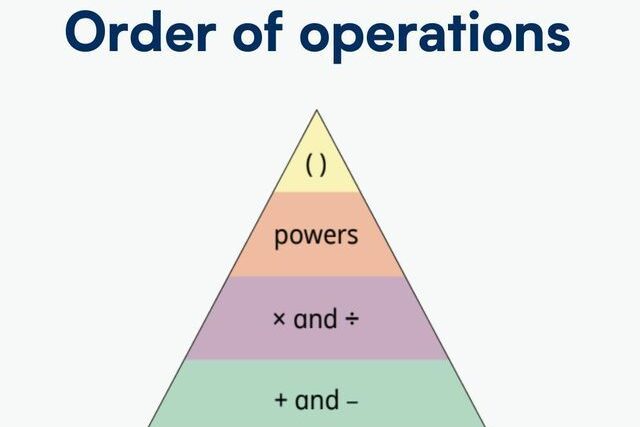
Please excuse my dear aunt Sally. Just reading that probably brings back a classroom memory. We repeated it until it stuck, using it to remember the sequence for solving equations. The chant worked, and it helped prevent math confusion. Teachers insisted we would need it often, and we believed them. For a while, it felt like a code to unlock every numerical problem. We practiced applying it carefully to avoid mistakes.
In adult life, however, complex equations are often handled by calculators or spreadsheets. While the logical principle still matters, few people consciously recite the acronym before calculating a bill or balancing expenses. The structure it taught remains useful in subtle ways, especially in organized thinking. Yet the dramatic repetition of the chant feels larger than its everyday application. It lingers more as a memory than a frequently used tool.
12. Coloring Maps Perfectly Inside The Lines
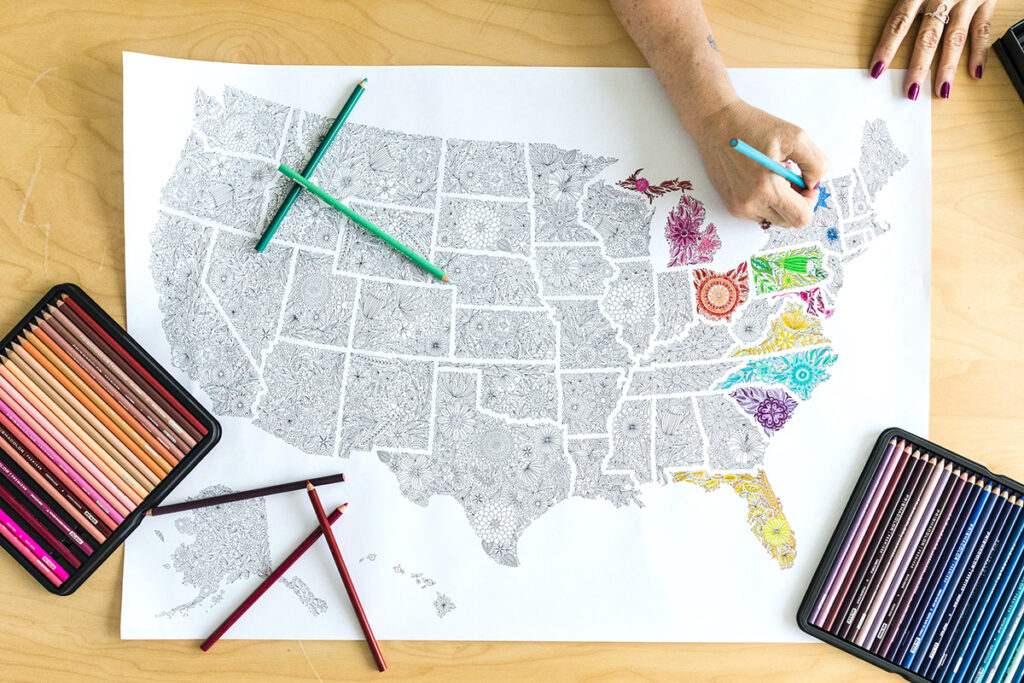
There was something surprisingly intense about coloring maps neatly. Teachers reminded us to stay within borders, to shade evenly, and to label clearly. It combined art with geography, and neatness often affected grades. We concentrated carefully, trying not to cross into neighboring countries with the wrong color. It seemed small, but it carried weight in the classroom. Precision was everything.
As adults, maps have become interactive and digital. We zoom, scroll, and search rather than shade and label. The patience we practiced while coloring may have shaped our attention to detail, but the exact skill rarely returns. No employer asks whether you can color inside printed lines. The exercise now feels nostalgic, tied to a simpler time of paper worksheets and colored pencils. It served its moment, then gently stepped aside.
13. Memorizing Random Vocabulary Lists
Vocabulary lists often arrived without much context. We were given ten or twenty words, told to memorize definitions, and tested at the end of the week. It felt repetitive, yet necessary. Expanding language is important, and learning new words can improve communication. But the memorization style sometimes lacked meaningful connection. We studied just long enough to pass, then moved on to the next list.
Many of those words faded because we rarely used them in conversation. Language grows stronger through practice, reading, and real interaction. While some vocabulary stayed with us, much of it drifted away after exams. The intention was good, but the method sometimes felt temporary. It built short term recall more than lasting fluency.
14. Converting Measurements By Hand
There was a time when converting inches to centimeters or ounces to grams required careful calculation. We memorized formulas and practiced them repeatedly. It seemed essential, especially in math and science classes. We wrote out the steps carefully to avoid losing points. Accuracy mattered, and there was satisfaction in getting it right without assistance.
Today, most people reach for a phone or digital tool when faced with conversions. Technology provides instant answers with little effort. Understanding that different systems exist is still useful, but the manual process rarely surfaces in daily routines. We learned it thoroughly, yet modern convenience quietly replaced the need to perform it by hand. The knowledge remains somewhere in memory, even if it is seldom called upon.
15. Writing Book Reports In A Strict Format
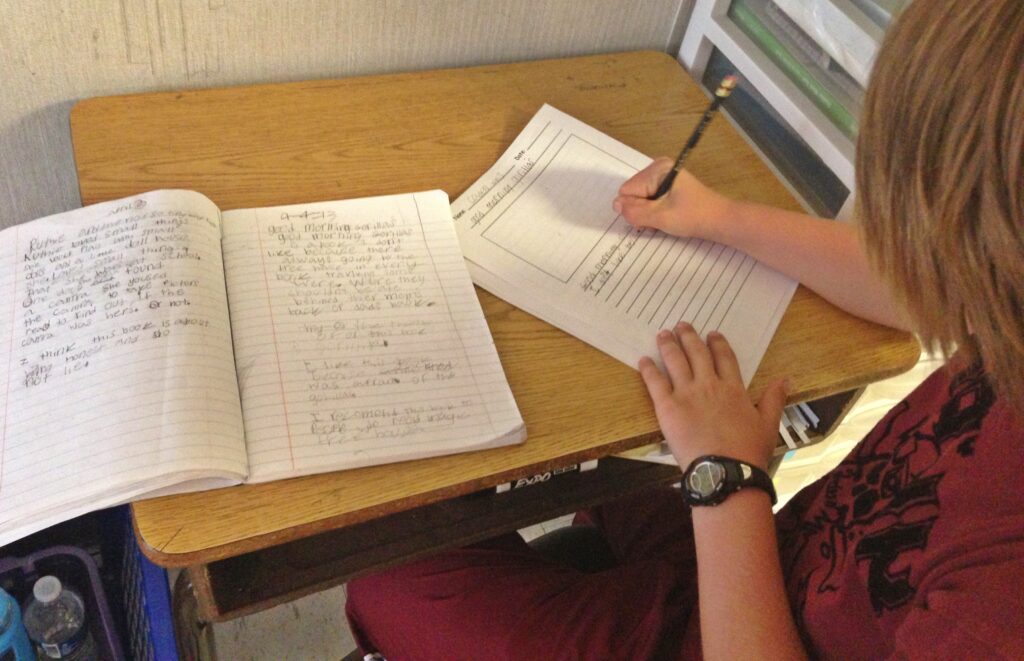
Book reports once followed a predictable structure. Introduction, summary, character analysis, conclusion. We followed the template carefully, knowing deviation could cost marks. It taught organization and comprehension, which are valuable skills. Still, the rigid format sometimes limited creativity. We focused on meeting structural requirements rather than exploring personal insight.
In adulthood, discussing a book feels far more natural and flexible. Conversations flow without headings or mandatory paragraphs. While structured writing has its place, most people do not formally analyze novels unless required for academic or professional reasons. The template served its classroom purpose but rarely appears in everyday life outside school walls.


