
Mario Batali Fallout
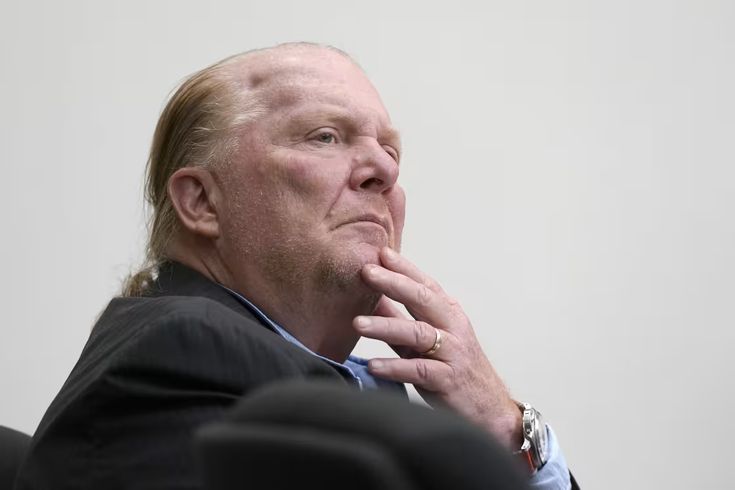
Mario Batali became a household name during the late 1990s and early 2000s, serving as a premier face for the Food Network on hits like Molto Mario and Iron Chef America. Known for his signature orange Crocs and vast knowledge of Italian history, he built a massive empire consisting of high-end restaurants, best-selling books, and retail products. However, his professional world collapsed in December 2017 when several women came forward with serious allegations of sexual misconduct. These reports detailed a pattern of inappropriate behavior that allegedly spanned nearly two decades within his various restaurant establishments.
The consequences of these revelations were immediate and devastating to his brand. Batali was quickly fired from his role on the daytime talk show The Chew, and he eventually reached an agreement to sell his stakes in all his restaurant ventures. While he was later acquitted of a specific 2019 criminal charge in a Boston court, the attorney general’s investigations led to significant financial settlements for former employees regarding workplace violations. The sheer scale of the scandal serves as a haunting example of how a beloved public persona can be dismantled when long-standing internal issues finally reach the light of day.
Paula Deen Scandal
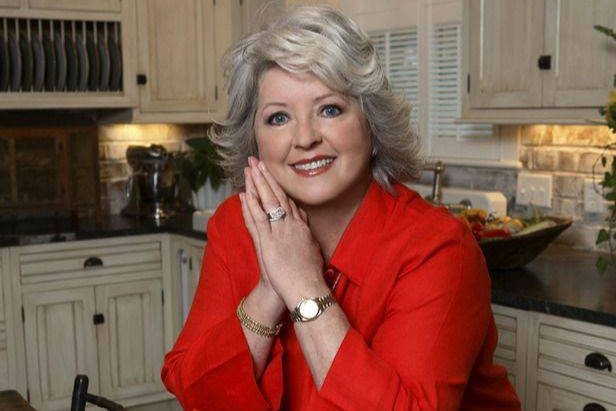
Paula Deen spent years cultivating an image centered on warm Southern hospitality and the comforts of home cooking. Her television programs and cookbooks focused on butter-laden recipes and family values, making her a beloved figure for millions of Americans who viewed her as a maternal authority on food. That image was shattered in May 2013 during a legal deposition for a workplace discrimination lawsuit. During the proceedings, Deen admitted to using racial slurs in the past, an admission that triggered a massive wave of public outrage and led to the rapid dissolution of her media empire.
The fallout from the deposition was nearly instantaneous, as major networks like the Food Network declined to renew her contract and retail giants like Walmart dropped her product lines. Although Deen issued several emotional video apologies and eventually attempted a comeback through independent digital platforms, the damage to her “Queen of Southern Cuisine” title was permanent. Critics argued that the incident revealed a deep disconnect between her sweet on-screen personality and her private views. Today, her legacy remains a complicated mix of her undeniable influence on American comfort food and the lasting stain of that 2013 controversy.
Gordon Ramsay Temper
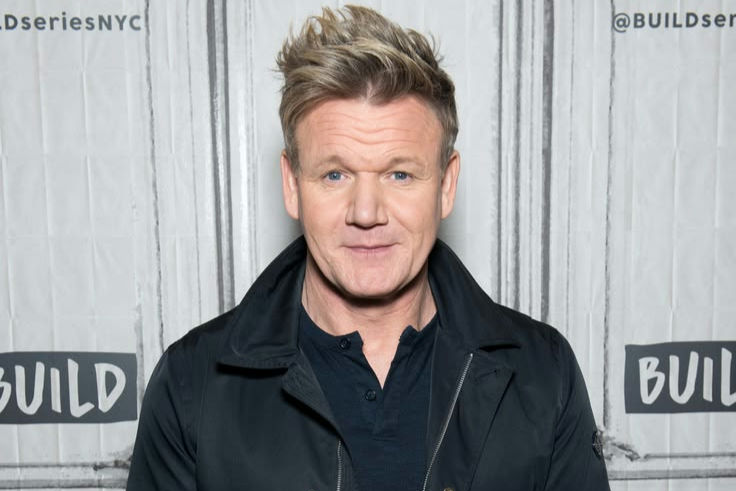
Gordon Ramsay is arguably the most famous chef on the planet, boasting a collection of Michelin stars and a string of global television hits including Hell’s Kitchen and MasterChef. His brand is famously built on a foundation of fiery outbursts, creative insults, and a “tough love” approach to culinary instruction. While this aggressive persona has entertained millions of viewers since his debut in the early 2000s, it has also sparked serious debates about whether his behavior normalizes a toxic and hostile culture within professional kitchens.
While many fans argue that his television anger is an exaggerated performance designed for ratings, various reports from former staff members suggest that the pressure in his real-life kitchens is just as intense. Ramsay has consistently defended his high-volume management style as a necessary tool for maintaining world-class standards and pushing chefs to reach their full potential. Indeed, many successful chefs who trained under him speak highly of his mentorship and high expectations. Nevertheless, for fans who expect a warm and friendly encounter, Ramsay’s legendary intensity can often be a jarring experience when encountered outside of a controlled TV environment.
Guy Fieri Criticism
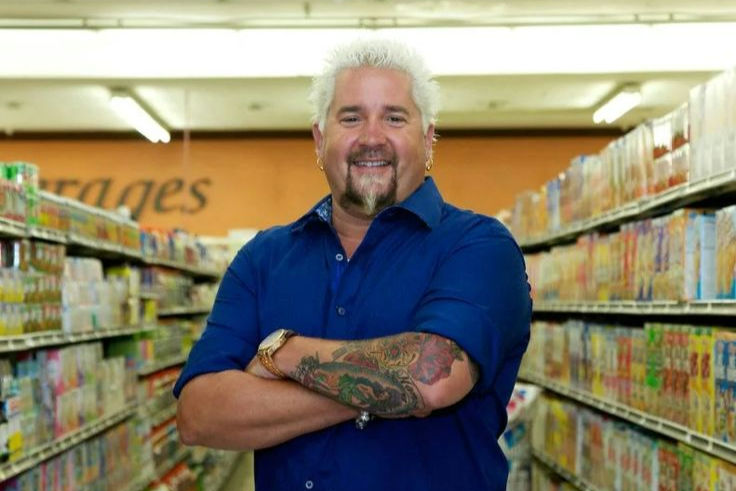
Guy Fieri is the undisputed king of “Flavor Town,” known for his bleached hair, vintage cars, and the hit show Diners, Drive-Ins and Dives. Since winning Next Food Network Star in 2006, he has used his platform for incredible charitable work, including funding culinary programs and personally cooking thousands of meals for first responders during California wildfires. Despite his reputation as a “man of the people,” Fieri has faced behind-the-scenes criticism from former producers and colleagues who alleged he made inappropriate remarks and fostered an uncomfortable work environment.
These specific claims, coupled with a handful of viral stories about dismissive fan interactions, have created a somewhat polarized view of the chef. While the vast majority of his public interactions are positive and high-energy, the contrast between his “regular guy” image and these private complaints suggests a more complex individual than the one seen on screen. Fieri’s enduring popularity suggests that his massive contributions to small businesses and charity work largely outweigh these negative reports. Still, the stories remain a part of the larger conversation regarding the difference between a televised personality and the person running a multi-million dollar business.
Bobby Flay Ego
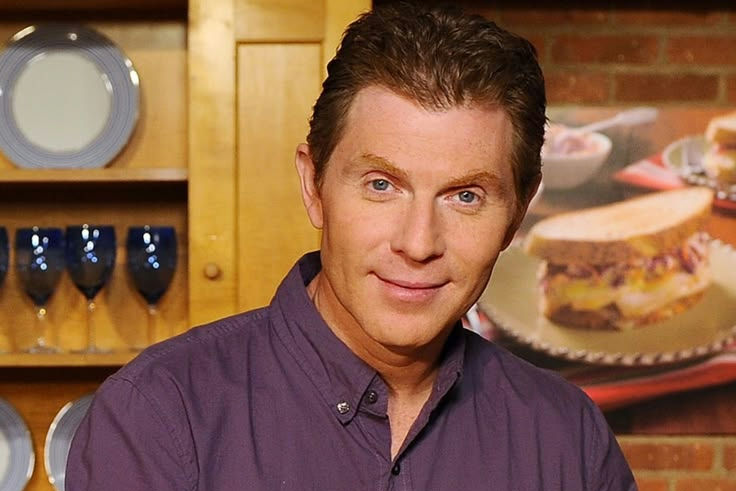
Bobby Flay has been a cornerstone of culinary television for over 25 years, recognized for his incredible competitive drive and mastery of the grill. As one of the original stars of the Food Network, his name is synonymous with Southwestern flavors and the high-pressure environment of Iron Chef America. However, Flay’s immense confidence has often been perceived by both viewers and peers as arrogance. One of his most infamous moments occurred in 2000 during a competition in Japan, where he stood on a cutting board to celebrate, an act viewed as a deep sign of disrespect by his Japanese hosts.
Beyond his television theatrics, Flay has been the subject of various reports involving disputes with fellow chefs and legal battles regarding employee wages at his restaurants. These incidents have contributed to a public reputation that is often divided between those who admire his skill and those who find his demeanor off-putting. While his professional talent is undeniable, many feel that his competitive nature occasionally crosses the line into a lack of humility. Consequently, Flay remains a figure who is widely respected for his technical abilities but is often scrutinized for how he carries himself when the cameras are not rolling.
Giada De Laurentiis Distance

Giada De Laurentiis won over audiences in the early 2000s with her elegant presentation and accessible take on Italian-American cuisine. Her shows, such as Everyday Italian, projected an image of a warm, charming host who made high-end cooking feel achievable for everyone. However, over time, De Laurentiis has been surprisingly candid about the fact that she is a naturally private person who struggles with the physical demands of fame. She has admitted in various interviews that she finds large crowds and constant physical contact with fans to be quite overwhelming and uncomfortable.
This honesty has led to a variety of fan experiences; while some respect her for setting clear personal boundaries, others have walked away from encounters feeling that she was cold or distant. The disconnect often stems from the fact that viewers feel a deep personal connection to her through their television screens and expect that same level of intimacy in person. De Laurentiis’s reserved nature serves as a reminder that being a television star does not automatically mean a person is extroverted in real life. While her recipes remain staples in many households, her reputation for being somewhat “hands-off” continues to surprise those expecting a bubbly personality.
Geoffrey Zakarian Lawsuits
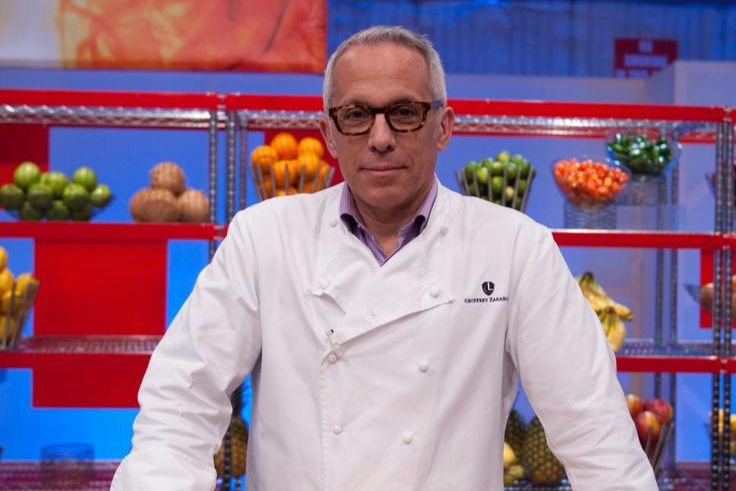
Geoffrey Zakarian is often viewed as the “sophisticate” of the culinary world, known for his impeccably tailored suits and his role as a sharp-tongued judge on Chopped. His television persona is one of refined taste and absolute authority, which has made him a fan favorite for those who enjoy the technical side of cooking. However, Zakarian’s professional history is marked by significant legal and financial turmoil that stands in stark contrast to his polished image. In 2011, he faced a major class-action lawsuit from former employees at his Country restaurant, alleging various labor law violations.
The legal battle eventually led Zakarian to file for Chapter 7 bankruptcy protection, a move that surprised many who only saw his high-status lifestyle on television. Although he successfully rebuilt his career and remains a prominent media fixture, the details of the lawsuit, which included claims of withheld overtime pay, left a lasting impression on the industry. Critics point to these events as evidence of a gap between his elitist on-screen character and the practical realities of his business management. For many observers, Zakarian represents the “iron fist” of the kitchen, where the pursuit of perfection can sometimes lead to friction with the people working behind the scenes.
Anne Burrell Workplace Claims
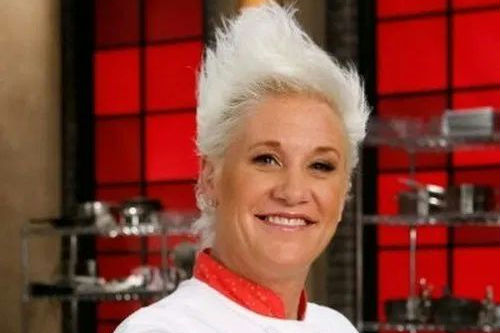
Anne Burrell became a breakout star on the Food Network thanks to her spiky blonde hair and her role as the tough-love mentor on Worst Cooks in America. Her high-energy teaching style and “no excuses” attitude made her a compelling figure for viewers who enjoyed seeing culinary transformations. However, this same intensity has been the subject of criticism in her professional life. In 2009, Burrell was the subject of a lawsuit filed by female employees at a New York restaurant where she served as executive chef, alleging that she used derogatory language and created a hostile environment.
While the lawsuit was eventually settled, the allegations colored the public’s perception of her personality, suggesting that her television “drill sergeant” routine might be a reflection of her actual management style. Supporters of Burrell often argue that a certain level of toughness is required to survive and thrive in the male-dominated world of professional kitchens. Conversely, critics suggest that professional standards should never come at the expense of basic respect for staff members. These conflicting views continue to follow Burrell, making her one of the more controversial figures in terms of how she balances her public persona with workplace ethics.
John Besh Controversy
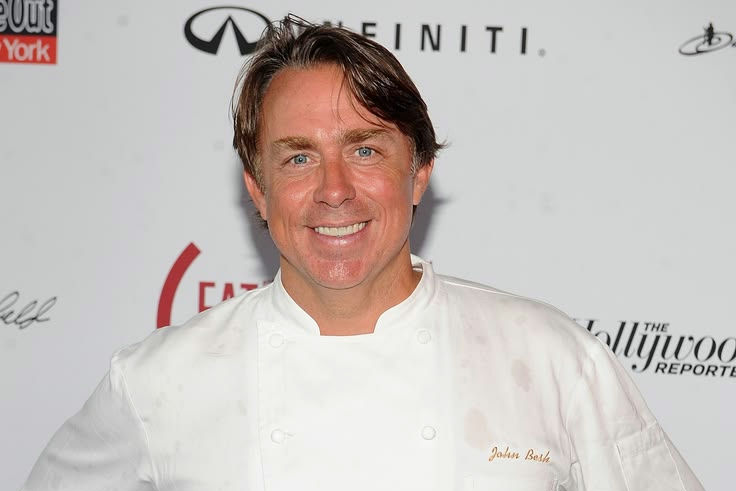
John Besh was once considered the golden boy of the New Orleans food scene, beloved for his dedication to Creole traditions and his philanthropic efforts following Hurricane Katrina. He sat at the head of a massive restaurant empire and made frequent, charming appearances on various national cooking programs. This sterling reputation came to a crashing halt in October 2017 following a detailed investigation by The Times-Picayune. The report included allegations from over 25 women who described a pervasive culture of sexual harassment and professional misconduct within his company.
The fallout was nearly immediate; Besh stepped down from his lead role in the company within days of the report’s release. The scandal was a landmark moment for the “Me Too” movement within the hospitality industry, triggering a long-overdue conversation about the treatment of women in professional kitchens. Although Besh issued a statement acknowledging his personal failings and apologized for the pain he caused, his career in the public eye effectively ended. His story remains one of the most significant examples of how a powerful industry leader’s reputation can be permanently dismantled when systemic workplace issues are finally brought to light.
Rachael Ray Rumours
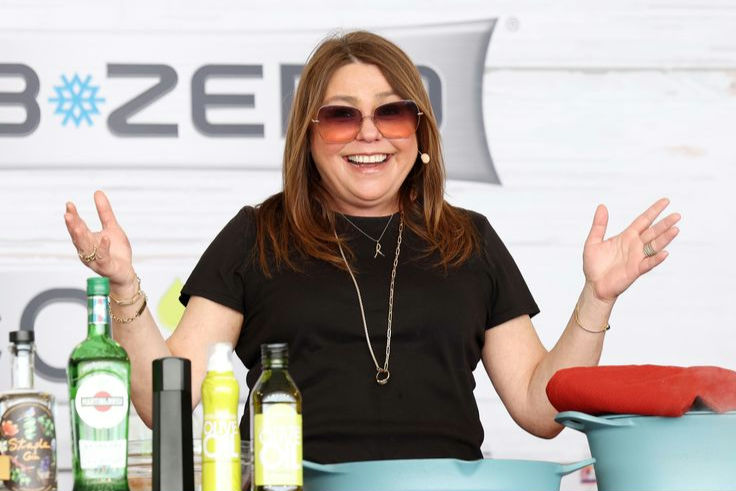
Rachael Ray redefined the culinary landscape in the early 2000s with her “30-Minute Meals” concept, presenting herself as the ultimate “girl next door” who just happened to be a great cook. Her massive success led to a long-running daytime talk show, a magazine, and a line of pet food, all built on her relatable and bubbly personality. However, despite her sunny disposition on camera, Ray has been the subject of persistent rumors regarding a “cool” or even “curt” attitude toward staff and fans when the cameras are turned off.
It is important to note that many of these stories are anecdotal and have never reached the level of formal legal complaints or documented scandals seen with other chefs. Nonetheless, the sheer volume of “I met Rachael Ray and she wasn’t nice” stories on social media has created a secondary reputation that contrasts with her television image. Ray has often addressed her public life by explaining that she is simply a hard-working person who values her privacy. Despite the occasional negative rumor, her professional empire remains incredibly stable, proving that a few disgruntled accounts aren’t enough to sink a brand built on decades of hard work and accessibility.
Mike Isabella Lawsuit
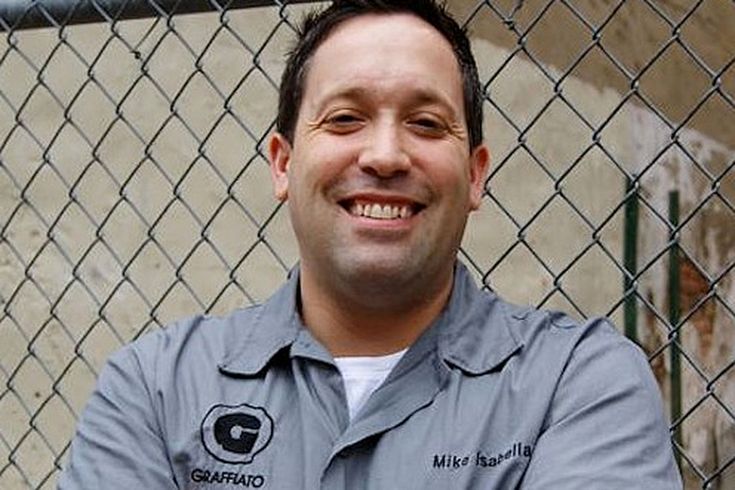
Mike Isabella gained national recognition as a fierce competitor on Top Chef in 2010, eventually parlaying that fame into a sprawling restaurant empire based in Washington, D.C. His rise was meteoric, fueled by a “bad boy” persona and a knack for high-end Italian and Mediterranean flavors. However, his professional world came crashing down in March 2018 when a former employee filed a $4 million lawsuit. The complaint detailed a toxic “bro culture” within his company, alleging pervasive sexual harassment, unwelcome touching, and a hostile environment that Isabella and his partners reportedly encouraged or ignored.
The legal fallout was devastating and remarkably swift. Although the lawsuit was settled out of court just a few months later in May 2018, the damage to his public image was irreparable. Major landlords began evicting his restaurants, and by September 2018, his entire restaurant group, Mike Isabella Holdings, filed for Chapter 11 bankruptcy. This downfall serves as one of the most stark examples in the culinary world of how quickly a television-born empire can vanish when the reality of the workplace is exposed. Today, Isabella’s story remains a cautionary tale about the high cost of failing to foster a professional and respectful corporate culture.
Alex Guarnaschelli Reputation
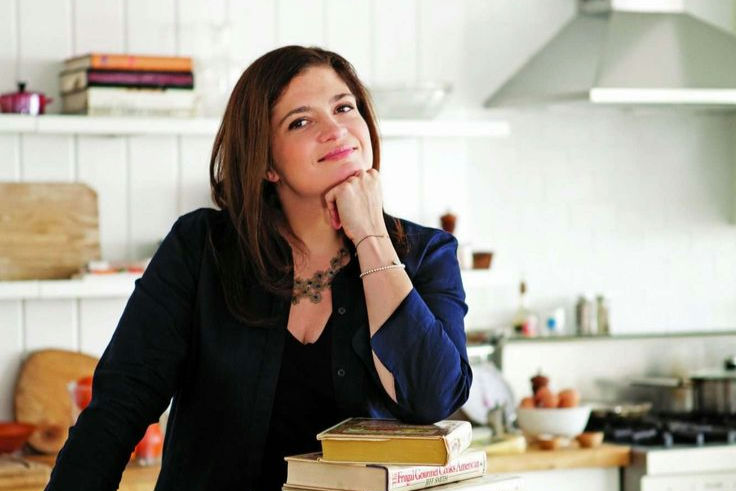
Alex Guarnaschelli is a titan of the Food Network, respected for her sharp wit and deep technical knowledge on shows like Chopped and The Next Iron Chef. Having trained in some of the most prestigious kitchens in France and New York, she earned her “Iron Chef” title in 2012 through sheer grit and talent. On television, she is often portrayed as a stern, no-nonsense judge whose approval is difficult to win but highly coveted. While this “tough-as-nails” persona works perfectly for competitive television, it has led to a real-life reputation for being somewhat unapproachable or intimidating during fan encounters.
Social media and online forums are frequently filled with mixed accounts from viewers who have met her in person. Some describe her as being as sharp and distant as her television character, leading to a perception that she lacks the “warmth” typically expected of lifestyle celebrities. However, Guarnaschelli has been open about her struggles with social anxiety and the pressure of being a woman in a male-dominated industry. For many, the surprise lies in the realization that her television personality isn’t an act; she is a serious professional who prioritizes excellence over small talk. While she may not always offer a bubbly greeting, her dedication to the craft of cooking remains unquestioned by peers and fans alike.
Ree Drummond Criticism
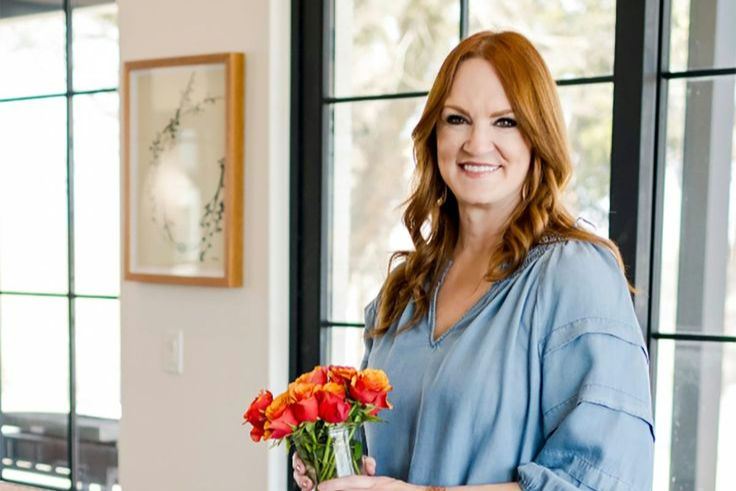
Ree Drummond, famously known as The Pioneer Woman, built a massive media brand starting in 2006 by blogging about her life on a remote Oklahoma ranch. Her story, a city girl who fell in love with a “Marlboro Man” and moved to the country, resonated with millions, leading to a hit TV show and a vast product line at Walmart. However, as her fame grew, so did scrutiny regarding the authenticity of her “simple country life” narrative. Critics often point out that the Drummond family is one of the largest landowners in the United States, with a massive net worth and a history of receiving millions in government land subsidies.
This financial reality often creates a jarring contrast for fans who view her through the lens of a modest, stay-at-home ranch wife. Additionally, she faced significant backlash in 2017 following a segment on her show that many viewers labeled as culturally insensitive toward Asian cuisine. While Drummond has managed to maintain a loyal following, these controversies have added a layer of skepticism to her public persona. For some, the surprise isn’t in her cooking, but in the realization that her “folksy” brand is actually a sophisticated, multi-million-dollar corporate operation. Her legacy continues to be a blend of undeniable charm and the complicated realities of modern agricultural wealth.
Andrew Zimmern Comments
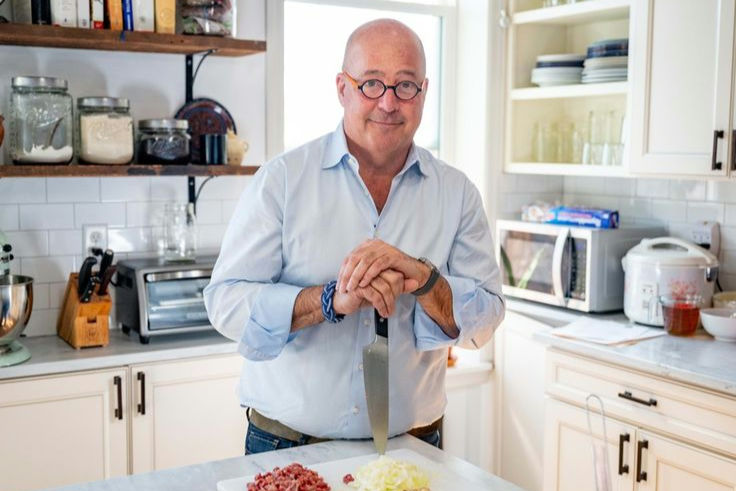
Andrew Zimmern rose to global fame as the adventurous host of Bizarre Foods, a show that premiered in 2006 and focused on exploring the world through its most unusual dishes. For over a decade, he was viewed as a champion of cultural diversity, using food as a bridge to understand different civilizations. However, his reputation as a respectful cultural ambassador was severely tested in November 2018 during an interview promoting his new restaurant, Lucky Cricket. Zimmern made disparaging remarks about Chinese-American food in the Midwest, calling it “horse st” and claiming he was “saving the souls” of people eating in “sh*y” restaurants.
The backlash from the Asian-American culinary community was immediate, with critics accusing him of having a “white savior” complex and being elitist toward immigrant-run businesses. Zimmern eventually issued a lengthy public apology, admitting that his words were arrogant and insensitive. Despite his apology, the Travel Channel eventually moved on from his long-running series, and he had to work hard to rebuild his standing in the industry. The incident serves as a reminder that even someone whose entire career is built on cultural exploration can hold blind spots that deeply offend the very communities they claim to celebrate.
Ina Garten Controversy
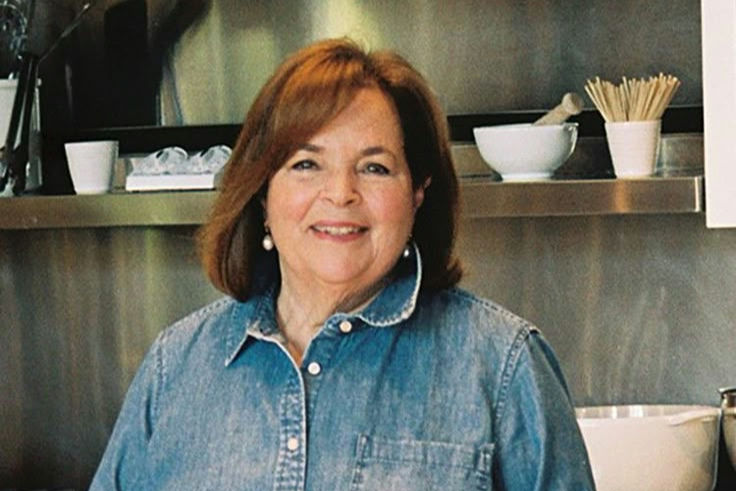
Ina Garten, the beloved Barefoot Contessa, is the epitome of Hampton’s elegance and effortless hospitality. Since her show debuted in 2002, she has been a calming presence on television, known for her “store-bought is fine” catchphrase and her genuine love for her husband, Jeffrey. Because her image is so tied to kindness and generosity, fans were shocked by a 2011 controversy involving the Make-A-Wish Foundation. It was revealed that Garten had declined a request to meet a six-year-old boy with leukemia, not once, but twice over the course of two years, citing a busy “book tour” schedule.
The public outcry was significant, as many felt that such a wealthy and successful figure should have made time for a suffering child. The negative press became so intense that Garten eventually reached out to the family to grant the wish, but by then, the “ice queen” narrative had already taken hold in the media. While many of her colleagues defended her, noting that she receives thousands of requests and cannot fulfill them all, the incident left a permanent mark on her otherwise pristine reputation. It remains a classic example of how a single decision can clash violently with a celebrity’s carefully curated brand of warmth and compassion.


