
1. Britney’s Breaking Point
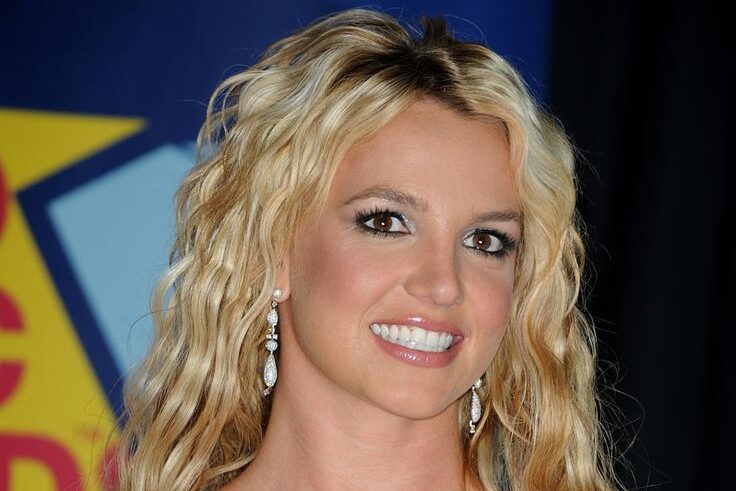
For a long time, everything about Britney Spears felt larger than life. The music, the performances, the constant presence in the spotlight, it all created an image that seemed untouchable. But behind that image, there was a level of pressure most people could hardly imagine. Years of nonstop attention, personal struggles playing out in public, and a life that rarely slowed down began to take a visible toll. Then came the moment that would be replayed over and over again, the 2007 incident where she shaved her head in front of cameras. At the time, it was treated as shocking, even confusing. One media outlet described it as “a public unraveling,” a phrase that quickly spread and stuck, shaping how the moment was understood.
What many didn’t fully grasp then was how close that moment came to completely ending her career. Public perception shifted almost overnight. The focus moved away from her work and onto her personal life, with headlines dissecting every move she made. Opportunities slowed, trust from industry partners wavered, and for a while, it seemed like everything she had built was slipping away. But over time, the narrative began to change, not quickly, but gradually. Through resilience, support, and eventually speaking more openly about her experiences, a different perspective started to emerge. People began to see not just the moment, but the context around it. It didn’t erase what happened, but it reframed it. Looking back now, that period feels less like an ending and more like a turning point, one that revealed the human side of fame in a way that was impossible to ignore.
2. Tiger’s Fall from Grace

Tiger Woods once seemed untouchable, dominating the golf world with unmatched talent and a persona that blended focus, discipline, and quiet charisma. Fans followed every tournament, every swing, and for a while, it seemed like nothing could tarnish his reputation. Then, in 2009, the headlines exploded: a series of personal scandals involving extramarital affairs, accidents, and leaked details about his private life. Suddenly, the man who inspired millions was the center of tabloid frenzy, with media outlets dissecting his every move and fans wrestling with disappointment. The story wasn’t just gossip, it had real consequences. Sponsors pulled back, tournaments became more complicated, and the image that had been carefully built over decades seemed to crumble in weeks.
But what’s interesting is how quickly the scandal became more than a story about mistakes, it became a reflection on human vulnerability and the pressures of life under constant scrutiny. Tiger faced intense public judgment, and for a while, it seemed like a career that had once been defined by victories could be defined by a single fall. Yet, over time, he demonstrated resilience that people couldn’t ignore. Through therapy, public acknowledgment, and gradually returning to the sport, he rebuilt both his career and his personal narrative. Fans who had turned away began to see growth and accountability. The scandal didn’t disappear, but it became a chapter in a longer story, one that reminded everyone that even legends are human, and that redemption is often messy, gradual, and deeply personal.
3. Martha Stewart’s Legal Hiccup

Martha Stewart built a brand around elegance, home-making expertise, and a kind of polished domestic perfection that felt aspirational yet approachable. Her books, shows, and product lines made her a household name. Then, in 2001, the news broke: insider trading allegations. It was shocking because the public image of Martha was all about careful, thoughtful living, not Wall Street maneuvering. The situation quickly spiraled into a full-blown legal drama, culminating in a conviction and a five-month prison sentence. It was a rare moment when someone so meticulously “curated” seemed suddenly vulnerable to both law and public scrutiny.
What made this scandal particularly fascinating was how it blurred the line between professional and personal. People debated not only her guilt or innocence but what it meant for her brand. Could someone who preached meticulousness and honesty stumble so publicly? Yet, Stewart’s story didn’t end at the courthouse steps. She returned to television, wrote more books, and reasserted her persona—more seasoned, more self-aware, and oddly more relatable. The scandal became part of her narrative, not the definition of it. Fans and critics alike began to see that mistakes, even legal ones don’t have to define a life’s work. Martha’s comeback was a quiet lesson in resilience, showing that even the most polished public image can be repaired with authenticity, patience, and a willingness to face the consequences.
4. Bill Clinton and the Oval Office Saga

Bill Clinton was known for charisma, political skill, and navigating Washington with uncanny ease. Yet, the late 1990s brought one of the most publicized personal scandals in American political history: his affair with Monica Lewinsky. The story dominated headlines for months, with news networks covering every deposition, testimony, and legal twist. Public opinion split sharply, and the scandal nearly led to impeachment, casting a shadow over what had been a successful presidency. For many, it was an uncomfortable reminder that private actions even by those in the highest office have public consequences.
But the narrative was complex. Clinton remained in office and, in many ways, retained political effectiveness despite the uproar. People debated morality, legality, and leadership all at once. The story lingered in the public imagination because it wasn’t simply about infidelity, it highlighted accountability, power, and the way private mistakes ripple into professional responsibilities. Over time, historians and the public alike reflected not just on the scandal but on how it shaped perceptions of leadership, resilience, and forgiveness. Clinton’s career, while altered, survived illustrating that even near-catastrophic personal controversies can coexist with ongoing professional influence when paired with strategic, measured responses.
5. Lindsay Lohan’s Tumultuous Path
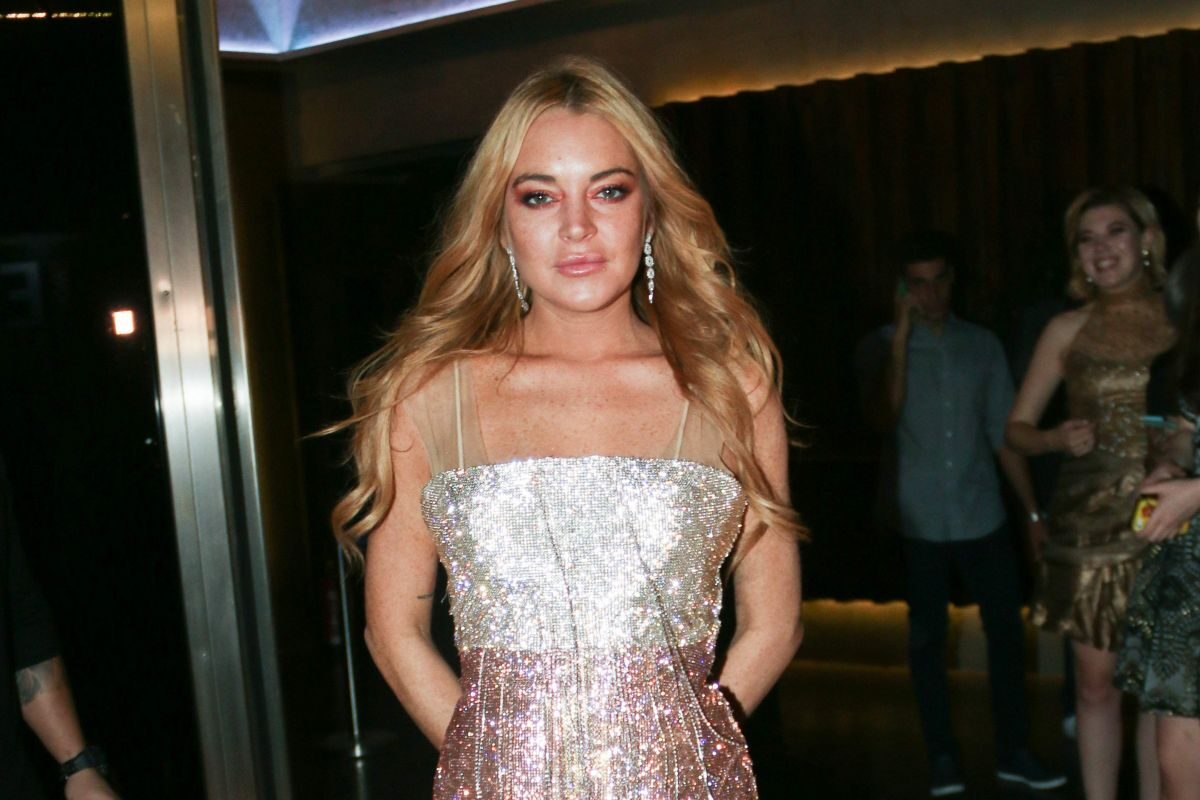
Lindsay Lohan rose to fame as a child star with a natural charm that audiences loved. Her performances in hit films gave her a platform that promised a long-lasting career in Hollywood. But as her fame grew, so did media scrutiny of her personal life. Legal troubles, rehab stints, and publicized conflicts with friends and co-stars painted a picture of a life increasingly out of control. The once-adored actress became synonymous with scandal, and it seemed as if her career might collapse entirely under the weight of public judgment.
What makes Lindsay’s story resonate is the human element beneath the tabloid frenzy. Behind the flashing cameras and gossip columns was someone trying to navigate immense pressure, youth, and personal challenges. Each misstep, while highly publicized, also offered glimpses into vulnerability and resilience. Over time, Lohan has attempted comebacks, smaller roles, and creative projects, reminding people that careers aren’t always linear, and that recovery from public failure, while difficult is possible. The story is a cautionary tale, yes, but also a reflection on the pressures of fame and how public perception can magnify private struggles in ways few truly understand.
6. Johnny Depp vs. Amber Heard Trial
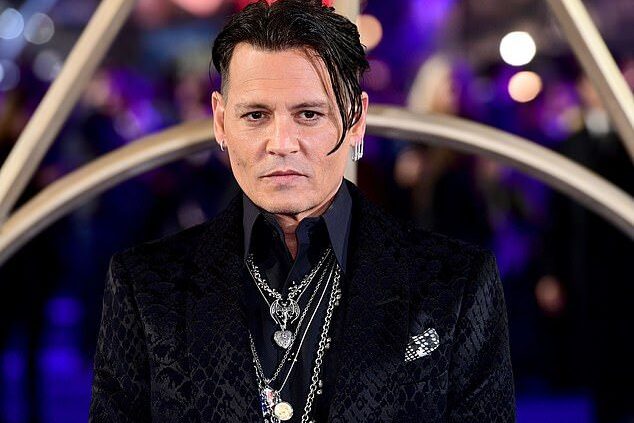
Johnny Depp and Amber Heard were embroiled in a high-profile legal battle that captivated global media. Accusations of abuse, defamation claims, and sensational headlines left both actors’ careers and public images in flux. The trial became a cultural phenomenon, sparking debates about accountability, media bias, and the complexities of public perception in personal disputes.
The scandal underlined how personal conflicts can escalate into global narratives, affecting careers in profound ways. Both actors faced lost opportunities and public judgment, illustrating that in the age of social media, private lives rarely remain private and every action is amplified under the spotlight.
7. Lance Armstrong’s Doping Admission
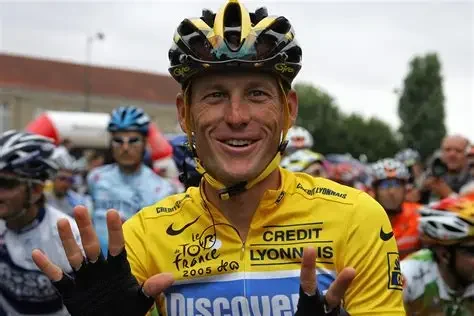
Lance Armstrong was once hailed as one of the greatest cyclists of all time, inspiring millions with his seven Tour de France victories and cancer-survivor story. But in 2012, Armstrong’s career unraveled when he admitted to using performance-enhancing drugs for years. The scandal wasn’t just about cheating in sports; it was a breach of trust with fans, teammates, and foundations that relied on his image for fundraising. Donations and endorsements evaporated almost overnight, showing how a single revelation can overshadow decades of achievements.
Armstrong’s admission sparked debates about ethics in sports and the immense pressure athletes face. While he faced bans and financial penalties, the story resonates because it goes beyond cycling: it illustrates how ambition, competition, and public expectations can collide, sometimes with destructive results. Armstrong’s narrative remains a powerful reminder that accountability matters, and that even heroes can fall, and in falling, offer lessons for integrity and transparency in any field.
8. Kevin Spacey’s Allegations
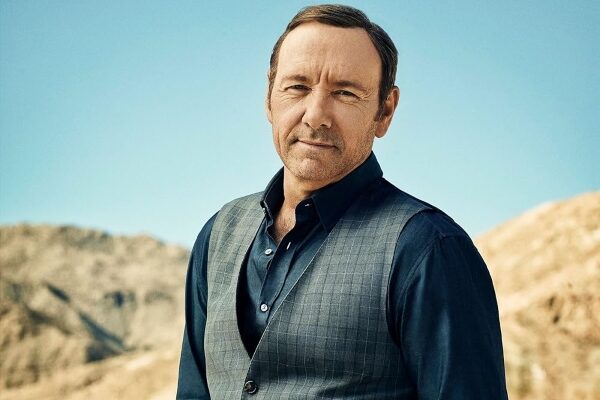
Kevin Spacey was once celebrated as one of Hollywood’s most talented actors, winning multiple Oscars and acclaim for roles in films like American Beauty and the series House of Cards. But in 2017, allegations of sexual misconduct surfaced, sparking a media firestorm that halted his career almost overnight. Projects were canceled, awards reconsidered, and Spacey’s public image was severely damaged. The scandal demonstrated how deeply personal actions can ripple into professional consequences, especially in industries like entertainment where public trust matters immensely.
Spacey largely stepped out of the public eye after the allegations, facing both legal challenges and the difficult task of rehabilitating his reputation. His story illustrates how one’s career, no matter how established, can be fragile when trust is broken. It also opens conversations about accountability, power dynamics, and how society handles accusations in the public sphere. For audiences, it’s a stark reminder that fame and success don’t shield someone from consequences and that actions have lasting impact beyond immediate recognition.
9. Paula Deen’s Racial Controversy
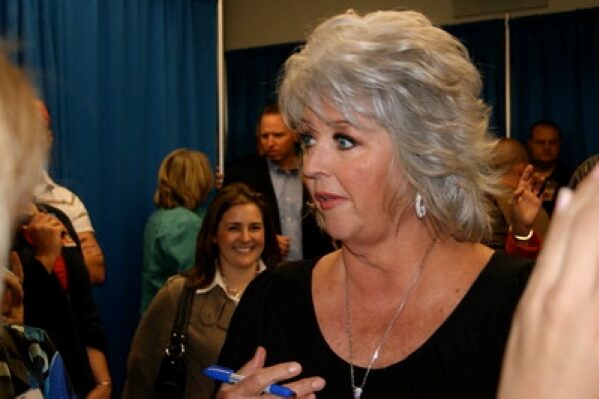
Paula Deen, once the darling of Southern cuisine, saw her career implode in 2013 after admitting to using racial slurs in the past. Sponsors dropped deals, TV shows were canceled, and public support fractured almost instantly. The controversy revealed how past behavior, even if hidden for years, can resurface and reshape public perception, particularly when it conflicts with contemporary cultural expectations.
Deen’s story underscores the power of accountability in public life. She issued apologies, attempted to rebuild her brand, and continued to engage in media and culinary projects, though never at her former prominence. For audiences, it is a reminder that careers can be fragile when personal actions clash with societal values. It also illustrates the ongoing dialogue around race, responsibility, and the balance between forgiveness and consequences in the public eye.
9. Lori Loughlin’s University Bribery Case
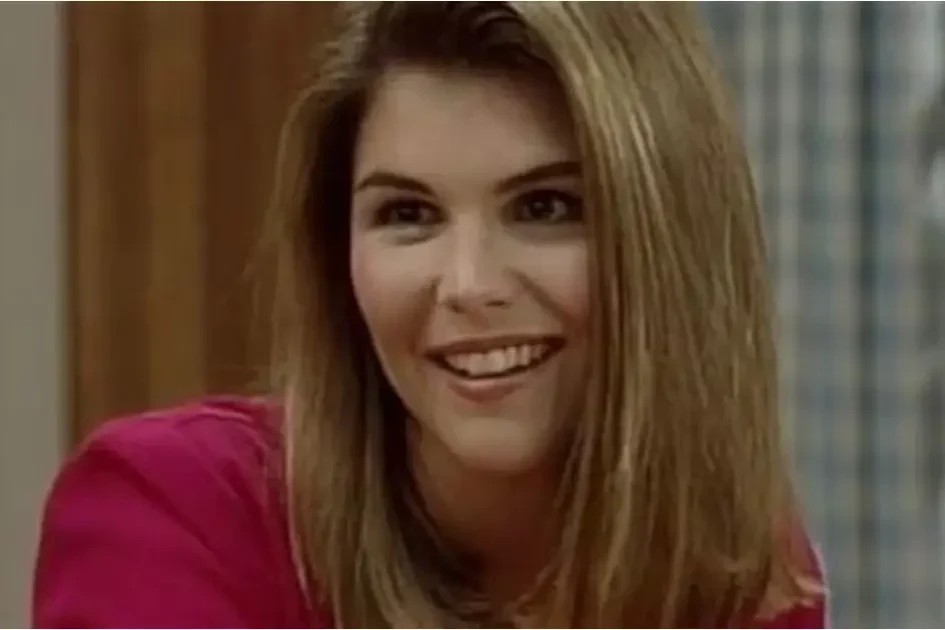
Lori Loughlin, best known for Full House, faced legal consequences alongside her husband in 2019 for involvement in the college admissions scandal. The couple paid bribes to secure their daughters’ entry into prestigious universities. The fallout included prison sentences, fines, and significant public backlash.
This scandal reflected how privilege and influence can tempt individuals to make morally and legally questionable choices. Loughlin’s story reminds us that fame and status do not exempt anyone from accountability. Despite attempts to resume her career, the incident remains a defining moment, showing how actions can have lasting repercussions on reputation and trust.
10. Felicity Huffman’s College Admissions Scandal

Felicity Huffman, celebrated for her work on Desperate Housewives, shocked the public in 2019 when she was involved in the nationwide college admissions bribery scandal. Huffman paid to have her daughter’s SAT scores manipulated, leading to federal charges and a brief prison sentence. Fans were stunned that a beloved celebrity would risk reputation and freedom for academic advantage.
This scandal highlighted how ambition and societal pressure can push even the most respected individuals into unethical decisions. While Huffman served her sentence and publicly apologized, the incident became a talking point about privilege, integrity, and the importance of ethical choices in both private and public life.
11. Bill Cosby’s Conviction
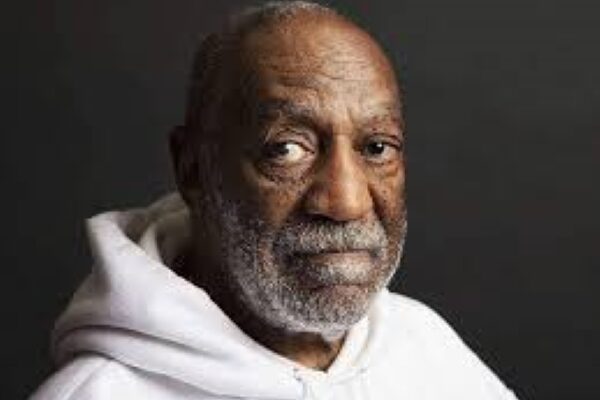
Bill Cosby was once the face of wholesome American entertainment, but decades of sexual assault allegations culminated in a criminal conviction in 2018. Cosby’s reputation, built over years of public affection, collapsed, demonstrating how long-hidden misconduct can eventually surface with serious consequences.
This scandal highlighted the intersection of power, celebrity, and accountability. Cosby’s career achievements were overshadowed by his criminal actions, reminding the public that fame cannot protect one from justice and societal judgment.
12. Roseanne Barr’s Offensive Tweet

Roseanne Barr experienced a meteoric rise in television comedy with her show Roseanne, only to have her career abruptly derailed in 2018. A racist tweet directed at a public figure led to immediate cancellation of her show and widespread condemnation. The scandal illustrated how social media has amplified accountability, where one public post can undo decades of work.
Barr’s experience also sparked debates about forgiveness, freedom of speech, and the cultural consequences of offensive behavior. Her work, once celebrated, became inseparable from the incident. It’s a modern reminder that the digital age has zero tolerance for repeated or high-profile offenses, and public figures are always under scrutiny. The incident remains a study in how quickly reputations can unravel in the age of instant communication.
13. R. Kelly’s Criminal Cases

R. Kelly dominated R&B charts for decades but faced persistent allegations of sexual abuse, culminating in multiple criminal convictions. His ability to maintain fame despite serious accusations sparked public debate about separating art from artist. The scandal escalated with documentaries exposing patterns of abuse, leading to broader recognition of predatory behavior in the music industry.
The case shows that celebrity doesn’t exempt someone from justice. While fans wrestled with their feelings about his music, courts focused on facts and evidence, proving that accountability eventually catches up. R. Kelly’s story underscores how public perception, legal consequences, and social movements intersect in high-profile cases.
14. Mel Gibson’s Anti-Semitic Outburst
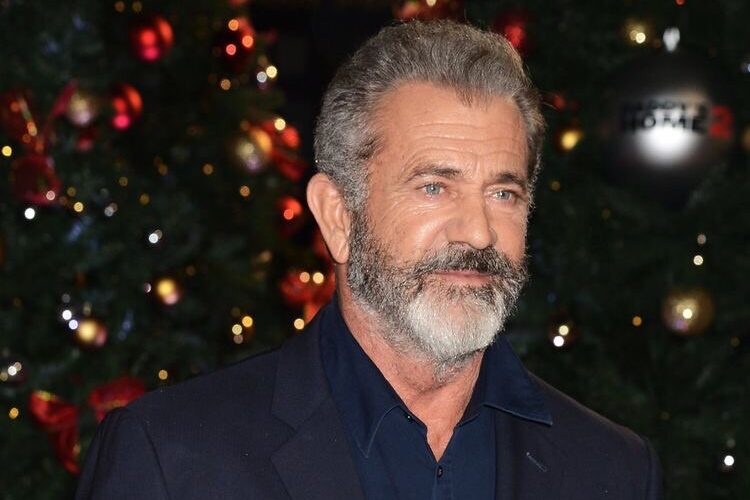
Mel Gibson was celebrated as an actor and director until 2006, when a DUI arrest revealed highly offensive anti-Semitic remarks. The scandal derailed his career, and he faced public outrage, lost roles, and a tarnished reputation. Despite his previous accolades, Gibson’s words overshadowed years of professional accomplishments, demonstrating the long-lasting impact of personal behavior on career longevity.
Over the years, Gibson attempted a professional comeback, but the incident remains a defining moment in his public narrative. His story shows how quickly trust and admiration can shift to skepticism and criticism. It also highlights the responsibility public figures carry to uphold standards of respect and awareness, as personal lapses can ripple into career-altering consequences.
15. Shia LaBeouf’s Legal Issues
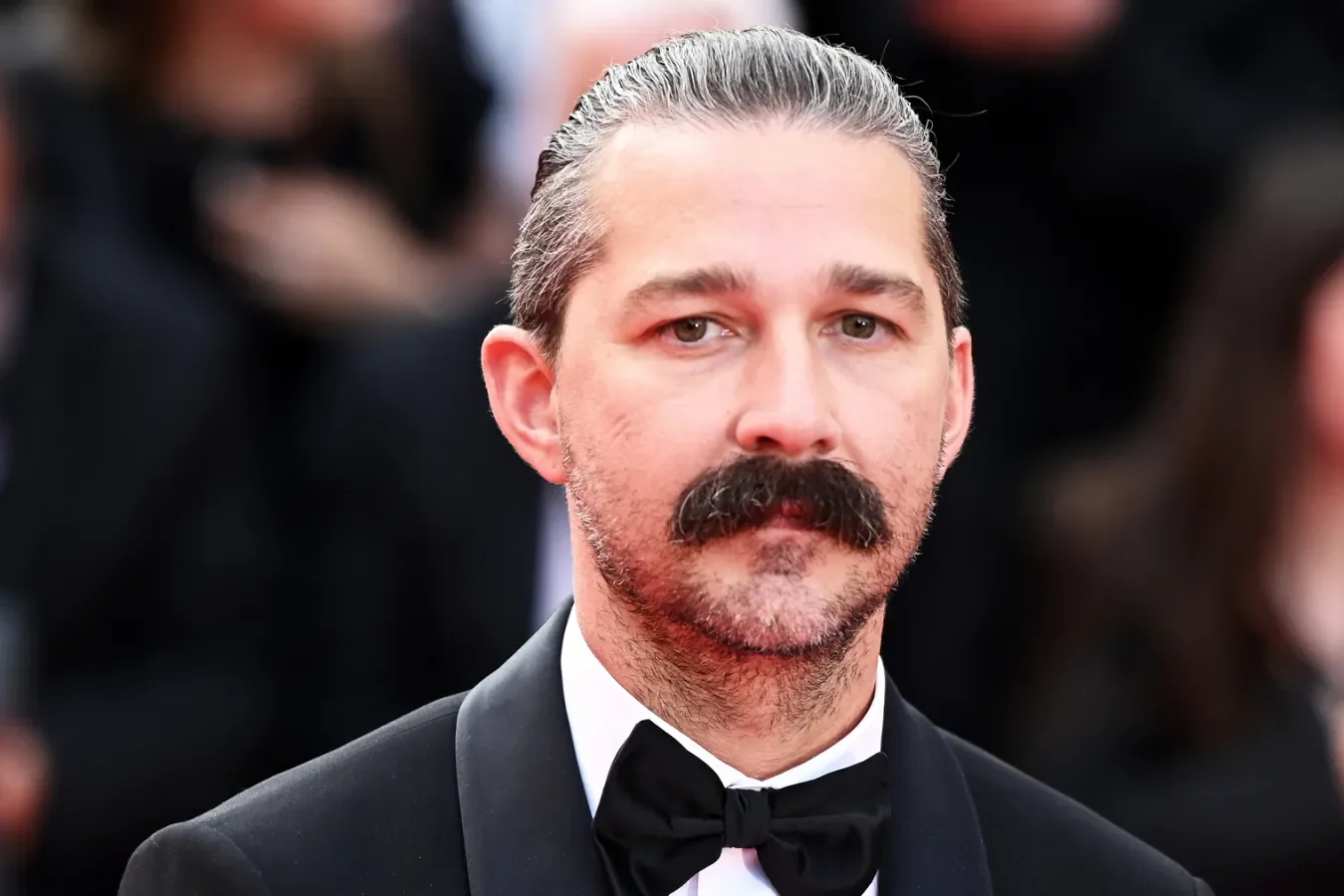
Shia LaBeouf began as a popular actor in Even Stevens and blockbuster films but faced multiple legal issues, including arrests for disorderly conduct and public altercations. The repeated controversies affected public perception and caused studios to reconsider casting him. LaBeouf’s talent was undeniable, but his personal struggles created a narrative where behavior threatened professional opportunity.
This case demonstrates how even ongoing artistic contributions can be overshadowed by off-screen actions. LaBeouf’s story serves as a modern example of how personal accountability is inseparable from career sustainability. While he continues to work in art and film, the incidents remain part of the discussion around celebrity culture, mental health, and how the public reconciles talent with personal challenges.


