
1. Labrador Retriever: Obesity

America’s favorite family dog also happens to love food a little too much. Labradors have a genetic predisposition to obesity, which can lead to diabetes, joint problems, and heart issues. They metabolize food differently than many other breeds and often don’t feel full after eating, which makes portion control crucial. Regular exercise is a must for these lovable pups to maintain a healthy weight. Pet owners should be mindful of treats and avoid overfeeding. According to VCA Animal Hospital, Treats or snacks should comprise no more than 10% of a dog’s daily calorie intake
2. French Bulldog: Breathing Difficulties

Frenchies are adorable with their squishy faces and stubby noses, but those features come at a cost. They often struggle with brachycephalic obstructive airway syndrome (BOAS), which makes it hard for them to breathe, especially in hot or humid weather. Their compact skull shape restricts airflow, and they may wheeze, snore, or tire quickly. Air-conditioned spaces and avoiding overexertion are key to keeping them safe and comfortable. RSPCA also says dogs with BOAS may require surgery to reduce the obstruction of their airways and help improve their breathing, health, and quality of life
3. Golden Retriever: Cancer
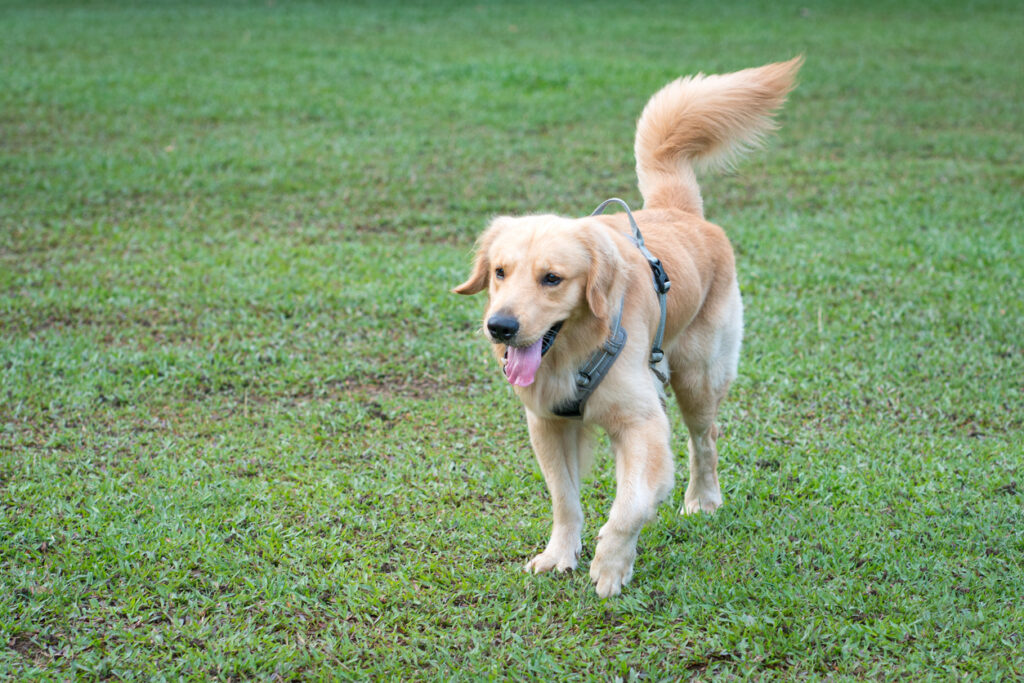
Golden Retrievers are known for their loyalty and gentle nature, but they also have one of the highest cancer rates among all dog breeds. Lymphoma and hemangiosarcoma are particularly common. Genetics plays a big role, though environment and diet can also influence risk. Early detection through regular vet checkups is crucial. This doesn’t mean every Golden will get cancer, but research states that up to 70% of Golden Retrievers die from cancer and owners and potential owners need to be awrare of this.
4. German Shepherd: Hip Dysplasia

German Shepherds are strong, intelligent, and widely admired, but their hips often don’t age as gracefully. Hip dysplasia, a condition where the hip joint doesn’t fit properly, is a common issue. It can lead to arthritis and reduced mobility as they get older. Genetics, poor breeding practices, and improper exercise as puppies can increase the risk. Maintaining a lean weight and providing joint supplements can support long-term health.
5. Dachshund: Back Problems

With their long torsos and tiny legs, Dachshunds are irresistibly cute but at risk for intervertebral disc disease (IVDD). This spinal condition can cause pain, mobility issues, or even paralysis. Jumping on and off furniture can increase the risk of disc injury. Ramps and supportive harnesses can help reduce strain on their backs. Keeping them at a healthy weight and avoiding rough play helps protect their fragile spine.
6. Pug: Eye Injuries

Pugs’ big, soulful eyes are part of their charm, but those bulging beauties are also vulnerable. Eye ulcers, dry eye, and even prolapsed eyeballs (yes, it happens) are more common in Pugs due to their shallow eye sockets. They need regular eye checks and gentle handling, especially around the face. Avoid letting them stick their heads out of car windows or play too roughly and always monitor for signs of irritation.
7. Beagle: Epilepsy

Beagles are playful and friendly, but some lines are prone to idiopathic epilepsy. Seizures may start as early as two years old and often have no clear cause. While it can be scary to witness, epilepsy is manageable with medication and veterinary care. Tracking seizure activity and triggers helps in long-term management. Many Beagles with epilepsy go on to live full and happy lives with consistent treatment.
8. Boxer: Heart Conditions

Boxers are known for their energy and affection, but their hearts may not keep up. They are predisposed to arrhythmogenic right ventricular cardiomyopathy (ARVC), a condition that affects the heart’s rhythm. It can go unnoticed until a dog collapses during play or shows signs of fatigue. Routine cardiac screenings are crucial, especially for Boxers from known bloodlines with heart issues. Early diagnosis helps with medication and lifestyle adjustments.
9. Yorkshire Terrier: Collapsing Trachea

Yorkies may be tiny, but their health risk is nothing small. A common concern in this breed is a collapsing trachea, where the windpipe narrows and makes breathing difficult. You might notice coughing that sounds like a goose honk. It’s often triggered by excitement or pulling on the leash. Using a harness instead of a collar can relieve pressure. Though it’s chronic, it can usually be managed with medication and lifestyle changes.
10. Shih Tzu: Dental Disease

Shih Tzus, with their royal strut and flowing coats, are often pampered pets but their mouths need extra TLC. Their small jaws lead to overcrowded teeth, which can trap food and bacteria, leading to dental disease. Without proper care, it can escalate to gum infections and tooth loss. Regular brushing, dental treats, and yearly cleanings are essential for these lap-loving companions to maintain their pearly whites.
11. Cocker Spaniel: Ear Infections

Cocker Spaniels melt hearts with those big, soulful eyes and long ears, but their floppy ear design is a breeding ground for trouble. Moisture, wax, and debris easily get trapped, making ear infections a frequent problem. Left unchecked, it can lead to chronic discomfort or even hearing loss. Regular cleaning, drying after baths or swims, and keeping hair trimmed around the ears can go a long way in prevention.
12. Great Dane: Bloat

Great Danes may look like majestic giants, but they’re alarmingly prone to bloat or gastric dilatation-volvulus (GDV), a life-threatening emergency. It happens when the stomach fills with gas and twists on itself, cutting off blood flow. Signs include a swollen belly, drooling, pacing, or failed attempts to vomit. Immediate veterinary help is critical.
13. Chihuahua: Luxating Patella

Chihuahuas have giant personalities in tiny bodies, but those little legs can give out. One of the most common health issues they face is luxating patella, where the kneecap slips out of place. You might see them skip a step, limp, or suddenly start hopping. It can be painful and worsen with age.
14. Siberian Husky: Autoimmune Skin Disease
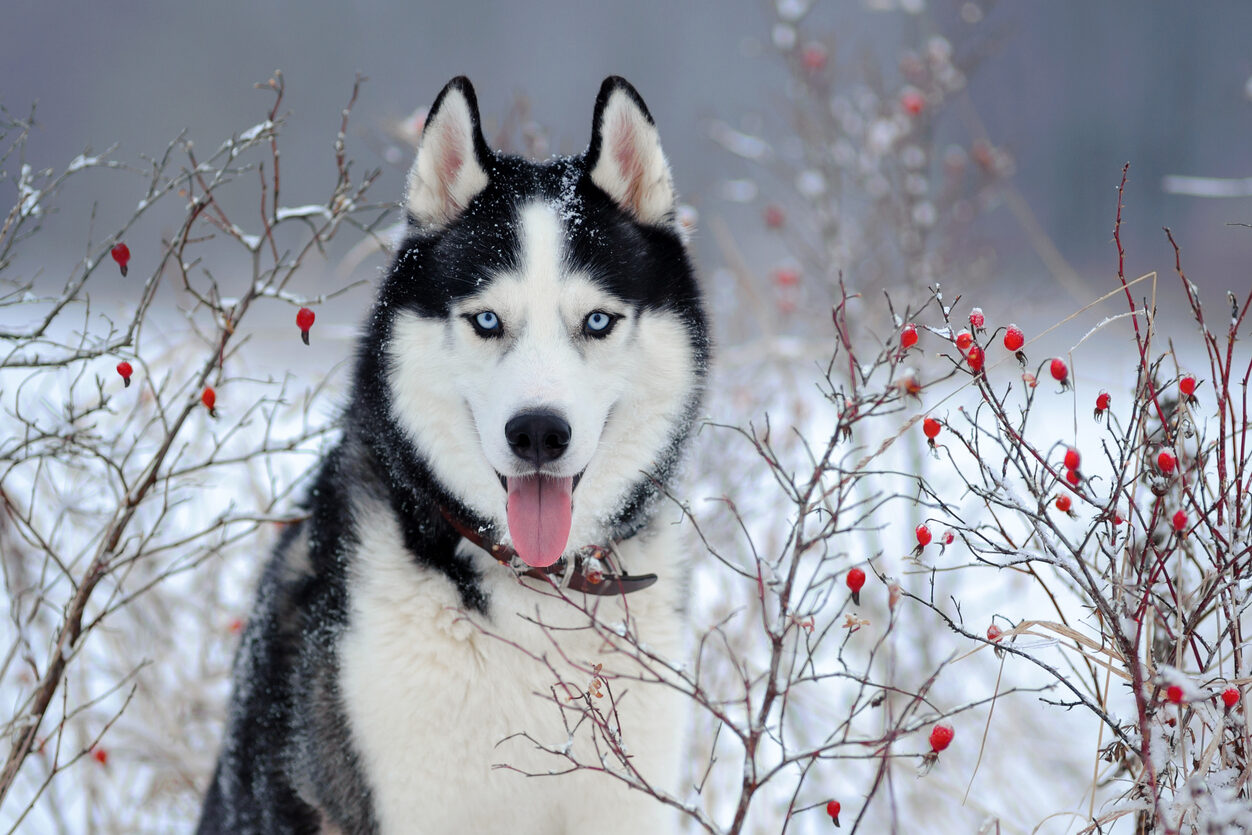
Huskies may look like they just stepped out of a snowstorm catalog, but their thick coats can hide some stubborn skin issues. This breed is genetically prone to autoimmune skin diseases, especially zinc-responsive dermatosis. You might notice crusty patches around the face, paws, or genitals. It often improves with zinc supplements and high-quality diets, but regular vet monitoring is key. Huskies need a careful grooming routine to spot flare-ups early.
15. Rottweiler: Osteosarcoma

Rottweilers are brave, brawny, and always ready to guard their loved ones, but their powerful bones are surprisingly vulnerable. This breed is at high risk for osteosarcoma, a fast-growing bone cancer that often affects the legs. Lameness, swelling, or persistent pain may be early signs. It usually strikes middle-aged or older dogs, and early treatment is vital.
Love your dog but unsure about their long-term health needs? Share this article with your fellow pet parents and let’s spread the word. Your pup’s health could depend on it. Got questions or a story to share about your furry friend? Scroll down and tell us, your voice might help another dog lover out there.


