
1. Blue Whale: From a Calf to the Ocean’s Giant
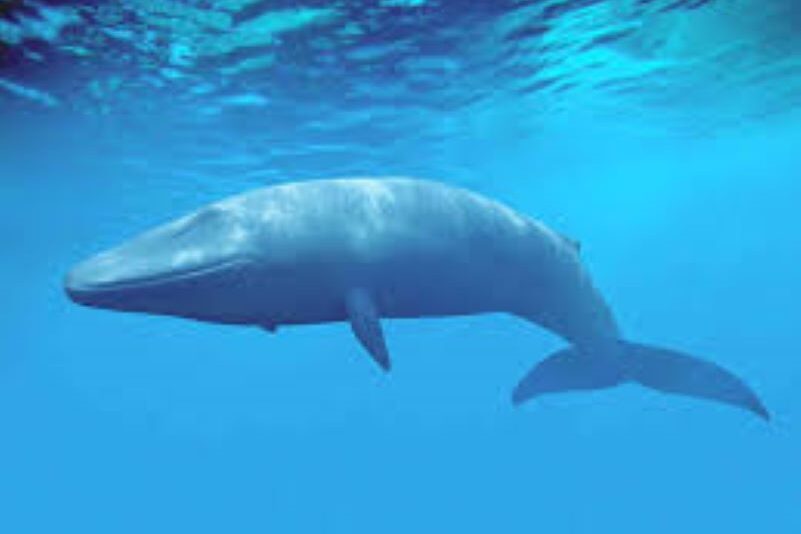
At birth, a blue whale calf already weighs a few tons, which sounds impressive until you place it beside a fully grown adult. In comparison, it’s still just at the very beginning of its journey. The calf stays close to its mother, learning how to move through the vast ocean while depending almost entirely on her for nourishment and protection. There’s a quiet rhythm to those early days, one that feels more about learning than dominance.
What stands out most is how quickly growth begins to take shape. Feeding on its mother’s nutrient-rich milk, the calf can gain up to 80 to 90 kilograms in a single day. Over time, that steady increase builds into something extraordinary, turning it into the largest animal to ever exist. Marine researchers often point out that “a blue whale’s growth rate is one of the fastest recorded among mammals,” and seeing that progression makes it easier to understand why. It’s not rushed, but it is consistent, almost disciplined in a natural way.
2. African Elephant: Small Steps to a Towering Presence
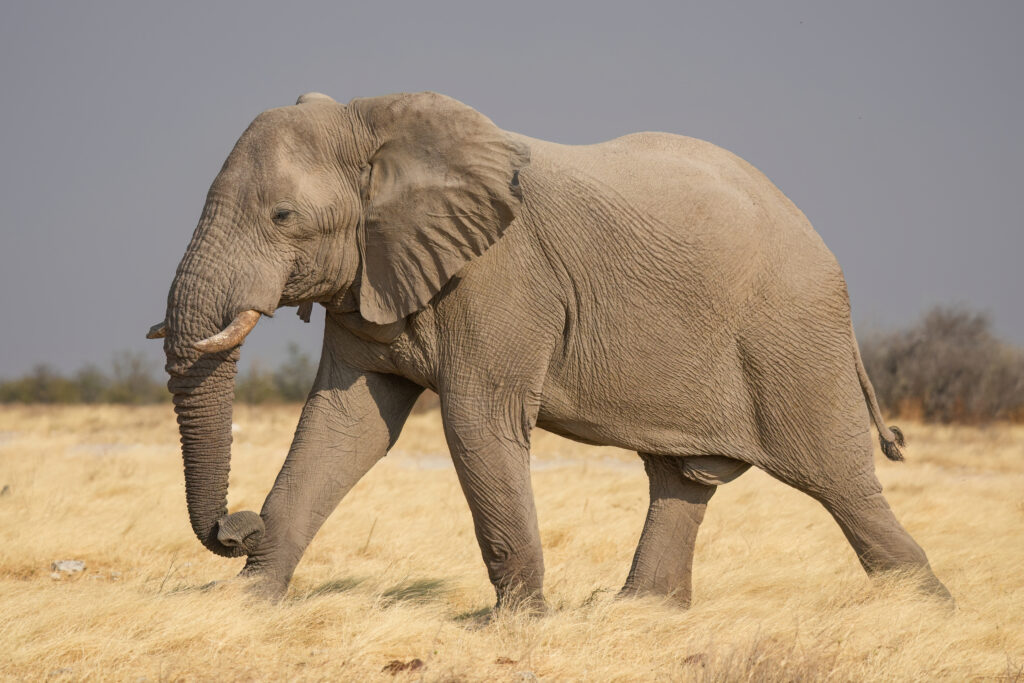
An African elephant calf enters the world weighing around 100 kilograms, but even at that size, it’s still vulnerable and deeply dependent on its mother and the herd. In those first few weeks, it stays close, learning basic movements, responding to sounds, and slowly figuring out how to use its trunk. There’s something noticeably gentle about this stage, especially when you consider how powerful it will eventually become.
As the years pass, the growth is both physical and social. The calf feeds regularly, gains strength, and begins to understand the structure of the herd who leads, who protects, and how they communicate. Over time, it develops into a massive animal that can weigh several tons, but what makes the journey more interesting is how layered it is. Conservation experts often note that “elephants grow within a strong social system that shapes their behavior as much as their size,” and that becomes obvious when you observe them. It’s not just about getting bigger, it’s about growing into a role within something larger than itself.
3. Saltwater Crocodile: Tiny Hatchling to Fearsome Predator
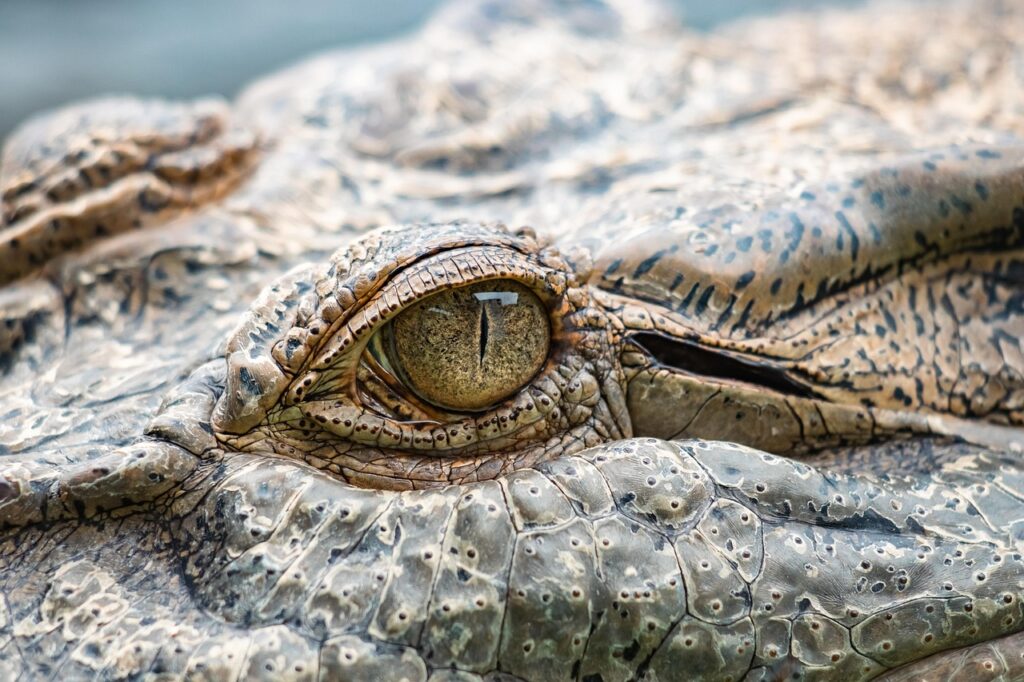
When a saltwater crocodile first hatches, it’s small enough to fit comfortably in your hand. At that stage, it’s far from the powerful predator people fear. Instead, it relies on staying hidden, sticking close to shallow waters, and avoiding attention from larger animals. Its early life is less about strength and more about survival through caution. As time goes on, that small hatchling begins to change in noticeable ways. It grows longer, its jaws become stronger, and its confidence increases with experience.
Over several years, it transforms into one of the most formidable predators in its environment, capable of taking down large prey with precision. Wildlife researchers often emphasize that “crocodiles grow slowly but continuously, gaining both size and hunting skill over time,” and that steady progression is what defines them. There’s no sudden turning point, just a consistent build that eventually places them at the top of their ecosystem.
4. Green Anaconda: From Slender Start to Heavyweight
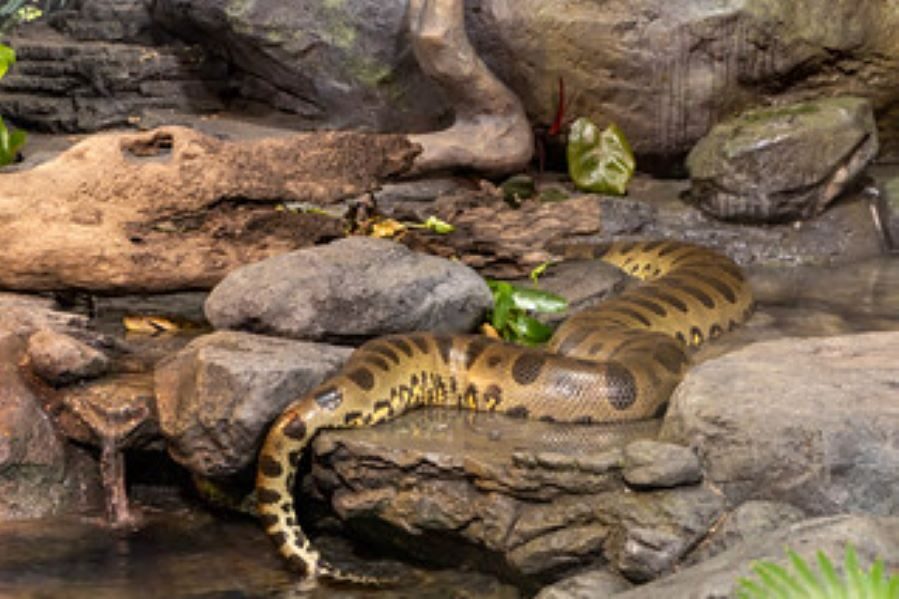
A newborn green anaconda starts off relatively small and slender, measuring just a couple of feet in length. At that point, it doesn’t carry the intimidating presence most people associate with it. Instead, it blends into its surroundings, moving quietly and focusing mainly on survival. Its early life is shaped by instinct, not dominance. As it feeds and grows, its body begins to thicken and lengthen, gradually turning into one of the heaviest snakes in the world.
This transformation doesn’t happen quickly, and that’s part of what makes it fascinating. It’s a slow, steady increase that builds over time, almost unnoticed on a day-to-day basis. Herpetologists often explain that “anacondas grow continuously throughout much of their lives, especially in food-rich environments,” which helps explain their eventual size. The growth feels patient, almost deliberate, showing how consistency over time can lead to something that feels far beyond the starting point.
5. Ostrich: From Fragile Chick to Towering Bird
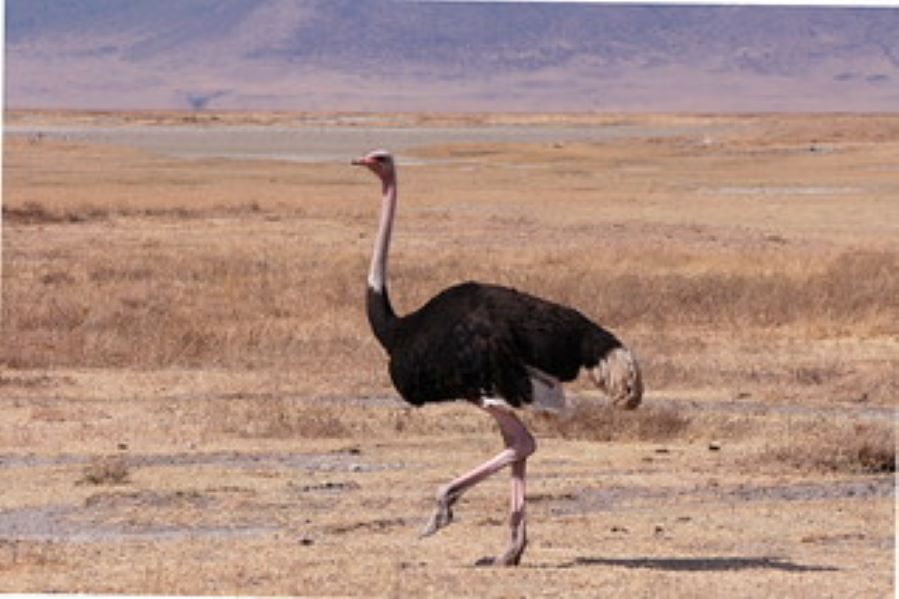
An ostrich chick begins life covered in soft, downy feathers, moving with small, uncertain steps as it adjusts to its surroundings. It doesn’t immediately give off the impression of becoming the tallest bird in the world. At that stage, it stays close to its group, relying on protection and gradually building strength in its legs. As it matures, the change becomes more visible. Its legs grow longer and more powerful, built for speed and endurance, allowing it to outrun many predators.
Its posture becomes more upright, and its presence more defined. Over time, it grows into a bird that can reach impressive heights and move with surprising agility. Bird experts often note that “ostriches are among the fastest land birds, capable of sustained high speeds due to their powerful leg muscles,” and that ability is developed gradually. The shift from a fragile chick to a strong, fast-moving adult feels natural, unfolding in a way that never feels forced.
6. Giant Squid: Elusive Growth Beneath the Surface
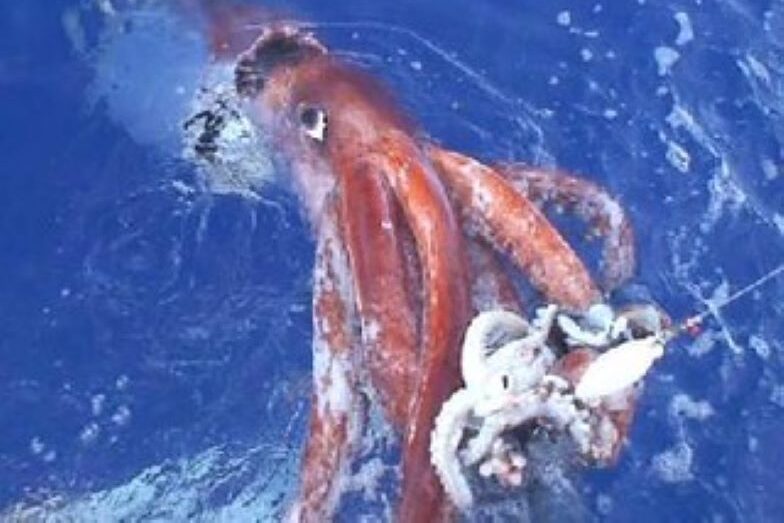
The giant squid begins life in a way that feels almost invisible. Its early stages are rarely seen, drifting deep within the ocean where light barely reaches. At that point, it’s small, fragile, and completely unknown to the world above. There’s no dramatic entrance, just a quiet existence in one of the least explored parts of the planet. As it grows, however, the transformation becomes remarkable, even if it remains mostly unseen. Its body lengthens, its tentacles extend, and it develops the strength needed to survive in deep-sea conditions.
Over time, it becomes one of the ocean’s most mysterious giants, with eyes large enough to detect faint movements in the dark. Marine scientists often mention that “much of a giant squid’s life cycle remains a mystery due to the depths it inhabits,” which only adds to its intrigue. Its growth feels private, almost hidden, reminding you that not all progress is meant to be visible. Some of the most fascinating transformations happen quietly, far from attention.
7. Komodo Dragon: From Tiny Hatchling to Island Giant
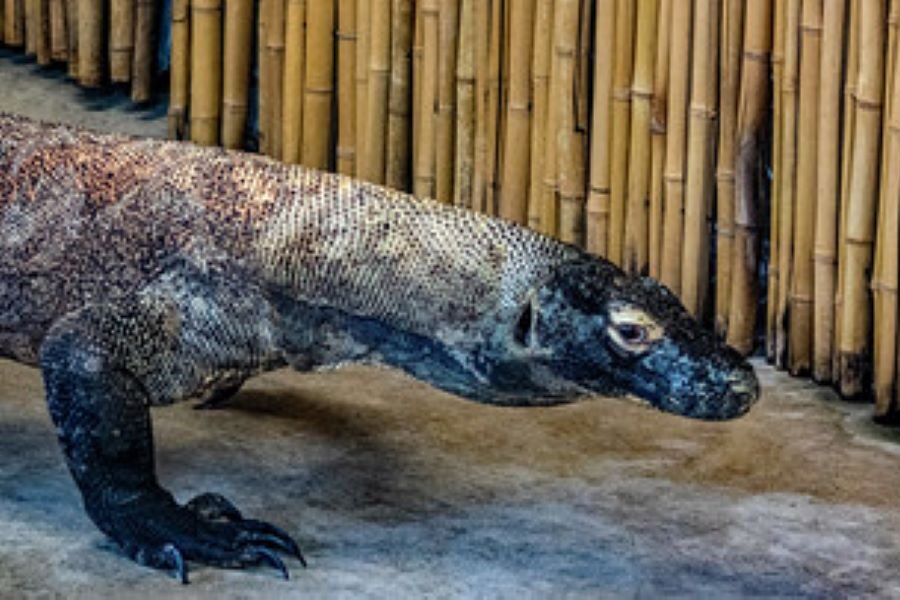
A Komodo dragon starts life small and surprisingly vulnerable, often spending its early days climbing trees to avoid predators, including other Komodo dragons. At that stage, survival depends more on caution than strength. It’s a phase that feels completely different from the powerful image most people associate with the animal. As it grows, its body becomes heavier, its movements more deliberate, and its role in the environment begins to shift.
It eventually leaves the safety of the trees and becomes a dominant predator on land. Its bite, strength, and patience make it one of the most effective hunters in its habitat. Researchers often explain that “young Komodo dragons live arboreal lives before transitioning to ground dominance as they mature,” and that shift defines their growth. It’s a gradual move from vulnerability to control, showing how growth can completely reshape how a creature exists within its environment.
8. Emperor Penguin: From Fluffy Chick to Enduring Adult
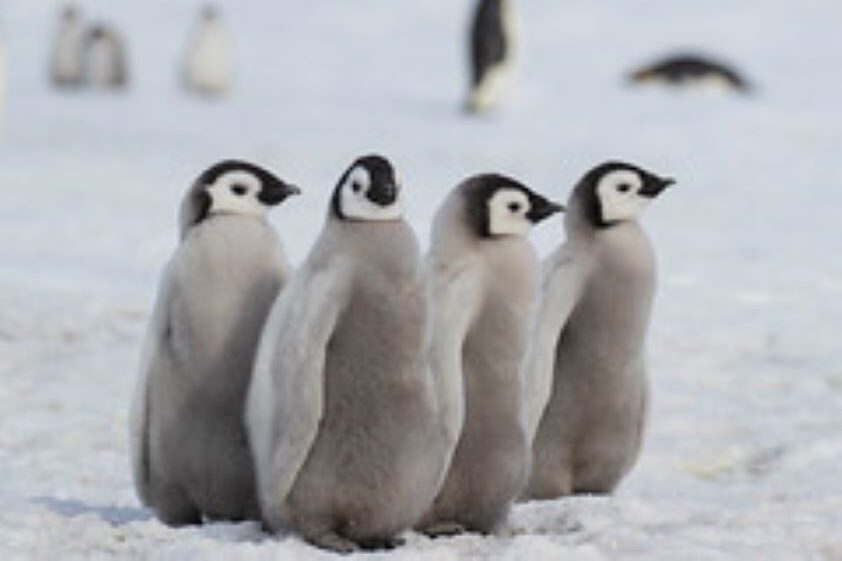
An emperor penguin chick begins life in one of the harshest environments on Earth, yet it starts off completely dependent. Covered in soft grey down, it relies entirely on its parents for warmth and food, especially during the brutal Antarctic winter. At that stage, it doesn’t yet have the features needed to survive on its own.
As it grows, its body changes in ways that prepare it for endurance. Its soft down is replaced with waterproof feathers, and it begins to develop the strength needed for long journeys across ice and through freezing waters. Over time, it becomes part of a remarkable survival cycle that depends on resilience and cooperation. Wildlife experts often note that “emperor penguins endure some of the coldest conditions of any breeding animal,” and that endurance is something they grow into. The transformation is not just about size, but about becoming equipped for the environment it was born into.
9. Whale Shark: From Tiny Pup to Gentle Giant
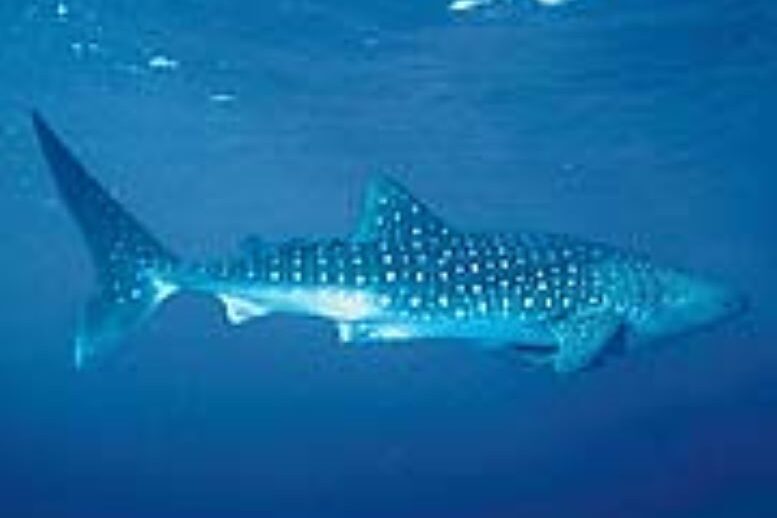
Whale sharks begin life relatively small and largely unseen, which makes their early stages feel almost mysterious. At that point, they are simply part of the ocean’s vast ecosystem, moving quietly without drawing attention. There’s nothing immediately striking about them, especially when compared to their future size.
As the years pass, their growth becomes one of the most impressive in the marine world. They gradually develop into the largest fish in the ocean, yet they remain calm and gentle in behavior. Instead of hunting large prey, they feed by filtering plankton and small organisms from the water. Marine biologists often describe them as “gentle giants that pose no threat to humans despite their enormous size,” and that balance between size and calmness stands out. Their journey shows that growth doesn’t always lead to aggression. Sometimes, it simply leads to a larger, quieter presence that coexists peacefully with its surroundings.
10. Bald Eagle: From Nestling to Majestic Flyer
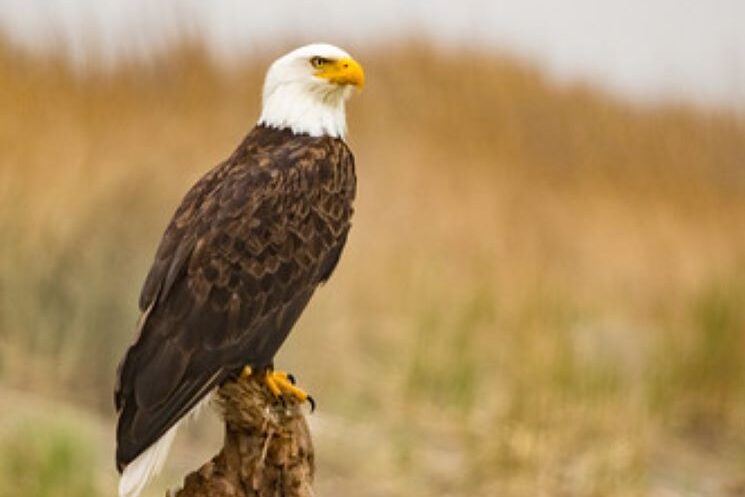
A bald eagle’s life begins in a nest, small and dependent, with little indication of the powerful bird it will become. It spends its early days relying on its parents for food and protection, slowly growing feathers and strength. At that stage, its world is limited to the nest and the immediate surroundings.
As it matures, it begins to stretch its wings, practicing short flights before fully taking to the sky. Over time, it develops the strength, coordination, and sharp vision needed to hunt and survive independently. It eventually becomes a commanding presence in the air, known for its soaring flight and precision. Ornithologists often note that “young eagles undergo a gradual learning process before mastering flight and hunting,” and that patience defines their growth. The transformation feels steady and earned, like watching potential slowly turn into capability.
11. Leatherback Sea Turtle: From Hatchling to Ocean Traveler
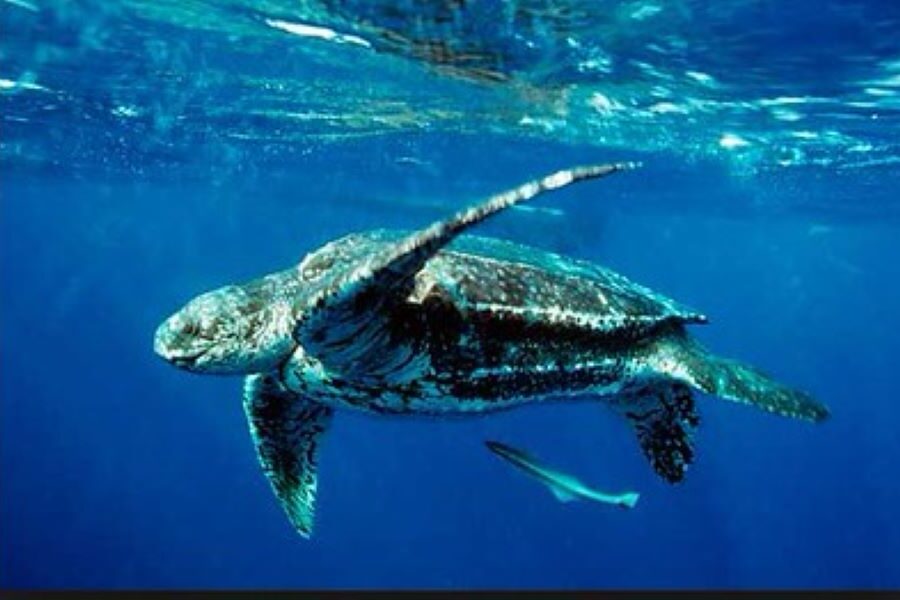
The life of a leatherback sea turtle begins with a small, determined crawl from the nest toward the ocean. At that moment, it’s incredibly vulnerable, facing predators and obstacles before it even reaches the water. It’s a beginning filled with uncertainty, where survival is never guaranteed.
For those that make it, growth becomes a long and steady journey. Over the years, they develop into massive turtles capable of traveling thousands of kilometers across oceans. Their bodies adapt for deep diving, long-distance swimming, and endurance in changing conditions. Marine conservationists often state that “leatherback turtles are among the most migratory marine animals,” and that ability is built over time. Their growth isn’t rushed or dramatic, but it is persistent. It reflects a kind of quiet determination, where survival and movement shape the outcome.
12. Goliath Grouper: From Small Fish to Reef Giant
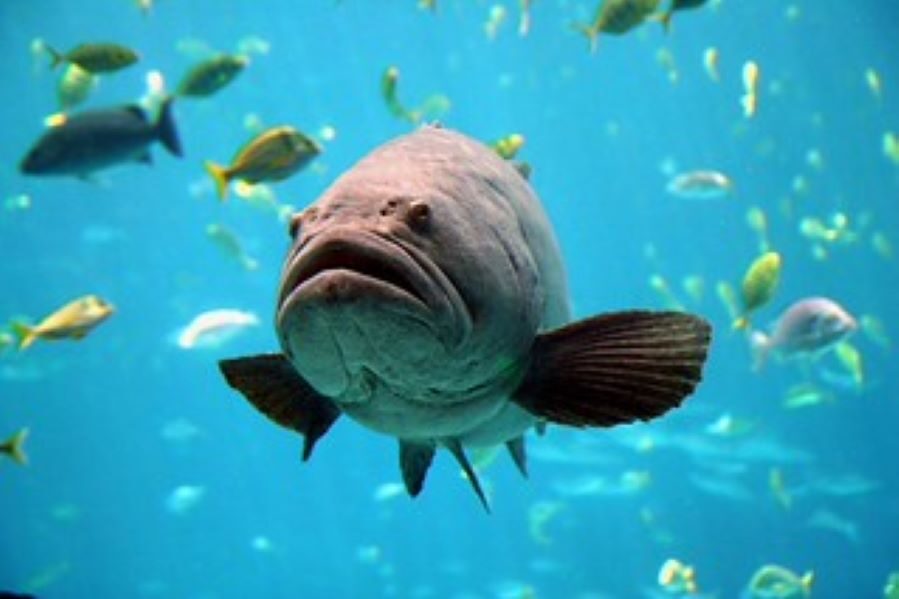
A young Goliath grouper begins life small, blending into its surroundings to avoid predators. At that stage, it moves cautiously through reefs and mangroves, staying hidden and growing slowly. There’s nothing immediately striking about it, and that’s part of how it survives.
As it matures, its size increases significantly, and it begins to stand out in its environment. It develops into one of the largest reef fish, with a presence that naturally commands space without aggression. Marine researchers often explain that “Goliath groupers can grow to enormous sizes over decades,” highlighting the slow and steady nature of their development. The transformation doesn’t happen overnight, but when you look at the difference over time, it’s impossible to ignore. It’s a reminder that growth can be quiet and still be powerful.
13. Moose: From Calf to Forest Giant
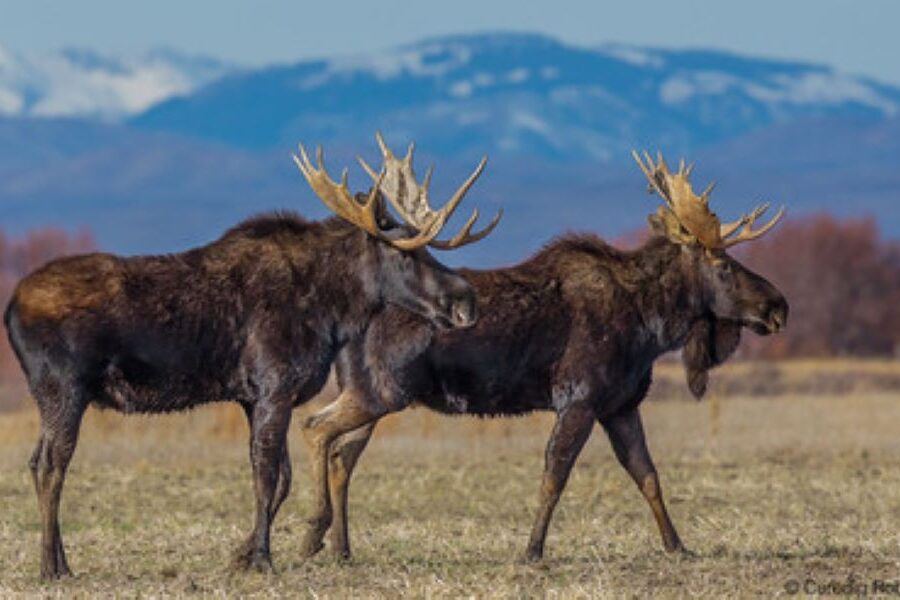
A moose calf starts life small and slightly unsteady, staying close to its mother as it learns how to walk and respond to its surroundings. At that stage, it feels almost delicate, especially compared to the size it will eventually reach.
As it grows, it develops strong legs, a larger frame, and in males, wide antlers that add to its presence. Over time, it becomes one of the largest land animals in its habitat, moving with a calm but powerful stride. Wildlife experts often note that “moose grow rapidly in their first years, gaining both size and independence,” and that early growth sets the tone for adulthood. The transformation feels natural, shaped by seasons, food availability, and environment. It’s a steady kind of growth that mirrors the rhythm of the wild itself.
14. Japanese Spider Crab: From Tiny Larva to Long-Legged Wonder
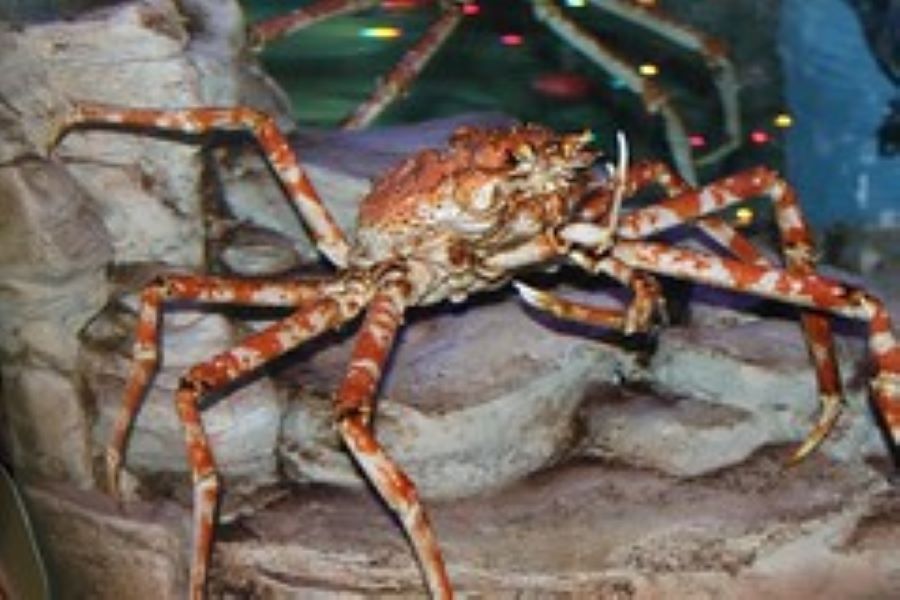
The Japanese spider crab begins life as a tiny larva, drifting through ocean currents without much control or visibility. At that stage, it’s almost impossible to imagine what it will become. It exists quietly, carried by forces larger than itself.
As it grows, its body develops in stages, eventually forming long, extended legs that give it its distinctive appearance. Over time, it becomes one of the largest crabs in the world, with a leg span that can stretch several meters. Marine biologists often describe it as “the arthropod with the longest leg span,” which highlights just how dramatic its growth can be. The transformation feels gradual but surprising, showing how something that begins unnoticed can evolve into something remarkable without ever rushing the process.
15. Great White Shark: From Pup to Ocean Apex
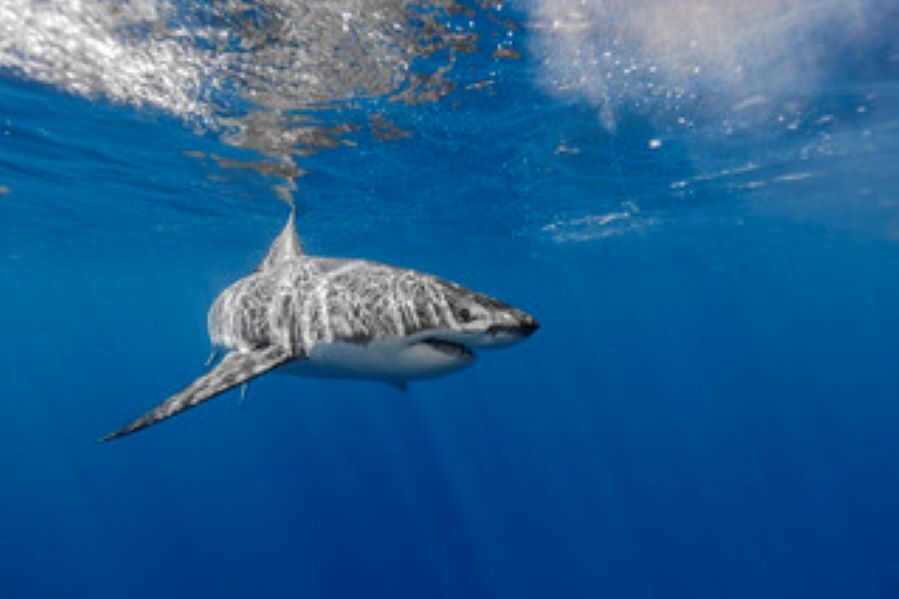
A great white shark begins life already equipped with basic survival instincts, but it is still small compared to the powerful predator it will become. In those early stages, it navigates carefully, learning through experience and instinct how to survive in the open ocean.
As it grows, its strength increases, its hunting skills sharpen, and its confidence becomes more evident. Over time, it becomes one of the most recognized apex predators in the marine world. Marine researchers often note that “great white sharks mature slowly, taking years to reach full size and capability,” which makes their growth feel earned rather than instant. Looking at where it starts and where it ends, the contrast feels complete. It ties back to everything on this list, a reminder that growth, no matter how quiet or gradual, has a way of shaping things into exactly what they were meant to become.


