
1. The Luna Moth’s Brief but Beautiful Transformation
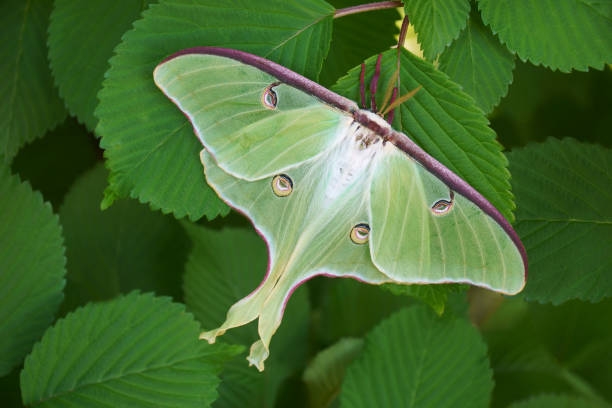
Not every animal that grows dramatically stays large for long, and the Luna Moth is a perfect example of nature’s short but remarkable growth story. It begins life as a tiny egg laid on the underside of leaves. Soon a small green caterpillar emerges, spending its days quietly eating and growing. At first it is only a few millimeters long, easy to miss among the leaves where it feeds.
Over several weeks, the caterpillar grows plump and bright green before forming a cocoon. Inside that protective shell, one of nature’s most delicate transformations takes place. Eventually the adult luna moth emerges with pale green wings that can stretch more than four inches across. Entomologists often say the luna moth is “one of North America’s most striking nighttime visitors.” Interestingly, the adult moth lives only about a week and does not eat at all. Its entire purpose is to reproduce before its brief life ends. From tiny egg to leaf-eating caterpillar to graceful moth drifting through the night, the luna moth quietly shows how dramatic growth can unfold in the natural world.
2. From Wiggling Tadpole to Pond-Croaking Bullfrog
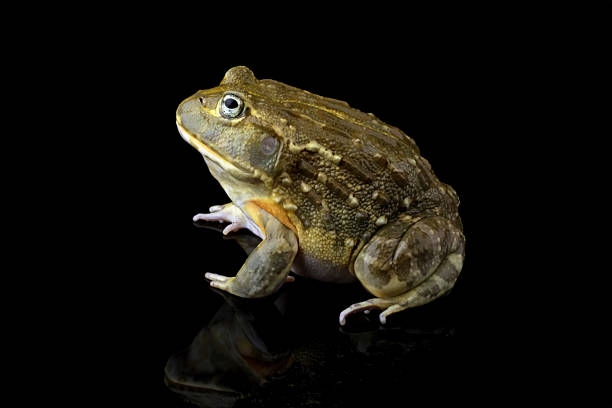
If you have ever looked into a quiet pond in spring, you may have seen tiny black tadpoles flicking their tails through the water. Many of those little swimmers will one day become the familiar American Bullfrog. At first, a tadpole is barely larger than a fingernail and looks nothing like the frog it will eventually become. It breathes through gills, lives entirely underwater, and spends its time nibbling on plants and drifting through the shallows.
Slowly, the transformation begins. Legs appear where there were none, the tail shrinks, and lungs replace gills as the young frog prepares for life above the surface. By the time the change is complete, that tiny tadpole may grow into a bullfrog stretching up to eight inches long, with a deep croak that can carry across an entire pond on a warm summer night. Wildlife experts often note that the bullfrog’s call is one of the most recognizable sounds in North American wetlands. From a speck in the water to a powerful jumper that rules the pond’s edge, the bullfrog shows just how dramatic nature’s growth stories can be.
3. The Emperor Penguin’s Journey From Fluffy Chick to Antarctic Giant
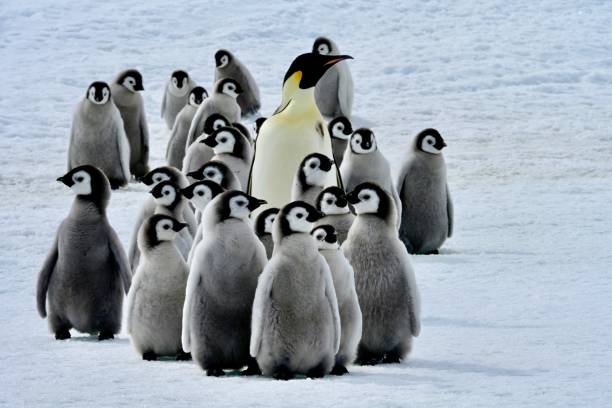
Life begins in the harshest way imaginable for the Emperor Penguin. Deep in the Antarctic winter, a chick emerges from its egg small enough to sit comfortably on its parent’s feet. At that stage it is covered in soft gray down and completely dependent on its parents for warmth and food. The cold around it can drop to temperatures that challenge even the toughest animals, which is why emperor penguin parents work tirelessly to shield their young from the freezing wind.
As the months pass and the Antarctic summer approaches, the chick grows rapidly. The fluffy down eventually gives way to the sleek black and white feathers penguins are famous for. By adulthood, an emperor penguin can stand nearly four feet tall and weigh around 90 pounds. Researchers studying Antarctic wildlife often say emperor penguins demonstrate “one of the most determined parenting efforts in the animal kingdom.” Watching a small chick wobble across the ice before becoming a strong swimmer capable of diving hundreds of feet into icy waters shows just how far that tiny beginning can go.
4. The Saltwater Crocodile’s Slow but Mighty Growth
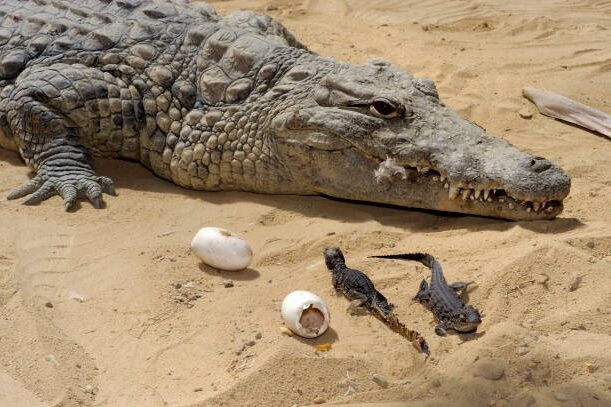
A newly hatched Saltwater Crocodile could rest easily in the palm of your hand. These reptiles begin life at roughly ten inches long, emerging from eggs buried in sandy nests built by their mothers along riverbanks and coastal areas. At that stage they are vulnerable to nearly everything around them, from birds to larger fish. Survival in those early days depends on staying hidden and growing quickly.
But patience is the crocodile’s secret strength. Over the years, that small hatchling steadily grows into one of the largest reptiles on Earth. Adult saltwater crocodiles can reach lengths of over 20 feet and weigh more than a thousand pounds. Wildlife researchers often describe them as “apex survivors,” animals that have changed very little over millions of years. Their slow, steady growth eventually turns them into powerful hunters that dominate rivers and coastal waters across parts of Asia and Australia. It is a striking reminder that some of the most formidable animals on the planet once started life as something small enough to overlook.
5. The Blue Whale’s Start as a Giant in the Making
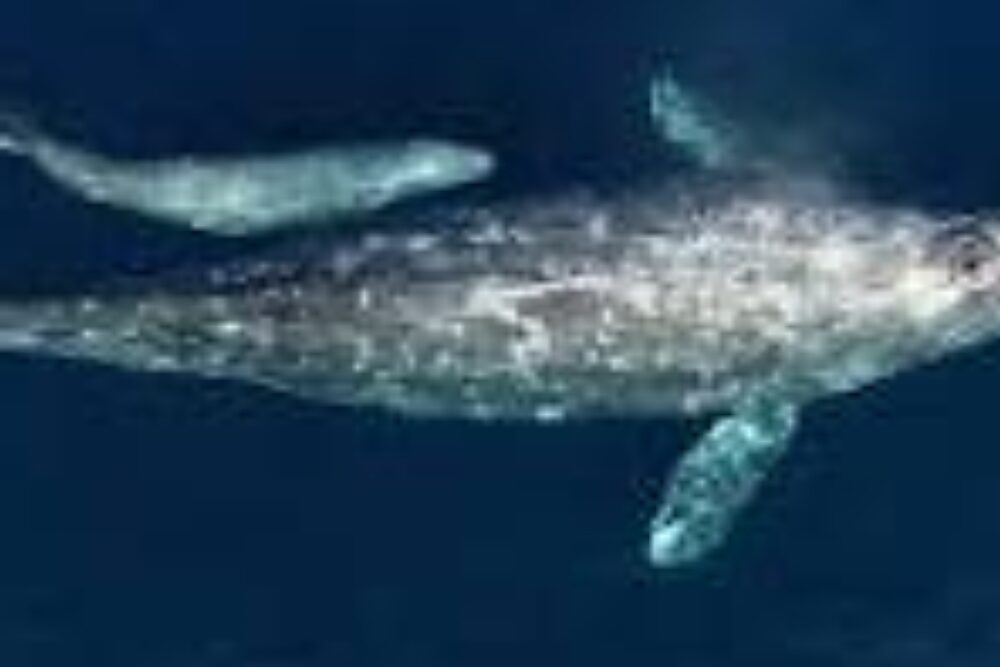
It almost sounds unbelievable that the largest animal ever known to exist on Earth begins life relatively small compared to what it becomes. The Blue Whale starts as a calf about 23 feet long, which might already sound big, but in the whale’s world it is only the beginning of an extraordinary growth journey. Within months, that calf begins packing on weight at a remarkable pace while feeding on its mother’s rich milk. Scientists often point out that a blue whale calf can gain around 200 pounds a day during its early life, a growth rate that few animals on the planet can match.
Over the years that follow, this already impressive youngster keeps growing until it can reach lengths of nearly 100 feet. That is longer than three school buses lined up end to end. Marine researchers often say the blue whale is “a reminder of how powerful steady growth can be in the ocean.” From a newborn still learning to swim beside its mother to a full adult gliding through entire ocean basins, the transformation feels almost hard to picture. It all begins with a calf that seems big to us, yet is still just a small start for the largest animal on Earth.
6. The Ostrich’s Rise From Palm-Sized Chick to the World’s Tallest Bird
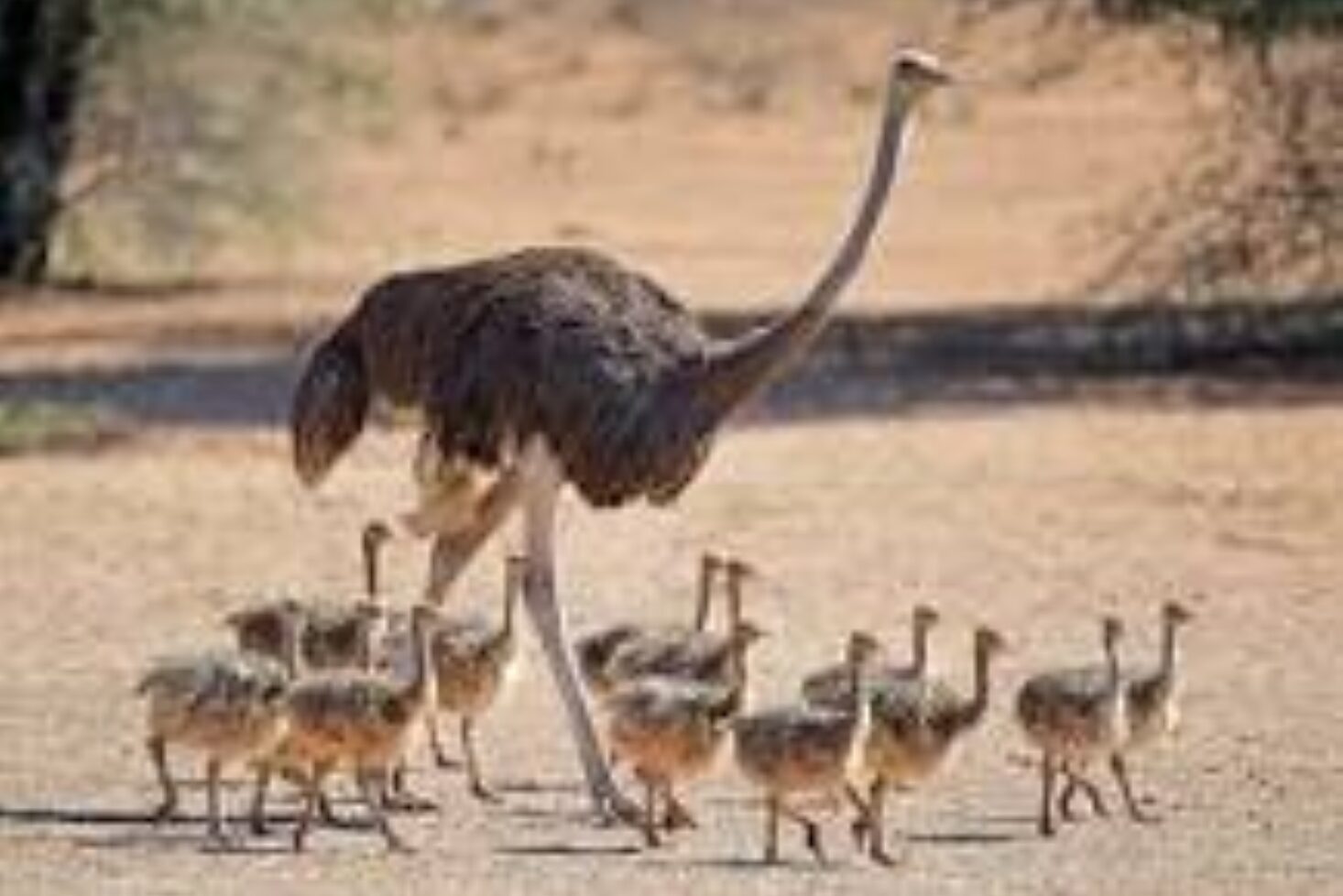
At first glance, it is hard to imagine that the towering Ostrich begins life as a small, fluffy chick that can fit comfortably in a person’s hands. When ostrich chicks hatch, they are about the size of a small chicken and weigh just a couple of pounds. They arrive in the world already active, able to walk and follow their parents across the open African landscape within days. In the wild, staying close to the group is the safest way to survive those early months when predators still see them as an easy target.
But the growth that follows is nothing short of impressive. Ostriches are known to grow faster than almost any other bird, and within a year those small chicks begin stretching upward into long-legged juveniles. By adulthood, an ostrich can stand nearly nine feet tall and weigh over 300 pounds, making it the largest bird on Earth. Wildlife researchers often describe them as “built for speed and survival,” capable of running up to 40 miles per hour across open terrain. What started as a fragile little chick eventually becomes a powerful bird that can outrun many predators. It is a striking example of how quickly nature can transform something small into something truly commanding.
7. The Goliath Beetle’s Journey From Hidden Larva to Giant Insect
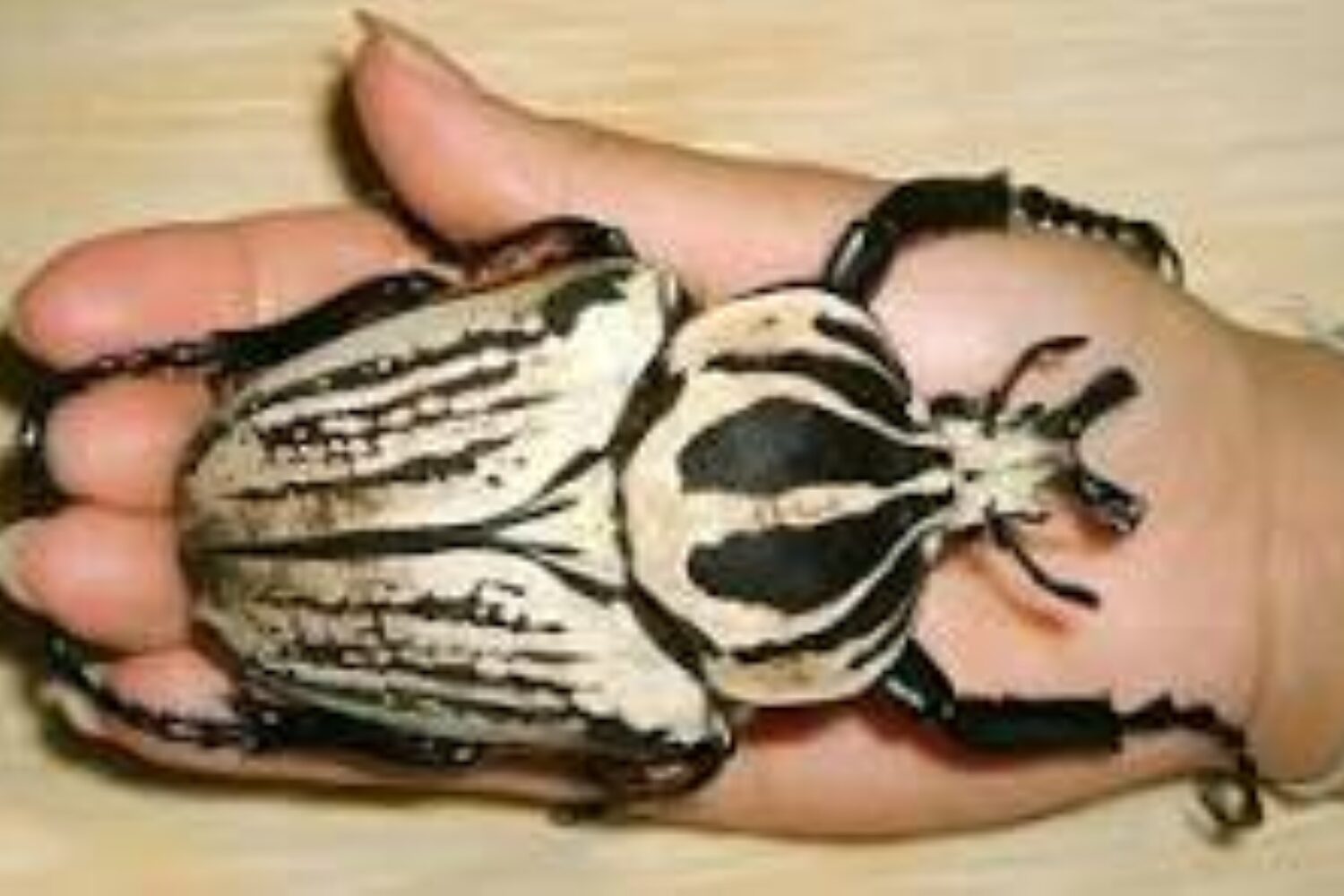
The story of the Goliath Beetle begins quietly in the soil, far away from the attention its adult form eventually attracts. A tiny egg hatches into a small larva that spends its early life buried underground, feeding and slowly growing. At this stage it resembles a pale grub, and you would hardly guess that it belongs to one of the largest insects in the world. Hidden from view, it continues to eat and store energy for the transformation ahead.
Over time the larva grows heavier and thicker, eventually forming a pupa where its body undergoes a remarkable change. When the adult beetle finally emerges, the transformation is hard to believe. Goliath beetles can grow up to four inches long and are among the heaviest insects known. Entomologists often say they are “living proof that insects can rival small animals in size.” With bold patterns on their shells and powerful wings beneath them, these beetles look almost prehistoric. The quiet grub that once lived underground becomes a striking insect capable of flight, showing once again that dramatic growth stories often happen where few people ever notice them.
8. The Great White Shark’s Steady Climb to Ocean Royalty
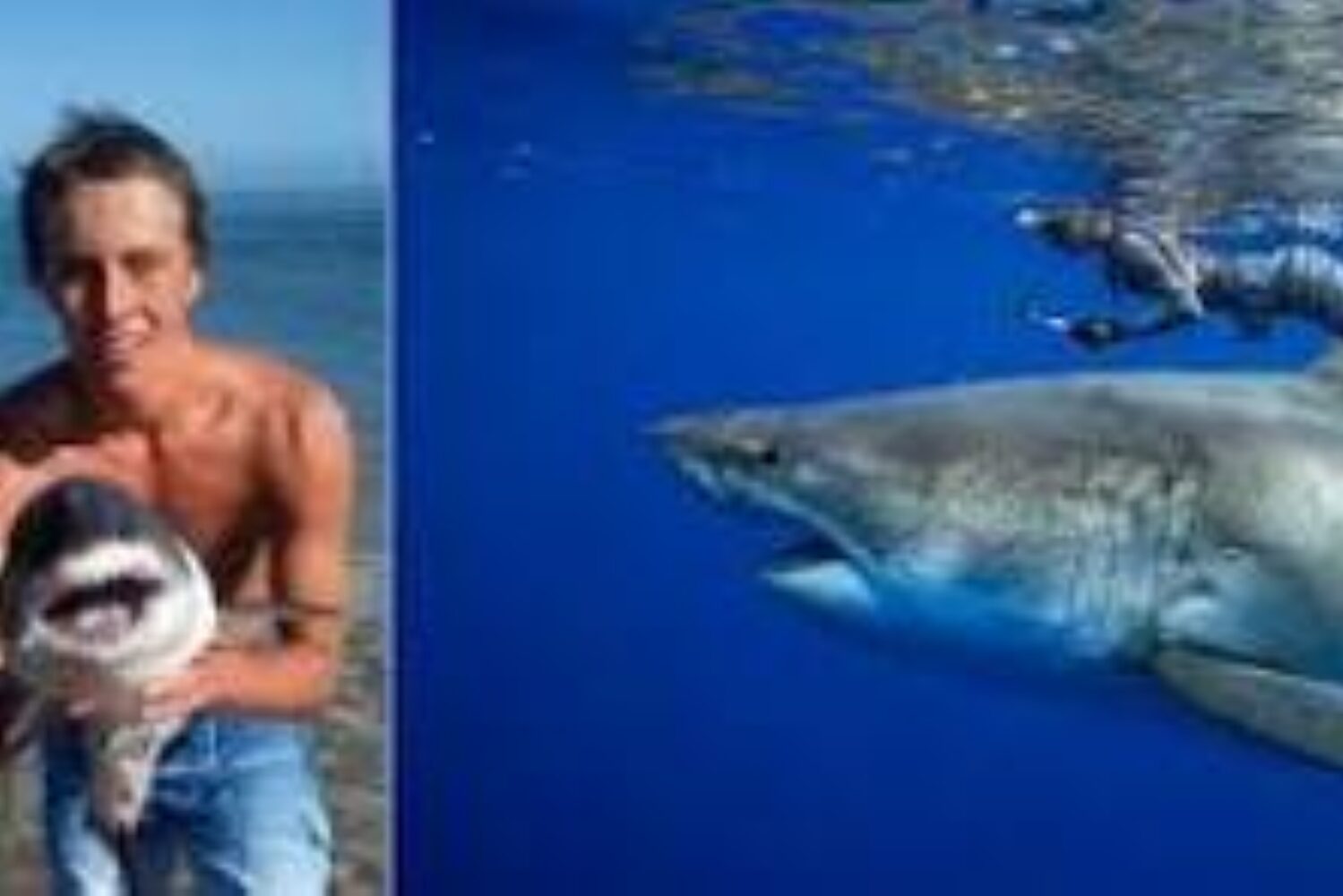
The young Great White Shark enters the world already looking like a miniature version of the famous predator we recognize from documentaries. When born, these sharks are usually around four to five feet long. While that might sound large, it is still small compared with the enormous adults that patrol the oceans later in life. In their early years, young great whites stay in coastal nursery areas where food is easier to find and larger predators are less common.
As the years pass, their growth turns them into one of the most powerful hunters in the sea. Adult great white sharks can reach lengths of more than 15 feet and weigh over two thousand pounds. Marine scientists often describe them as “perfectly designed ocean predators,” built for speed, strength, and precision. Their reputation may be intimidating, but researchers also note that these sharks play an important role in maintaining balance in marine ecosystems. Watching the path from a relatively small newborn shark to a massive adult cruising through open waters shows how patience and time shape one of the ocean’s most well-known creatures.
9. The Giant Pacific Octopus From Tiny Hatchling to Underwater Wonder
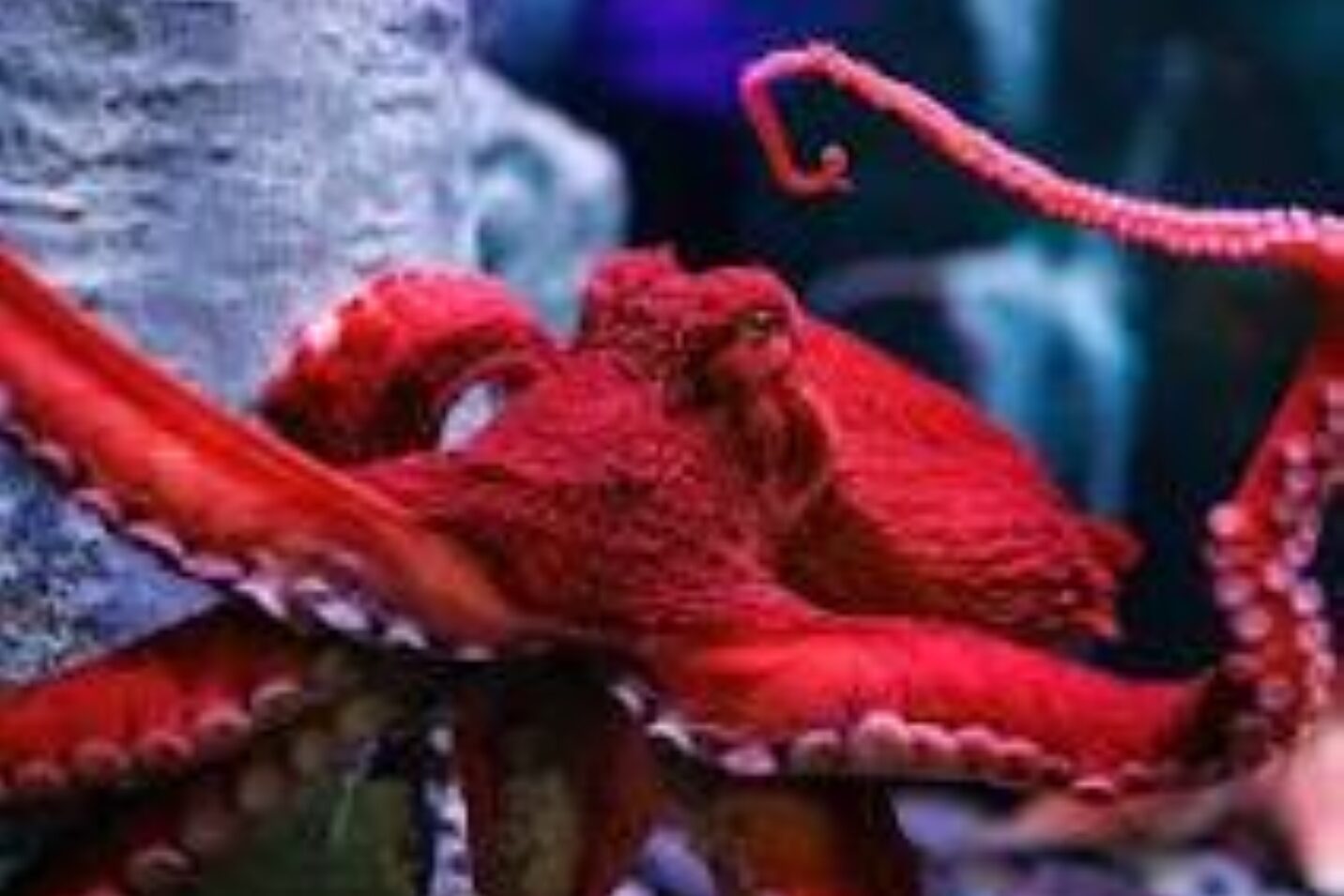
Few animals demonstrate dramatic growth quite like the Giant Pacific Octopus. When these octopuses first hatch, they are barely the size of a grain of rice. Drifting in the ocean as tiny plankton-like creatures, they begin life in a world where nearly everything around them could become a threat. At that stage, survival depends on finding food and staying hidden in the vastness of the sea.
Yet those tiny hatchlings carry the potential to become the largest octopus species on Earth. Over several years, they grow rapidly, developing powerful arms lined with hundreds of suction cups. Adult giant Pacific octopuses can reach arm spans of more than 15 feet and weigh over 100 pounds. Marine biologists often call them “one of the ocean’s most intelligent invertebrates,” known for problem solving and remarkable curiosity. Seeing such a large and complex animal begin life as something barely visible to the human eye is a reminder that the ocean still holds many quiet wonders. What begins as a drifting speck eventually becomes a clever and powerful resident of the deep.
10. The Green Anaconda’s Slow Transformation Into a River Giant
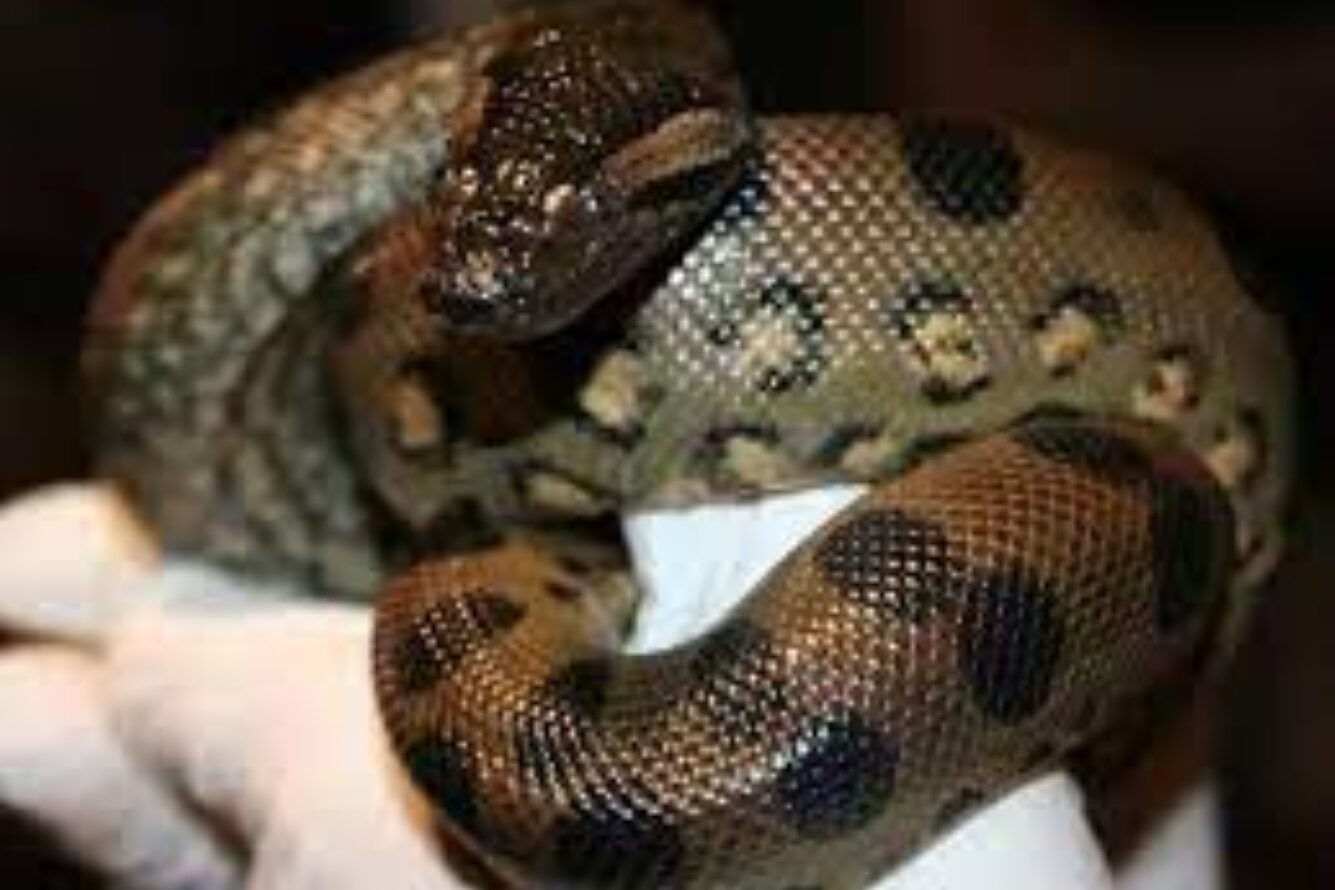
When a young Green Anaconda is born, it measures only about two feet long, which might sound large for a snake but is modest compared with what lies ahead. These newborn snakes are independent from the start, immediately beginning the hunt for small prey in the swamps and rivers of South America. At this stage they rely on stealth and patience while learning the rhythms of the waterways they inhabit.
As years pass, the green anaconda continues growing into one of the heaviest snakes in the world. Adult females, which are larger than males, can stretch more than 20 feet long and weigh several hundred pounds. Herpetologists often describe the species as “a master of slow power,” capable of moving quietly through water before striking its prey. Despite their fearsome reputation, anacondas usually avoid humans and spend most of their time hidden in rivers or thick vegetation. The journey from a relatively small newborn snake to a massive river predator shows how growth in the animal kingdom often unfolds gradually, one year at a time, until the transformation becomes impossible to ignore.
11. The Komodo Dragon’s Rise From Small Hatchling to Island Giant
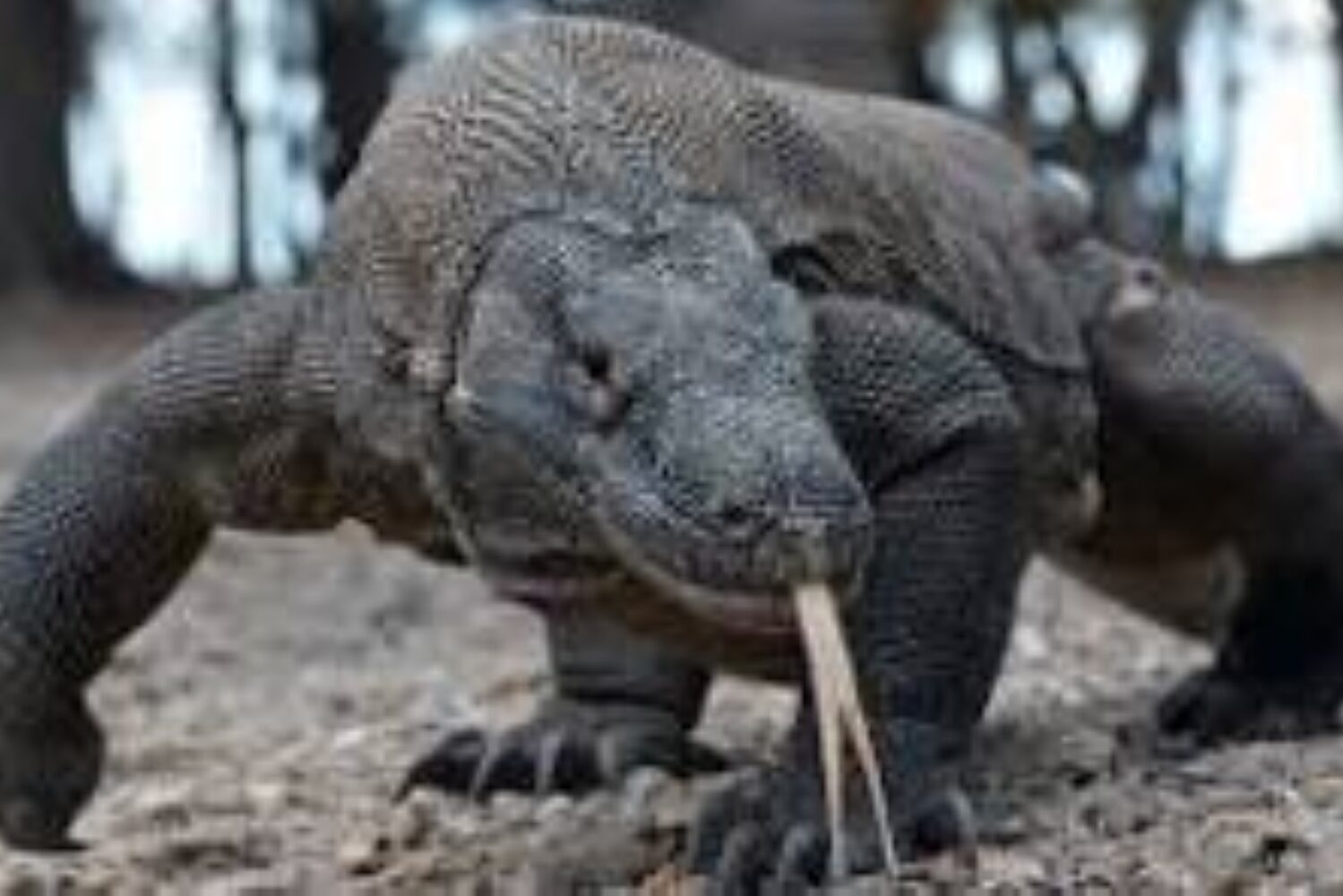
When a young Komodo Dragon first breaks free from its egg, it looks surprisingly small for a creature that will one day dominate its island home. Hatchlings measure only about a foot long and weigh just a few ounces. At this early stage they spend most of their time hiding in trees, which helps protect them from predators, including adult Komodo dragons. For the first few years of life, survival depends on staying out of sight and feeding on insects, small lizards, and anything else they can catch.
As the years pass, that small hatchling gradually grows into the world’s largest living lizard. Adult Komodo dragons can reach lengths of around ten feet and weigh more than 150 pounds. Wildlife researchers often describe them as “the top predators of their island ecosystem,” capable of taking down large prey such as deer. Despite their fearsome image, much of their life is spent slowly patrolling their territory under the hot Indonesian sun. The transformation from a cautious tree-climbing youngster to a powerful ground predator shows how time and steady growth shape one of the most fascinating reptiles on Earth.
12. The Leatherback Sea Turtle’s Journey From Sand Hatchling to Ocean Titan
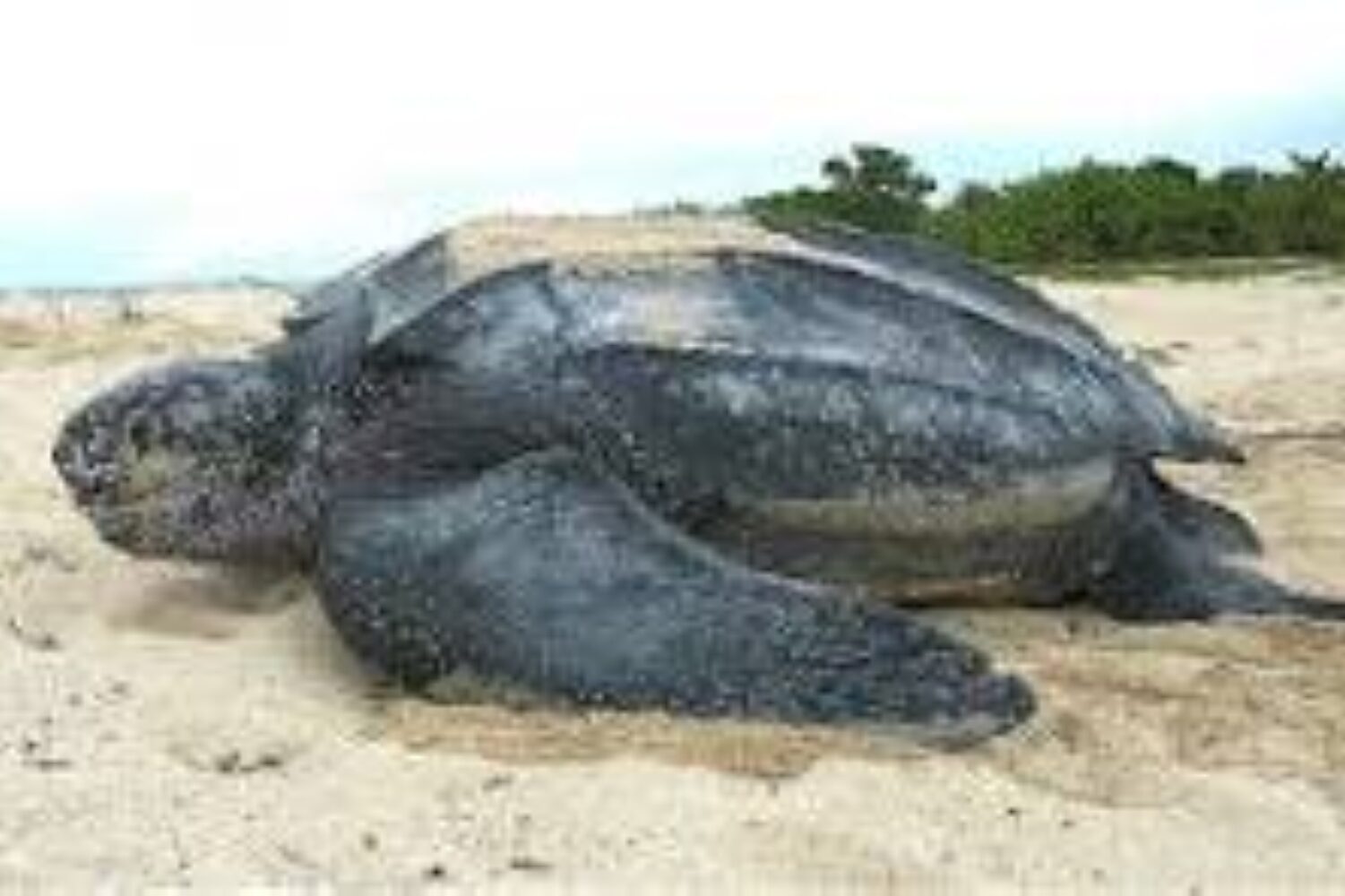
Every year along certain beaches, tiny Leatherback Sea Turtle hatchlings scramble across the sand toward the ocean. Each one is only a few inches long and weighs less than a baseball. In those first moments, the beach can feel like an obstacle course filled with birds and other predators waiting for an easy meal. Marine conservationists often say that only a small fraction of these hatchlings will survive their first journey into the sea.
But the few that do survive begin an incredible life story. Over decades, those tiny turtles grow into the largest sea turtles on Earth. Adult leatherbacks can stretch more than seven feet long and weigh up to 2,000 pounds. Unlike other turtles, their shells are soft and flexible, allowing them to dive deeper into the ocean than most reptiles. Researchers from groups like the National Oceanic and Atmospheric Administration often note that leatherbacks are among the ocean’s greatest travelers, crossing entire oceans in search of jellyfish. The fragile hatchling that once struggled across the sand eventually becomes a powerful ocean voyager roaming waters across the globe.
13. The Atlas Moth’s Quiet Growth Into One of the World’s Largest Moths
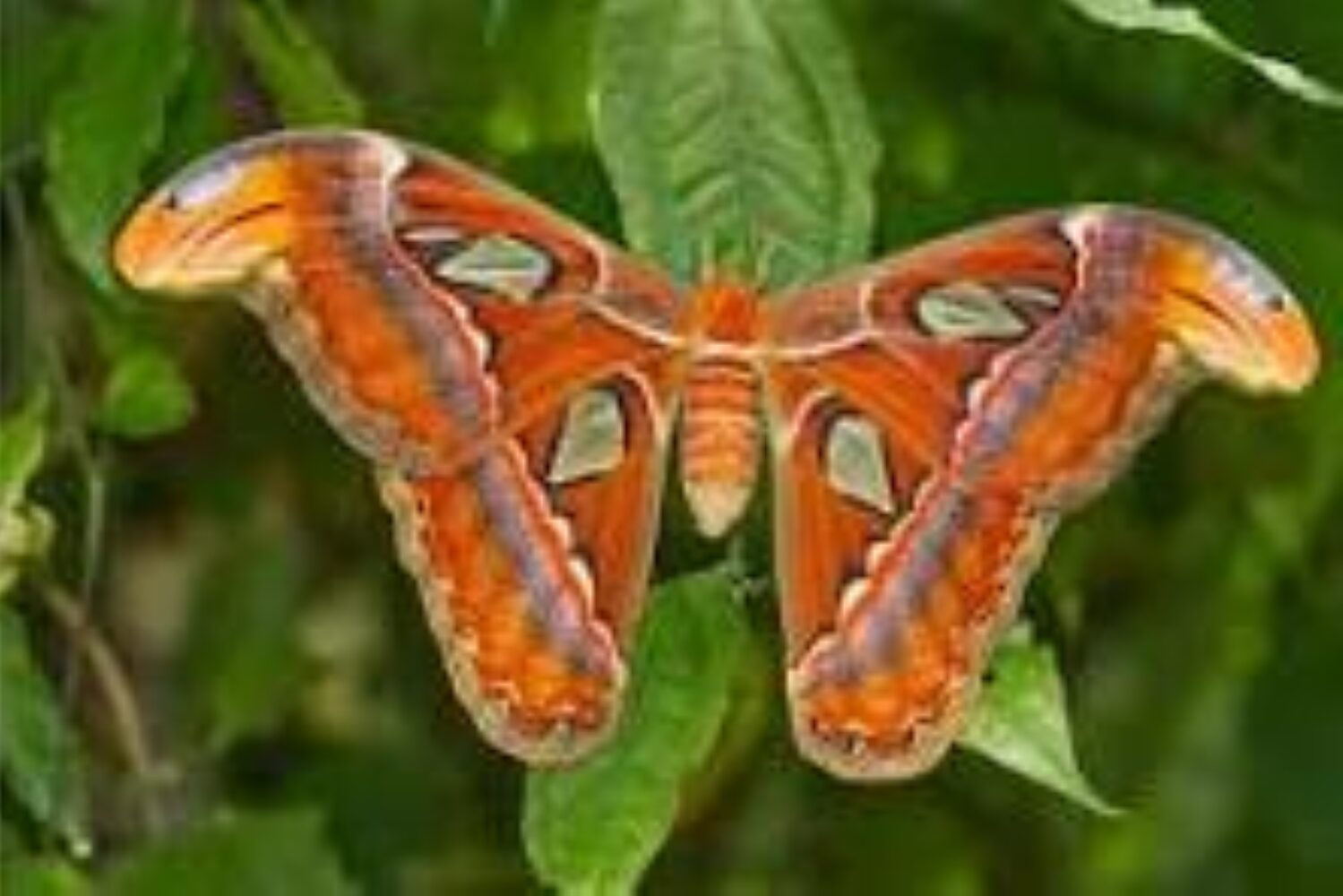
Hidden among leaves in tropical forests, the life of the Atlas Moth begins with a tiny egg placed carefully by its mother. When the egg hatches, a small caterpillar appears and immediately begins feeding on nearby leaves. At first it is hardly noticeable, blending easily into the greenery. Yet this caterpillar spends most of its life doing one simple thing: eating and growing.
As the caterpillar matures, it becomes thick and pale green, eventually spinning a cocoon where it will transform completely. When the adult atlas moth finally emerges, the change is astonishing. With wings that can stretch nearly a foot across, it is considered one of the largest moth species in the world. Entomologists often say the atlas moth “looks almost like a drifting leaf in flight,” thanks to the patterns on its wings. Interestingly, the adult moth does not eat at all and lives only long enough to reproduce. From a tiny egg to a giant winged insect gliding through warm night air, its short life shows how growth in nature can be both dramatic and fleeting.
14. The Whale Shark’s Path From Small Pup to Gentle Ocean Giant
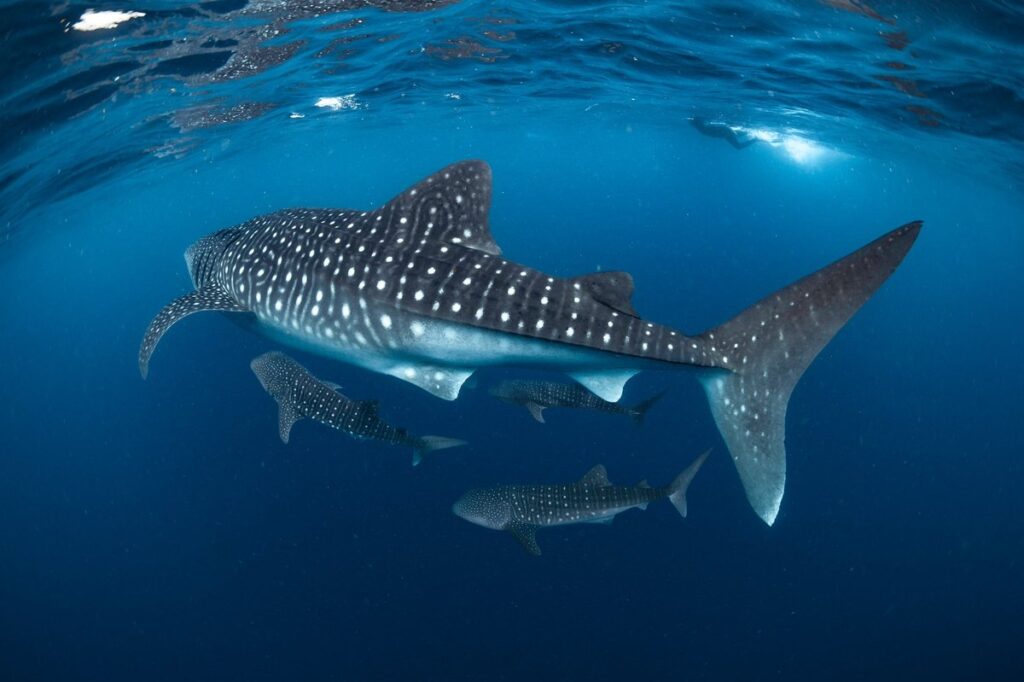
Despite its name, the Whale Shark begins life as a surprisingly modest-sized pup. Newborn whale sharks measure around two feet long, which is small compared with the massive adults that cruise through tropical seas later in life. These young sharks spend their early years quietly feeding on small plankton and tiny marine organisms while gradually building their strength in open waters.
Over time, that small pup grows into the largest fish on Earth. Adult whale sharks can stretch more than 40 feet long and weigh tens of thousands of pounds. Yet despite their enormous size, marine scientists often describe them as “gentle giants,” because they feed mainly by filtering plankton from the water. Organizations like the National Geographic Society have noted that whale sharks are among the most peaceful creatures in the ocean. The journey from a small newborn drifting through warm seas to a slow-moving giant reminds us that size alone does not define an animal’s nature. Sometimes the biggest creatures are also the calmest.
15. The African Elephant’s Story From Wobbly Calf to Land Giant
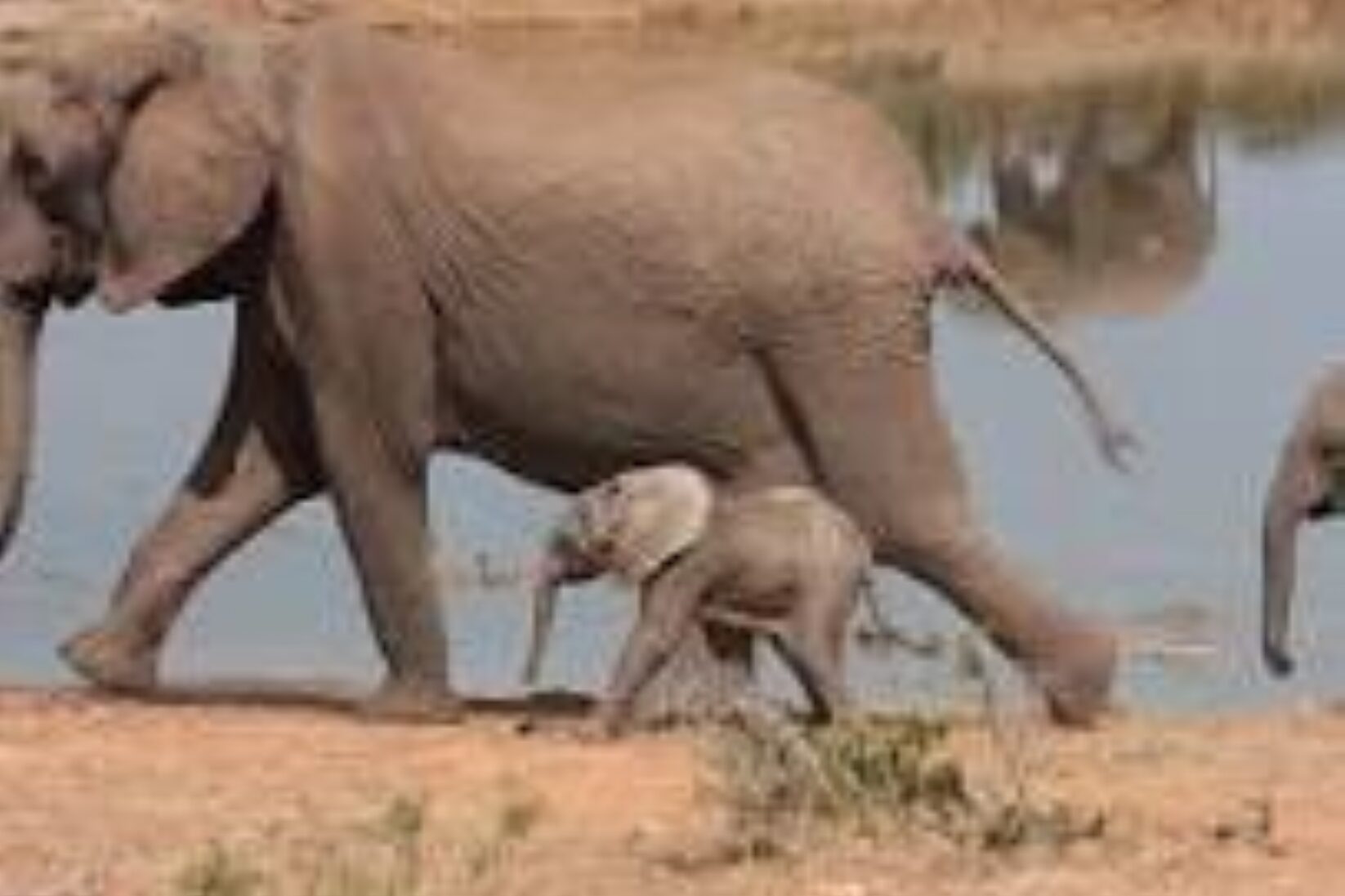
Few animals show the contrast between small beginnings and enormous adulthood better than the African Elephant. A newborn calf weighs around 200 pounds, which sounds large until you realize that adult elephants can weigh more than 12,000 pounds. In its first days, the calf stays close to its mother and the rest of the herd, learning how to walk steadily and use its trunk, which often takes a little practice.
Over the years that follow, the calf grows into the largest land animal on Earth. Adult elephants can stand over ten feet tall and play a central role in shaping the landscapes around them. Conservation groups such as the World Wildlife Fund often explain that elephants are “ecosystem engineers,” meaning their movements help create paths, spread seeds, and maintain habitats for other animals. Looking back at the journey from a curious young calf to a towering adult, the story feels like a quiet summary of the entire list. Nature often begins with something small and vulnerable, then slowly builds it into something remarkable.


