
1. Elephants Never Really Forget
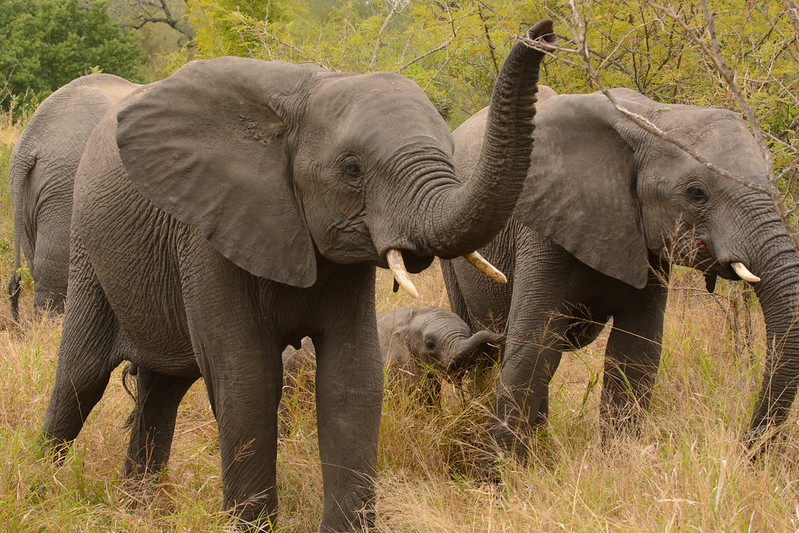
Sometimes you meet an animal once and move on, thinking it meant nothing. Then years later, something small brings it all back in a way you did not expect. That is where this story begins, with memory that quietly lingers. Elephants are known for this in a way that feels almost personal. They can remember people long after a single encounter, especially if that moment carried emotion. Whether it was kindness or fear, it stays with them. People who have spent time around elephants often talk about reunions that feel calm and familiar, even after years apart. It is not loud or dramatic, just steady recognition that settles in gently.
Spending time around elephants makes you realize their memory is not just about survival. It is tied to relationships and experience in a way that feels grounded and real. They respond differently to people based on what they remember, and you can see it in how they approach or hold back. There is something honest about that kind of memory. It reminds you that even a brief moment can stay with someone longer than expected. With elephants, you are not easily forgotten, and that quiet truth sets the tone for everything else that follows in this story.
2. Dogs Remember Faces And Feelings
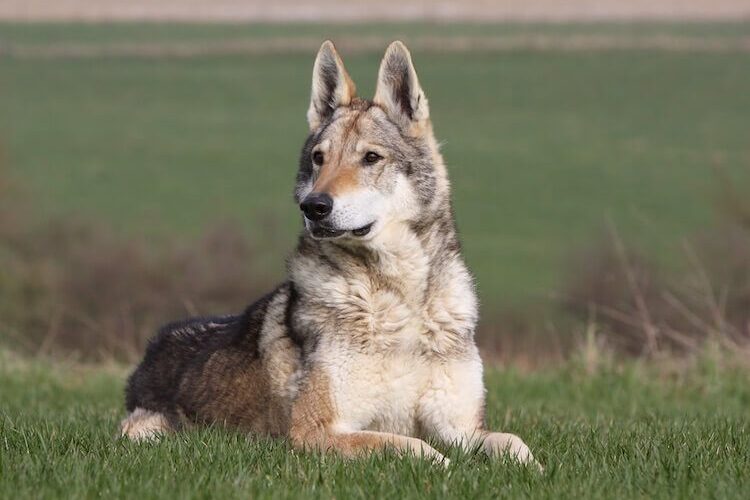
If you have ever been away from a dog for a long time, you already understand how this works without needing anyone to explain it. You show up again, and somehow they remember everything that mattered. Dogs do not just recognize faces, they remember feelings in a way that feels deeply personal. They connect people with scent, voice, and the emotional space they once shared together. That is why reunions with dogs feel so full and immediate. It is not just recognition, it is memory showing up in the most open and honest way you can imagine, and it always feels genuine.
What stays with dogs is not just who you are, but how you made them feel when you were there. A kind voice, a safe presence, a routine that once felt like home, all of that stays stored somewhere steady. Even after time apart, they return to that connection without hesitation or confusion. It makes you realize that memory is not always about details or time. Sometimes it is about emotion, and dogs seem to understand that in a way that feels simple, real, and very hard to ignore when you see it happen again.
3. Crows Keep Track Of Faces
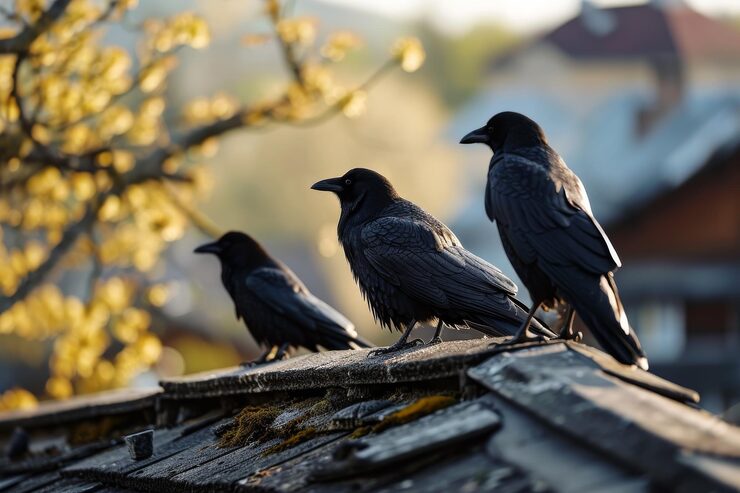
At first glance, crows do not seem like animals that would remember much about people, but that changes once you start paying attention. They are observant in a way that feels almost intentional, like they are quietly noting things others miss. Crows can remember human faces for years, especially if the encounter stood out to them in some way. It could be something negative or even neutral, but once it is noticed, it stays with them longer than you would expect, shaping how they react later on.
What makes this even more interesting is that crows do not always keep that information to themselves. They can pass what they learn to others in their group, which means one small interaction can spread further than expected. It changes how you think about everyday encounters. You begin to realize that even passing moments might be remembered in ways you did not consider before. With crows, there is a quiet awareness that lingers, and once you notice it, it becomes something you cannot easily ignore again when you see them watching.
4. Dolphins Recognize Old Friends

There is something about dolphins that already feels familiar, so it makes sense that their memory would be just as strong. They live in a world shaped by sound, movement, and connection, and memory plays a big role in that. Dolphins can remember others for many years, and when it comes to humans, they often show signs of that same recognition. Trainers and researchers sometimes notice subtle shifts when a familiar person returns after a long time away, even if nothing else has changed around them or in their environment.
What stands out is how natural it feels when it happens. A dolphin does not need to make a big display for you to notice that something has been remembered. It shows up in attention, in small changes in behavior, in ways that feel quiet but meaningful. Their memory is tied to relationships, and that gives it a different kind of depth. It is less about proving anything and more about seeing how connection continues in simple ways, even when there has been time and distance in between for both sides.
5. Horses Remember Who Was Kind
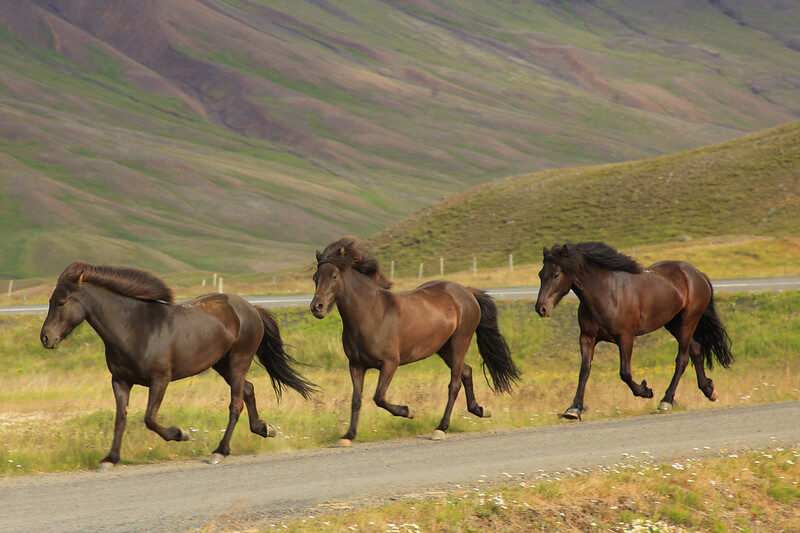
Being around horses teaches you quickly that they notice more than people assume at first. They remember how they are treated, and that memory shapes how they respond later in ways that feel very direct. A horse that has been handled gently will often approach with calm ease, while one that has had a negative experience may stay cautious or distant. That memory does not disappear quickly. It stays with them and shows up in their reactions without needing explanation or repeated learning again.
What makes this feel real is how consistent it is over time. Horses do not pretend or adjust their reactions to please anyone. Their responses are grounded in what they remember from before. If you meet a horse again after some time, the way it behaves often reflects the past more than the present moment. It reminds you that actions matter in ways that last longer than expected. With horses, memory feels like a quiet record that continues shaping how they respond to you each time.
6. Parrots Recall Voices And Words
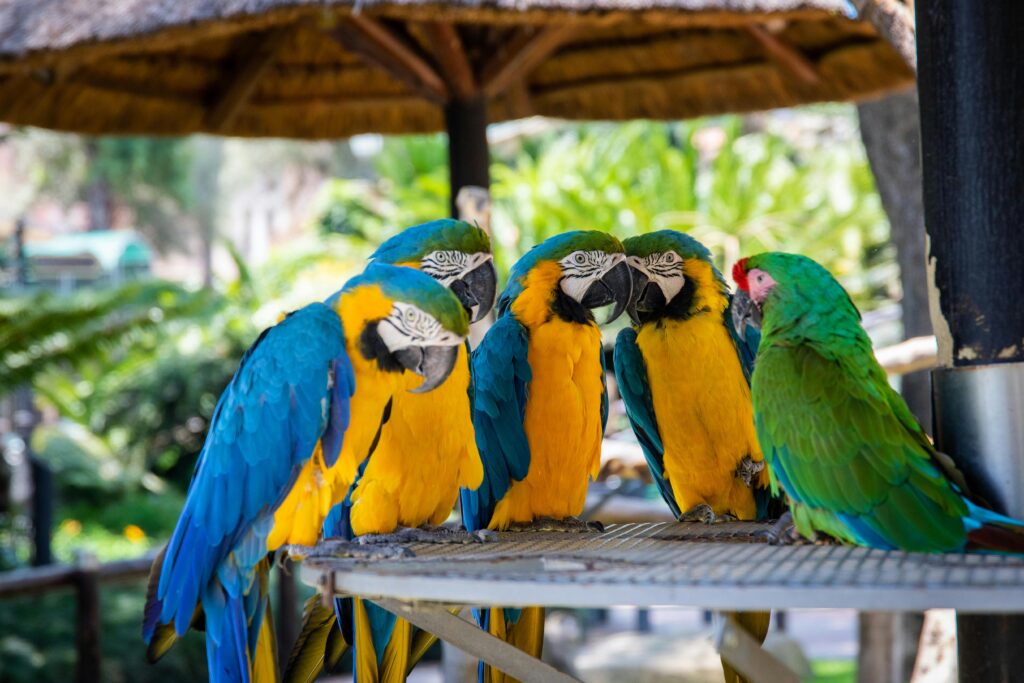
Parrots have a way of making memory feel close and personal in a way that is easy to notice. It is not just about repeating words, it is about what those words are connected to in their experience. When a parrot remembers a voice or a phrase, it is often tied to someone specific. Over time, those sounds become part of how they remember people and moments that mattered to them before. You might hear a parrot say something familiar, and it feels like a small piece of the past is still present in that moment.
What makes it stand out is how naturally it happens without effort. Parrots are social, and their memory reflects that clearly. They hold onto patterns, routines, and voices that once meant something to them. Even when time has passed, those connections can come back in simple and quiet ways. It is not dramatic, just steady and consistent. Being around parrots shows you that what we say and how we say it can stay with someone longer than we often realize in everyday life.
7. Octopuses Recognize Individual Humans
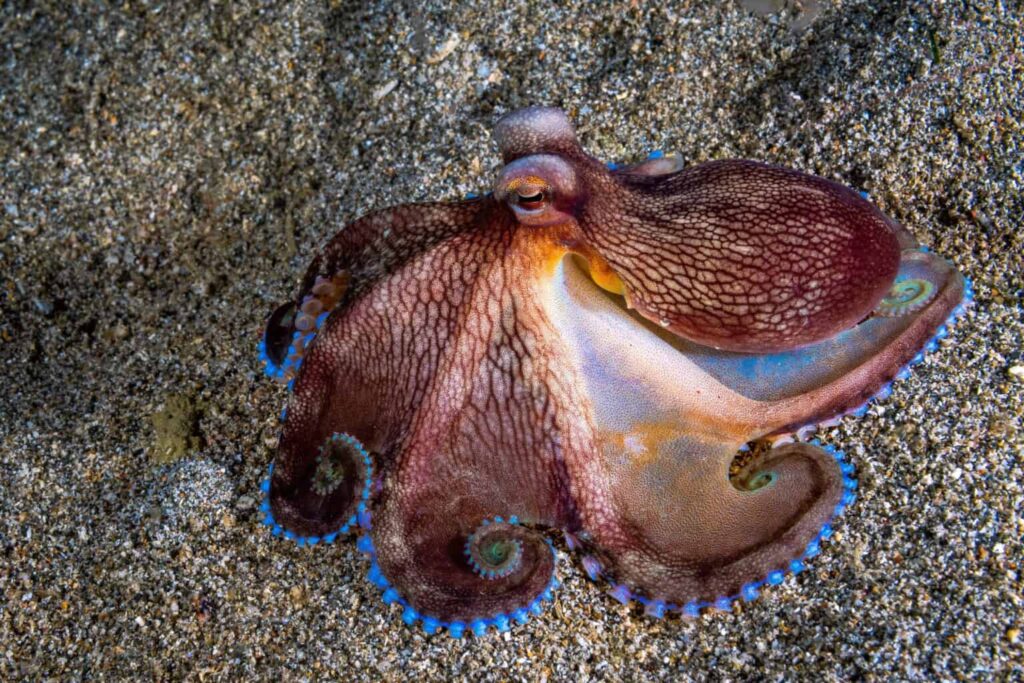
This is one of those things that surprises people at first, but it becomes easier to understand once you see it more closely. Octopuses are highly aware of their surroundings, and that includes the people they interact with over time. In controlled environments, they have shown clear differences in how they respond to different humans. Some they approach with curiosity, others they avoid, and it is not random or accidental. It is shaped by what they remember from previous encounters they have had.
What makes it interesting is how intentional it feels when it happens. You are not just another presence passing by. You become someone specific in their experience, someone they have already formed an opinion about. Even though their lives are shorter, their memory is sharp and purposeful. It changes how you think about animals that are very different from us. With octopuses, memory shows up in quiet decisions, in who they trust and who they do not, and that alone says more than most people expect.
8. Cats Remember More Than They Show

Cats are often seen as distant, but if you have ever lived with one, you know there is more going on beneath that quiet surface. They remember people in ways that are not always obvious at first. A familiar voice, a certain routine, even the way you move around them can trigger recognition. You might be away for a long time and return to a reaction that feels calm but certain. It is not loud excitement, but it is not indifference either. It sits somewhere in between, and that is where their memory shows up.
What makes it feel real is how subtle it is. Cats do not perform recognition in big ways, but they hold onto it. They remember who made them feel safe and who respected their space. That memory shapes how they respond later on. When a cat chooses to sit near you again after time apart, it means something. It is not random. It is memory, quiet but steady, showing up in a way that feels honest and completely on their terms.
9. Goats Remember Faces Clearly
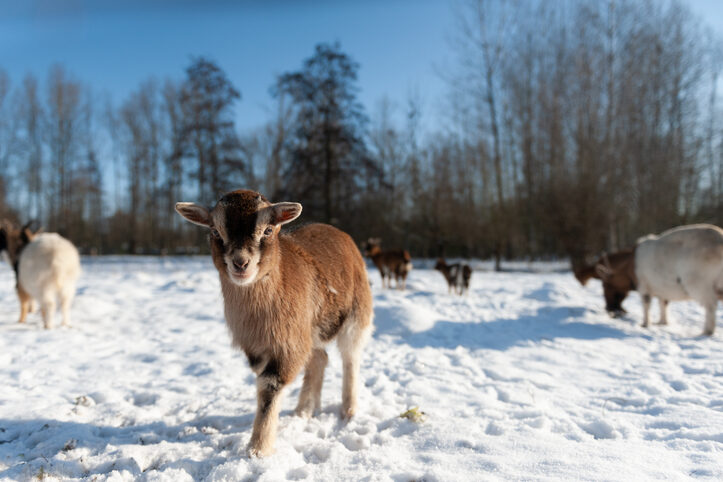
Goats are not usually the first animals people think of when it comes to memory, but they are more aware than they seem. Spend a little time around them, and you start to notice how they react differently to familiar faces. They can remember people even after long gaps, and that recognition often shows in how comfortable they seem around certain individuals. It is not dramatic, but it is noticeable once you start paying attention to the details.
What stands out is how practical their memory feels. It helps them decide who to approach and who to keep a distance from. That kind of awareness builds over time, shaped by past experiences. When a goat walks up to someone calmly, it is often because that person is not new to them. It is a quiet form of recognition that grows stronger the more you notice it. With goats, memory feels simple, but it carries more depth than most people expect.
10. Pigeons Recognize Human Patterns

Pigeons are everywhere, and because of that, they are easy to overlook. But they are constantly observing the world around them, especially the people they share space with. They can recognize human faces and remember them over time, using that information to guide their behavior. It is part of how they survive in busy environments where they have to make quick decisions about safety and opportunity.
What makes this interesting is how consistent it is. A pigeon will return to places and people it associates with food or safety, and avoid those linked to danger. It is not random movement, it is memory in action. You may not notice it at first, but once you do, their behavior starts to make more sense. They are not just reacting in the moment. They are drawing from past experiences, and that makes their everyday movements feel more intentional than they appear.
11. Ravens Build Long Term Memories
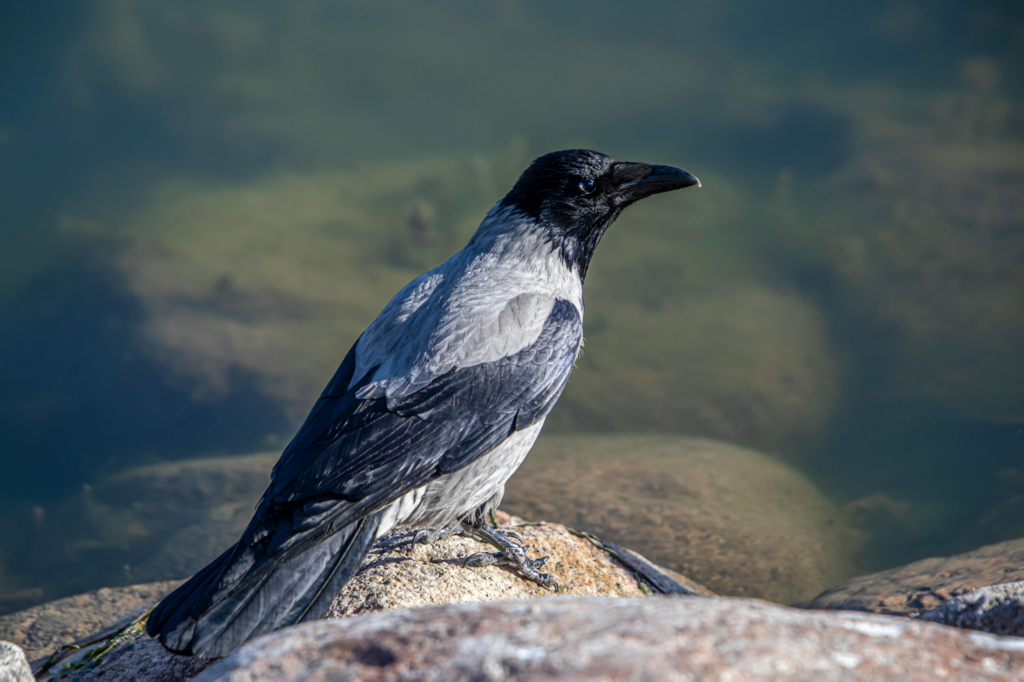
Ravens have a presence that makes you feel like they are paying attention, and in many ways, they are. They remember people and interactions over long periods, storing those experiences in ways that influence how they behave later. If you have ever felt like a raven was watching you a little too closely, it is probably because it was. They are careful observers, and that awareness turns into memory over time.
What makes ravens stand out is how they use that memory. It is not just about recognition, it is about decision making. They remember who was helpful, who was not, and where certain experiences happened. That shapes how they move through the world. There is something thoughtful about it that feels different from instinct alone. With ravens, memory feels active, like something they return to when deciding what to do next.
12. Sheep Recognize Familiar Faces
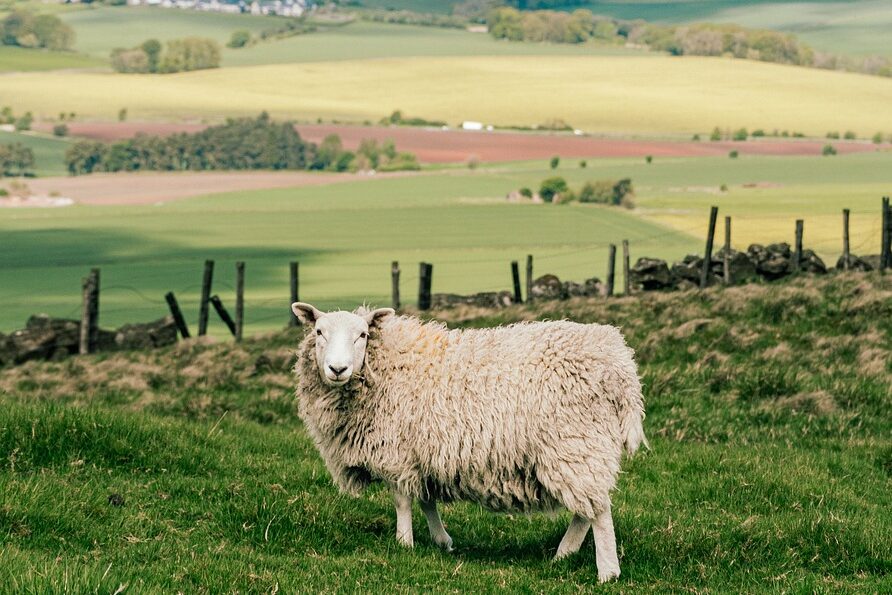
Sheep are often thought of as simple animals, but spending time around them tells a different story. They can recognize human faces and remember them for long periods, especially when those faces are tied to care and routine. It shows up in how relaxed they are around certain people compared to others. That calm behavior is not accidental. It comes from familiarity built over time.
What makes their memory feel meaningful is how steady it is. Sheep rely on recognition to feel safe, and that includes remembering who belongs in their space. When they stay calm around someone, it is often because they know them. It is a quiet kind of trust that builds slowly and stays. With sheep, memory does not try to impress, but it shows up in ways that feel consistent and real the more you observe them.
13. Bees Remember Helpful Humans
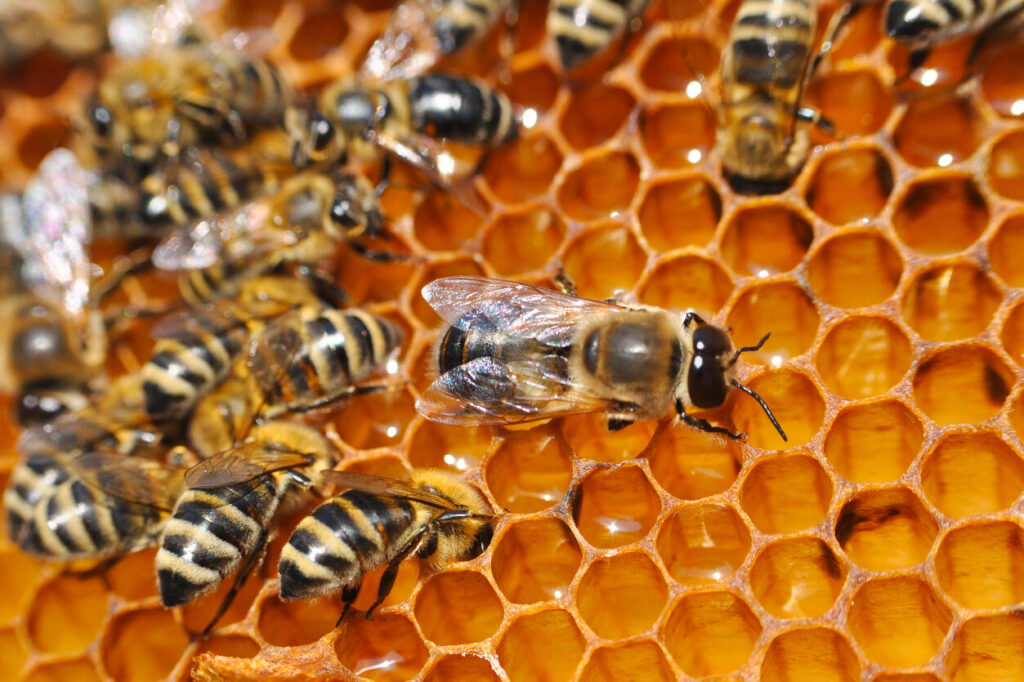
Bees may be small, but they carry a kind of memory that keeps them returning to what works. They learn quickly which places offer food and which patterns lead to reward. When humans are part of that pattern, bees can associate them with something positive. It is not personal in the same way as larger animals, but it is still a form of recognition that builds over repeated experiences.
What makes this interesting is how focused their memory is. Bees do not waste energy on what does not matter. They remember what helps them survive and return to it with precision. You see it in how they revisit the same spots again and again. It is a different kind of awareness, but it still reflects memory shaping behavior. Even at that scale, past experience continues to guide what they do next.
14. Sea Lions Recognize Trainers
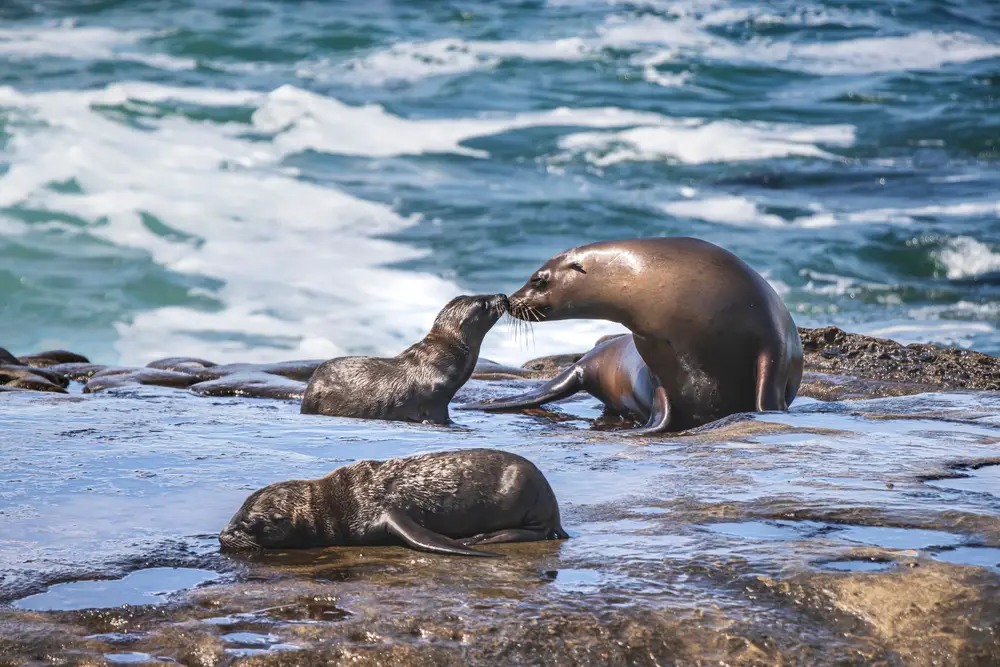
Sea lions often work closely with humans, so their memory becomes easier to notice over time. They can recognize trainers even after long periods apart, responding to familiar voices and movements in ways that feel natural. It is not just about learned commands, it is about knowing who they are interacting with. That familiarity shows up in how relaxed and responsive they become.
What stands out is how easily that recognition returns. Even after time away, the connection feels intact. Sea lions respond to people they remember with a kind of ease that is hard to miss. It is a reminder that memory is not always about repetition. Sometimes it is about connection that holds steady over time. With sea lions, that recognition feels smooth and unforced, like something that never fully left.
15. Chimpanzees Remember For A Lifetime
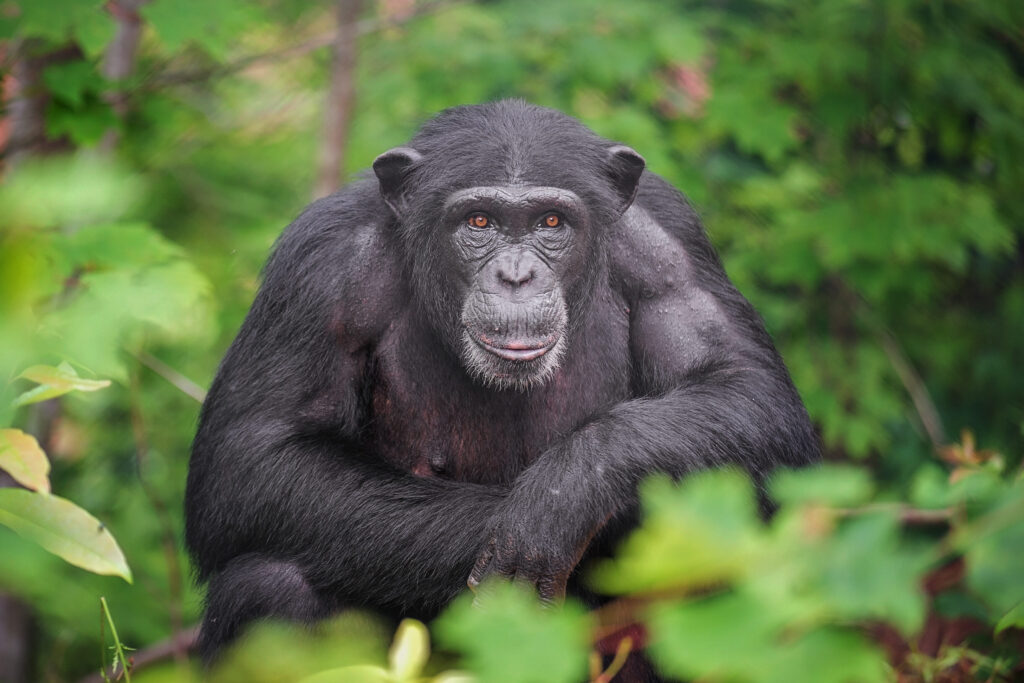
Chimpanzees bring everything back to something that feels close to home. They remember individuals for years, sometimes even decades, especially when there is a bond involved. When they reconnect with someone they knew before, it does not feel like a new interaction. It feels like something continuing from where it left off, even if a lot of time has passed in between.
What stays with you is how familiar it all feels. Their memory is tied to relationships in a way that reflects something we understand deeply. It is not just about recognizing a face, it is about remembering a connection. And that quietly brings everything together. Across all these animals, memory is not just about survival. It is about holding onto something that once mattered, and in many cases, still does.


