
Elephants Never Forget
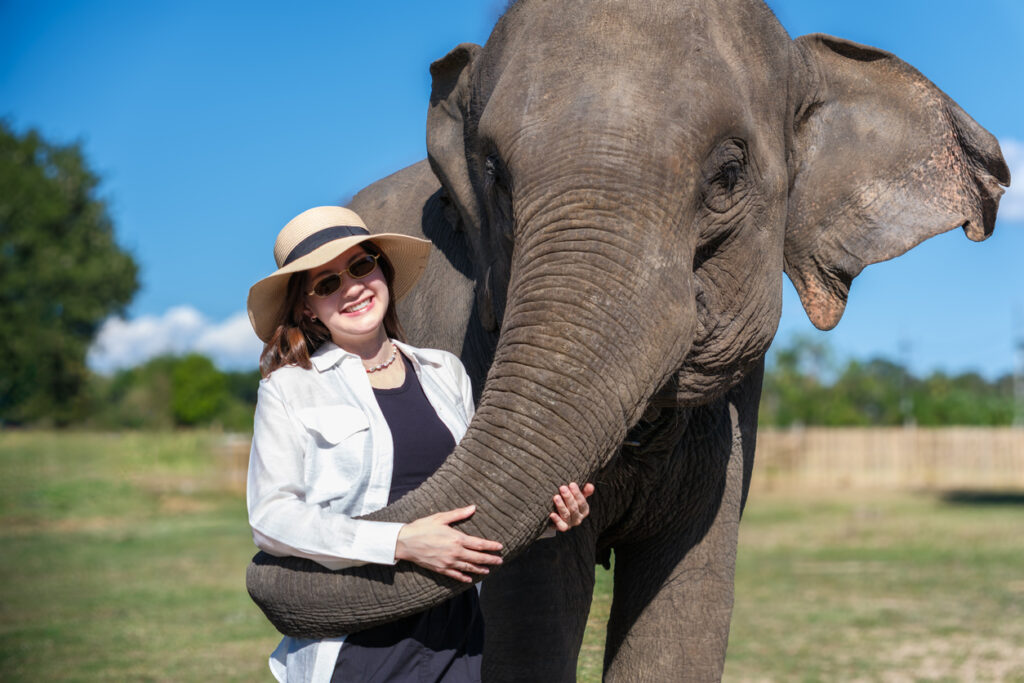
Elephants have long been celebrated for their legendary memory, and modern scientific research continues to validate this impressive reputation. Studies conducted in Kenya’s Amboseli National Park have shown that African elephants can distinguish between the voices of different human ethnic groups, specifically identifying those who have historically posed a threat to their safety. By utilizing their massive brains, the largest of any land mammal, they store complex social data that helps them navigate the world. This cognitive power allows them to recall specific scents and sounds associated with both danger and kindness for decades.
The emotional weight tied to an elephant’s memory is perhaps the most fascinating aspect of their intelligence. In 1999, a famous reunion occurred at The Elephant Sanctuary in Tennessee between two elephants, Shirley and Jenny, who recognized each other after 22 years apart. This same capacity for long-term bonding extends to humans; many rescued elephants have been documented greeting former caretakers with trumpets of joy after more than 30 years of separation. Their memory is not merely a survival tool but a deeply relational map that guides their trust.
Chimpanzees Recall Faces
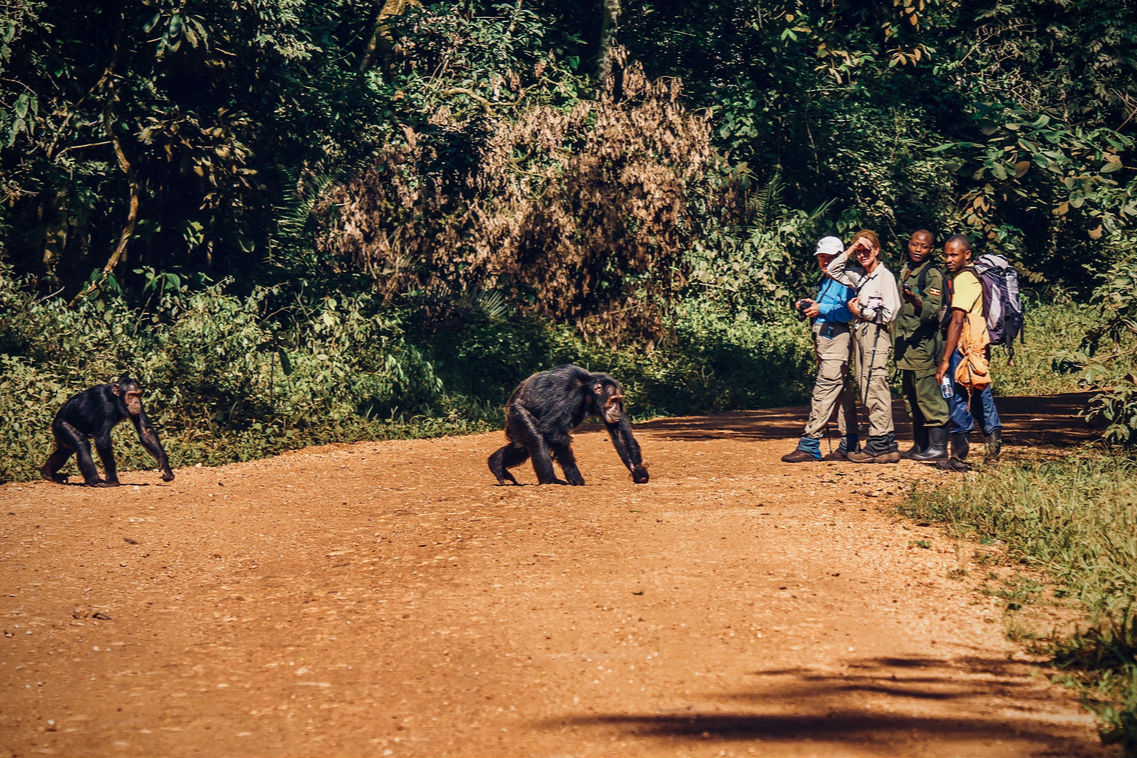
Chimpanzees, our closest living relatives, possess a visual memory that mirrors our own in many startling ways. A landmark study published in late 2023 revealed that chimpanzees can recognize photos of former group members and human caretakers even after being apart for over 25 years. This research suggests that facial recognition is deeply embedded in their evolutionary biology, allowing them to maintain social hierarchies even when individuals are absent for long periods. Their ability to process features is so sharp that they can identify a friend’s face in a fraction of a second.
In the real world, these scientific findings translate into incredibly moving encounters between apes and their former human companions. There are numerous recorded instances of retired laboratory or zoo chimpanzees displaying immediate signs of recognition and comfort when visited by researchers they hadn’t seen in decades. They don’t just remember a face; they recall the specific history of kindness or discipline associated with that person. This level of long-term recall proves that the social bonds formed between humans and chimpanzees are stored in a sophisticated cognitive “filing cabinet” that lasts a lifetime.
Bonobos Keep Bonds
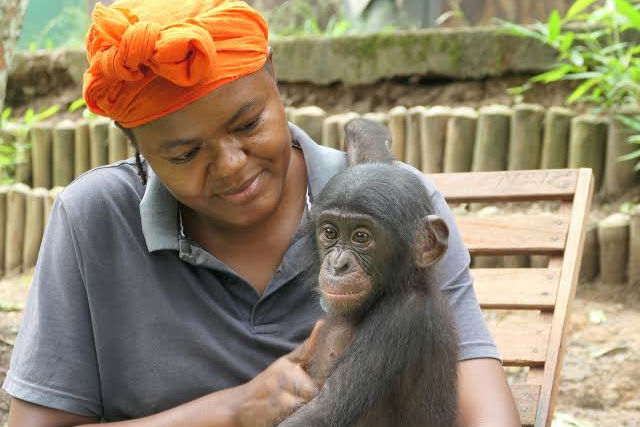
Bonobos share roughly 98.7% of their DNA with humans, and their memory for social connections is just as robust as that of their chimpanzee cousins. Research has confirmed that bonobos can hold onto the memory of a human face or a fellow ape for at least 26 years, the longest social memory ever recorded in a non-human species. Because their societies are built on cooperation and emotional intelligence rather than raw aggression, remembering who treated them well is a vital part of their daily survival and mental well-being.
What truly distinguishes bonobos is the gentle, affiliative nature of their recognition. When a bonobo identifies a familiar human from their past, they often respond with calm gestures, soft vocalizations, and an immediate willingness to engage in social grooming or play. Wildlife experts have noted that bonobos in sanctuaries appear to keep a mental record of every person who has provided them with comfort. These enduring memories show that positive human interactions leave a permanent mark on their hearts, influencing how they perceive and interact with our species for the rest of their lives.
Dogs Remember Owners

Dogs are famously known as man’s best friend, and their ability to remember their owners for years is backed by a powerful sensory toolkit. While humans rely mostly on sight, dogs use a sophisticated mix of scent, sound, and visual markers to identify their favorite people. A dog’s brain possesses a specialized area for processing “face-like” images, but it is their sense of smell, thousands of times more sensitive than ours, that allows them to store a “scent fingerprint” of a human that can remain fresh in their minds for a lifetime.
The emotional depth of a dog’s memory is best seen in the viral videos of soldiers returning home after years of deployment. Even after five or six years, a dog will often transition from initial confusion to pure, unbridled joy the moment they catch a familiar scent or hear a specific whistle. Science suggests that dogs experience “episodic-like” memory, meaning they can recall specific events and the feelings associated with them. This ensures that the bond of safety and love they felt with an owner is never truly erased, regardless of how much time or distance has come between them.
Horses Recognize People
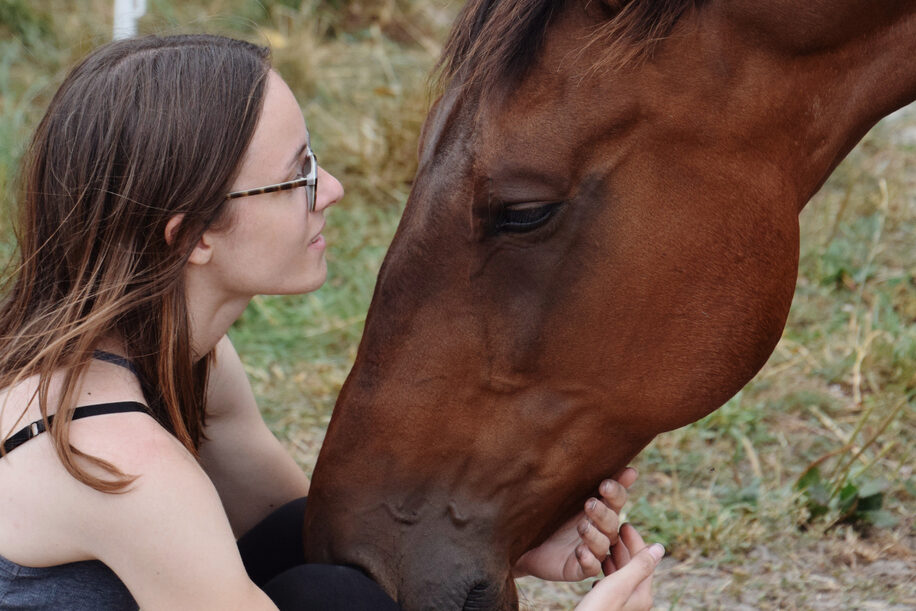
Horses have a surprising capacity for recognizing individual humans, often remembering a person’s face and voice even after several years of separation. A study conducted in 2010 by researchers at the University of Rennes in France demonstrated that horses trained by a specific person could identify that individual months later and would even show a preference for them over strangers. They are highly attuned to human body language and can even remember different facial expressions, associating a smiling face with a positive experience and a frowning one with discomfort.
In practical environments like stables and farms, this long-term memory helps horses build deep levels of trust with their handlers. A horse that was treated with patience and care during its youth will often remain docile and cooperative when it meets that same trainer years later. Conversely, they are known to hold onto negative memories, often reacting with visible anxiety if they encounter someone who treated them poorly in the past. This ability to link a person’s identity to a specific emotional outcome shows that horses are much more cognitively complex than many people realize.
Pigs Recall Kindness
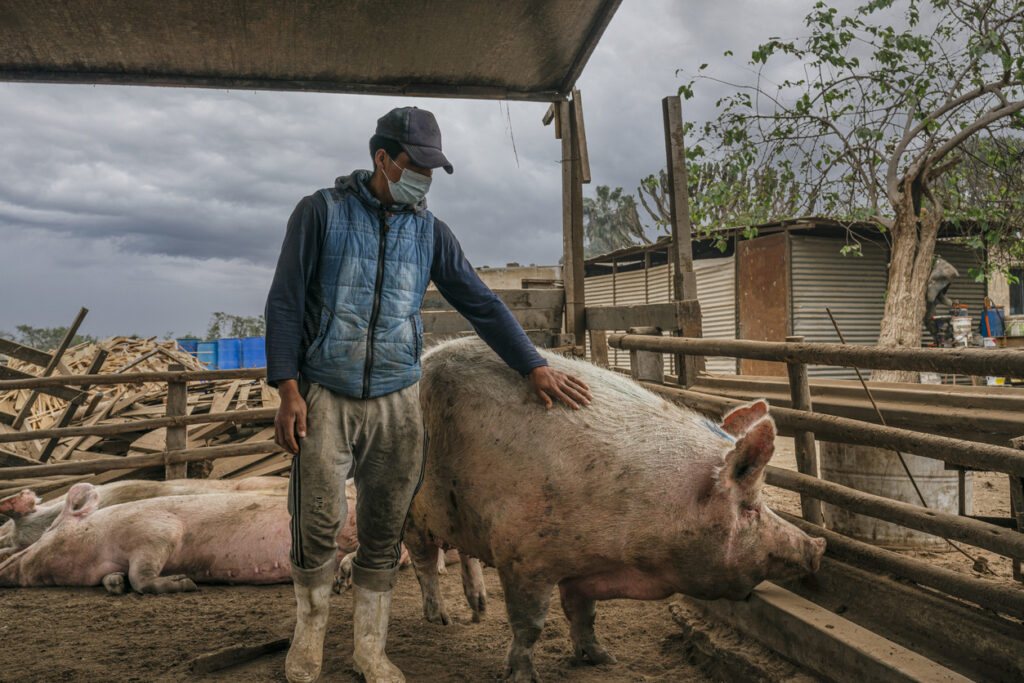
Pigs are frequently ranked among the top five most intelligent animals on Earth, often outperforming dogs in cognitive tasks. Their memory is exceptionally sharp, allowing them to navigate complex mazes and recall the locations of food sources for months. When it comes to human interaction, pigs are highly sensitive and can distinguish between different people based on their clothing, height, and general behavior. They are quick learners who can remember commands and social routines long after the initial training has ended, showing a high level of mental retention.
The social memory of a pig is most evident in how they react to human kindness. Farmers and animal sanctuary workers have documented pigs that run to greet specific visitors they haven’t seen in years, wagging their tails and grunting in recognition. Because pigs are social creatures that thrive on companionship, they form genuine attachments to humans who provide them with snacks or belly rubs. These animals don’t just remember who you are; they remember how you made them feel, which dictates whether they will approach you with curiosity or caution during a surprise reunion.
Sheep Know Faces
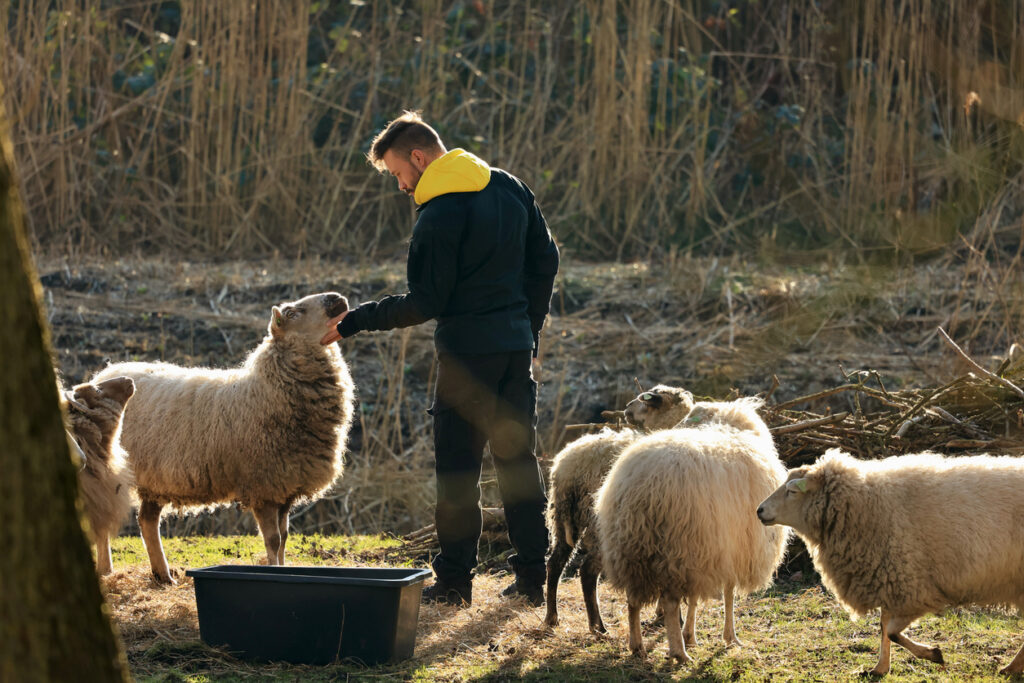
Sheep are often unfairly characterized as mindless followers, but scientific research has proven they have a “human-like” ability to recognize faces. A famous study at the University of Cambridge revealed that sheep can remember at least 50 different faces, both of other sheep and humans, for over two years. They were even able to pick out familiar faces from two-dimensional photographs, a task that requires a high level of cognitive processing. This suggests that their brains are wired for complex social recognition to help them maintain order within a flock.
This facial recognition skill makes sheep surprisingly responsive to their primary caretakers. Farmers often notice that their sheep will remain calm and cooperative when a familiar person enters the pen but will become flighty or stressed if a stranger appears. Their memory also allows them to recall past events; for example, a sheep might remember which person gave them a treat versus who performed a stressful medical check. These findings challenge the old “dumb sheep” stereotype and highlight a level of social awareness that allows them to maintain long-term mental connections with the humans in their lives.
Bears Remember Caretakers
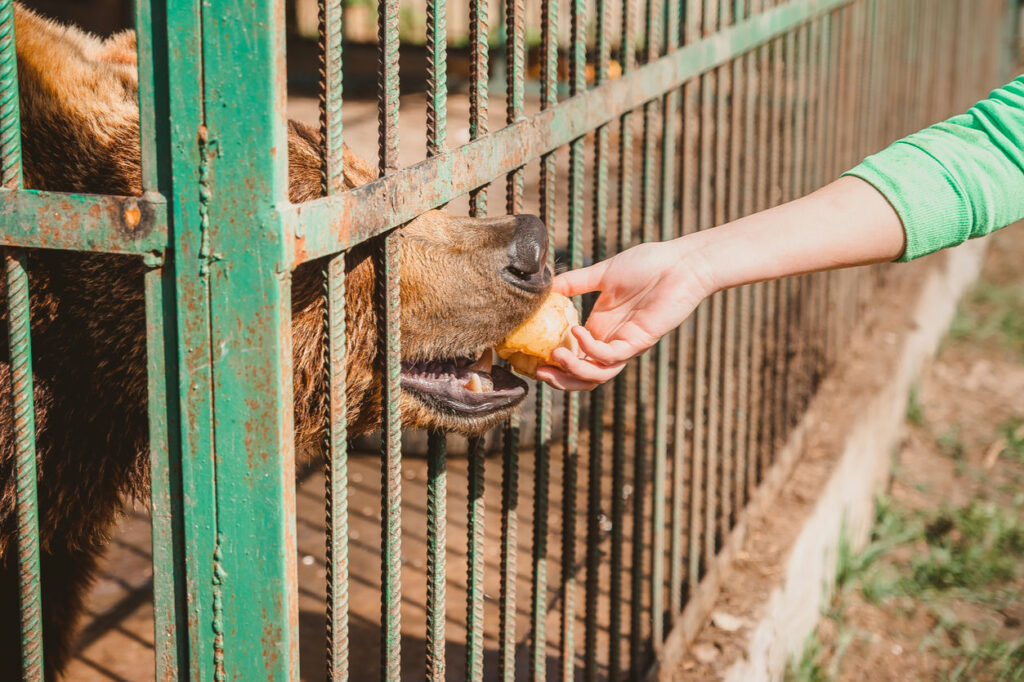
Bears may be solitary predators in the wild, but they possess a level of intelligence and long-term memory that rivals that of some primates. In wildlife rehabilitation centers, bears have been known to recognize the humans who raised them even after they have grown into massive adults and been moved to different enclosures or released. These memories are often tied to the “food-reward” system, but there is also a clear social component where the bear recognizes the voice and scent of a trusted individual, leading to a visible change in their temperament.
One notable example of this memory involved a bear named Brutus and his lifelong bond with naturalist Casey Anderson. While most bears are naturally wary of humans, those that have formed early bonds show a remarkable ability to distinguish their human “friends” from strangers even after years have passed. This selective memory serves as a survival mechanism in the wild, helping them remember the best fishing spots and territories, but it also allows them to maintain a sense of familiarity with people who showed them care during their most vulnerable stages of life.
Wolves Recall Bonds
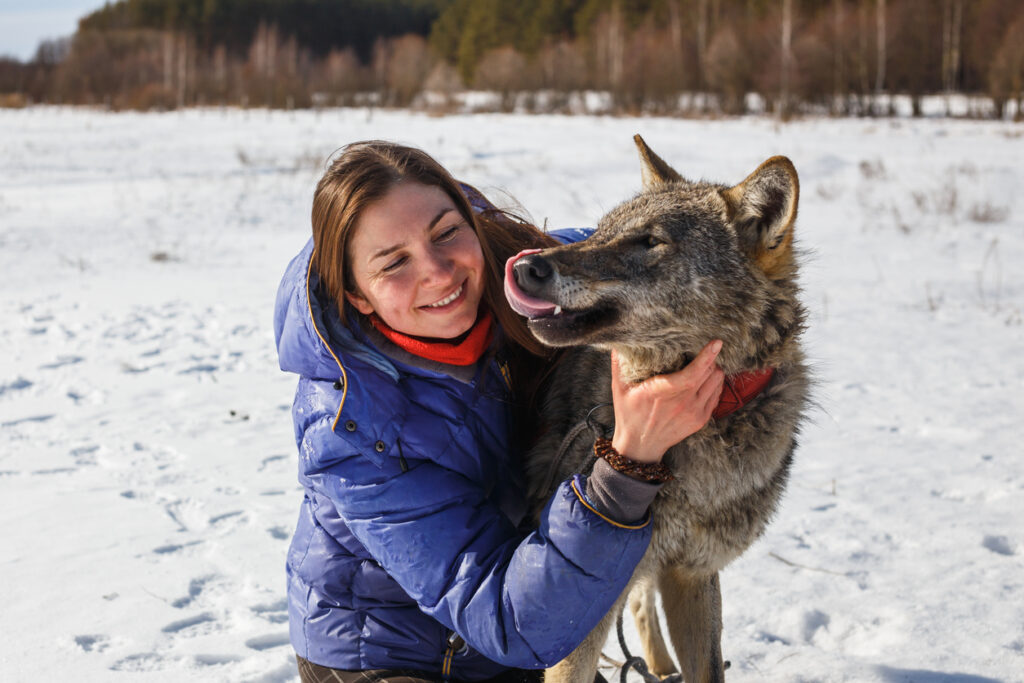
Wolves are the wild ancestors of our domestic dogs, and they share the same fundamental capacity for deep, enduring social memory. In various sanctuaries and research facilities, wolves have been observed reacting with intense excitement when reunited with human researchers or rescuers after years of absence. These reunions often involve the wolf “lumping” the human into their pack structure, greeting them with submissive licking and tail-wagging. Unlike many other wild animals, once a wolf trusts a human, that bond is often etched into their memory for the rest of their life.
This ability to remember humans is rooted in the wolf’s highly developed social brain, which is designed to track every member of a complex pack. Because survival in the wild depends on knowing who is a friend and who is a foe, their memory for individuals is incredibly sharp. When a human provides a wolf with food or protection during its youth, the wolf stores that person’s “profile” permanently. This long-term recall proves that the capacity for loyalty and recognition didn’t just appear in dogs, it was a trait already present in the wolves that first sat by our fires.
Crows Hold Grudges
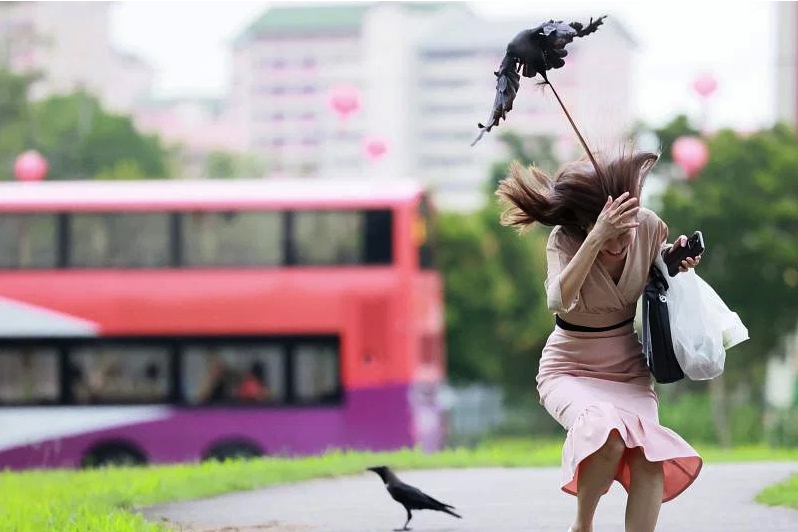
Crows are widely considered some of the most intelligent birds in the world, and their memory for human faces is legendary among scientists. A famous experiment at the University of Washington used “dangerous” masks to see if crows would remember a person who had trapped and banded them. Years later, the crows not only recognized the mask and scolded the wearer, but they also taught their offspring and other members of the flock to avoid that specific “face.” Viral videos of crows attacking passerbys and residents of a community also add to this notion. This shows that crows can maintain a grudge for over half a decade.
Conversely, crows are also capable of remembering humans who treat them with kindness. There are many documented cases of “neighborhood crows” leaving small gifts, like shiny trinkets or stones, for people who regularly feed them. They can distinguish between a person who is a threat and a person who is a source of food from a great distance, often reacting before the human even speaks. This incredible ability to categorize humans based on past interactions ensures their survival in urban environments, making them one of the few animals that truly watches and remembers us.
Dolphins Remember Voices

Dolphins are widely regarded as some of the most intelligent creatures in the ocean, and their memory abilities certainly support that glowing reputation. A landmark study published by the Royal Society in 2013 found that bottlenose dolphins can remember the unique “signature whistles” of their former companions for more than 20 years. These whistles function almost like individual names, allowing dolphins to recognize one another even after decades of separation. Researchers believe this is one of the longest social memories ever recorded in the animal kingdom, rivaling that of humans and elephants.
Their ability to remember specific humans follows a very similar and impressive pattern. Dolphins that have worked closely with trainers or interacted frequently with certain coastal residents often show clear signs of recognition many years later. Marine biologists have observed dolphins responding more readily to familiar voices and hand signals, even after long gaps without any contact. This suggests that their memory is not only auditory but also tied to deeply learned behaviors and emotional trust. In environments where cooperation is key to survival, this long-term recall helps dolphins maintain stable, meaningful relationships over time.
Ravens Track People

Ravens, the larger and often more mysterious relatives of crows, display a similar level of high intelligence and memory, particularly when it comes to human faces. Scientific studies have shown that ravens can remember individuals who have treated them “fairly” or “unfairly” in food-sharing experiments for at least a month, with anecdotal evidence suggesting these memories last for years. This ability is linked to their advanced problem-solving skills, which are among the most sophisticated in the bird world, allowing them to navigate complex social landscapes.
In various experimental settings, ravens have been observed recalling people who either shared a high-quality treat or withheld it, adjusting their future interactions based on that past experience. They are also capable of “social eavesdropping,” meaning they can watch how a human treats another raven and learn indirectly whether that person can be trusted. This suggests that their memory is both personal and highly social. In the wild, such sharp recall helps them thrive in areas where human presence is common, as they can quickly decide which hikers might share a snack and which ones to avoid entirely.
Parrots Recall Owners

African Grey parrots are famous for their exceptional cognitive abilities, which are often compared to the intelligence levels of a five-year-old child. Their memory plays a fundamental role in their capacity to learn hundreds of words, mimic complex household sounds, and form intense, lifelong bonds with their human companions. Long-term observations by avian behaviorists have shown that these parrots can remember the specific people who raised or cared for them, even if they are separated for five to ten years or more.
What makes their memory particularly striking is the profound emotional depth attached to it. Parrots often form a “one-person” bond, and they may become visibly withdrawn or even refuse to eat if their favorite human is away for an extended period. When reunited, owners frequently report that their birds immediately use specific phrases or nicknames that were unique to that relationship, showing instant recognition. This behavior proves that their memory is closely tied to emotional safety and social belonging. In both domestic and research settings, parrots continue to demonstrate that they don’t just mimic us; they truly remember us.
Sea Lions Remember Trainers
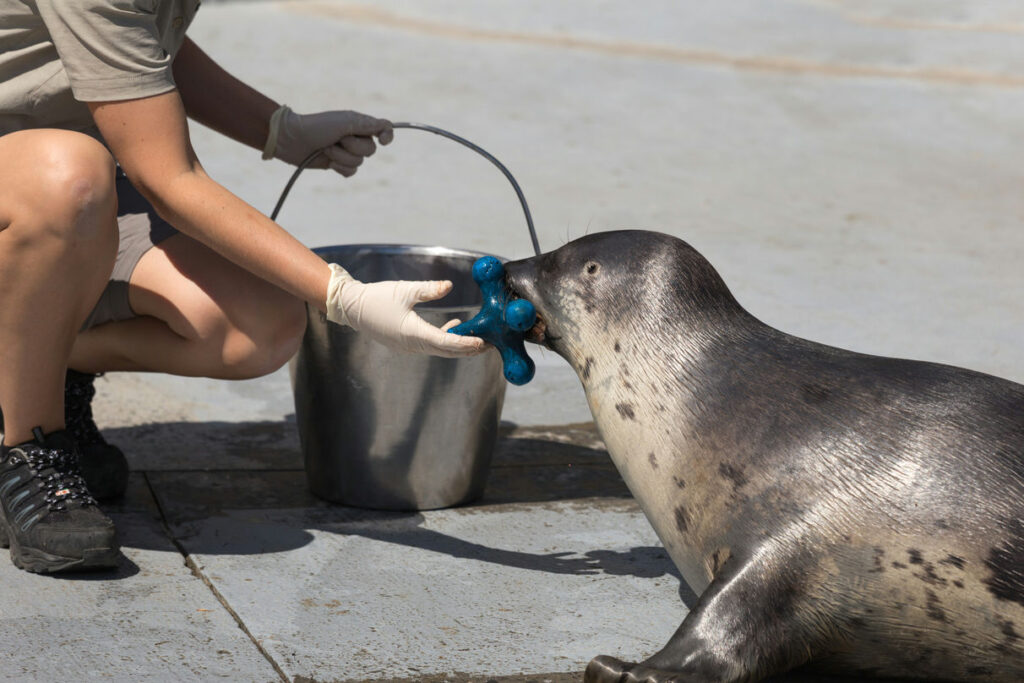
Sea lions are highly social and trainable marine mammals, and their ability to remember complex tricks and behaviors is well documented in marine parks globally. However, what is perhaps more surprising is their specific capacity to remember the individual humans associated with those tasks. In controlled studies conducted by the Long-term Memory Project, California sea lions demonstrated the ability to recall specific symbols and trained responses even after a ten-year gap without any practice or reinforcement of the material.
This incredible long-term retention is essential in environments where consistency and mutual trust are required between animal and handler. Trainers often rely on these established relationships to guide sea lions through medical checkups or public demonstrations, and the animals appear to retain these associations effortlessly over time. When reunited with a familiar handler from their past, sea lions frequently respond more quickly and with much more confidence than they do with strangers. Researchers believe this ability is linked to their natural need to recognize colony members in the wild, allowing them to bridge long temporal gaps in their social lives.
Penguins Return To Friends

Penguins may not be the first animals that come to mind when discussing high-level memory, yet certain species have shown a remarkable ability to recall specific human interactions. One of the most famous cases involved a Magellanic penguin named Dindim, who was rescued from an oil spill in 2011 by a man in Brazil. For years afterward, the penguin reportedly swam thousands of miles each year to return to the same beach to visit his rescuer. While these specific “friendship” stories are rare, they are supported by broader scientific observations of penguin colony behavior.
In the wild, penguins rely heavily on vocal and visual recognition to identify their mates and chicks among tens of thousands of near-identical individuals. This specialized skill extends to humans in certain settings, especially when a strong, life-saving interaction has taken place. Researchers studying penguin colonies in Antarctica have noted that these birds can distinguish between familiar scientists and tourists, often showing significantly lower stress levels around those they recognize. Even though their memory may not be as multifaceted as a primate’s, it is clearly effective and enduring, proving that even in the coldest climates, meaningful encounters are never truly forgotten.


