
1. Cuba Gooding Jr.
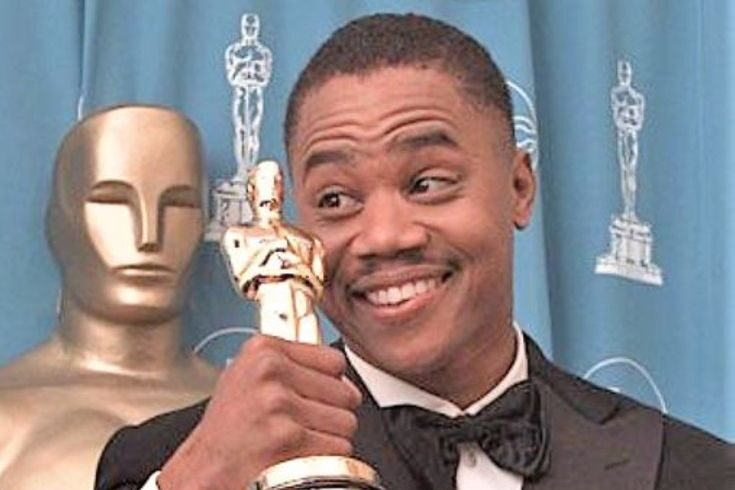
People often assume that winning an Oscar means a career will suddenly open up in every direction. Hollywood stories rarely follow such neat paths. Some actors win the award and ride the wave for decades, while others find the road after that golden moment surprisingly uneven. Cuba Gooding Jr. is often mentioned in those conversations. When he won Best Supporting Actor for Jerry Maguire in 1997, the excitement in the room felt electric. His emotional acceptance speech and the unforgettable “Show me the money!” energy made it seem like he had stepped into a new level of stardom. For a while, that certainly appeared to be the case. Studios wanted his enthusiasm and charm, and audiences remembered the performance fondly.
But the years that followed did not always deliver the same kind of strong roles that could sustain that momentum. As new projects arrived, many of them struggled to connect with critics or audiences in the way Jerry Maguire had. A few comedies missed the mark, and some films passed quietly through theaters without much attention. The contrast between that Oscar night and the quieter years afterward became part of the conversation around his career. It never meant the talent disappeared. If anything, the situation showed how unpredictable Hollywood can be even for actors who deliver memorable performances. That early triumph remains a moment fans still talk about today.
2. Mira Sorvino
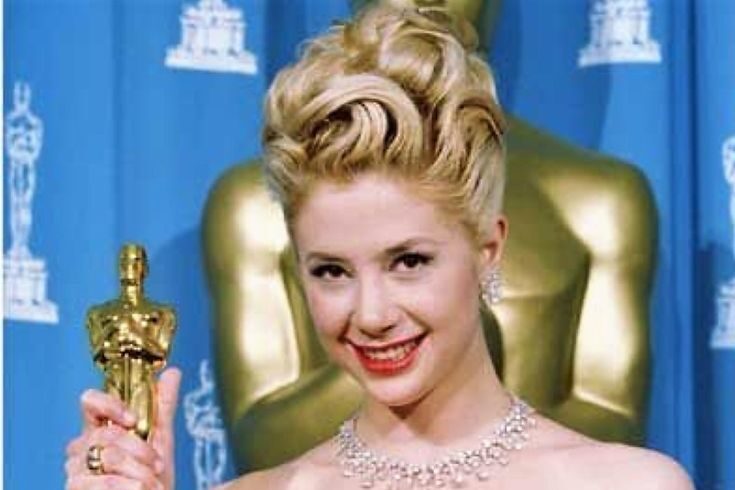
When Mira Sorvino won Best Supporting Actress for Mighty Aphrodite in 1996, the future seemed wide open. Her performance carried warmth, intelligence, and quick comedic timing that made audiences instantly like her. Many people watching that Oscar ceremony assumed she would soon become one of the most familiar faces in romantic comedies and dramas alike. She had the kind of presence that felt both approachable and sharp, which usually leads to steady opportunities in Hollywood. For a brief period after the award, that expectation felt reasonable. She appeared in several films and seemed to be building a strong body of work through the late nineteen nineties.
Yet the pace of those opportunities slowed sooner than most people expected. Years later, discussions about her career began to include a more complicated background. Sorvino spoke publicly about how she believed rejecting advances from powerful producer Harvey Weinstein harmed her career. The topic resurfaced when other filmmakers confirmed hearing negative things about her during casting discussions. Hearing those accounts changed how many viewers looked back at her filmography. The Oscar had clearly shown what she could do as an actor. The quieter years afterward seemed less like a lack of talent and more like a reminder that the film industry sometimes shapes careers in ways audiences never fully see.
3. Adrien Brody
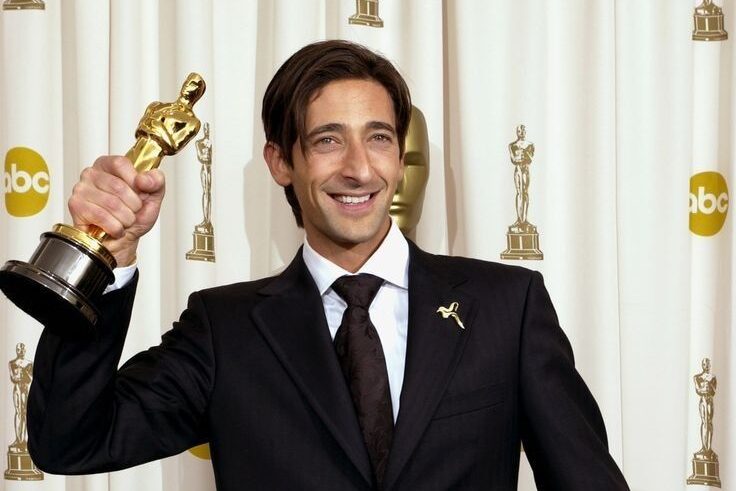
Adrien Brody’s Oscar win for The Pianist in 2003 carried a special kind of history. At twenty nine, he became the youngest actor ever to win Best Actor, which made the achievement feel even more remarkable. His performance in the film was quiet, emotional, and deeply immersive. Audiences watched a character survive unimaginable hardship, and Brody carried the story with a sensitivity that critics praised around the world. For a moment, it looked like the beginning of a long run of major dramatic roles. Hollywood seemed ready to welcome a new leading man whose style leaned toward thoughtful storytelling.
The expectations around his career grew quickly after that night. What followed was not failure but a series of projects that rarely captured the same cultural moment. Brody continued acting regularly in independent films, studio projects, and collaborations with distinctive directors. Still, none of those roles quite matched the intense attention that surrounded The Pianist. The situation reflects something many actors quietly acknowledge about the industry. One exceptional role can arrive at exactly the right time and become almost impossible to replicate. Brody remains respected for his craft, yet that performance continues to stand as the moment when audiences first saw the full depth of what he could bring to the screen.
4. Halle Berry
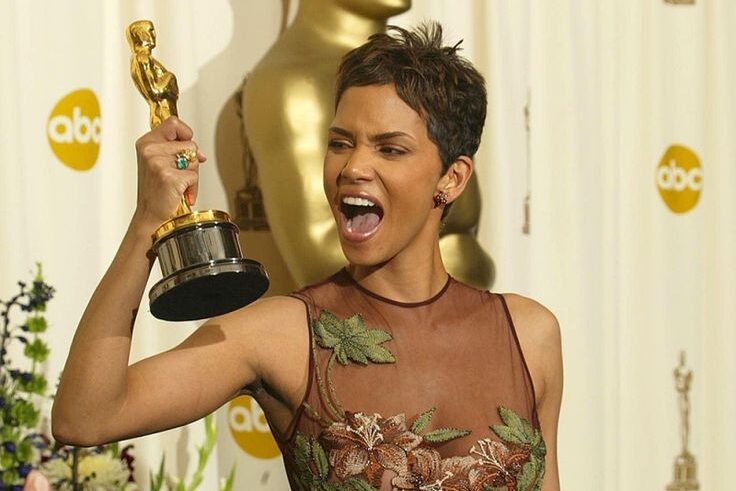
Halle Berry’s Best Actress win for Monster’s Ball in 2002 carried enormous historical meaning. When her name was announced, the moment instantly became part of Oscar history because she became the first Black woman to win the award in that category. Her emotional speech reflected how important the achievement felt not just for her but for many other performers watching. The room understood the significance of the moment, and audiences around the world felt it as well. Many people assumed the win would immediately open the door to a new wave of dramatic roles for Berry and other actresses of color.
It felt like a turning point that might reshape casting decisions across the industry. The years that followed proved more complicated than that hopeful expectation. Berry continued to work in major films and remained one of the most recognizable actors in Hollywood. Still, the number of complex dramatic roles available to her did not grow as quickly as many hoped. She spoke candidly about that reality in interviews, noting that the historic win did not automatically change how the industry created opportunities. Even so, the performance in Monster’s Ball remains powerful and continues to represent a meaningful moment in film history.
5. Mo’Nique
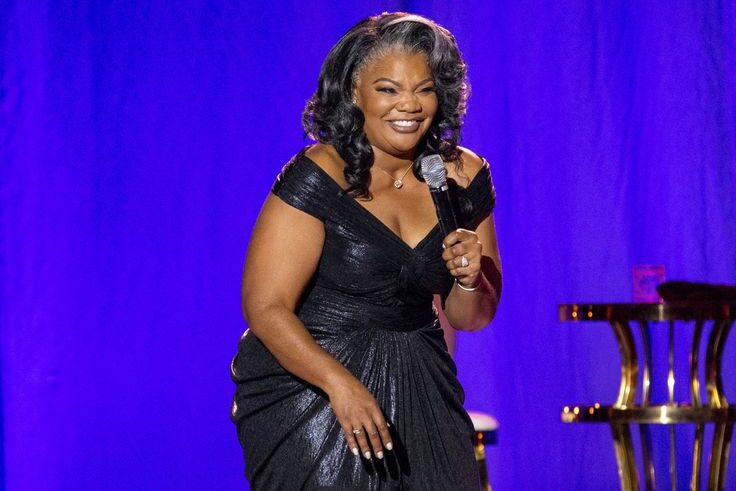
Mo’Nique delivered one of the most intense performances of her career in the film Precious. Her portrayal of Mary was unsettling, painful, and unforgettable. Audiences saw a character filled with anger and cruelty, yet the performance carried a depth that made viewers understand the complicated emotions beneath the surface. When she won Best Supporting Actress in 2010, the recognition felt fully deserved. Many people assumed that the win would open a new chapter for her as a dramatic film actor. The role had proven she could handle emotionally demanding material.
Instead, her film appearances became surprisingly rare in the years afterward. Mo’Nique later explained that disagreements with industry expectations during the awards campaign created tension with some decision makers. The situation led to long conversations about how awards seasons operate behind the scenes. Regardless of those details, audiences simply noticed that the powerful presence they saw in Precious did not appear on screen as often as expected. Her Oscar remains a vivid reminder of how strong that performance was. Sometimes one extraordinary role becomes the moment people remember most clearly, even when the career path afterward takes a quieter and less predictable direction.
6. F. Murray Abraham
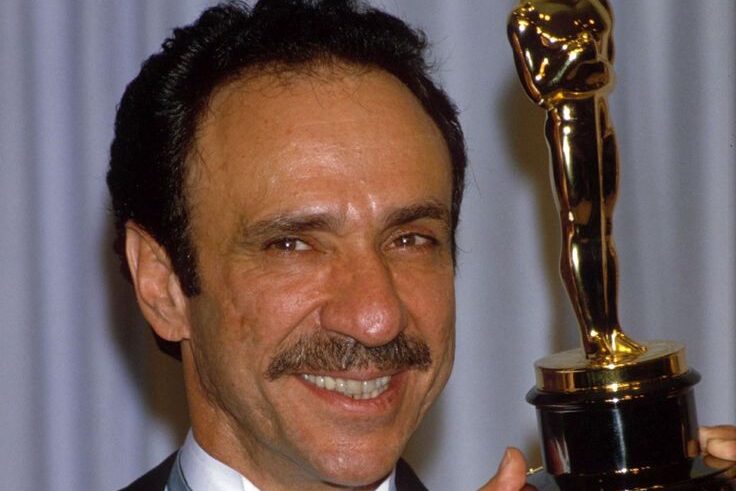
F. Murray Abraham’s portrayal of Antonio Salieri in Amadeus remains one of the most fascinating performances in film history. The character required layers of jealousy, admiration, humor, and bitterness, often shifting between those emotions within a single scene. Abraham brought all of that complexity to life in a way that felt theatrical yet deeply human. When he won Best Actor in 1985, the achievement seemed like the start of a major film career filled with similar roles. The performance was widely praised by critics and audiences alike.
The film itself became an enduring classic about creativity and rivalry. What followed was a steady career that moved across theater, television, and film rather than focusing entirely on major Hollywood productions. Abraham continued working consistently, building a reputation as a respected character actor in many different projects. Still, none of those later roles carried the same cultural impact as Salieri. The situation illustrates something that happens occasionally in film history. An actor delivers a performance so distinctive that it becomes the defining moment of their career, and for Abraham that defining moment remains Amadeus.
7. Timothy Hutton

Timothy Hutton’s performance in Ordinary People brought an unusual level of emotional honesty to the screen. Playing a teenager struggling with grief and guilt, he delivered a performance that felt remarkably mature for someone so young. When he won Best Supporting Actor in 1981 at only twenty years old, he became the youngest winner in that category. The achievement instantly placed him among Hollywood’s most promising young actors. Many observers assumed the award would lead directly to a long series of major film roles.
As the years passed, however, Hutton’s career developed in a different direction. While he continued acting regularly, much of his work appeared in television rather than large theatrical releases. The change reflected how the entertainment industry itself was evolving. Television began offering complex roles that once existed mainly in film. Hutton adapted to that environment and built a long career in that space. Still, audiences who remember Ordinary People often return to that early performance with admiration because it remains one of the most sincere portrayals of teenage grief ever filmed.
8. Marisa Tomei

Marisa Tomei’s performance as Mona Lisa Vito in My Cousin Vinny brought a lively spark to the courtroom comedy. Her character mixed sharp intelligence with humor and confidence, creating scenes that audiences still quote today. When she won Best Supporting Actress in 1993, the victory surprised some viewers who expected another nominee to take the award. That surprise eventually turned into years of strange rumors claiming the wrong name had been read during the ceremony. The Academy dismissed those stories and confirmed the result repeatedly.
Over time, many critics began defending the performance more strongly as people revisited the film. Despite the memorable role, the immediate years after the Oscar did not bring the wave of leading parts some predicted. Tomei continued acting in films of different sizes, often appearing in independent productions rather than major studio releases. The quieter period allowed her to explore a variety of characters without the pressure of constant blockbuster visibility. Looking back now, the debate around the Oscar has faded while the performance itself has grown more appreciated among audiences.
9. Roberto Benigni
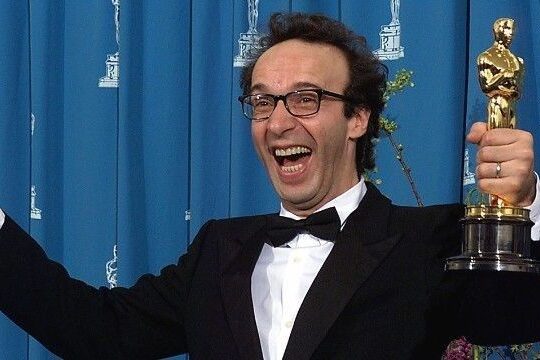
Roberto Benigni created one of the most unforgettable Oscar moments when Life Is Beautiful won in 1999. As his name was announced, he climbed across the seats of the theater in excitement before reaching the stage. The celebration perfectly matched the spirit of the film, which blended humor and heartbreak in a way that touched audiences around the world. Benigni’s performance carried both innocence and emotional depth, making the story resonate far beyond language barriers. For a time it seemed possible he would continue bringing that energy to global cinema.
The films that followed never quite reached the same worldwide spotlight. Benigni remained active in Italian cinema and continued creating projects that reflected his personal style. Life Is Beautiful had captured a rare moment when a story connected deeply across cultures. That kind of success can be difficult to repeat. Instead of chasing the same formula again, Benigni focused on creative work that mattered to him personally. The Oscar winning performance continues to hold a special place in film history and still represents the joyful spirit many viewers associate with his work.
10. Jean Dujardin

Jean Dujardin surprised many viewers when The Artist arrived in theaters. At a time when modern cinema relied heavily on dialogue and digital effects, the film returned to the silent storytelling style of early Hollywood. Dujardin carried the movie through expressions, gestures, and physical performance rather than spoken lines. The approach charmed audiences and critics and eventually earned him the Best Actor Oscar in 2012. For a short period, it appeared he might become one of the most visible international actors working in Hollywood.
The success of the film created excitement around what roles might come next. In the years that followed, Dujardin continued acting in both French and international productions. Yet none of those films captured the same cultural moment as The Artist. Part of the reason may lie in how unique that project was. The movie celebrated nostalgia for a specific era of filmmaking, which made it stand apart from other films at the time. Once that moment passed, the industry returned to its usual rhythms, leaving that Oscar winning performance as a memorable highlight.
11. Geena Davis

Geena Davis had already built an interesting career before winning Best Supporting Actress for The Accidental Tourist in 1989. She appeared comfortably in both comedies and dramas, showing a versatility that made her stand out among actors of that era. The Oscar confirmed her ability to bring warmth and emotional nuance to supporting roles. In the years that followed, she continued appearing in notable films including Thelma and Louise and A League of Their Own. Those projects helped strengthen her reputation as a performer who could balance humor with sincerity.
As time passed, Davis began focusing on another part of the entertainment industry that mattered deeply to her. She became increasingly involved in studying how women are represented in film and television. This interest eventually led her to establish the Geena Davis Institute on Gender in Media. Through research and advocacy, the organization examines how representation shapes cultural expectations. Davis’s acting career continued, but her influence expanded into a different area of filmmaking, showing that a career in entertainment can evolve beyond acting alone.
12. Jennifer Hudson
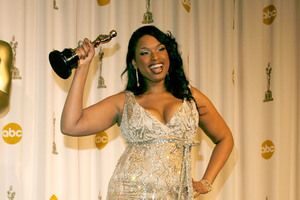
Jennifer Hudson’s performance in Dreamgirls introduced film audiences to a voice that felt almost impossible to ignore. Her rendition of the song “And I Am Telling You I’m Not Going” became one of the most memorable scenes in the movie. When she won Best Supporting Actress in 2007, the recognition confirmed what many viewers already felt after hearing that powerful performance. Hudson seemed ready to become one of the defining voices in film musicals. The emotional intensity she brought to the role suggested a career filled with similar opportunities.
What happened instead was a shift back toward the music career that first brought her public attention. Hudson released successful albums, performed on major stages, and built a strong reputation within the music industry. Acting remained part of her creative life, though it appeared less frequently than fans initially expected. The Oscar winning performance in Dreamgirls still stands as a remarkable introduction to her abilities as a screen actor. At the same time, it also reflects how artists sometimes follow the path that feels most natural to them.
13. Anna Paquin

Anna Paquin achieved something extraordinary when she won Best Supporting Actress for The Piano in 1994 at only eleven years old. Her performance carried a quiet intensity that surprised many viewers who had not seen such emotional depth from someone so young. The Oscar instantly placed her among the most talked about child actors of the decade. As she grew older, audiences watched with curiosity to see how her career might develop in adulthood. The transition from child actor to adult performer is rarely simple.
Paquin gradually found a new rhythm in television rather than focusing entirely on film. Her role in the series True Blood introduced her to a generation of viewers who had not seen her early work. Television at that time was beginning to offer complex characters that rivaled many film roles. Paquin embraced that opportunity and built a long running presence through the series. The Oscar she won as a child remains an important milestone in her story and still reminds audiences of the remarkable talent she showed at such a young age.
14. Hilary Swank
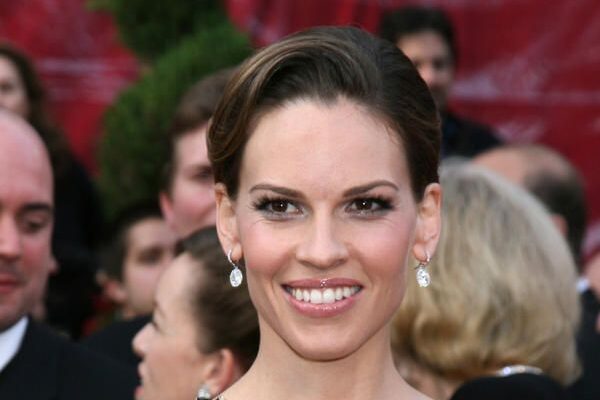
Hilary Swank’s career includes the rare achievement of winning two Best Actress Oscars. Her performances in Boys Don’t Cry and Million Dollar Baby were deeply transformative and required intense dedication. Both roles demanded emotional depth and physical commitment, which helped earn the admiration of critics and audiences. With two Academy Awards, it seemed likely that Swank would continue leading major dramatic films for many years. The recognition placed her among a small group of actors who reached that level of acclaim more than once.
Despite those achievements, the projects that followed did not always attract the same level of attention. Swank continued working across independent films and television while exploring different kinds of characters. Many viewers still associate her most strongly with those two defining performances. The contrast illustrates how awards can sometimes create expectations that are difficult to match repeatedly. Swank remains respected for her dedication to the craft, though the powerful roles that earned her Oscars continue to stand as the most widely remembered moments of her film career.
15. Louise Fletcher
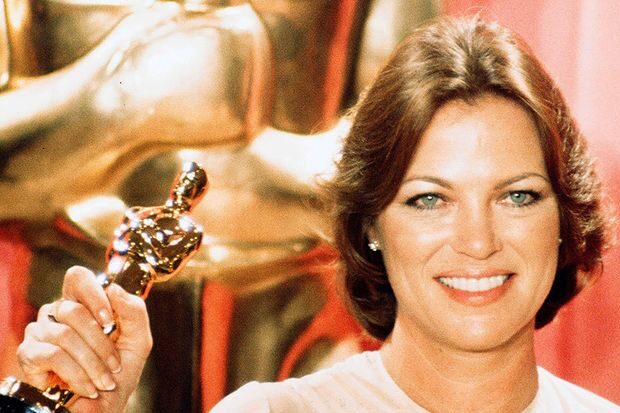
Louise Fletcher delivered one of the most unforgettable performances in film history when she played Nurse Ratched in One Flew Over the Cuckoo’s Nest. The character was calm, controlled, and quietly terrifying, which made the performance even more powerful. When Fletcher won the Best Actress Oscar in 1976, the recognition felt fully deserved. Her role became instantly iconic, and many viewers assumed she would move quickly into a long run of leading roles in major films. The performance had that kind of impact. It showed an actor capable of commanding a scene with very little movement or raised voice.
The years that followed were steady but far less visible than that remarkable breakthrough. Fletcher continued acting in films and television, often in supporting roles that showed her skill without carrying the same spotlight. None of those projects quite matched the cultural weight of Nurse Ratched. Still, that single performance remains deeply respected by audiences and critics alike. It is one of those roles that seems frozen in film history. And if you think about it, chances are you have seen an Oscar winning performance like that too, where one actor delivered a role so unforgettable that it became the moment everyone remembers first.


