
A Different Kind of Childhood Freedom

Looking back at the 1970s reveals a fascinating world where children were raised with a level of independence that feels almost alien today. During this era, many parents operated on the belief that giving kids the space to explore their surroundings was the best way to build grit and self-reliance. While basic safety rules existed, they were rarely as detailed or strictly enforced as the guidelines we follow in the modern age. As a result, everyday life for a child often involved taking risks that would trigger an immediate call to emergency services in 2026.
This shift in parenting styles mostly comes down to how much our collective knowledge has grown over the last fifty years. In the mid-1970s, research into childhood hazards and car safety was still in its infancy; for instance, while the first federal safety standards for child seats were established in 1971, they weren’t strictly regulated for years. Families often relied on their gut instincts rather than professional manuals or digital tracking apps. It is truly surprising to see how quickly social norms can flip from being “totally fine” to “completely unthinkable” as new data emerges.
Riding Without Helmets

During the 1970s, seeing a kid racing down the street on a bicycle without a helmet was the absolute norm. At that time, helmets weren’t even marketed to the general public for casual neighborhood riding, and most families didn’t view them as a necessity for a trip to the park. Children would fly down steep hills or try out risky stunts on their Schwinn bikes with nothing but the wind in their hair. Parents generally trusted that falling off was just part of the learning process and that kids would eventually find their balance.
The push for mandatory helmet use didn’t actually gain significant political or social steam until the late 1980s and early 1990s. This was the period when medical studies began proving a direct link between head protection and a massive reduction in permanent brain injuries. Back in the day, a “concussion” was often dismissed as just having your “bell rung,” and a few stitches were seen as a badge of honor. Today, with our advanced understanding of neurology, riding without a lid is seen as a massive safety failure rather than a simple rite of passage.
Roaming Without Supervision
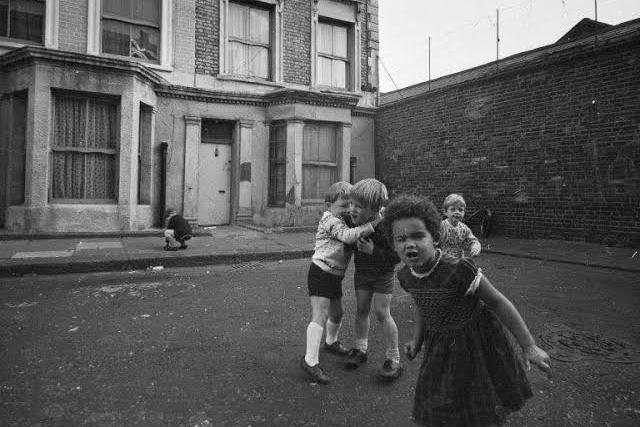
In the 1970s, children enjoyed a level of freedom that allowed them to disappear for hours at a time without a single adult in sight. It was standard practice for a child to leave the house after breakfast and only return when the streetlights flickered on for dinner. Without smartphones or GPS trackers, parents had no way of knowing exactly where their kids were. Instead, neighborhoods relied on a loose “village” system where everyone looked out for each other, though kids were mostly left to settle their own disputes.
This total independence was intended to help children develop problem-solving skills and a strong sense of direction. They had to navigate their towns, manage their own time, and figure out how to get home if they got lost. However, from a modern perspective, the potential risks of traffic and predatory behavior have made this “free-range” style much less common. While some people argue that we have become overprotective, the shift reflects a 2026 society that is much more tuned into the specific dangers that children might face when left entirely to their own devices.
No Car Seats Or Seatbelts
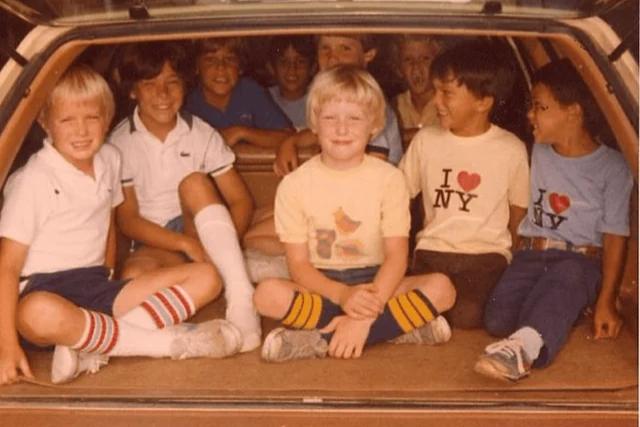
Traveling in a car during the 1970s was a wild experience compared to the high-tech safety bubbles we drive today. Many children rode in vehicles without being buckled in at all, and car seats for toddlers were often seen as optional luxuries rather than life-saving tools. It wasn’t unusual to see kids sitting or standing up in the back seat to talk to their parents, or even lying down in the rear window shelf during long road trips. Even though safety seat standards began in 1971, they were primitive and lacked the latch systems we use now.
The transition to modern safety laws was a long, slow road that didn’t fully conclude until the mid-1980s. By 1985, every state in the U.S. had finally passed some form of child restraint law, following years of advocacy from doctors and safety experts. Before these laws, many parents genuinely believed that simply holding a baby tightly in their arms during a crash would be enough to keep them safe. Today, we know that physics makes that impossible, and car seat safety is now one of the most strictly policed aspects of modern-day parenting.
Playing With Lawn Darts

Lawn darts, often sold under the brand name “Jarts,” were a staple of backyard barbecues throughout the 1970s. These were heavy, oversized darts with sharp metal tips designed to be tossed high into the air so they would stick firmly into the grass. They were marketed as a fun family game, and it was common to see kids and adults throwing these weighted projectiles across the lawn near one another. Unfortunately, the very design that made them “fun”, their ability to pierce the ground, also made them incredibly dangerous.
Because these darts could easily penetrate a human skull, they caused thousands of emergency room visits and several tragic fatalities over the years. This led to a massive safety outcry, eventually resulting in a full ban on the sale of point-tipped lawn darts in the United States by December 1988. What was once considered a harmless afternoon activity is now used in textbooks as a classic example of why consumer product safety commissions are so important. Today, you’ll only find plastic, blunt-tipped versions of the game, which are far less likely to cause a trip to the hospital.
Minimal Babyproofing Efforts
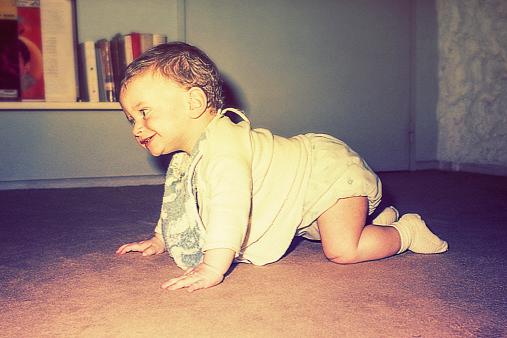
If you walked into a typical 1970s home, you probably wouldn’t find any of the safety gadgets that are standard in 2026. Things like plastic outlet covers, magnetic cabinet locks, and tension-mounted baby gates were rare or non-existent in most households. Heavy furniture wasn’t anchored to the walls, and cleaning chemicals were often stored in unlocked cabinets right at a toddler’s eye level. The general philosophy was that children would learn through a bit of “trial and error” what was hot, sharp, or dangerous to touch.
This hands-off approach was less about negligence and more about a lack of specialized safety products on the market. It wasn’t until the 1980s that “babyproofing” became a massive industry, fueled by data showing how many home accidents were actually preventable. Modern parents often spend hundreds of dollars and dozens of hours securing every corner of their home before a baby even starts crawling. While the 70s kids survived on luck and loose supervision, today’s environment is designed to eliminate risk before a child even has the chance to make a mistake.
Smoking Around Children
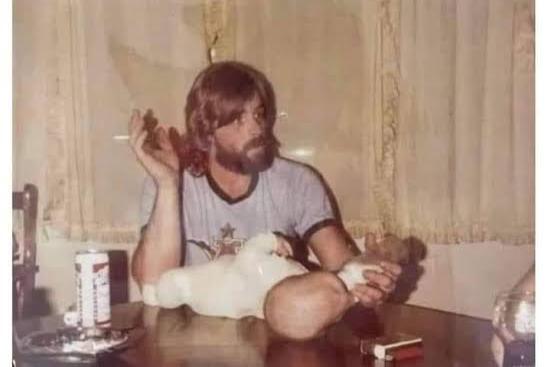
In the 1970s, cigarette smoke was a constant presence in the lives of most children, whether they were at home, in a restaurant, or trapped in a car. It was socially acceptable for adults to light up in enclosed spaces with kids sitting right next to them, and “no smoking” sections were almost unheard of. At the time, the general public didn’t fully grasp the long-term health consequences of secondhand smoke, and many people viewed it as a harmless personal habit rather than a public health crisis.
The tide began to turn in the 1980s as more medical reports highlighted the link between passive smoke and childhood asthma, ear infections, and sudden infant death syndrome. By the 1990s, laws began to change, and smoking in public buildings became increasingly restricted. In 2026, smoking in a car with a child present is actually illegal in several jurisdictions and socially frowned upon almost everywhere. This shift shows how much we have prioritized children’s respiratory health over the convenience of adult habits in the last few decades.
The Rise Of Latchkey Kids

The term “latchkey child” became a household phrase in the 1970s as more women entered the workforce and dual-income households became the new norm. It referred to children who went home after school to an empty house, using their own key to let themselves in while their parents were still at work. These kids were responsible for making their own snacks, finishing their homework, and staying safe until five or six o’clock in the evening. For many, this was their first real taste of adult responsibility.
While this setup taught many 70s kids how to be independent and resourceful, it also raised concerns about hidden dangers and the emotional toll of isolation. By the late 1990s, the rise of after-school programs and organized childcare started to replace the latchkey lifestyle. Today, leaving a young child home alone for several hours can lead to legal complications in many states, reflecting a modern belief that children need constant adult engagement. The latchkey era is remembered as a time when kids were forced to grow up a little faster than they do today.
Hard Playground Surfaces

Playgrounds in the 1970s were built to be tough, but they certainly weren’t built to be soft. Most swing sets and towering metal slides were installed directly over asphalt, concrete, or packed dirt that was nearly as hard as stone. If a child fell from the top of a ten-foot “monkey bar” set, there was nothing to break their fall except the unforgiving ground. These structures were often made of heavy-duty steel that would get scorching hot in the summer sun, causing minor burns on many little legs.
As injury data became more widely available in the late 20th century, cities began replacing these “death traps” with safer alternatives. By the early 2000s, almost all public playgrounds had switched to using rubber matting, wood chips, or shredded tires to absorb the impact of a fall. Modern equipment is also designed with lower heights and rounded edges to prevent the types of fractures that were common in the 70s. Looking back, those old metal playgrounds seem like obstacle courses designed for soldiers rather than places for toddlers to play safely.
Early Access To Sharp Tools

In the 1970s, it wasn’t uncommon for a child to be handed a real hammer, a hand saw, or even a pocket knife at a very young age. Parents often viewed manual labor and “shop” skills as essential life lessons, and they encouraged their kids to help with home repairs or wood-carving projects. The idea was that a child who learned to respect a sharp blade or a heavy tool would be more capable and cautious as an adult. Supervision was usually present, but it was often quite relaxed.
Today, the approach to teaching these skills has become much more controlled and safety-oriented. While some parents still teach their kids to use tools, they usually start with plastic versions or use extensive safety gear like goggles and cut-resistant gloves. Schools have also implemented strict protocols for “maker spaces” and shop classes to prevent accidents. This change reflects a 2026 culture that values “safety first” over the “learn-as-you-go” mentality that defined the workshop experiences of many people growing up fifty years ago.
Playing In Construction Sites
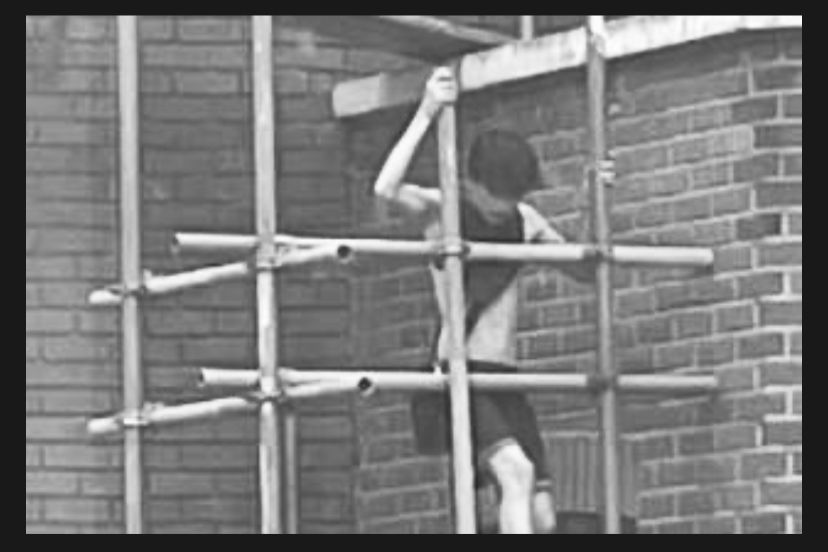
In the 1970s, it was quite common to find neighborhood children treating active or abandoned construction sites like their own personal adventure parks. These skeletons of future homes and office buildings offered a landscape of excitement that a standard plastic slide simply couldn’t provide. Kids would spend hours climbing up unstable wooden scaffolding, walking across open floor joists, and jumping into massive piles of loose sand or dirt. Parents often knew their children were “out playing at the new build,” but as long as they were home by dark, it was rarely seen as a major safety violation.
By 2026, the idea of a child wandering onto a construction site is enough to trigger a massive legal headache and immediate police intervention. Modern safety regulations, such as the Occupational Safety and Health Administration (OSHA) guidelines, have made perimeter fencing and “No Trespassing” signs mandatory for a reason. These sites are filled with hidden hazards like exposed rebar, chemical runoff, and heavy machinery that can easily cause fatal accidents. The shift from “free exploration” to “strict containment” reflects a society that now recognizes how a child’s sense of wonder can lead them into life-threatening danger.
Going Barefoot Everywhere
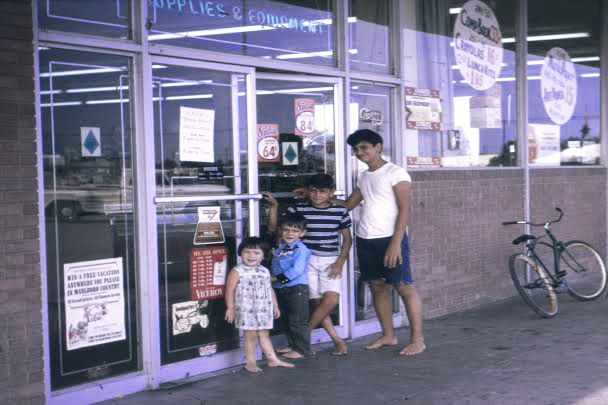
For many kids growing up in the 1970s, shoes were considered a strictly “school or church” requirement. During the long summer months, children would spend nearly every waking hour barefoot, running across hot asphalt, prickly grass, and gravel driveways without a second thought. This habit was so widespread that “No Shirt, No Shoes, No Service” signs became a common fixture in storefronts just to keep the neighborhood kids from tracking mud into the aisles. Parents generally didn’t worry about foot hygiene unless someone stepped on a rusty nail or a piece of glass.
Today, the culture of going barefoot in public has almost entirely vanished outside of the beach or a private backyard. Increased awareness of environmental contaminants, such as pesticides, parasites, and industrial waste, has made parents much more protective of their children’s feet. Medical professionals in 2026 also emphasize the importance of proper arch support and protection against fungal infections that thrive in public spaces. While 70s kids took pride in their leathery, calloused soles, modern parenting priorities favor the safety and cleanliness provided by a sturdy pair of sneakers.
Drinking From Hoses

On a scorching July afternoon in 1975, the garden hose was the ultimate hydration station for any kid playing outdoors. Nobody wanted to track dirt into the kitchen just for a glass of water, so they simply turned on the spigot and drank directly from the rubber nozzle. The water often tasted like a mixture of metallic garden chemicals and sun-baked plastic, but it was a cooling rite of passage for millions. Parents saw this as a practical and harmless way for kids to stay hydrated while they stayed out of the house.
In recent years, however, health experts have pointed out that older garden hoses were often made with PVC that contained high levels of lead and phthalates. These chemicals can leach into the water, especially after the hose has been sitting in the hot sun all day. While many modern hoses are now labeled as “lead-free” or “drinking water safe,” the casual habit of sipping from the garden line has largely been replaced by reusable, BPA-free water bottles. This change highlights how our modern understanding of chemical exposure has turned a simple childhood memory into a potential health risk.
Exposure To Adult Parties

In the 1970s, the line between “adult time” and “child time” was often very blurry during social gatherings. It was standard for children to be present at late-night backyard barbecues or cocktail parties where grown-ups were drinking heavily and smoking outdoors and indoors. Children often acted as “mini-waiters,” refilling snack bowls or even fetching fresh beers for their parents and neighbors. There was very little effort made to censor adult conversations or shield children from the sight of people losing their inhibitions, as it was considered a natural part of social integration.
By contrast, modern social etiquette in 2026 tends to favor more structured boundaries. Most parents now prioritize creating a “child-safe” environment during parties, often hiring sitters or designating separate areas where kids can watch movies away from adult behavior. This shift is driven by a much deeper understanding of how observing substance use can influence a child’s future habits and psychological development. What was once seen as “learning how the world works” is now viewed as an inappropriate environment that places unnecessary stress on a developing mind.
A Lack Of Structured Activities
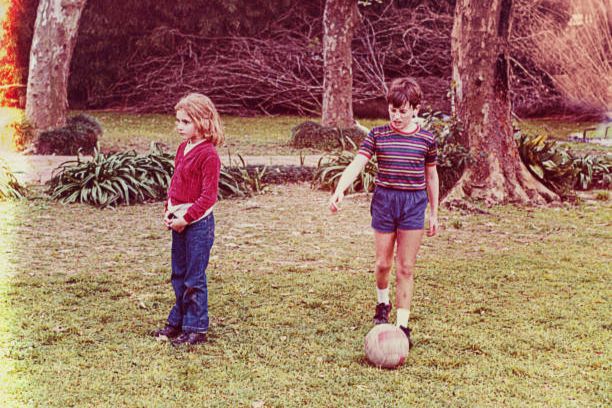
Childhood in the 1970s was characterized by vast amounts of “empty” time. Most kids didn’t have a calendar full of soccer practices, violin lessons, or coding camps; instead, they had hours of unstructured play every single day. After school, a child’s only job was to stay out of the way and find something to do. This led to a lot of boredom, which in turn forced children to use their imaginations to invent games, build forts, or organize their own neighborhood sporting events without a coach or a referee in sight.
While this lack of structure was great for fostering creativity and independence, it stands in stark contrast to the “overscheduled” childhood of today. In 2026, many parents feel a constant pressure to enroll their children in competitive activities to ensure they don’t fall behind their peers. While modern kids may have more impressive resumes by the time they hit middle school, they often miss out on the vital skill of self-entertainment that 70s kids mastered. This shift reflects a move away from “figuring it out” toward a more guided, result-oriented approach to growing up.
Ultimately, the goal of parenting hasn’t changed, even if the methods have shifted dramatically. Every generation tries to do what is best for their children based on the information they have at the time. Whether you grew up drinking from hoses or being buckled into a five-point harness, these differences remind us how much we continue to learn about the best ways to protect and raise the next generation.


