
1. Chinatown (1974)

Roman Polanski’s noir classic plays out like a sharp detective story until its devastating finale. Jack Nicholson’s Jake Gittes believes he’s close to exposing a corrupt tycoon, but the ending leaves him powerless. The villain wins, the heroine is killed, and Gittes is forced to walk away with the iconic line: “Forget it, Jake. It’s Chinatown.” Unlike most Hollywood thrillers where the hero triumphs, this one undercuts every expectation. It shocked audiences by showing that justice doesn’t always prevail and sometimes evil simply thrives unchecked.
2. Scarface (1983)
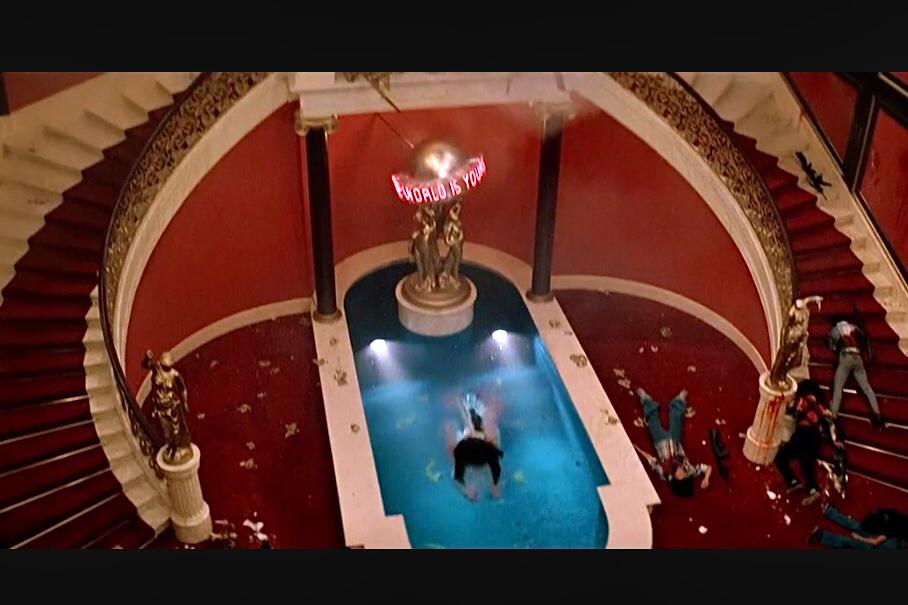
Brian De Palma’s crime epic follows Tony Montana’s rise from Cuban immigrant to Miami drug kingpin, fueled by ambition and ruthlessness. But the ending strips away the glamour, showing his empire collapsing under betrayal and violence. Alone in his mansion, Tony takes a hail of bullets in a final standoff before tumbling into a fountain beneath the neon slogan “The World Is Yours.” What began as a story of power and excess ends in destruction, a cautionary tale about greed that left audiences stunned by its brutal conclusion.
3. Planet of the Apes (1968)
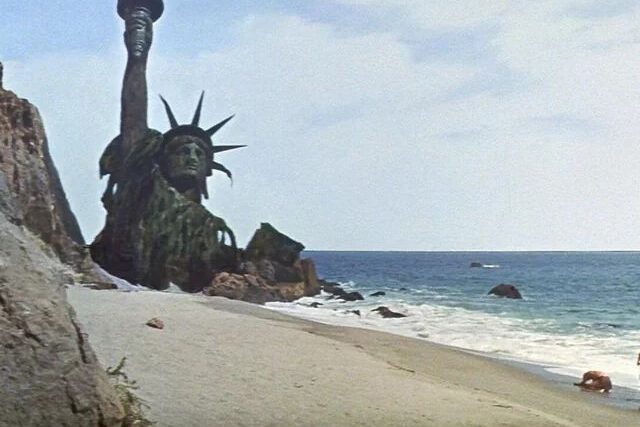
Though just outside the ’70s, this ending is too unforgettable to ignore. The twist comes when Charlton Heston’s character, thinking he’s landed on a strange planet ruled by apes, stumbles upon the ruined Statue of Liberty. The shocking reveal flips the entire story, showing that he’s been on Earth all along, long after humanity destroyed itself. It turned what was already a tense sci-fi adventure into a haunting warning about mankind’s capacity for self-destruction, leaving audiences stunned and silent in theaters.
4. The Deer Hunter (1978)
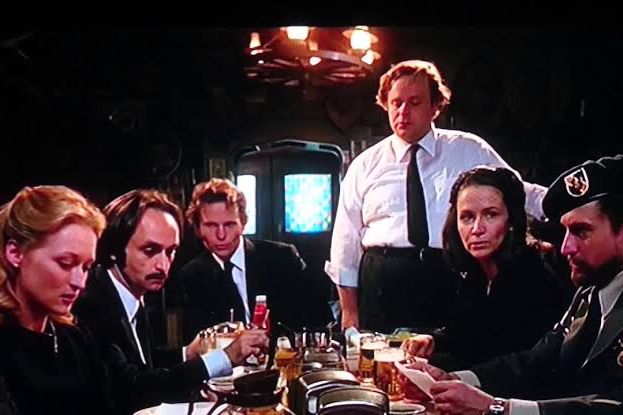
At first, the film explores the bond between working-class friends before and after their time in Vietnam. But the ending drives the emotional blow home with Robert De Niro’s Michael losing his closest friend to Russian roulette, even after surviving the war. The group of survivors then sits down to breakfast, broken and weary, softly singing “God Bless America.” Instead of triumph, it leaves audiences with sorrow, trauma, and a heavy sense of loss. It was one of the most somber endings of the decade, reminding viewers that war scars last long after the battles are over.
5. The Stepford Wives (1975)

Ira Levin’s story of suburban perfection hides something sinister beneath its glossy surface. At first, the film feels like a witty satire about women feeling suffocated by domestic expectations. But the ending reveals the terrifying truth: the women of Stepford are being replaced by robotic versions, programmed to serve without question. The final moment, showing the heroine’s lifeless double shopping alongside other blank-eyed wives, cemented the movie as a chilling feminist parable. Instead of light satire, it lands as a nightmare vision of control and erasure.
6. The Vanishing (1988, U.S. release 1993)

This Dutch thriller may begin like a straightforward mystery about a missing woman, but it ends with a terrifyingly quiet gut punch. The protagonist spends years searching for his girlfriend, unable to move on without knowing what happened. When he finally learns the truth, he experiences it firsthand: he is drugged, buried alive, and left to die in the same way she did. The film closes with complete darkness, leaving no hope, no rescue, only the chilling reality of his fate. It’s one of the bleakest conclusions ever put to film, shocking audiences with its merciless honesty.
7. Blow Out (1981)
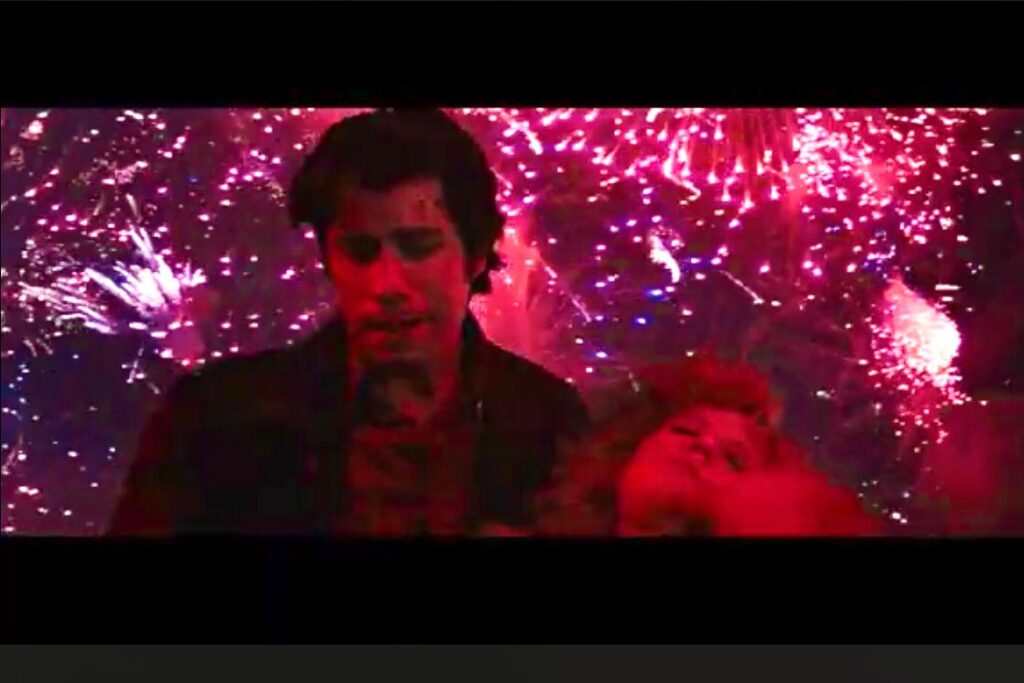
Brian De Palma’s thriller builds around John Travolta’s character, a sound technician who accidentally records evidence of a political assassination. The story keeps up the suspense with his desperate attempt to protect a woman caught in the conspiracy. But the ending shatters expectations: he fails, and she dies in his arms. Her final scream is later reused as a sound effect for a cheap horror film, leaving him devastated. The combination of political cynicism and personal tragedy made the finale unforgettable, showing how power and corruption can crush individuals without consequence.
8. The Last American Virgin (1982)
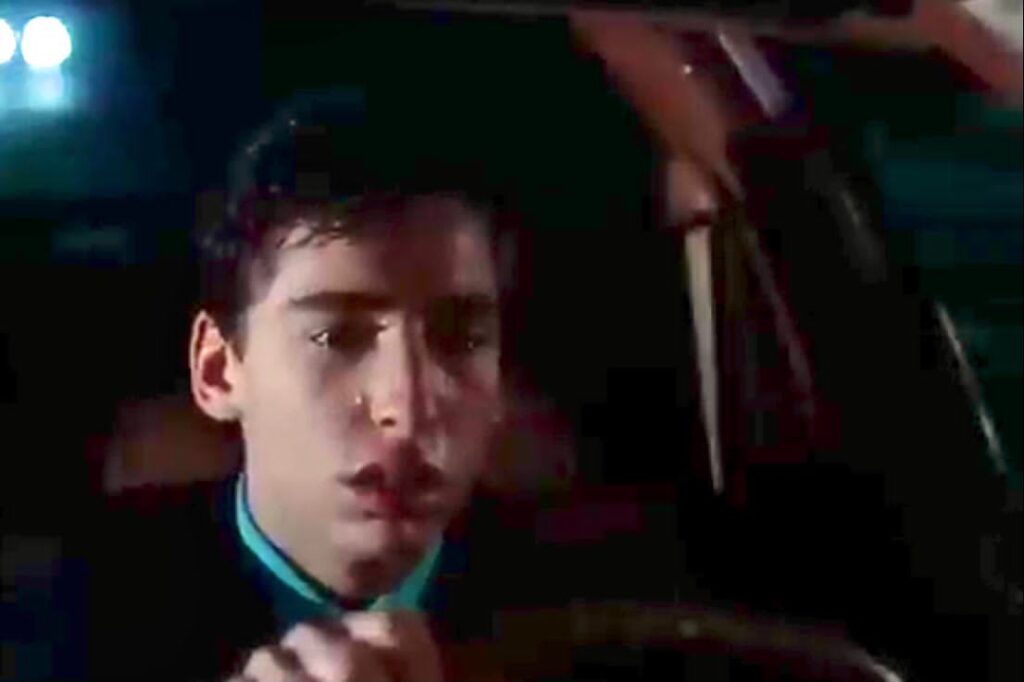
For most of the movie, this looks like a typical teen comedy filled with goofy antics and raunchy humor. But it takes a shockingly serious turn at the end. After the main character sacrifices his money and time to help the girl he loves through an abortion, he thinks they’ll finally be together. Instead, she chooses his friend, leaving him heartbroken and alone. The final scene shows him driving in silence, tears in his eyes, a painful contrast to the lighthearted tone that came before. It’s one of the harshest and most realistic endings in teen cinema.
9. Angel Heart (1987)

This supernatural detective story begins as a gritty mystery but turns darker with each revelation. Mickey Rourke’s character thinks he’s investigating a missing singer, but the clues point toward something much more sinister. The shocking twist comes when he learns he isn’t the detective at all, he’s the man who committed the crimes, having unknowingly made a pact with the devil. The realization that he’s both the hunter and the hunted flips the entire film, ending with his inevitable damnation. The movie’s descent from mystery into horror makes the ending linger long after the credits roll.
10. Threads (1984)
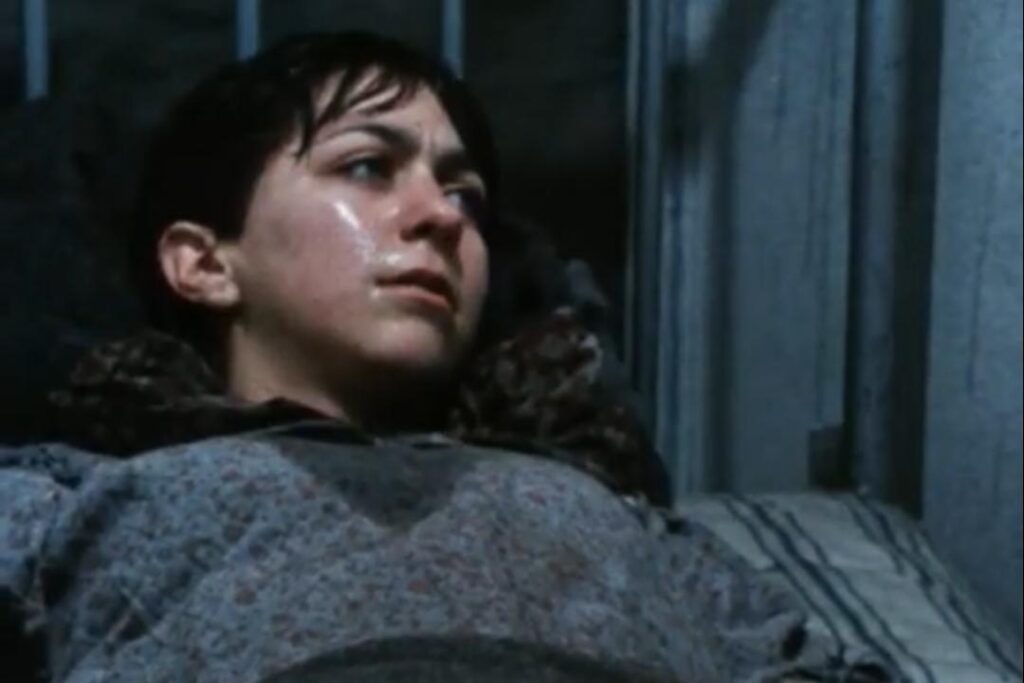
Made for British television, Threads is widely considered one of the bleakest depictions of nuclear war ever filmed. It starts as a drama about ordinary people living in Sheffield, then descends into the unimaginable as bombs fall and society collapses. The movie doesn’t flinch from showing the decades-long aftermath, radiation, famine, and generational trauma. By the end, civilization is gone, and humanity has been reduced to little more than shadows of what it once was. There’s no uplifting resolution, only the grim suggestion that survival in such a world is hardly worth the cost.
11. The Elephant Man (1980)
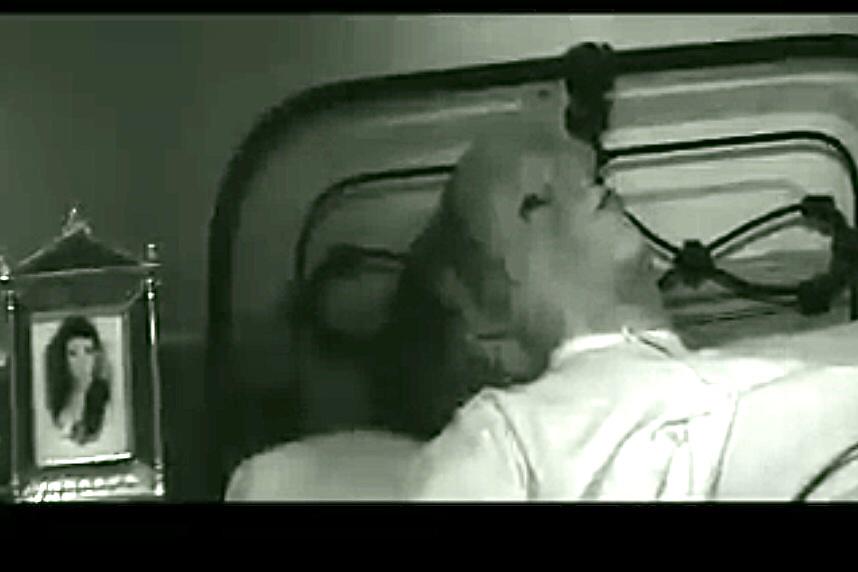
David Lynch’s moving biopic of Joseph Merrick, known as the Elephant Man, takes viewers through his painful life of ridicule and exploitation. Yet it also shows his dignity, kindness, and humanity. The ending, however, carries heartbreaking weight: Merrick lies down to sleep on his back, knowing it will suffocate him, simply to feel normal like everyone else. As the screen fades into a starry sky and his mother’s voice is heard, the moment lands as both tragic and tender. It’s a rare Lynch film that chooses raw emotion over surreal terror, leaving audiences deeply moved.
12. Return to Oz (1985)

Marketed as a children’s fantasy, this sequel to The Wizard of Oz shocked viewers with its eerie, unsettling tone. Dorothy faces electroshock therapy, menacing wheelers, and a headless witch, far removed from the whimsy of the original. The ending brings resolution, but the darkness lingers, making it feel more like a gothic nightmare than a family adventure. Many young viewers who expected a cheerful return to Oz were left shaken, discovering that not all fairy tales end on a comforting note.
13. Watership Down (1978)

An animated film about rabbits sounds harmless, but this adaptation of Richard Adams’ novel is anything but gentle. While the story follows a group of rabbits searching for a safe home, the journey is filled with violence, death, and existential dread. The ending mixes hope with sorrow, as the leader dies and passes into the spirit world. For many children who saw it expecting a light cartoon, it was a traumatic introduction to mortality. The film’s dark themes made it unforgettable, showing that animation could tackle subjects far heavier than expected.
14. Blue Velvet (1986)
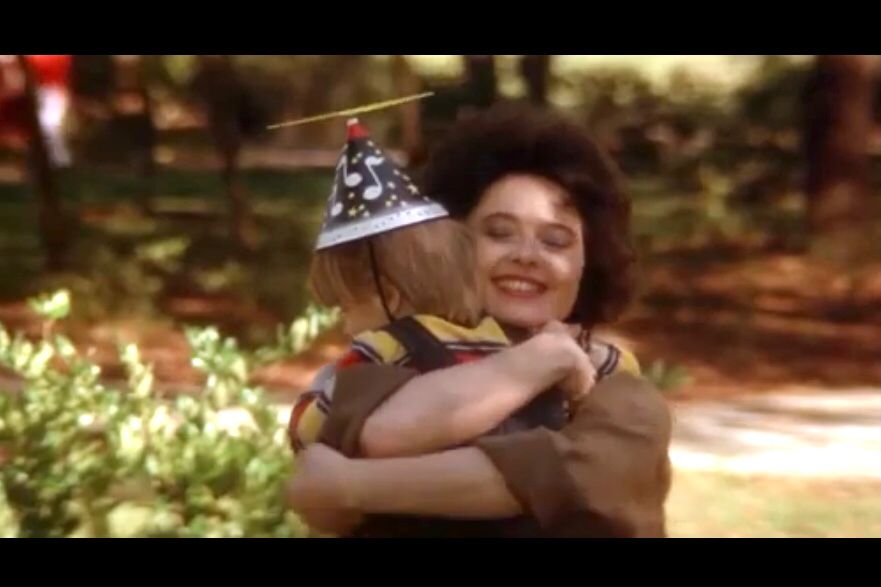
David Lynch’s unsettling thriller dives into the sinister underbelly of small-town America. While the closing scene offers an image of safety, a bird chirping, a family reunited, the horrors that preceded it never fully disappear. Viewers are left remembering the violence, corruption, and trauma lurking beneath the surface of suburban perfection. The ending’s contrast between bright smiles and disturbing memories only makes the film more chilling, reminding audiences that evil often hides behind ordinary facades.
15. Empire Strikes Back (1980)

Unlike the triumphant finale of A New Hope, this second Star Wars installment shocked audiences by ending on defeat. Luke loses his hand, Han Solo is frozen in carbonite, and the rebels are forced into retreat. To make it even darker, Darth Vader reveals he is Luke’s father, shaking the foundation of the entire saga. Rather than resolve the story neatly, the film closed with uncertainty and despair, leaving fans waiting years for resolution. It’s still considered one of the boldest and most effective cliffhangers in movie history.
This story 15 ’70s and ’80s Movies That Took a Shockingly Dark Turn at the End was first published on Daily FETCH


