
Joey Heatherton
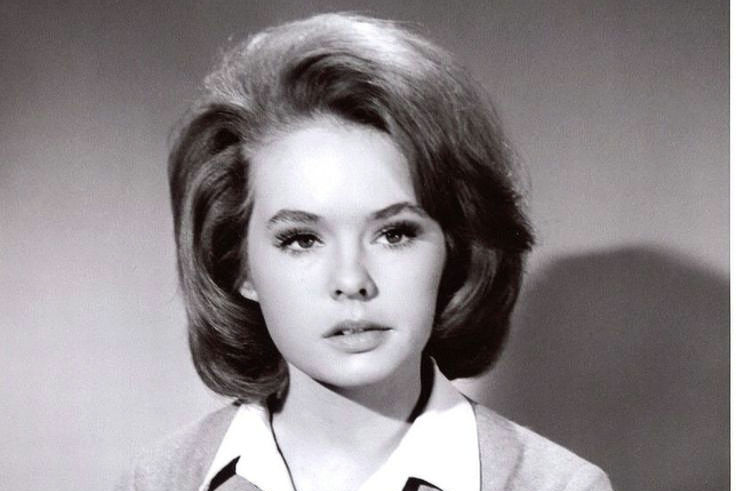
Few entertainers captured the lively energy of 1960s television quite like Joey Heatherton. Born on September 14, 1944, in Rockville Centre, New York, she grew up in a show business household as her father, Ray Heatherton, was a well-known Broadway star and host of The Merry Mailman. Joey began her professional acting career as a teenager, making her debut in the 1959 Broadway production of The Sound of Music. By the mid-1960s, she had become a “triple threat” performer, known for her striking looks, vibrant dancing, and frequent guest spots on variety programs like The Dean Martin Show, where she first appeared in 1965.
Heatherton’s massive popularity extended far beyond the controlled environment of Hollywood television studios. Throughout the height of the Vietnam War, specifically between 1965 and 1971, she frequently toured with Bob Hope’s USO shows, performing for American troops overseas and becoming a familiar patriotic figure. She also transitioned to the big screen, starring in films like Where Love Has Gone in 1964 and My Blood Runs Cold in 1965. While younger audiences today may not recognize her name, she was a true household staple who appeared on countless magazine covers and prime-time specials. For Baby Boomers, Joey Heatherton remains the ultimate symbol of the glamorous, high-energy variety entertainment that once dominated American screens.
Bobbie Gentry
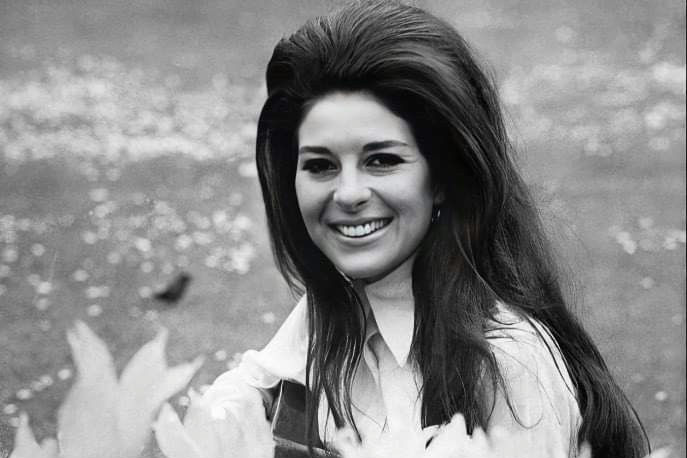
Bobbie Gentry became one of the most intriguing and influential musical figures of the late 1960s. Born Roberta Lee Streeter in Chickasaw County, Mississippi, on July 27, 1942, she grew up immersed in the rich traditions of Southern folk and country music. Her monumental breakthrough arrived in July 1967 when she released the haunting, Southern Gothic ballad “Ode to Billie Joe.” The enigmatic song climbed to number one on the Billboard Hot 100, famously knocking the Beatles’ “All You Need Is Love” off the top spot. In 1968, the track earned her three Grammy Awards, including Best New Artist and Best Female Pop Vocal Performance.
What made Gentry truly remarkable was her pioneering role as a female artist who wrote, arranged, and produced much of her own material during an era when women were rarely granted such creative autonomy. Beyond her songwriting, she possessed a sophisticated stage presence, leading to her own BBC television series in 1968 and a highly successful Las Vegas residency. Despite her immense fame, she chose to permanently withdraw from public life after her final appearance at the Academy of Country Music Awards in 1982. This sudden disappearance only deepened her mystique over the following decades. Baby Boomers still remember Gentry as the mysterious singer whose soulful storytelling voice perfectly captured the mood of the American South.
Jonathan Frid
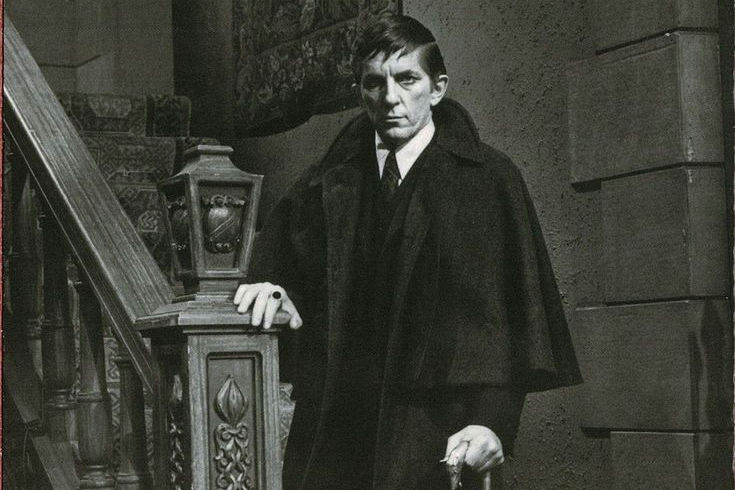
Jonathan Frid became a massive television phenomenon thanks to a single, unforgettable character that changed the face of daytime drama. Born in Hamilton, Ontario, on December 24, 1924, Frid was a classically trained stage actor with a degree from the Yale School of Drama. After spending years working in theater and minor television roles throughout the 1950s, his life changed forever in April 1967. That was when he joined the cast of the gothic daytime soap opera Dark Shadows as the vampire Barnabas Collins. Interestingly, the character was originally intended to be a short-term villain for a brief storyline, but his impact was immediate.
Audiences were quickly fascinated by Frid’s portrayal of a “reluctant” vampire burdened by a tragic past and a search for his lost love. Barnabas Collins turned Dark Shadows into a cult sensation, and by 1968, schoolchildren across America were rushing home every afternoon to see what happened next. The show’s popularity spawned a massive wave of merchandise, including board games, comic books, and even a 1970 feature film titled House of Dark Shadows. Although Frid returned to the stage after the series ended in 1971, the role of Barnabas defined his professional legacy. For Baby Boomers who grew up with 1960s television, Jonathan Frid remains the iconic face of the vampire who turned an ordinary soap opera into a nationwide craze.
Tiny Tim
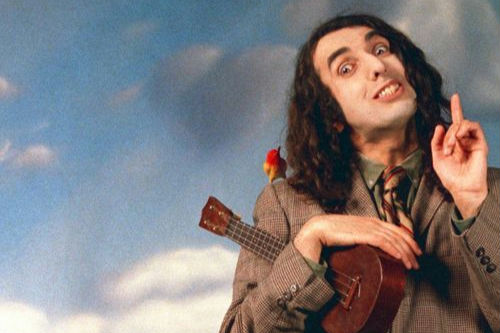
Few performers in the 1960s were as eccentric or instantly recognizable as the man known as Tiny Tim. Born Herbert Buckingham Khaury in New York City on April 12, 1932, he spent his youth obsessed with early 20th-century American popular music and vaudeville. His stage persona was a unique blend of high-pitched falsetto singing, a signature ukulele, and a wild, curly-haired appearance. While many observers initially dismissed him as a comedy novelty act, his deep knowledge of musical history and his earnest theatrical presentation eventually won over a massive mainstream audience during the height of the psychedelic era.
Tiny Tim achieved true national stardom in 1968 when his cover of the 1929 song “Tiptoe Through the Tulips” became a surprise Top 20 hit. He became a staple on variety shows, most notably as a frequent guest on Rowan & Martin’s Laugh-In. Perhaps the most significant moment of his career occurred on December 17, 1969, when he married Victoria Budinger, known as “Miss Vicki”, live on The Tonight Show Starring Johnny Carson. The broadcast attracted over 40 million viewers, making it one of the most-watched non-news events in television history. Although his mainstream fame declined by the mid-1970s, Tiny Tim’s strange charm and distinctive vibrato left a lasting mark on the generation that witnessed his rise.
Annette Funicello
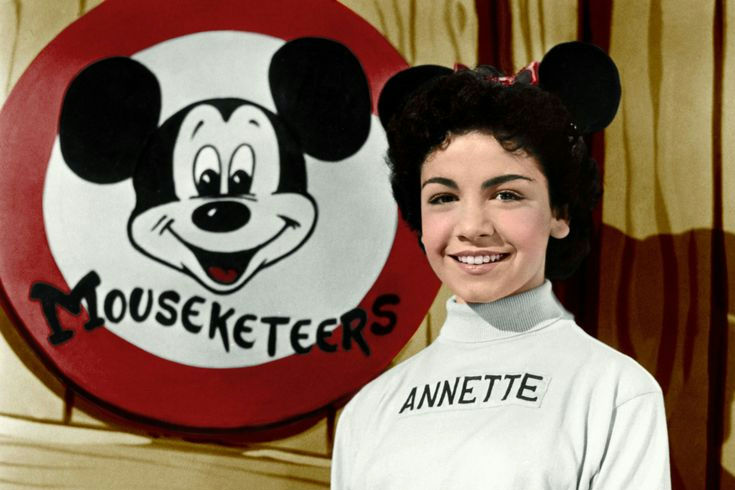
Annette Funicello remains one of the most beloved and wholesome figures in the history of American popular culture. Born on October 22, 1942, in Utica, New York, she moved to Southern California as a young child and was discovered by Walt Disney himself during a dance recital in 1955. She was quickly cast as one of the original “Mouseketeers” on The Mickey Mouse Club, which debuted that same year. Her natural screen presence and kind personality made her the breakout star of the program, and she soon became the most popular cast member among the millions of children watching at home.
As she entered her twenties, Funicello successfully transitioned into a movie star by appearing in a series of lighthearted “Beach Party” films alongside singer Frankie Avalon. Starting with Beach Party in 1963 and continuing through hits like Bikini Beach and Pajama Party in 1964, these films defined the carefree surf culture of the early 1960s. Even as she grew into an adult star, she maintained a reputation for being the “girl next door,” a image that persisted for decades. While younger generations may only know her as a Disney legend, Baby Boomers remember Annette as the friendly face who represented a sense of innocence and sunshine during a transformative period in American media.
Flip Wilson
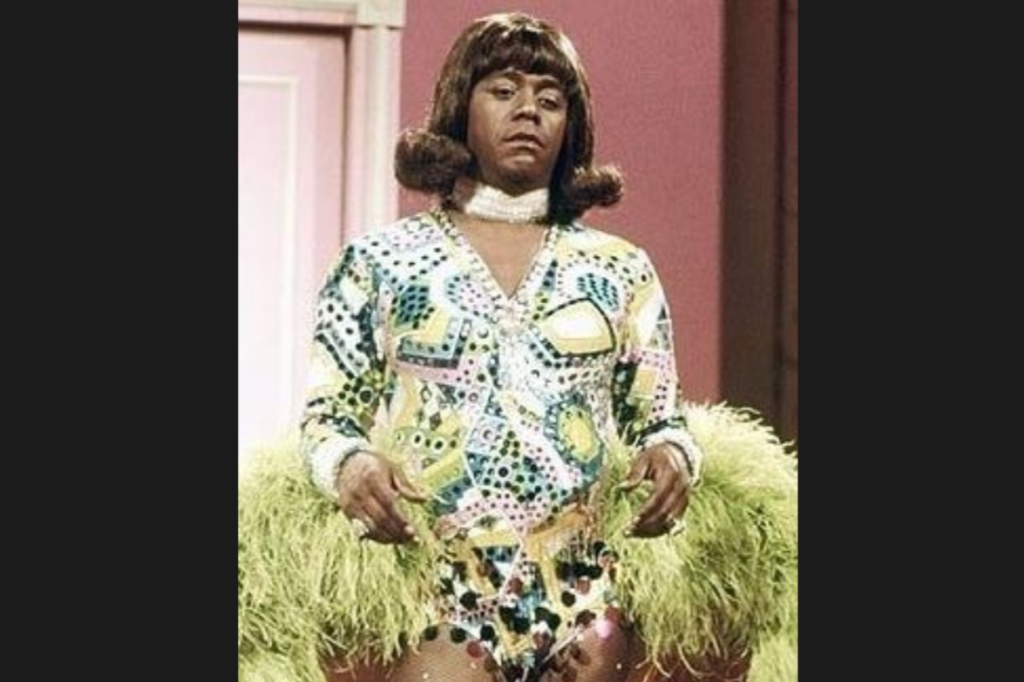
Flip Wilson was a comedic powerhouse who broke significant barriers in the late 1960s and early 1970s. Born Clerow Wilson Jr. on December 8, 1933, in Jersey City, New Jersey, he faced a difficult childhood in foster care before finding his footing in the United States Air Force. It was during his military service that he discovered his talent for comedy, eventually performing in various clubs throughout the late 1950s and 1960s. His big break came with appearances on The Tonight Show and The Ed Sullivan Show, where his storytelling ability and character-based humor quickly made him a favorite with national audiences.
In September 1970, he launched The Flip Wilson Show, which rapidly climbed the charts to become one of the highest-rated programs in the country. Wilson was famous for creating iconic characters like the flamboyant Geraldine Jones, whose catchphrases “The devil made me do it” and “What you see is what you get” became part of the American lexicon. He made history as the first Black entertainer to host a top-rated variety show, earning two Emmy Awards and a Golden Globe during the show’s run. Although he largely stepped away from the spotlight in later years, Baby Boomers fondly remember Flip Wilson as the man whose warmth and sharp wit brought families together every week.
Karen Valentine
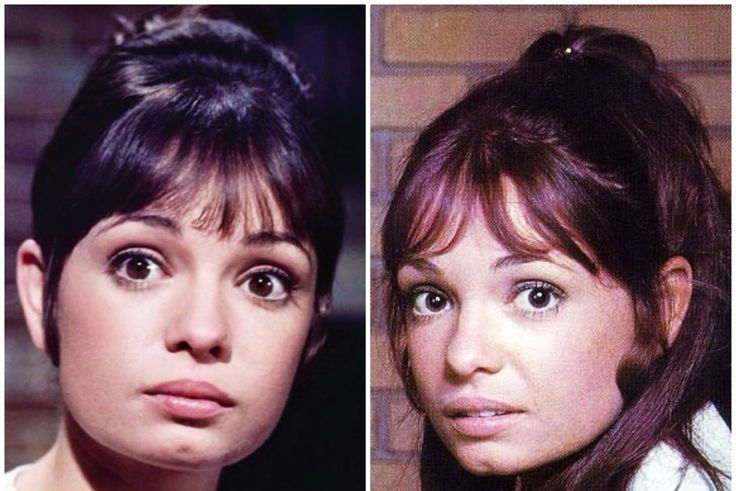
Karen Valentine rose to stardom at the very end of the 1960s, embodying the spirit of a modernizing America. Born on September 24, 1947, in Sebastopol, California, she first caught the public’s eye as a contestant on the television program The Dream Girl of 1967. This early exposure helped her land a variety of minor roles before she was cast in the show that would eventually define her career and make her a household name. In 1969, she took on the role of Alice Johnson, a cheerful and dedicated student teacher, in the high school drama Room 222.
The series was groundbreaking for its time, focusing on a racially integrated school and tackling serious social issues like civil rights and student activism. Valentine’s performance was so well-received that she won an Emmy Award for Outstanding Supporting Actress in a Comedy Series in 1970. Throughout the early 1970s, she was a frequent presence on magazine covers and was often described as the quintessential “girl next door” for the new decade. While she continued to work in television movies and theater for many years, it is her time in Room 222 that remains most vivid for Baby Boomers. To them, she represents the hopeful and progressive energy that characterized the transition from the late sixties into the seventies.
Ken Osmond
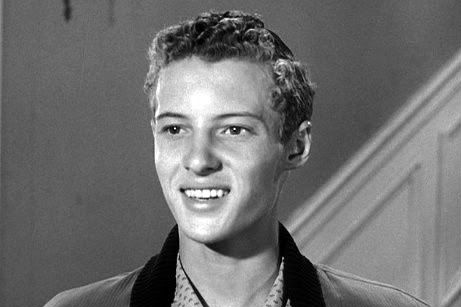
Ken Osmond created one of the most recognizable and enduring characters in the history of the American sitcom. Born on June 7, 1943, in Glendale, California, he began his career as a child actor in the early 1950s, appearing in films like So Big and Good Morning, Miss Dove. However, his life changed forever in 1957 when he was cast as Eddie Haskell in the family series Leave It to Beaver. Although originally intended for a single episode, Osmond’s portrayal of the two-faced teenage neighbor was so effective that he became a series regular for the show’s entire six-season run.
Eddie Haskell became the ultimate symbol of teenage hypocrisy, known for being overly polite to parents, famously greeting June Cleaver with “You look lovely today, Mrs. Cleaver”, while secretly encouraging trouble behind their backs. The character’s name eventually became a cultural shorthand for anyone who uses charm to hide their true intentions. After the show ended in 1963, Osmond faced typecasting challenges and eventually left acting to join the Los Angeles Police Department in 1970, where he served for 18 years. Despite his later career in law enforcement, Baby Boomers will always remember Ken Osmond as the mischievous Eddie Haskell, a character who provided some of the most memorable laughs of classic 1960s television.
Edie Sedgwick
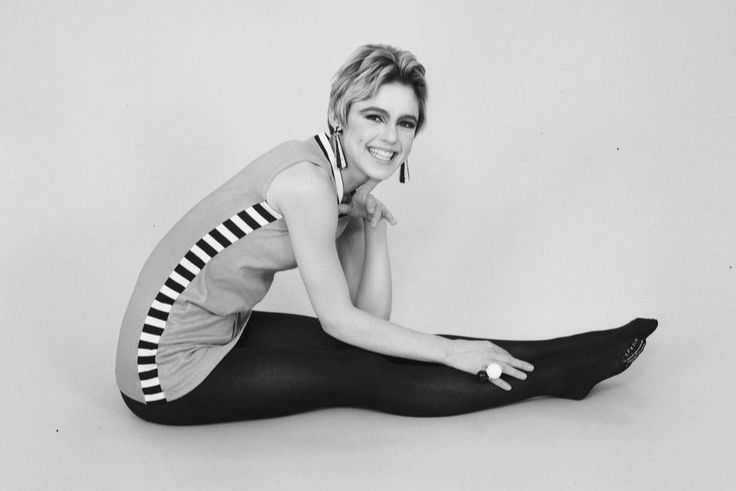
Edie Sedgwick was the ultimate “It Girl” who personified the avant-garde and experimental art scene of the mid-1960s. Born into a prominent and wealthy Massachusetts family on March 20, 1943, she moved to New York City in 1964 and quickly became a fixture in the city’s high-society and artistic circles. Her life took a dramatic turn in early 1965 when she met pop artist Andy Warhol. She soon became his primary muse and a central figure at his famous studio, The Factory, appearing in several of his underground films like Poor Little Rich Girl and Vinyl.
With her signature silver-blonde pixie cut, heavy black eyeliner, and oversized earrings, Sedgwick became a global style icon whose influence was felt in the pages of Vogue and Life magazine. She was widely considered the face of the “Youthquake” movement, representing a break from the traditional fashion of the 1950s. However, her meteoric rise was followed by a tragic struggle with mental health and substance abuse, leading to her untimely death on November 16, 1971, at the age of 28. While she may be a footnote to younger generations, Baby Boomers remember Edie Sedgwick as a shining but flickering light who defined the radical artistic shift of the 1960s cultural revolution.
Roger Smith
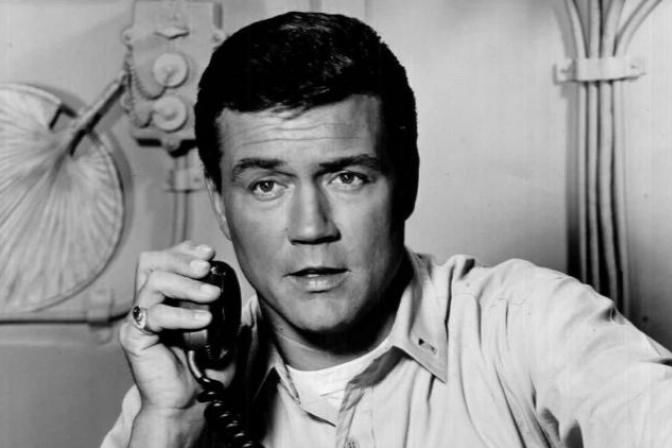
Roger Smith was a quintessential television leading man who helped define the cool, detective persona of the late 1950s and early 1960s. Born on October 18, 1932, in South Gate, California, he began his career after a stint in the U.S. Navy, signing a contract with Columbia Pictures. His massive break came in 1958 when he was cast as private investigator Jeff Spencer in the hit series 77 Sunset Strip. The show was a cultural phenomenon, known for its stylish Los Angeles backdrop, catchy theme song, and the “cool” demeanor of its protagonists.
As Jeff Spencer, Smith played a sophisticated, college-educated detective who brought a touch of class to the crime genre. The show ran until 1964 and made Smith one of the most popular faces on television during the early part of the decade. Unfortunately, a serious health diagnosis in 1965 forced him to retire from acting at the height of his career. He then shifted his focus to managing the career of his wife, the legendary actress and singer Ann-Margret, whom he married in 1967. They remained one of Hollywood’s most devoted couples for 50 years. For Baby Boomers, Roger Smith remains a symbol of the polished and suave heroes who once ruled the prime-time airwaves during the golden age of TV.
The Ventures
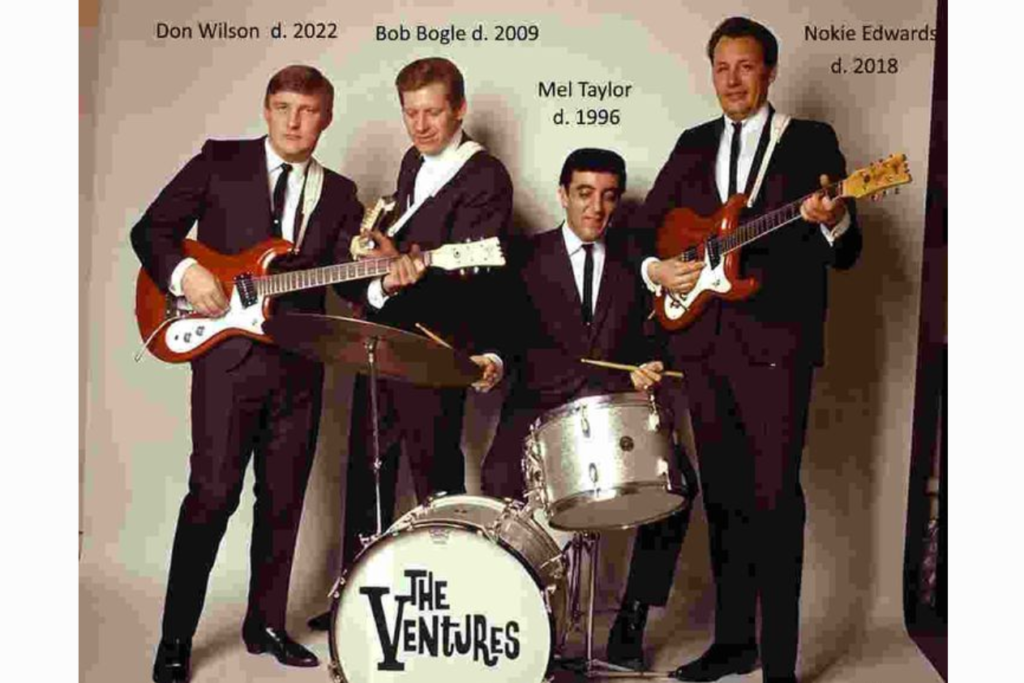
Instrumental rock and roll was a dominant force in the early 1960s, and no group embodied that sound more perfectly than The Ventures. Formed in Tacoma, Washington, in 1958 by Don Wilson and Bob Bogle, the band specialized in high-energy, guitar-driven music that skipped the lyrics in favor of catchy melodies. Their massive breakthrough came in 1960 with the hit single “Walk, Don’t Run,” which peaked at number two on the Billboard Hot 100. This track effectively introduced the world to the “surf rock” sound and cemented the electric guitar as the primary instrument of the rock era.
Throughout the 1960s, The Ventures were incredibly prolific, releasing dozens of albums and scoring another major hit with the theme to Hawaii Five-O in 1969. Their influence on the music industry was profound; thousands of teenagers in the 1960s learned how to play the guitar specifically by listening to Ventures records. They were even nicknamed “the band that launched a thousand bands” because of their instructional albums that taught aspiring musicians how to play. While they are often overlooked in modern rock history, the group sold over 100 million records worldwide. To Baby Boomers, The Ventures are the quintessential garage-rock pioneers who provided the soundtrack to the early 1960s and inspired a generation of future guitar legends.
Peggy Lipton
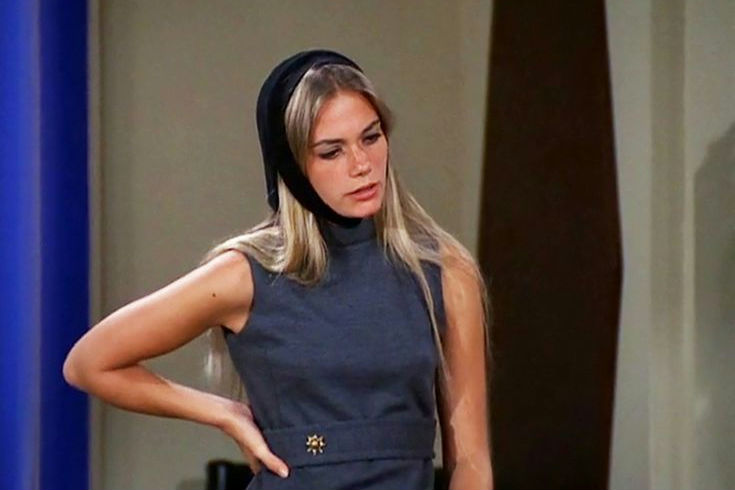
Peggy Lipton became one of the most iconic faces of the late-1960s counter-culture movement through her role in a groundbreaking television series. Born on August 30, 1946, in New York City, she began a successful modeling career at the age of 15 before moving to Los Angeles to pursue acting. In 1968, she landed the role of Julie Barnes in The Mod Squad, a show about three young “hippies” who worked as undercover police officers. The series was unique for its time, as it attempted to bridge the gap between the establishment and the burgeoning youth culture of the Vietnam era.
Lipton’s portrayal of the sensitive and stylish Julie Barnes earned her four Emmy nominations and a Golden Globe Award for Best Actress in 1970. She became a fashion icon for young women, known for her long blonde hair and effortless “Boho” style. Following the show’s conclusion in 1973, she stepped away from acting for many years to raise her daughters, Rashida and Kidada Jones, with her then-husband, music mogul Quincy Jones. She eventually made a famous comeback in the 1990s in Twin Peaks, but for Baby Boomers, she will always be the soulful heart of The Mod Squad. She remains a beloved figure who perfectly represented the changing social landscape of the late 1960s.
John Davidson
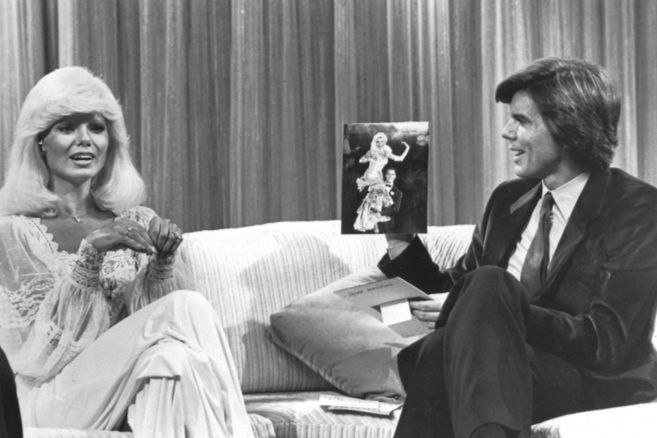
John Davidson was a ubiquitous presence on American television throughout the late 1960s and early 1970s. Born on December 13, 1941, in Pittsburgh, Pennsylvania, he was the son of two ministers and grew up with a passion for both theater and music. After graduating from Denison University, he made his Broadway debut in 1964 and was quickly scouted by television producers who were drawn to his clean-cut looks and charming personality. In 1966, he hosted his own summer replacement series, The John Davidson Show, which helped launch his career as a premier variety entertainer.
Known for his dimpled smile and smooth baritone voice, Davidson was a favorite guest on variety programs like The Carol Burnett Show and The Ed Sullivan Show. He also became a legendary fixture on game shows, most notably as a frequent panelist on The Hollywood Squares, where he appeared in over 900 episodes starting in the late 1960s. His friendly, non-threatening persona made him the ideal host for the era’s lighthearted entertainment format. While he continued to host shows like That’s Incredible! in the 1980s, Baby Boomers remember him as the quintessential 1960s “crooner” and host who seemed to be a guest in their living rooms almost every single night of the week.
Vince Edwards
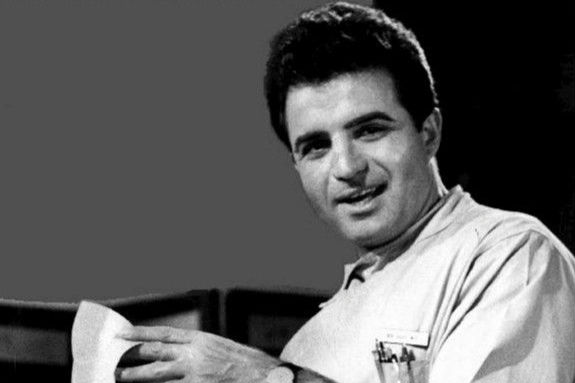
In the early 1960s, medical dramas became a massive trend on television, and Vince Edwards was the genre’s first true superstar. Born Vincent Edward Zoine on June 9, 1928, in Brooklyn, New York, he was a talented athlete who originally studied at Ohio State University on a swimming scholarship. However, he eventually moved into acting and spent years appearing in small film roles and television guest spots. His life changed drastically in October 1961 when he was cast as the lead character in the ABC series Ben Casey.
As Dr. Ben Casey, Edwards portrayed a brooding, intense, and deeply dedicated neurosurgeon who often clashed with hospital authority. The show was an immediate hit, and Edwards became a major national celebrity, even launching a brief but successful singing career on the side. Ben Casey ran for five seasons until 1966, and its success paved the way for every medical drama that followed, from Marcus Welby, M.D. to ER. While the character’s serious demeanor is a far cry from modern TV doctors, he was a pioneer of the “troubled hero” archetype. For Baby Boomers, Vince Edwards remains the face of the 1960s medical revolution, representing a time when the doctor was the most respected figure on the small screen.
Slim Pickens
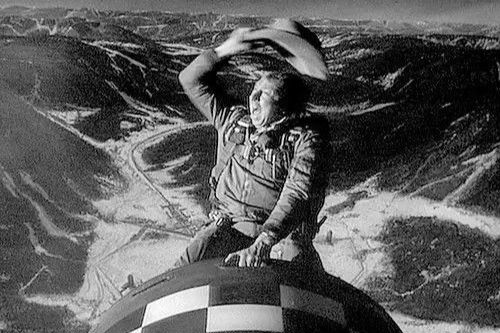
Slim Pickens was a character actor with a personality so large it could hardly be contained by the cinema screen. Born Louis Burton Lindley Jr. on June 29, 1919, in Kingsburg, California, he spent nearly twenty years as a real-life rodeo performer before moving into movies in 1950. His gravelly voice and authentic Western drawl made him a perfect fit for the cowboy films that dominated the 1950s and 1960s. Throughout the decade, he appeared in dozens of Westerns, often playing the reliable sidekick or the rugged outdoorsman who added a sense of realism to the genre.
However, Pickens earned immortal fame in 1964 with his role in Stanley Kubrick’s masterpiece, Dr. Strangelove. In the film’s climactic and most iconic scene, Pickens’ character, Major T.J. “King” Kong, straddles a nuclear bomb and rides it down like a bucking bronco, waving his cowboy hat and whooping all the way to the ground. This single moment became one of the most famous images in the history of cinema and redefined Pickens’ career, allowing him to take on more diverse and comedic roles in the years that followed. While his name might not ring a bell for younger audiences, Baby Boomers will never forget the sight of the ultimate cowboy riding a missile into history during the height of the Cold War.
While younger audiences may not immediately recognize many of these figures today, their work helped define the atmosphere of one of the most influential decades in modern entertainment.


